
Why Pharmaceutical Doors Fail VHP: Seal and Material Fixes
Vaporized hydrogen peroxide, or VHP, is now the default way most pharmaceutical and biotech sites decontaminate a cleanroom. It reaches corners that wipes cannot, it leaves no toxic residue, and it fits into an automated cycle. The problem is that the same process that kills contaminants also attacks the door standing in the room. A door that passes inspection on day one can start shedding particles, leaking air, or refusing to seal after a few hundred cycles.
This guide breaks down the specific ways pharmaceutical doors fail under VHP, then walks through the seal and material specs that keep them working. The goal is to help engineering, facility, and project teams write a door spec that survives decontamination instead of failing the first audit after commissioning.
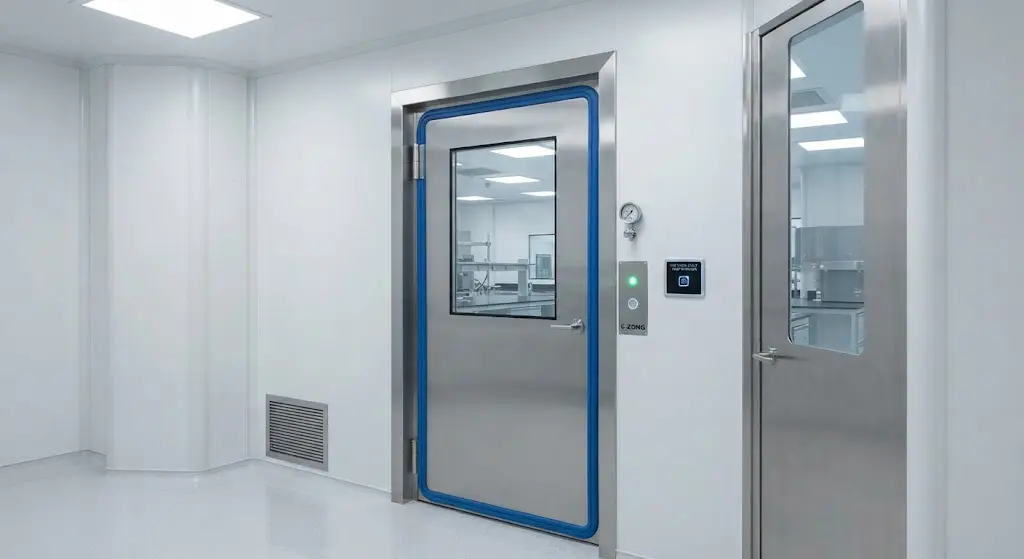
What VHP does to a door
VHP is hydrogen peroxide gas held at a low concentration and a controlled temperature, then circulated through the room for a set dwell time. The gas is a strong oxidizer. On a microscopic level it is constantly attacking any organic or vulnerable surface it touches. A single cycle is harmless. The damage shows up after the cycle repeats, often daily, for months.
Most teams spec the room walls, the HVAC, and the pressure cascade with VHP in mind. The door gets treated as a standard catalog item. That is the gap. The door is the one component with moving parts, compressed seals, coated surfaces, and metal joints, all of which react differently to repeated oxidation than a flat wall panel does.
The failure is rarely sudden. It starts as a hairline crack in a gasket, a dull patch on a coated panel, or a seal that no longer springs back after the leaf closes. By the time an operator notices air leaking at the frame, the door has usually been degrading for a long time.
The five ways pharmaceutical doors fail VHP
1. Coating breakdown on the door panel
Many pharmaceutical doors use a coated panel, powder-coated steel, or a laminate face. These coatings look smooth, but under repeated VHP exposure the surface can chalk, pit, or develop micro-cracks. Once the top layer breaks, the substrate underneath is exposed and the surface stops being cleanable.
A pitted face traps residue in places a wipe cannot reach. That is exactly the condition EU GMP Annex 1 tries to prevent, because residue in a recess becomes a contamination reservoir. The fix is a non-porous, oxidizer-resistant face, either a continuous polymer like HPL rated for disinfectant contact or a stainless face with a low-roughness electropolished finish.
2. Gasket hardening and cracking
The gasket is the part most exposed to the gas. Standard rubber compounds absorb peroxide over time, harden, and lose the ability to compress. A gasket that has taken a compression set no longer fills the gap between leaf and frame, so the door leaks even when it looks closed.
This is the most common cause of "the door passed last year and fails now." The material choice matters more than the shape. Silicone compounds hold up better under repeated peroxide contact than many standard EPDM blends, which tend to swell and then crack. The trade-off is that not every silicone grade is right either, so the spec has to name a peroxide-resistant compound, not just "rubber gasket."
For a deeper comparison of how each compound behaves under cleanroom conditions, our guide on cleanroom door seal materials covers silicone, EPDM, and neoprene side by side.
3. Seal compression loss at the frame
Even a good gasket fails if the frame cannot hold a stable compression. VHP rooms run on a pressure differential, often 10 to 15 pascals between adjacent zones. If the leaf drifts, the hinge wears, or the frame was never square to the wall, the seal line opens by a fraction of a millimeter and air starts moving.
In a pharmaceutical setting that air movement is not just energy loss. It is a direct route for cross-contamination between grades. The seal has to be designed as part of the frame, with a compression stop that keeps the leaf at a fixed distance from the jamb every time it closes, not left to whatever the installer achieved on the day.
4. Recesses and fasteners that trap residue
Annex 1 is clear that surfaces in graded rooms should have no inaccessible recesses. Doors are where that rule gets broken most often. Exposed screw heads, shadow gaps at the glazing, kick plates with open edges, and window frames with a ledge all collect residue that VHP and wipes cannot fully clear.
The practical fix is a flush design. A flush cleanroom door keeps the face, the window, and the frame on one plane so there is nowhere for residue to hide. Where a recess is unavoidable, it has to be sealed and demonstrably cleanable, not just visually tidy.
5. Corrosion at welds and hinges
Stainless is not automatically VHP-proof. The weak points are the welds, the hinge barrels, and any place where two metals meet. A poor weld leaves a porous seam that oxidizes from the inside. A mixed-metal joint sets up galvanic corrosion that shows up as staining first and leaks later.
The spec has to call out the grade. 316L stainless resists the oxidizing environment better than 304 in most decontamination cycles, and the weld finish has to match the panel finish. A mirror-polished panel joined to a rough welded hinge is a door with one weak seam waiting to fail.
Material specs that survive VHP
Start the material spec from the face and work outward.
- Panel face: choose a non-porous, oxidizer-stable surface. HPL rated for frequent disinfectant contact is common, or 304/316L stainless with an electropolished finish for A and B grade zones.
- Surface roughness: graded zones expect a low Ra value so the surface can be wiped clean. Electropolishing brings stainless into that range and removes the microscopic peaks where residue sits.
- Frame: match the frame alloy to the panel. If the panel is stainless, the frame should be the same family, not a coated carbon steel that will rust at the first scratch.
- Glazing: the window seal has to be flush and the glass edge sealed, not clamped with an open channel. A ledge at the window is a residue trap.
The aim is to match each surface to the cycles it runs. For a room running VHP daily, the gas-exposed faces have to stay stable through hundreds of cycles a year. Surfaces that never meet the gas do not need the same spec, so overspecifying them only adds cost.
Seal specs that survive VHP
The seal is where most doors live or die, so the spec needs more detail than "gasket included."
- Compound: name a peroxide-resistant silicone rather than a generic rubber. Ask the supplier for the compression-set data after accelerated peroxide aging, not just the virgin hardness.
- Profile: a bulb or wedge profile that compresses to a fixed stop holds a repeatable line better than a flat strip that depends on installation luck.
- Continuous seal: specify a single continuous gasket around the leaf rather than butt-joined sections, because each joint is a leak point.
- Drop seal: for swing doors, a mechanical drop seal that engages on closing keeps the threshold sealed without a fixed blade that gathers residue.
These details are small on a drawing and large in a cleanroom. A door that holds its seal through 500 cycles protects the room's pressure cascade and its audit result.

The 2026 VHP door spec checklist
Each line below maps to a failure mode from the list above.
| Spec line | What to require | Failure it prevents |
|---|---|---|
| Panel face | Non-porous HPL or electropolished stainless | Coating breakdown |
| Surface roughness | Low Ra on graded zones, documented | Residue trapping |
| Gasket compound | Peroxide-resistant silicone, aged data supplied | Hardening and cracking |
| Gasket form | Continuous, compression-stop profile | Seal compression loss |
| Frame detail | Flush, no open fasteners or ledges | Residue in recesses |
| Metal grade | 316L at welds and hinges where exposed | Corrosion at joints |
| Validation pack | Material and seal data for the cycle count | Audit gaps |
Most door failures trace back to one missing line on this list. A room that runs VHP daily cannot afford the "we will see" approach to any of them.
For the compliance side, our GMP cleanroom door 2026 checklist for pharma lines these requirements up against the current Annex 1 and GMP expectations so the spec and the audit use the same language.
Three specification mistakes to avoid
The first mistake is buying a "cleanroom door" without stating the cycle count. A door rated for weekly manual cleaning is not the same door as one facing daily automated VHP. Put the expected cycles per year in the spec.
The second mistake is treating the seal as a consumable nobody documents. When the gasket fails, the room fails, so the seal compound, its aged data, and its replacement interval belong in the project file from the start.
The third mistake is poor installation that undoes a good door. A square frame, a clean wall interface, and a correct compression set are what turn a rated door into a sealed opening. Our guide on why cleanroom door seals fail and how to fix them covers the install details that protect the spec after delivery.
How E-ZONG builds doors for VHP rooms
For VHP-exposed openings, E-ZONG supplies non-porous panel faces, stainless frames matched to the panel grade, flush glazing, and continuous peroxide-resistant seals sized to the room's cycle count. Each door ships with the material and seal data a validation engineer needs, so the spec that wins the bid is the same data that passes the audit.
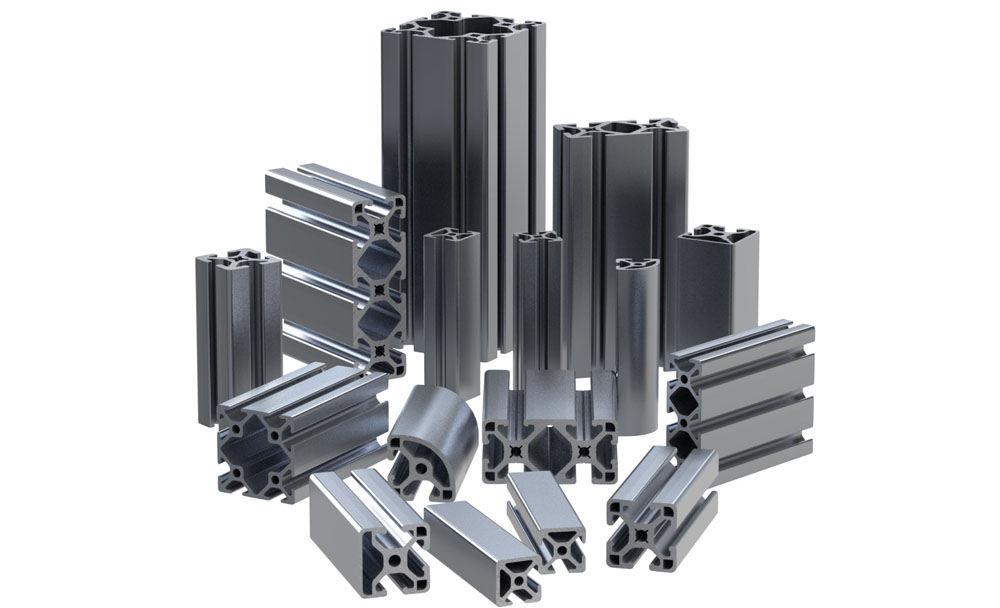
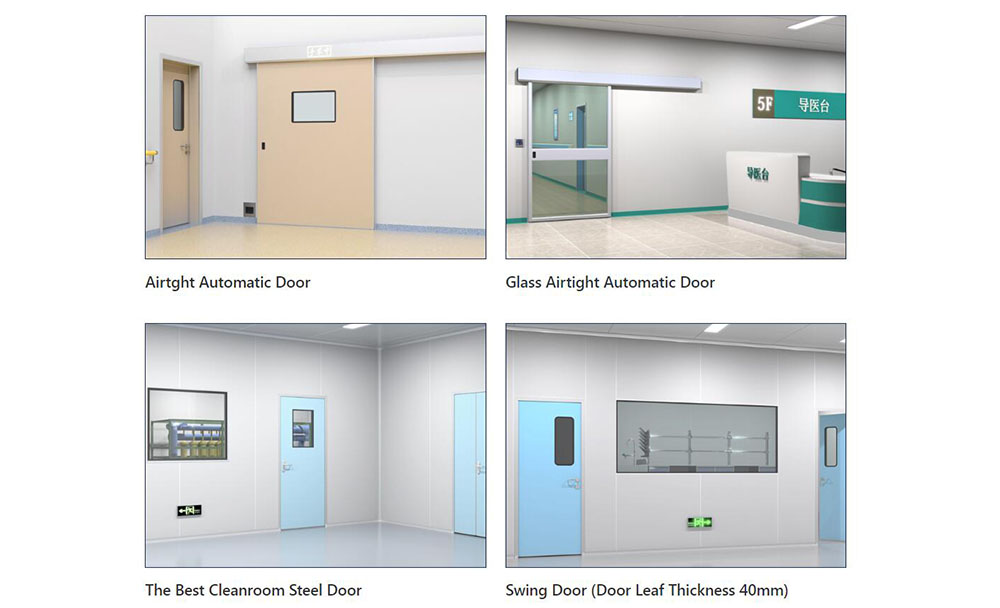
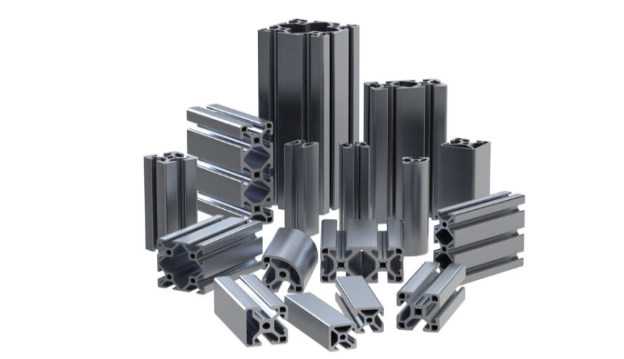
The range covers sliding and swing configurations, hermetic and interlocked airlock sets, and the aluminum profiles and wall systems that complete the envelope. A facility can match every opening to its grade and traffic without changing supplier, which keeps the seal standard consistent across the whole cleanroom.
FAQs
Do all pharmaceutical doors need VHP-rated seals?
No. A door in a low-grade support space that is never decontaminated by gas does not need the same seal as an A or B zone door. The spec should state the cycle count so the right door goes in the right place.
Is stainless always better than coated steel for VHP?
Stainless resists oxidation better at exposed welds and hinges, but the panel face can also be a non-porous polymer rated for disinfectant contact. The choice depends on the grade, the cycle count, and the cleanability requirement, not on a rule that stainless always wins.
How often should the gasket be replaced?
It depends on the compound and the cycle count, which is why the aged-data request matters. A peroxide-resistant silicone on a documented cycle load lasts far longer than a generic rubber, but the replacement interval should be in the maintenance plan from commissioning, not decided after the first leak.
Can an existing door be upgraded for VHP?
Sometimes. If the frame is sound and the panel face is non-porous, a seal upgrade and a flush hardware change can extend the door's life. If the panel itself is degrading, replacement is the safer path. An install review confirms which case you are in.
Conclusion
Pharmaceutical doors fail VHP because the spec treats them as standard items in a room built for decontamination. The failures are predictable: coating breakdown, gasket hardening, seal compression loss, trapped residue in recesses, and corrosion at joints. Each one has a material or seal fix that costs little up front and protects the room for years.
Write the cycle count into the spec, name the seal compound, demand a flush surface, and keep the validation data with the door. That is what separates a door that passes the first audit from one that fails the second.
If you are specifying doors for a VHP-exposed cleanroom, share your room grade, door dimensions, and expected cycle count with E-ZONG for a free technical review and material recommendation matched to your classification.
-
 Cleanroom Glass Windows Are The Key to Maintaining a Clean Environment
 -
 Top Aluminium Profile Manufacturers in China: Leading the Global Market
 -
 The Evolution of Air Tight Sliding Doors
 -
 AHU Aluminium Profile: A Comprehensive Guide
 -
 The Importance of Choosing the Right Cleanroom Door in Vietnam
 -
 The Benefits of Hospital Automatic Doors: Enhancing Efficiency and Safety
 -
.jpg) The Best Bathroom Door Manufacturers - Unlocking Endless Possibilities!
The Best Bathroom Door Manufacturers - Unlocking Endless Possibilities! -
 Unlock the Possibilities with AJ Manufacturing Doors
 -
 Make a Statement with Manufactured Home Interior Doors!
 -
 what is aluminum profile? Aluminum Profiles for Your Home is the best option
-
 Cleanroom Doors: Replace or Retrofit? Save 40% on Cost
 -
Why Pharmaceutical Doors Fail VHP: Seal and Material Fixes
-
 Hospital Entrance Doors 2026: Touchless, ADA, Security Specs
 -
 Hospital Doors: Types, Codes, and Selection by Department
 -
 Clean Room Airlock Design: Pressure Cascade, Size, Doors
 -
 Cleanroom Automatic Sliding Doors: How They Work and Spec
 -
 How a Fire Exit Door Serves Fire and Cleanroom Code
 -
 Hospital Room Pressure and Doors 101 | Sealing Envelope
 -
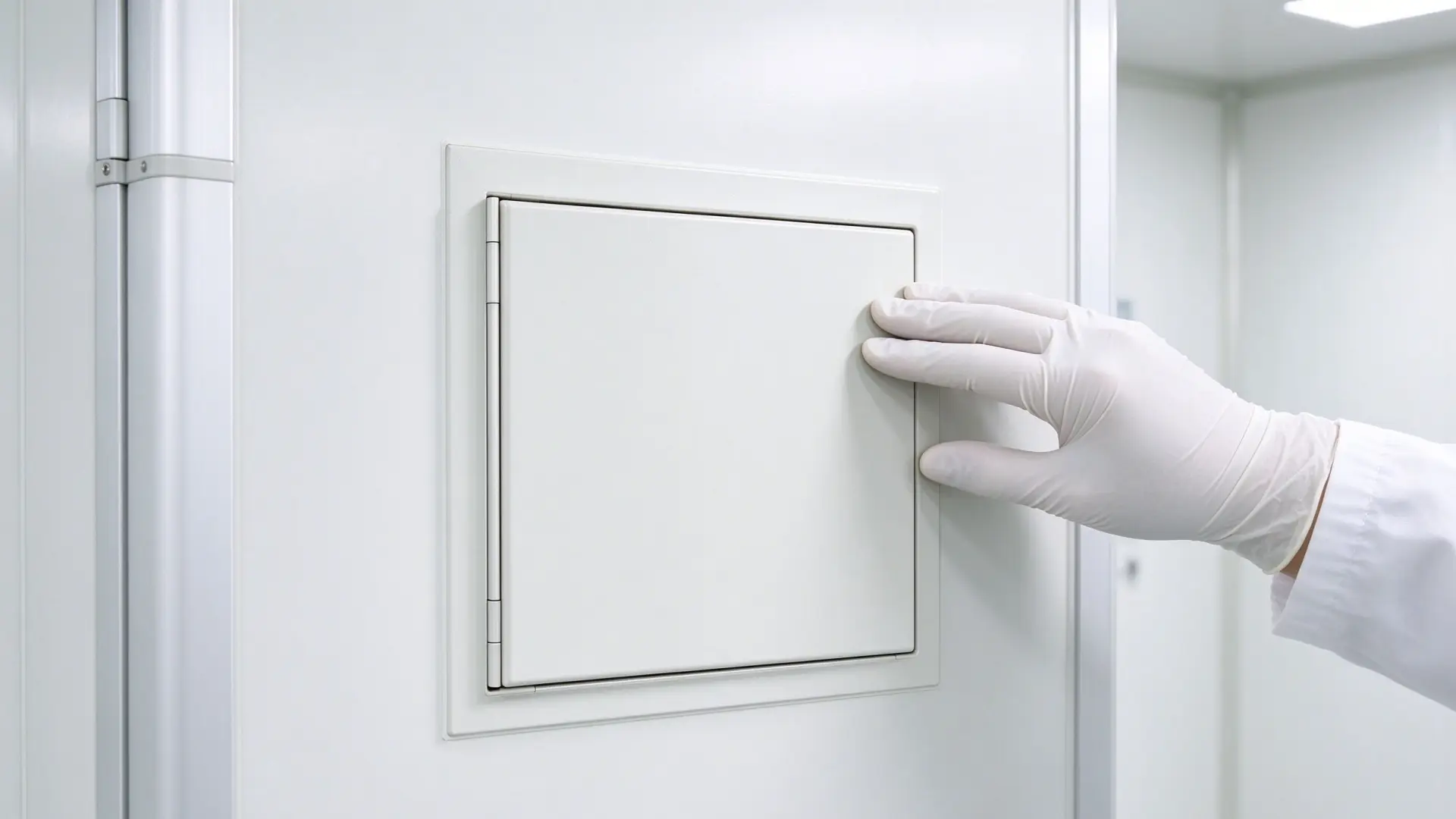 Why a Flush Inspection Door Matters in GMP Facilities
 -
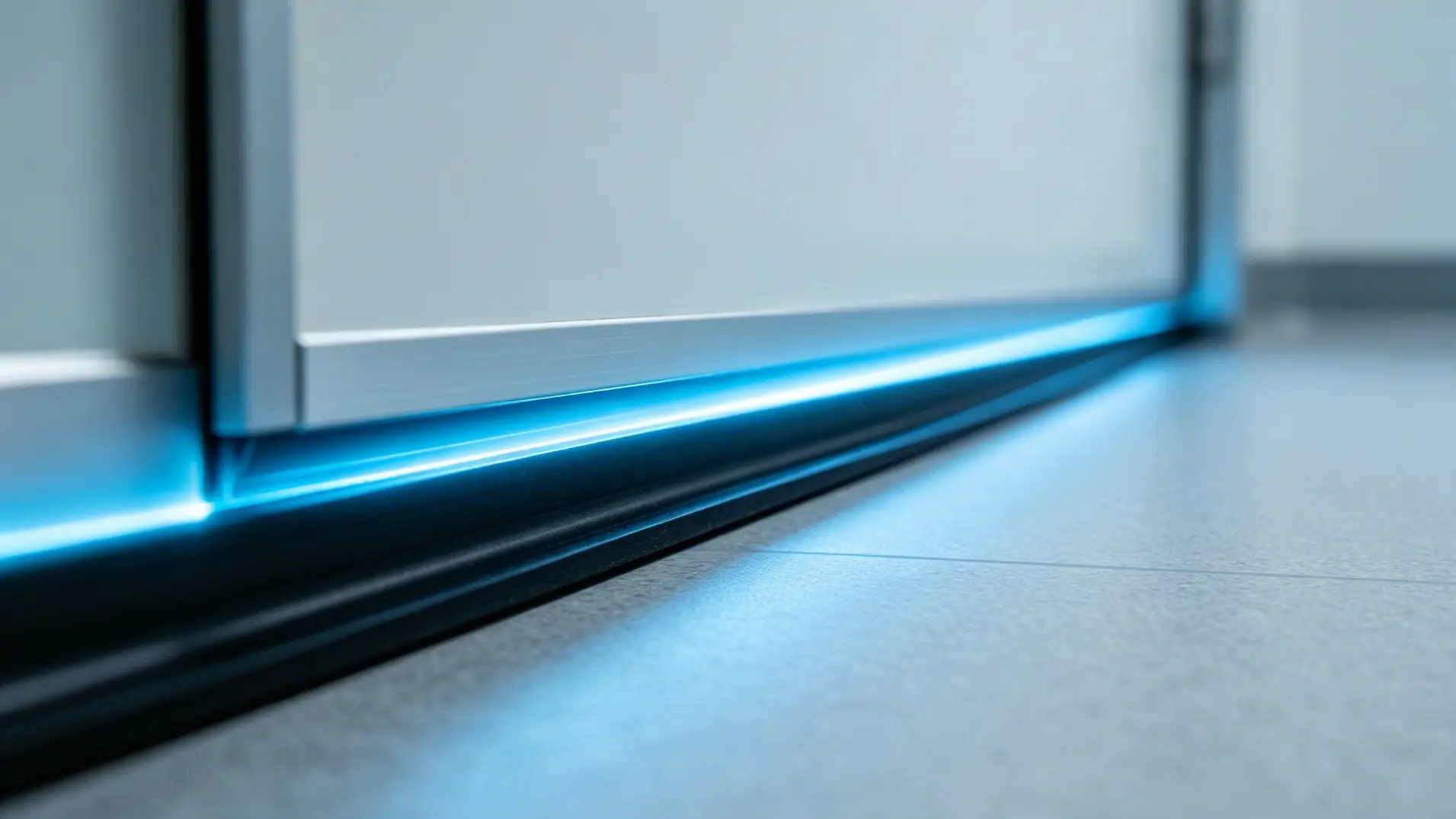 Automatic vs Manual Door Seal: Which Holds Pressure Better




-

Home
-

Tel
-

Email
-

Contact


Guangzhou Yizhong Aluminum Industry Co., Ltd.
We are always providing our customers with reliable products and considerate services.
We are always providing our customers with reliable products and considerate services.
Speak Your Mind