
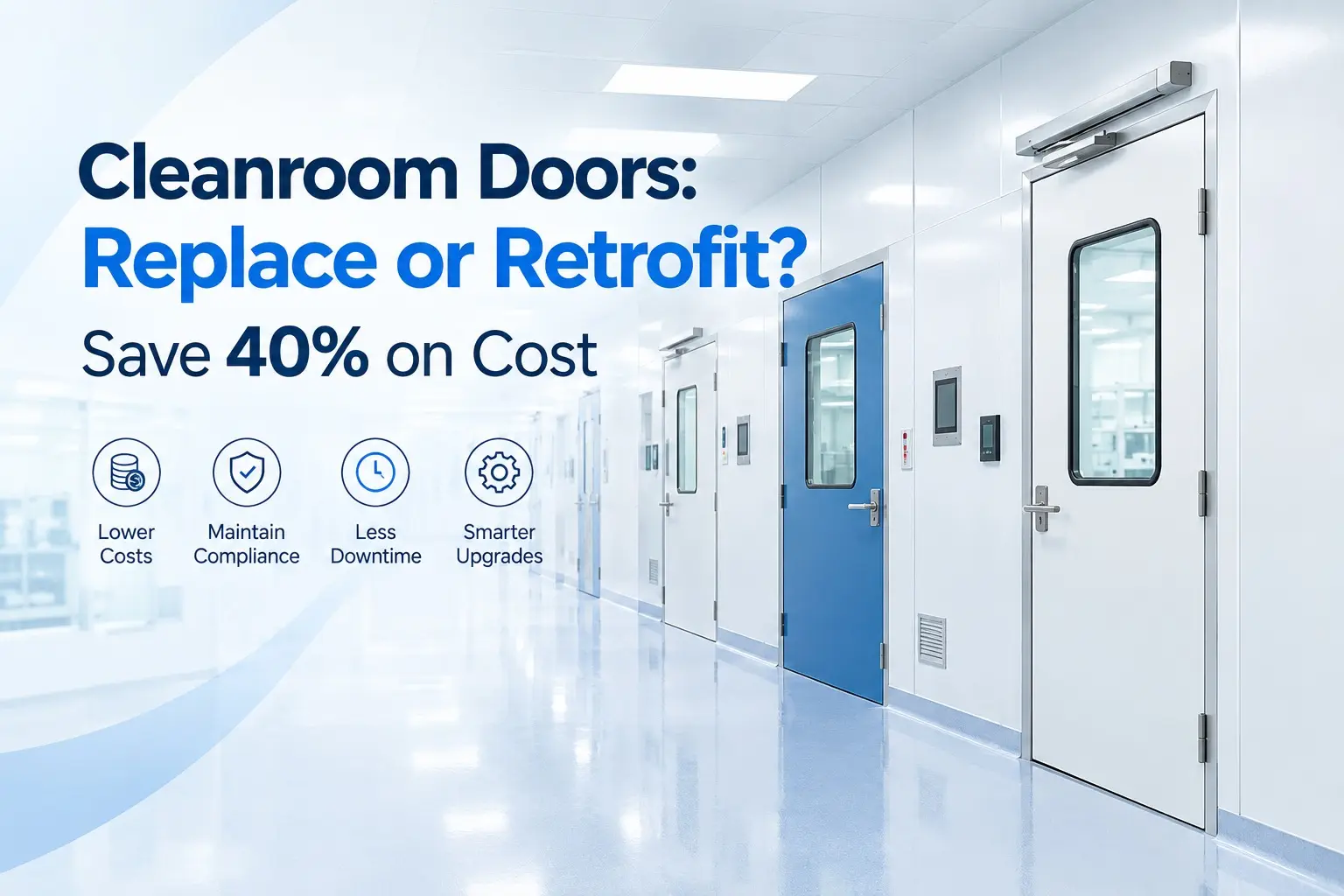
Cleanroom Doors: Replace or Retrofit? Save 40% on Cost
Every cleanroom has at least one door that has seen better days. The panel looks tired, the seal has gone hard, or the opener no longer keeps up with traffic. The question that follows is simple to ask and expensive to get wrong: do you replace the door, or retrofit it? For most facilities the answer decides whether the project costs what it should or 40% more than it has to.
This guide walks through how to make that call on cleanroom doors without guessing. It covers what the two options mean, where the 40% saving comes from, the signs that point to each path, a side-by-side cost picture, and the mistakes that blow the budget before the door ever ships.
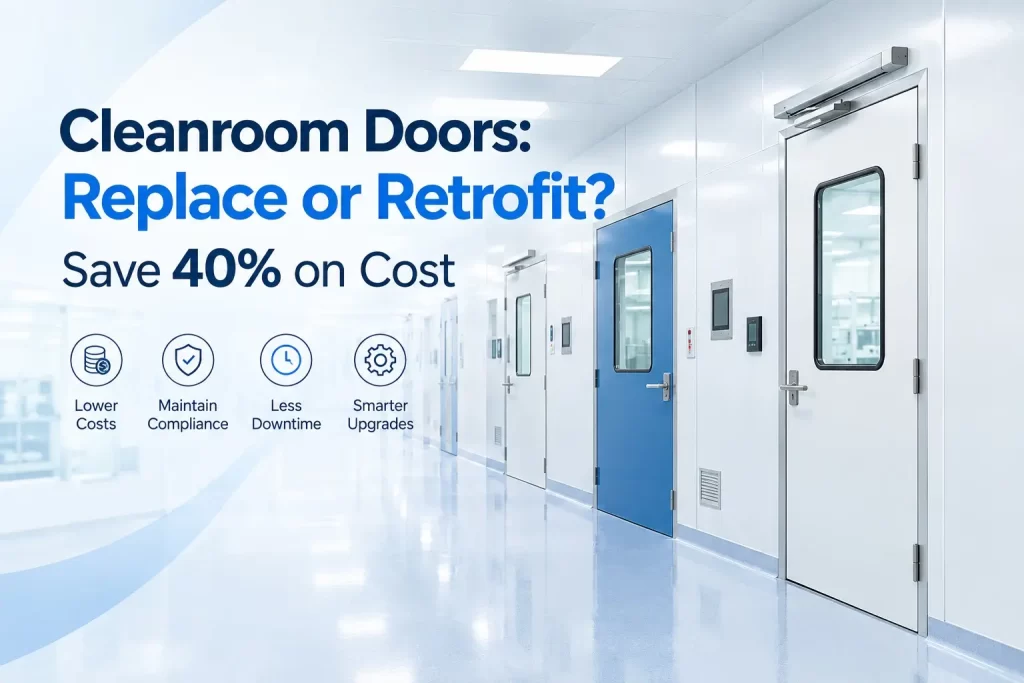
What "replace" and "retrofit" mean for cleanroom doors
The words get used loosely, so start with plain definitions.
Replace means removing the leaf, frame, and usually part of the wall reveal, then fitting a complete new assembly. The opening is rebuilt to current spec. This is the path when the structure itself can no longer do its job or when compliance forces a clean start.
Retrofit means keeping the leaf and frame that still work and upgrading the parts that do not. That can be new seals, a powered operator, better hardware, a sensor link to the building system, or a surface refurbish. The doorway stays in place and the wall around it stays validated.
The difference matters because a full replacement disturbs the envelope. Cutting the opening, rebuilding the header, and re-validating the wall assembly can take weeks and stop a production line or a ward. A retrofit often finishes in a day or two, with the doorway out of service for hours rather than weeks. For a suite running continuous batches, that gap protects output and revenue.
A lab-specific walkthrough of the same decision is covered in our guide on when to replace versus when to retrofit lab doors.
Where the 40% saving comes from
The headline number is not a marketing figure. In practice a retrofit runs about 40% to 60% of what a full replacement costs for the same opening, once you account for the parts you keep. The saving shows up in three places.
First, you do not pay for a new frame and leaf you already own. A sound stainless or aluminum frame and a clean panel are the expensive parts. Reusing them removes the largest line item.
Second, you avoid rebuild labor. A replacement means demolition, rough-in, new wall integration, and re-certification. A retrofit mounts to what is there, so the install crew works on the door, not the wall.
Third, you skip most of the downtime cost. Every day a critical opening is closed is a day of lost output or redirected workflow. Retrofit compresses that window sharply.
The 40% figure is the low end of that range. When only seals and hardware need work, the saving can reach 60%. When the frame is sound but the automation is missing, adding an operator instead of a whole new automatic door frees budget for better sensors elsewhere. The catch is that the saving only exists if the door qualifies for retrofit. The next two sections show how to tell.
Five signs you should replace, not retrofit
Retrofit is attractive, but forcing it onto the wrong door costs more than starting fresh. Watch for these five.
1. The frame or wall reveal has failed. If the frame is loose in the panel, the reveal has corroded, or the substrate behind it cannot carry load, no upgrade will hold. A powered operator transmits every opening torque into the frame; a weak frame reads as a chronic door fault within months.
2. The fire rating label is missing or expired. A fire-rated leaf keeps its label only with listed hardware and an intact assembly. If the label is gone or the rating no longer matches current code, retrofit cannot restore it. Replacement is mandatory.
3. The opening can no longer hold its pressure differential. Cleanrooms rely on a stable cascade between zones, and the door is the boundary that maintains it. If the assembly leaks past what adjustment can fix, a new door is the only real remedy. Our explainer on how room-to-room pressure differentials work shows why the door sits at the center of that balance.
4. Compliance now demands features the original lacks. GMP Annex 1 expects double-door interlock in sterile areas so two doors cannot open at once. If the original door has no automatic closer, no interlock, or a fire rating below the current standard, retrofitting often cannot satisfy the requirement. Replacement becomes the compliant choice.
5. New seals fail again within weeks. A gasket that breaks down shortly after replacement points to a frame, alignment, or wall problem, not the rubber. Chasing it with yet another seal wastes money. A look at why cleanroom door seals fail and how to fix them helps separate a seal problem from a structure problem before you commit budget.
Five signs retrofit is enough
If the structure is sound, retrofit is usually the smarter spend. These five signals say you can upgrade instead of rebuild.
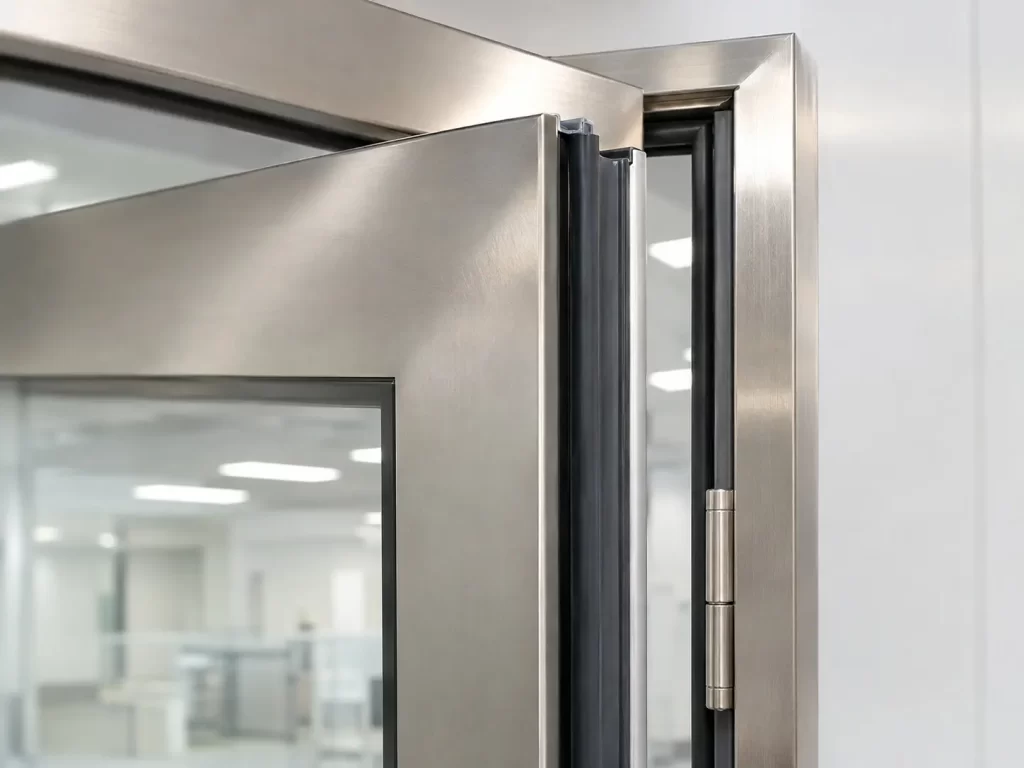
1. The frame is intact and only the seals have aged. Original EPDM seals typically last three to five years before resilience drops and compression set climbs past 30%. Swapping to silicone or a fluorooelastomer restores leakage performance at a fraction of replacement cost, and can cut leakage by 60% to 75%.
2. A manual door needs hands-free operation. Many cleanroom and hospital doors went in before touch-free access became a compliance expectation. Adding a powered operator to the leaf you already have delivers a hands-free doorway without rebuilding the wall. Our guide on retrofitting manual doors with electronic glass operators covers the feasibility checks and the mistakes that fail audits.
3. The hardware is outdated but the panel is fine. Old mechanical closers, worn hinges, or missing access control can be replaced part by part. A Grade 1 hydraulic closer, adjustable stainless hinges, and an electronic latch bring the door up to modern function without a new leaf.
4. The surface needs refurbish, not replacement. Peeling coating or surface scratches can be ground, cleaned, and re-treated with an antimicrobial finish. The structure stays; the hygiene profile returns.
5. You need sensor or building-system integration. Embedding a small wireless pressure sensor in the existing frame, adding a status switch, or linking to access control brings an old door into the monitoring platform. None of this requires a new door.
Replace vs retrofit: the cost picture
The table below is a planning aid, not a quote. Numbers shift with size, class, and site, but the shape holds across most projects. Higher ISO classes tighten the tolerance on leakage, which is why the structural check matters more in a semiconductor bay than in an ISO 8 corridor.
| Cost factor | Full replacement | Retrofit |
|---|---|---|
| Door leaf and frame | New, full price | Reused |
| Wall rebuild and integration | Required | Avoided |
| Install labor | High, multi-day | Low, often same day |
| Downtime | Days to weeks | Hours to a day or two |
| Energy and leakage recovery | Full reset | Partial, targeted |
| Re-validation scope | Full opening | Localized |
| Typical cost vs new | 100% baseline | 40% to 60% of baseline |
Read the last row against the title. A retrofit that lands at 40% of replacement cost is a 60% saving; at 60% of replacement cost it is a 40% saving. Either way the low end of the range is where the "save 40%" promise comes from, and it is realistic when the frame qualifies.
One more factor the table leaves out: payback. A door with high annual repair and downtime cost can pay back a retrofit inside a year once those line items drop. Facilities that track total cost of ownership see the gap fastest, because the old door's hidden costs (labor, parts, lost output) disappear the moment the new assembly holds spec.
Three mistakes that blow the budget
Mistake 1: Retrofitting a door that should be replaced. Forcing an operator onto a failed frame, or re-gasketing a leaking wall, spends retrofit money and still ends in replacement. The check is structural first, cosmetic second. If the frame or reveal fails the signs in the replace section, stop and replace.
Mistake 2: Replacing a door that only needed seals. The opposite error is just as common. A sound frame with tired gaskets gets torn out because no one priced the retrofit. That doubles or triples the spend and adds weeks of downtime for no gain in performance.
Mistake 3: Ignoring the wall around the door. The door is only as good as its integration with the panel system. A new leaf into a degraded reveal, or a retrofit that disturbs the seal to the wall, both leak. Specify the frame-to-wall connection, not just the door, and confirm it before the order.
How E-ZONG handles replace vs retrofit projects
For replacement, E-ZONG supplies sliding, swing, hermetic, and airtight doors matched to ISO Class 5 to 8 environments, with frame and leaf built as one validated assembly so the wall integration is solved at the factory, not on site. For retrofit, the team evaluates the existing frame and panel first, then proposes the smallest upgrade that restores spec: new seals, a powered operator, or hardware. That way a facility pays for function, not for parts it already owns.
The aim is to match each opening to its real condition. A door with a sound frame gets the targeted upgrade that saves 40% or more. A door past recovery gets a clean replacement that holds pressure and passes audit. Either way the specification stays consistent across the facility.
FAQs
Is retrofit always cheaper than replacement?
No. Retrofit is cheaper when the frame, reveal, and fire rating are intact. If the structure has failed or compliance now demands features the original lacks, replacement is the lower-risk spend even at higher upfront cost.
How do I know if my frame can be retrofitted?
Check verticality and levelness, confirm the substrate behind the frame can carry operator torque, verify the fire label is present and current, and test that the door still holds its pressure differential. If any of those fail, plan to replace.
Will adding an operator break the cleanroom seal?
Not if the seal to the wall is left untouched and the operator mounts to a structurally sound frame. The risk comes from disturbing the wall reveal during install, which is why a proper retrofit keeps the leaf and frame in place.
What is the typical payback on a retrofit?
It depends on how much the old door costs in repairs and downtime. Facilities that track those line items often see payback inside a year once leakage and failure rates drop.
Can an old manual door meet current hands-free expectations?
In many cases yes. Adding a powered operator and sensors to a sound manual door delivers touch-free operation without a new leaf, which is usually faster and far less disruptive than full replacement.
Conclusion
The replace-or-retrofit decision on cleanroom doors is not a coin toss. Start with the structure: if the frame, fire rating, and pressure hold, retrofit and keep roughly 40% of the budget in hand. If they do not, replace and avoid spending twice. Match the fix to the fault, and the doorway stays compliant without overspending.
If you are weighing this on a real opening, send E-ZONG your cleanroom classification, door dimensions, and material preference. The team will review the existing assembly and return a straight recommendation on whether to retrofit or replace, with the numbers to back it.
-
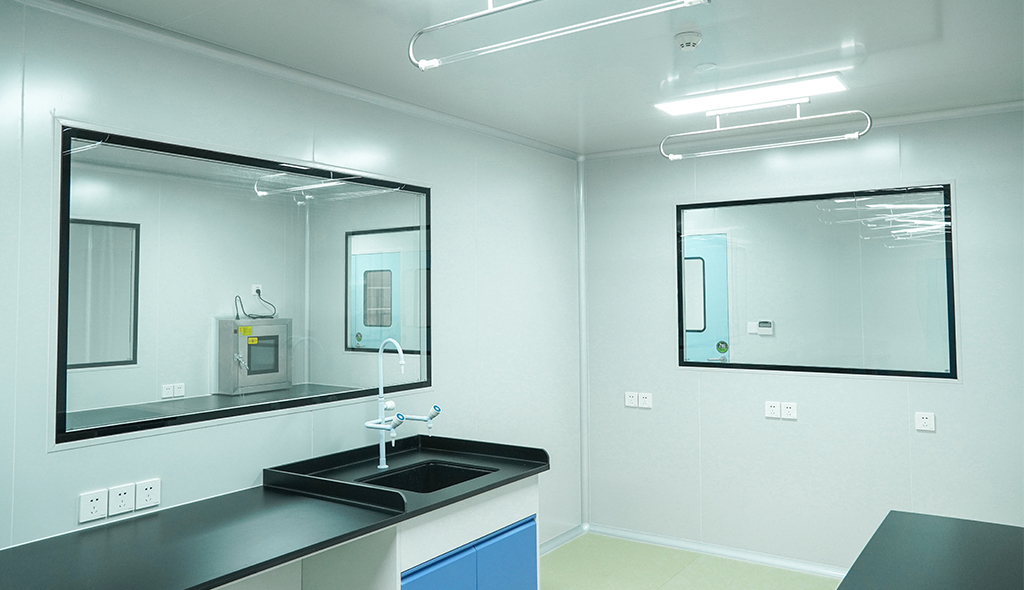 Cleanroom Glass Windows Are The Key to Maintaining a Clean Environment
 -
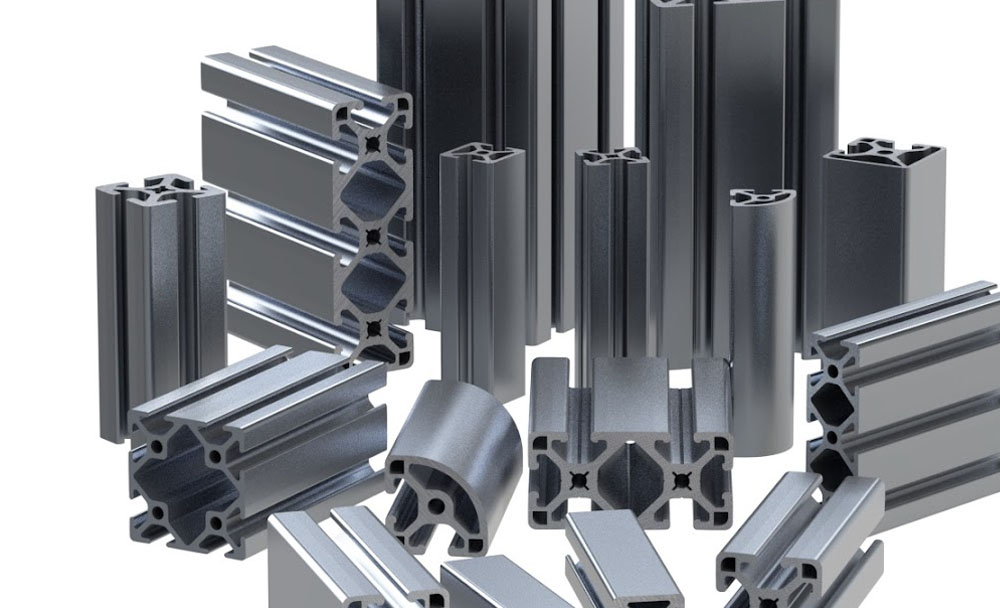 Top Aluminium Profile Manufacturers in China: Leading the Global Market
 -
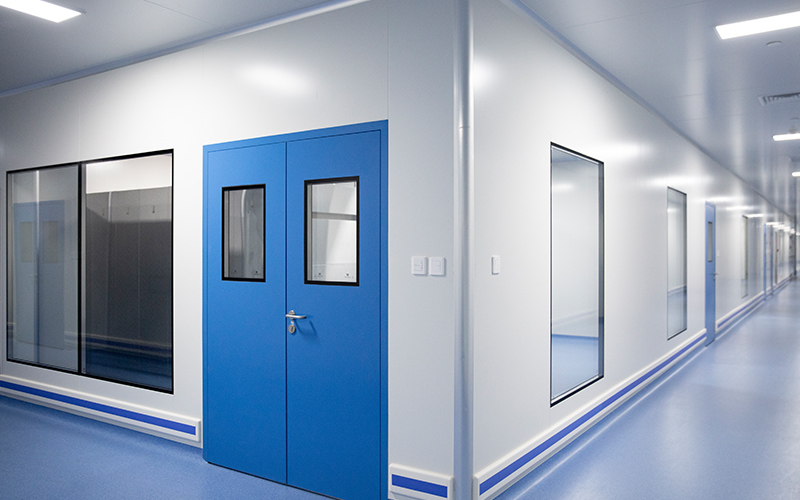 The Evolution of Air Tight Sliding Doors
 -
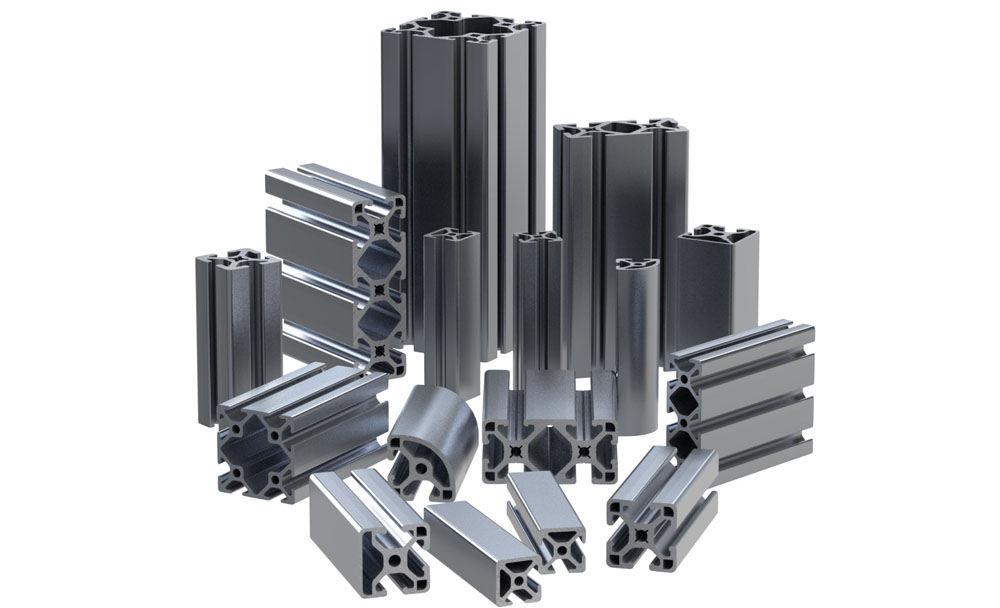 AHU Aluminium Profile: A Comprehensive Guide
 -
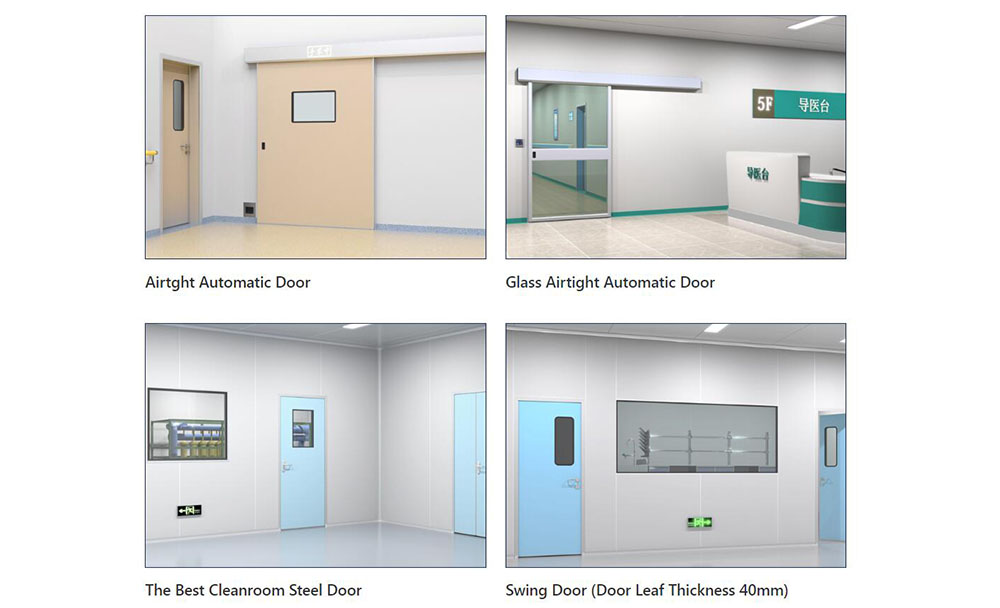 The Importance of Choosing the Right Cleanroom Door in Vietnam
 -
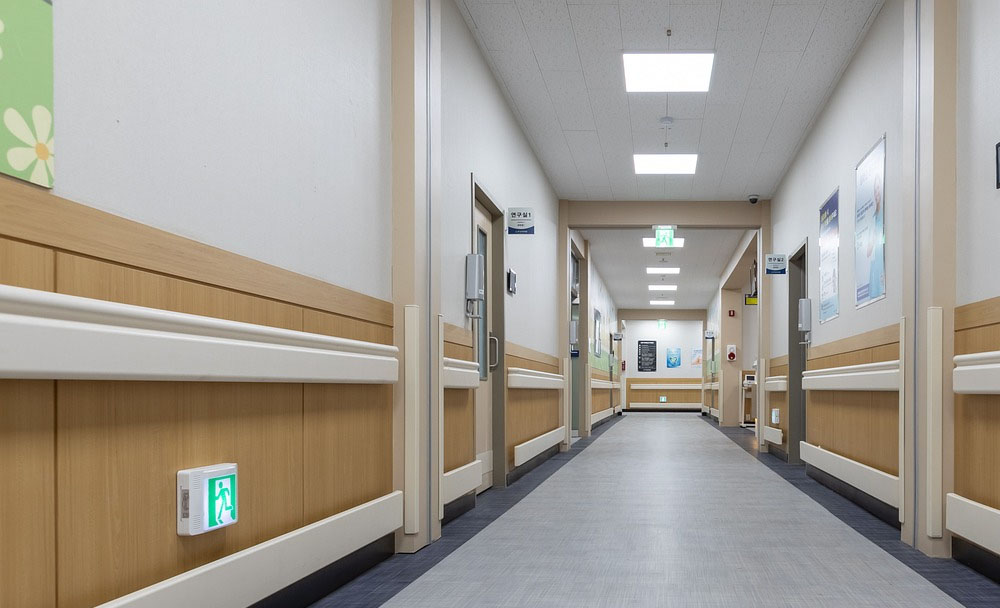 The Benefits of Hospital Automatic Doors: Enhancing Efficiency and Safety
 -
.jpg) The Best Bathroom Door Manufacturers - Unlocking Endless Possibilities!
The Best Bathroom Door Manufacturers - Unlocking Endless Possibilities! -
 Unlock the Possibilities with AJ Manufacturing Doors
 -
 Make a Statement with Manufactured Home Interior Doors!
 -
 what is aluminum profile? Aluminum Profiles for Your Home is the best option
-
 Cleanroom Doors: Replace or Retrofit? Save 40% on Cost
 -
 Why Pharmaceutical Doors Fail VHP: Seal and Material Fixes
 -
 Hospital Entrance Doors 2026: Touchless, ADA, Security Specs
 -
 Hospital Doors: Types, Codes, and Selection by Department
 -
 Clean Room Airlock Design: Pressure Cascade, Size, Doors
 -
 Cleanroom Automatic Sliding Doors: How They Work and Spec
 -
 How a Fire Exit Door Serves Fire and Cleanroom Code
 -
 Hospital Room Pressure and Doors 101 | Sealing Envelope
 -
 Why a Flush Inspection Door Matters in GMP Facilities
 -
 Automatic vs Manual Door Seal: Which Holds Pressure Better




-

Home
-

Tel
-

Email
-

Contact


Guangzhou Yizhong Aluminum Industry Co., Ltd.
We are always providing our customers with reliable products and considerate services.
We are always providing our customers with reliable products and considerate services.
Speak Your Mind