
Blog

2026/09/15
Hospital Emergency Exit Doors: 90 Minute Fire Rating Meets Infection Control
A hospital exit door does two jobs that seem to pull in opposite directions. Life safety codes demand that it open fast and free during a fire, while infection control demands that it seal tightly to hold pressure and stop contamination. Specifiers who treat the emergency exit door as just another fire door usually end ... Read more

2026/09/11
ICU and Isolation Door Requirements Hospitals Often Overlook
Most hospital door failures do not show up on the day the door is installed. They surface weeks later, when an infection control audit finds a pressure reading out of range, or when a nurse cannot see a sedated patient through a sealed panel, or when a gurney scrape opens a gap the cleaning crew ... Read more
2026/09/09
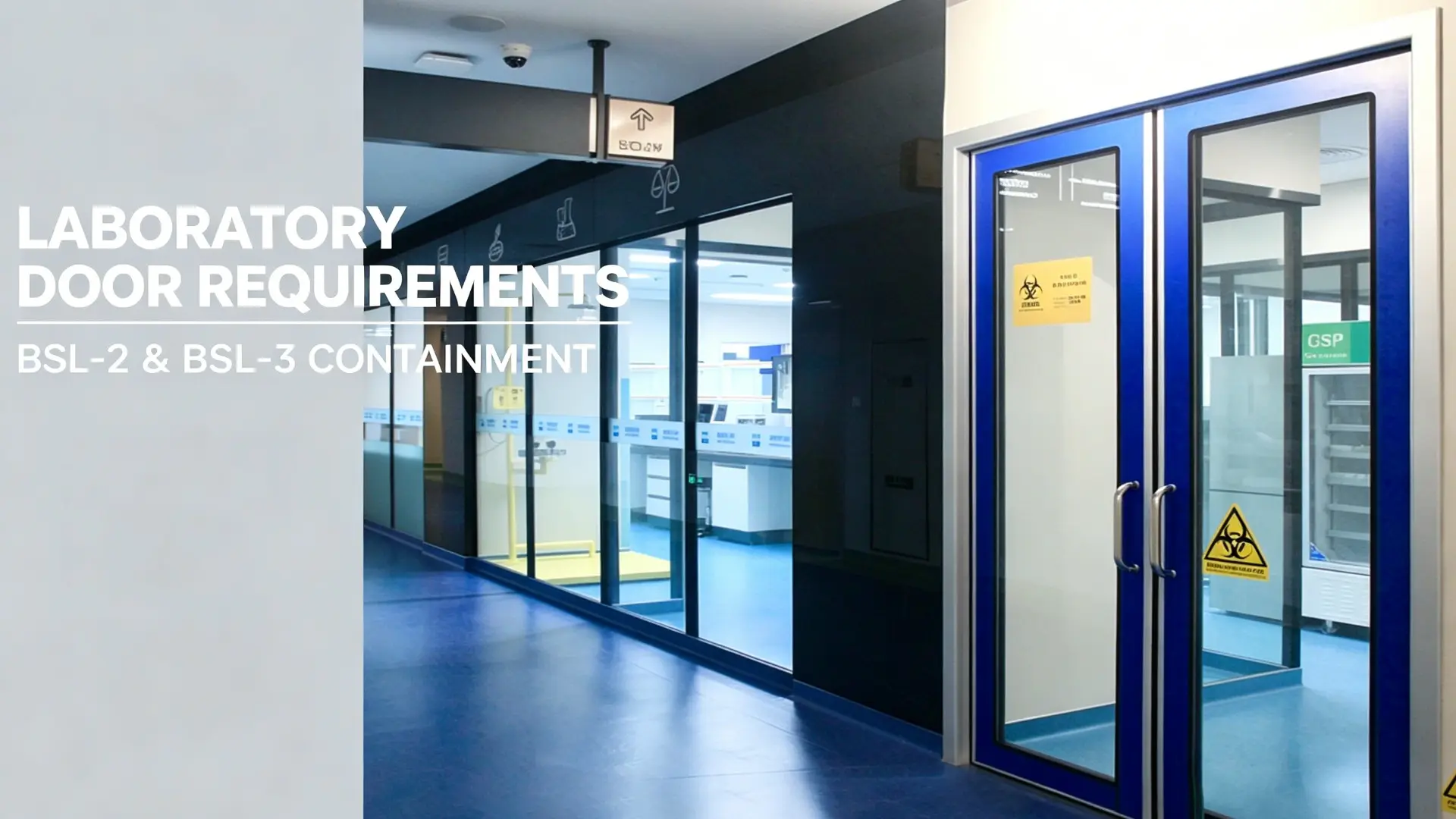
Laboratory Door Requirements for BSL-2 and BSL-3 Containment
BSL-2 and BSL-3 laboratories work with agents that can spread through contact, droplets, or inhaled air. The room envelope does the containment, and the door is the moving part of that envelope. A standard door with a gap under the leaf breaks the barrier every time it closes, letting particles and aerosols drift between zones. ... Read more
2026/09/08
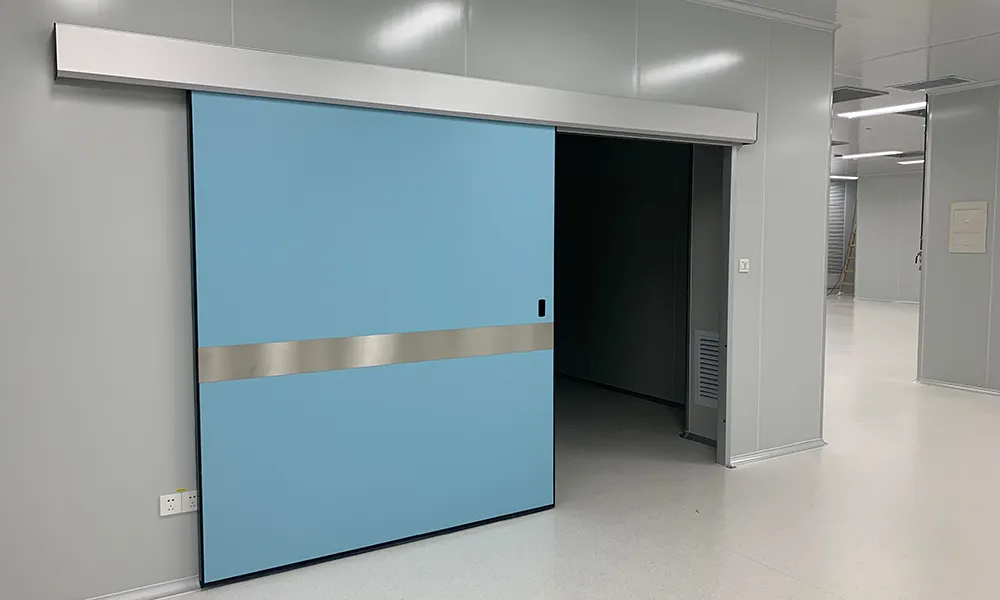
Retrofitting Hospital Sliding Doors: Upgrade Wards Without a Rebuild
Many hospital buildings in service today were finished long before modern infection control and airflow standards existed. Their doors often tell the story: manual swing leaves, gaps at the threshold, no automation, frames that no longer seal against the wall. Replacing the whole ward is rarely on the table. Demolition means displaced patients, lost revenue, ... Read more
2026/09/04
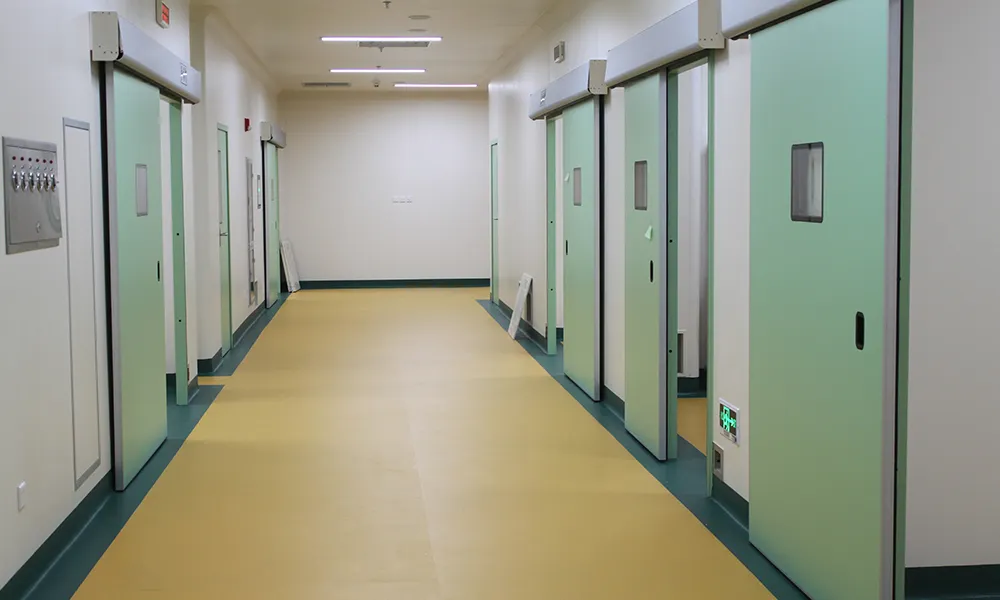
Why Airtight Hospital Sliding Doors Are Critical for Infection Control
Hospitals spend heavily on filtration, sterilization, and staff training, yet one component quietly decides whether those efforts hold: the door. In a ward, an operating room, or an isolation suite, the door is the moving boundary between a clean zone and a contaminated one. A standard door with a visible gap under the leaf lets ... Read more
2026/09/02
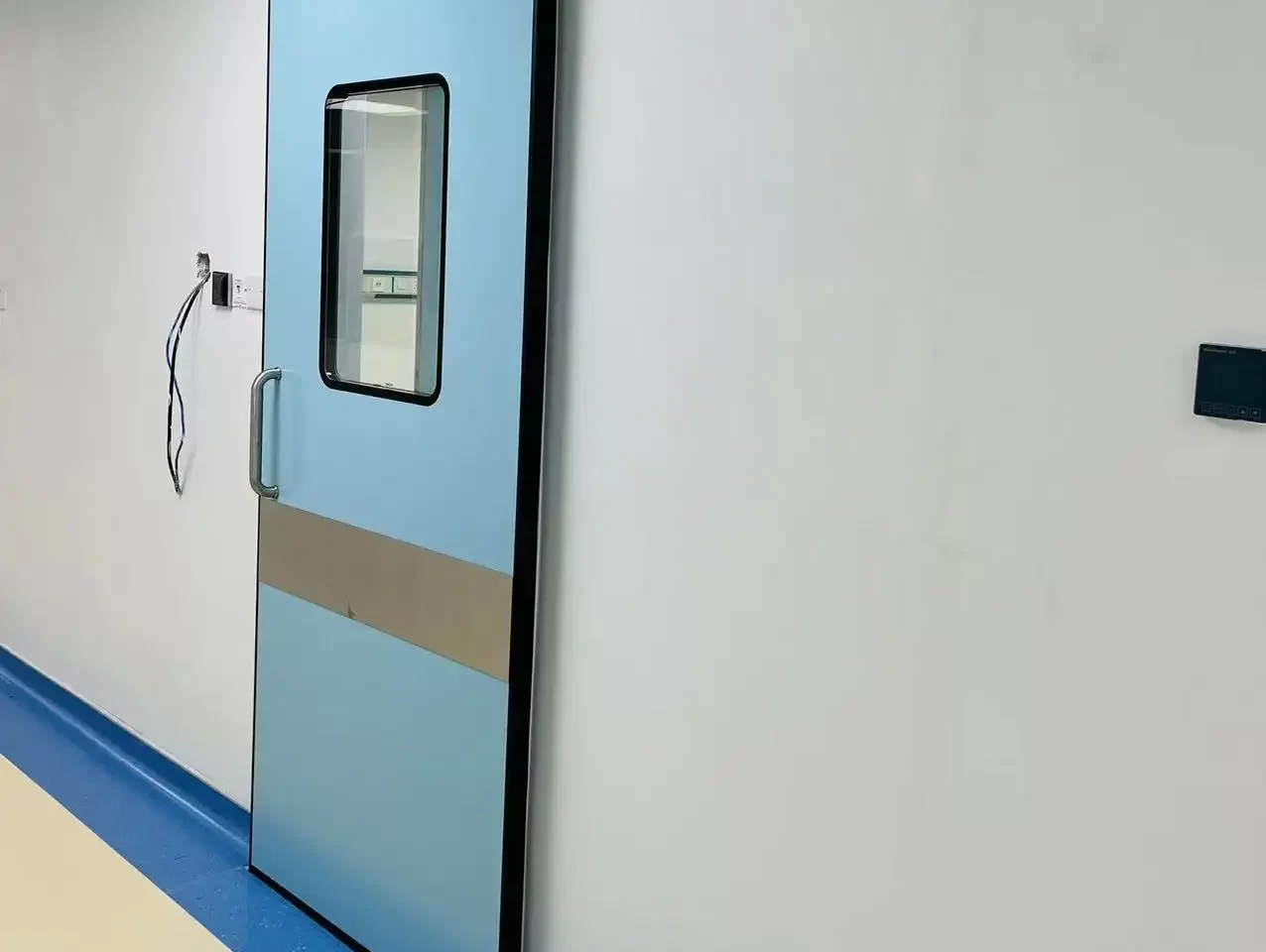
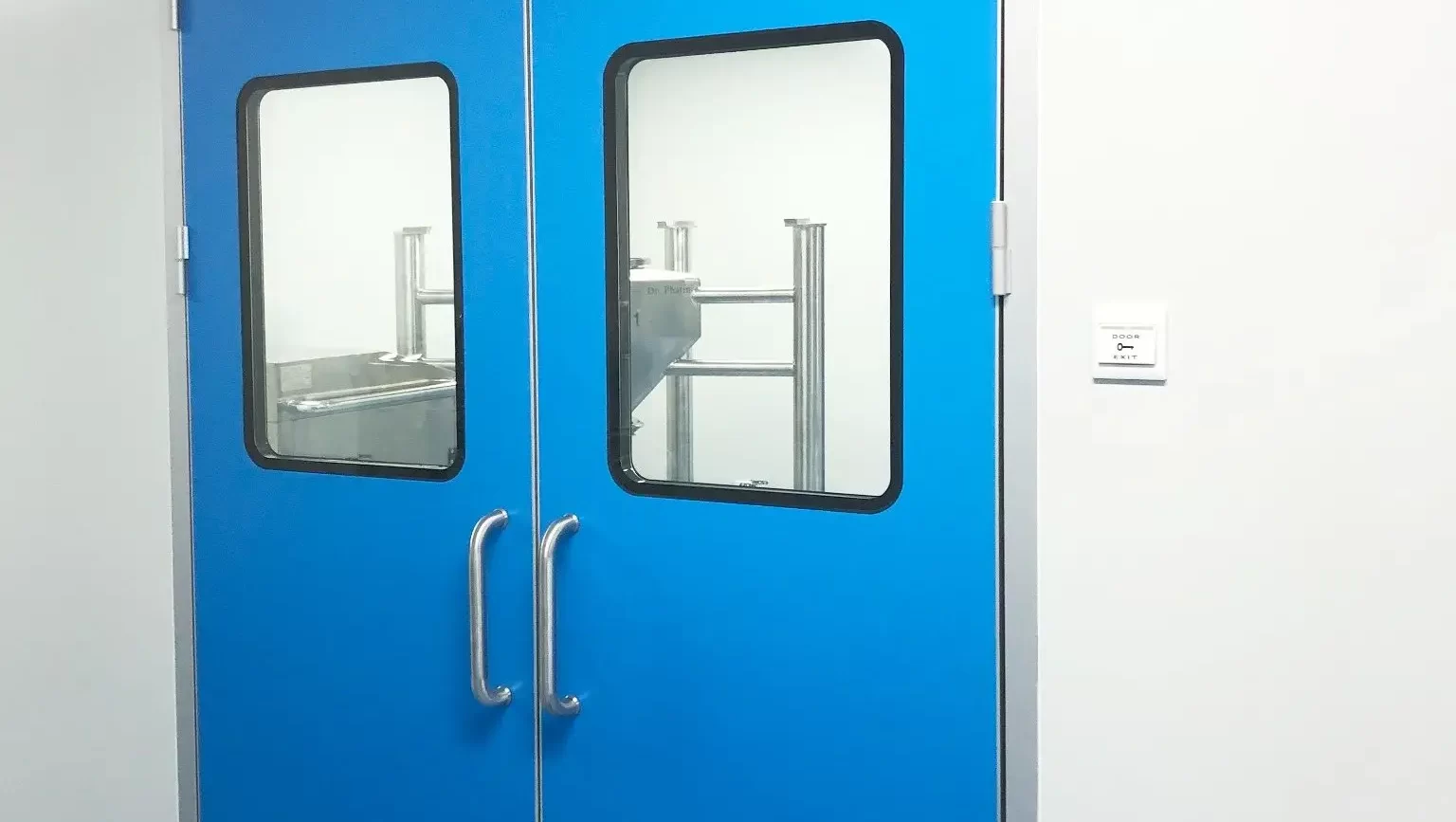
Automatic cleanroom door systems: sensor, actuator and access control integration
An automatic cleanroom door looks simple from the corridor. It opens when someone approaches and closes behind them without a hand touching the surface. Behind that quiet motion is a layered control system that decides when the leaf moves, how fast it travels, and who is allowed through. For pharmaceutical, hospital, laboratory and electronics facilities, ... Read more
2026/08/31
Cleanroom Door Materials: Stainless Steel vs HPL vs FRP vs Aluminum Comparison
Specifying a cleanroom door starts with one decision: what is the panel made of? Stainless steel, HPL, FRP, and aluminum each behave differently under disinfection, traffic, and audit pressure, and the wrong pick turns up as delamination, corrosion, or a failed inspection years later. This cleanroom door materials comparison puts the four side by side ... Read more
2026/08/27
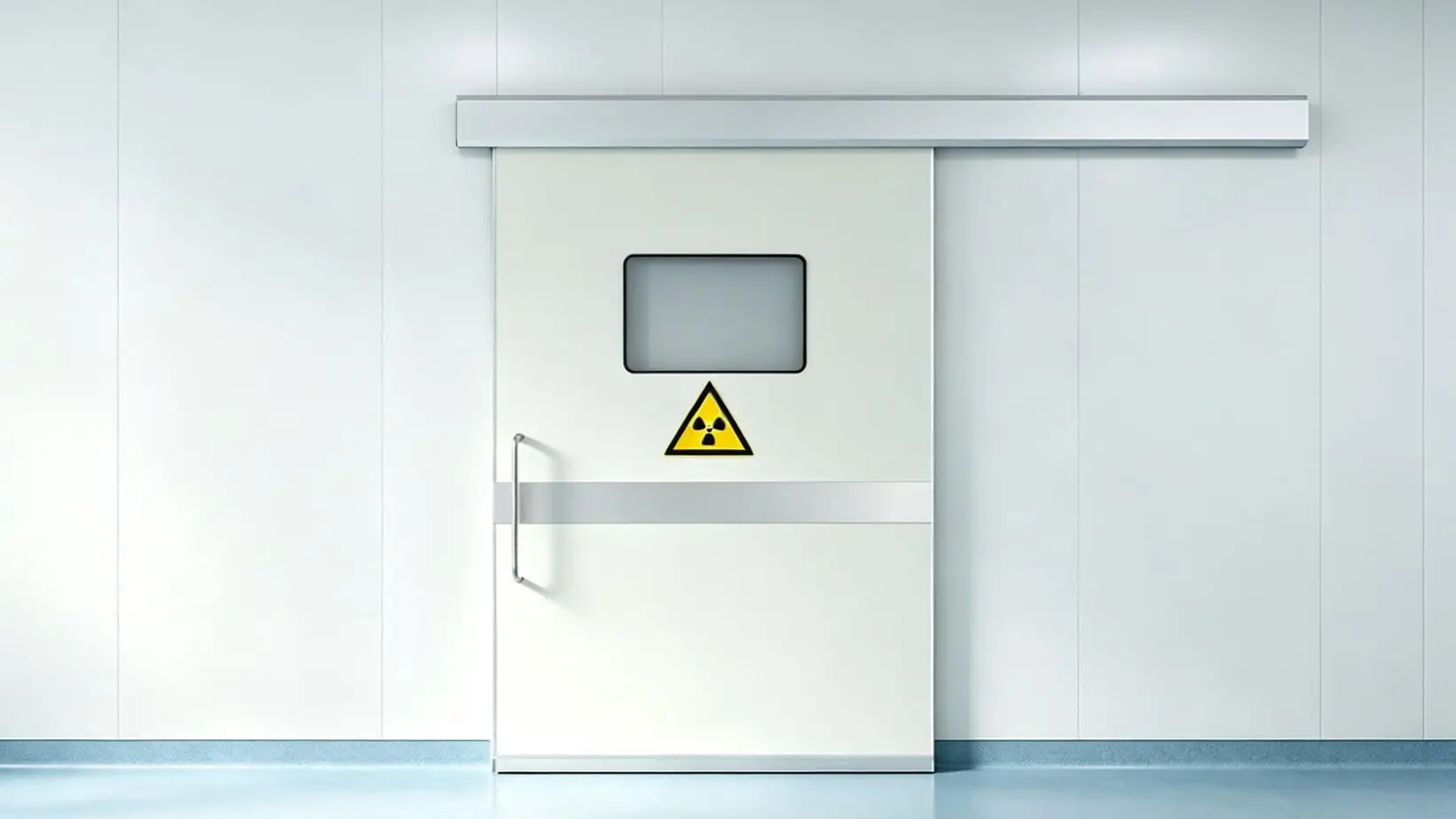
X-Ray Room Door Buying Guide: Lead Thickness & Compliance
Buying an X-ray room door is not the same as buying a standard interior door. The leaf has to stop stray radiation, keep the room sealed for infection control, swing or slide through constant hospital traffic, and still satisfy building and life-safety codes. Most specification mistakes happen because procurement teams treat it as a commodity ... Read more
2026/08/26
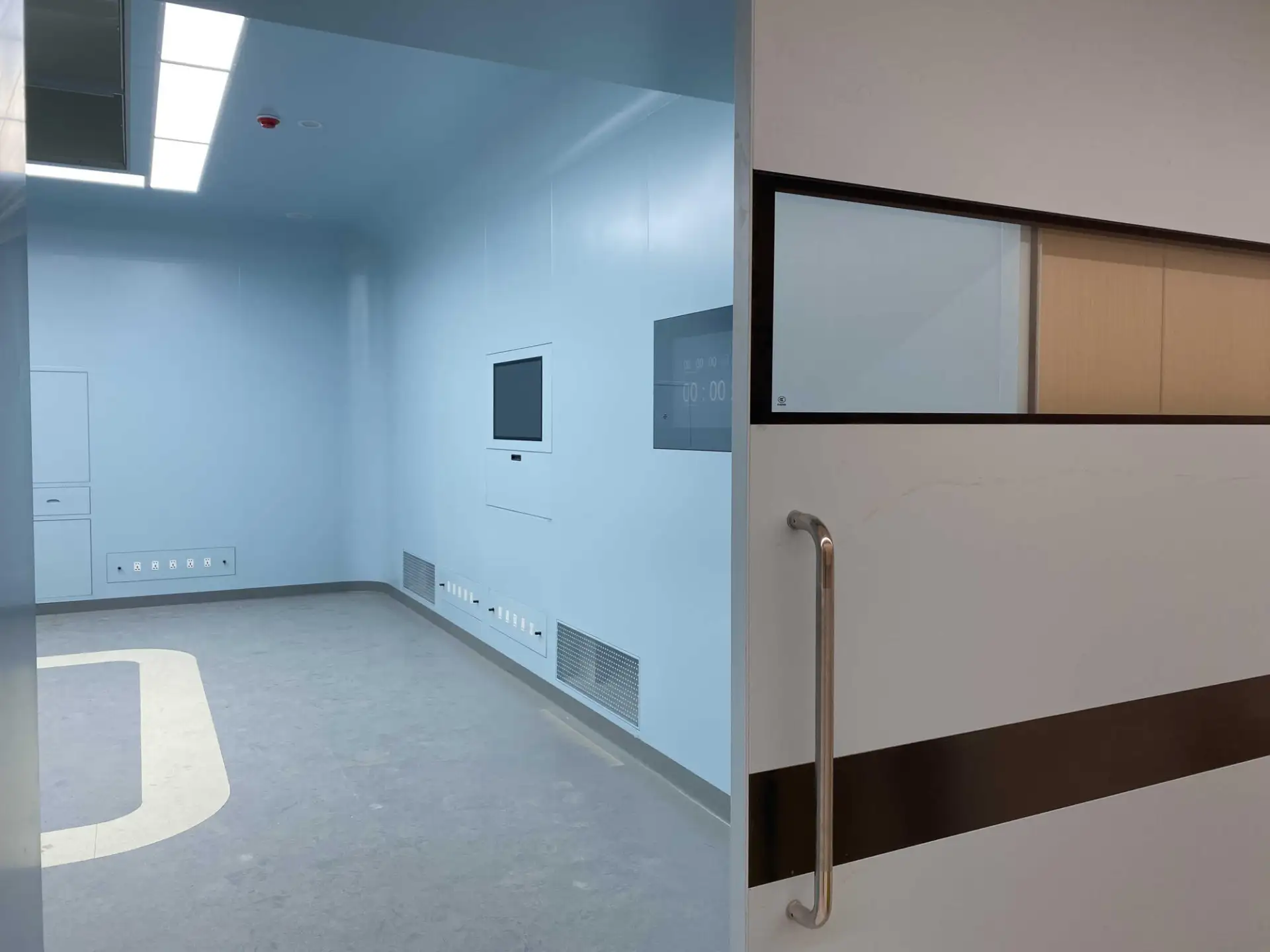
Operating Room Doors: Hermetic & Infection-Control Guide
A surgical suite draws more engineering scrutiny than almost any other opening in a healthcare building. The door at the operating room threshold is not a partition you walk through—it is part of the room's pressure boundary, its contamination control system, and its sterile workflow. Specifying it well means balancing hermetic sealing, hands-free operation, positive-pressure ... Read more
-

Home
-

Tel
-

Email
-

Contact


Guangzhou Yizhong Aluminum Industry Co., Ltd.
We are always providing our customers with reliable products and considerate services.
We are always providing our customers with reliable products and considerate services.