
Cleanroom Door Installation: Why Seals Fail & How to Fix
In pharmaceutical GMP facilities, semiconductor FABs, biosafety laboratories, and sterile medical device packaging areas, the airtightness of the building envelope directly dictates the success of environmental control. However, during commissioning and routine operations, over 60% of initial pressure differential leaks stem not from door material defects, but from deviations in cleanroom door installation processes, tolerance control failures, and improper system commissioning. A door that fails to close tightly creates a hidden bypass leakage path under dynamic pressure differentials, triggering reverse particulate intrusion, increasing HVAC energy consumption by 15–30%, and raising Critical Findings during sterile audits. Drawing on ISO 14644, EU GMP Annex 1, and field engineering data, this guide provides a quantifiable, traceable SOP for diagnosing and repairing seal failures. It empowers facility engineers and compliance teams to pinpoint root causes quickly and restore the first line of defense in cleanroom contamination control.
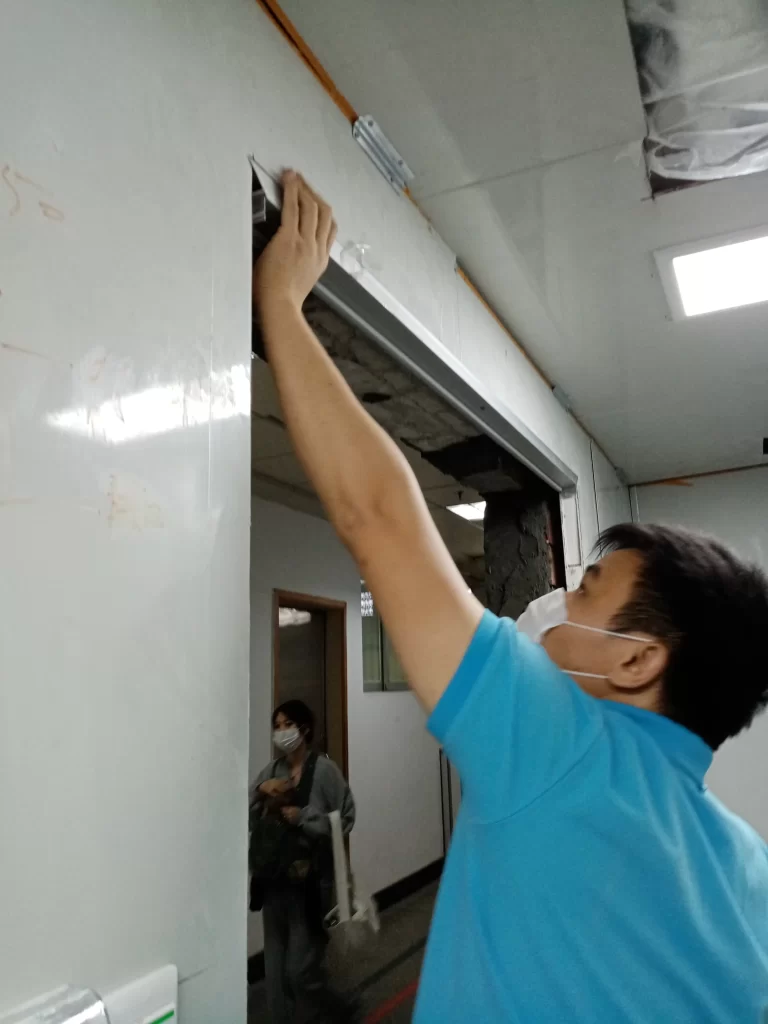
I. The Underlying Logic: From Micro-Deformation to System Instability
The airtightness of a cleanroom door is not merely a matter of physical contact between single components; it is an electromechanical-coupled system governed by dynamic compression, elastic recovery, and structural guidance. In airlock or pass-through operations, the door must withstand periodic pressure differential impacts (typically maintaining a stable gradient of 15–25 Pa) while preserving geometric stability through high-frequency cycling. Qualifying cleanroom doors must meet three core metrics: ① A unit-perimeter leakage rate ≤0.1–0.3 m³/(h·m) at a 50 Pa test pressure; ② Pressure differential fluctuations within ±20% of the setpoint; ③ Seal materials capable of ≥10,000 compression cycles without permanent deformation and a Shore A hardness degradation ≤15%.
When the cleanroom door installation process deviates from design baselines, these metrics deteriorate exponentially. For instance, uneven stress distribution during the installation of a hermetic door in negative-pressure environments can enlarge microscopic gaps on the compression face, directly compromising boundary-layer airflow control. The true value of precise installation lies in translating material specifications into system-level airtightness, rather than relying on post-installation retrofits.
II. The Five "Hidden Killers" in Installation: Deep Root-Cause Analysis
1. Frame Misalignment & Dimensional Mismatch
If the verticality or levelness of the door frame exceeds >2 mm/m, the seal will experience over-compression on one side and remain suspended on the other. Laser level verification often reveals that when standard door frame dimensions deviate by >2 mm across diagonals, the frame undergoes "rhomboidal distortion" under pressure load, breaking compression continuity. Excessive anchor spacing (>400 mm) or uneven fastening torque induces micro-deflection in lightweight cleanroom panels, further amplifying leakage risks. Strict adherence to specified door frame dimensions during layout is non-negotiable.
2. Door Seal Selection & Assembly Process Defects
The optimal compression ratio for a door seal is 20–30%. Below 20%, contact pressure is insufficient to establish an effective boundary; above 35%, stress relaxation and compression set accelerate prematurely. Common field errors include butt-jointed seams without welding (gaps >3 mm create micro-channels), failure to use hot-air welding or cleanroom-grade silicone, and inadequate surface preparation (residual release agents can reduce adhesive peel strength by over 60%). Furthermore, if a door gasket material is mismatched to the operational environment (e.g., frequent exposure to IPA or ozone sterilization), hardening and cracking will occur within 3–6 months.
3. Hardware Interference & Swing Direction Planning
Incorrect planning for door swings can disrupt airflow organization and cause closer imbalance if paths intersect with return air grilles or pass-through windows. Insufficient hinge preload or bearing wear leads to door sag under its own weight, widening the upper seal gap while jamming the bottom sweep. Closers not calibrated to EN 1154 standards can deliver end-of-cycle impact forces >80 N, instantly compromising microscopic contact surfaces.
4. Floor Interface & Threshold Transition Defects
Subfloor flatness exceeding >1.5 mm/2 m causes auto-drop sweeps to hang on one side or drag continuously. Failure to incorporate a 2–3 mm thermal expansion flexible transition strip allows temperature shifts to lift or depress the threshold. In Class 100/ISO 5 environments, rigid transitions rapidly accumulate particulates, contaminating the seal interface and creating a vicious cycle.
5. Environmental Control & Cross-Construction Contamination
Installing seals in environments with temperatures <10°C or relative humidity >75% prevents polyurethane/silicone adhesives from fully cross-linking. Residual epoxy fragments or metal dust from overlapping trades embedded in the seal channel act as rigid spacers under differential pressure, reducing effective contact area by 30–50%. These latent chemical and physical failures typically manifest during OQ testing.
III. Standardized Troubleshooting SOP: From Qualitative Observation to Quantitative Verification
Troubleshooting must abandon empirical "feel-and-look" methods in favor of data-driven closed-loop validation:
| Step | Action Focus | Tools/Methods | Acceptance Criteria |
|---|---|---|---|
| 1. Dimensional Verification | Measure frame diagonals, verticality, and static four-side gaps | Laser level, digital caliper | Diagonal deviation ≤2 mm; 4-side tolerance ±0.5 mm |
| 2. Seal Surface Inspection | Press along perimeter to check compression uniformity, seam continuity, debris | Feeler gauges (0.05–1.00 mm), borescope | Local gap variation >1.5 mm requires intervention |
| 3. Dynamic Pressure Decay Test | Close HVAC supply/exhaust, record natural pressure decay curve | Digital manometer (±0.1 Pa) + data logger | Pressure drop >10% within 10 min indicates excessive leakage |
| 4. Leak Point Localization | Multi-modal verification via airflow/acoustic/thermal imaging | Smoke generator, ultrasonic leak detector (20–100 kHz) | Directed smoke ingress or ΔT >2°C marks the leakage source |
| 5. Material State Assessment | Test seal aging, hardness loss, and compression set | Shore A durometer, compression set fixture | Hardness loss >15% or permanent set >20% mandates replacement |
The pressure decay test is the core quantitative metric. It should be performed after 24 hours of stable HVAC operation, with all personnel doors and pass-boxes sealed. A non-linear steep decay curve typically points to structural leakage or hardware misalignment, while a gradual slope indicates microscopic seal aging or interface contamination. Ultrasonic detectors pinpoint high-frequency airflow hissing, while thermal imagers reveal hidden leakage paths through temperature differentials.
IV. Precision Repair & Process Control: Returning Seals to Design Baselines
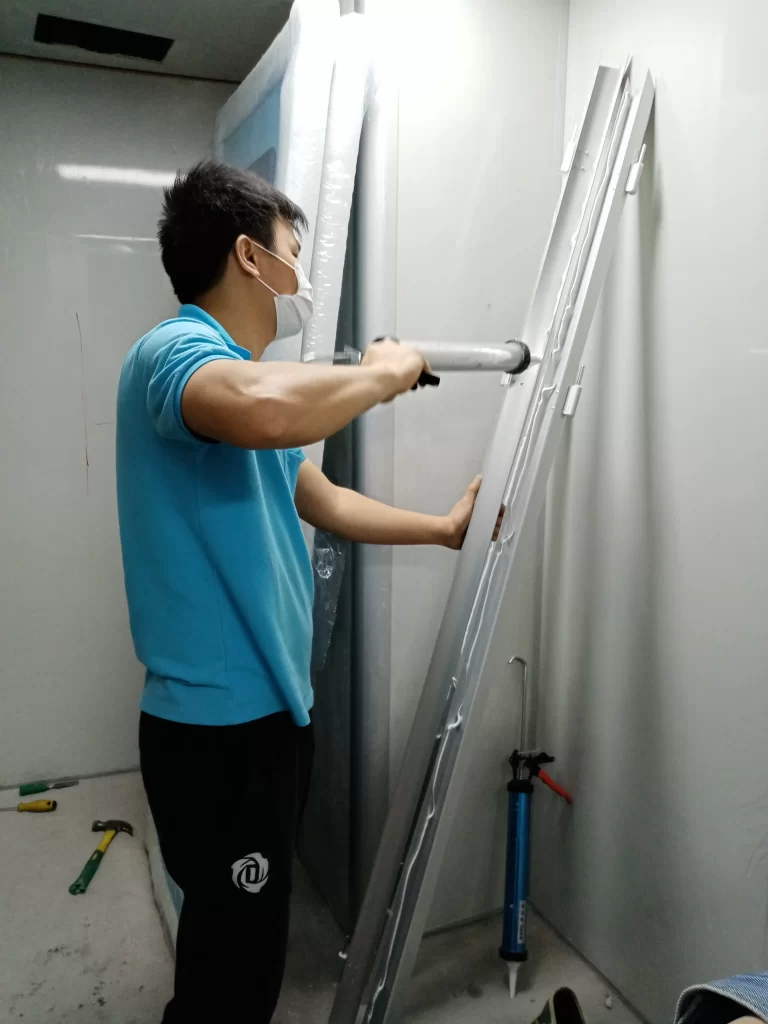
Structural Realignment & Anchoring Optimization: For micro-deformed frames, never force-correct. Use stainless steel adjustable shims paired with two-part structural epoxy. Follow a diagonal, step-tightening sequence; M8 anchor torque should be controlled at 25–30 N·m. Reinforce lightweight partitions with C-channel steel or grout backing behind the door with frame assembly to eliminate local deflection.
Seal Replacement & Seam Craftsmanship: Match cross-sectional profiles strictly (D-type for standard compression, P-type for magnetic assist, double-lip for high-wind-load zones). Seams must use a 45° miter cut with hot-air welding, polished seamless. Clean profiles with high-purity IPA before installation to ensure adhesive peel strength ≥1.5 N/mm.
Hardware Calibration & Dynamic Matching: Upgrade to heavy-duty bearing hinges (≥80 kg load capacity) with preload springs to eliminate sag. Calibrate closers to EN 1154 Grade 3–4, ensuring a "fast-slow-stop" velocity curve with ≥60% cushioning force in the final segment. Re-drill strike plates using a template to guarantee a minimum 8 mm latch engagement depth, eliminating lateral shear forces.
Specialty Door Installation Considerations: For automated systems, sliding door installation requires precise track parallelism calibration and VFD acceleration/deceleration tuning to prevent start-stop micro-displacement. In egress or high-risk zones, integrating a fire rated door with an airtight assembly must comply strictly with NFPA 80 and EN 16034, ensuring fire integrity does not compromise sealing performance. For a lab door or pharmaceutical clean room door, interlock logic and pressure-gradient orientation must be integrated with the BMS/HVAC controls to prevent negative pressure reversal or biocontainment breaches. An automatic sliding door system demands additional synchronization checks between the drive motor and safety sensor arrays.
V. Compliance Validation, Documentation & Preventive Maintenance
Cleanroom door sealing performance must be integrated into the facility's IQ/OQ/PQ validation framework to create a traceable engineering archive:
- IQ (Installation Qualification): Verify dimensional records, anchor torque logs, seal COAs, and environmental construction logs.
- OQ (Operational Qualification): Execute pressure maintenance tests, smoke/ultrasonic leak scans, and 500-cycle closure tests (zero jamming, zero gap expansion).
- PQ (Performance Qualification): Integrate with HVAC systems to simulate personnel traffic, material transfer, and equipment cycling, verifying pressure stability and airborne particle compliance.
Preventive Maintenance (PM) should follow a tiered schedule: monthly review of pressure trend logs and visual seal inspections; quarterly compression recovery testing, hardware lubrication/torque checks, and sweep pre-compression calibration; annual Shore A hardness sampling, compression set testing, and leak rate re-verification. Should structural settlement, systemic pressure instability, or bulk chemical degradation occur, initiate an Engineering Change Request (ECR) and partner with the OEM for material upgrades or structural retrofits. Never operate with compromised seals.
Conclusion: Installation Precision Dictates Cleanroom Lifespan
Cleanroom door sealing is never a "component quality issue"; it is the ultimate expression of system engineering precision. From millimeter-level frame anchoring tolerances and microscopic seal compression ratios to hardware dynamic matching and quantitative pressure decay validation, every deviation in cleanroom door installation compounds into compliance risk and energy waste during operation. Integrating door seal performance into cleanroom commissioning as a mandatory checkpoint, and establishing an "install-test-maintain-change" closed-loop management system, not only reduces audit findings but can optimize HVAC energy consumption by 10–15% while extending the service life of critical building envelopes. In today's stringent regulatory landscape, mastering the installation root causes of seal failure, replacing intuition with data, and constraining processes with standards is the true engineering foundation for sustaining long-term cleanroom stability.
-
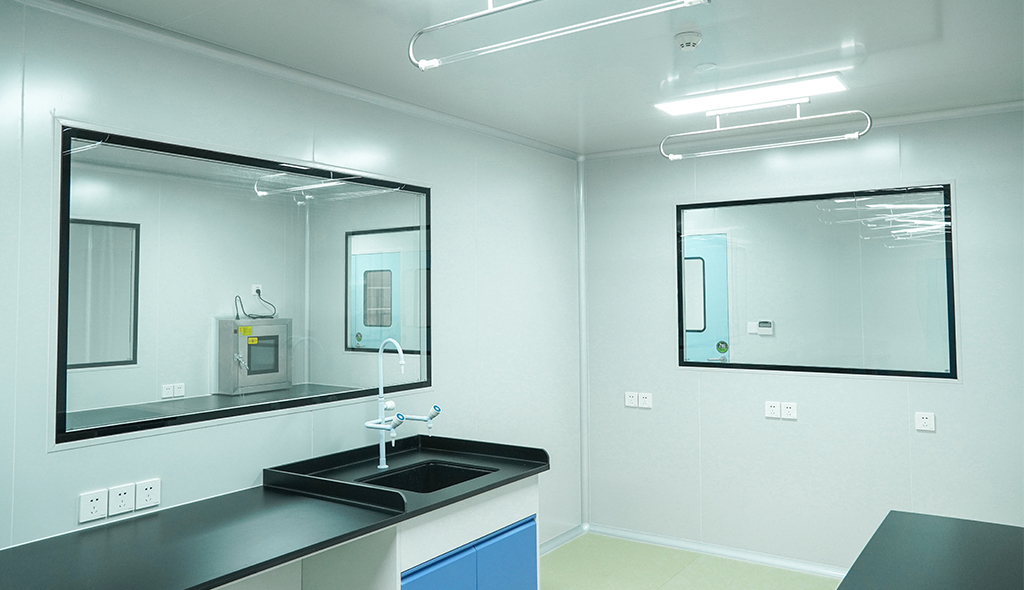 Cleanroom Glass Windows Are The Key to Maintaining a Clean Environment
 -
 Top Aluminium Profile Manufacturers in China: Leading the Global Market
 -
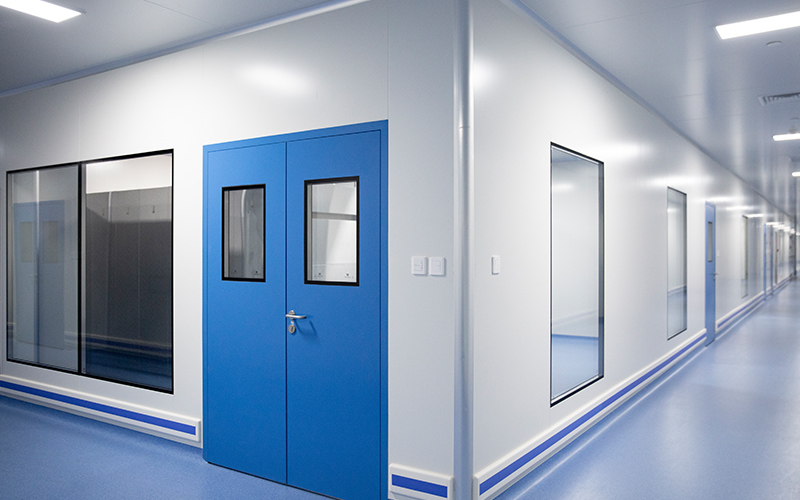 The Evolution of Air Tight Sliding Doors
 -
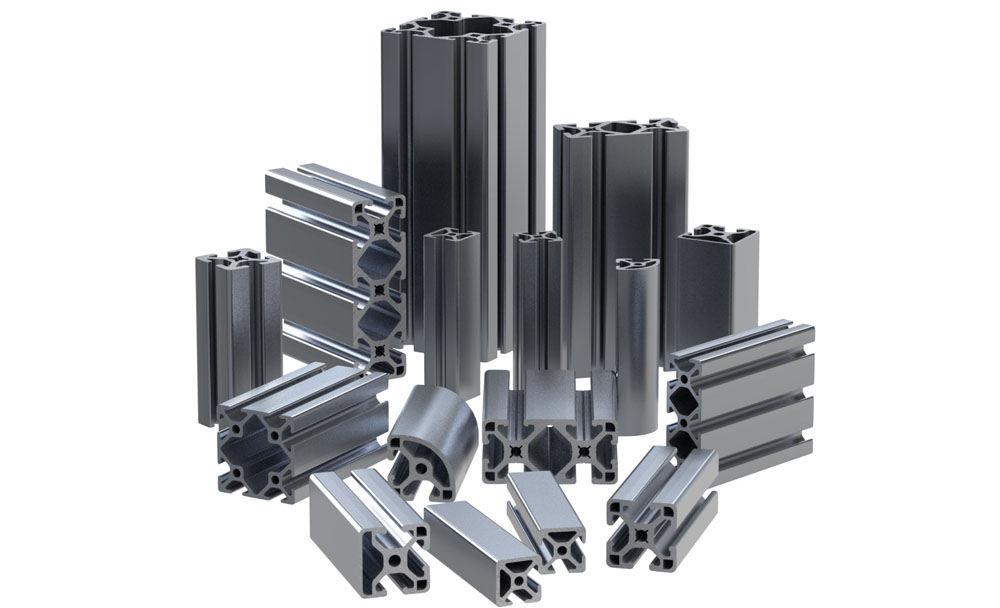 AHU Aluminium Profile: A Comprehensive Guide
 -
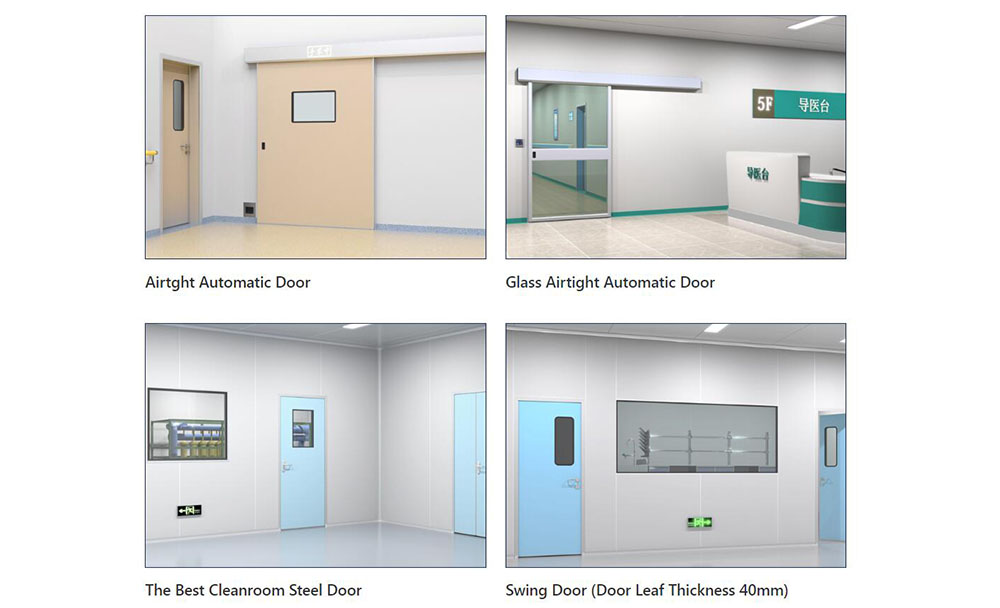 The Importance of Choosing the Right Cleanroom Door in Vietnam
 -
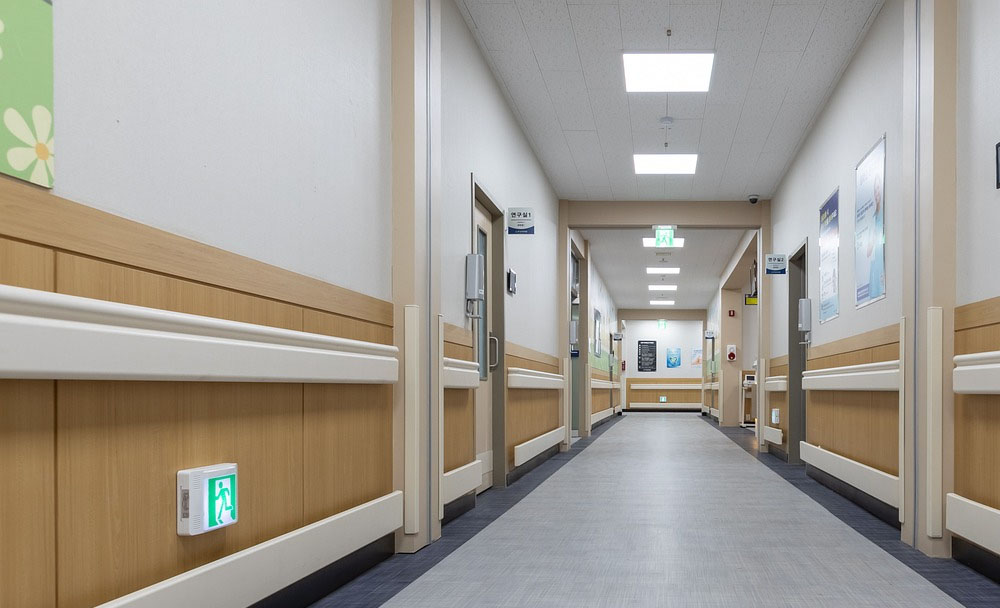 The Benefits of Hospital Automatic Doors: Enhancing Efficiency and Safety
 -
.jpg) The Best Bathroom Door Manufacturers - Unlocking Endless Possibilities!
The Best Bathroom Door Manufacturers - Unlocking Endless Possibilities! -
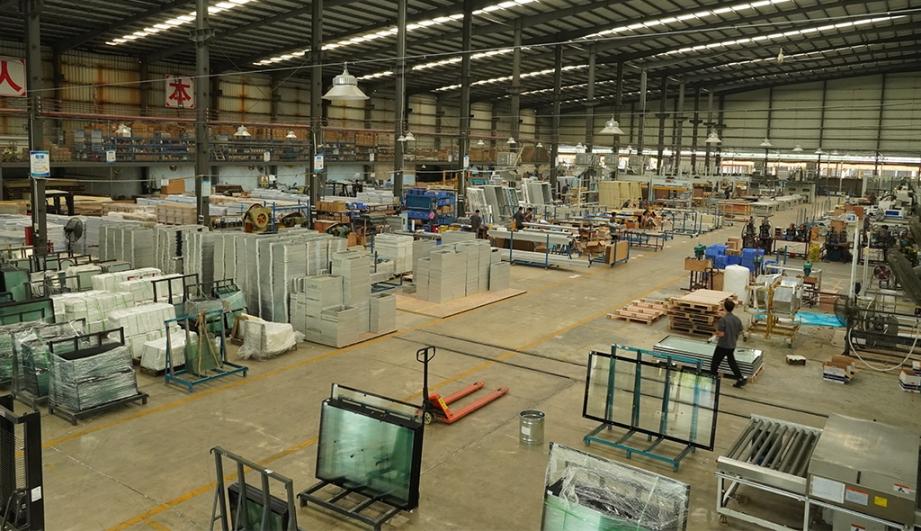 Unlock the Possibilities with AJ Manufacturing Doors
 -
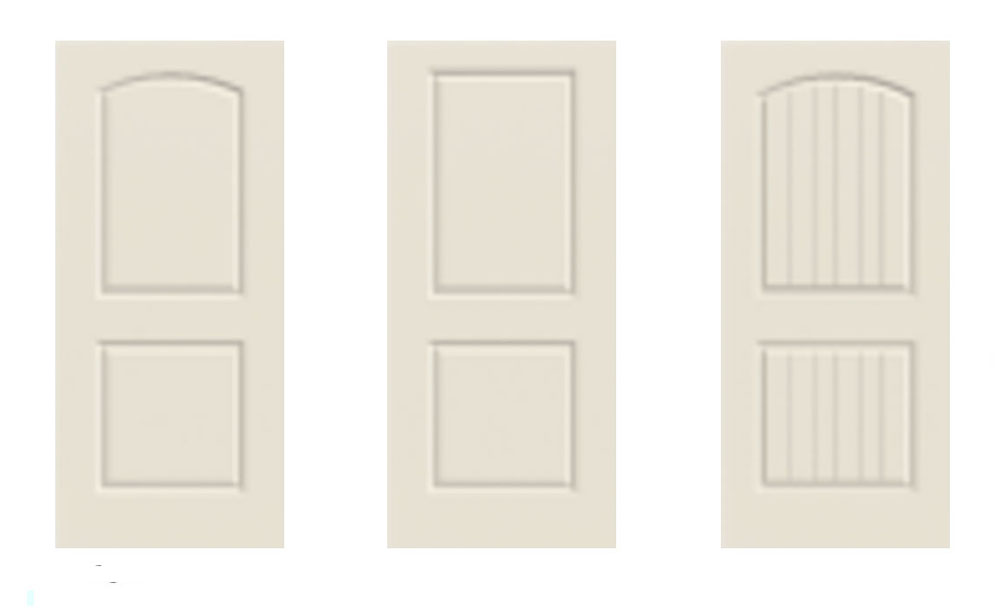 Make a Statement with Manufactured Home Interior Doors!
 -
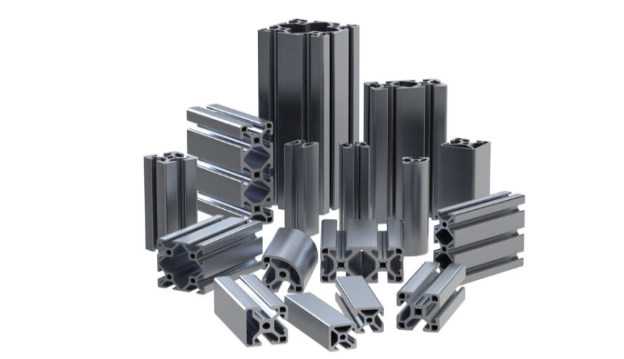 what is aluminum profile? Aluminum Profiles for Your Home is the best option
-
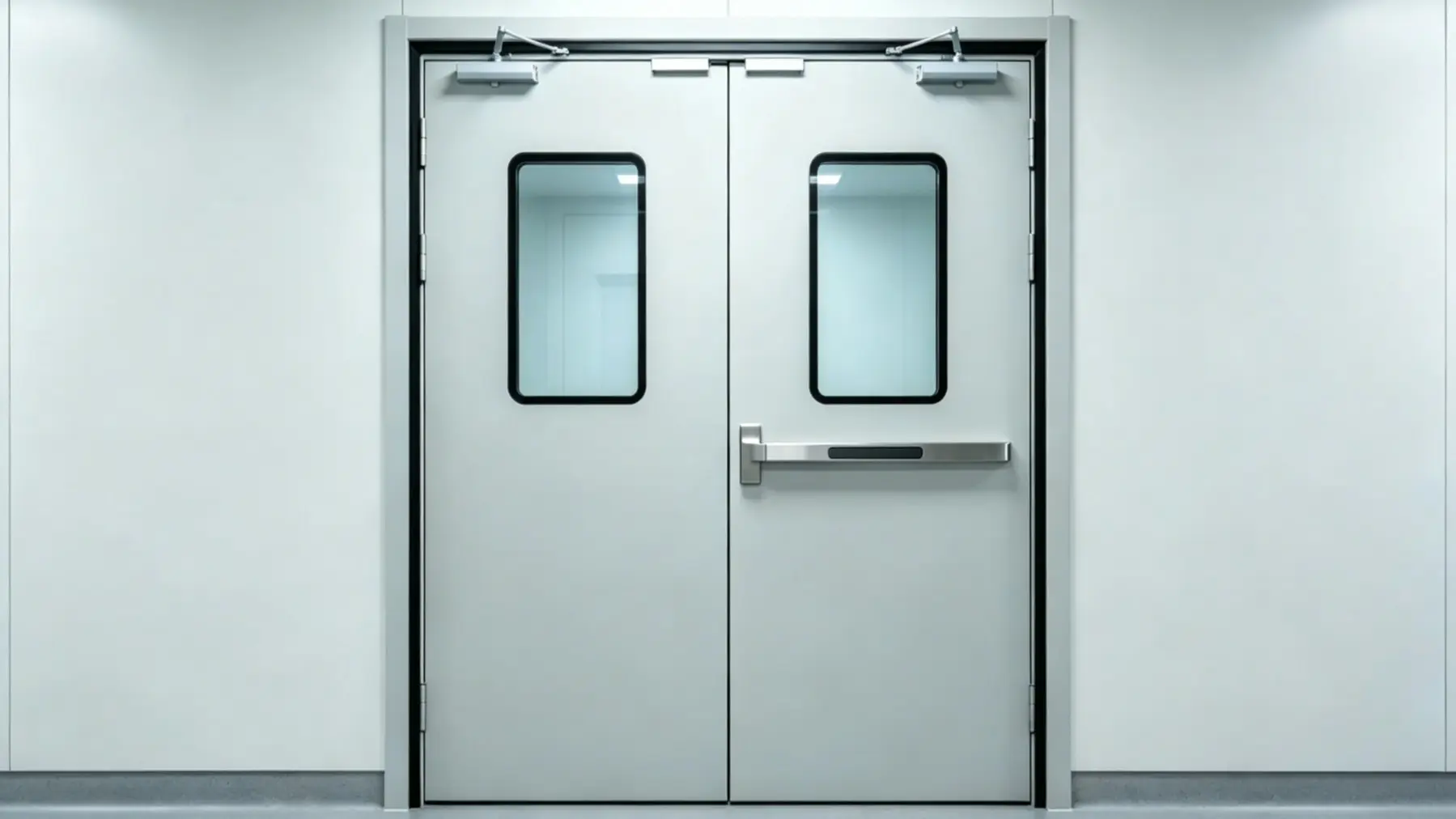 Hospital Emergency Exit Doors: 90 Minute Fire Rating Meets Infection Control
 -
 ICU and Isolation Door Requirements Hospitals Often Overlook
 -
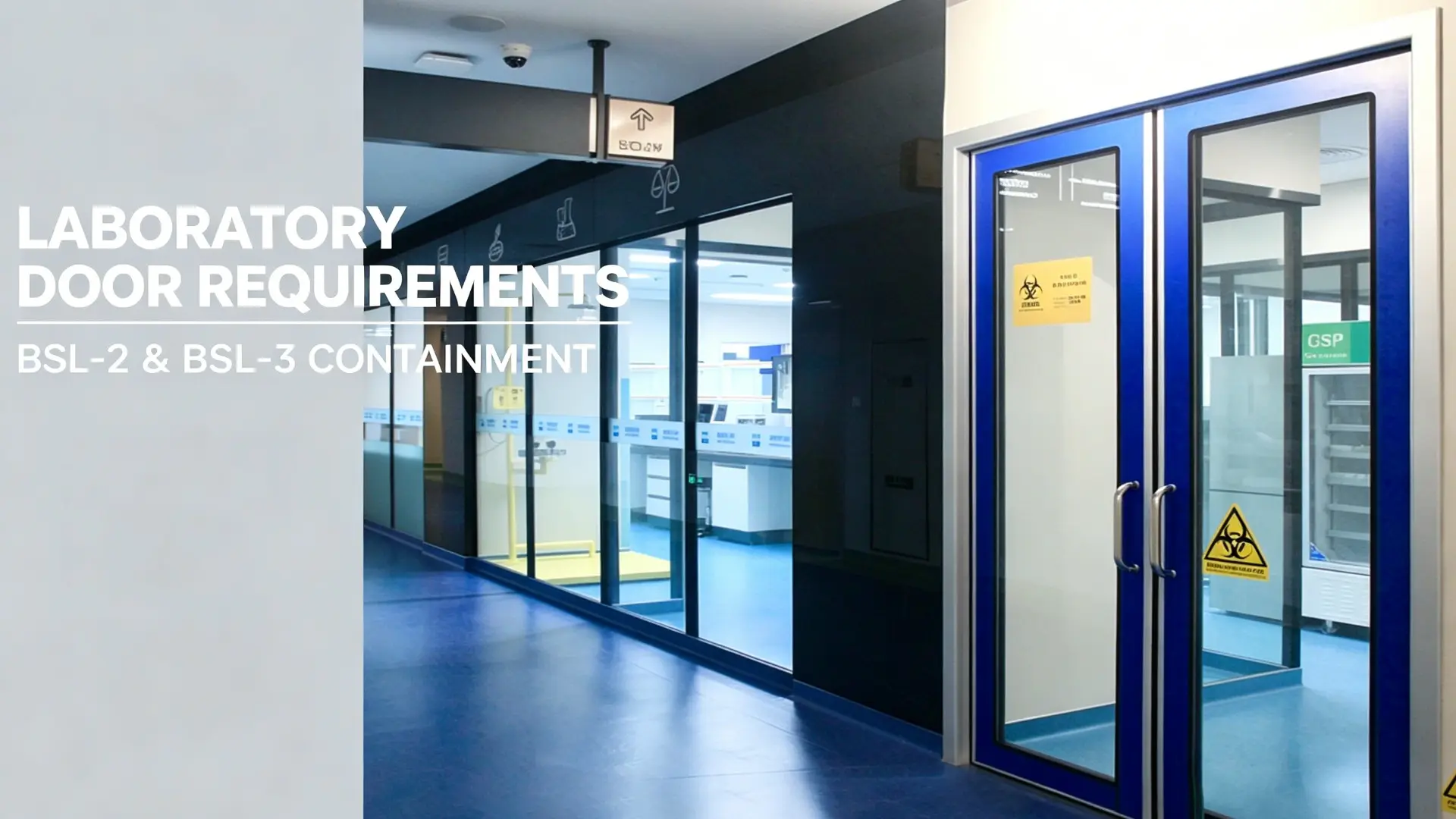 Laboratory Door Requirements for BSL-2 and BSL-3 Containment
 -
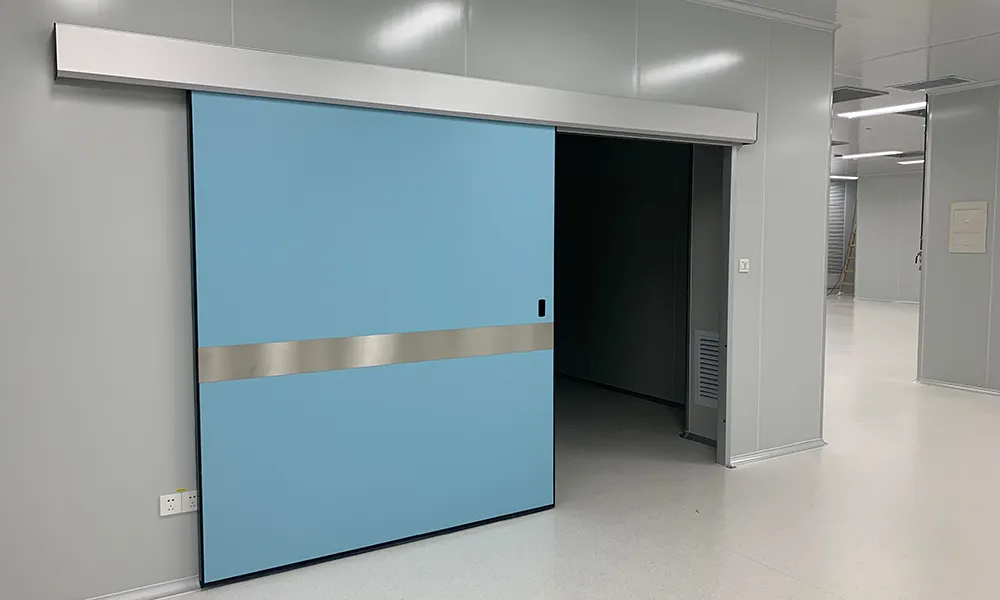 Retrofitting Hospital Sliding Doors: Upgrade Wards Without a Rebuild
 -
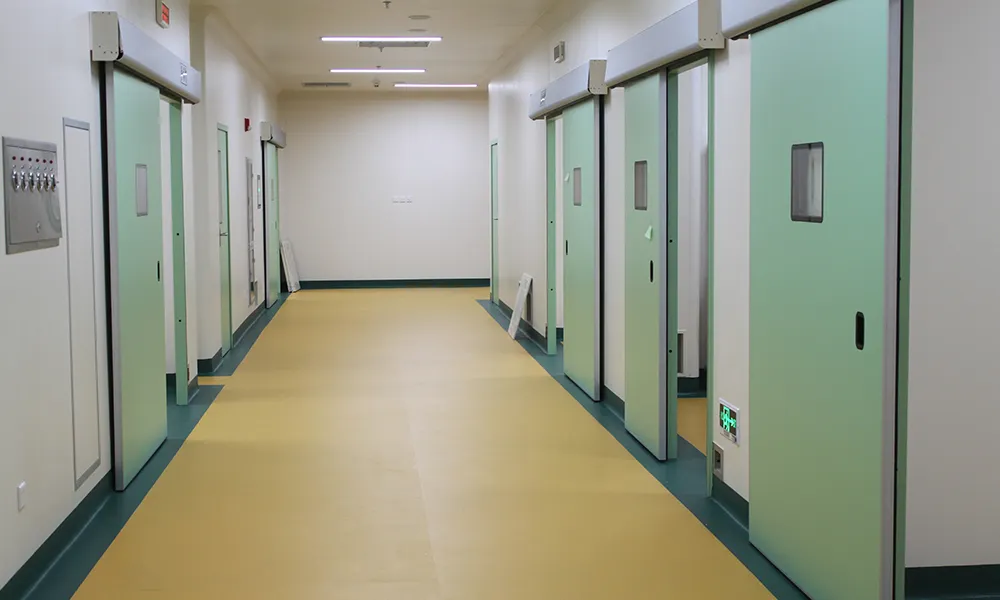 Why Airtight Hospital Sliding Doors Are Critical for Infection Control
 -
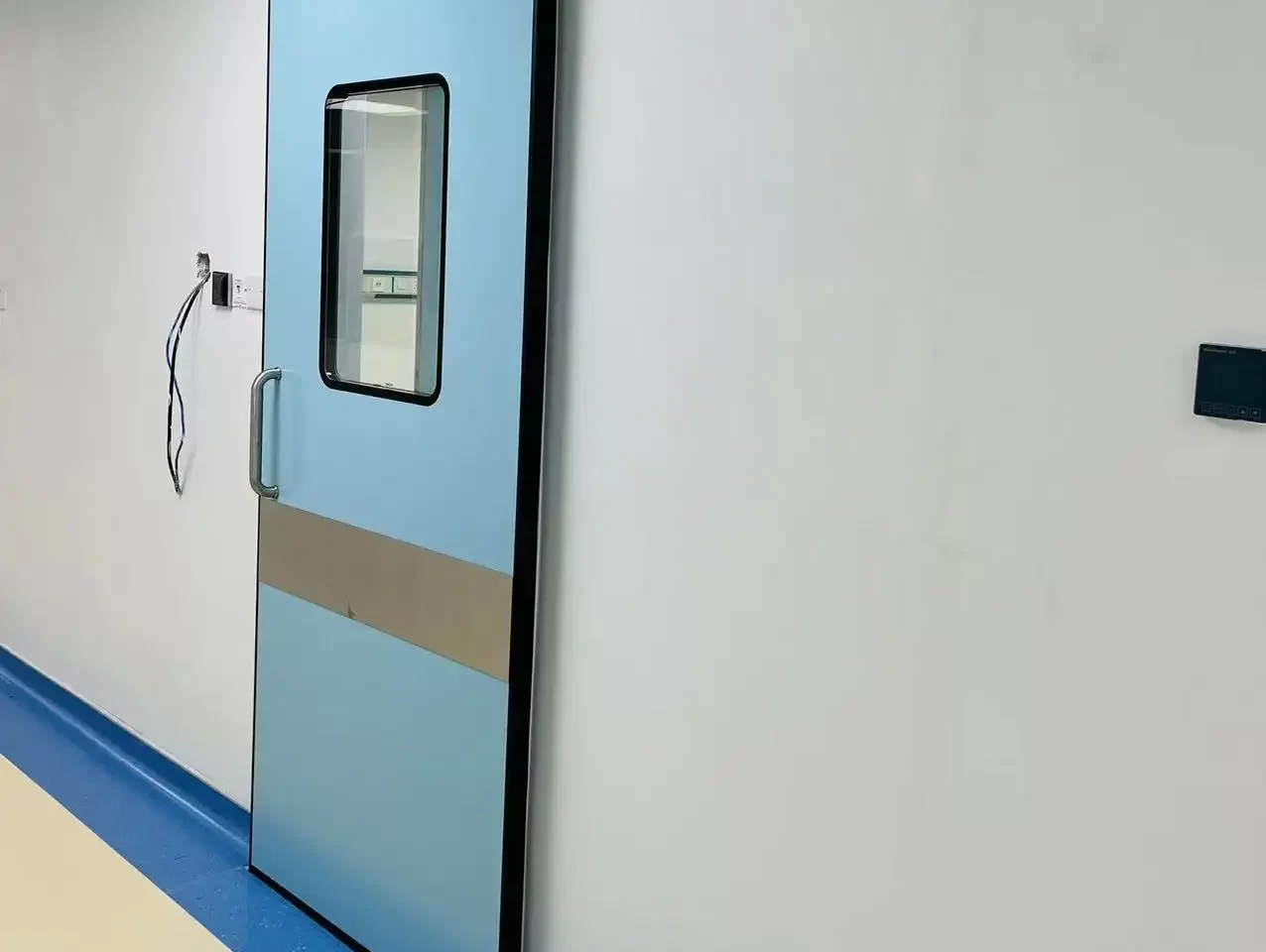 Automatic cleanroom door systems: sensor, actuator and access control integration
 -
 Cleanroom Door Materials: Stainless Steel vs HPL vs FRP vs Aluminum Comparison
 -
 X-Ray Room Door Buying Guide: Lead Thickness & Compliance
 -
 Operating Room Doors: Hermetic & Infection-Control Guide
 -
 Hospital ICU Door Selection: Sealing, Sterility & Workflow



-

Home
-

Tel
-

Email
-

Contact


Guangzhou Yizhong Aluminum Industry Co., Ltd.
We are always providing our customers with reliable products and considerate services.
We are always providing our customers with reliable products and considerate services.
Speak Your Mind