
5 Key Features That Make a Hermetic Door Truly "Hermetic"
In pharmaceutical, semiconductor, and biosafety facilities, a hermetic door directly controls cleanroom pressure stability. Consequently, facilities face severe risks when they install "pseudo-hermetic" products. These doors lack verified leakage data. As a result, they frequently trigger ISO downgrades, HVAC anomalies, or GMP audit failures. True industrial hermetic performance requires more than static isolation. Instead, it demands a verifiable, repeatable barrier. This barrier must maintain zero leakage under dynamic pressure, frequent cycling, and harsh sterilization. Therefore, this article evaluates five technical dimensions. Engineers should prioritize these factors when selecting a hermetic door for cleanroom applications.
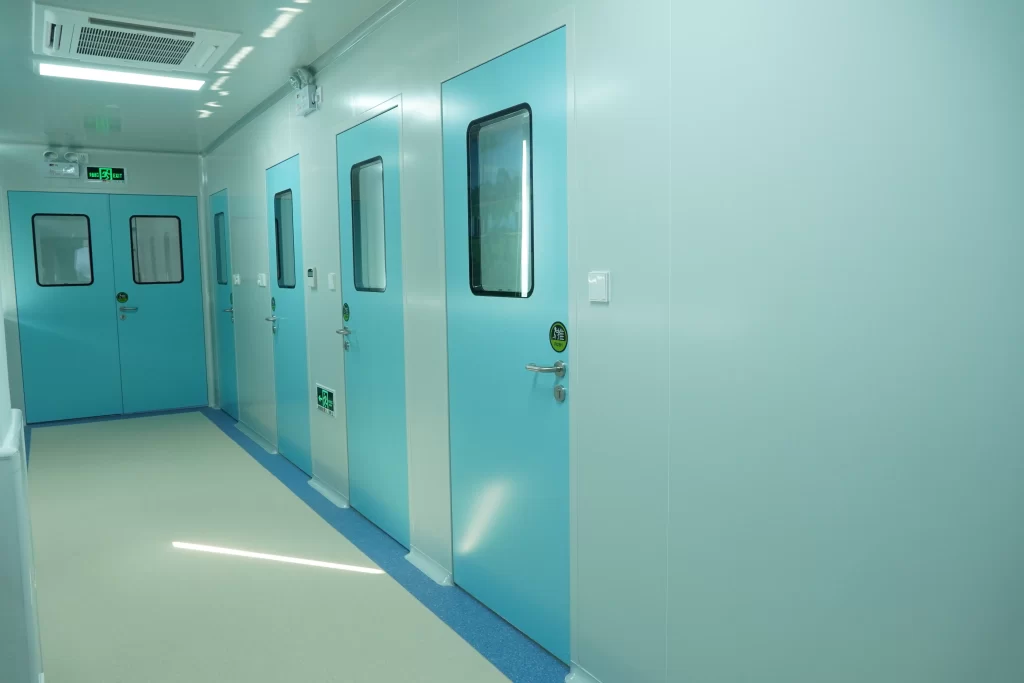
1. Multi-Stage Compression Sealing System
Leakage rates depend directly on the physical integrity of the sealing interface. Therefore, industrial-grade products abandon single-door seals. Instead, engineers now use multi-stage compression architectures. The design success relies on material selection and hydrodynamic optimization.
Scientific Material Selection
- Manufacturers control medical-grade silicone rubber VOC emissions at ≤50 μg/m²·h. Consequently, these materials meet ISO 14644-8 AMC limits. They perform ideally in high-purity environments.
- High-hardness EPDM offers superior chemical resistance. Furthermore, it withstands ozone aging perfectly. Engineers frequently specify it for VHP or moist heat sterilization zones.
- PTFE composite layers protect surfaces from strong acids or alkalis. Additionally, they suit ultra-clean semiconductor processes. Their friction coefficient drops to 0.05. This reduction significantly cuts operational wear.
- Regulators require all contact materials to pass strict certifications. Specifically, materials must meet USP Class VI, FDA 21 CFR 177.2600, or EU 10/2011 standards. These requirements eliminate plasticizer migration and particle shedding risks.
Geometric Cross-Section & Hydrodynamic Design
- First, the outer primary sealing lip contacts the frame during closure. This action creates an initial airflow buffer zone.
- Next, the inner auxiliary lip adjusts automatically. Within a 25–100 Pa ΔP range, pressure forces micro-displacement. The lip fills microscopic gaps instantly.
- Finally, the door reaches its full-stroke compression phase. The sealing lip maintains an 18%–22% compression ratio. This ratio ensures uniform pressure distribution. Engineers avoid localized stress failures.
Adaptive floating tracks support this system. Even after 50,000+ cycles, contact pressure decays by less than 10%. Moreover, empirical data confirms the system meets EN 12207 Class 4 standards. At ΔP 50 Pa, leakage stays ≤0.01 m³/h·m². For cleanroom doors, this metric remains foundational. It preserves tiered pressure differentials and ensures long-term gasket performance.
2. Monolithic Frame & Zero-Gap Flush Architecture
Sealing failures often originate from installation defects. Therefore, qualified manufacturers use fully welded monolithic frames. This approach eliminates micro-leakage paths from bolted joints. Internally, the frame uses rectangular steel tubing or high-strength aluminum. Full-penetration welding and grinding create a continuous stress ring. Consequently, this design boosts torsional rigidity by over 3x compared to assembled structures.
Installation Craftsmanship & Airflow Control
- Installers recess the door frame into cleanroom sandwich panels. They strictly limit external protrusion to ≤2 mm. This limit prevents airflow vortices and particle deposition.
- The design features a concealed threshold. A sunken groove works with seamless medical-grade polyurethane sealant. This combination eliminates hygiene dead zones and liquid accumulation.
- The header area incorporates an airfoil flow guide. This feature maintains unidirectional airflow integrity. It also prevents turbulence during personnel passage.
Thermal Stress Compensation Mechanism
- Sterilization cycles reach 40–120°C. Engineers reserve a 0.5–1.2 mm deformation gap at the header-to-side junction. This gap accommodates thermal expansion.
- Silicone rubber composite pads provide flexible cushioning. These pads compensate for differing expansion rates between metals and polymers. Consequently, they prevent track jamming.
- CNC machines cut stress relief grooves directly into the frame. These channels reduce welding residual stress. They also stop micro-crack propagation during long-term thermal cycling.
This architecture directly satisfies FDA 21 CFR §211.42 and EU GMP Annex 1 §9.12. The standards mandate dead-zone-free, easy-to-clean structures. In pharmaceutical and operating room settings, zero-gap flush design prevents post-installation leakage. For projects requiring visibility and airtightness, engineers can specify flush-mounted doors with integrated windows. This configuration keeps airflow free of turbulence dead zones.
3. Precision Drive & Controlled Closure Dynamics
Door closure involves dynamic pressure loads, friction, and sealing forces. Traditional spring or pneumatic actuators often overshoot during pressure fluctuations. Therefore, modern systems use brushless DC servo motors. These motors feature closed-loop torque feedback.
Servo Control & Closed-Loop Feedback
- Built-in Hall sensors capture current and torque data at 1000 Hz. The system maps door panel status in real time.
- The final 5 mm of travel follows an S-curve velocity profile. PID algorithms fine-tune output torque instantly. They compensate for sealing lip compression resistance automatically.
- Repeat positioning accuracy reaches ±1 mm. Full-lifecycle closure deviation stays under 0.5%. This precision eliminates impact-rebound cycles completely.
Safety Redundancy & Fault Degradation
- Sudden power loss triggers a mechanical self-locking mechanism. Gravity and stored spring energy guide the panel along a preset path. The sealing interface remains intact even under high negative pressure.
- Engineers set the overload threshold at 120% of rated torque. The system reverses direction within 0.3 seconds if an obstruction appears. This response complies with EN 16005 safety standards.
- Backup power integration supports seamless UPS switching. Emergency generators maintain SOP continuity in biosafety zones. They also protect hazardous material isolation areas.
High-traffic hospital and laboratory environments benefit significantly from these precision drives. The systems reduce maintenance frequency and prevent unplanned downtime. Furthermore, engineers can integrate automatic sliding door controls. Touchless sensor activation improves throughput while preserving airtight performance. This combination meets strict healthcare infection control requirements.
4. Pressure Equalization & HVAC System Integration
Hermetic doors serve as critical nodes in cleanroom pressure networks. Therefore, their integration capability directly impacts overall system stability. Airlock or material pass-through operations shift cross-zone pressure differentials within seconds.
Dynamic Pressure Resilience Design
- Micro-pressure equalization grooves sit in non-critical load areas. These grooves vent airflow rapidly during sudden negative pressure spikes. They prevent instantaneous seal lip detachment.
- Internally reinforced ribs use topology-optimized layouts. This anti-deformation skeleton maintains door panel flatness within ≤0.8 mm during ΔP transients.
- The system coordinates with adjacent air showers and pass boxes. Together, they form a pressure buffer zone. This coordination mitigates fatigue damage from single-point pressure impacts.
System Integration & Predictive Maintenance
- Native support for BACnet, Modbus, and Profinet enables millisecond data synchronization. The door communicates directly with BMS and environmental monitoring systems.
- Anti-double-opening interlock logic strictly enforces airlock sequences. Only one side opens at a time. Programmable interval timing matches GMP personnel and material separation rules.
- Condition-based maintenance (CBM) networks monitor micro-differential pressure and seal compression. Algorithms analyze motor load micro-drifts proactively. They warn engineers about seal aging or track lubrication failure before breakdowns occur.
HVAC simulation data confirms clear energy benefits. Integrated door systems reduce fan energy consumption in ISO 5–7 cleanrooms by 15% to 30%. Moreover, hermetic doors form closed-loop control systems with air diffusers and return networks. This integration minimizes pressure fluctuation impacts on HVAC loads. Consequently, facilities extend HEPA filter replacement cycles by over 40%.
5. Third-Party Validation & Compliance-Ready Architecture
Regulated industries demand verified proof, not marketing claims. Therefore, qualified products must include complete third-party testing and audit trails.
Testing Protocol Matrix
- The pressure decay method establishes an initial differential in a sealed chamber. The system records decay rates and calculates equivalent leakage areas.
- The constant pressure flow method maintains a steady ΔP. High-precision mass flow meters read steady-state leakage volumes directly. Engineers prefer this method for high-accuracy acceptance.
- Infrared thermography identifies thermal bridge leak points. Laser particle counters evaluate penetration rates. Ultrasonic probes pinpoint high-frequency airflow noise sources.
- Regulators mandate on-site acceptance testing. Factory lab data only serves as a reference. Facilities must obtain CNAS/CMA certified reports for the installed unit.
Audit Documentation Package & Standard Alignment
- Material traceability files include COA certificates, MSDS, accelerated aging reports, and biocompatibility records.
- Performance validation packages contain factory torque curves, seal compression graphs, interlock logic reports, and site comparison tables.
- The documentation aligns with global standards simultaneously. It covers ISO 14644-1/3, EN 16005, ASHRAE 170, GB 50457, and EU GMP Annex 1 (2022 revision).
- Electronic audit trails comply with 21 CFR Part 11. The system timestamps all parameter changes, maintenance logs, and alarm events. Operators digitally sign every entry. This process supports immutable archiving.
Pharmaceutical enterprises require complete compliance packages for GMP hermetic doors. These documents remain essential during unannounced inspections. Surface flatness or verbal promises cannot replace traceable engineering data.
Supplier Audit Checklist & Market Warnings
Procurement decisions require quantifiable metrics and on-site verification. Engineering teams should follow this audit pathway during technical bidding:
- Request empirical leakage rate curves at ΔP 50/100 Pa. Vendors must specify testing standards, ambient conditions, and third-party lab credentials.
- Verify original international seal certifications. Cross-reference batch consistency against USP Class VI, FDA 21 CFR 177.2600, or EU 10/2011 standards.
- Review BMS interface manuals and fault degradation diagrams. Confirm interlock delay times stay ≤0.5 seconds.
- Confirm seal replacement procedures. Quick-release modules should allow replacement within 2 hours. This design avoids full door dismantling or cleanroom re-validation.
- Compare three on-site acceptance reports from similar facilities. Focus on the deviation rate between factory data and field tests. Aim for ≤8% deviation.
Market traps frequently target unwary buyers. Engineering teams must avoid these common pitfalls:
- Vendors replace multi-stage progressive seals with single rubber strips. These lack pressure-adaptive compensation.
- Installers leave 3–5 mm threshold gaps. They claim "post-installation caulking" fixes the issue. This practice violates GMP dead-zone-free principles.
- Suppliers install commercial-grade AC motors in industrial pressure environments. These units suffer high torque fluctuation and poor closure precision.
- Projects accept doors based on appearance or marketing claims. They skip on-site pressure differential testing. This approach creates extreme compliance risks.
Conclusion
True hermeticity requires systematic integration. It combines materials science, structural mechanics, control algorithms, and compliance validation. Engineers should view a verified hermetic door as an auditable compliance barrier. This choice directly impacts ISO classification retention, HVAC energy control, and long-term ROI. Therefore, procurement teams must prioritize test data and regulatory standards. They should establish supplier qualification mechanisms based on quantifiable metrics. This strategy ensures facilities maintain design integrity throughout their lifecycle. When evaluating a pharmaceutical clean room door supplier, prioritize manufacturers with CNAS laboratory accreditation. Request on-site pressure assessments and compliance documentation templates upfront. Global project experience further validates vendor reliability.
FAQ
- What separates an airtight door from a hermetic door industrially? Airtight doors isolate gases under static or low-pressure conditions. They suit storage or general zones. Conversely, hermetic doors handle dynamic pressure differentials, frequent cycling, and sterilization. They require verifiable leakage rates, multi-stage sealing, and full compliance documentation.
- How do GMP facilities schedule seal inspections and replacements? Teams should conduct visual inspections and contact pressure sampling every six months. Furthermore, they must re-test leakage rates annually. Replacement schedules should rely on condition monitoring data, not fixed timelines. Most seals last 3 to 5 years.
- Can the door withstand daily sterilization without degrading? Industrial-grade door bodies feature medical-grade polymer seals and thermal stress compensation. These components endure harsh cycles reliably. However, buyers must verify accelerated aging tests equivalent to a 10-year lifespan. Additionally, frame tolerance zones must absorb thermal expansion displacement.
- What leakage rate standard applies to high-level cleanroom doors? The industry threshold sits at ≤0.05 m³/h·m² at ΔP 50 Pa. For high-risk zones, engineers recommend the pharmaceutical-grade standard of ≤0.01 m³/h·m².
- Does retrofitting require HVAC pressure rebalancing? Facilities typically avoid full system adjustments. Instead, technicians fine-tune supply and exhaust valve openings via the building control system. Furthermore, teams should run a 72-hour pressure stability test post-installation. They must record dynamic fluctuation curves and generate a formal acceptance report.
-
 Cleanroom Glass Windows Are The Key to Maintaining a Clean Environment
 -
 Top Aluminium Profile Manufacturers in China: Leading the Global Market
 -
 The Evolution of Air Tight Sliding Doors
 -
 AHU Aluminium Profile: A Comprehensive Guide
 -
 The Importance of Choosing the Right Cleanroom Door in Vietnam
 -
 The Benefits of Hospital Automatic Doors: Enhancing Efficiency and Safety
 -
.jpg) The Best Bathroom Door Manufacturers - Unlocking Endless Possibilities!
The Best Bathroom Door Manufacturers - Unlocking Endless Possibilities! -
 Unlock the Possibilities with AJ Manufacturing Doors
 -
 Make a Statement with Manufactured Home Interior Doors!
 -
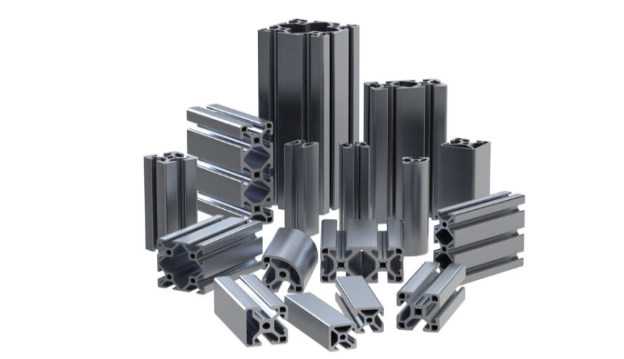 what is aluminum profile? Aluminum Profiles for Your Home is the best option
-
 5 Hermetic Door Mistakes That Break the Seal
 -
 Hospital Room Door Size by Room Type: Width and Clearance
 -
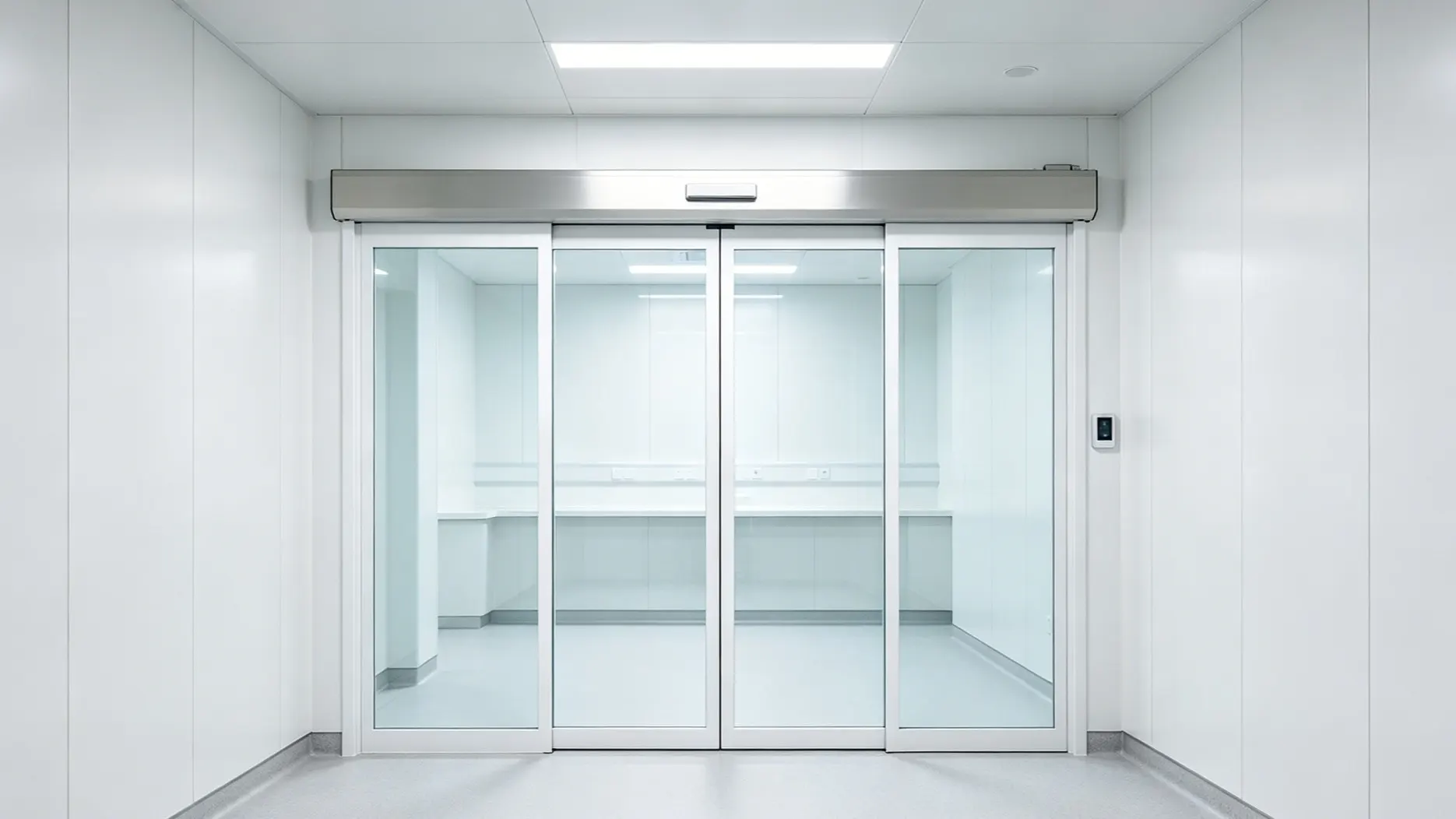 Retrofit Manual Doors with Electronic Glass Operators
 -
 Hospital Emergency Exit Doors: 90 Minute Fire Rating Meets Infection Control
 -
 ICU and Isolation Door Requirements Hospitals Often Overlook
 -
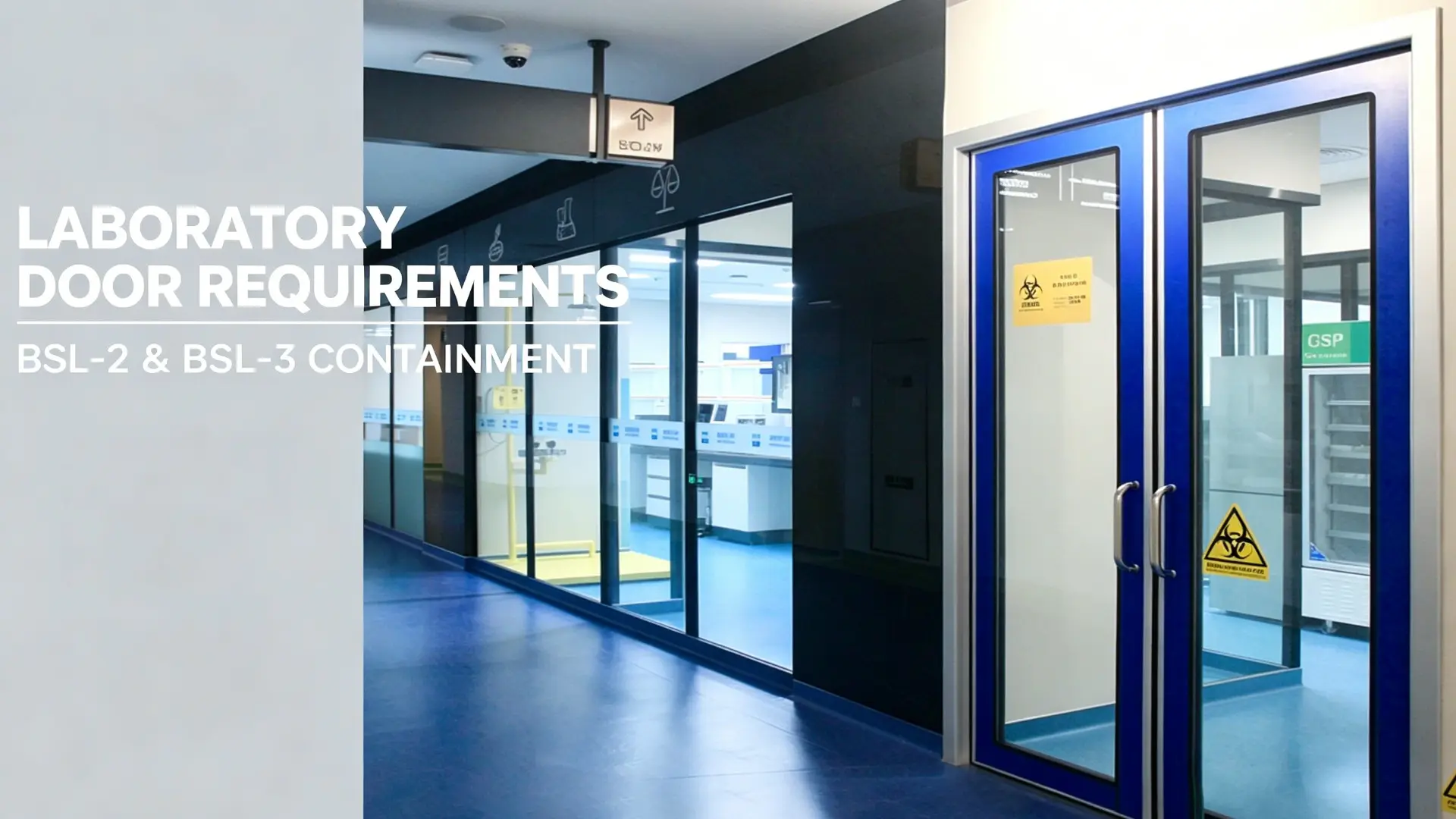 Laboratory Door Requirements for BSL-2 and BSL-3 Containment
 -
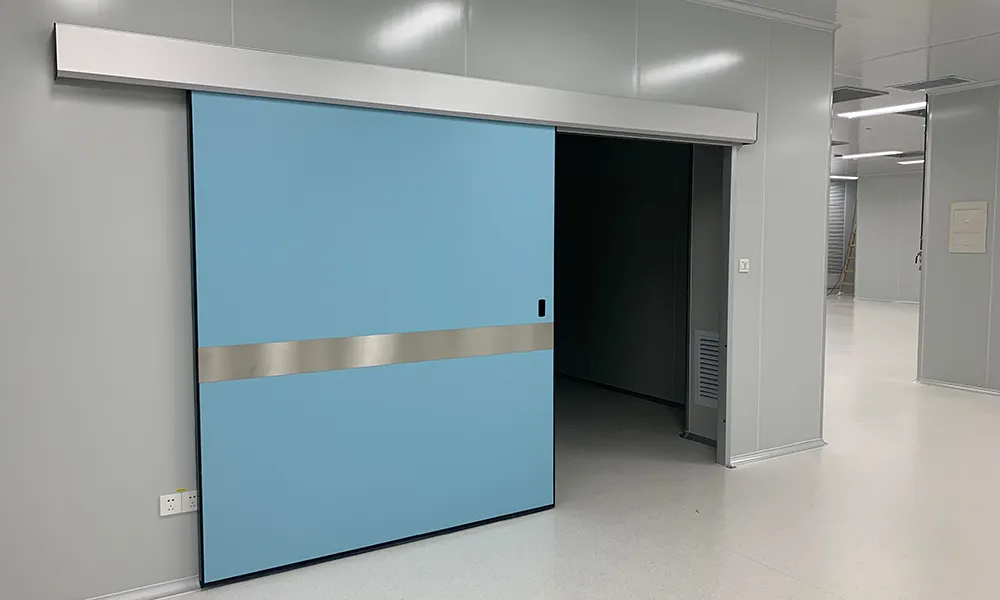 Retrofitting Hospital Sliding Doors: Upgrade Wards Without a Rebuild
 -
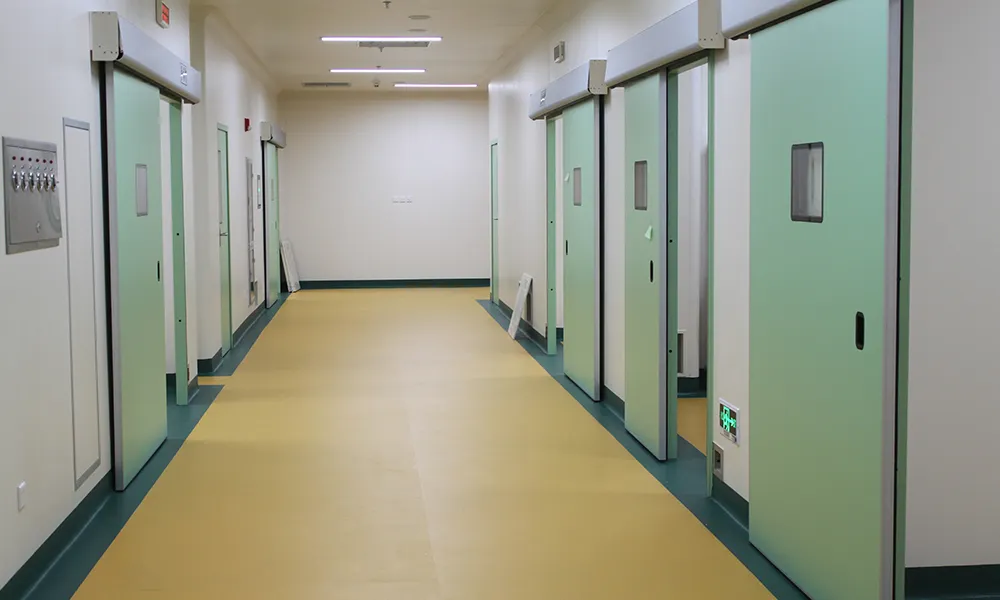 Why Airtight Hospital Sliding Doors Are Critical for Infection Control
 -
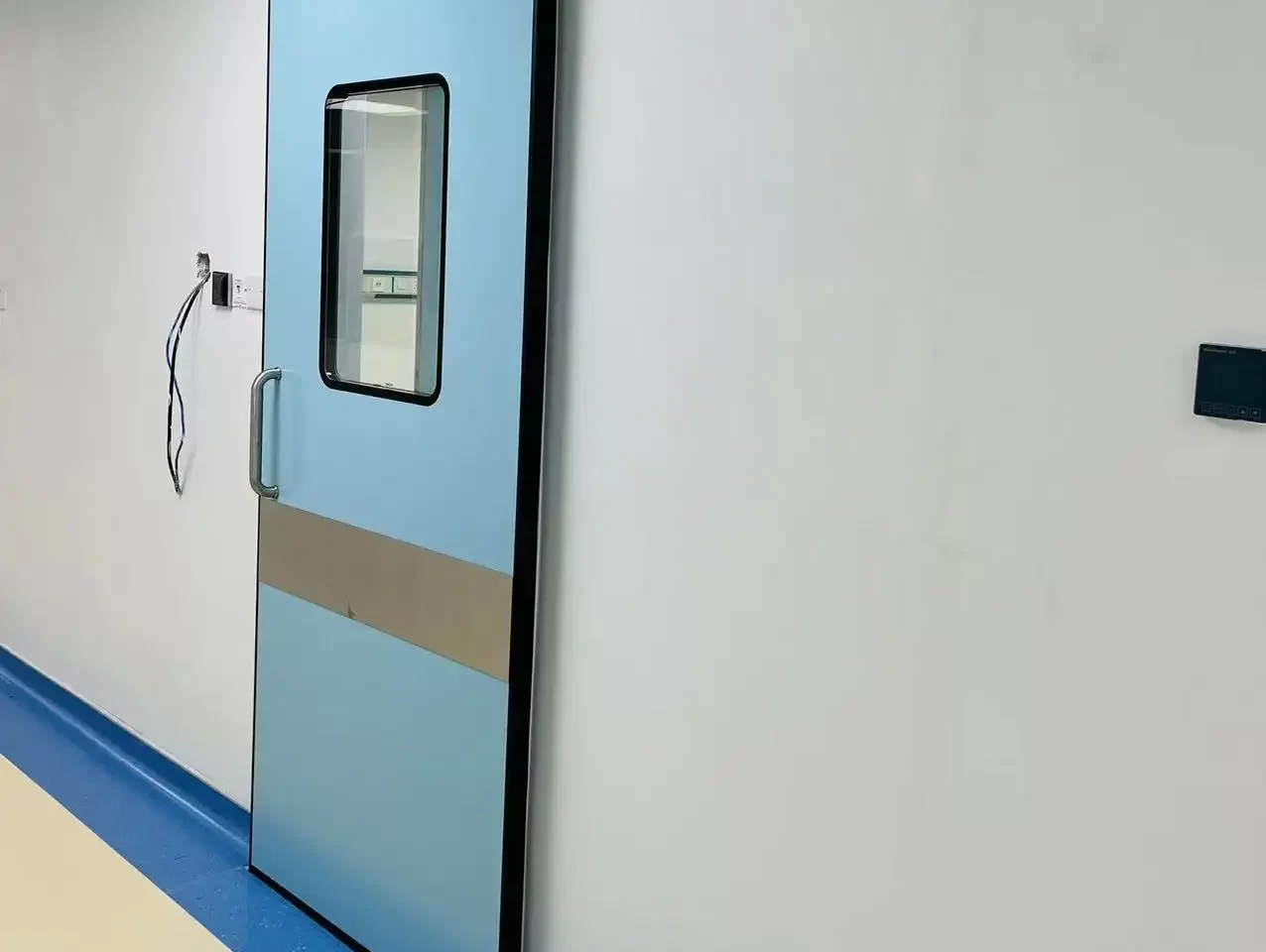 Automatic cleanroom door systems: sensor, actuator and access control integration
 -
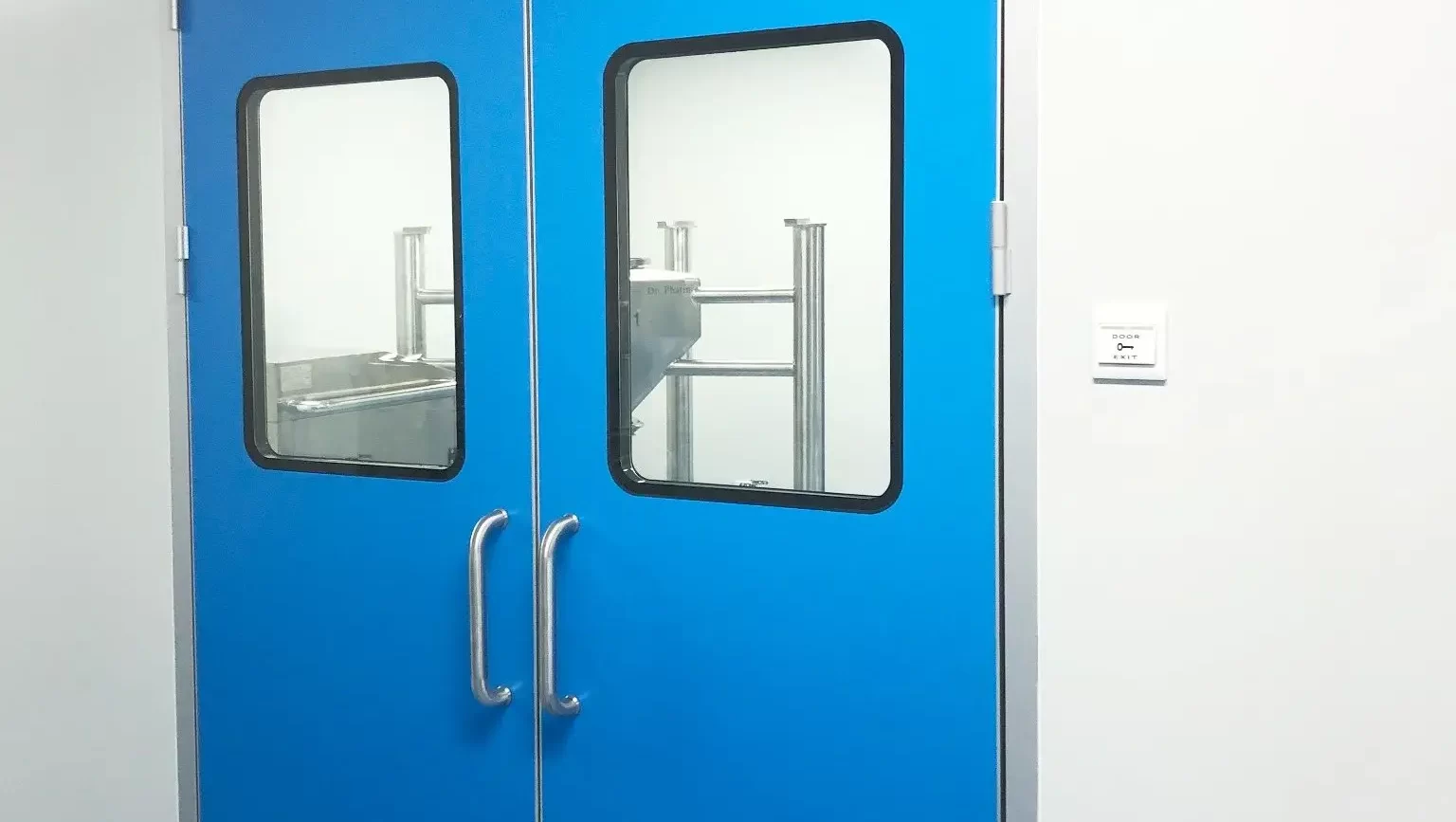 Cleanroom Door Materials: Stainless Steel vs HPL vs FRP vs Aluminum Comparison


-

Home
-

Tel
-

Email
-

Contact


Guangzhou Yizhong Aluminum Industry Co., Ltd.
We are always providing our customers with reliable products and considerate services.
We are always providing our customers with reliable products and considerate services.
Speak Your Mind