
Aluminum Frame Cleanroom Door: Lab/Hospital Selection Guide
Cleanroom doors are no longer passive partitions—they are dynamic barriers critical to pressure stability, airflow control, and infection prevention. As labs and hospitals phase out heavy steel doors, high-performance aluminum frame cleanroom door systems have become the standard for their lightweight construction, thermal efficiency, and seamless BMS integration. Yet, improper specification frequently leads to pressure loss, seal degradation, and compliance failures. This guide details six engineering-backed selection criteria to help specifiers, contractors, and facility managers evaluate materials, sealing, automation, and lifecycle costs—ensuring reliable, audit-ready cleanroom performance from installation onward.
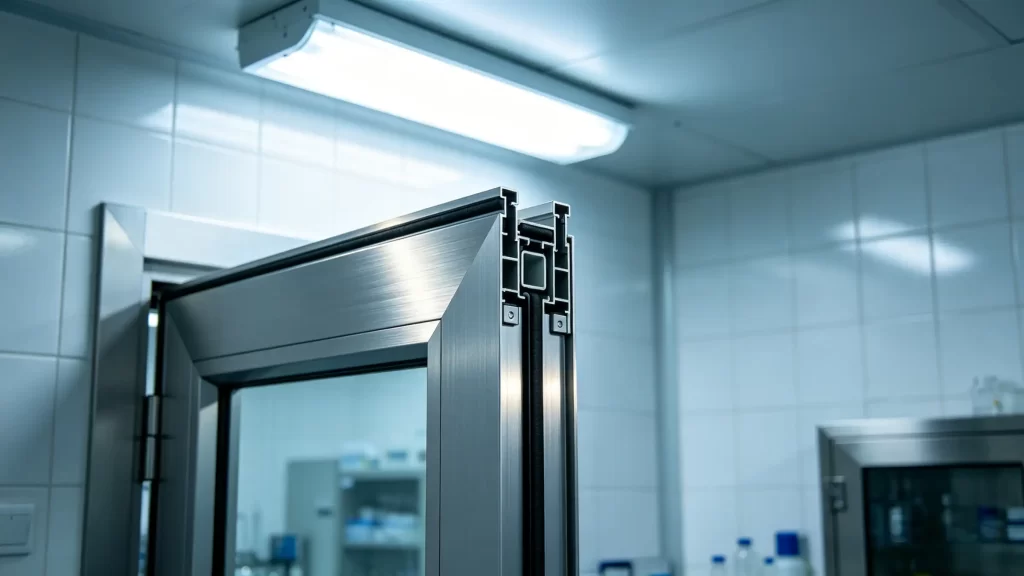
1. Profile Structure & Material Standards: Defining Baseline Strength & Cleanliness
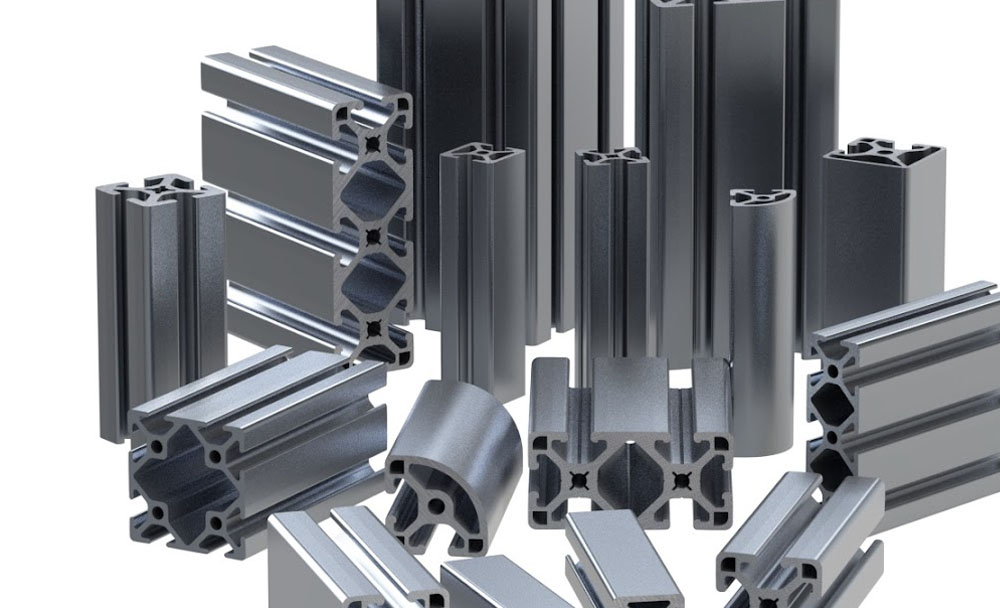
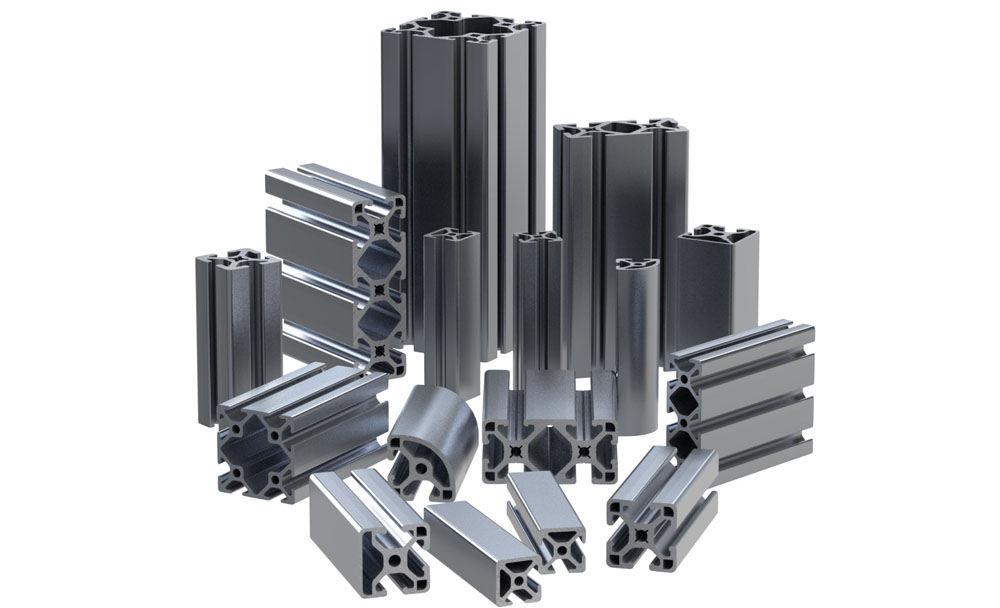
The metallurgical microstructure, heat treatment state, and cross-sectional mechanical design of aluminum profiles directly dictate door deformation control under long-term high-frequency cycling, equipment impacts, and temperature/humidity fluctuations.
- Alloy Grade & Heat Treatment: Standard cleanroom door frames should prioritize 6063-T5/T6 architectural-grade profiles (tensile strength ≥160 MPa, yield strength ≥110 MPa). For radiation-shielded lead-lined doors exceeding 120 kg, upgrade to 6061-T6 industrial-grade (yield strength ≥275 MPa). Explicitly specifying the aluminum alloy grade and temper in technical specifications is critical to mitigating batch-to-batch performance variance. Recycled aluminum content should be capped at 30%, backed by GRS or SCS low-carbon certification and a rigorous aluminum supplier audit process, aligning with LEED v4.1 or domestic green building star-rating embodied carbon requirements.
- Cavity Design & Thermal Bridging: In climate-controlled cleanrooms (20–24°C, 45–65% RH), non-thermally-broken solid profiles readily reach dew point temperatures when indoor-outdoor differentials exceed 8°C, fostering condensation and microbial biofilm growth. thermal break aluminum multi-cavity profiles paired with PA66 GF25 nylon thermal breaks (≥24 mm width, tensile strength ≥120 MPa) reduce the overall thermal transmittance (U-value) to ≤2.0 W/(m²·K), physically eliminating thermal bridges.
- Joining Processes & Particle Control: Traditional corner-key mechanical joints often leave 0.5–2.0 mm assembly gaps, creating stable particle migration channels under negative pressure. Laser seamless welding combined with R≥3 mm internal corner radii compresses the equivalent leakage area to ≤0.05 mm²/m. Coupled with a pre-embedded 3 mm galvanized steel reinforcement plate, long-term sagging is suppressed to ≤1.5 mm/year. During detailed design, engineers must perform aluminum door calculation using aluminum CAD drawing models to verify wind load, self-weight, and operating torque, ensuring aluminum door tolerance remains within ±1.0 mm. Concurrently, 3D BIM clash detection for the aluminum frame cleanroom door installation nodes guarantees seamless cleanroom wall integration and airtightness compliance.
2. Sealing Performance & Pressure Control: The Lifeline of Controlled Environments
Cleanroom operational logic hinges on "directional airflow + pressure gradients." Door sealing directly dictates HVAC load, pressure fluctuation magnitude, and cross-contamination risk.
- Multi-Level Sealing Architecture: Proven configurations employ a "frame-embedded primary seal + leaf-edge secondary seal + automatic drop seal." Premium cleanroom door sealing utilizes peroxide-cured EPDM or medical-grade platinum-catalyzed silicone, with compression set ≤15% (70°C × 22h). Drop seals with dual pneumatic/mechanical triggers achieve zero-leak closure at ≥30 Pa differentials, provided floor flatness tolerances stay within ±2 mm. For aluminum frame door sealing validation, mandate helium mass spectrometry leak test reports (sensitivity 10⁻⁹ Pa·m³/s).
- Dynamic Pressure Adaptation: PCR amplification zones or negative-pressure wards typically maintain -5 to -30 Pa, but personnel transit induces ±15 Pa transient spikes. A high-quality aluminum frame cleanroom door must complete sealing compensation within 3 seconds of closure, achieving EN 12207 Class 4 airtightness (≤3 m³/(h·m²) at 50 Pa) or complying with GB 50591-2010 leakage rate thresholds (≤0.5%).
- Leak Testing & Acceptance: Commissioning should combine quantitative helium mass spectrometry with qualitative smoke visualization for airflow mapping. Third-party reports must explicitly state "air change rate impact factor ≤0.15" and "equivalent leakage area," preventing reliance on unverified factory self-tests and ensuring every aluminum frame cleanroom door passes pre-delivery airtightness validation.
3. Surface Treatment & Antimicrobial/Corrosion Resistance: Infection Control & Chemical Protection
As high-touch surfaces exposed to airflow scouring, door finish micro-roughness and coating chemical stability dictate cleaning efficiency, particle adhesion, and microbial colonization risk.
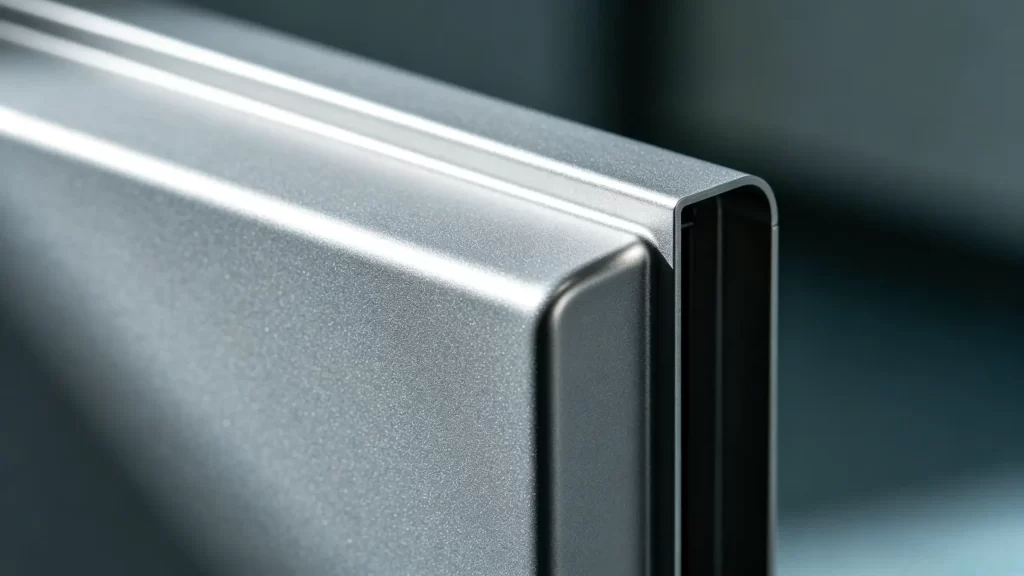
- Finishing Processes & Roughness Control: Standard zones suit anodized finishes (≥15 μm, AA15 class). High-humidity/salinity environments demand a powder coated finish or PVDF fluorocarbon coating (total thickness ≥40 μm). surface roughness Ra must not exceed 0.8 μm; values >1.2 μm increase particle adhesion by >40%, severely complicating wet cleaning and disinfectant penetration.
- Antimicrobial Coatings & Corrosion Resistance: For NICUs, bone marrow transplant wards, and endoscopy decontamination centers, integrate silver-ion/nano-TiO₂ photocatalytic coatings. Per ISO 22196 24-hour contact testing, efficacy against MRSA, E. coli, P. aeruginosa, and C. albicans must reach ≥99.9%. In wet chemical labs, specify corrosion resistant aluminum substrates with fluorocarbon topcoats, validated via ASTM B117 500h neutral salt spray + 72h chemical immersion cross-testing.
- Customization & Sample Validation: Projects requiring custom aluminum extrusion profiles or non-standard openings must approve an aluminum door sample before mass production. Scrutinize aluminum door cutting deburring, corner weld integrity, and coating adhesion. For custom aluminum cleanroom door deployments, require small-batch trial installation reports to mitigate volume-delivery risks.
4. Hardware Configuration & Automation Compatibility: The Hub of High-Frequency Use & Smart Control
Hardware dictates mechanical lifespan, while automation interfaces govern synergy with BMS/cleanroom control systems and emergency response.
- Load-Bearing Hinges & Closing Mechanisms: For 70–120 kg leaves, specify heavy-duty cleanroom door hinge sets (static load ≥80 kg/hinge, ≥500,000-cycle fatigue tested). Concealed pivot pins with dust caps prevent particle accumulation-induced binding. Accurately calculate cleanroom door weight and aluminum frame cleanroom door weight during selection to ensure hinges, closers, and automated actuators are properly matched.
- Automation & Interlock Logic: Electronic interlocking is mandatory for BSL-2/3 and OR anterooms. Controllers must support BACnet/IP, Modbus RTU, and hardwired dry-contact protocols for seamless BMS integration and network-failure redundancy. Logic must include: forced sequencing (Door A fully closed → 2s delay → Door B unlock), power-fail emergency release, and pressure-differential audio-visual alarms.
- Modularity & Rapid Maintenance: modular door assembly architectures drastically reduce on-site aluminum door installation time (≤2 hours/leaf for standard units) and enable tool-free replacement of wear components like seals, hinges, and closers. Modularity also boosts spare-part interchangeability (≥80%), slashing lifecycle O&M costs.
5. Compliance Certification & Industry-Specific Requirements: Mitigating Audit Risks & Acceptance Bottlenecks
Cleanroom commissioning is increasingly stringent; door selection must preemptively align with national codes, industry standards, and third-party audit checklists.
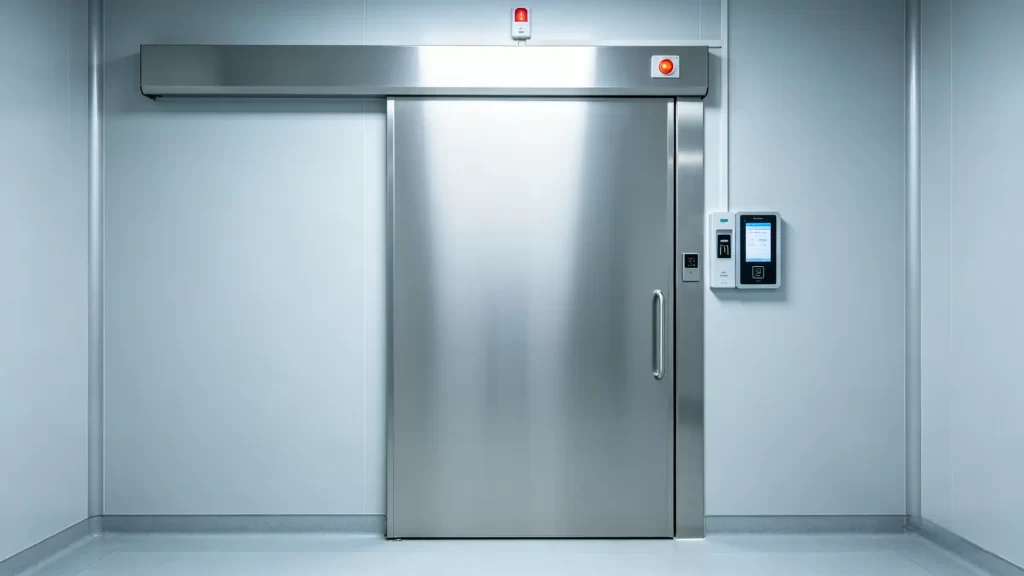
- Core Standard Alignment: Internationally: ISO 14644-1/2, EU GMP Annex 1 (2022), FDA 21 CFR Part 211. Domestically: GB 50073-2013, GB 50333-2013, GB 50591-2010. Technical agreements must explicitly define aluminum door warranty terms (≥3 years full-door, ≥2 years seals) with stipulated response times and spare-part availability.
- Laboratory-Specific Mandates: For high-containment labs, the aluminum frame cleanroom door must additionally satisfy GB 19489-2008 and WS 233-2017: airtightness ≥Class 3, forced dual/triple-door interlocking, adjacent room pressure gradient ≥10 Pa, and manual emergency override (<10 seconds under power/air failure).
- Healthcare-Specific Mandates: Infection control inspections prioritize "dead-zone-free" designs (R≥3 mm internal corners, fully shrouded hinges, no exposed fasteners), cleaning equipment compatibility (≤5 mm bottom clearance for auto-scrubbers), and archived antimicrobial test reports. Fire and accessibility codes mandate ≥900 mm clear passage width, ≤80 N egress opening force, and zero trip thresholds. Under dual fire/health authority scrutiny, all aluminum frame cleanroom door compliance documentation must be meticulously archived.
6. Lifecycle Cost & Maintenance Convenience: Long-Term Value of Engineering Investment
Procurement must shift from "initial CAPEX" to "full lifecycle TCO," where hidden O&M costs frequently exceed 35% of a 10-year project budget.
- Cost Comparison & Selection Logic: When evaluating aluminum vs steel cleanroom door options, factor in: aluminum's lighter weight (reduced hinge wear and structural load), lower thermal conductivity (lower HVAC load), and superior corrosion resistance (extended refinishing intervals). Although aluminum cleanroom door price may initially exceed standard steel doors, 10-year TCO typically drops by 15–25%.
- Lead Times & Supply Chain Management: Standard aluminum frame cleanroom door units carry an aluminum lead time of 15–25 working days (extrusion, finishing, hardware pre-assembly), while custom projects require 30–45 days. Lock in extrusion dies and coating capacity early in project scheduling to prevent supply chain bottlenecks from derailing cleanroom commissioning.
- Digital O&M Enablement: Next-gen smart cleanroom doors embed micro-IoT sensors tracking cycle counts, seal compression displacement, and localized pressure fluctuations. Edge computing generates predictive aging curves. Coupled with BIM LOD 400 delivery, this enables clash detection, embedded O&M SOPs, and API integration with hospital CMMS, powering digital twins for smart facilities.
Lab vs. Hospital Selection Matrix
| Dimension | Laboratory Focus | Healthcare Focus |
|---|---|---|
| Sealing & Pressure | Dynamic stability, BSL alignment, forced anteroom interlocking | Infection prevention, high-cycle durability (≥500k), adaptive buffer pressure |
| Surface Finish | Strong acid/alkali/solvent resistance, Ra≤0.8 μm, aerosol particle repellency | Broad-spectrum antimicrobial (ISO 22196), chlorine/quaternary disinfectant tolerance, dead-zone-free cleanability |
| Hardware & Controls | Forced sequencing, emergency pressure relief, explosion-proof/corrosion-resistant protocols, rapid reset | Soft-close anti-pinch, smoke-detector linkage, ADA compliance, quiet operation (≤55 dB) |
| Compliance Core | GB 19489, WS 233, ISO 15190, CNAS/CMA biosafety audits | GB 50333, WS/T 368, Hospital Infection Control Regs, dual fire/health inspections |
| O&M Model | Scheduled helium leak testing, pressure gradient calibration, chemical spill response | High-frequency logging, rapid seal swaps, audit trail compliance, IoT predictive maintenance |
Conclusion & Engineering Implementation Advice
Selecting a cleanroom aluminum door is not a standalone equipment purchase; it is a systems engineering challenge spanning building envelope physics, HVAC pressure modeling, infection microbiology, biosafety classification, and smart building controls. Project teams must enforce "triple synchronization" during detailed design: door airtightness parameters with HVAC pressure calculations, interlock logic with BMS protocol stacks, and installation tolerances with BIM MEP coordination and floor screeding.
Pitfall Avoidance Guide:
- Beware of Inflated Specs: Airtightness ratings, antimicrobial efficacy, and cycle life must be backed by CNAS/CMA or ILAC-MRA accredited third-party reports. Reject factory self-certifications.
- Avoid Protocol Traps: Technical agreements must explicitly define protocol versions, baud rates, register mapping, and dry-contact load ratings (≥2A/24VDC), with RS485-to-Ethernet gateways provisioned.
- Identify "Pseudo-Antimicrobial" Claims: Demand full ISO 22196 or GB/T 21510 test curves. Prioritize coating degradation rates after chemical wipe-downs over initial static efficacy.
-
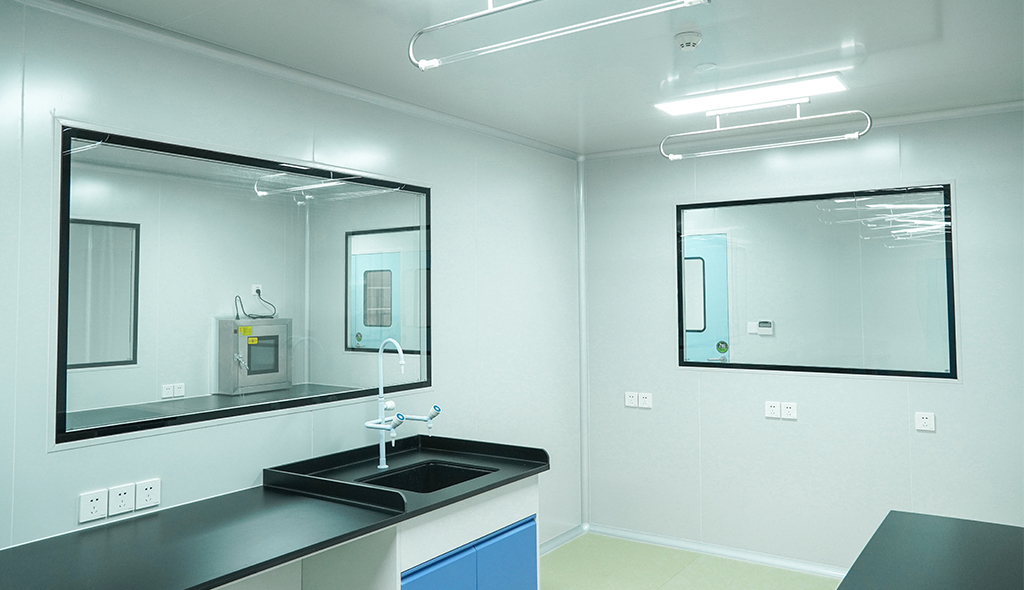 Cleanroom Glass Windows Are The Key to Maintaining a Clean Environment
 -
 Top Aluminium Profile Manufacturers in China: Leading the Global Market
 -
 The Evolution of Air Tight Sliding Doors
 -
 AHU Aluminium Profile: A Comprehensive Guide
 -
 The Importance of Choosing the Right Cleanroom Door in Vietnam
 -
 The Benefits of Hospital Automatic Doors: Enhancing Efficiency and Safety
 -
.jpg) The Best Bathroom Door Manufacturers - Unlocking Endless Possibilities!
The Best Bathroom Door Manufacturers - Unlocking Endless Possibilities! -
 Unlock the Possibilities with AJ Manufacturing Doors
 -
 Make a Statement with Manufactured Home Interior Doors!
 -
 what is aluminum profile? Aluminum Profiles for Your Home is the best option
-
 5 Hermetic Door Mistakes That Break the Seal
 -
 Hospital Room Door Size by Room Type: Width and Clearance
 -
 Retrofit Manual Doors with Electronic Glass Operators
 -
 Hospital Emergency Exit Doors: 90 Minute Fire Rating Meets Infection Control
 -
 ICU and Isolation Door Requirements Hospitals Often Overlook
 -
 Laboratory Door Requirements for BSL-2 and BSL-3 Containment
 -
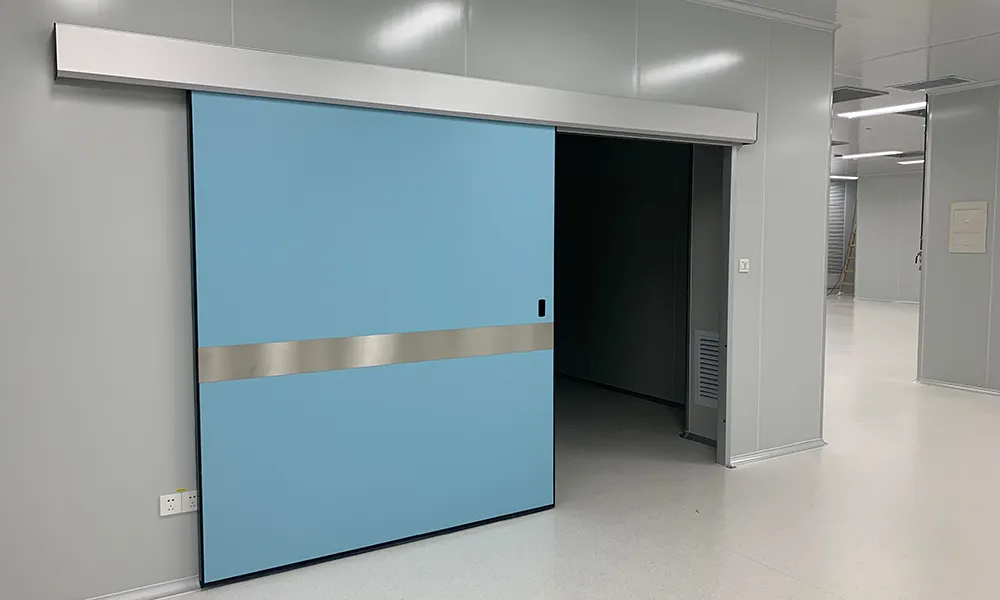 Retrofitting Hospital Sliding Doors: Upgrade Wards Without a Rebuild
 -
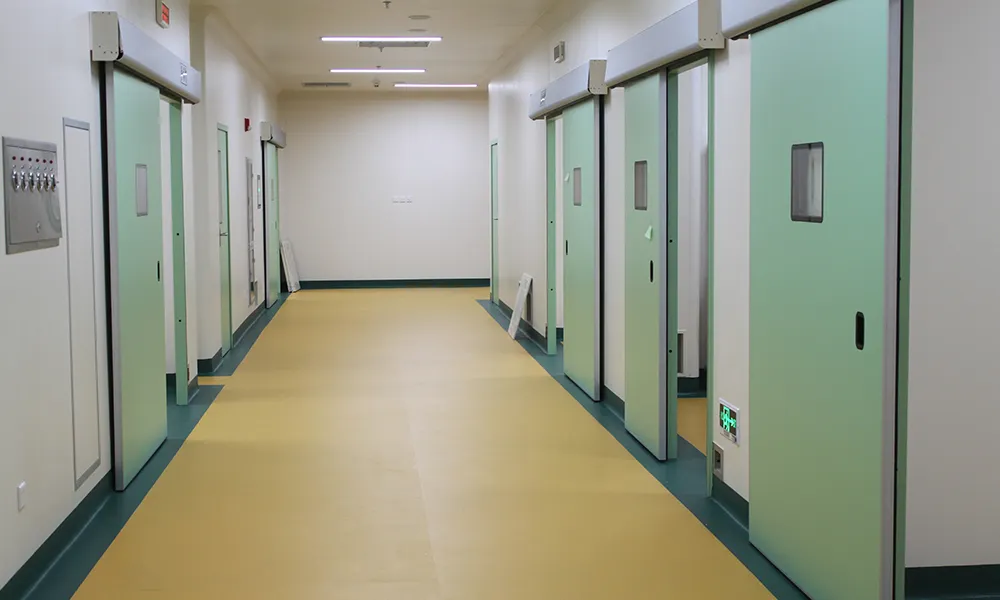 Why Airtight Hospital Sliding Doors Are Critical for Infection Control
 -
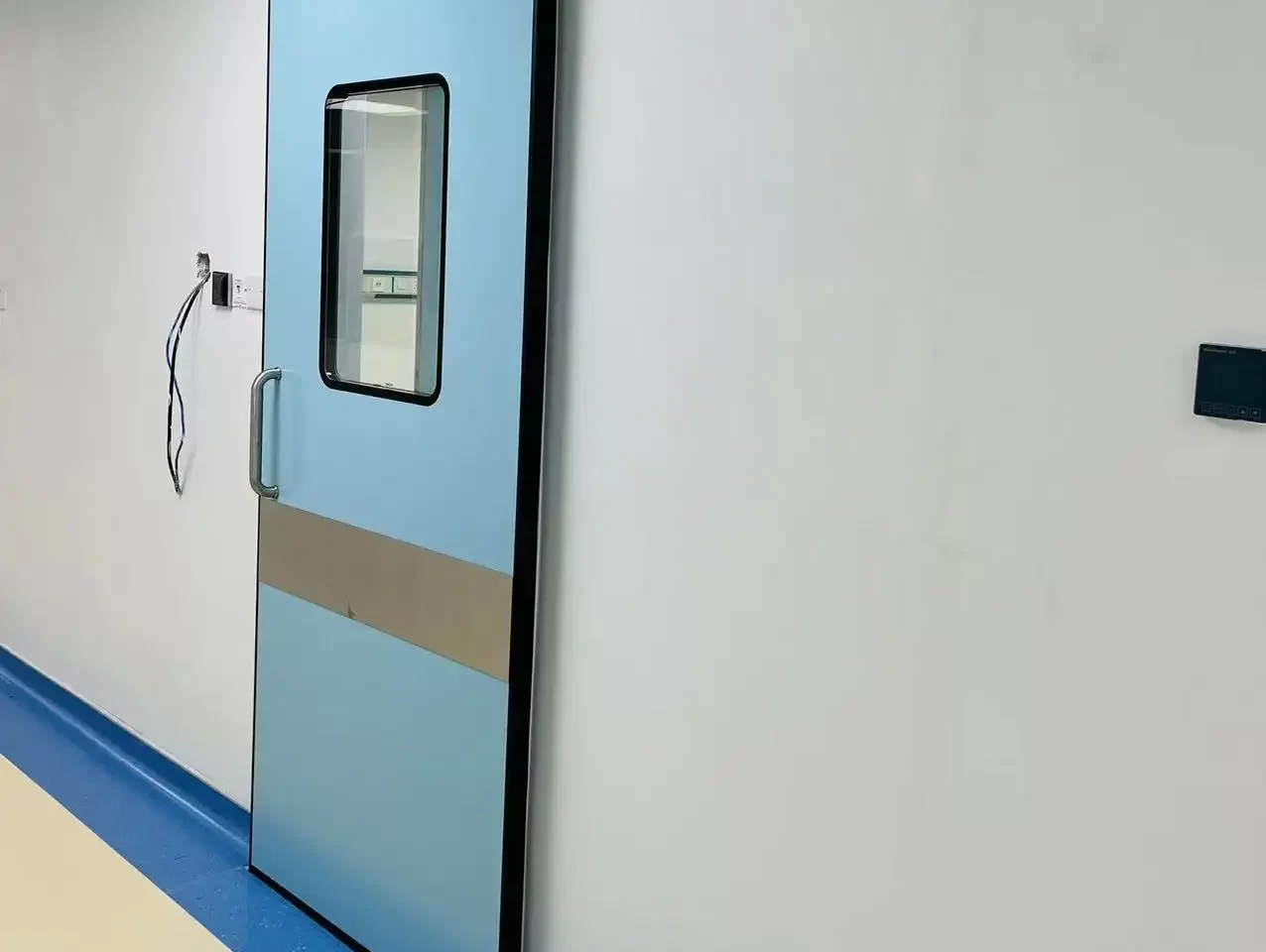 Automatic cleanroom door systems: sensor, actuator and access control integration
 -
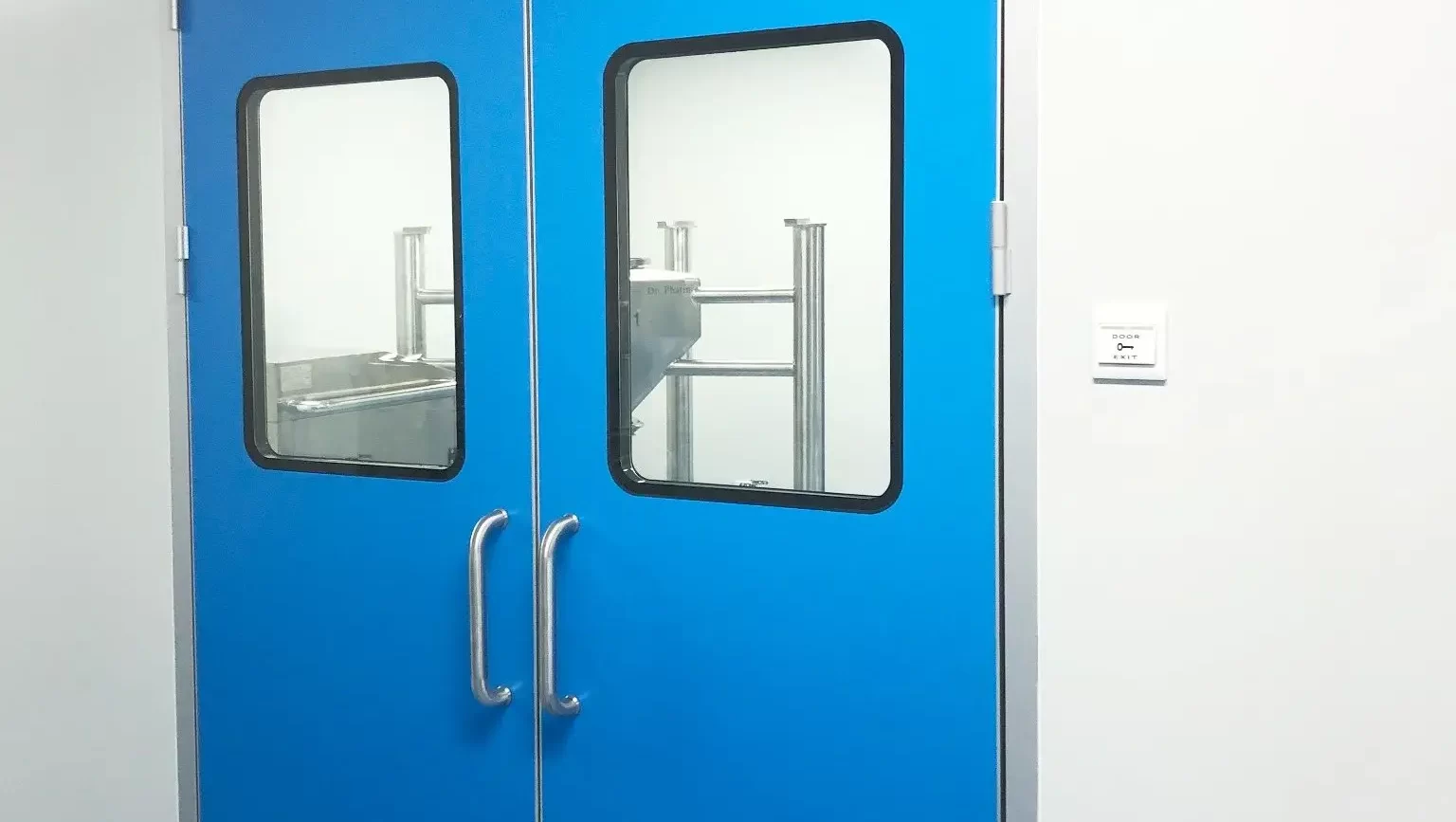 Cleanroom Door Materials: Stainless Steel vs HPL vs FRP vs Aluminum Comparison

-

Home
-

Tel
-

Email
-

Contact


Guangzhou Yizhong Aluminum Industry Co., Ltd.
We are always providing our customers with reliable products and considerate services.
We are always providing our customers with reliable products and considerate services.
Speak Your Mind