
Avoid 5 Cleanroom Accessories Faults in Food & Beverage Production
I. The Critical Role of cleanroom accessories in Food GMP Compliance
In the sterile and quasi-sterile production environments of the food and beverage industry, cleanroom accessories are far from mere auxiliary components. They act as the critical peripheral nervous system responsible for maintaining dynamic cleanliness, pressure differentials, airflow organization, and physical segregation. Unlike semiconductor or traditional pharmaceutical cleanrooms, F&B facilities operate under compound stress conditions: high humidity (RH >70%), frequent high-temperature washdowns (60–90°C), organic aerosols (animal/vegetable fats, sugar mists, starch particulates), and aggressive chemical disinfection (CIP/SIP). Third-party facility maintenance audits indicate that 65–70% of environmental microbiological deviations (EM positives) and pressure gradient failures stem directly from the latent failure or deferred preventive maintenance of cleanroom accessories. This article targets five high-frequency fault modules—HEPA filtration, airtight sealing, interlock logic, door structural integrity, and drainage/airflow organization—aligning with ISO 14644-3, GB 50073-2013, and FDA 21 CFR Part 117. It provides an engineering-grade operational guide for transitioning from reactive repairs to predictive control.
II. Fault 1: HEPA Filter Pressure Drop Abnormalities & Early Clogging
Typical Phenomena & Mechanisms A standard hepa filter (H13/H14 grade) ships with an initial resistance of 120–150 Pa. After 3–6 months of operation, if the differential pressure transmitter reading surges to 1.8–2.2 times the initial value (>250 Pa), accompanied by a >15% drop in supply airflow and localized particle count alarms (≥0.5 μm), early clogging is confirmed. In dairy processing, aseptic beverage cold-filling, and bakery facilities, clogging is rarely caused by inorganic dust. Instead, it results from condensed fat aerosols, sugar crystallization, and peracetic acid (PAA) mist residues forming a hydrophobic organic film on the fiberglass media. This film drastically reduces media permeability and accelerates mesophilic/psychrophilic microbial colonization.
Compliance Risks & Preventive Strategies Pressure imbalance collapses the required ≥10 Pa gradient between clean and buffer zones, exponentially increasing cross-contamination risks. To break this failure chain, intervention must begin at the air handling unit components level:
- Pre-filtration Upgrade: Implement a G4+F8 multi-stage air filtration systems setup, achieving ≥85% interception efficiency for particles ≥3 μm. In high-sugar/fat environments, replacement cycles should be shortened to 60 days.
- Media Compatibility Validation: Opt for PTFE-coated hydrophobic media rated for ≤5,000 ppm PAA misting. Disinfection droplet size must be strictly controlled at 10–20 μm to prevent water-hammer clogging.
- Lifecycle Prediction & Maintenance: Set a warning threshold at initial resistance +30% to trigger a hepa filter replacement work order. Establish a pressure drop–airflow–runtime decay curve and conduct annual DOP/PAO photometer leak testing (penetration rate ≤0.005%).
III. Fault 2: Airtightness Failure & Seal Degradation
Typical Phenomena & Mechanisms The cleanroom door seals surrounding a sealed door typically exhibit hardening, cracking, and permanent compression set (>25%) within 12–18 months. This leads to abnormal opening/closing resistance, visible light leakage, and room pressure fluctuations exceeding ±5 Pa. The unique F&B environment—80–90°C hot water washdowns causing thermal shock, combined with CIP alkali penetration (pH 11–13)—accelerates polymer cross-linking degradation. The door gasket bottom is usually the first to fail due to floor friction and standing water immersion.
Compliance Risks & Preventive Strategies Airtightness loss directly compromises ISO 14644-3 pressure maintenance, allowing airborne mold spores and contaminants to infiltrate, causing sharp spikes in settleable/airborne microbiological counts. Engineering interventions must focus on material selection and tolerances:
- Material Optimization: Replace standard EPDM with food-grade platinum-cured silicone (operating range -50 to 200°C, ozone/halogen resistant, FDA 21 CFR 177.2600 compliant), maintaining compression set ≤15%.
- Installation Tolerance Control: Strictly adhere to standard door size and standard door frame dimensions during installation. Dual-seal compression should be controlled at 25–30%, with stainless steel retainers embedded in the frame to distribute mechanical stress.
- Routine Verification: Conduct quarterly smoke tracing tests or pressure decay tests. Use infrared thermography to pinpoint micro-leaks. Apply NSF H1-certified silicone-based lubricants to reduce the friction coefficient to <0.15, extending service life.
IV. Fault 3: Pass Box/Air Shower Interlock Logic Failure
Typical Phenomena & Mechanisms A cleanroom interlock door failure manifests as simultaneous door opening, asynchronous UV/fan activation, or false triggering/non-response of infrared/microswitches. Root causes include PCB condensation short-circuits in high-humidity environments (RH >75%), mechanical latch jamming from sugar/protein buildup (friction increases by >300%), or forced manual overrides that overheat solenoid coils (MTBF plummets to <5,000 hours).
Compliance Risks & Preventive Strategies Interlock failure is a direct trigger for physical barrier collapse between raw/cooked zones or clean/non-clean areas, easily facilitating cross-contamination by pathogens like Listeria monocytogenes. In HACCP frameworks, this constitutes a critical control point (CCP) breach. Mitigation requires hardware and software redundancy:
- Electrical Protection Upgrade: Ensure control enclosures meet IP65 standards. Apply conformal coating to PCBs and integrate PTC heating/dehumidification modules to maintain internal RH <45%.
- Logical Redundancy Design: Implement a dual-circuit electromagnetic interlock plus mechanical backup lock system, defaulting to single-side lockout during power/logic failures. Replace microswitches with non-contact Hall effect sensors to boost contamination resistance fivefold.
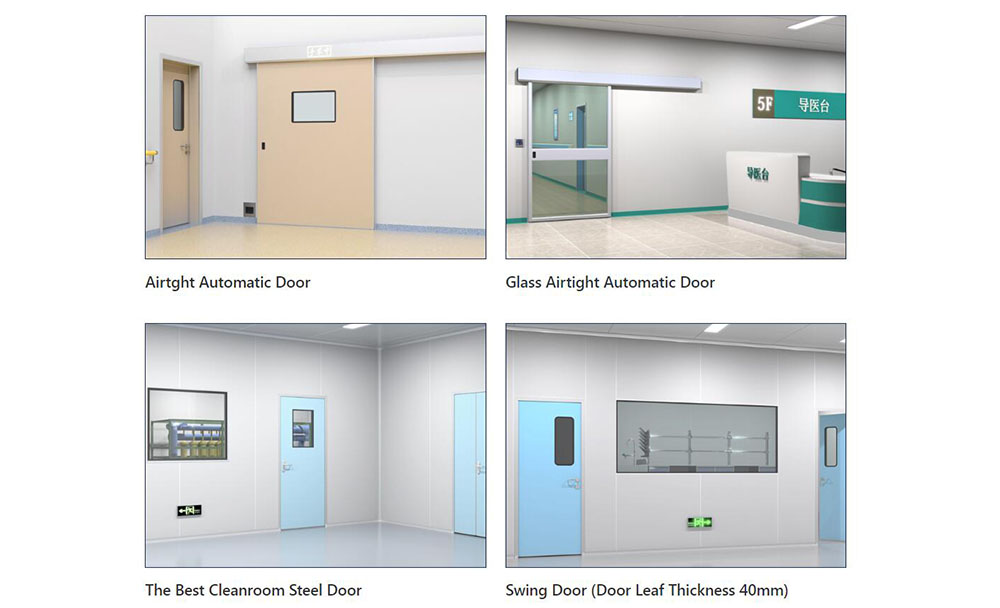
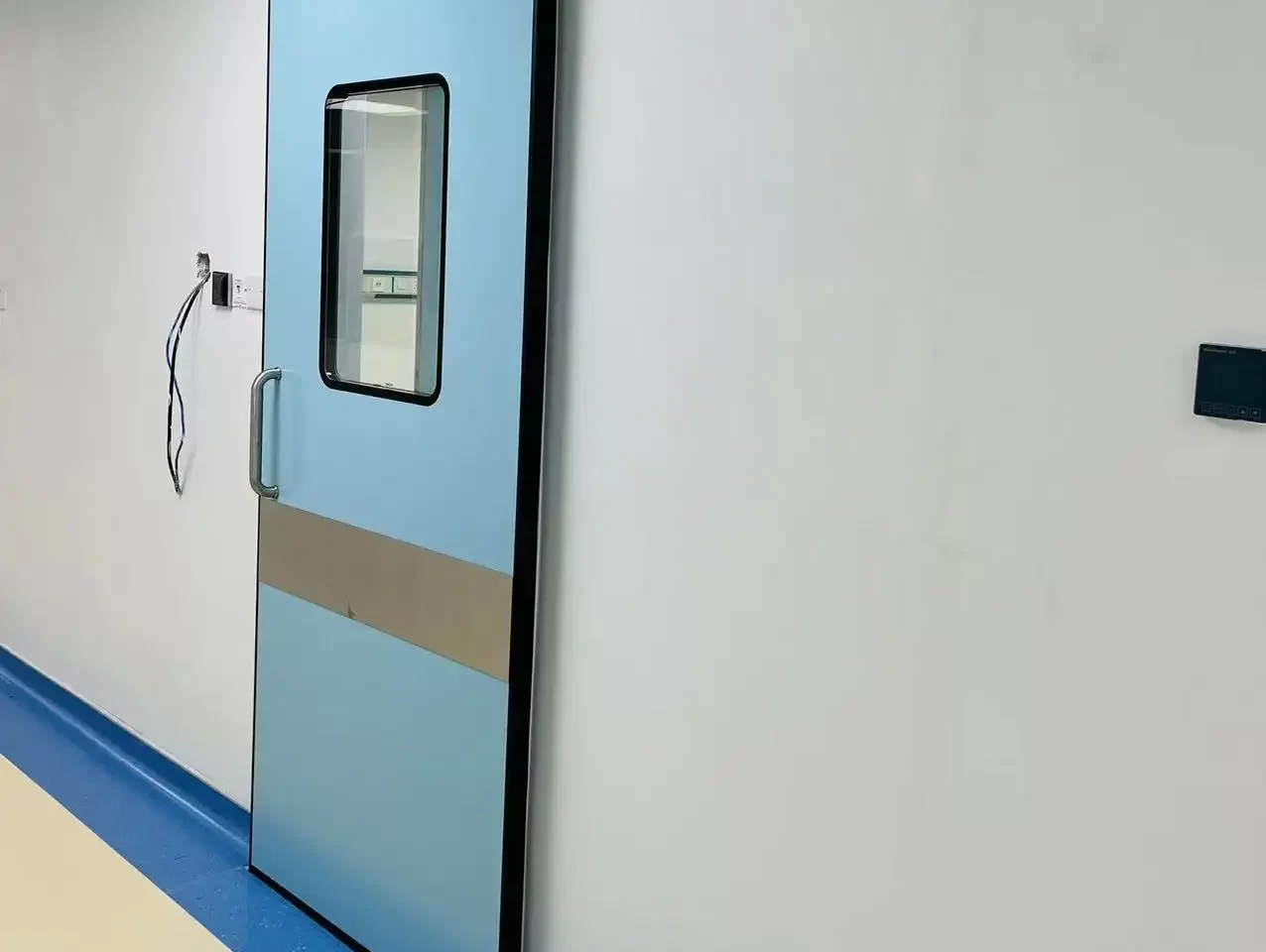
- Automation Adaptation: For automatic door and automatic sliding doors, equip automatic door seal components with moisture-resistant coatings. Enforce tiered electronic access authorization and conduct monthly interlock response timing calibrations (target ≤1.5 s; recalibrate if deviation >10%).
V. Fault 4: Door Structural Deformation & Heavy-Duty Hardware Wear
Typical Phenomena & Mechanisms Door sagging (diagonal deviation >3 mm), hydraulic closer pressure loss, and hinge loosening are common. Causes include high-pressure washdown impacts (>30 bar), thermal expansion/contraction stress from diurnal temperature swings (>15°C), heavy trolley/pallet collisions (>500 N impact), and contamination from non-food-grade lubricants. In cold-chain transition zones, a walk in cooler door experiences hinge fatigue failure rates three times higher than ambient zones due to frequent frost/defrost cycling.
Compliance Risks & Preventive Strategies Structural deformation compromises the sealing plane, while hardware wear generates metallic particulate contamination risks, violating food GMP requirements for smooth, dead-zone-free, easily cleanable surfaces.
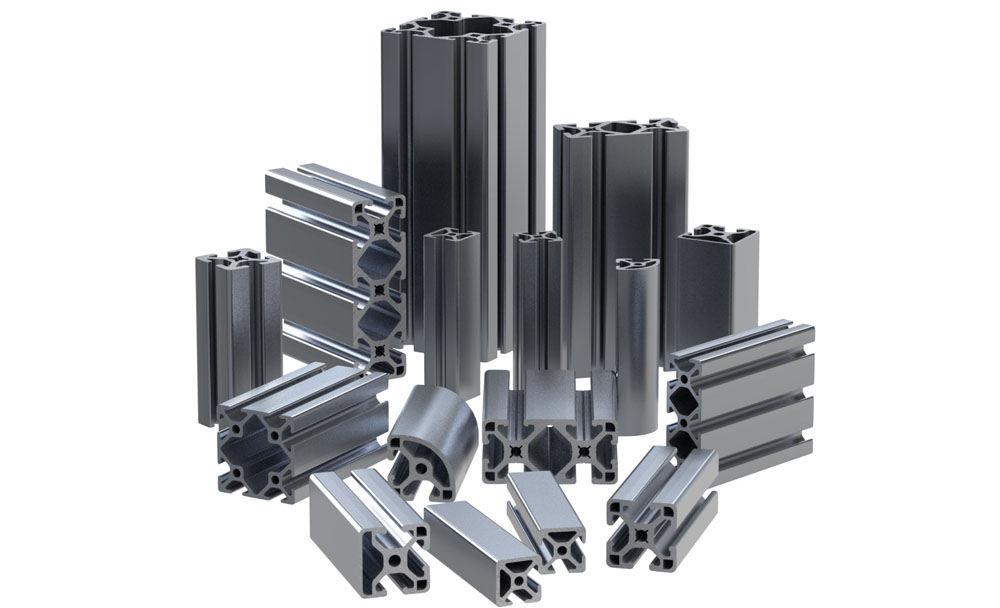
- Frame & Profile Reinforcement: Utilize cleanroom aluminum profile seamless joining techniques, backed by 304/316L stainless steel skeletons and honeycomb aluminum cores. Flexural strength should be ≥25 MPa, with diagonal tolerances held within ±1.5 mm.
- Heavy-Duty Hardware Selection: Specify hinges rated ≥150 kg and adjustable hydraulic closers (torque 5–15 N·m). For high-traffic logistics corridors, replace traditional swing doors with high speed roll up doors to reduce open-door exposure time by >80%.
- Specialized Environment Adaptation: Commercial kitchen doors and food industry antibacterial door models should feature polyurethane impact buffers (absorbing >60% kinetic energy) and nano-silver ion coatings. Perform quarterly torque calibrations (12–15 N·m on hinge bolts), and clean tracks using industrial vacuums instead of wet wiping.
VI. Fault 5: High-Humidity Condensation & Airflow/Drainage Disruption
Typical Phenomena & Mechanisms Floor backup, dry drain traps (<25 mm water seal depth), odor emission, and positive microbiological swab tests are hallmark signs. Large CIP discharge volumes and organic residue buildup foster dense biofilms. Concurrently, improper layout of the ventilation fan, air diffuser, and associated air vent networks can cause ceiling/duct surface temperatures to drop below the dew point (ΔT >2°C). Compromised insulation leads to dripping condensation, creating breeding grounds for Listeria.
Compliance Risks & Preventive Strategies Drainage and airflow mismanagement consistently rank among top FDA 483 citations for standing water, odors, and microbial hotspots. Systematic retrofitting must address piping and terminal distribution:
- Drain & Trap Standards: Maintain a slope ≥2% and trap depth of 50–75 mm. Implement trap replenishment plus alternating acid/alkaline flushing (weekly 2% citric acid descaling plus 1% NaOH degreasing). Designate a 1 m² perimeter around drains for high-frequency EM sampling, with ATP fluorescence thresholds ≤50 RLU.
- Airflow Terminal Optimization: Deploy linear slot diffuser and ceiling air diffuser configurations to enhance supply air Coanda effect, preventing cold air from blowing directly onto floors. Install ac return vent cover assemblies with insect screens on return grilles.
- Pressure & Damper Integration: Use internally regulated hvac diffuser valves matched to return air vent openings to stabilize gradients. Establish quarterly SOPs for vent cover replacement and routine ceiling diffuser vacuum cleaning to minimize secondary particulate release.
VII. Systematic Prevention & Lifecycle Management Recommendations
The reliability management of cleanroom accessories must transcend fragmented, reactive repairs and embrace full-lifecycle engineering control:
- Digital Maintenance Networks: Deploy IoT sensor arrays (pressure differential, temperature, humidity, vibration, trap water level, door status) connected to edge computing gateways. Leverage machine learning to analyze MTBF/MTTR trends for predictive maintenance (PdM). Integrate data directly with CMMS for automated work order dispatch and dynamic spare parts optimization.
- Standardized Operations & Compatibility Matrices: Develop accessory cleaning/disinfection SOPs and establish a material–disinfectant–pH/concentration–contact time compatibility matrix. Strictly prohibit out-of-scope strong acid/alkali use. Apply FMEA methodologies to high-risk ventilation system components to calculate safety stock levels.
- Compliance Alignment & Validation: Strictly adhere to GB 50073-2013, ISO 14644 series, and HACCP/ISO 22000. Integrate accessory calibration into annual Validation Master Plans (VMP). Execute IQ/OQ/PQ protocols for critical interlocks, pressure gradients, and fire rated access doors to ensure complete, auditable traceability.
VIII. Conclusion
In the food and beverage sector, cleanroom accessories are indispensable structural and operational pillars, not peripheral add-ons. They are the invisible foundation for sustaining dynamic cleanliness, ensuring product safety, and achieving continuous regulatory compliance. Confronted with high humidity, corrosive agents, and heavy organic loads, facilities must control material and structural specifications at the design phase, leverage data-driven condition monitoring during operation, and enforce standardized SOPs during maintenance. By constructing a closed-loop management system spanning design selection → operational monitoring → predictive maintenance → compliance validation, enterprises can significantly reduce unplanned downtime costs (industry data shows a 35–50% reduction on average), fortify food safety defenses, and secure long-term competitiveness in international certifications and supply chain audits. Stable cleanroom performance begins with the reliability of every accessory and thrives on the precision of every management protocol.
-
 Cleanroom Glass Windows Are The Key to Maintaining a Clean Environment
 -
 Top Aluminium Profile Manufacturers in China: Leading the Global Market
 -
 The Evolution of Air Tight Sliding Doors
 -
 AHU Aluminium Profile: A Comprehensive Guide
 -
 The Importance of Choosing the Right Cleanroom Door in Vietnam
 -
 The Benefits of Hospital Automatic Doors: Enhancing Efficiency and Safety
 -
.jpg) The Best Bathroom Door Manufacturers - Unlocking Endless Possibilities!
The Best Bathroom Door Manufacturers - Unlocking Endless Possibilities! -
 Unlock the Possibilities with AJ Manufacturing Doors
 -
 Make a Statement with Manufactured Home Interior Doors!
 -
 what is aluminum profile? Aluminum Profiles for Your Home is the best option
-
 Hospital Emergency Exit Doors: 90 Minute Fire Rating Meets Infection Control
 -
 ICU and Isolation Door Requirements Hospitals Often Overlook
 -
 Laboratory Door Requirements for BSL-2 and BSL-3 Containment
 -
 Retrofitting Hospital Sliding Doors: Upgrade Wards Without a Rebuild
 -
 Why Airtight Hospital Sliding Doors Are Critical for Infection Control
 -
 Automatic cleanroom door systems: sensor, actuator and access control integration
 -
 Cleanroom Door Materials: Stainless Steel vs HPL vs FRP vs Aluminum Comparison
 -
 X-Ray Room Door Buying Guide: Lead Thickness & Compliance
 -
 Operating Room Doors: Hermetic & Infection-Control Guide
 -
 Hospital ICU Door Selection: Sealing, Sterility & Workflow


-

Home
-

Tel
-

Email
-

Contact


Guangzhou Yizhong Aluminum Industry Co., Ltd.
We are always providing our customers with reliable products and considerate services.
We are always providing our customers with reliable products and considerate services.
Speak Your Mind