
GMP Cleanroom Door 2026 Compliance Checklist for Pharma
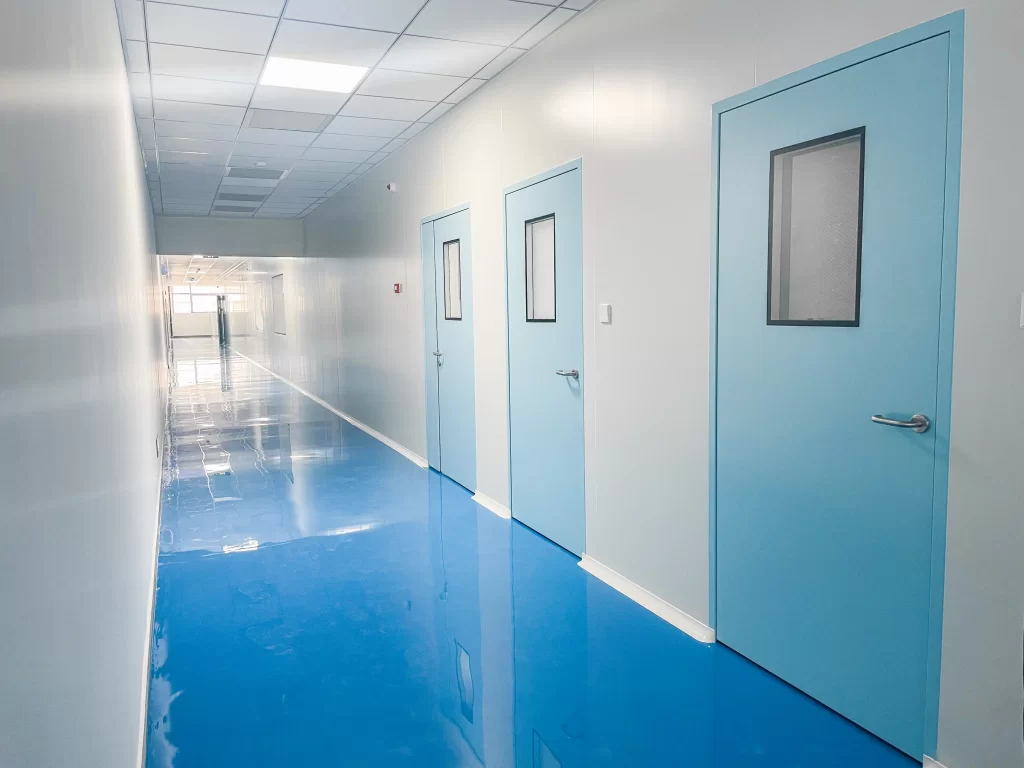
I. The 2026 Regulatory Landscape and the Compliance-Critical Role of Cleanroom Doors
In 2026, regulatory focus has shifted toward data-driven oversight and dynamic Contamination Control Strategies (CCS). Consequently, facilities now treat the GMP cleanroom door as a critical "dynamic barrier" that actively maintains pressure differentials and prevents cross-contamination. Drawing from extensive sterile facility commissioning and global inspection readiness support, engineering teams consistently observe that door-related deficiencies remain a primary vulnerability. Industry audit analyses (ISPE Baseline Guide Vol. 3 & PDA cross-sector surveys, 2024) indicate that approximately 35% of sterile manufacturing OOS events stem directly from airlock interlock failures, seal degradation, or control system data gaps. Therefore, defining clear GMP cleanroom door requirements early proves vital. This checklist aligns seamlessly with pharmaceutical cleanroom specs and global GMP certification requirements, transforming complex regulations into actionable protocols for QA, engineering, and validation teams.
II. Core Compliance Framework (2026 Edition)
The 2026 checklist operates on a "risk control and continuous validation" philosophy, structuring six compliance dimensions. Specifically, this framework directly targets GMP facility audit priorities. Moreover, a comprehensive GMP risk assessment drives the framework to ensure full-spectrum coverage across physical hardware and software data integrity. To align execution with a structured cleanroom project timeline and precise cleanroom cost analysis, organizations must front-load compliance verification into the design phase. Additionally, integrating a long-term cleanroom upgrade strategy prevents costly retrofits and production downtime as standards evolve.
- Design & Structural Integrity: Engineers must prioritize airflow organization, pressure differential maintenance, interlock logic, and cleanroom grade alignment (ISO 14644-4, EU GMP Annex 1 §9, GB 50457)
- Materials & Surface Properties: Procurement teams must verify low particulate shedding, disinfectant compatibility, antimicrobial/anti-static properties, and material traceability (ISO 14644-17:2023, ASTM/SEMI standards)
- Installation & Airtightness: Contractors must validate seal integrity, dead-zone-free transitions, thermal bridge control, and concealed engineering sealing (PDA TR #90, ISO 14644-2)
- Control & Automation: Automation specialists must implement interlock redundancy, audit trails, fail-safe modes, and cybersecurity protocols (21 CFR Part 11, EU GMP Annex 11, IEC 62443)
- Maintenance & Lifecycle Management: Operations managers must standardize cleaning SOP adaptation, preventive maintenance thresholds, change control, and decommissioning isolation (ICH Q9/Q10, GMP Chapter 5)
- Documentation & Data Chain: QA personnel must construct URS traceability, closed-loop validation packages, electronic record archiving, and supplier quality penetration (ALCOA+, FDA Data Integrity Guidance)
III. Itemized Compliance Checklist
3.1 Design & Structural Compliance
Consequently, engineers must deeply integrate pressure differential stability and cleanroom airflow design into every GMP cleanroom door structure. Any geometric deficiency quickly triggers dynamic pressure collapse or laminar flow disruption. Field validation teams consistently recommend pairing CFD modeling with physical smoke studies to confirm theoretical airflow behavior before finalizing door geometry.
- Pressure Grading & Perturbation Control
- Facilities must strictly maintain static pressure differentials at ≥10–15 Pa for Grade A/B core zones and ≥5 Pa for Grade C/D buffer zones.
- Designers must ensure transient pressure drops during door actuation never exceed 30% of the setpoint, while validation teams must confirm recovery times via CFD simulations (typically ≤15 seconds).
- Engineering groups must submit a door perturbation simulation report that clearly maps personnel traffic frequency against HVAC VFD response curves.
- Interlock System Logic
- Control architects must program double/triple door sequencing to trigger an "overtime alarm" (≥30 seconds) that automatically logs audiovisual alerts to the BMS.
- Operators must activate a "maintenance/cleaning bypass mode" only after securing prior QA approval.
- Hardware engineers must align emergency egress mechanics with EN 179/NFPA 101 standards, ensuring panic hardware guarantees unrestricted single-direction exit during power loss.
- Hardware Configuration & Standards
- Purchasing teams must verify that critical cleanroom door hardware (hinges, closers, tracks) meets the fatigue life and cleanliness thresholds defined by the pharmaceutical cleanroom door standard.
- Fabricators must machine the transition R-corner between the door leaf and frame to ≥3 mm. Assembly crews must strictly avoid exposed cross-head screws or stepped overlaps.
- Installers must recess all fasteners, fabricate them from 316L stainless steel, and apply cleanroom-grade anaerobic adhesive for thread-locking.
3.2 Materials & Surface Properties
Initially, selecting the right cleanroom door material dictates microbial adhesion probability, particulate shedding rates, and chemical compatibility. As a result, this selection serves as the prerequisite for cleaning validation.
- Substrate Certification & Physicochemical Metrics
- In stainless steel cleanroom environments characterized by high humidity and corrosive agents, procurement teams must secure complete CoC/CoA and Mill Certificates, verifying molybdenum content (2–3%) complies with ASTM A240.
- Surface treatment specialists must apply dual anodization and micro-arc oxidation to aluminum profiles (coating thickness ≥25 μm, adhesion rated ISO 2409 Class 0).
- Metrology labs must confirm surface roughness limits: high-contact surfaces Ra ≤0.4 μm and non-contact surfaces Ra ≤0.8 μm, supported by third-party profilometry reports.
- Disinfectant Compatibility & Anti-Aging
- QA teams must build compatibility matrices covering actual facility disinfectants: 70% IPA, 3% H₂O₂, 0.5% peracetic acid, and quaternary ammonium compounds.
- Validation engineers must conduct accelerated aging tests requiring ≥500 wipe/spray cycles. Inspectors must verify zero etching, crazing, coating delamination, or gloss degradation (ΔGU ≤5).
- Material testers must confirm hardness loss ≤10% and seal compression set ≤15%.
- Particulate Control & Sampling Protocols
- Manufacturers must engineer anti-static performance to stabilize surface resistance within 10⁶–10⁹ Ω, effectively preventing electrostatic particulate attraction.
- Compliance officers must verify dynamic particle release rates meet ISO 14644-17:2023 limits (≤100 particles/m²·min at ≥0.5 μm).
- Technicians must rigorously execute cleanroom door sampling protocols to verify coating VOC emissions, heavy metal leaching, and bioburden per production batch.
3.3 Installation & Airtightness Validation
Fundamentally, the airtightness of a GMP cleanroom door determines the cleanroom's capacity to sustain dynamic pressure differentials. Therefore, contractors must prioritize quality control during cleanroom door installation to guarantee barrier efficacy, as field engineers consistently report that concealed frame-to-wall joints account for the majority of long-term pressure decay failures.
- Frame-Wall Integration & Thermal Bridge Control
- Installers must apply continuous seam welding or food-grade polyurethane foam filling, followed by smooth polishing and passivation of all joints.
- Facility engineers must conduct thermal imaging scans to verify zero thermal bridges or leakage points, maintaining surface temperature fluctuations ≤±1.5°C.
- Assembly crews must apply two-component cleanroom-grade silicone sealant at frame-to-panel intersections, then perform pull-off testing (adhesion ≥1.5 MPa).
- Sealing & Pressure Testing
- Engineers achieve hermetic door sealing as the core mechanism for blocking aerosol cross-contamination. Technicians must install EPDM or FKM (fluoroelastomer) seals with self-resetting elasticity.
- Validation teams must verify system stability through cleanroom pressure testing, preferably utilizing the Pressure Decay Method or Helium Mass Spectrometry Leak Testing.
- Quality auditors must confirm the leakage rate meets the 2026 industry consensus of ≤0.5% (equivalent to ≤5×10⁻⁴ mbar·L/s), running tests at 1.5× normal operating pressure.
- Floor Transitions & Utility Sealing
- Construction managers must install threshold-free ramps (slope ≤1:12) with auto-lifting seals, permitting AGV/material cart passage at ≤0.5 m/s without disrupting the air curtain.
- Electricians must seal all wall-penetrating cables with IP68 cleanroom cable glands, while document control must photographically record concealed engineering.
- Project leads must strictly follow the GMP door installation checklist, ensuring traceable sign-off records document every execution step.
3.4 Automation Control & Intelligent Monitoring
In parallel, modern cleanroom doors evolve from mechanical components into Industrial IoT data nodes. Consequently, control system compliance remains a critical focus for data integrity inspections.
- PLC/SCADA Integration & Sampling Frequency
- Controllers must enable real-time acquisition of door status (open/closed/fault/timeout), zone pressure differentials, and traffic frequency at ≥1 Hz sampling.
- Integration specialists must establish seamless BMS/SCADA connectivity via OPC UA/Modbus TCP protocols, guaranteeing data packet loss ≤0.1%.
- IT administrators must synchronize system clocks with NTP servers, achieving timestamp accuracy ≤100 ms to ensure cross-system data alignment.
- Audit Trail Configuration
- Compliance officers require strict adherence to 21 CFR Part 11, capturing all actions (parameter changes, permission modifications, manual overrides).
- Software architects must build immutability, encrypted timestamps, and tiered permissions (operator/admin/auditor) directly into the control interface.
- Data managers must configure log exports for long-term archival in PDF/XML formats, restricting access to a dedicated read-only audit account.
- Sensor Redundancy & Fail-Safe Protocols
- Automation engineers must deploy dual Hall-effect door magnets, non-contact proximity switches, and IR anti-curtain safety beams, programming daily automated self-tests with logged outputs.
- Programmers design fail-safe modes to mandate automatic transition to a preset safe state upon power/pneumatic loss (Grade A/B: normally closed; Grade C/D: configurable).
- Cybersecurity teams must enforce IEC 62443 standards by disabling default passwords, closing unnecessary ports, and scheduling routine vulnerability scans.
3.5 Maintenance & Lifecycle Management
Furthermore, facility managers must deeply integrate a comprehensive cleanroom door maintenance program with QMS change control and CAPA systems to eliminate the "heavy construction, light maintenance" paradigm. Operational data from multi-site pharma networks shows that predictive lubrication intervals reduce mechanical wear by up to 40%.
- Cleaning SOP Adaptation & Residue Control
- Validation protocols must verify CIP/SIP compatibility by confirming seal recovery rates (≤5% deformation) after exposure to 121°C saturated steam or automated spray cycles.
- SOP authors must map procedures 1:1 to door geometry, explicitly prohibiting steel wool and strong acids/bases. Cleaning crews must follow a top-to-bottom, S-pattern wiping trajectory.
- QC analysts must enforce TOC residue limits ≤50 μg/100 cm² on critical surfaces and align surface microbiological sampling with internal facility standards.
- Quantified Preventive Maintenance (PM) Schedule
- Maintenance crews must schedule track lubrication cycles ≤6 months (using NSF H1 cleanroom lubricants), followed by particulate wipe validation.
- Technicians must trigger seal replacement when compression set exceeds 20% or micro-cracks appear, subsequently re-testing airtightness.
- Reliability engineers must perform motor load current testing at 100,000 operational hours, initiating early-warning protocols whenever current fluctuation exceeds ±15%.
- Change Control & Decommissioning
- Engineering teams must initiate formal Change Control for any door modification, control system upgrade, or supplier substitution.
- Risk managers must mandate FMEA assessments, requiring engineering or administrative mitigation for any RPN >120 and triggering IQ/OQ/PQ re-validation.
- Decommissioning crews must execute particulate containment protocols (negative pressure isolation, HEPA-filtered exhaust), segregate GMP-compliant waste, and submit post-removal environmental recovery reports (baseline restored within 48 hours).
3.6 GMP cleanroom door Documentation & Compliance Evidence Chain
Ultimately, complete GMP documentation establishes the audit cornerstone. Consequently, validation specialists must understand how to validate GMP door systems via the V-model to prevent broken data chains from invalidating compliance conclusions.
- Validation Package Integrity
- QA leads must comprehensively cover the URS → DQ → IQ → OQ → PQ lifecycle in every cleanroom door validation, cross-referencing raw test data against final reports.
- Compliance teams must document Root Cause Analysis (RCA) and closed-loop CAPA actions for all deviations.
- Metrology departments must attach instrument calibration certificates and operator competency records to critical tests (pressure decay, helium leak, particle counting).
- Supplier Quality Penetration Management
- Procurement auditors must strengthen GMP supplier qualification processes, verifying ISO 9001/13485 QMS operation and assembly cleanroom environments (ISO Class 7 or higher) during on-site visits.
- Organizations that partner with a certified GMP cleanroom door supplier guarantee access to complete material traceability, including heat numbers, batch IDs, heat treatment logs, and third-party physicochemical test reports.
- Software vendors must deliver CSV validation support packages containing URS templates, test scripts, and security configuration guides.
- Electronic Record Archiving & Disaster Recovery
- Archive administrators must retain electronic records for "product shelf life + 1 year," utilizing WORM storage media.
- IT operations must implement a backup strategy combining monthly full backups and weekly incremental backups, while ensuring off-site disaster recovery achieves RTO ≤4 hours and RPO ≤15 minutes.
- Data governance teams must enforce routine data review protocols, guaranteeing log readability, integrity, and retrievability per ALCOA+ principles.
IV. 2026 Typical Audit Deficiencies & Mitigation Strategies
Notably, 2026 official inspections and third-party audits reveal that cleanroom door-related deficiencies exhibit high concentration and systemic patterns. Consequently, organizations must shift from reactive remediation to proactive defense.
- Top 5 High-Frequency Deficiencies
- Control engineers frequently omit a "maintenance/cleaning mode" from interlock logic, causing pressure fluctuations to trigger HVAC interlock shutdowns.
- Maintenance teams often neglect log documentation for aged seal replacements, leaving interrupted airtightness re-test records unable to prove barrier efficacy.
- Operators sometimes disable automated system audit trails or manage chaotic permission structures (shared admin accounts, absent routine log reviews).
- SOP authors frequently copy generic templates, failing to identify dead zones beneath door R-corners and around vision panel sealants.
- Suppliers occasionally implement critical process or software version changes without triggering Change Control or re-validation.
- Implementation Path for Risk Quantification Tools
- Project leaders must front-load FMEA into the design/selection phase, setting RPN thresholds (≤80) for failure modes like "pressure loss," "data loss," and "seal failure."
- Risk managers must deploy dual mitigation strategies: engineering controls (redundant sensors, physical bypasses) and administrative controls (SOP reinforcement, training & competency assessments).
- Quality directors must establish a facility-level risk matrix per ISO 14971, integrating door system risk ratings into the Annual Product Quality Review (APR).
- Integration of Critical Quality Agreement (QAA) Clauses
- Legal and engineering teams must define performance warranty periods (typically ≥5 years) and key component lifecycle curves.
- Contract managers must specify compliance deliverables, including 3D assembly models, I/O wiring diagrams, CSV validation scripts, and material traceability trees.
- Operations leads must contract SLAs (emergency response ≤24 hours, standard support ≤72 hours).
- IT architects must mandate open standard data interfaces (OPC UA/BACnet), explicitly prohibiting proprietary "black box" systems that create data silos.
V. Conclusion
In summary, the compliance management of a GMP cleanroom door evolves from single-point "hardware acceptance" into a four-pillar continuous validation system. Consequently, the 2026 regulatory paradigm demands proactive risk-based controls, IoT-driven real-time alerting, and ALCOA+-compliant traceability rather than static installation certificates. To achieve this, leadership must foster deep cross-functional collaboration and implement a structured GMP training program, ensuring QA, engineering, CSV validation, and operations teams uniformly understand regulatory boundaries. Ultimately, organizations that leverage this checklist will transform passive inspection readiness into active compliance ownership, safeguarding drug quality and solidifying their global regulatory standing.
-
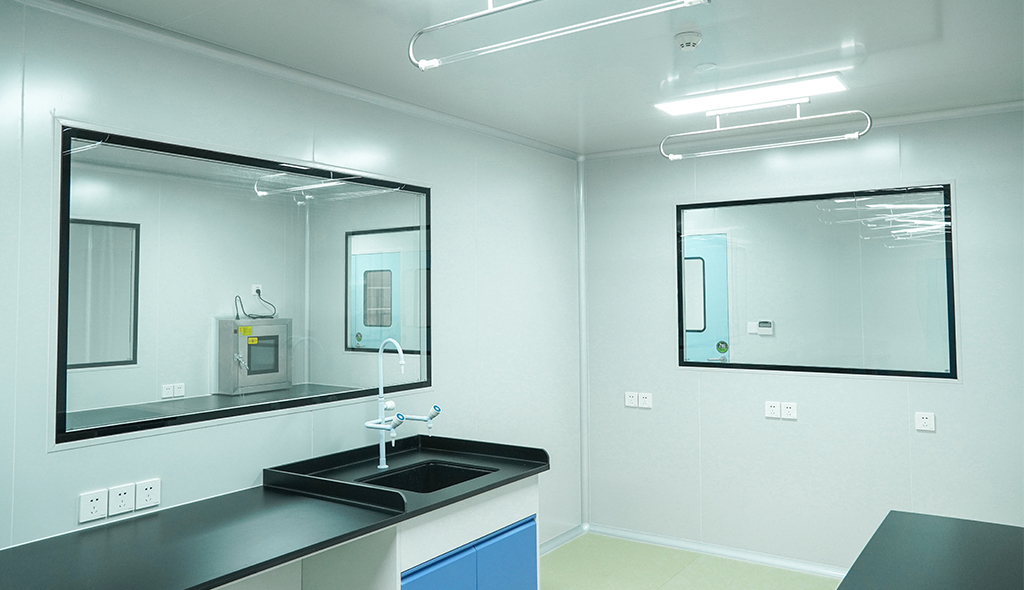 Cleanroom Glass Windows Are The Key to Maintaining a Clean Environment
 -
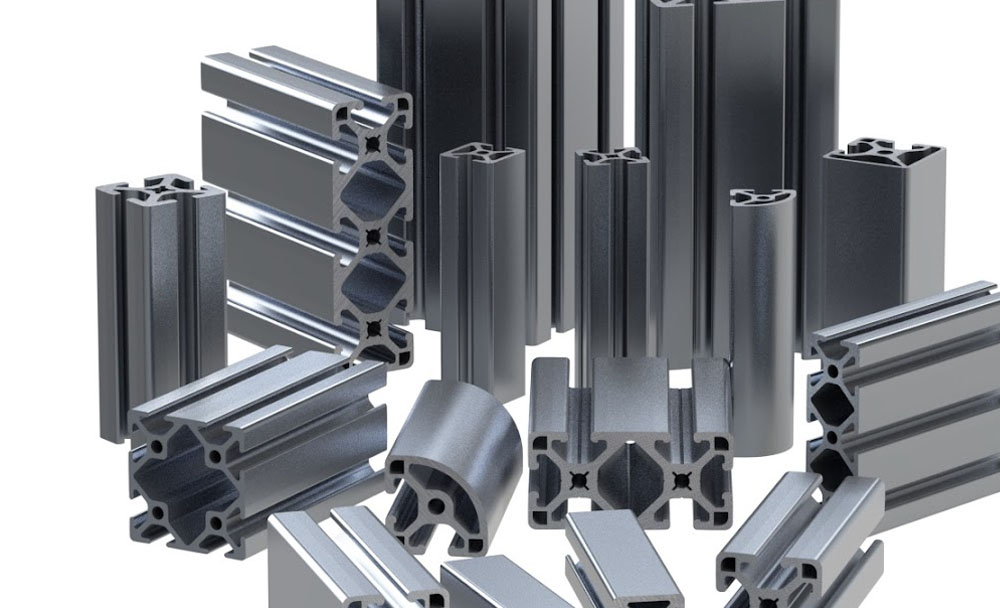 Top Aluminium Profile Manufacturers in China: Leading the Global Market
 -
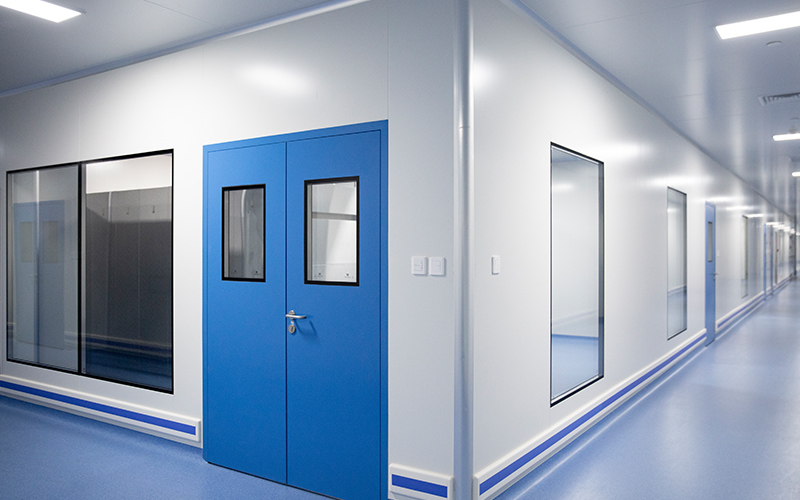 The Evolution of Air Tight Sliding Doors
 -
 AHU Aluminium Profile: A Comprehensive Guide
 -
 The Importance of Choosing the Right Cleanroom Door in Vietnam
 -
 The Benefits of Hospital Automatic Doors: Enhancing Efficiency and Safety
 -
.jpg) The Best Bathroom Door Manufacturers - Unlocking Endless Possibilities!
The Best Bathroom Door Manufacturers - Unlocking Endless Possibilities! -
 Unlock the Possibilities with AJ Manufacturing Doors
 -
 Make a Statement with Manufactured Home Interior Doors!
 -
 what is aluminum profile? Aluminum Profiles for Your Home is the best option
-
 Hospital Emergency Exit Doors: 90 Minute Fire Rating Meets Infection Control
 -
 ICU and Isolation Door Requirements Hospitals Often Overlook
 -
 Laboratory Door Requirements for BSL-2 and BSL-3 Containment
 -
 Retrofitting Hospital Sliding Doors: Upgrade Wards Without a Rebuild
 -
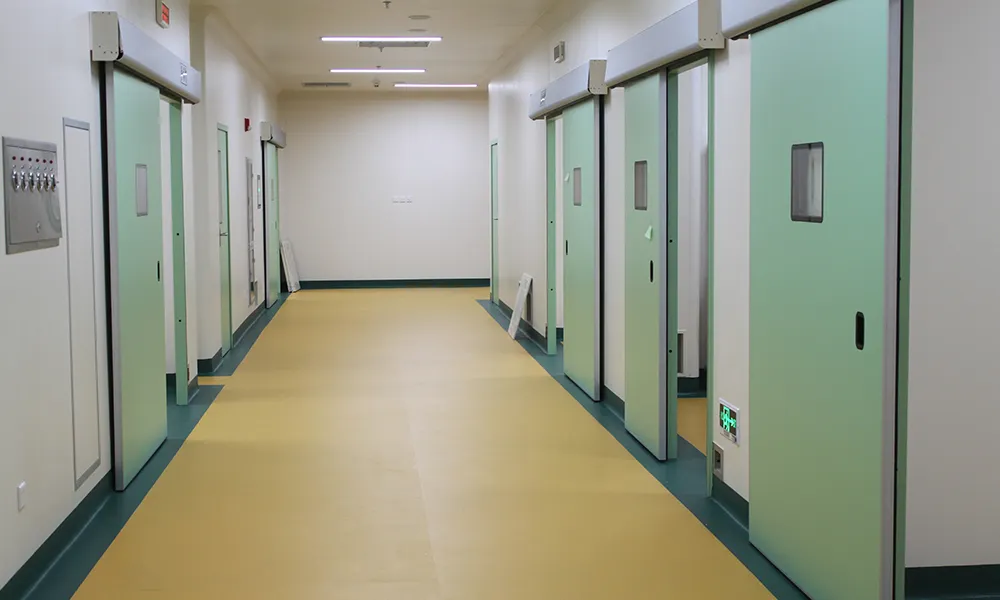 Why Airtight Hospital Sliding Doors Are Critical for Infection Control
 -
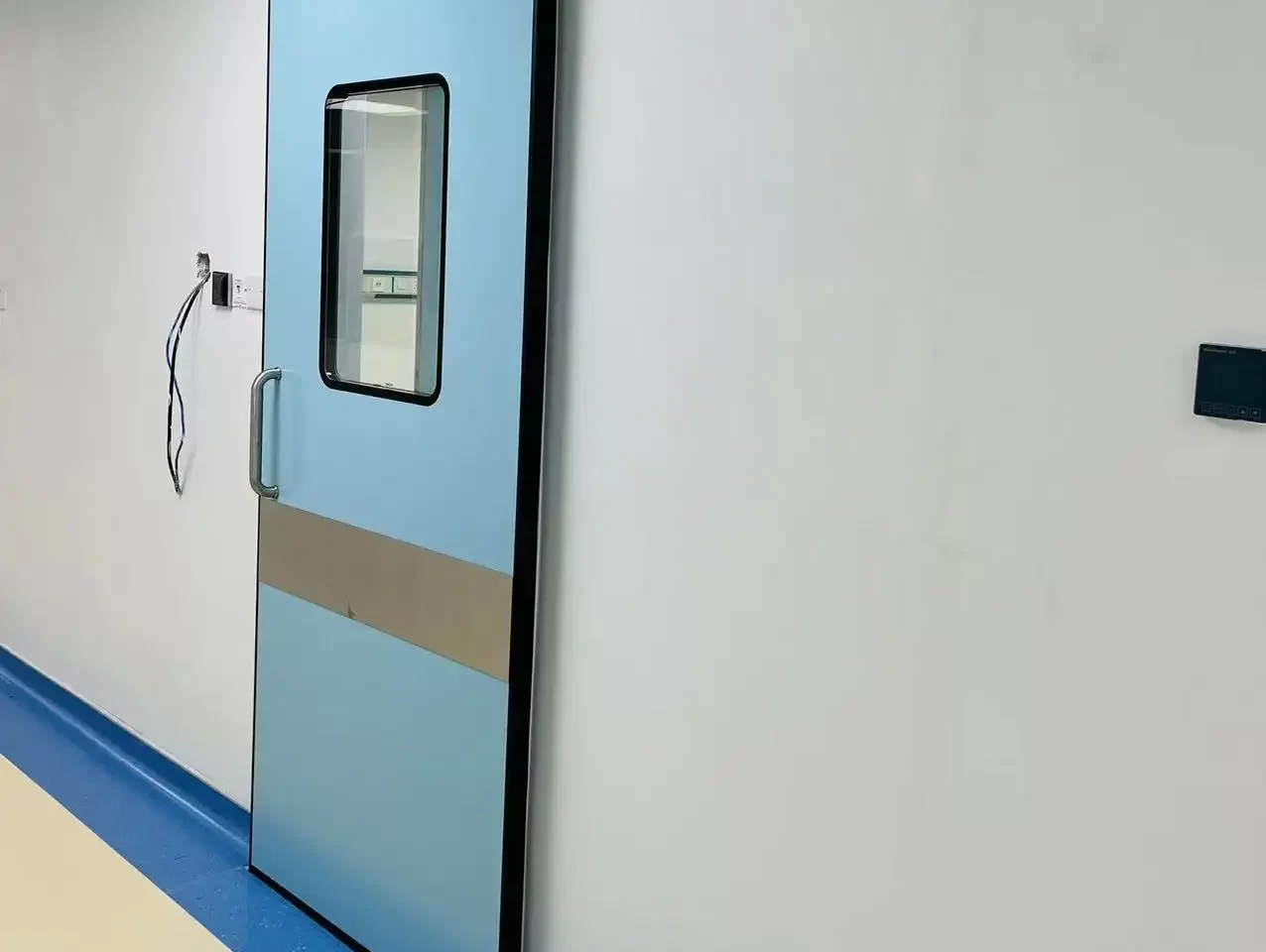 Automatic cleanroom door systems: sensor, actuator and access control integration
 -
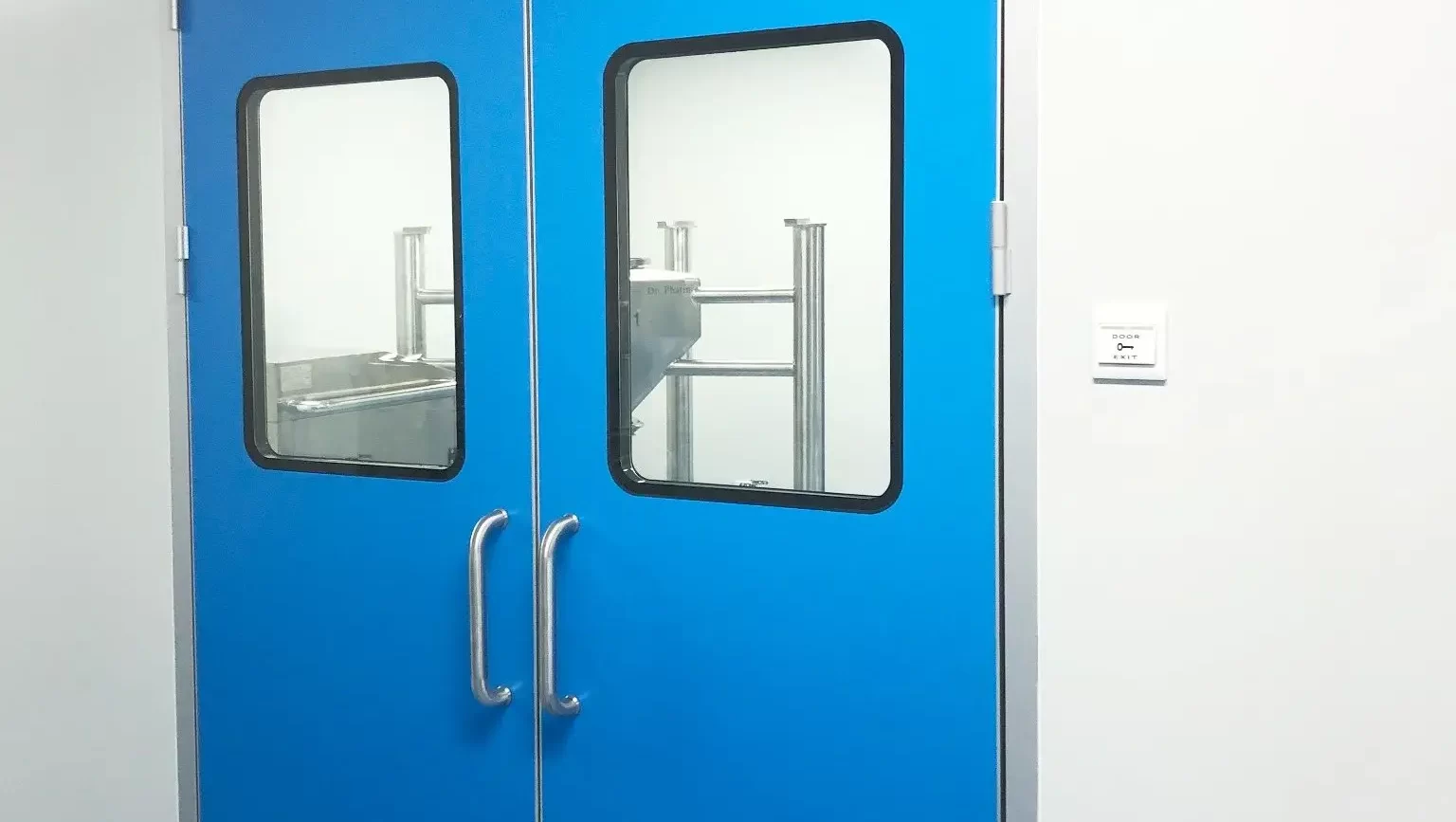 Cleanroom Door Materials: Stainless Steel vs HPL vs FRP vs Aluminum Comparison
 -
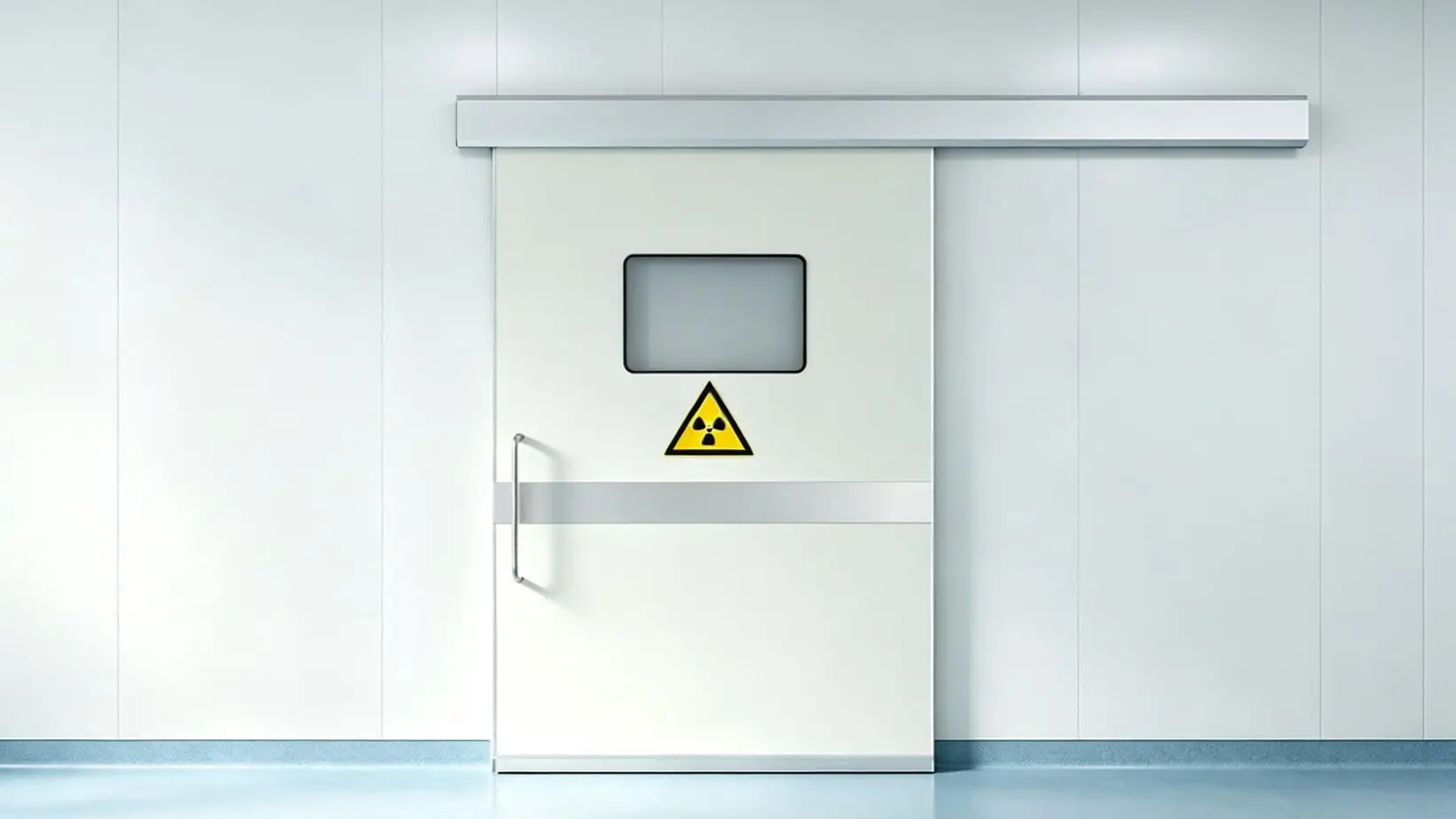 X-Ray Room Door Buying Guide: Lead Thickness & Compliance
 -
 Operating Room Doors: Hermetic & Infection-Control Guide
 -
 Hospital ICU Door Selection: Sealing, Sterility & Workflow



-

Home
-

Tel
-

Email
-

Contact


Guangzhou Yizhong Aluminum Industry Co., Ltd.
We are always providing our customers with reliable products and considerate services.
We are always providing our customers with reliable products and considerate services.
Speak Your Mind