
Manual vs Automatic Cleanroom Doors: Cost & Compliance Guide
Cleanroom Door Selection Requires Precision
In pharmaceutical facilities, the cleanroom door controls contamination. It also dictates audit readiness. Many buyers face a false choice between manual and automatic options. This ignores key engineering trade-offs. You must balance initial CAPEX with long-term OPEX. You must also weigh SOP controls against automated systems. This article compares the automatic cleanroom door with manual alternatives. We analyze cleanroom door price alongside total lifecycle cost. We deliver a clear framework for procurement teams.
Part 1 | Core Dimension Comparison: The Procurement Ledger
1.1 Cost Structure Breakdown (CAPEX → OPEX → TCO)
Start by mapping true costs. Manual doors cover basic hardware and the door leaf. However, sliding door installation adds hidden expenses. These include track embedding and structural reinforcement. They also require low-voltage wiring. Next, evaluate the frame. Choosing a door with frame affects system valuation. It also dictates installation tolerances. Note that standard door dimensions lower custom fees. But forcing them into odd openings raises modification costs. Look at OPEX next. Automatic doors need periodic motor checks. Yet their MTBF exceeds 1 million cycles. Over 3 to 5 years, the TCO usually beats manual options. Manual doors face frequent repairs. They also struggle with pressure stability.
1.2 Compliance and Audit Requirement Mapping
Regulatory adherence sets the baseline. For gmp clean room doors, the rules are strict. EU GMP Annex 1 (2022) and FDA 21 CFR §211.42 demand traceable access control. They also require stable pressure differentials. An automatic pharmaceutical cleanroom door includes built-in sensors. It tracks timeout alarms. It generates electronic audit trails. This meets gmp standard cleanroom door validation rules (DQ/IQ/OQ/PQ). Manual solutions rely on SOPs. They depend on training logs. Auditors will check operation records. They will verify pressure alarms. Finally, check cleanroom door system integration. It must link to BMS or SCADA platforms. This ensures compliant data logging.
1.3 Workflow Efficiency and Contamination Control
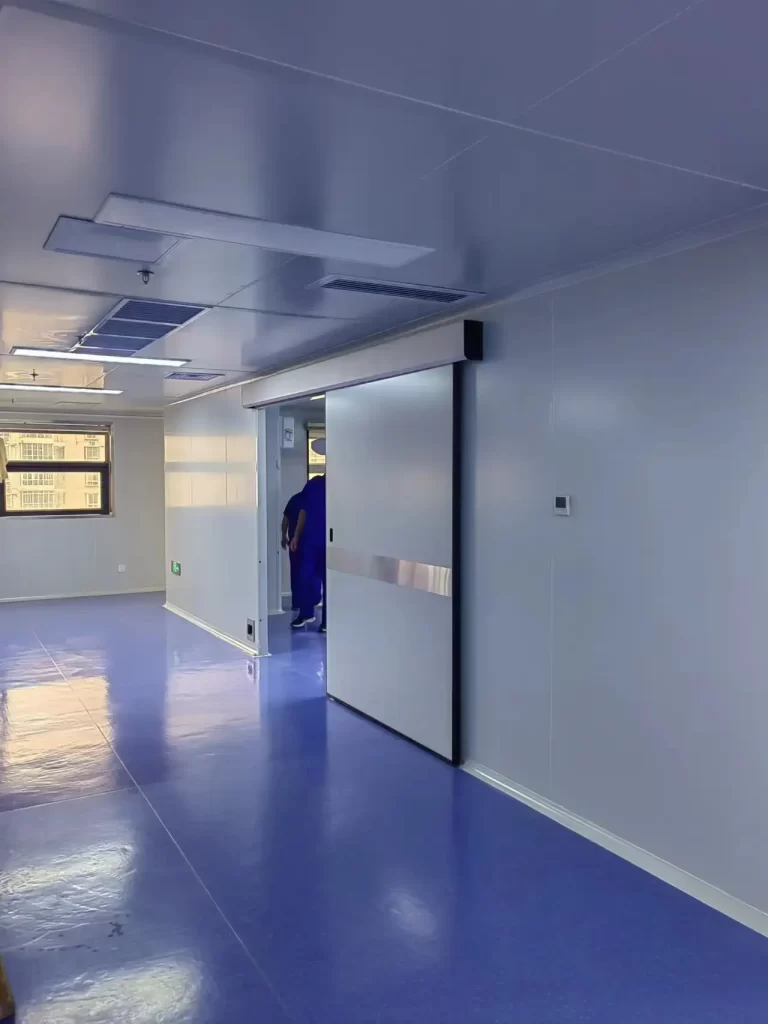
Workflow design controls cross-contamination. A traditional swing door disrupts airflow. Unplanned door swings break laminar flow. They also ruin pressure gradients. An automatic sliding door works differently. Infrared sensors trigger instant operation. The door closes immediately. A sealed door uses dual EPDM layers. This cuts pressure recovery time. Manual airtight doors work for low-traffic zones. But they need strict daily checks. Overall, automatic options win on particle control. They excel in high-traffic areas.
Part 2 | Decision Model: Optimal Solution Matching by Scenario
2.1 By Cleanliness Grade and Functional Zone
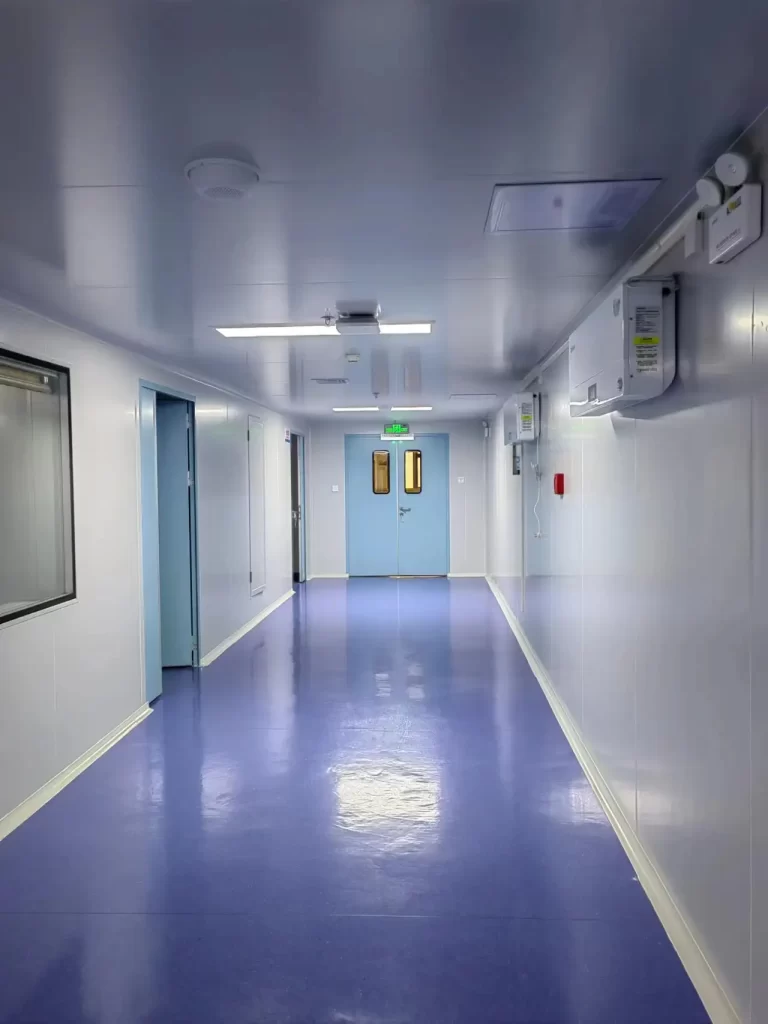
Zone risk dictates the tech route. Grade A/B aseptic zones need strict controls. Deploy a cleanroom sliding door here. It enables contactless passage. It also enforces interlock logic. Grade C buffer zones need balance. Use cleanroom swing doors with electronic locks. This saves cost. It also keeps traffic smooth. Logistics corridors need rapid movement. Install a roll up door or roll-up doors for cleanroom. PLC logic enforces one-door-at-a-time rules. Large equipment routes need clearance. A cleanroom double door handles heavy loads. Interlock logic maintains pressure stability. A cleanroom interlock door prevents dual-side opening.
2.2 Quantitative Assessment by Traffic Frequency
Use data to avoid over-engineering. Track under 30 cycles daily. Manual doors save money here. The 30 to 80 cycle range needs a hybrid approach. Over 80 cycles changes the math. Labor costs rise. Contamination risk grows. Audit pressure increases. An airtight automatic door or cleanroom automatic door makes economic sense.
2.3 Compliance Stringency and Audit Frequency
Match the door to your audit schedule. Frequent FDA or EMA checks require automation. You need data traceability. This cuts Form 483 risks. Domestic GMP sites can use manual doors. But pressure alarms must link to access control. Keep complete digital or paper logs. Every option must meet gmp standard cleanroom door baselines.
2.4 Phased Deployment Strategy Under Budget Constraints
Staged deployment solves budget limits. Phase 1 covers critical paths. Install automatic doors first. Keep manual units elsewhere. Phase 2 prepares for upgrades. Pre-install conduits and control boxes. This allows future motor retrofits. Phase 3 connects everything. Link units to a central monitor. Achieve full cleanroom door system integration.
Part 3 | Procurement Pitfall Guide: Technical Validation Checklist
3.1 Key Technical Parameter Verification
Specification rigor dictates delivery quality. Define cleanroom door specifications upfront. Demand cycle life over 1 million operations. Choose brushless DC motors. Require IP54 sealing ratings. Set fail-safe logic for power loss. Manual opening force must stay under 50 N. Test a cleanroom airtight door with smoke. Verify pressure decay rates. Check cleanroom door seals for material compatibility. EPDM or medical-grade silicone works best. Fire zones need extra care. Confirm fire rated door standards. Test coordinated release with fire systems.
3.2 Supplier Qualification and Delivery Capability
Good suppliers deliver more than hardware. They provide compliance packages. They also offer engineering support. Verify their DQ/IQ/OQ/PQ templates. Check FAT/SAT report availability. Ask about non-standard openings. Confirm ceiling load limits. Review post-sale SLAs carefully. Note spare parts locations. Demand response times under 24 hours. Require transparent maintenance pricing.
3.3 Common Procurement Trap Warnings
Watch for these frequent mistakes:
- "Pseudo-automatic" setups: Sensors alone fail. You need pressure interlocks. You also need data logging. This satisfies cleanroom doors interlocks logic.
- Hidden costs: Quotes often exclude wiring. They also skip reinforcement fees. Verify cleanroom door price covers validation and BMS licensing.
- Compliance breaks: Never place control cabinets inside clean zones. Maintenance staff will contaminate the area.
- Material mismatches: Standard coatings fail in harsh cleaning zones. Choose a stainless steel clean room door instead.
- Fire code conflicts: Test power-loss release logic. A cleanroom interlocked door must never block emergency exits.
Part 4 | Frequently Asked Questions (FAQ)
Q1: What is the standard door size for cleanroom applications? Cleanroom door sizing starts with standard door size conventions (e.g., 900×2100 mm). Check standard door dimensions against site tolerances. A door with frame requires strict gap checks. Review cleanroom door specifications before sliding door installation. High-traffic zones may need wider openings. Validate pressure maintenance first.
Q2: How to choose between swing door and sliding door for cleanroom? A swing door fits low-traffic budgets. It costs less upfront. Maintenance stays simple. An automatic sliding door cuts airflow disturbance. It lowers cross-contamination risks from door swings. Tight budgets can use cleanroom swing doors with electronic locks. High-grade zones need forced interlock translation systems.
Q3: Do automatic cleanroom doors require GMP validation? Yes. A cleanroom automatic door needs full validation. This covers DQ through PQ stages. It must meet gmp standard cleanroom door data rules. Test fail-safe logic. Calibrate sensors. Run cleanroom doors interlocks checks. Verify cleanroom door system integration protocols early. This prevents delivery delays.
Q4: What maintenance is required for cleanroom door seals? cleanroom door seals maintain pressure stability. Inspect sealed door integrity every 12 to 18 months. Silicone lasts longer but needs track cleaning. Log cleanroom airtight door pressure decay data. Check cleanroom interlocked door closure tightness. Keep all records traceable for audits.
Q5: Can manual cleanroom doors meet FDA audit requirements? Yes. You need strict management protocols. Manual options lower cleanroom door price. They suit non-core zones. Manual airtight doors require pressure alarms. Keep operation logs. Train staff thoroughly. Auditors prefer electronic tracking for pharmaceutical cleanroom door zones. Use a cleanroom double door with interlock logic if needed. Retain all operational logs.
Conclusion: Match the Door to Your Risk Profile
Cleanroom enclosure selection lacks a universal answer. Match the door to your production risk. Manual doors remain viable. Automatic doors require proof. Base decisions on contamination control. Anchor to audit pass rates. Benchmark against 5-year TCO. Map your workflow first. Define compliance boundaries. Request hybrid deployment plans. Demand full validation packages. A cleanroom door then becomes an asset. It protects product quality. It ensures compliant operations.
-
 Cleanroom Glass Windows Are The Key to Maintaining a Clean Environment
 -
 Top Aluminium Profile Manufacturers in China: Leading the Global Market
 -
 The Evolution of Air Tight Sliding Doors
 -
 AHU Aluminium Profile: A Comprehensive Guide
 -
 The Importance of Choosing the Right Cleanroom Door in Vietnam
 -
 The Benefits of Hospital Automatic Doors: Enhancing Efficiency and Safety
 -
.jpg) The Best Bathroom Door Manufacturers - Unlocking Endless Possibilities!
The Best Bathroom Door Manufacturers - Unlocking Endless Possibilities! -
 Unlock the Possibilities with AJ Manufacturing Doors
 -
 Make a Statement with Manufactured Home Interior Doors!
 -
 what is aluminum profile? Aluminum Profiles for Your Home is the best option
-
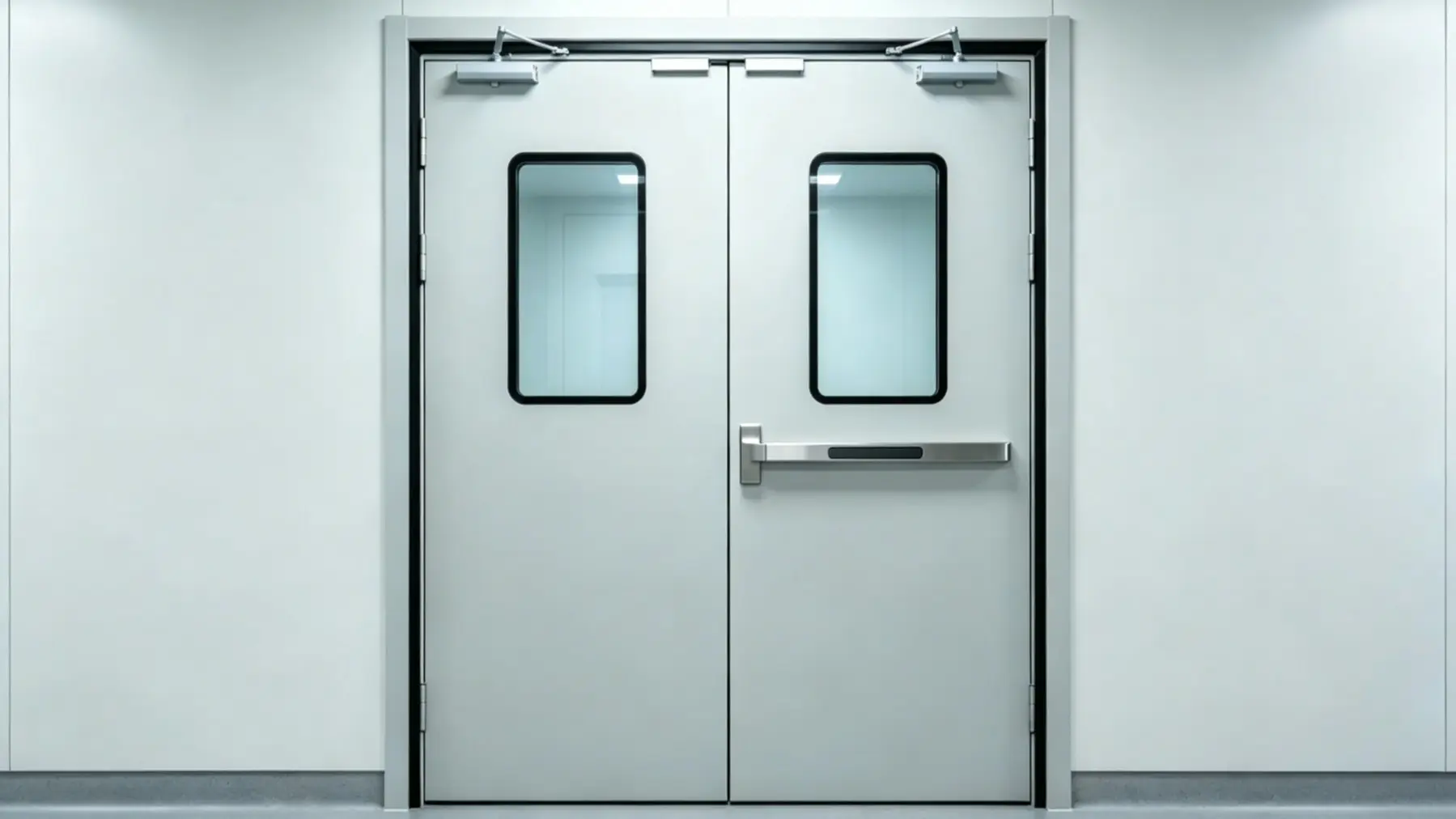 Hospital Emergency Exit Doors: 90 Minute Fire Rating Meets Infection Control
 -
 ICU and Isolation Door Requirements Hospitals Often Overlook
 -
 Laboratory Door Requirements for BSL-2 and BSL-3 Containment
 -
 Retrofitting Hospital Sliding Doors: Upgrade Wards Without a Rebuild
 -
 Why Airtight Hospital Sliding Doors Are Critical for Infection Control
 -
 Automatic cleanroom door systems: sensor, actuator and access control integration
 -
 Cleanroom Door Materials: Stainless Steel vs HPL vs FRP vs Aluminum Comparison
 -
 X-Ray Room Door Buying Guide: Lead Thickness & Compliance
 -
 Operating Room Doors: Hermetic & Infection-Control Guide
 -
 Hospital ICU Door Selection: Sealing, Sterility & Workflow


-

Home
-

Tel
-

Email
-

Contact


Guangzhou Yizhong Aluminum Industry Co., Ltd.
We are always providing our customers with reliable products and considerate services.
We are always providing our customers with reliable products and considerate services.
Speak Your Mind