
X-Ray Room Doors for Hospitals: Shielding, Access and Cleanability
In radiology, properly engineered x-ray room doors are critical infrastructure, not simple architectural partitions. They must block scattered radiation, accommodate heavy imaging equipment, and withstand aggressive daily disinfection cycles. For facility planners, engineering contractors, and procurement teams, this guide outlines the technical, compliance, and workflow standards required to select and commission reliable medical imaging door systems.
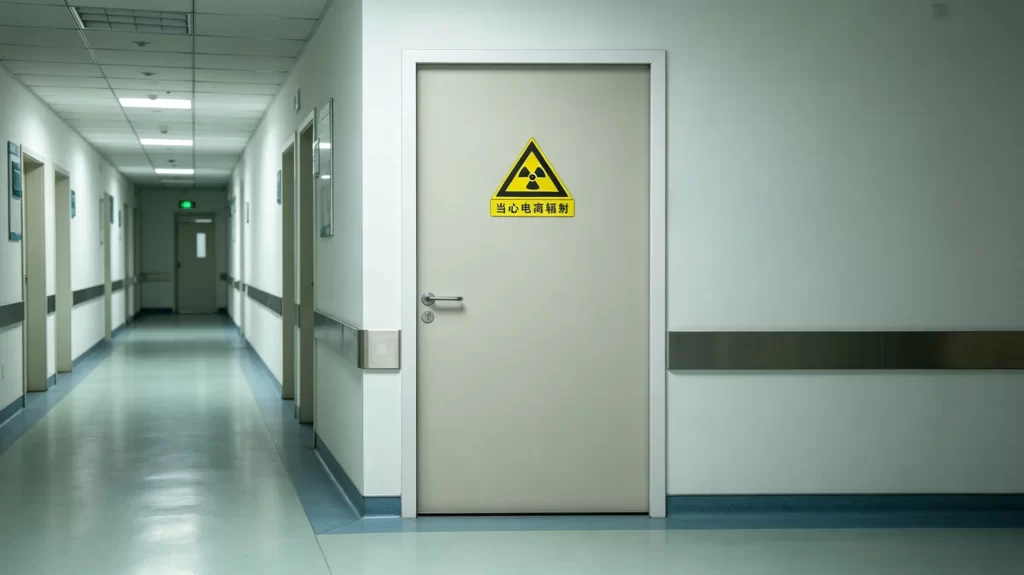
Radiation Shielding: Engineering the First Line of Defense
Lead Equivalence and Material Science
The primary protective metric for x-ray room doors is lead equivalence (Pb eq). This value is calculated based on maximum tube voltage (kVp), weekly workload (mA·min/week), and distance to controlled areas. Standard DR and fluoroscopy units typically require 1.0–1.5 mm Pb eq, while DSA suites or CT simulation rooms often demand 2.0–3.0 mm Pb eq.
Current lead lined doors for hospitals utilize three primary material approaches. Traditional electrolytic lead composite panels offer stable attenuation but are exceptionally heavy, placing significant loads on hinges and floor tracks. Lead-free high-density composites use barium sulfate, tungsten, or bismuth resins to reduce weight by 20–35% while maintaining compliance with RoHS and REACH directives. Hybrid laminated shielding combines steel framing with a lead-free core and localized foil compensation. In custom radiation protection doors, this configuration balances structural integrity with hot-spot mitigation.
Structural Shielding Integration
Shielding failures rarely occur at the panel center. They originate at seams, hardware junctions, or penetrations. Compliant radiation proof doors for medical facilities require a three-dimensional labyrinth overlap design.
Door-to-frame overlap must maintain a minimum of 20 mm on all sides. Thresholds feature stepped or angled guides to leverage geometric attenuation. Hardware shielding compensation requires lead sleeves or high-density alloy liners at hinge and latch points. Because hinge sides contain dynamic gaps, compensation thickness typically exceeds the panel center by 0.2–0.3 mm Pb eq. Observation windows use lead glass secured with metal framing that overlaps the core shielding by at least 15 mm. Cable penetrations require flexible shielding conduits or Z-shaped sleeves to prevent secondary leakage.
Compliance, Testing, and Certification
Shielding designs must adhere to NCRP Report 147, IEC 61331-1, and local regulatory codes. On-site acceptance testing requires a calibrated survey meter to conduct grid scans along seams, hinges, windows, and thresholds. Legal limits typically mandate ≤1.0 μSv/week in public areas and ≤5.0 μSv/week in occupational zones.
Common inspection failures include incomplete lead lining around frames, unsealed thresholds allowing scatter migration, misaligned hardware compensation creating hot spots, and missing continuous gaskets around glass frames leaving microscopic leakage paths.
Safe Access and Workflow Optimization
Door Configurations for Radiology Layouts
Radiology floor plans are dictated by equipment footprint, patient flow, and control room sightlines. Selection must balance spatial constraints with usage frequency. For projects following hospital x-ray door specifications, standard configurations include sliding, swing, and telescopic designs.
Sliding doors preserve interior clearance and operate quietly, making them ideal for DR rooms and CT control areas. For lead lined sliding doors hospital installations, track embedding depth should exceed 30 mm, with single-track capacity rated for 150 kg and dual-track systems supporting over 250 kg. Swing doors align naturally with fire egress requirements and are common in portable X-ray rooms or reading areas. Telescopic doors serve interventional cath labs and hybrid ORs, offering clear openings of 1,500–2,000 mm. Guide rails must be cast directly into structural slabs to maintain shielding integrity.
Automation, Safety Sensors, and Emergency Protocols
Modern automatic x-ray room doors integrate mechatronic controls compliant with EN 16005 or ANSI A156.19 safety standards. Protection operates through redundant sensor arrays, including active infrared light curtains, safety edges, and microwave presence detectors.
Equipment interlock systems automatically lock the door and trigger warnings when the X-ray generator initiates exposure. Signals typically use dry contacts or industrial buses with response delays under 0.5 seconds. Power failure protocols require UPS backup and mechanical clutch overrides to guarantee unobstructed fire egress and medical rescue access.
Equipment Clearance and Accessibility Compliance
Clear openings must satisfy medical transport and accessibility standards. When planning lead equivalent medical doors for radiology corridors, ADA and GB 50763 guidelines mandate a minimum width of 900 mm and height of 2,100 mm. Floor track systems must handle dynamic impact loads exceeding 150 kg using embedded stainless steel or aluminum profiles with seams ≤2 mm. Threshold heights must stay below 15 mm or feature embedded ramps to eliminate tripping hazards and transport jarring.
Clinical-Grade Cleanability and Infection Control
Surface Engineering and Antimicrobial Solutions
Radiology door surfaces endure relentless disinfection cycles. Material selection directly dictates service life and infection control compliance. Leading medical x-ray room door suppliers typically recommend HPL, stainless steel, or medical-grade powder coatings.
HPL offers high wear resistance and a non-porous finish, ideal for high-contact zones. 316L stainless steel provides superior corrosion resistance in chloride-rich environments, requiring a polished surface roughness under 0.8 μm to minimize microbial adhesion. Antimicrobial powder coatings deliver initial bacteriostatic performance but require periodic adhesion testing when exposed to strong oxidizers.
Seamless Design and Chemical Resistance
Infection control mandates minimizing cleaning dead zones. Reputable radiation shielding door manufacturers engineer x-ray room doors with concealed hinges, single-piece folded edges, and continuous welding. Gaps are sealed with medical-grade EPDM or silicone, maintaining flatness tolerances under 0.5 mm. Chemical resistance is validated against ASTM E2197 or WS/T 512 standards.
Surfaces must withstand 500–1,000 ppm chlorine agents at pH 9–11 for over 1,000 wipes without blistering. Gaskets require anti-swell properties for quaternary ammonium compounds. Vaporized hydrogen peroxide environments demand cross-linked polymer finishes. Base contamination control incorporates micro-sloped drainage channels and coved wall bases to eliminate fluid pooling.
Maintenance Protocols and Lifecycle Durability
Mechanical endurance under high-frequency use is critical. Per EN 1192 and ANSI A156.10, medical heavy-duty doors must withstand over 1,000,000 operational cycles. Maintenance SOPs strictly prohibit abrasives, steel wool, or chlorine concentrations above 2,000 ppm. Tracks and rollers require silicone grease application every six months, while panels should use quick-release fasteners to enable localized replacement without full unit scrapping.
Hospital Environment Integration and Regulatory Compliance
Fire Rating and Building Code Alignment
Radiology departments require doors satisfying both radiation shielding and architectural fire codes. Per UL 10C, NFPA 80, or GB 12955, fire rated radiation doors commonly require 45- or 60-minute ratings. Dual-compliance engineering uses stepped composite construction with fire-rated calcium silicate or mineral wool mid-layers. Intumescent seals expand above 200°C but must not compromise radiation overlap gaps, requiring ≥3 mm frame clearance. Closer torque must precisely match fire ratings to ensure reliable closure during power loss.
Acoustic, Lighting, and Privacy Control
Equipment noise in the 45–65 dB range increases patient anxiety. Door assemblies should achieve STC 35–40+ ratings through increased core mass, dual labyrinth seals, and automatic drop-down acoustic thresholds. Traditional reading areas require overlapping light-blocking brushes and magnetic strips to maintain transmission under 0.1 Lux. Observation windows benefit from anti-glare nano-coatings mounted at a 5–8 degree inward tilt.
Retrofit vs. New Construction Considerations
Engineering prerequisites differ significantly between renovations and new builds. For x-ray room door installation in legacy facilities, professionals must verify existing wall shielding continuity before cutting. Steel lintels are often required to distribute heavy door weight, and floor elevations may need adjustment for low-profile thresholds. In new construction, doors must be integrated into BIM models early to reserve conduits for low-voltage wiring and sensor power. Post-installation modifications that breach shielding layers are strictly prohibited.
Procurement and Customization Guide
Technical Specification Checklist
Procurement teams must define core parameters before tendering. Missing items risks rework or non-compliance. Essential hospital x-ray door specifications include target lead equivalence paired with kVp data, clear opening dimensions, wall construction type, operating mechanism, daily cycle estimates, fire and acoustic ratings, surface material, sensor configuration, and interlock protocols.
Customization: Observation Windows, Pass-Throughs, and System Integration
Complex clinical workflows demand tailored solutions. Observation windows require precise lead glass observation window for x-ray thickness matching and beveled safety edges. Pass-through boxes must feature dual-door interlocks matching the main door shielding, with optional UV-C or negative pressure integration. IT systems should support OPC UA or HL7 FHIR interfaces for door status logging, enabling utilization tracking and predictive maintenance.
Vendor Evaluation and Project Commissioning
Supplier qualification and commissioning protocols ensure compliance. Medical x-ray room door suppliers must provide radiation protection licenses, third-party test reports, tier-III hospital case studies, and ISO 13485 certification. Factory acceptance testing verifies shielding uniformity and initial leak rates. On-site installation review confirms 3D overlaps, threshold elevation, and track levelness under 1 mm/m tolerance. Final commissioning requires CMA/CNAS-accredited radiation scanning, fire/acoustic testing, and full interlock synchronization before documentation handover.
Conclusion
x-ray room doors function as critical safety interfaces where radiation shielding, clinical workflow, and infection control converge. Proper specification and commissioning require precise engineering and strict regulatory compliance. Contact our radiation protection engineering team for lead equivalence calculations, observation window schematics, or project-specific customization guidelines.
-
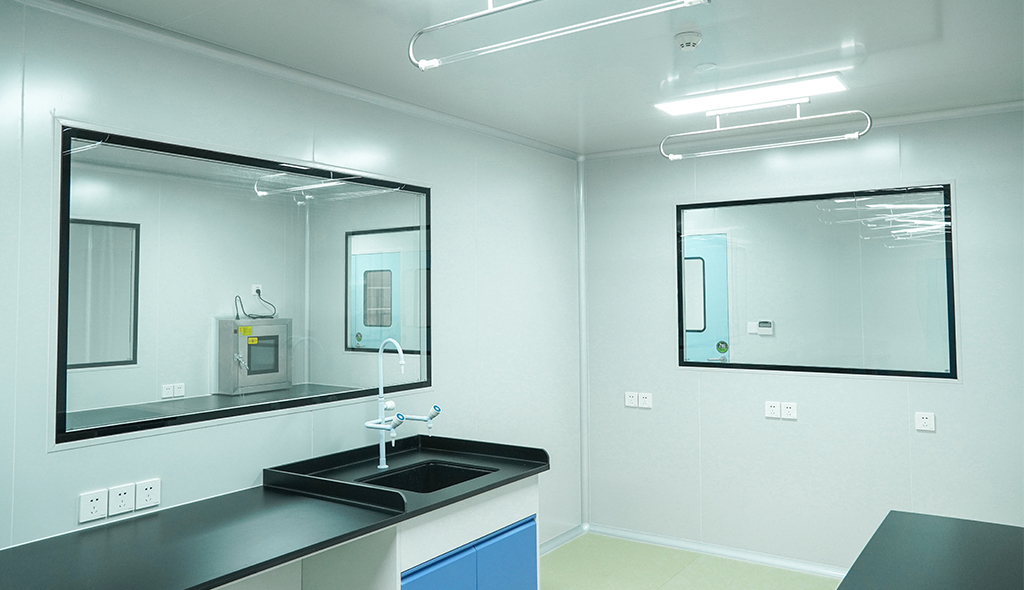 Cleanroom Glass Windows Are The Key to Maintaining a Clean Environment
 -
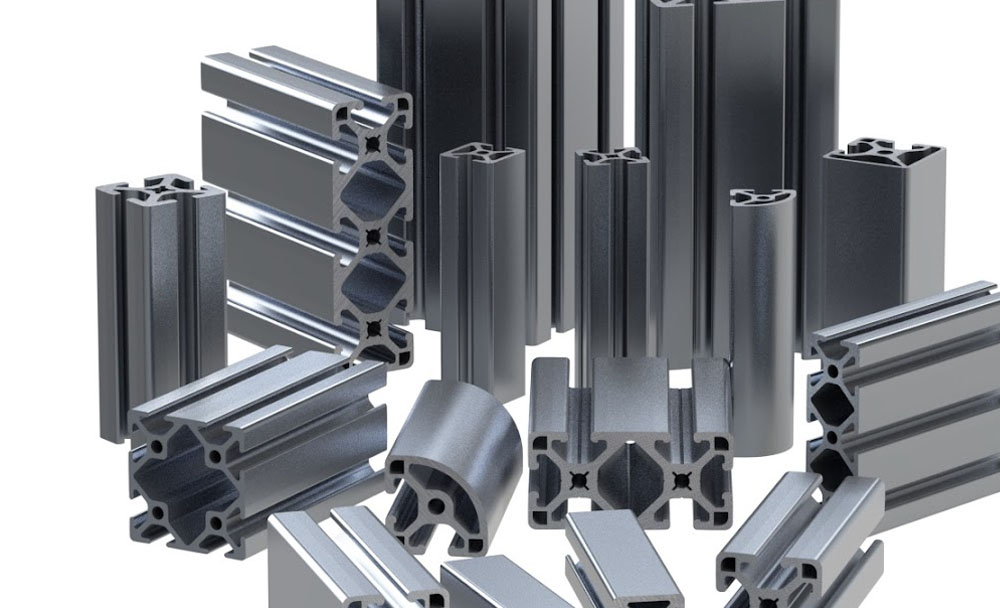 Top Aluminium Profile Manufacturers in China: Leading the Global Market
 -
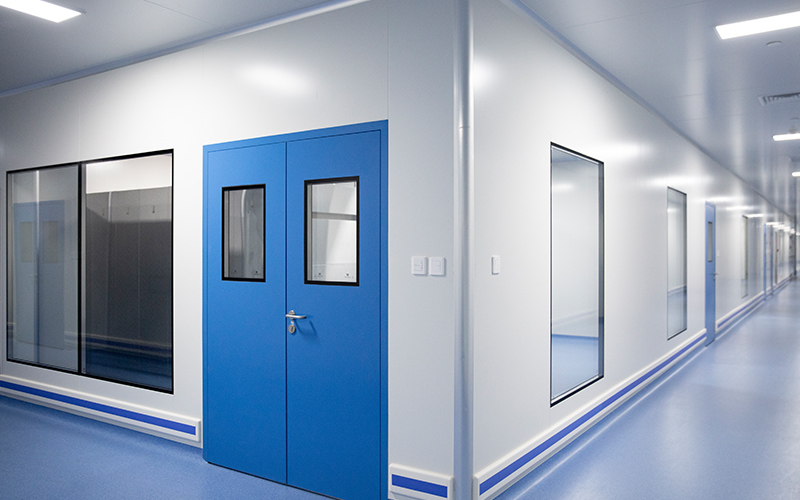 The Evolution of Air Tight Sliding Doors
 -
 AHU Aluminium Profile: A Comprehensive Guide
 -
 The Importance of Choosing the Right Cleanroom Door in Vietnam
 -
 The Benefits of Hospital Automatic Doors: Enhancing Efficiency and Safety
 -
.jpg) The Best Bathroom Door Manufacturers - Unlocking Endless Possibilities!
The Best Bathroom Door Manufacturers - Unlocking Endless Possibilities! -
 Unlock the Possibilities with AJ Manufacturing Doors
 -
 Make a Statement with Manufactured Home Interior Doors!
 -
 what is aluminum profile? Aluminum Profiles for Your Home is the best option
-
 Hospital Emergency Exit Doors: 90 Minute Fire Rating Meets Infection Control
 -
 ICU and Isolation Door Requirements Hospitals Often Overlook
 -
 Laboratory Door Requirements for BSL-2 and BSL-3 Containment
 -
 Retrofitting Hospital Sliding Doors: Upgrade Wards Without a Rebuild
 -
 Why Airtight Hospital Sliding Doors Are Critical for Infection Control
 -
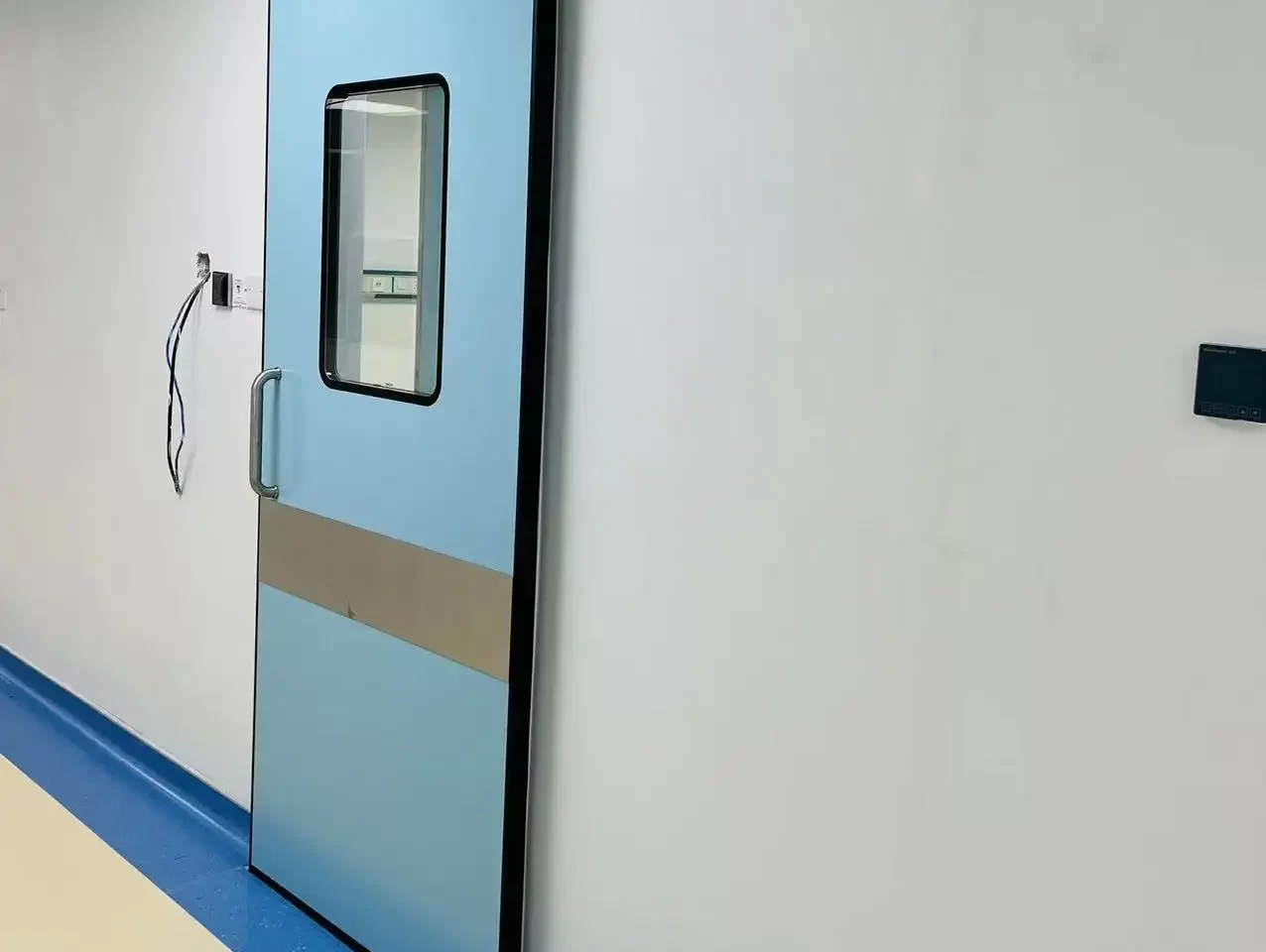 Automatic cleanroom door systems: sensor, actuator and access control integration
 -
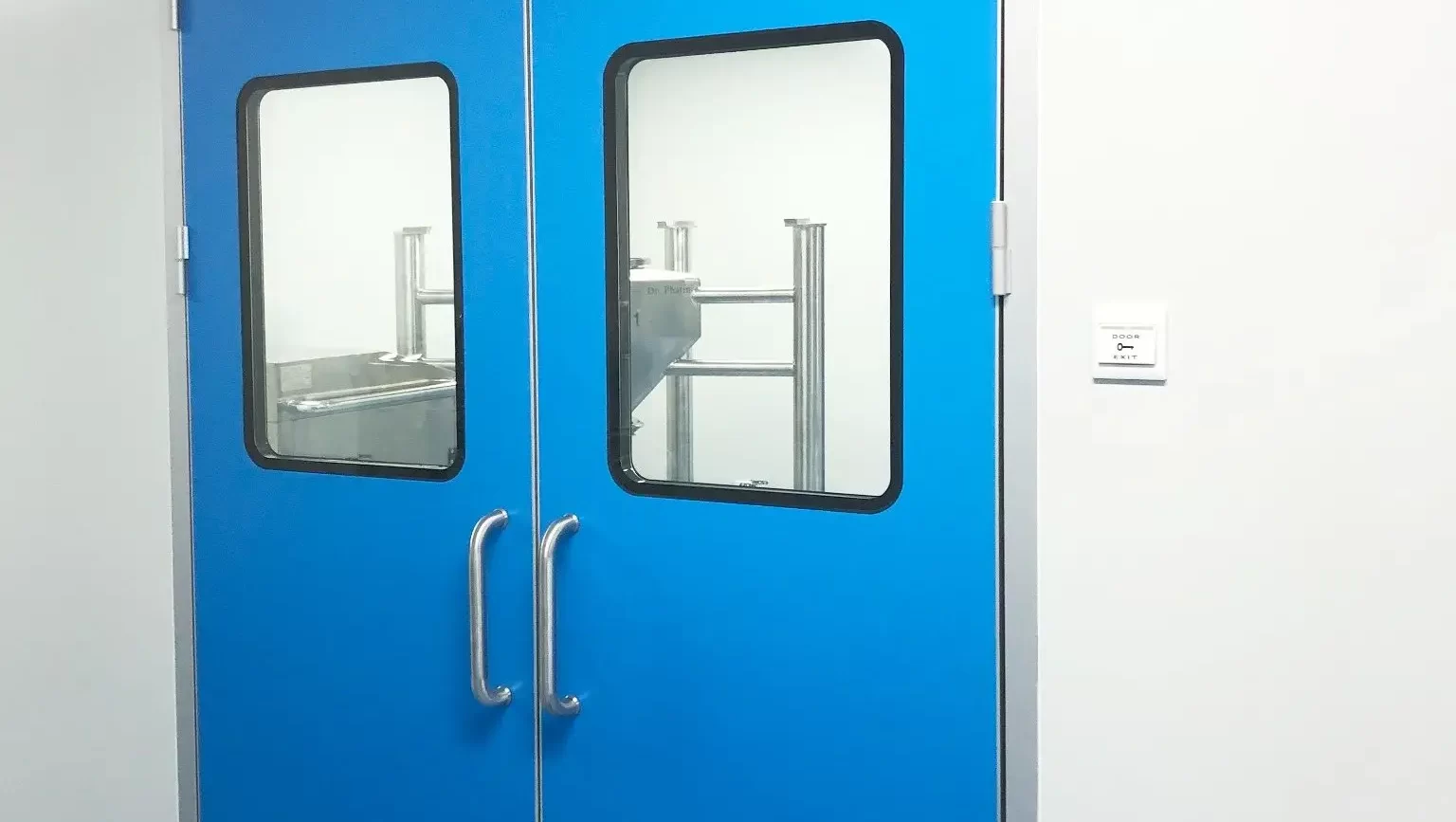 Cleanroom Door Materials: Stainless Steel vs HPL vs FRP vs Aluminum Comparison
 -
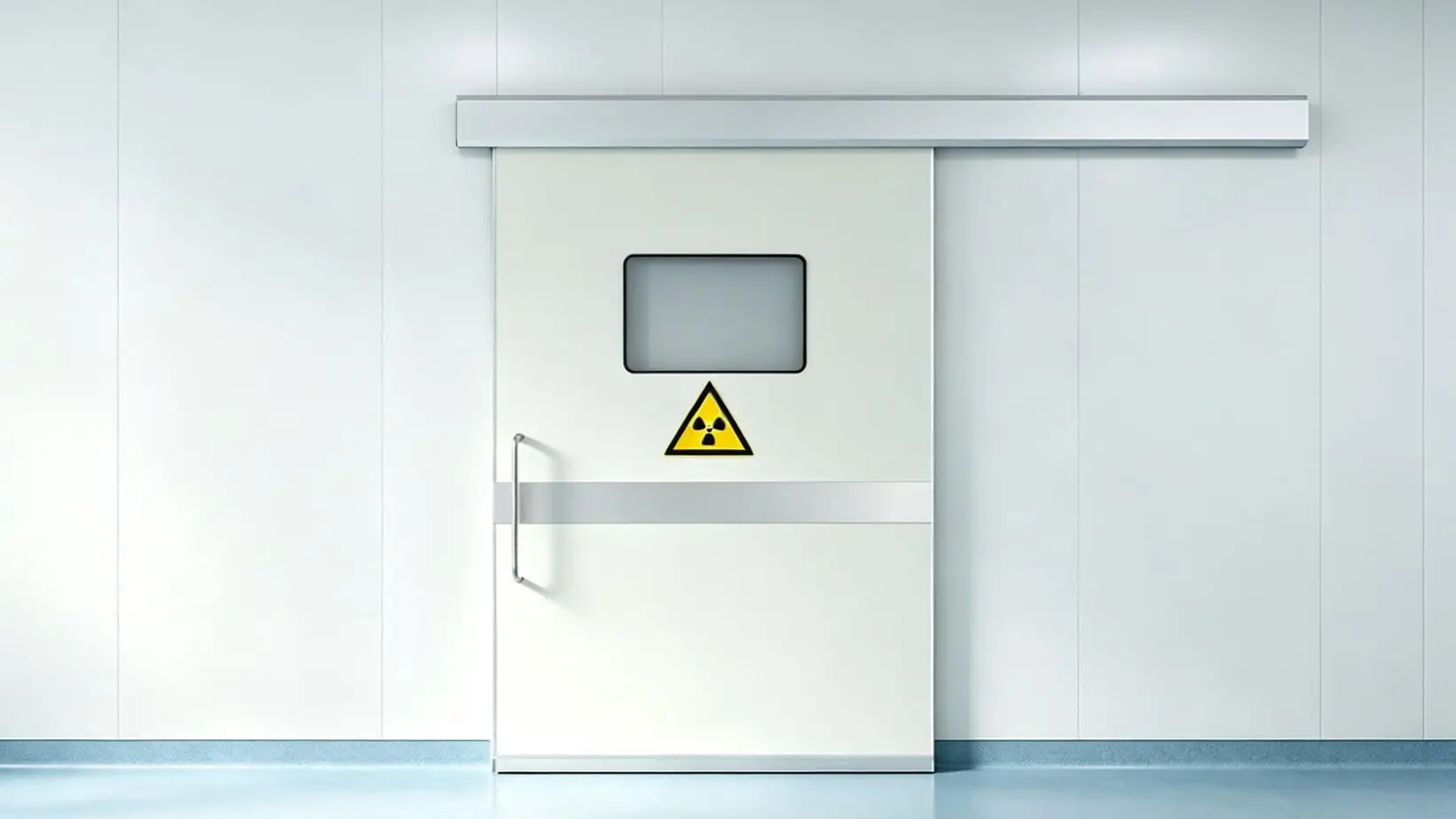 X-Ray Room Door Buying Guide: Lead Thickness & Compliance
 -
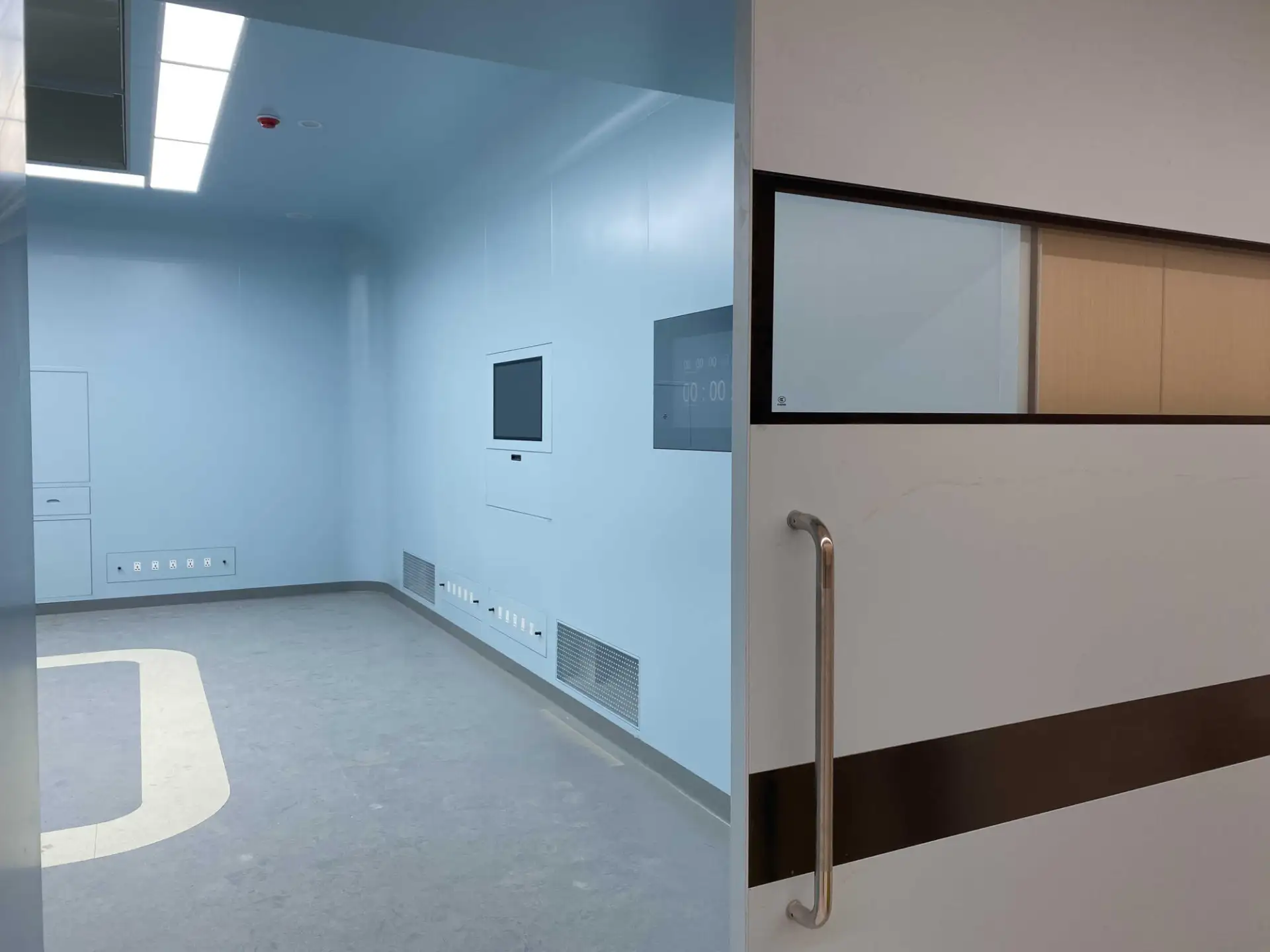 Operating Room Doors: Hermetic & Infection-Control Guide
 -
 Hospital ICU Door Selection: Sealing, Sterility & Workflow




-

Home
-

Tel
-

Email
-

Contact


Guangzhou Yizhong Aluminum Industry Co., Ltd.
We are always providing our customers with reliable products and considerate services.
We are always providing our customers with reliable products and considerate services.
Speak Your Mind