
What Are FDA-Compliant Cleanroom Doors?
When facing an FDA or cGMP audit, the most daunting challenges rarely involve thick binders of documentation. Instead, auditors often focus on overlooked physical details on the facility floor. Whether addressing FDA cGMP regulations, USP <797>/<800> standards, or ISO 14644 requirements, the core objective remains straightforward. Facilities must establish a reliable physical barrier. This barrier completely prevents the introduction and dispersion of particulates and microorganisms.
True FDA compliant cleanroom doors go far beyond mere certification labels. They represent the precise intersection of material science, sealing engineering, and fluid dynamics. Therefore, rather than reciting dry regulatory checklists, this guide examines a different approach. We will explore how a genuinely compliant door secures your facility's contamination control baseline. It achieves this through meticulous attention to materials, surfaces, gaps, and sealing.

1. The Physical Reality Behind the Regulations
Before diving into specific design details, we must clarify three core physical metrics. Regulations impose these metrics on cleanroom doors for pharmaceutical facilities. They serve as the absolute prerequisites for determining true compliance.
1.1 Ultimate Cleanability and Chemical Resistance
Cleanroom door surfaces must withstand high-frequency, high-intensity chemical disinfection protocols. Consequently, modern pharmaceutical and biotech facilities widely employ aggressive agents. These include Vaporized Hydrogen Peroxide (VHP, typically at 30%-35% concentration), 70% Isopropyl Alcohol (IPA), quaternary ammonium compounds, or chlorine-based disinfectants. A compliant door surface must resist these strong oxidizing or corrosive agents. It must not degrade, discolor, or blister. Furthermore, the surface must not release Volatile Organic Compounds (VOCs) or particulates due to deterioration.
1.2 Absolute Non-Shedding Properties
The door assembly itself must never become a secondary source of contamination. Therefore, the door’s coatings, seals, and hardware must maintain strict structural integrity. They face prolonged mechanical friction, drastic temperature fluctuations, and physical contact from cleaning tools. Consequently, the design must absolutely prevent the shedding of any particulates or fibers under these harsh conditions.
1.3 Dynamic Pressure Integrity
Cleanrooms rely on strict pressure differentials to control airflow direction. Typically, facilities maintain a gradient of 10-15 Pa between adjacent areas. During the dynamic conditions of frequent opening and closing, cleanroom doors must exhibit exceptional airtightness. This airtightness minimizes pressure fluctuations. Consequently, it prevents reverse airflow from causing cross-contamination in high-risk zones.
2. Deconstructing Core Engineering Features
To meet these stringent demands, high-quality FDA compliant cleanroom doors must integrate four engineering-grade characteristics. Manufacturers design and build these doors with specific, measurable features.
2.1 Substrate and Surface: Eliminating Particulates and Biofilms
Material selection and surface treatment form the first line of defense. Industry-leading solutions prioritize 304 or 316L medical-grade stainless steel. Alternatively, they use high-density anti-static High-Pressure Laminate (HPL). These core substrates ensure dimensional stability and corrosion resistance.
Even more critical is the precise control of Surface Roughness (Ra value). Microorganisms and particulates easily adhere to microscopic surface depressions. Over time, they form resilient biofilms that are nearly impossible to eradicate. Therefore, compliant cleanroom door panels undergo precision polishing or specialized coating processes. This ensures a surface roughness of Ra ≤ 0.8 μm. For core areas like ISO Class 5, the standard drops to Ra ≤ 0.4 μm.
This exceptional surface engineering delivers direct, measurable advantages:
- Elimination of Micro-Pores: This completely severs attachment pathways for microorganisms. It strictly meets the requirements for non-shedding cleanroom materials.
- Reduced Friction Resistance: This lowers the friction coefficient during wipe-down cleaning. It prevents physical surface damage.
- Enhanced Disinfection Efficacy: This ensures disinfectants achieve 100% surface coverage and rapid action. It leaves no residual dead zones. Consequently, the assembly serves perfectly as washdown cleanroom doors in rigorous applications.
- Extreme Environment Tolerance: All surface coatings must undergo rigorous VHP compatibility testing. This ensures physicochemical properties remain stable after thousands of fumigation cycles. It prevents outgassing or powdering.
2.2 Flush-Mounted Design: Eradicating Cleaning Dead Zones
The traditional L-shaped recess between a standard door frame and the wall is a notorious dust trap. Compliant cleanroom doors must completely abandon this outdated design.
Advanced manufacturing employs a flush-mounted cleanroom doors system. Custom extruded connection profiles align the door leaf, frame, and wall panels. This achieves absolute three-dimensional flush alignment. Consequently, this design eliminates steps or grooves where particulates could accumulate. Cleaning personnel can smoothly wipe the entire surface in a single pass. They encounter zero obstructions with a flat mop or lint-free cloth.
Furthermore, a no-exposed-fastener system is a critical design element. It manifests in the following ways:
- Concealed Hinges: The design fully encapsulates load-bearing components within the door frame profile. This leaves no external mechanical structures exposed to gather dust.
- Countersunk Screws and Decorative Caps: All fixation points utilize countersunk designs. Decorative caps matching the door material cover them, ensuring a perfectly flat surface.
- Impact Protection: This prevents cleaning tools from accidentally chipping the door. It fundamentally eliminates the risk of particulate accumulation in screw head threads.
2.3 Dynamic Sealing: Guaranteeing Pressure and Airtightness
Static flush design cannot handle dynamic sealing demands when a door closes. Superior cleanroom doors feature industrial-grade, multi-dimensional sealing systems. These ensure absolute airtightness the moment the door shuts. A prime example is the stainless steel cleanroom doors with automatic drop seal. They feature specific components:
- Automatic Drop Seals: This component controls bottom airflow leakage. When the door leaf closes, a mechanical trigger drops a hidden seal by 10-15 mm. It presses tightly against the floor or threshold. When the door opens, it automatically retracts. This prevents floor friction and particulate generation. Consequently, this design provides excellent acoustic isolation. It also completely blocks ground-level turbulence and particulate intrusion.
- Three-Sided Continuous Sealing: The door frame features high-resilience magnetic seals or inflatable perimeter seals on three sides. Upon closure, magnetic force or air pressure ensures tight fitting. This forms a continuous, unbroken airtight barrier.
Regarding seal material selection, manufacturers must follow strict compliance standards:
- Material Certification: All sealing materials must utilize medical or food-grade silicone. This silicone must comply with FDA 21 CFR 177 standards.
- Physicochemical Stability: This material offers excellent resistance to aging and extreme temperatures. It remains entirely free of harmful plasticizers.
- Resistance to Permanent Deformation: The material will not undergo permanent compression set under long-term pressure. It also will not release extractables, ensuring long-term airtightness.
2.4 Cleanroom Hardware: Mitigating Human-Induced Contamination
Humans are the largest source of contamination in a cleanroom. Therefore, door hardware must minimize pollution risks introduced by human operation.
Compliant doors feature ergonomic, dead-zone-free lever handles. Their surfaces remain smooth, threadless, and groove-free. This design supports operation via elbow, forearm, or thick sterile gloves. Consequently, it effectively reduces the probability of cross-infection caused by direct glove contact.
Simultaneously, the door features a cleanroom-specific door closer with precision damping control. Its core fluid dynamic functions include:
- Suppressing the Piston Effect: Rapid closure violently compresses the air. This generates high-velocity airflow at the door clearances.
- Preventing Particle Resuspension: High-velocity airflow easily kicks up settled particulates from the floor. This compromises local cleanliness.
- Smooth Closure: The smooth-closing mechanism ensures the door leaf closes at a low, constant speed. This effectively suppresses airflow disturbances and maintains microenvironmental stability.
3. Systemic Prevention of Cross-Contamination
An excellent cleanroom door cannot exist in isolation. It must function as an integrated component of the facility’s overall airflow organization. This integration synergistically prevents cross-contamination. Requirements vary significantly by cleanroom classification:
- ISO 8 / Class 100,000 (General Clean Areas): These areas focus on basic dust prevention and pressure maintenance. Standard magnetic seals and manual door closers typically suffice.
- ISO 7 / Class 10,000 (Buffer/Prep Areas): These areas demand higher airtightness. They mandate automatic drop seals to prevent floor particulate dispersion from personnel movement.
- ISO 5 / Class 100 (Core Sterile Areas): These areas require top-tier Ra ≤ 0.4 μm surfaces and inflatable seals. Furthermore, the door must integrate deeply with the HVAC system. This ensures the pressure decay time during door opening stays under 15 seconds.
3.1 Airflow Dynamics Synergy
In high-level clean areas like sterile filling cores, airflow typically follows a unidirectional or laminar flow design. Engineers optimize the cross-sectional design and opening trajectory of compliant doors through fluid dynamics. Consequently, during the brief moment the door opens, interference with the established unidirectional flow remains minimal. This reduces wake vortex formation behind the door. Therefore, it prevents unfiltered external air from entering the core zone.
3.2 Smart Interlock and Airlock Logic
In cleanroom airlock doors used for material transfer, cross-contamination risks increase exponentially. Therefore, FDA compliant cleanroom doors must seamlessly integrate highly reliable electronic interlock systems. The systemic control logic includes:
- Physical Forced Locking: The system strictly enforces a "one door open, the other forcibly locked" logic. This prevents human error.
- HVAC System Integration: Advanced configurations communicate in real-time with room pressure sensors and the HVAC system.
- Self-Purging Time Control: The interlock system permits the next door to open only after specific conditions. The airlock must complete its mandated self-purging time based on Air Changes per Hour (ACH). Additionally, the pressure differential must recover to the set safety threshold.
- Anomaly Alarm Mechanisms: The system detects improperly closed doors or abnormal pressure differentials. It then automatically triggers audio-visual alarms and locks down relevant zones. This ensures the fail-safe operation of cleanroom doors for pharmaceutical facilities.
4. Validation Support: Closing the Audit Loop
In the pharmaceutical industry, a universal consensus exists: no hardware passes an audit without documentation. True compliance extends beyond the physical door. It relies on traceability and validation support spanning the product's entire lifecycle.
Selecting a genuinely compliant cleanroom door system provides a complete documentation package. This package directly accelerates your cleanroom door validation process. Standard validation document support typically includes these core elements:
- Material Test Reports (MTRs): These provide original traceability certificates for stainless steel or polymer materials. They detail chemical composition to prove medical-grade compliance.
- Surface Roughness Test Reports: Third-party authoritative data proves the door surface Ra value meets design specifications. These reports often include surface gloss testing data.
- Chemical Compatibility Declaration Matrices: These matrices list disinfectant types, concentrations, contact times, and tolerated cycle counts. They provide direct data support for the facility's Cleaning Validation.
- Airtightness and Pressure Decay Test Reports: These reports provide leakage rate data at specific pressure differentials. This proves compliance with the corresponding ISO 14644 classification requirements.
- IQ/OQ Protocol Assistance: The manufacturer provides standardized Installation Qualification (IQ) and Operational Qualification (OQ) templates.
- IQ Phase: This phase verifies materials, dimensions, levelness, flush alignment, and utility connections. It ensures installation matches the Design Qualification (DQ).
- OQ Phase: This phase encompasses smoke testing for airflow visualization. It also includes pressure maintenance testing, interlock logic verification, and life-cycle testing of the automatic drop seal.
Conclusion
Investing in FDA compliant cleanroom doors is a strategic technical decision. It safeguards your facility’s long-term regulatory compliance, product sterility assurance, and total lifecycle operational costs. Translating abstract regulatory text into measurable, verifiable, and cleanable precision engineering solutions is the only viable path. This path builds a robust physical defense line for your cleanroom.
Do not let door specifications become a bottleneck in your facility's compliance.
Therefore, contact a professional cleanroom door engineering team today. You can obtain a customized configuration proposal and validation document preview tailored to your specific project.
-
 Cleanroom Glass Windows Are The Key to Maintaining a Clean Environment
 -
 Top Aluminium Profile Manufacturers in China: Leading the Global Market
 -
 The Evolution of Air Tight Sliding Doors
 -
 AHU Aluminium Profile: A Comprehensive Guide
 -
 The Importance of Choosing the Right Cleanroom Door in Vietnam
 -
 The Benefits of Hospital Automatic Doors: Enhancing Efficiency and Safety
 -
.jpg) The Best Bathroom Door Manufacturers - Unlocking Endless Possibilities!
The Best Bathroom Door Manufacturers - Unlocking Endless Possibilities! -
 Unlock the Possibilities with AJ Manufacturing Doors
 -
 Make a Statement with Manufactured Home Interior Doors!
 -
 what is aluminum profile? Aluminum Profiles for Your Home is the best option
-
 5 Hermetic Door Mistakes That Break the Seal
 -
 Hospital Room Door Size by Room Type: Width and Clearance
 -
 Retrofit Manual Doors with Electronic Glass Operators
 -
 Hospital Emergency Exit Doors: 90 Minute Fire Rating Meets Infection Control
 -
 ICU and Isolation Door Requirements Hospitals Often Overlook
 -
 Laboratory Door Requirements for BSL-2 and BSL-3 Containment
 -
 Retrofitting Hospital Sliding Doors: Upgrade Wards Without a Rebuild
 -
 Why Airtight Hospital Sliding Doors Are Critical for Infection Control
 -
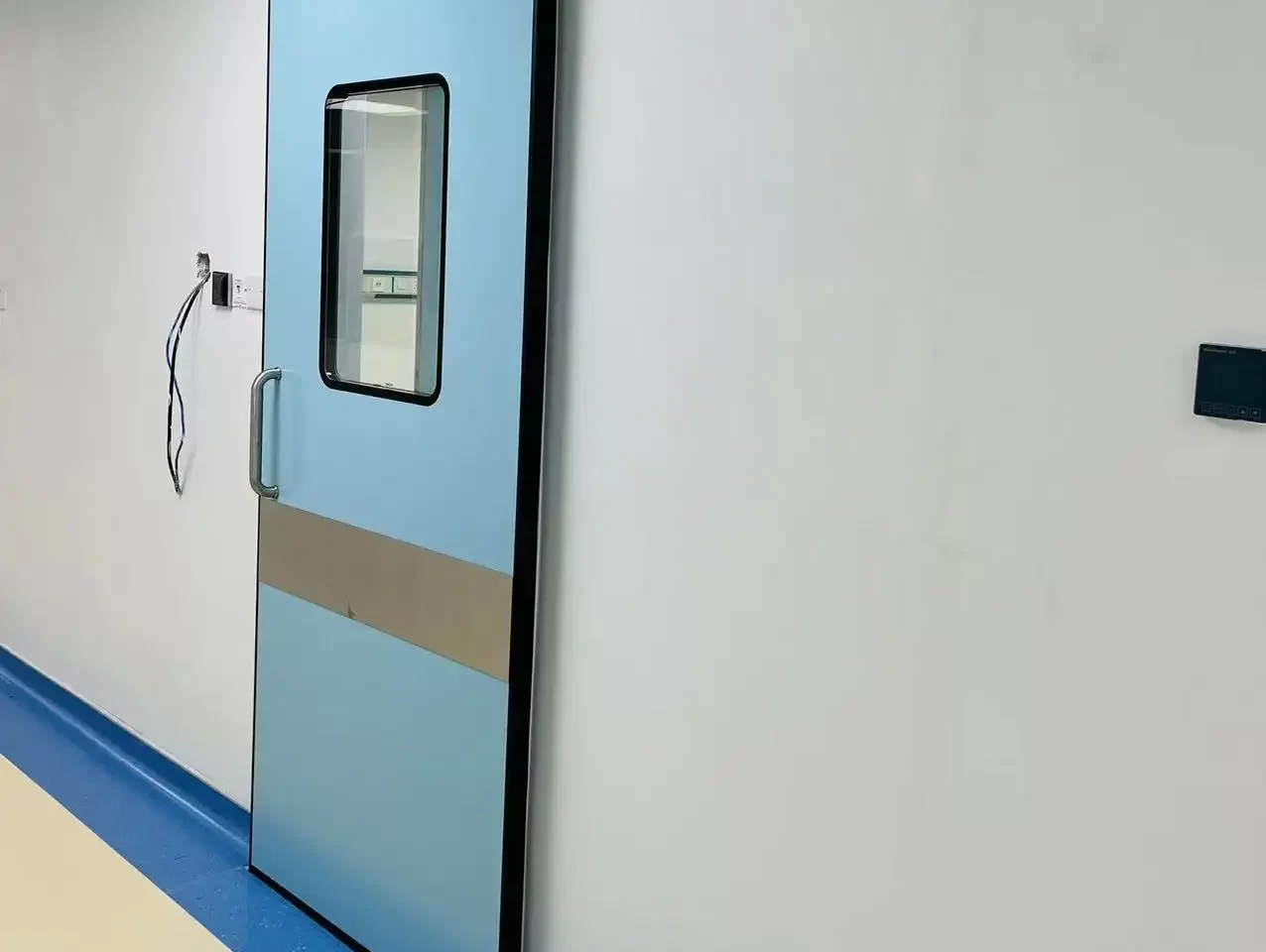 Automatic cleanroom door systems: sensor, actuator and access control integration
 -
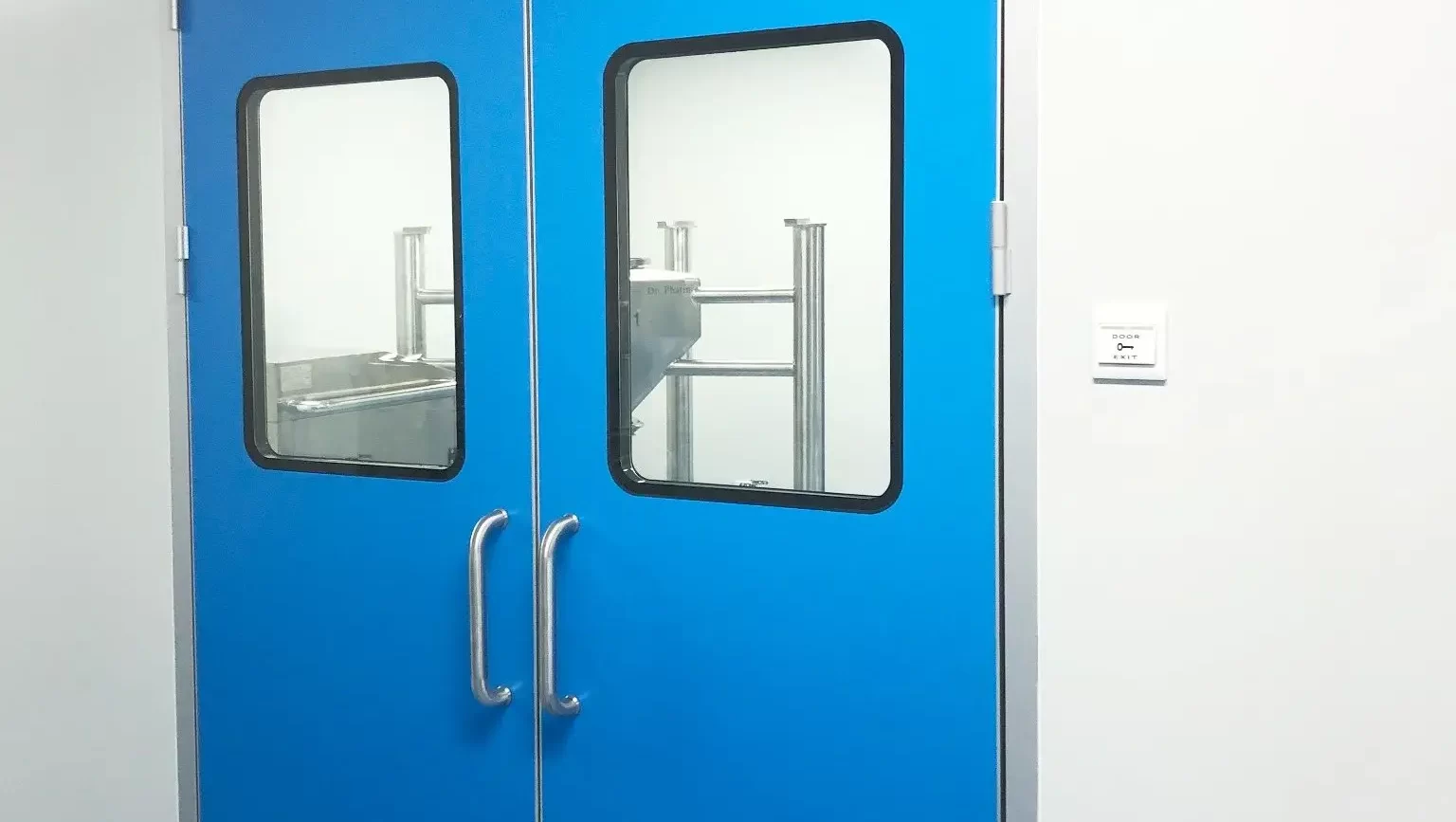 Cleanroom Door Materials: Stainless Steel vs HPL vs FRP vs Aluminum Comparison

-

Home
-

Tel
-

Email
-

Contact


Guangzhou Yizhong Aluminum Industry Co., Ltd.
We are always providing our customers with reliable products and considerate services.
We are always providing our customers with reliable products and considerate services.
Speak Your Mind