
Patient Room Doors: What Hospitals Should Consider Before Buying
"Why did the hinges on this ward door loosen after just six months?" Facility managers know this frustration well.
Many healthcare projects treat patient room doors as an afterthought. Buyers often view them as basic building materials, not critical medical infrastructure. The result is predictable. You get dented panels, noisy slamming, and degraded seals. These issues quickly drain maintenance budgets.
This guide skips generic product overviews. Instead, we provide a battle-tested pre-purchase checklist for facility managers and procurement teams. Focus on these 6 core dimensions. You will eliminate bidding risks and spend your budget wisely.
1. Infection Control & Cleanability
Hospitals demand rigorous infection control. High-touch surfaces like infection control doors for healthcare directly impact cross-contamination risks. During procurement, demand clear commitments and lab reports from suppliers on these details:
Chemical Resistance
Standard surfaces fail in medical environments. Choose Medical-Grade High-Pressure Laminate (HPL) or antimicrobial hospital doors coatings. Require lab data proving the material survives daily disinfection. This includes 1000mg/L chlorine, 75% alcohol, and H2O2 fogging. After 5,000 wipe cycles, the surface must show no fading, blistering, or peeling.
Seamless Construction
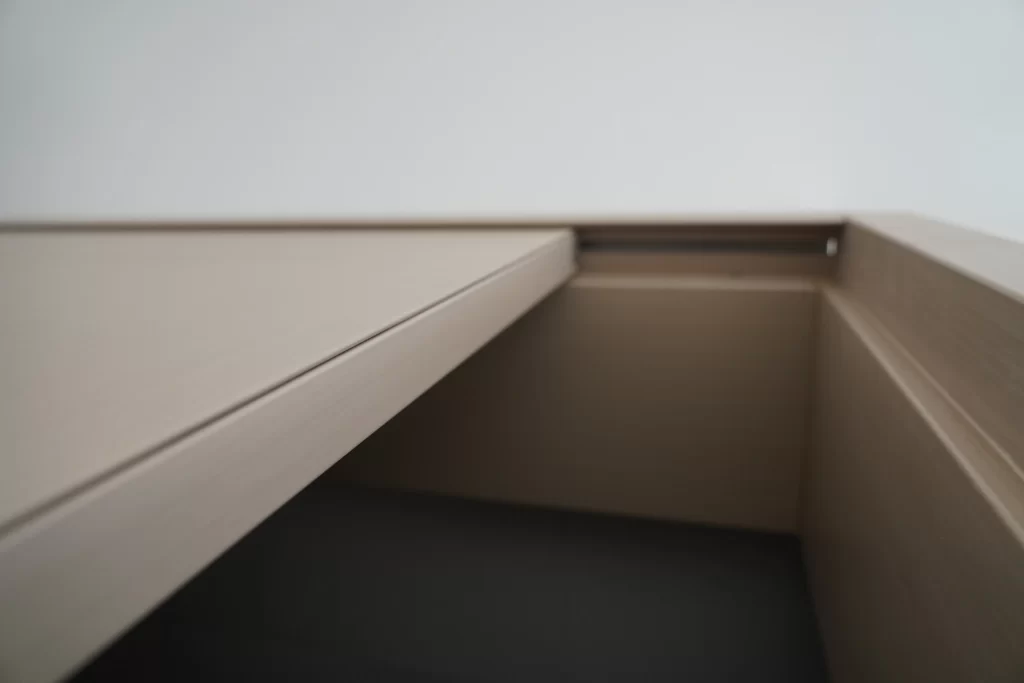
Inspect joints between the door leaf and hospital door frames. Premium doors use integrated molding. Avoid grooved decorative lines that trap dust. Use medical-grade anti-mold silicone at the wall junction. This eliminates hygiene dead zones and allows a "one-swipe clean."
Airflow Blocking
Bottom gaps must balance HVAC airflow and infection control. Isolation wards and ICUs require an Automatic Drop Seal. This device deploys upon closing. It forms a physical barrier against cross-contamination and meets strict smoke-seal standards.
2. Durability & Impact Resistance
Ward doors face daily impacts from beds, wheelchairs, and supply carts. Doors lacking robust design suffer structural damage within months.
Mechanical Protection
Your procurement specs must define impact protection. Standardize medical-grade kick plates and horizontal crash rails in the lower door half (300mm–900mm). This builds truly impact resistant hospital doors. Use 304/316 stainless steel or high-strength polymers. Crucially, secure them with through-bolts. Surface-mounted tape or short screws will fail. Through-bolts distribute impact force across the internal skeleton, preventing veneer tears.
Hardware Cycle Testing
Hinges, locks, and closers are the vital hospital door hardware and accessories. Require test reports compliant with ANSI/BHMA A156.13 or EN 1191 standards. Medical-grade hinges need at least 3 heavy-duty stainless steel ball-bearing units per door. They must handle a 120kg+ load. Door closers must achieve a 500,000-cycle rating without sagging or binding under heavy loads.
3. Acoustic Performance & Visual Privacy
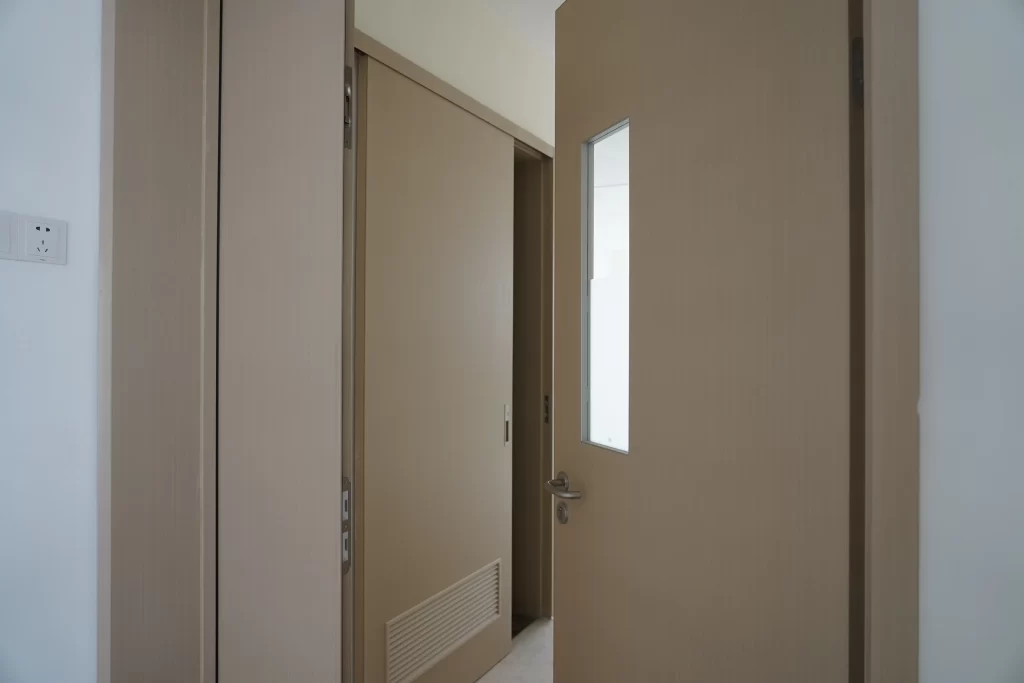
Quiet environments aid patient recovery. Confidentiality remains a medical ethics baseline. Teams frequently underestimate the acoustic performance of patient room doors. Corridor noise easily penetrates rooms and disrupts sleep.
Quantify STC Ratings
Bidding specs must explicitly state the STC rating. Standard ward doors need an STC of 30-35. ICUs and VIP rooms require an STC of 35-40 or higher. Remember, STC ratings apply to the entire healthcare door systems (leaf, frame, hardware, seals), not just the isolated door leaf.
3D Sealing System
Actual sound insulation relies on seals. Equip door frames with high-quality magnetic or compressible EPDM rubber seals. These seals provide necessary compression upon closing. They create genuinely soundproof hospital doors by blocking airborne sound transmission.
Dynamic Privacy
Vision panels facilitate clinical rounds but may expose patient privacy. Evaluate flexible solutions. Specify glass windows with integrated magnetic blinds or PDLC smart glass. Medical staff can toggle between transparent and frosted states with one switch. This balances rounding convenience with absolute patient privacy.
4. Vision Panel Safety & Functionality
Vision panels are potential safety hazards. Their design and materials must follow strict safety protocols.
Mandatory Safety Glass
Never use ordinary single-pane or substandard tempered glass. Specify laminated safety glass compliant with medical codes. It must feature a PVB interlayer of at least 0.76mm thickness. If impacted, fragments stay adhered to the interlayer. This prevents flying shards and maintains fire integrity.
Ergonomic Sightlines
The center height of vision panels in hospital doors requires ergonomic consideration. Set it at 1400mm–1500mm from the floor. This aligns with the natural sightline of standing medical staff. It also avoids visual oppression for wheelchair-bound or bedridden patients.
Leak-Proof Glazing
Inspect the window frame and glass junction. Premium products use seamless caulking or integrated extruded framing. This ensures smooth, flush edges. It prevents blood, fluids, or dust from seeping into the glass-frame interlayer, avoiding bacterial growth and stubborn stains.
5. Accessibility, Safety & Compliance
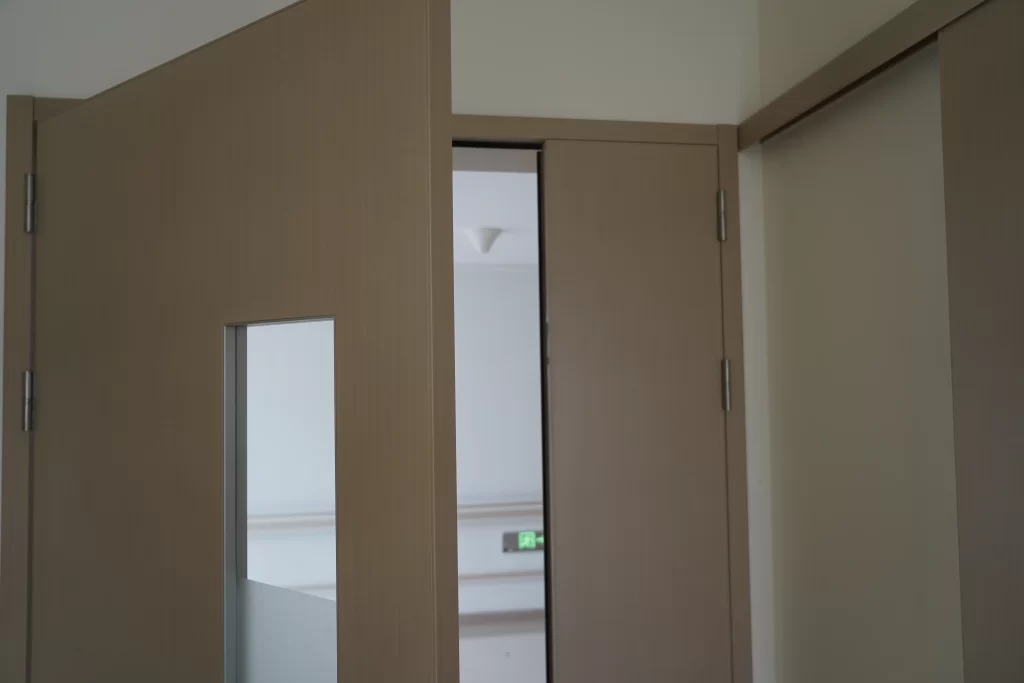
Medical door traffic flow directly impacts emergency response times. Safety concerns the well-being of patients and staff. Design compromises cause accidents.
Verify Clear Width
Do not just check the "rough opening width." Calculate the "clear width." Modern ICU beds and mobile C-arm machines are wide. When opened to 90 degrees, the clear width must meet local accessibility codes (typically ≥ 1000mm). This ensures compliance with ADA compliant hospital doors. Use slim-profile frames and 180-degree swing hinges to maximize passage space.
Anti-Pinch Mechanisms
Equip ward doors with delayed-action or soft-close door closers. This mechanism decelerates the door leaf during the final 10–15 degrees of closing. It prevents finger pinching and drastically reduces closing noise.
Fire & Smoke Certification
Patient room doors act as fire compartments. Equip them as fire rated patient room doors (e.g., FD30 or FD60). Verify that suppliers provide complete door system test reports from authoritative fire testing agencies. Intumescent seals must expand rapidly under high heat to block flames and toxic smoke.
6. Procurement Execution & Vendor Evaluation
Excellent products require excellent execution support. Technical and service capabilities determine final delivery quality when evaluating commercial hospital doors suppliers.
BIM Coordination
Modern projects rely on digital management. Does the supplier provide detailed CAD door schedule detailing? Can they supply BIM models at LOD 300/400? This ensures precise positioning of access control systems and nurse call buttons. It prevents destructive on-site core drilling.
Physical Mock-up Testing
Responsible suppliers provide full-scale physical mock-up doors before mass production. Organize facility maintenance, infection control, and nursing representatives to conduct on-site stress testing. Perform cart impacts and chemical wipe-downs. Only commence mass production after formal mock-up approval.
Lifecycle Support
Clarify the warranty period (premium doors offer 3–5 years). Ensure the supplier commits to long-term spare parts supply (seals, valve cores, crash rails). They must also provide standardized maintenance training for your facility team. This keeps the door system in optimal condition for a decade.
Conclusion
A good ward door remains "invisible" during daily operations. It safeguards patient privacy and sleep. It yields the path of life during emergencies. It remains robust despite daily disinfection and impacts. Procuring patient room doors is a strategic investment. It ensures operational resilience for the next decade.
Struggling with your project's door schedule?
Contact us for tailored configuration recommendations and professional door schedule detailing support. We help you get every detail right.
-
 Cleanroom Glass Windows Are The Key to Maintaining a Clean Environment
 -
 Top Aluminium Profile Manufacturers in China: Leading the Global Market
 -
 The Evolution of Air Tight Sliding Doors
 -
 AHU Aluminium Profile: A Comprehensive Guide
 -
 The Importance of Choosing the Right Cleanroom Door in Vietnam
 -
 The Benefits of Hospital Automatic Doors: Enhancing Efficiency and Safety
 -
.jpg) The Best Bathroom Door Manufacturers - Unlocking Endless Possibilities!
The Best Bathroom Door Manufacturers - Unlocking Endless Possibilities! -
 Unlock the Possibilities with AJ Manufacturing Doors
 -
 Make a Statement with Manufactured Home Interior Doors!
 -
 what is aluminum profile? Aluminum Profiles for Your Home is the best option
-
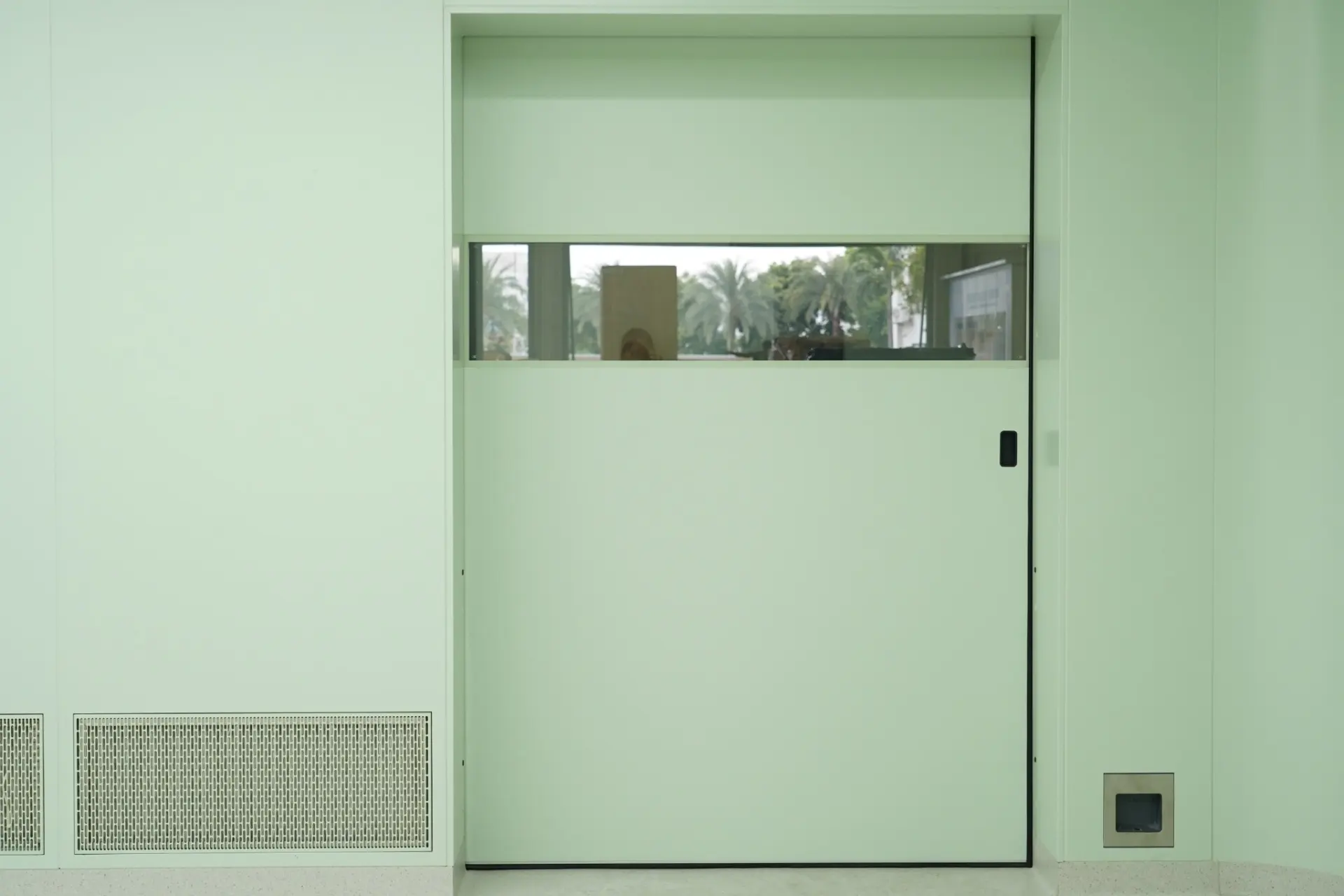 5 Hermetic Door Mistakes That Break the Seal
 -
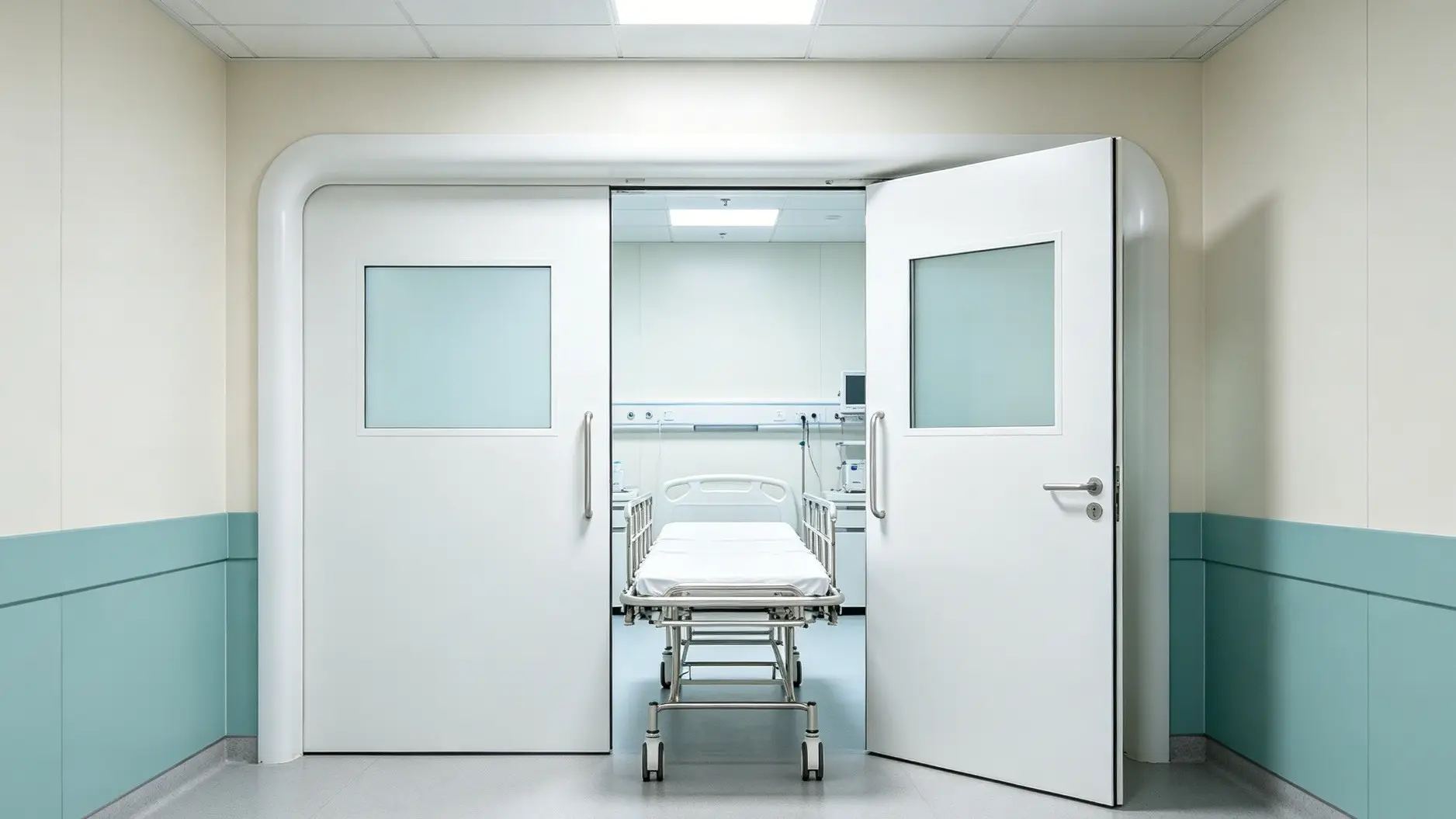 Hospital Room Door Size by Room Type: Width and Clearance
 -
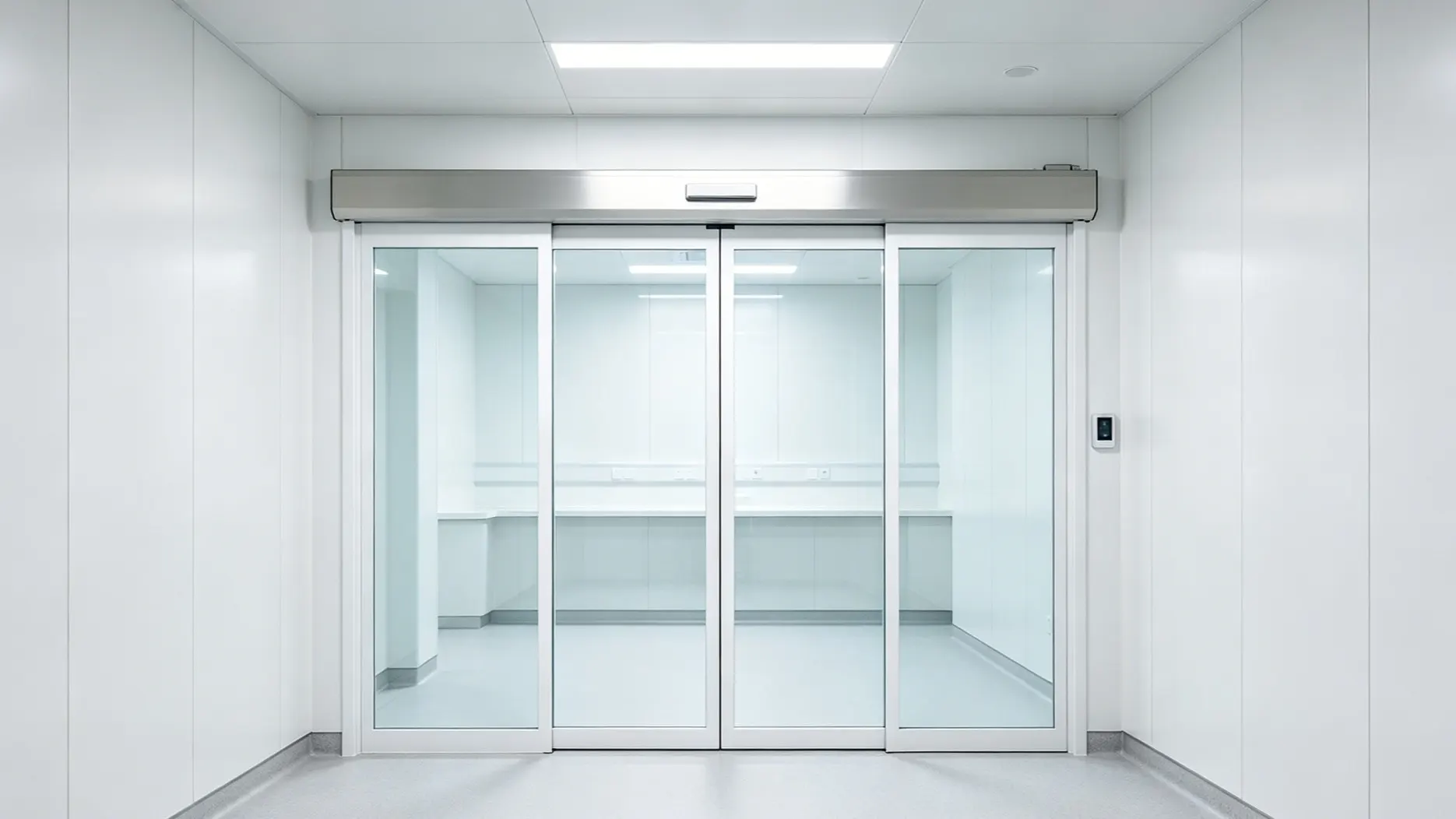 Retrofit Manual Doors with Electronic Glass Operators
 -
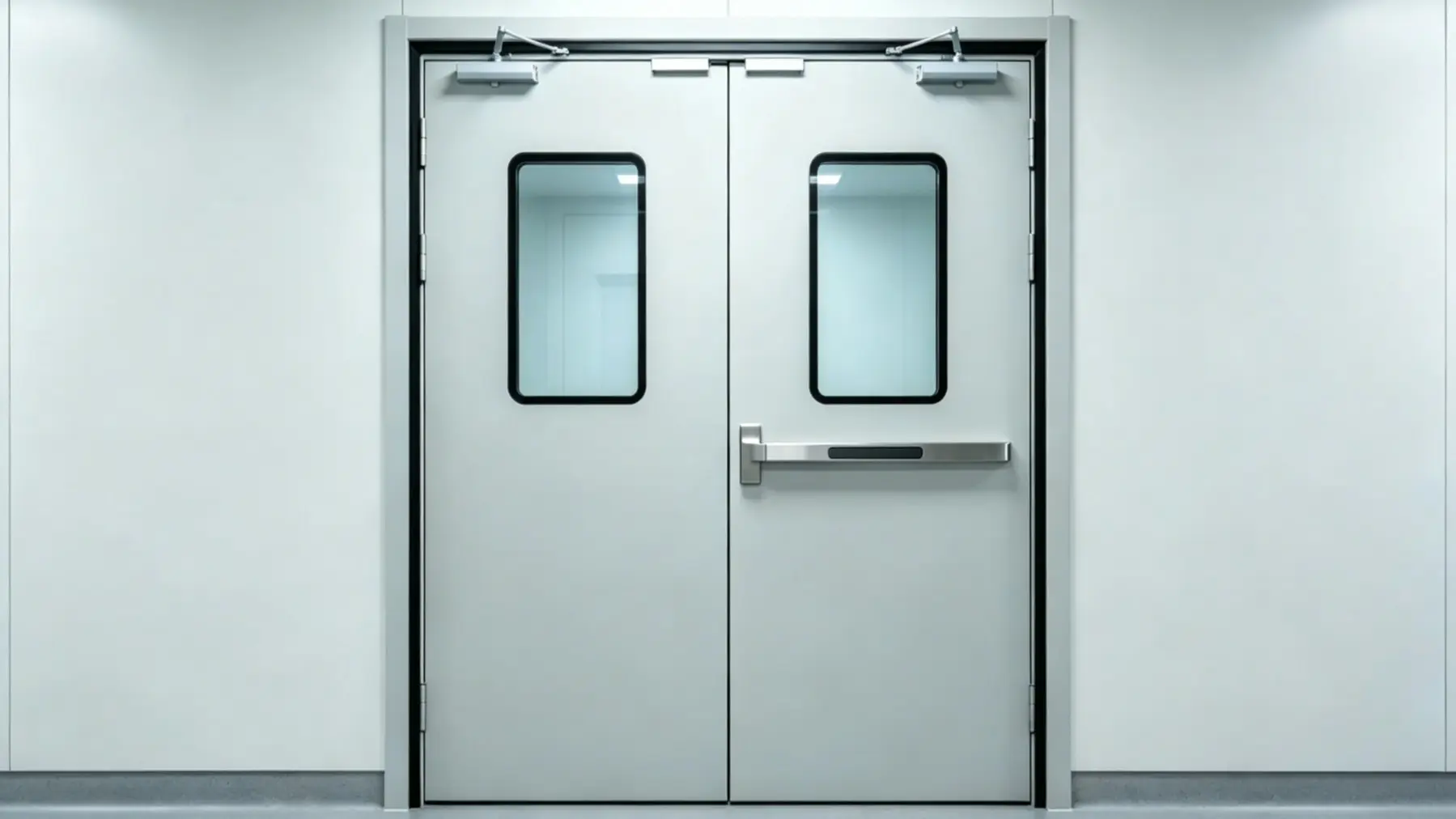 Hospital Emergency Exit Doors: 90 Minute Fire Rating Meets Infection Control
 -
 ICU and Isolation Door Requirements Hospitals Often Overlook
 -
 Laboratory Door Requirements for BSL-2 and BSL-3 Containment
 -
 Retrofitting Hospital Sliding Doors: Upgrade Wards Without a Rebuild
 -
 Why Airtight Hospital Sliding Doors Are Critical for Infection Control
 -
 Automatic cleanroom door systems: sensor, actuator and access control integration
 -
 Cleanroom Door Materials: Stainless Steel vs HPL vs FRP vs Aluminum Comparison




-

Home
-

Tel
-

Email
-

Contact


Guangzhou Yizhong Aluminum Industry Co., Ltd.
We are always providing our customers with reliable products and considerate services.
We are always providing our customers with reliable products and considerate services.
Speak Your Mind