
What to Know About Standard Door Width in Medical Environments
In the world of healthcare facility design, every inch matters. When you walk through a hospital, you might focus on the doctors or the high-tech monitors. But one of the most important parts of the building is the standard door width. It might seem like a small detail, but getting these sizes right is a vital part of patient safety protocols.
For hospital managers and builders, choosing the correct standard door width is about three things: safety, speed, and following the law. If a door is too narrow, a bed might get stuck during an emergency. If it is too wide in the wrong place, it might waste space or ruin the air pressure needed for infection control. In this guide, we will break down the rules for every room in simple, easy-to-understand terms.
Why Do We Need a Standard Door Width
Imagine a "Code Blue" emergency. A team of nurses is rushing a patient to the ICU. They are pushing a large bed with an oxygen tank and a heart monitor. If that door frame is even an inch too small, the team has to stop. In a hospital, every second is a part of the clinical workflow.
Using a standard door width ensures:
- Medical Equipment Mobility: Large machines and beds slide through without bumping.
- Effective Egress Paths: Patients and staff can leave quickly during a fire.
- Barrier-Free Access: Patients in wheelchairs can move around without help.
- Long-Term Durability: Wide doors prevent carts from hitting and damaging the walls.
General Standards: An At-a-Glance View
Before we dive into specific rooms, let’s look at the big picture. These numbers are the building codes used in modern medical centers today.
General Standard Door Width and Height Requirements
| Room Category | Minimum Clear Door Width | Minimum Clear Door Height | Operational Rationale |
|---|---|---|---|
| New Patient Bedrooms | 1400mm | 2140mm | Fits standard hospital beds. |
| Existing Patient Rooms | 1200mm | 2040mm | Minimum for older healthcare buildings. |
| Stretcher Access | 900mm | 2100mm | Important for stretcher pathways. |
| Hoist & Lift Areas | 1000mm | N/A | Rooms using patient lift systems. |
| Public Restrooms | 815mm (32 in) | 2000mm | Ensures wheelchair accessibility. |
While width is the focus of this guide, it is equally important to remember that height plays a role in safety; in fact, 90% of cleanrooms fail due to wrong standard door height, so always verify vertical clearances alongside width.
Hospital Patient Rooms: Balance and Care
A patient room needs to feel cozy, but it must work like a high-tech lab. The standard door width here is designed for the daily flow of nurses, visitors, and meals.
Patient Room Door Specifications
| Door Type | Recommended Width | Why This Size? |
|---|---|---|
| Single Swing Door | 36 inches (915mm) | Fits wheelchairs and two people passing. |
| Unequal Double Door | 42 - 48 inches | One large door leaf for beds; one small for staff. |
| Sliding Patient Door | 44 inches | Saves space in small recovery rooms. |
For most patient rooms, the standard door width is 36 inches. This is the minimum opening needed for a standard wheelchair and a nurse to walk through together. However, in "Acute Care" areas, the door often goes up to 48 inches because patients are often moved while still in their beds.
Emergency Rooms: Speed and Space
In trauma centers, speed is everything. The environment is high-energy, and the standard door width must reflect that.
Emergency and Trauma Area Requirements
| Area Type | Minimum Standard Door Width | Corridor Requirement |
|---|---|---|
| Main ER Entrance | 48 - 60 inches | Fits teams rushing with life-saving equipment. |
| Exam Rooms | 44 inches | Fits stretchers and portable X-ray units. |
| Trauma Bays | 48+ inches | Allows 3-4 staff to surround the patient. |
In new hospitals, hallways leading to the ER are usually 8 feet wide. To match this, the standard door width for the rooms must be at least 44 inches. This helps avoid "traffic jams" when every second counts.
Isolation Rooms: Germ Protection
Isolation rooms have a special job. They protect the rest of the hospital from germs. Here, the standard door width must work with airtight technology.
Isolation and ICU Door Standards
| Room Type | Door Style | Minimum Clear Width |
|---|---|---|
| Infectious Isolation | Sliding breakaway door | 36 - 44 inches |
| Intensive Care (ICU) | Biparting Sliding | 48 - 60 inches |
| Protective Environment | Swing with Seal | 42 inches |
In these rooms, we often use manual vs. automated sliding doors. A sliding door stays close to the wall and keeps the air still, which is a key part of environmental integrity—especially when paired with high-performance airtight sealing technology that prevents cross-contamination between zones.
Operating Rooms: The Sterile Zone
The Operating Room is where the most complex work happens. It is a sterile environment where the standard door width must accommodate huge machines.
Table 5: Operating Room and Surgical Suite Needs
| Requirement Category | Standard Door Width | Technical Note |
|---|---|---|
| General Surgical Path | 41.5 inches (1054mm) | Essential for emergency egress. |
| Hybrid OR Suites | 48 - 72 inches | Fits large robotic surgical tools. |
| Small Utility Rooms | 28 - 32 inches | For rooms with no accessible design needs. |
Maintaining sterility also depends on using doors specifically engineered for hospital cleanroom environments, where material choice and sealing precision are non-negotiable.
Understanding the Rules: ADA, NFPA, and FGI
If you are a builder, you know that "standard" also means "legal." There are three main groups that decide the standard door width.
ADA (Americans with Disabilities Act)
The ADA makes sure that people with disabilities have the same access as everyone else.
- The 32-Inch Minimum: Every public door must have a clear opening width of at least 32 inches.
- Maneuvering Clearances: There must be enough space around the door for a wheelchair to turn.
NFPA (Life Safety Code)
The National Fire Protection Association (NFPA) focuses on fire safety.
- Bed Evacuation: In hospitals, the standard door width on an exit path must be 41.5 inches. You must be able to move a patient out in their bed during a fire.
FGI Guidelines
The Facility Guidelines Institute (FGI) provides the "best practices" for medical facility planning. They often suggest a standard door width of 44 inches for any room where a patient might need emergency care.
Why Quality Matters: The Human Side of Doors
Choosing a standard door width is a technical task, but it has a very human result.
Workflow Efficiency
Nurses are the heartbeat of any hospital. When a door is the correct standard door width, their job is easier. They don't have to struggle with heavy doors, which reduces staff injuries.
Airtight Performance
In cleanrooms, the door must seal perfectly. Even a small gap can ruin the air pressure. These systems often use medical-grade materials such as stainless steel or anodized aluminum profiles to ensure long-term durability and compliance with cleanroom standards.
Custom Solutions for Special Needs
Sometimes, a "standard" size isn't enough. In labs or MRI rooms, you might need custom-engineered hospital doors designed to accommodate oversized equipment while maintaining pressure differentials and hygiene protocols.
- Imaging Suites: MRI machines are huge. You might need a biparting slide door with a width of 8 to 12 feet.
- Bariatric Care: For larger patients, doors are often 60 inches wide to fit extra-wide beds.
- Touchless Entry: Automated sensors ensure the standard door width is used without anyone touching a handle, which is great for hygienic standards.
Conclusion
In the end, picking the right standard door width is about planning for the future. Hospitals are busy, growing places. By choosing the right sizes today, you are making sure your building is ready for new machines and more patients.
Whether you are building a small clinic or a large hospital, remember that the door is the most important tool a nurse uses every day. Stick to the standard door width guidelines, and you will create a space that is safe, efficient, and built to last. If you want more help or special doors, you can check E-ZONG’s cleanroom door contact page.
FAQ
What is the minimum door width for a hospital patient room?
A hospital patient room door must be at least 36 inches wide. This size lets staff move beds and wheelchairs without trouble. It also helps them bring in medical equipment. The door meets most safety and accessibility rules.
Why do emergency rooms need wider doors?
Emergency rooms need doors that are at least 44 inches wide. These wide doors let stretchers and teams move fast. They help during emergencies and make patient care safer. Wide doors also help doctors and nurses work quickly.
How do door widths affect infection control?
Wide, airtight doors help stop germs from spreading. Fewer door openings mean less air moves between rooms. This lowers the chance of bacteria spreading in places like operating rooms.
Can hospitals customize door widths for special equipment?
Hospitals can get custom door widths for big machines. E-ZONG makes doors for rooms with MRI or CT scanners. These doors help staff move equipment safely and easily.
Do local building codes change door width requirements?
Local building codes can change what door width is needed. Hospitals should check city or state rules before building. Most codes use ADA, NFPA, and FGI rules, but some places have extra rules.
-
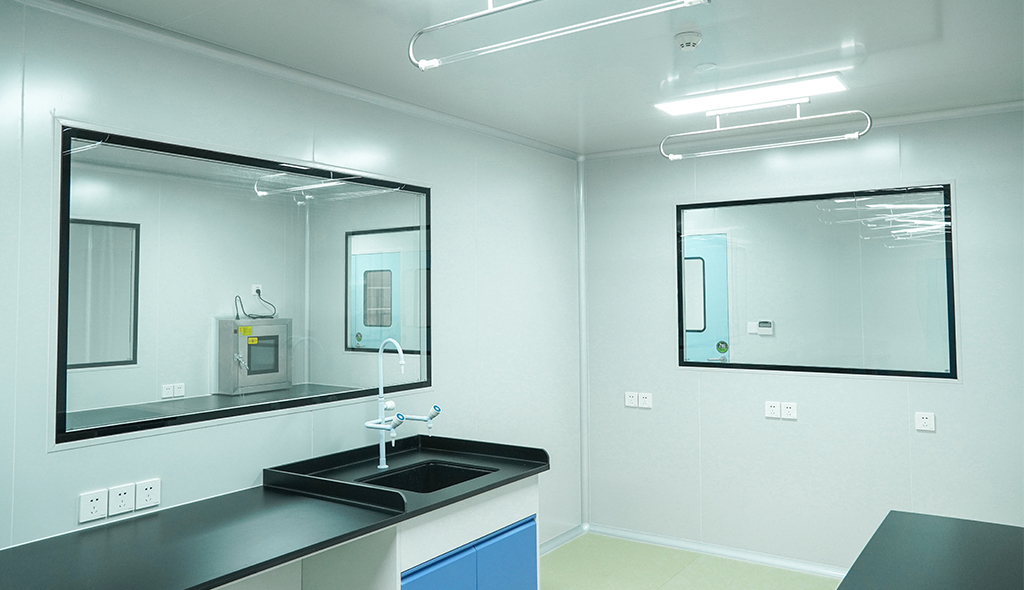 Cleanroom Glass Windows Are The Key to Maintaining a Clean Environment
 -
 Top Aluminium Profile Manufacturers in China: Leading the Global Market
 -
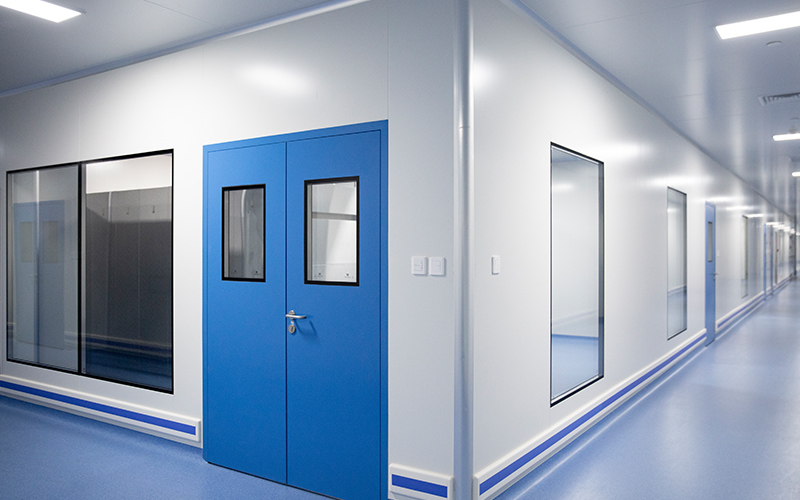 The Evolution of Air Tight Sliding Doors
 -
 AHU Aluminium Profile: A Comprehensive Guide
 -
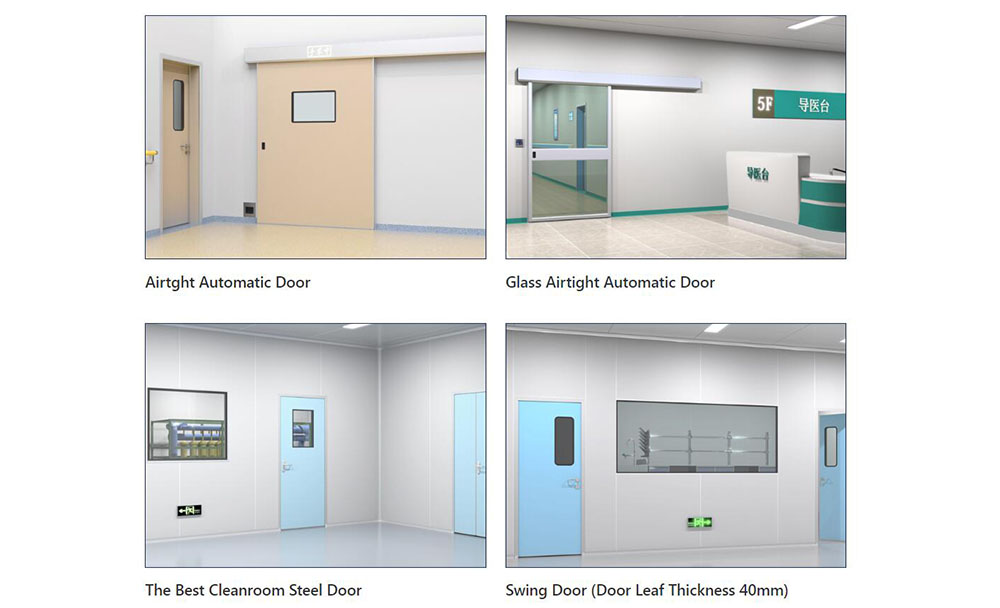 The Importance of Choosing the Right Cleanroom Door in Vietnam
 -
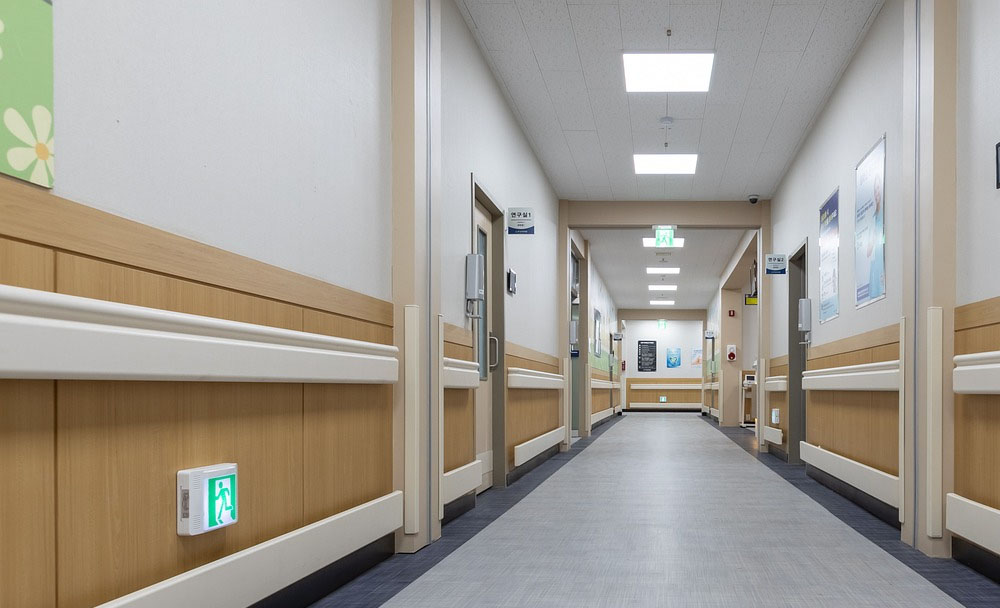 The Benefits of Hospital Automatic Doors: Enhancing Efficiency and Safety
 -
.jpg) The Best Bathroom Door Manufacturers - Unlocking Endless Possibilities!
The Best Bathroom Door Manufacturers - Unlocking Endless Possibilities! -
 Unlock the Possibilities with AJ Manufacturing Doors
 -
 Make a Statement with Manufactured Home Interior Doors!
 -
 what is aluminum profile? Aluminum Profiles for Your Home is the best option
-
 Hospital Emergency Exit Doors: 90 Minute Fire Rating Meets Infection Control
 -
 ICU and Isolation Door Requirements Hospitals Often Overlook
 -
 Laboratory Door Requirements for BSL-2 and BSL-3 Containment
 -
 Retrofitting Hospital Sliding Doors: Upgrade Wards Without a Rebuild
 -
 Why Airtight Hospital Sliding Doors Are Critical for Infection Control
 -
 Automatic cleanroom door systems: sensor, actuator and access control integration
 -
 Cleanroom Door Materials: Stainless Steel vs HPL vs FRP vs Aluminum Comparison
 -
 X-Ray Room Door Buying Guide: Lead Thickness & Compliance
 -
 Operating Room Doors: Hermetic & Infection-Control Guide
 -
 Hospital ICU Door Selection: Sealing, Sterility & Workflow




-

Home
-

Tel
-

Email
-

Contact


Guangzhou Yizhong Aluminum Industry Co., Ltd.
We are always providing our customers with reliable products and considerate services.
We are always providing our customers with reliable products and considerate services.
Speak Your Mind