
Aluminum Profile Supplier Selection Checklist
Introduction: From "Buying Materials" to "Selecting Capabilities"
In cleanroom engineering, medical infrastructure, HVAC systems, and high-end equipment manufacturing, aluminum profiles have evolved from basic structural components into critical system carriers. Procurement decisions focused solely on "price per ton" or "verbal delivery promises" frequently trigger hidden costs such as assembly interference, seal failure, and batch inconsistency. This guide is designed for B2B procurement managers, SQEs, structural engineers, and supply chain directors. It provides a quantifiable, auditable, and actionable evaluation framework.
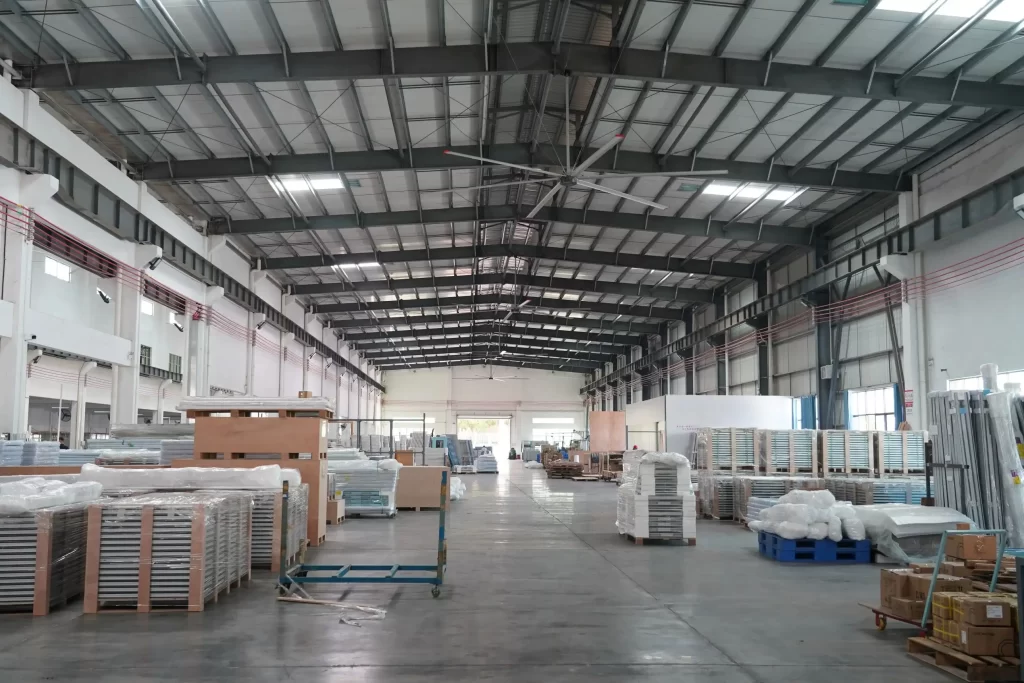
I. Technical & Process Capability Assessment (The Hard Foundation)
The inherent performance of aluminum profiles is defined by alloy composition and extrusion工艺, while surface treatment determines environmental adaptability. Evaluate a supplier's technical foundation by focusing on these metrics:
1. Alloy System & Composition Control Precision
- Standard Grade Matching: 6063-T5/T6 for general structures, 6061/6005A for load-bearing parts, 7075/2024 for aerospace/high-end equipment.
- Impurity Control:
- High-anodizing-quality parts require Fe≤0.25%, Si≥0.4% to prevent coarse β-Al5FeSi phases that cause dark/mottled finishes.
- Mg/Cu fluctuation must stay within ±0.05% to avoid yield strength (Rp0.2) dispersion after aging.
- Recycled Aluminum Threshold: ≤30% for industrial parts; ≤15% recommended for automotive/medical load-bearing components to prevent exponential fatigue life decay.
- Application Context: Frames for manufacturing an air diffuser or hvac diffuser require precise stiffness and tolerance matching to ensure airflow uniformity and noise control.
2. Extrusion & Heat Treatment Process Windows
- Equipment Matching: Extrusion ratio should be maintained at 30-60:1, with press tonnage strictly aligned to the circumscribed circle diameter.
- Isothermal Extrusion Capability: Gradient heating of billets combined with die cooling must compress deformation zone temperature variance to ≤±10℃, suppressing grain coarsening and weld lines.
- Heat Treatment Discipline:
- Clear switching thresholds between T5 (air cooling + aging) and T6 (water quenching + aging).
- Aging furnaces must have an effective heating zone covering the full profile length, temperature uniformity ≤±3℃, and automated curve logging with over-temperature alarms.
- Thin-Wall Section Control: For a ceiling diffuser or linear slot diffuser, suppliers must possess online quenching and rapid cooling capabilities to prevent cantilever deformation beyond tolerance.
3. Die Development & Lifecycle Management
- CAE Flow Simulation: Mandatory provision of HyperXtrude/QForm analysis reports to predict metal flow imbalance and stress concentration.
- Structural Optimization Parameters: Tongue ratio should be ≤12. Complex hollow cavities require optimized porthole counts and bearing land depths.
- Die Economics:
- Trial cycle ≤7-15 days. Theoretical output per 6063 die set must exceed 15 tons.
- Repair response ≤24 hours. Industry leaders now manage standardized die libraries for round ceiling diffuser, square ceiling diffuser, and linear bar grille, drastically shortening NPI cycles.
4. Surface Treatment & Inspection Benchmarking
- Anodizing: Standard film thickness 10-15μm; ≥20μm for outdoor/weather-resistant applications. Sealing loss ≤20mg/dm² (ISO 3210); salt spray ≥1000h without white corrosion.
- Coating Pretreatment: Mandatory transition to chromium-free processes (zirconium-titanium/silane). Adhesion must reach Grade 0-1 per ASTM D3359 cross-hatch test.
- Tolerance Standards: Strict compliance with GB/T 5237.1-2017 / EN 12020-2 / ASTM B221. Wall thickness tolerance ±0.15mm, straightness ≤1.5mm/m.
- Precision Requirements: Installation slot tolerances for a ceiling air diffuser or laminar flow diffuser typically demand ≤±0.10mm, requiring exceptional straightening precision and pretreatment surface flatness.
II. Quality System & Compliance Certification (The Risk Firewall)
Certificates are not decorations; they are institutional reflections of process stability. Buyers must pierce the "certification halo" and verify alignment with actual production.
1. Certification Matrix & Scope Verification
- Baseline: ISO 9001, ISO 14001.
- Industry Mandates: IATF 16949 (automotive), ISO 13485 (medical devices), GMP/ISO 14644 (cleanroom engineering).
- Verification Focus: Confirm the certificate's "scope" explicitly covers the supplied alloy grades, process routes, and surface treatment categories.
- Assembly-Specific: For a door with frame integrated assembly, verify the supplier possesses corner weld strength testing and negative-pressure airtightness validation capabilities.
2. Full-Chain Traceability & Batch Management
- Data Loop: Implement "one ingot-one code, one billet-one card, one batch-one report," seamlessly linking furnace number → extrusion batch → aging cycle → surface treatment tank sequence.
- Compliance Declarations: Export shipments must include complete RoHS/REACH SVHC lists, conflict mineral statements, and third-party SGS/CTI reports.
- Medical Context: For a vision panel door, the window bead and seal groove dimensions must strictly match the batch COA to prevent glass stress cracking from thermal expansion coefficient mismatches.
3. Process Monitoring & Exception Closure
- SPC Coverage: Extrusion temperature (480-520℃), traction force, aging curves, tank concentration/temperature/current density.
- Inspection Frequency: First Article Inspection (FAI) per AS9102; patrol inspections ≥ every 2 hours. Outgoing COAs must include spectral composition, mechanical properties (Rm/Rp0.2/A50), dimensional measurements, and film thickness.
- Process Capability Index: For a door seal mounting groove, suppliers must provide CPK≥1.33 reports for groove depth/width.
- Complaint Response: Follow the 8D methodology (24h ICA → 72h RCA → 14d PCA). Industry benchmarks maintain complaint PPM <500 (automotive) or <2000 (industrial), with recurrence rates <0.5%.
III. Capacity Resilience & Supply Chain Synergy (Delivery Certainty)
The hidden costs of delivery failures far exceed material price differences. Evaluate capacity by penetrating "book numbers" to identify real bottlenecks and flexibility.
1. Real Capacity & OEE Diagnostics
- Capacity Formula: Effective Capacity = Press Lines × Shifts × Overall Equipment Effectiveness (OEE). Premium OEE≥85%; <75% indicates frequent die changes, aging equipment, or chaotic scheduling.
- Bottleneck Identification: True constraints usually lie in aging furnace volume or anodizing/coating line pacing. Request process load heatmaps.
- Order Matching: Bulk orders for an automatic sliding door track or hospital sliding door load-bearing profile must avoid production lines with legacy equipment degradation.
2. Delivery Flexibility & VMI/JIT Support
- Delivery Baseline: Standard sections 7-10 days; complex hollow/multi-cavity sections 15-25 days.
- Buffer Mechanisms: Reserve 10-15% capacity for emergency rush orders; maintain ≥30% billet inventory for standard grades.
- Kit Delivery: In cleanroom turnkey projects, the cleanroom sliding door profiles must arrive at the same time as the cleanroom wall panels, and the complete delivery rate should be included in the KPI assessment.
3. Logistics Protection & After-Sales Synergy
- Packaging Standards: PE stretch film + corner guards + moisture-proof pearl cotton + steel-strapped pallets. Add top covers for long-haul transit. Target damage rate <0.1%.
- Maintenance Spares: For automated door systems, provide an automatic door maintenance spare kit (replacement track profiles, wear buffers) and establish a 24-hour technical response channel to minimize downtime.
- Modular Advantage: Pre-assembly capability for a cleanroom air shower frame can reduce on-site installation cycles by over 30%.
IV. Cost Deconstruction & TCO Perspective (Escaping the "Low-Price Trap")
Procurement must shift from "lowest unit price" to "optimal Total Cost of Ownership (TCO)." Aluminum profile cost structures are transparent, but hidden losses are frequently overlooked.
1. Transparent Quotation Breakdown
- Standard Formula: Quote = Base Aluminum Price (SMM/LME) + Processing Fee (difficulty coefficient 1.0-2.0) + Surface Treatment Fee + Die Amortization.
- Price Linkage Agreements: Supplier absorbs aluminum price fluctuations within ±3%; beyond that, adjust monthly/quarterly via formula.
- Integrated Cost Reduction: Using a return air grille with filter integrated section instead of separate assemblies can eliminate secondary welding for return air grille and air return grille procurement, reducing per-unit cost by 8-12%.
2. Hidden Cost Identification & VE/VA Intervention
- TCO Black Holes: Internal scrap rate pass-through, rework sorting, non-deductible trial fees, and over-machining due to overly strict tolerances.
- Value Engineering: Topological optimization can reduce weight by 10-15% without sacrificing stiffness. Alternatively, replacing independent filter frames with a filter return air grille in non-load-bearing zones optimizes airflow resistance and lowers profile consumption.
- Cost Reduction Potential: VE/VA typically yields 5-12% annual savings, contingent on supplier DFM pre-collaboration capability.
3. Financial Health & Fulfillment Willingness
- Audit Red Flags: Debt-to-asset ratio <65%, positive operating cash flow, interest coverage ratio >3.
- Long-Term Order Risks: operating room door and operating room doors projects often involve extended payment terms. If suppliers delay upstream aluminum billet payments, disruption risk escalates exponentially.
- Decision Model: Establish a "price-delivery-payment terms" triad balance to avoid supply chain fractures from single-metric price squeezing.
V. ESG & Sustainability (The Future Admission Ticket)
EU CBAM and domestic dual-carbon targets have transformed ESG from a "bonus" to an "admission ticket."
1. Low-Carbon Aluminum & Carbon Footprint Disclosure
- Green Power Ratio: Hydro/green electricity aluminum procurement must exceed 30%, supported by ISO 14067 product carbon footprint (LCA) reports.
- Emission Levels: Industry leaders achieve <6.5kg CO2e/kg aluminum (compared to 13-15kg for coal-fired smelting).
- Compliance Requirements: In pharmaceutical clean room door and surgery room doors supply chains, multinationals mandate Scope 1&2 verified reports. Carbon performance should carry 10-15% weight in bidding evaluations.
2. Environmental Governance & Waste Control
- Water Reuse: Anodizing wastewater must achieve ≥85% reclaimed water recycling. Heavy metals (Ni/Cr/Al) must comply with GB 8978 Tier 1 standards.
- Emission Control: Coating VOCs must be treated via RTO with >95% efficiency. Hazardous waste transfers require electronic manifests.
- Surface Treatment Upgrades: chromium-free pretreatment and water-based powder coating for a clean room door and clean room doors reduce VOCs residue, aligning with stringent medical/semiconductor cleanliness standards.
3. Circular Economy & Social Responsibility
- Recycling Certification: Closed-loop scrap aluminum recovery rate >90%, with GRS/RCS recycled material certification.
- Compliance Baseline: Adherence to SA8000/ISO 26000, zero tolerance for forced overtime or commercial bribery.
- Material Evolution: High-recycled-content profiles are increasingly used in non-core load-bearing components like hospital room door. Procurement teams must build a "performance-carbon footprint-compliance cost" triad assessment model.
VI. On-Site Audit & Long-Term Management (Execution & Closure)
The checklist's value lies in closure. Procurement teams must establish standardized audit and dynamic management workflows.
1. On-Site Audit Route Checklist
Execute verification along this route, focusing on evidence collection:
- Melting/Casting Zone: Degassing/refining records, ceramic filter board replacement frequency.
- Extrusion Zone: Isothermal curve printouts, traction synchronization rates, die temperature control.
- Aging Zone: Furnace temperature uniformity verification, quenching water temperature monitoring, batch labeling.
- Surface Treatment Zone: Tank concentration/temperature/current inspection logs, chromium-free process validation.
- Warehousing Zone: Batch segregation, FIFO execution, 5S visual management, moisture control measures.
- Sampling Verification: Spectral composition (±0.02% tolerance), Webster hardness (HW≥8), film thickness (5-point average), salt spray coupons.
- Specialized Testing: vision panel door slot straightness (CMM), door with frame corner destructive pull testing.
2. Key Contract Clause Design
- Dual-Sourcing Strategy: 70/30 or 60/40 primary/backup split, geographically diversified to mitigate power rationing/geopolitical risks.
- Binding Clauses:
- Quality compensation cap: 100-200% of batch value.
- Delivery penalty: 0.5% per day delayed.
- Design change response: ≤48h; mass production clearance requires ≥95% trial yield.
- Intellectual Property: Clarify drawing ownership, NDA terms, and force majeure definitions.
3. QCDS Performance & QBR Mechanism
Establish Quarterly Business Reviews (QBR) scored across dimensions:
- Quality (30%): PPM/complaint rate, automatic door maintenance spare delivery rate.
- Cost (25%): VE cost reduction contribution, TCO optimization margin.
- Delivery (25%): OTD punctuality, kit-completion rate.
- Service (20%): DFM response speed, return air grille with filter batch consistency.
- Tiered Management: Implement A/B/C/D grading. Eliminate D-tier; upgrade A-tier to JDM co-development, capacity reservation, or strategic investment agreements.
Conclusion: Building a Resilient, Transparent, and Win-Win Aluminum Profile Supply Chain
Choosing an aluminum profile supplier is fundamentally about selecting a trustworthy manufacturing system and technical ecosystem. Low-bid tactics win short-term orders; capability assessments win long-term markets. Procurement teams should convert this checklist into a standardized SOP, dynamically adjusting weightings based on enterprise positioning (automotive, photovoltaic, medical, cleanroom engineering).
-
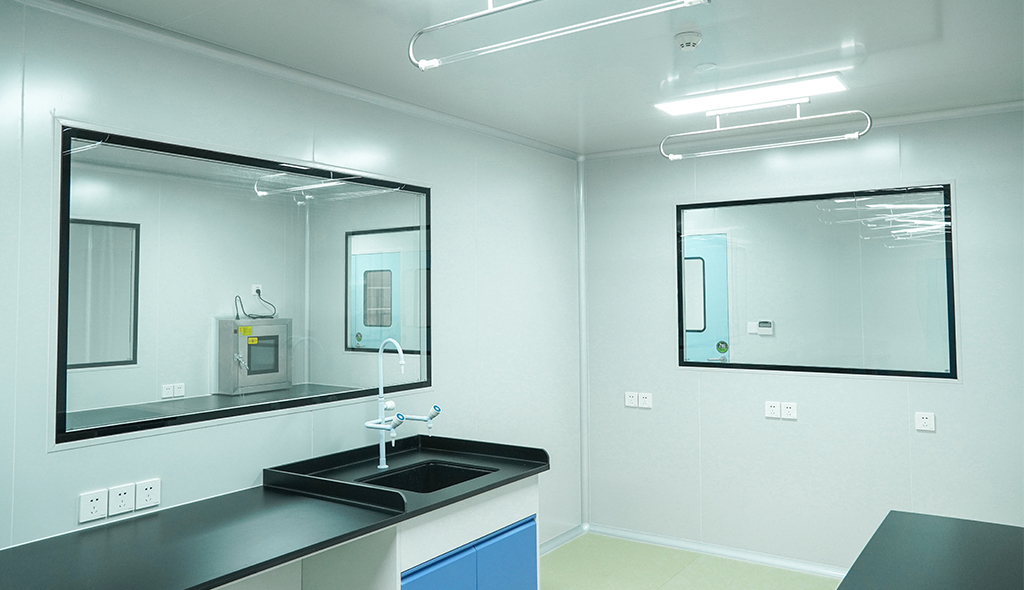 Cleanroom Glass Windows Are The Key to Maintaining a Clean Environment
 -
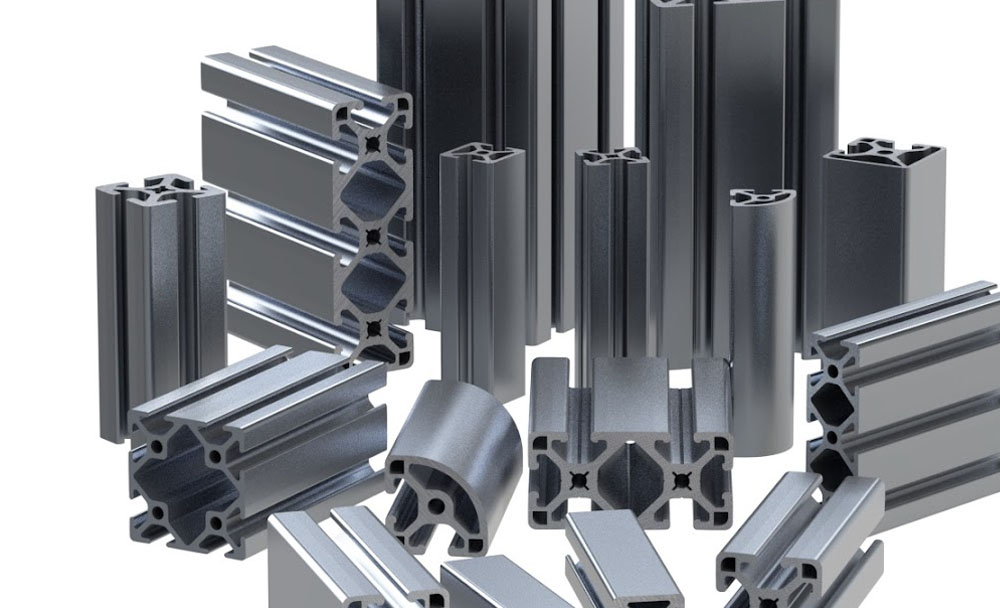 Top Aluminium Profile Manufacturers in China: Leading the Global Market
 -
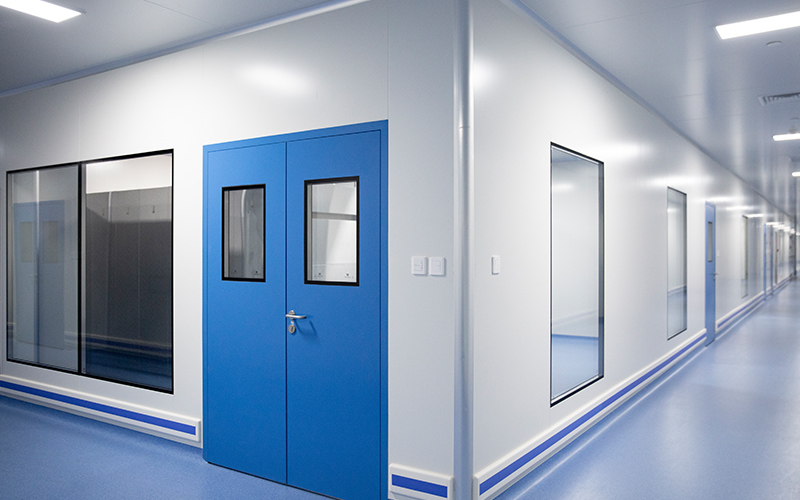 The Evolution of Air Tight Sliding Doors
 -
 AHU Aluminium Profile: A Comprehensive Guide
 -
 The Importance of Choosing the Right Cleanroom Door in Vietnam
 -
 The Benefits of Hospital Automatic Doors: Enhancing Efficiency and Safety
 -
.jpg) The Best Bathroom Door Manufacturers - Unlocking Endless Possibilities!
The Best Bathroom Door Manufacturers - Unlocking Endless Possibilities! -
 Unlock the Possibilities with AJ Manufacturing Doors
 -
 Make a Statement with Manufactured Home Interior Doors!
 -
 what is aluminum profile? Aluminum Profiles for Your Home is the best option
-
 5 Hermetic Door Mistakes That Break the Seal
 -
 Hospital Room Door Size by Room Type: Width and Clearance
 -
 Retrofit Manual Doors with Electronic Glass Operators
 -
 Hospital Emergency Exit Doors: 90 Minute Fire Rating Meets Infection Control
 -
 ICU and Isolation Door Requirements Hospitals Often Overlook
 -
 Laboratory Door Requirements for BSL-2 and BSL-3 Containment
 -
 Retrofitting Hospital Sliding Doors: Upgrade Wards Without a Rebuild
 -
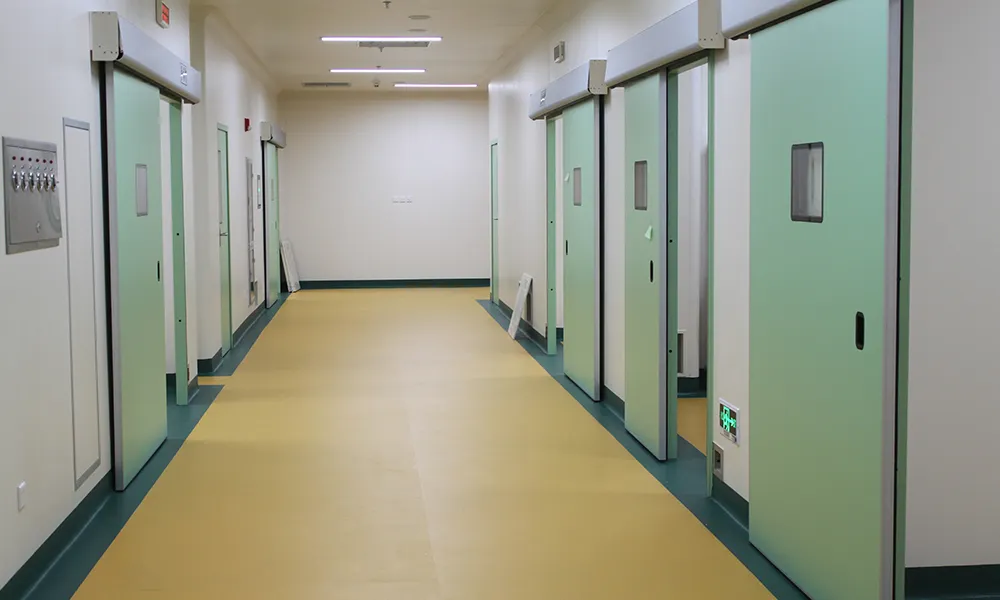 Why Airtight Hospital Sliding Doors Are Critical for Infection Control
 -
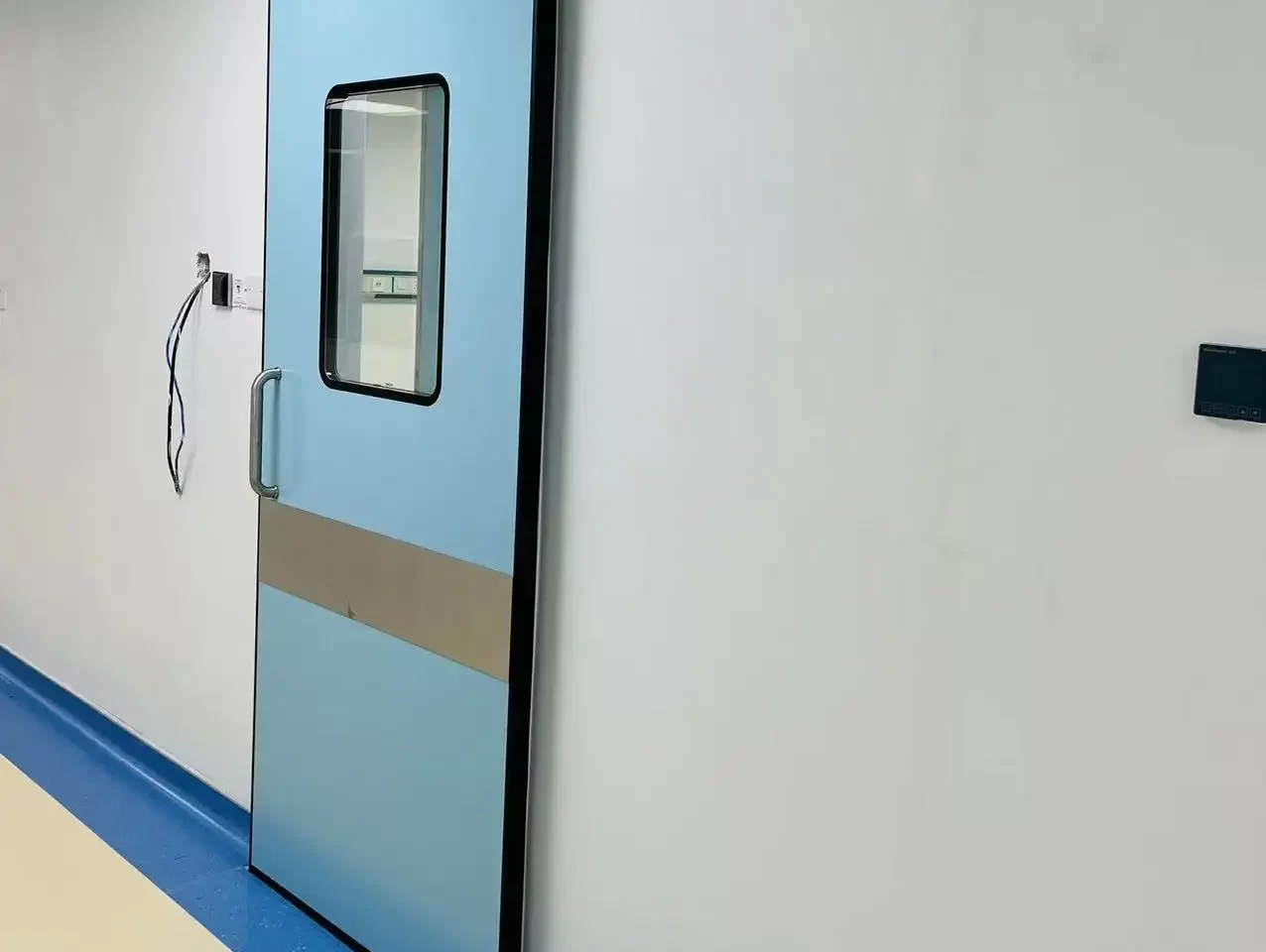 Automatic cleanroom door systems: sensor, actuator and access control integration
 -
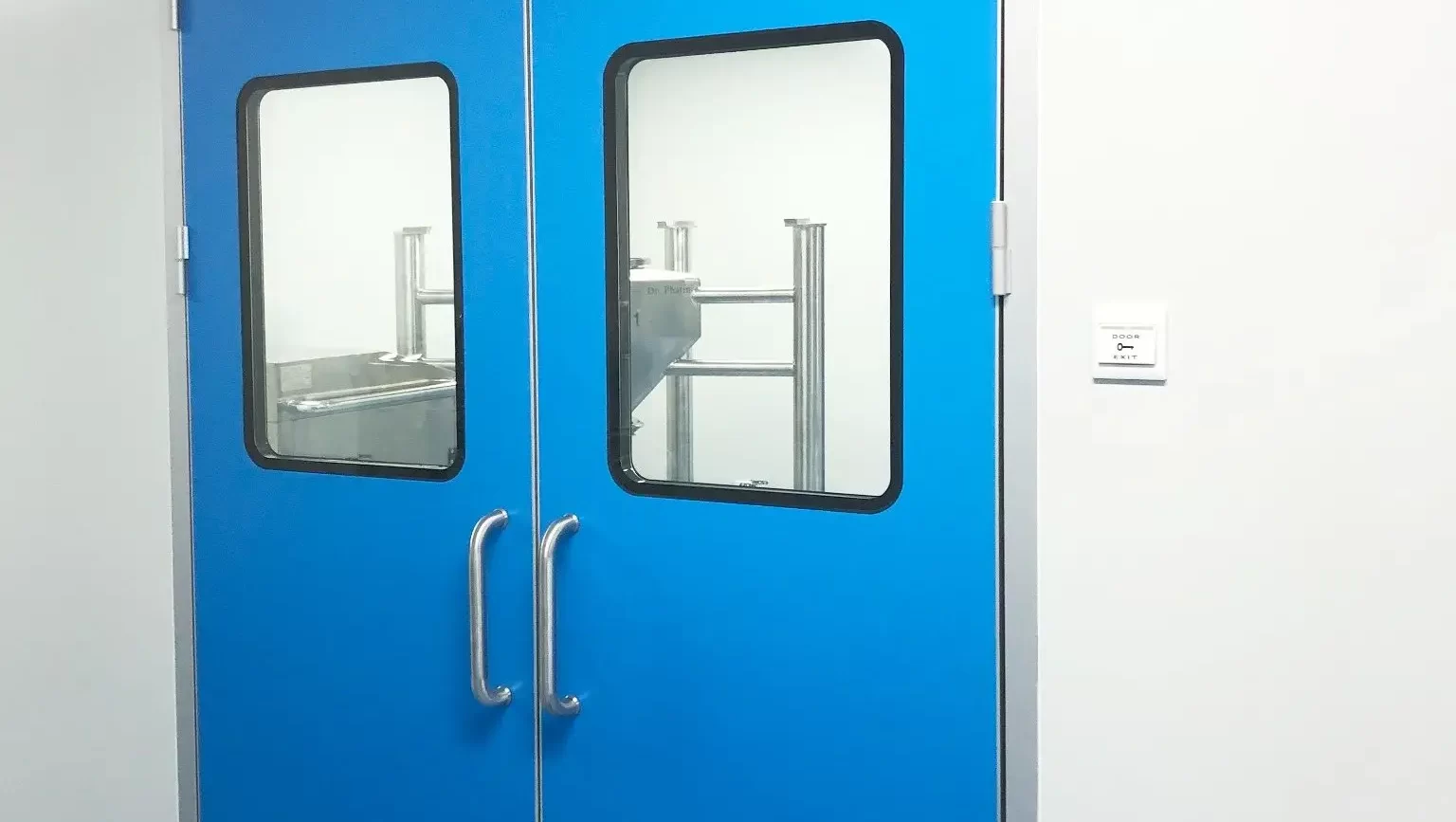 Cleanroom Door Materials: Stainless Steel vs HPL vs FRP vs Aluminum Comparison


-

Home
-

Tel
-

Email
-

Contact


Guangzhou Yizhong Aluminum Industry Co., Ltd.
We are always providing our customers with reliable products and considerate services.
We are always providing our customers with reliable products and considerate services.
Speak Your Mind