
Fire Rated Cleanroom Doors for Controlled Environments
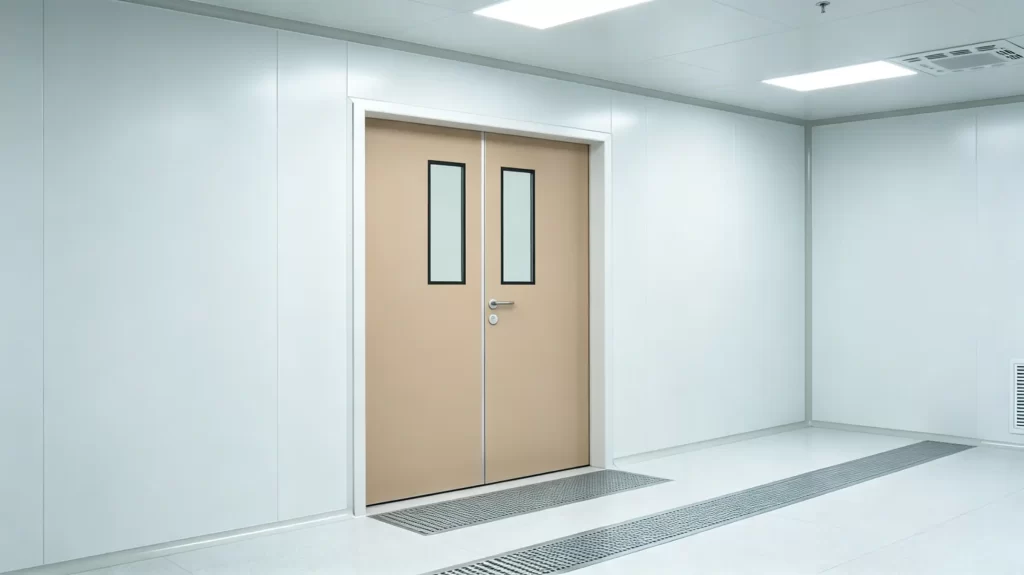
Seasoned cleanroom professionals know that in controlled environments, a door is never just a simple component ordered to match a rough opening. It is the gatekeeper of pressure differentials, the physical boundary of microbial containment, and the critical intersection where fire code inspections meet GMP audits.
Many projects initially substitute standard fire doors to cut costs or accelerate schedules. While they may pass basic fire tests, operational failures quickly emerge. Intumescent seals degrade and shed particles, triggering airborne particle alarms. Coatings blister or peel under repeated VHP or peracetic acid decontamination. Square-cornered frames become cleaning blind spots and pressure leakage sources.
This is precisely where fire rated cleanroom doors solve a fundamental engineering contradiction. They are not a superficial patchwork of fire rating and cleanroom compatibility, but a system-level redesign. This redesign spans core materials, dual-seal architecture, hardware specification, and interface detailing. When developing a cleanroom fire door specification, engineering teams must move beyond isolated parameter checks.
This guide bypasses generic overviews to address real-world cleanroom conditions. It breaks down the synergy between fire and cleanliness standards, compliance documentation requirements, and installation and maintenance pitfalls. It provides actionable selection and validation criteria for general contractors, procurement specialists, and QA/EHS compliance managers.
2. Core Performance Metrics: Aligning Fire Ratings with Cleanliness Classifications
Fire resistance and cleanroom compatibility are not independent compliance tracks. They are tightly coupled engineering parameters. Selection requires a multidimensional matrix approach rather than evaluating standalone data points.
Fire Compliance Baseline International fire resistance ratings are typically categorized at 30, 60, 90, or 120 minutes. The European market mandates EN 16034. Certification for EN 16034 cleanroom doors requires simultaneous compliance with EN 13501-2 (fire performance classification) and EN 1634-1 (smoke control testing). A Declaration of Performance (DoP) must accompany the product for legal CE marking.
In North America, NFPA 80 (Standard for Fire Doors and Other Opening Protectives) and NFPA 101 (Life Safety Code) serve as the enforcement baseline. UL 10C (Positive Pressure Fire Tests) and UL 9 are common test protocols. Achieving NFPA 80 cleanroom door compliance is the minimum threshold. However, tolerance requirements for initial leaf-to-frame gaps, hardware fire equivalency, and closer closing times vary significantly across standards.
For instance, NFPA 80 strictly limits the gap between the door leaf and frame to 3 mm. European standards impose tighter tolerances on side clearances. Projects must establish the governing jurisdictional baseline early to avoid costly rework during final inspections.
Cleanroom Compatibility ISO 14644-1:2020 sets strict surface control requirements for Class 5–8 cleanrooms. Door exterior surfaces must achieve a roughness average of Ra ≤ 0.8 μm. Particle shedding during dynamic friction or wipe testing must remain below ambient baseline levels. Meeting ISO 14644 fire door requirements hinges on surface passivation and seamless joint detailing.
EU GMP Annex 1 (2022) further mandates that all contact surfaces must be cleanable, verifiable, and free from microbial harborage. Inaccessible grooves or joints are explicitly prohibited.
Regarding pressure maintenance, the door system’s air leakage rate at a static 50 Pa differential must not exceed 1.0 m³/h·m (tested per EN 12207). Validating this through fire door leak rate testing cleanroom protocols directly informs HVAC air volume redundancy design. Excessive leakage increases energy consumption and triggers frequent pressure compensation cycling. This accelerates fan and VFD wear.
Performance Trade-Off Matrix Real-world engineering demands balancing competing variables:
- Higher fire ratings increase core density and leaf weight. This exponentially raises hinge load ratings and closer torque requirements.
- Higher cleanliness classes demand complex surface passivation and sealing architectures. Third-party particle and microbial shedding validation is mandatory.
- In heavily decontaminated aseptic cores, material chemical resistance must withstand ≥5,000 cycles (extrapolated per ISO 11138 sterilization validation logic).
Procurement teams should require suppliers to submit complete parameter trade-off reports. Explicit test conditions and boundaries must be documented to avoid paper compliance and field failure.
3. Structural Design & Material Science: Achieving Dead-Space-Free Fire & Clean Performance
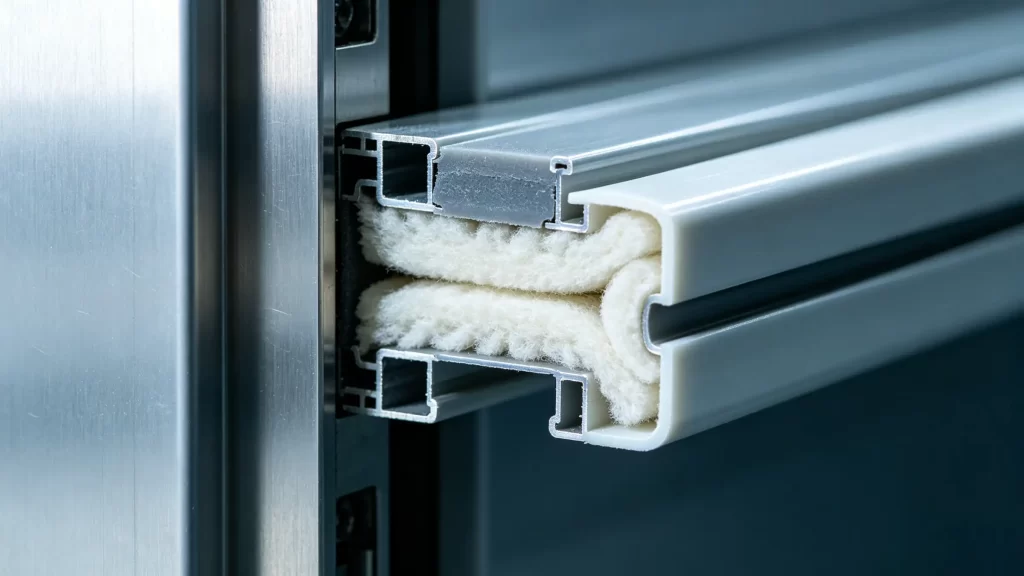
Every microscopic detail in door construction directly impacts long-term controlled environment stability. The true value of cleanroom fire doors lies in often-overlooked interface nodes.
Door Leaf Construction Logic Fire-resistant cores typically use low-density mineral wool (80–120 kg/m³) or expanded perlite composite boards. Mineral wool offers low thermal conductivity (≤0.045 W/m·K) and excellent fire stability. However, moisture absorption causes uneven weight distribution. Aluminum foil or fiberglass moisture barriers are mandatory. Perlite cores are lighter but lack impact resistance. Internal cold-formed reinforcement grids compensate for structural rigidity.
Facing materials must be strictly matched to operational conditions. Electropolished 316L stainless steel is ideal for high-corrosion or high-cleanliness environments. It offers superior resistance to VHP and strong oxidizers. Food-grade epoxy powder coatings (compliant with FDA 21 CFR 175.300) suit standard pharmaceutical facilities. They provide cost efficiency and dense, non-porous surfaces. HPL (High-Pressure Laminate) is typically reserved for corridor-side non-contact zones. Edge banding must use adhesive-free hot-melt processes to prevent adhesive aging and outgassing.
Dual-Seal Architecture The core technology of cleanroom fire doors lies in decoupling ambient airtightness from high-temperature fire resistance. Optimizing the cleanroom door sealing system requires a staggered, stepped layout.
The interior track uses an intumescent fire seal. It expands 8–12 times at 180–200°C, rapidly filling gaps to block smoke and thermal convection. The exterior or pressure-side track uses cleanroom-grade silicone or EPDM seals. These feature low VOC outgassing (TVOC ≤ 0.05 mg/m²·h), UV resistance, and strong oxidizer compatibility.
The two tracks must operate independently to prevent permanent deformation from ambient compression. Single-track shared designs represent a common failure mode in legacy products. When the intumescent seal activates during early fire stages, it ruptures the cleanroom seal. This causes instantaneous pressure collapse. Engineering airtight fire doors for cleanrooms depends entirely on independent seal activation logic and precise manufacturing tolerances.
Frame & Threshold Engineering Details Flush design paired with coved radii (R3–R5 mm) is the industry consensus for particulate control. Square corners trap dust and resist wiping. Rounded transitions enable true WIP (wet in-place cleaning) coverage, allowing lint-free wipes or mops to glide without leaving residue.
Thresholds should be zero-height or feature a micro-slope (≤2%). This aligns seamlessly with pass-through hatches and airlock flooring, preventing airflow short-circuiting or trip hazards. A 3–5 mm expansion gap between the frame and wall must be filled with flexible fire-rated sealant. This absorbs building settlement and thermal expansion stresses, preventing rigid cracking.
Hardware Cleanroom Adaptation Hardware is the weakest link in long-term reliability. Hinges compliant with cleanroom door hardware requirements must use continuous piano hinges or heavy-duty ball-bearing designs. Single-leaf capacity should be ≥120 kg. Traditional oiling ports must be eliminated to prevent lubricant leakage onto clean surfaces.
Door closers require integrated leak-proof cavities. Anodized or passivated housings prevent metal ion migration. Panic bars and electric locks must feature groove-free, quick-release structures to satisfy FDA 21 CFR 211 cleanability mandates. All exposed fasteners should be counter-sunk and secured with medium-strength threadlocker to prevent high-frequency vibration loosening.
4. Certification Systems & Compliance Pathways: Building a Complete Audit Evidence Chain
Cleanroom fire doors face a dual certification challenge during project handover. Fire testing emphasizes structural integrity under extreme thermal loads. Cleanroom validation focuses on ambient particulate control and surface cleanability. These testing conditions inherently conflict. A systematic documentation package is required to build a defensible audit trail. In the compliance review of pharmaceutical cleanroom fire doors, documentation completeness often outweighs hardware specifications in auditor scrutiny.
Mandatory Compliance Documentation Package
- Third-party fire test reports: Must explicitly state fire integrity, insulation (if applicable), smoke density (ASTM E662 or EN 13501-5), and toxic gas emissions (NES 713 or ISO 19700). Report numbers must cross-reference door nameplates.
- Surface cleaning validation guidelines: Detail CIP/WIP-compatible disinfectants, standard wipe methods, contact times, residue limits, and microbial recovery validation data.
- Material traceability certificates: Include Mill Test Reports (MTR), RoHS/REACH compliance declarations, and low-outgassing test reports (e.g., ECSS-Q-ST-70-02C). This eliminates silicone migration or plasticizer leaching risks.
- GMP/FDA audit support templates: Provide Installation IQ records, Operational OQ parameters, routine maintenance log templates, and deviation handling SOP frameworks. This enables rapid regulator or third-party auditor traceability.
Common Certification Pitfalls Fire certification only is entirely insufficient for FDA or NMPA on-site inspections. A CE mark without an attached DoP and installation manual holds no legal performance declaration value.
China’s CCCF certification focuses on building fire safety. It does not address cleanroom particulate control or pressure maintenance metrics. Export or joint-venture projects must supplement with EN/ISO system testing. Procurement teams should specify dual compliance deliverables in bidding documents. Contractual penalties for missing documentation prevent late-stage audit exposure.
5. Selection & Installation Best Practices: Avoiding Cleanroom Fire Door Engineering Traps
Different risk profiles demand tailored system configurations. A one-size-fits-all parameter sheet is an unacceptable shortcut.
Scenario-Based Configuration Matching
- Aseptic processing suites (ISO 7/8): Recommend 60-minute rating + 316L facing + dual-seal system. Integrate with differential pressure sensors for automatic compensation. Ensure pressure fluctuations ≤5 Pa during door operation with recovery <15 seconds.
- Biocontainment laboratories (BSL-2/3): Require 90-minute rating + airtight electric locks. Configure with a fail-closed logic on negative pressure failure to prevent pathogen aerosol escape. Selection of biocontainment lab fire doors must additionally verify mechanical self-locking reliability during negative pressure loss.
- Hospital operating rooms/ICUs: 30/60-minute rating + antimicrobial silver-ion coating + fire alarm-triggered power-release functionality. Balance infection control with egress timing. Closers must include delayed-action cushioning to prevent pinch injuries.
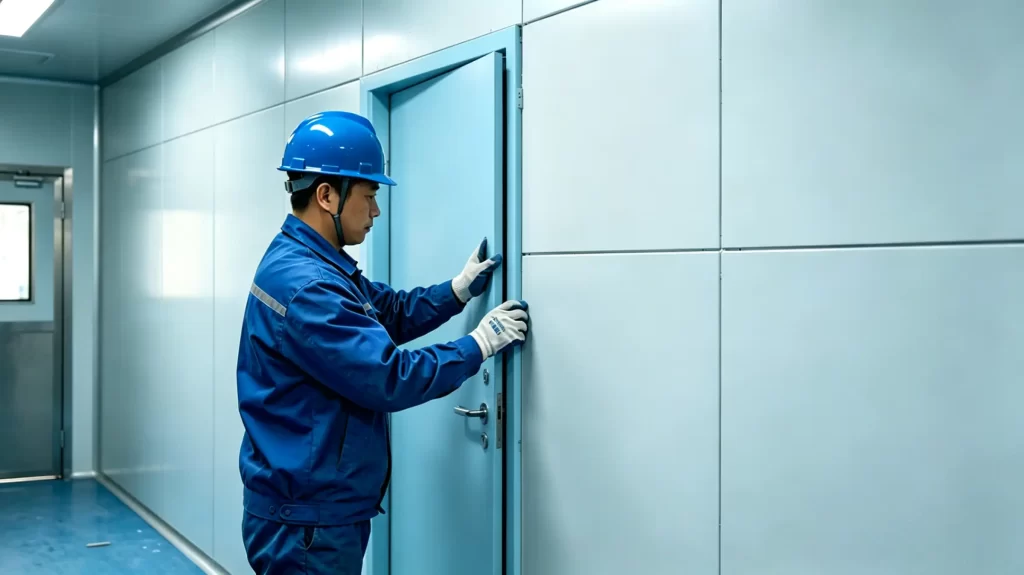
Interface Handling with Modular Cleanroom Wall Panels The frame-to-panel interface is a high-leakage zone. Fire-stopping materials require strict selection. Acidic silicones release acetic acid that corrodes metal frames. Neutral silicones have lower VOCs but limited long-term heat resistance. Polyurethane foams must meet B1 flame ratings and require surface fire-sealing. Mineral fire putties are easy to apply but lack micro-vibration resistance and are prone to powdering.
Best practice specifies pre-formed fire seals plus flexible aluminum trim closures. Use mineral wool infill and neutral weather sealant externally applied. This completely eliminates thermal bridge condensation and microbial growth. Strict adherence to the cleanroom door installation guide for node detailing significantly reduces post-installation remediation rates.
Automation & Fire Alarm Integration cleanroom automatic fire doors require explicit Fire Alarm Interface (FAI) protocol logic. Normally open doors (e.g., corridor connectors) should auto-close with a 10–30 second delay upon fire alarm activation. This preserves egress windows. Power-failure strategies must carefully balance Fail-Safe (power-off to open for egress) versus Fail-Secure (power-off to lock to maintain negative pressure containment).
In BSL-3 or high-potency API facilities, prioritize UPS backup power plus mechanical emergency locking devices. This ensures barrier integrity during grid outages.
On-Site Validation & IQ/OQ Critical Checkpoints Post-installation validation must be rigorous. Uniform leaf-to-frame gap tolerance should be ≤2 mm. Opening force must be ≤80 N (compliant with accessibility and ergonomic standards). Airtightness should be verified via smoke testing or pressure decay methodology with documented decay curves.
Surface weld grinding records, coating thickness measurements (dry film ≥60 μm), and roughness test reports must be fully archived. All data enters the project quality documentation package as the baseline for future audits and maintenance.
6. Lifecycle Management: Cleaning Validation, Inspection & Compliance Maintenance
The true value of cleanroom fire doors extends far beyond handover acceptance. It lies in 10–15 years of operational stability. Standardized fire rated cleanroom door maintenance procedures must be established to eliminate the industry-wide heavy installation, light maintenance flaw.
Cleanroom-Grade Cleaning Protocols Compatible disinfectant lists must specify concentration limits and contact times. Use peracetic acid 0.2–0.5%, sodium hypochlorite ≤500 ppm available chlorine. VHP cycles must maintain ≤35% relative humidity to prevent condensation.
Strictly prohibit strong acids/bases, chlorine-containing abrasives, or ketone/ester-based solvents. These degrade surface passivation layers or cause coating swelling. Cleaning tools must use specified lint-free wipes or microfiber mops. Allocate by zone to prevent cross-introduction of fiber contamination.
Routine Fire Function Inspection (NFPA 80/101 Baseline)
- Monthly: Inspect for surface damage, hardware fastening, closer stroke and rebound speed. Document abnormal noises.
- Annual: Test seal elastic recovery (compression set must be <20%), hinge wear clearance, and fire certification label integrity. Conduct localized airtightness retesting if necessary.
- Replacement triggers: Seal hardening/cracking, surface coating blistering/detachment >5 cm², fire core moisture absorption causing >10% density change, closer oil leakage, or closing time deviating >±15% from rated value.
Certification-Preserving Refurbishment Pathways Seal replacements must use in-situ embedded replacement techniques. Angle grinders or cutting tools must never compromise frame integrity. Surface recoating requires pre-treatment compatibility validation. New coatings must carry equivalent fire test reports or OEM endorsements.
Hardware upgrades or control module replacements must undergo fire equivalency assessment by the OEM or certified third parties. DoP and as-built drawings must be updated accordingly. Any unapproved structural modification or material substitution will immediately void existing certifications.
7. Conclusion & Selection Decision Guidelines
fire rated cleanroom doors are never off-the-shelf commodities. They are an engineering closed loop comprising fire protection systems, cleanroom barriers, and validation documentation. In controlled environment projects, minor door system flaws frequently cascade into pressure collapse, particulate excursions, or audit failures.
Procurement and engineering teams must define room classification, target pressure differentials, fire rating, wall panel material, and fire alarm integration logic during the design phase. Dual test reports, cleaning validation packages, and interface detail drawings must be mandated as contractually required deliverables. For hospital cleanroom fire rated doors and other high-traffic scenarios, additional assessment of egress width and daily wear rates is essential.
Project Decision Core Checklist
- Confirm jurisdictional compliance standards (EN/NFPA/ISO/GMP) and audit requirements to avoid rework from standard mismatches.
- Cross-reference HVAC air volume design with door leakage rates to ensure stable pressure control. Reserve 10–15% airflow redundancy.
- Validate dual-seal architecture layout and disinfectant resistance cycles to guarantee long-term clean performance without degradation.
- Require complete Installation Qualification (IQ) and Operational Qualification (OQ) documentation templates for streamlined audit traceability and personnel handover.
Controlled environment engineering tolerates near-zero error. As the physical boundary between the cleanroom and external spaces, door selection and installation quality directly dictate project compliance baselines and lifecycle operating costs. Engage specialized cleanroom fire door technical consultants during preliminary design. Oversee material selection, node detailing, and acceptance criteria from blueprint to handover. This ensures safety boundaries meet the highest engineering standards from day one. For further validation of technical parameters, certification pathways, or project-specific configurations, engage directly with suppliers holding dual-testing qualifications and proven cleanroom project track records.
-
 Cleanroom Glass Windows Are The Key to Maintaining a Clean Environment
 -
 Top Aluminium Profile Manufacturers in China: Leading the Global Market
 -
 The Evolution of Air Tight Sliding Doors
 -
 AHU Aluminium Profile: A Comprehensive Guide
 -
 The Importance of Choosing the Right Cleanroom Door in Vietnam
 -
 The Benefits of Hospital Automatic Doors: Enhancing Efficiency and Safety
 -
.jpg) The Best Bathroom Door Manufacturers - Unlocking Endless Possibilities!
The Best Bathroom Door Manufacturers - Unlocking Endless Possibilities! -
 Unlock the Possibilities with AJ Manufacturing Doors
 -
 Make a Statement with Manufactured Home Interior Doors!
 -
 what is aluminum profile? Aluminum Profiles for Your Home is the best option
-
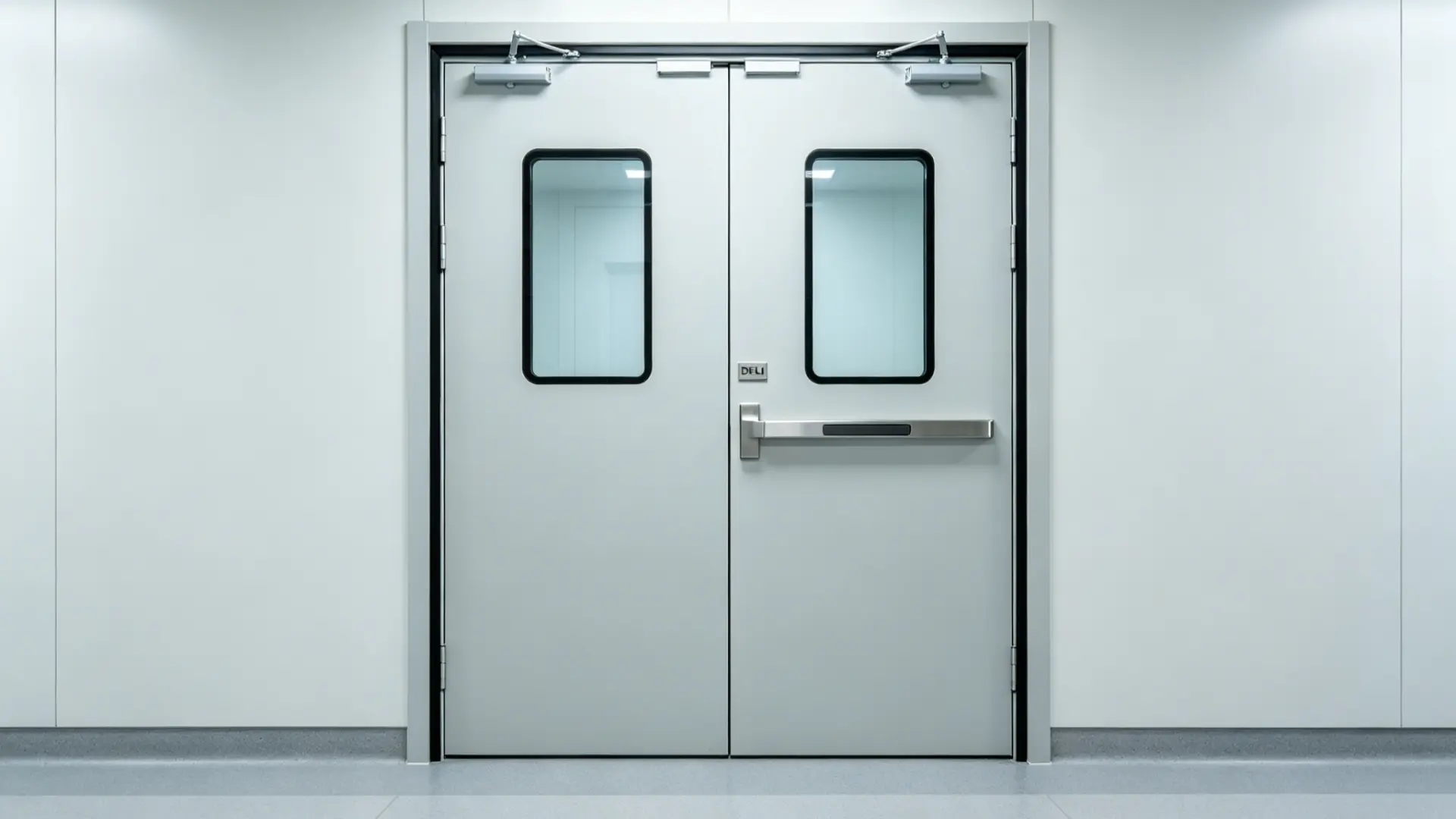 Hospital Emergency Exit Doors: 90 Minute Fire Rating Meets Infection Control
 -
 ICU and Isolation Door Requirements Hospitals Often Overlook
 -
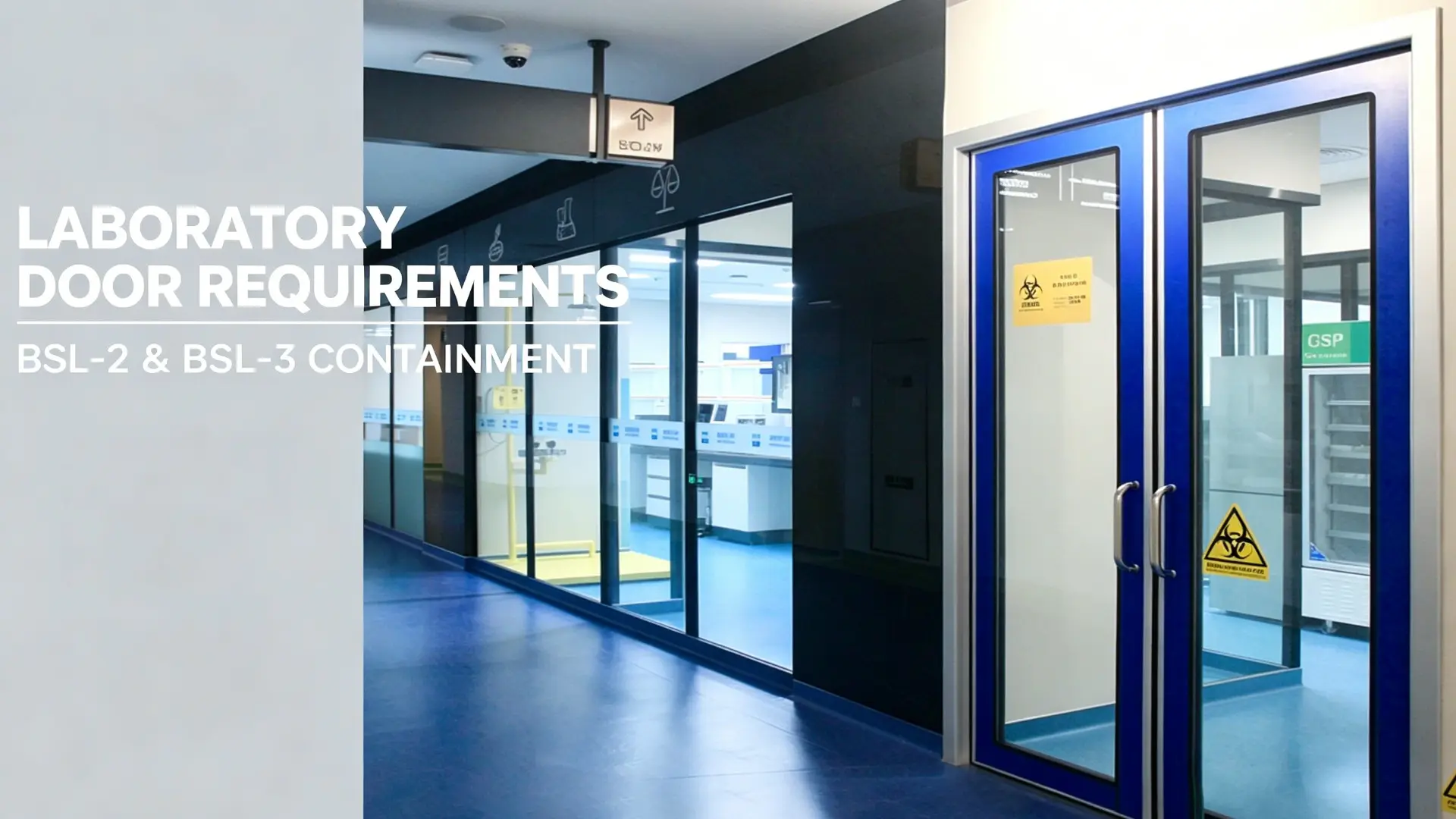 Laboratory Door Requirements for BSL-2 and BSL-3 Containment
 -
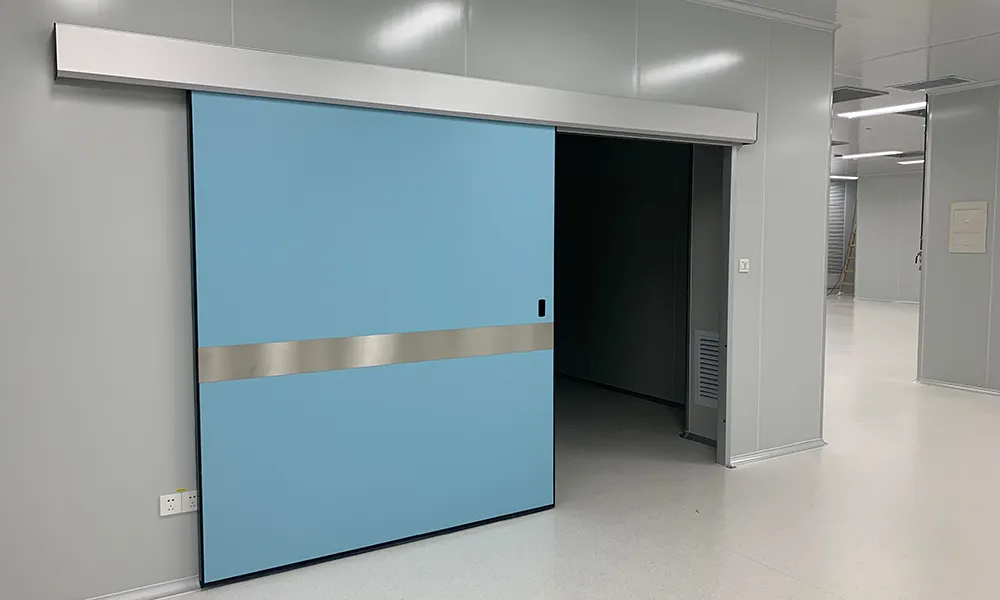 Retrofitting Hospital Sliding Doors: Upgrade Wards Without a Rebuild
 -
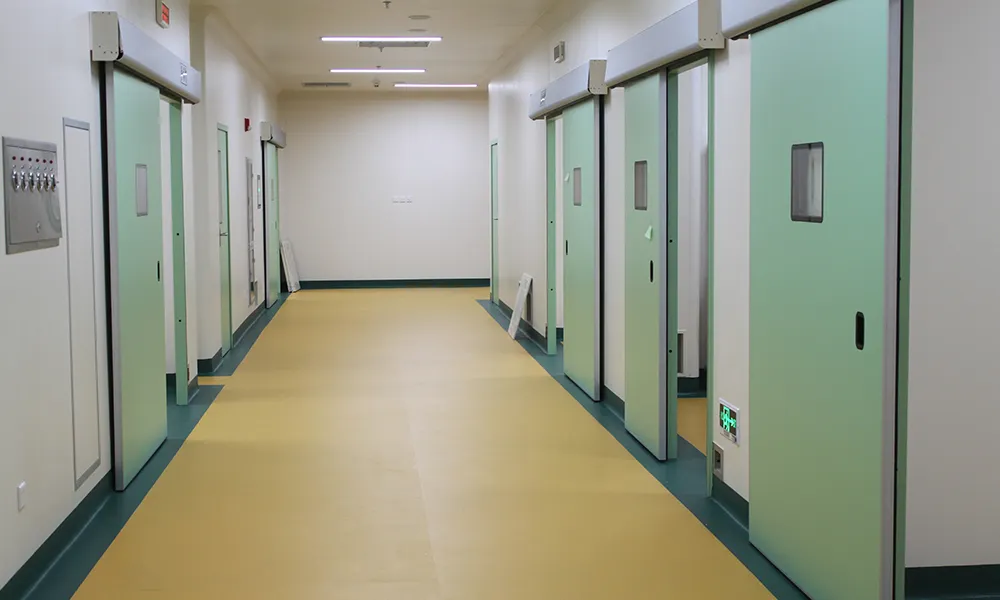 Why Airtight Hospital Sliding Doors Are Critical for Infection Control
 -
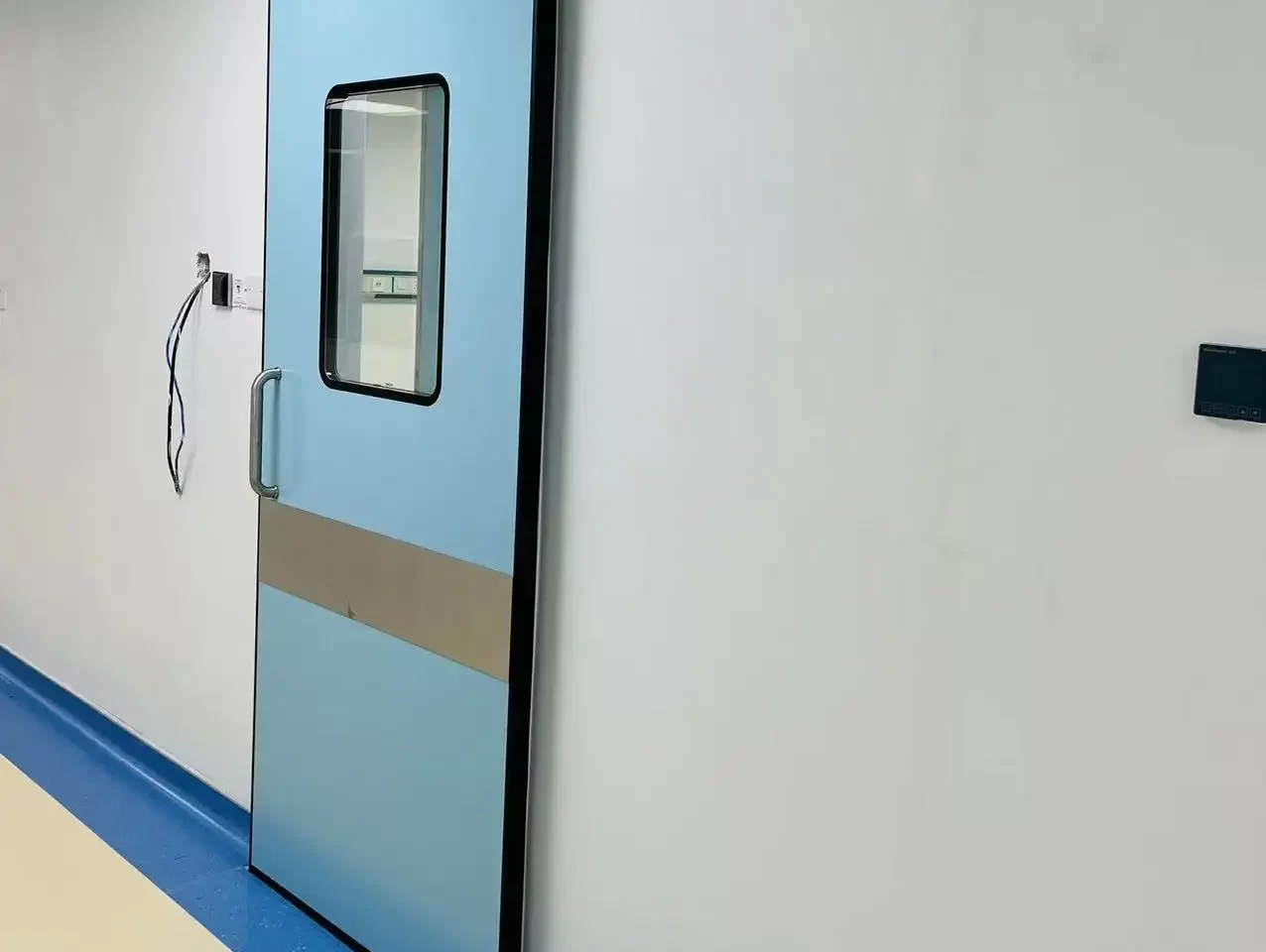 Automatic cleanroom door systems: sensor, actuator and access control integration
 -
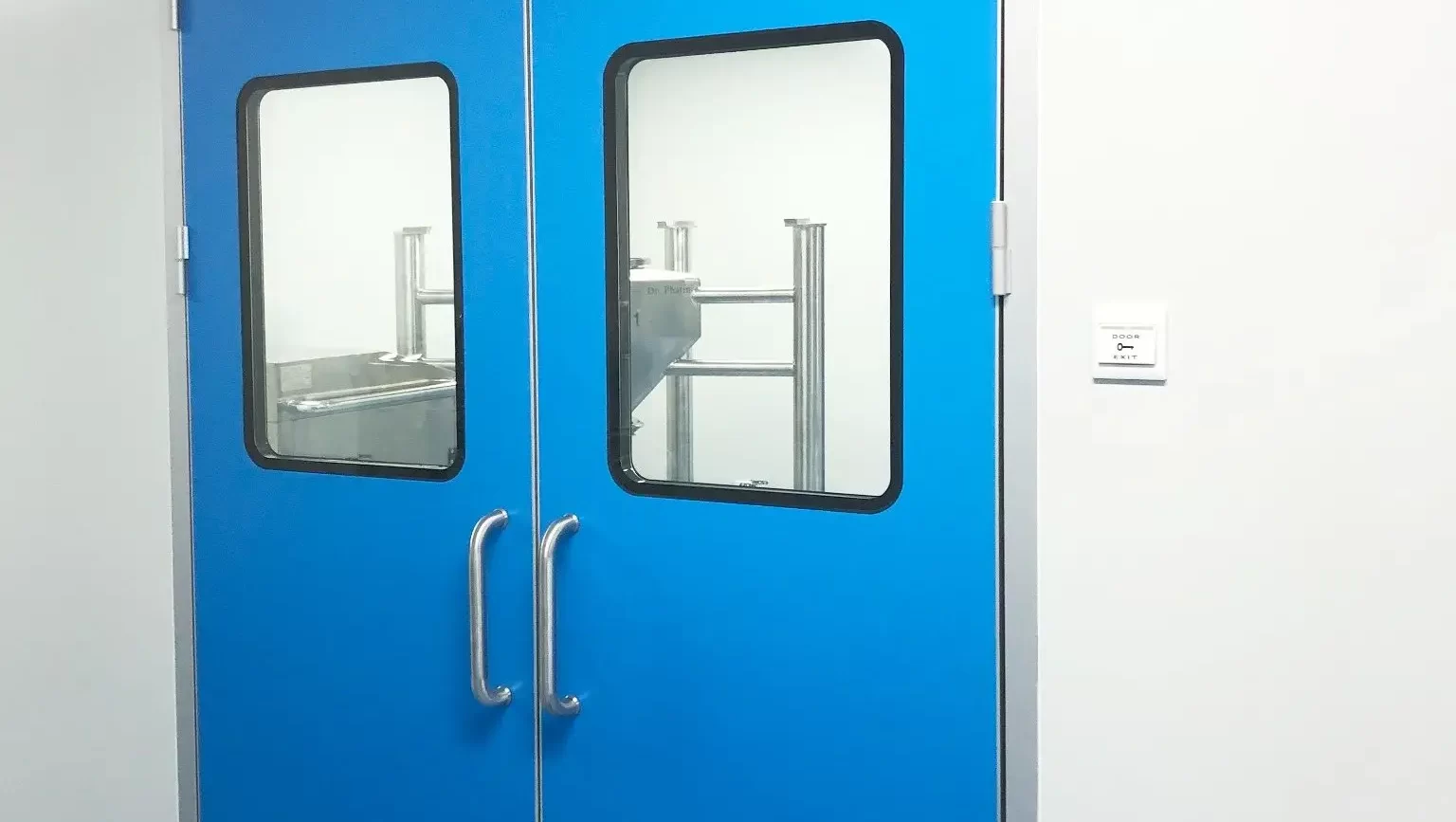 Cleanroom Door Materials: Stainless Steel vs HPL vs FRP vs Aluminum Comparison
 -
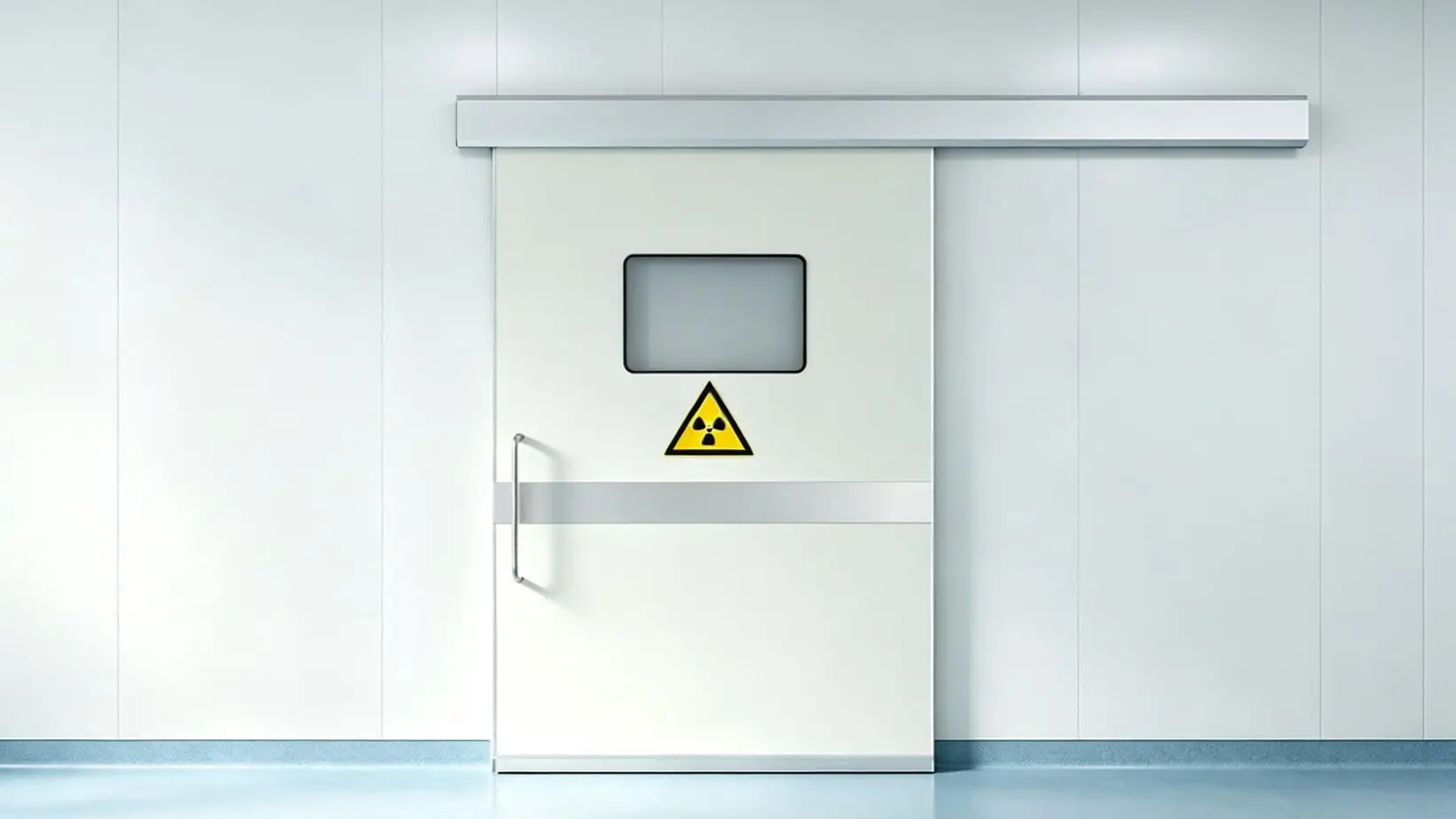 X-Ray Room Door Buying Guide: Lead Thickness & Compliance
 -
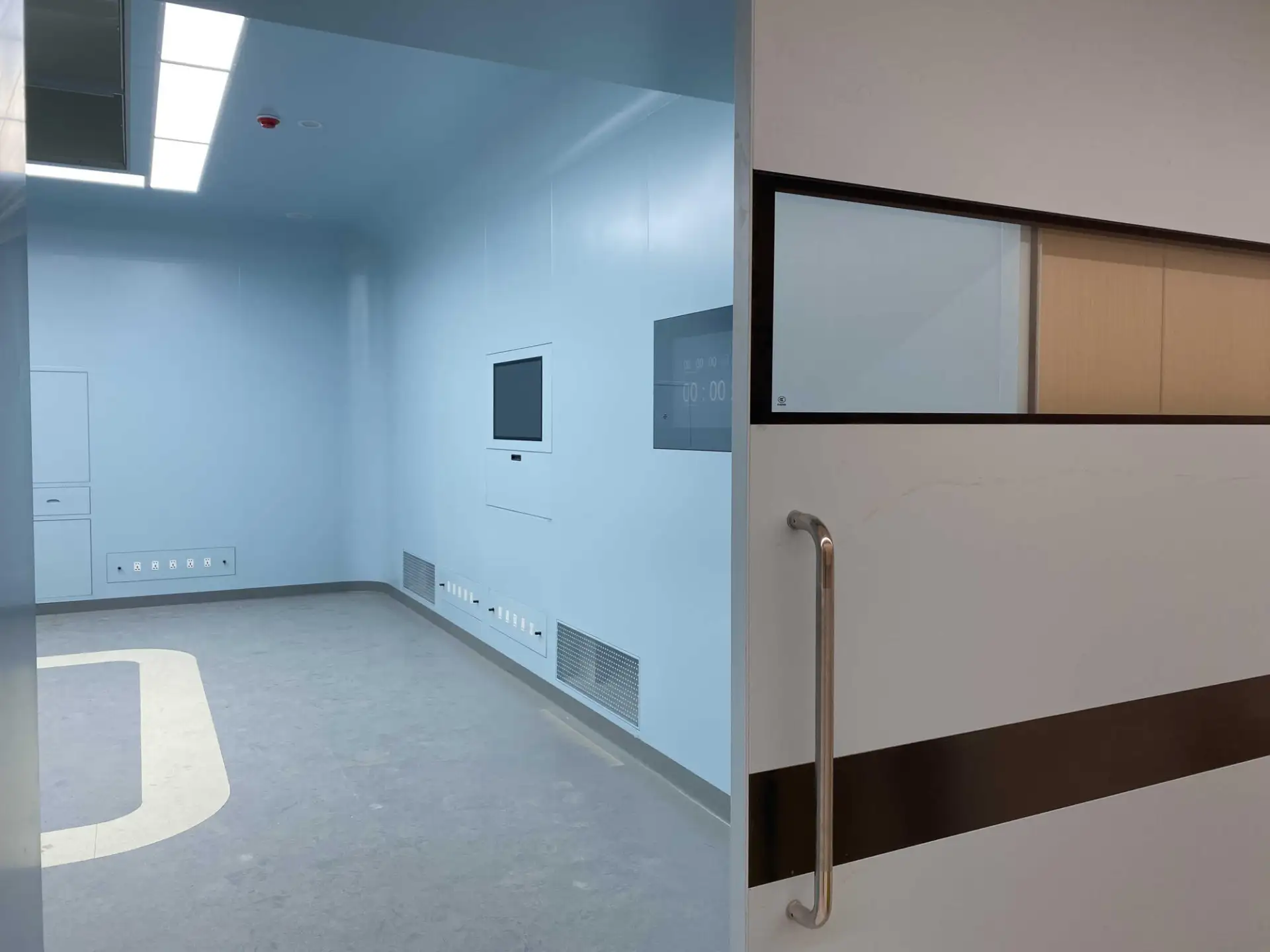 Operating Room Doors: Hermetic & Infection-Control Guide
 -
 Hospital ICU Door Selection: Sealing, Sterility & Workflow


-

Home
-

Tel
-

Email
-

Contact


Guangzhou Yizhong Aluminum Industry Co., Ltd.
We are always providing our customers with reliable products and considerate services.
We are always providing our customers with reliable products and considerate services.
Speak Your Mind