
Fire Doors Guide: Clean Room, Automatic & HVAC Safety
In modern building safety engineering, Passive Fire Protection serves as the critical frontline defense for delaying fire spread and ensuring safe occupant evacuation. For specialized environments such as Clean Rooms, hospital operating theaters, and laboratories, safety requirements are even more stringent. These areas must not only meet rigorous air purification standards (including optimized air diffuser layout) but also comply with fire rated door performance specifications.
A common industry misconception is that a fire door is simply a "door that won't burn." In reality, a compliant fire door assembly is a precision-engineered system comprising the door leaf, fire rated aluminum profiles, hardware accessories, door closers, and sealing systems. As an integrated manufacturer specializing in R&D, production, and sales of clean room aluminum profiles, we understand that the absence or failure of any single component can compromise the entire fire compartmentalization system.
The primary causes of fire-related fatalities are high-temperature toxic smoke and flashover. The core mission of a fire door is to withstand flames, block smoke penetration, and limit temperature rise on the non-fire side for a specified duration. This article examines the working principles of fire doors in the context of clean room door and automatic door applications, analyzes the reaction mechanism of intumescent seals, and interprets the implications of global mainstream fire resistance ratings systems—providing professional reference for building owners and procurement decision-makers.
2. How Fire-Rated Aluminum Doors Work: Integrity and Insulation
Fire door performance is evaluated based on standardized fire test curves. For door assemblies constructed with fire rated aluminum profiles, international standards define performance across two core dimensions: Integrity and Insulation.
Integrity
Integrity refers to the ability of a fire door assembly to prevent flames and hot gases from penetrating through the door leaf or gaps when exposed to fire on one side.
- Test Criteria: Integrity is deemed failed if a cotton pad ignites or sustained flaming appears at gaps.
- Aluminum Profile Challenges: Given aluminum's relatively low melting point, fire rated aluminum profiles typically incorporate low-thermal-conductivity fire-resistant core materials such as perlite or ceramic fiber, or employ specialized thermal-break structural designs. This prevents deformation or cracking under high temperatures, ensuring clean room fire doors maintain sealing integrity under positive pressure conditions.
Insulation
Insulation limits temperature rise on the non-fire side, which is critical for safe evacuation of personnel behind an automatic sliding door.
- Temperature Rise Limits: Per EN 1634 or ASTM E119 standards, the average temperature rise on the non-fire side must not exceed 140°C, with any single point not exceeding 180°C, within the rated duration.
- Scientific Basis: Temperatures exceeding 180°C can ignite ordinary combustible materials. Therefore, premium clean room aluminum profile door leaves must form an effective thermal barrier to prevent secondary fires and allow safe touch-based evacuation.
Positive Pressure Testing Principles
Modern fire rating protocols incorporate positive pressure testing to simulate the high-pressure conditions generated by thermal expansion during real fires. This imposes higher demands on the structural rigidity of fire rated aluminum profiles and the performance of sealing systems, ensuring door gaps remain sealed against smoke penetration under combined high-temperature and high-pressure conditions.
3. Core Technology Analysis: Intumescent Seals and Clean Room Airtightness
Intumescent Seals represent one of the most technically sophisticated components within a fire door assembly. For clean room door applications, seals are critical not only for fire protection but also for maintaining daily airtightness and preventing cross-contamination—complementing the airflow control logic of hvac diffuser systems.
Working Principle and Chemical Mechanism
At ambient temperatures, installation gaps exist between the door leaf and frame. When ambient temperature reaches the activation threshold (typically 200°C–250°C):
- Endothermic Reaction: Chemical components undergo intense heat absorption, delaying temperature rise.
- Volumetric Expansion: Material volume expands dramatically by 10–50 times, forming a dense Char Layer.
- Physical Barrier: The expanded material completely fills gaps between fire rated aluminum profiles and the frame, blocking oxygen and smoke passage.
Material Composition Comparison
| Material Type | Characteristics | Recommended Applications |
|---|---|---|
| Graphite-based | Rapid expansion response, broad coverage | High-risk zones requiring extremely fast reaction times |
| Sodium Silicate-based | High-hardness char layer, superior erosion resistance | Medical fire doors subject to high positive pressure environments |
Cold Smoke Seals
During early fire stages, when temperatures haven't reached the activation threshold, toxic cold smoke can still propagate. Modern clean room fire doors often employ composite seal designs:
- At Ambient Temperatures: Elastic components (brushes, rubber strips) provide physical barriers against smoke and air leakage, maintaining clean room pressure differentials and working in concert with ceiling vent systems to preserve airflow balance.
- Under High Temperatures: The intumescent component activates to deliver fire protection. This dual-function design simultaneously satisfies the airtightness requirements of clean room aluminum profiles and fire safety regulations.
Bottom Seal Technical Solutions
Door bottom gaps experience significant wear and typically utilize automatic drop seals. These seals deploy automatically when the door closes and retract when the door opens. Such mechanical structures require rigorous cycle testing to ensure reliable triggering over the long service life of medical automatic doors.
4. Fire Resistance Rating Systems and Standard Door Dimension Applications
Fire resistance ratings serve as time-based metrics for evaluating fire door performance. Standards vary across regions, and understanding these differences is essential for international projects or compliance audits. Additionally, adherence to standard door size specifications is critical for successful project acceptance.
The True Meaning of Time-Based Ratings
Common ratings include 30 minutes, 60 minutes, 90 minutes, and 120 minutes.
- Important Note: These ratings represent the minimum duration for maintaining integrity and insulation under standardized laboratory conditions. Their purpose is to buy time for evacuation and rescue operations—not to guarantee absolute safety.
Global Mainstream Standards Comparison
| Region/Standard System | Standard Code | Rating Notation | Core Characteristics |
|---|---|---|---|
| North America | NFPA/UL | Minute-based (e.g., 90-Minute) | Distinguishes between fire-protective openings and fire-resistive wall assemblies |
| Europe/UK | BS/EN | FD Rating (e.g., FD30, FD60) | EN 1634 classifies performance by Integrity (E) and Insulation (I) |
| China | GB | Class A/B/C | Class A ≥1.5h, Class B ≥1.0h, Class C ≥0.5h |
Standard Door Dimensions and Tolerances
When procuring a door with frame, attention to dimensional tolerances is critical, as they directly impact fire performance:
- Typical Door Width: Single leaves typically range from 900mm–1000mm; double leaves can reach 1800mm.
- Typical Door Height: Standard height is commonly 2100mm.
- Tolerance Control: Excessive gaps increase flame penetration risk; insufficient gaps may cause fire rated aluminum profiles to jam due to thermal expansion.
Application Scenario Matching Guide
- 30–45 Minute Ratings: Internal room partitions within buildings (office doors, guest room doors).
- 60 Minute Ratings: Stairwell vestibule doors, clean room vertical shaft access doors. Protects life-safety egress routes from smoke infiltration.
- 90 Minutes and Above: Boiler rooms, chemical storage areas, building façade openings. Prevents fire spread between distinct fire compartments.
Component Rating Consistency Principle
Fire door ratings apply to the complete "assembly," not merely the individual "door leaf."
- Critical Warning: A door leaf with a 90-minute rating installed in an uncertified aluminum profile frame → the entire assembly's rating is void.
- Requirement: All components (door leaf, frame, glazing, hardware, seals) must carry compatible ratings, and installation must strictly follow the certified manufacturer's instructions.
5. Critical Hardware, Door Swing Direction, and Aluminum Profile Customization
Fire door performance depends heavily on installation precision and hardware reliability. Under high-temperature conditions, standard hardware components may soften and fail. Additionally, door swings must align with egress route design principles.
Gap Tolerance Golden Standards
Gap control represents the most stringent technical specification in fire door installation:
- Door Leaf to Frame (Top/Vertical Edges) ≤ 3mm
- Bottom Clearance: ≤ 19mm
- Double-Leaf Meeting Stile Gap: ≤ 3mm
Essential Fire-Rated Hardware
- Door Closers: Fire doors must feature automatic closing functionality. Heavy-duty medical automatic doors typically require Grade 4 or 5 closers.
- Fire-Rated Hinges: Constructed with steel bearings; doors exceeding 2 meters in height typically require three hinges to prevent leaf sagging.
- Push Bar Doors: Egress route doors must utilize panic exit devices (Panic Bars) to ensure rapid evacuation under emergency conditions.
- Fire-Rated Glazing: Must employ specialized ceramic or composite fire-resistant glass; standard tempered glass will fracture rapidly during fire exposure.
Coordination with HVAC Systems
In clean room projects, fire doors must coordinate with terminal air conditioning unit and hvac grilles systems. Our aluminum profile solutions extend beyond door frames to also support frameworks for air vent and linear diffuser applications, ensuring holistic building system consistency in both fire safety and airtightness performance.
6. Certification Labels and Compliance Identification
In the absence of professional testing equipment, certification labels serve as the only reliable means of verifying fire door compliance.
Certification Label Identification Guide
Legitimate fire door assemblies must bear permanent certification labels in prominent locations (typically on the door leaf top edge or lock-side edge).
- Label Content: Manufacturer name, fire resistance rating duration, certification body logo, serial number.
- Label Protection: Labels must never be painted over, sanded off, or obscured. If a label is missing, the door is legally considered non-compliant with fire door standards.
Importance of Third-Party Certification
Fire performance cannot be self-declared by manufacturers. Products must undergo type testing by independent third-party certification bodies.
- Procurement Recommendation: When purchasing clean room aluminum profiles or fire-rated doors and windows, request copies of corresponding test reports and verify that product models match report specifications.
- Counterfeit Indicators: Blurry label printing, rating durations inconsistent with door leaf thickness, inability to provide traceable test reports.
7. Maintenance Inspection and Lifecycle Management
Fire door installation is not the endpoint. Over time, wear, settlement, and environmental factors can degrade performance.
Regulatory Basis and Inspection Frequency
Standards including NFPA 80 mandate that fire doors undergo inspection and maintenance at least annually. High-traffic or high-risk environments (e.g., hospitals, clean manufacturing facilities) warrant more frequent inspections.
Professional Inspection Checklist
- Label Visibility: Confirm certification labels remain unobstructed.
- Seal Integrity: Verify intumescent seals are continuous and free of paint coverage (paint can inhibit thermal expansion).
- Closing Function Test: Observe whether the door closes fully and automatically; check door closers for fluid leaks.
- Gap Measurement: Use feeler gauges to confirm gaps do not exceed the 3mm limit.
- Obstruction Removal: Never use wedges, ropes, or other devices to deliberately hold doors open.
- HVAC Interface Check: Inspect whether nearby ceiling diffuser units interfere with door operation or sealing performance.
Repair vs. Replacement Decision Framework
- Repairable: Minor seal replacement, hardware adjustment, fastener tightening.
- Requires Replacement: Core structural damage to door leaf, exposed fire-resistant core material, missing labels with no traceable certification history.
8. Conclusion and Professional Recommendations
As a core component of building passive fire protection systems, fire door effectiveness relies on precision engineering, qualified components, standardized installation, and ongoing maintenance.
- Intumescent seals determine gap-sealing capability, serving as the "dynamic defense line" of fire doors.
- Fire resistance ratings define standardized endurance durations, forming the cornerstone of compliance audits.
For building owners and facility managers, fire doors represent a systematic safety engineering commitment. We recommend conducting regular professional safety assessments and maintaining comprehensive maintenance documentation.
9. Frequently Asked Questions (FAQ for Featured Snippets)
Q: Can clean room aluminum profiles be used to construct fire-rated doors?
A: Yes. By incorporating specialized thermal-break structural designs, filling with fire-resistant core materials, and integrating intumescent seals, fire rated aluminum profiles can achieve 60-minute or 90-minute fire ratings while simultaneously meeting clean room airtightness requirements.
Q: Do standard door sizes impact fire performance?
A: Yes. Door dimensions must fall within certified parameters. Unauthorized modifications to door leaf height or width can invalidate fire test certifications. When procuring a door with frame, strict adherence to certified specifications is essential.
Q: How can automatic doors meet fire safety requirements?
A: Fire-rated automatic doors must feature fail-safe closing functionality and integrate with fire alarm systems. Upon fire detection, automatic sliding doors should automatically close to their fire-protective position.
Q: Can I install access control systems or peepholes on fire doors myself?
A: Unauthorized drilling is strictly prohibited. Any penetration compromises fire integrity. If installation is necessary, only use fire-certified specialized components installed by qualified professionals to ensure the internal fire-resistant structure remains intact.
Q: How do fire doors coordinate with HVAC systems (e.g., Air Vents)
A: Fire doors must maintain clean room pressure differentials, which directly relates to airflow design for air vent and hvac diffuser systems. Ensuring proper door gap sealing alongside balanced ventilation design achieves both fire safety and cleanroom classification compliance.
-
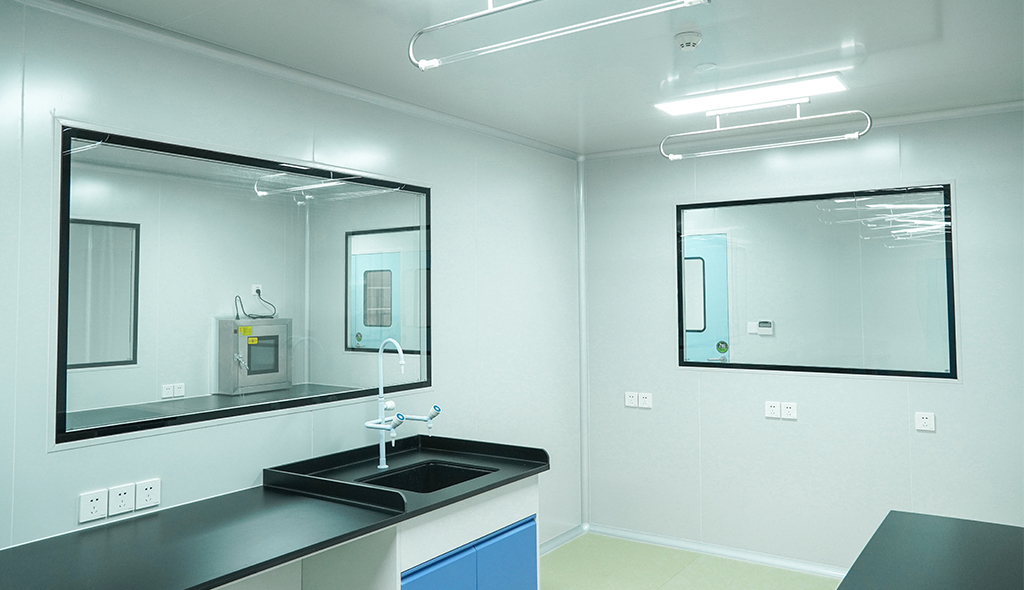 Cleanroom Glass Windows Are The Key to Maintaining a Clean Environment
 -
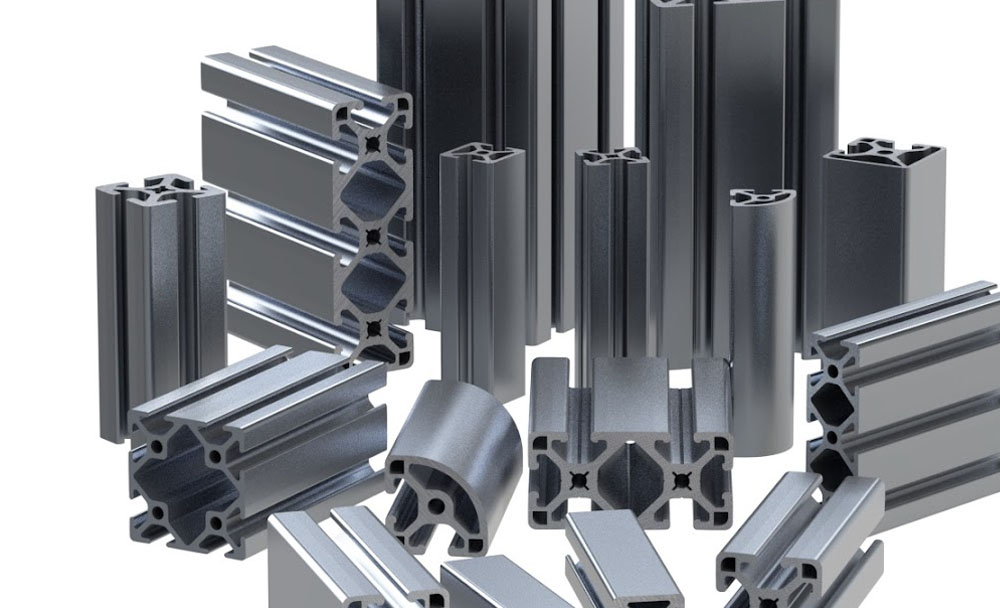 Top Aluminium Profile Manufacturers in China: Leading the Global Market
 -
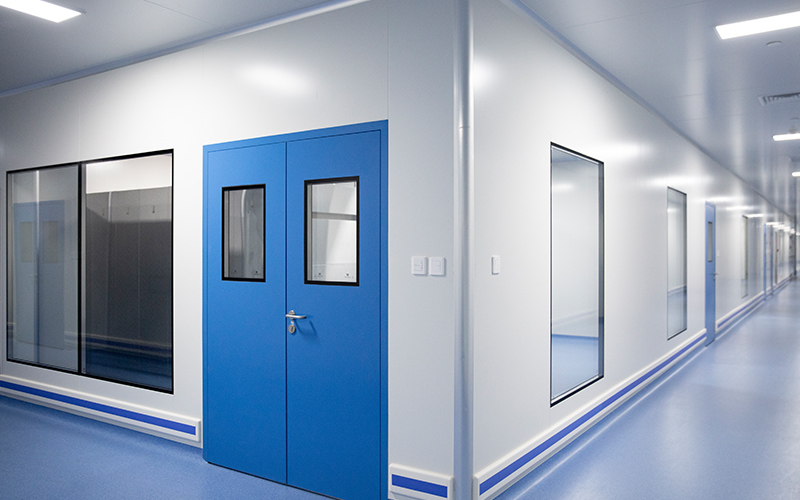 The Evolution of Air Tight Sliding Doors
 -
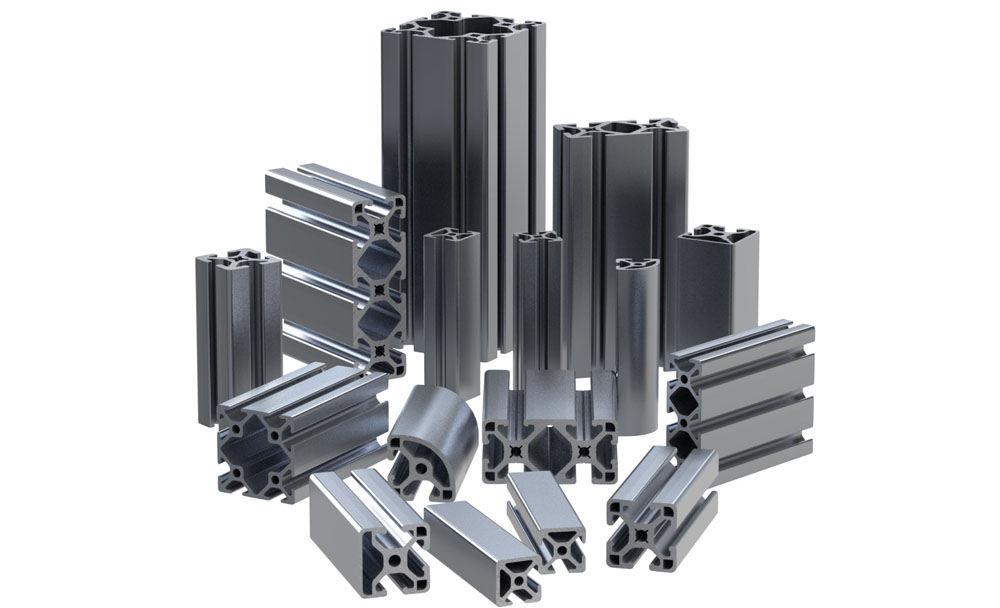 AHU Aluminium Profile: A Comprehensive Guide
 -
 The Importance of Choosing the Right Cleanroom Door in Vietnam
 -
 The Benefits of Hospital Automatic Doors: Enhancing Efficiency and Safety
 -
.jpg) The Best Bathroom Door Manufacturers - Unlocking Endless Possibilities!
The Best Bathroom Door Manufacturers - Unlocking Endless Possibilities! -
 Unlock the Possibilities with AJ Manufacturing Doors
 -
 Make a Statement with Manufactured Home Interior Doors!
 -
 what is aluminum profile? Aluminum Profiles for Your Home is the best option
-
 Hospital Emergency Exit Doors: 90 Minute Fire Rating Meets Infection Control
 -
 ICU and Isolation Door Requirements Hospitals Often Overlook
 -
 Laboratory Door Requirements for BSL-2 and BSL-3 Containment
 -
 Retrofitting Hospital Sliding Doors: Upgrade Wards Without a Rebuild
 -
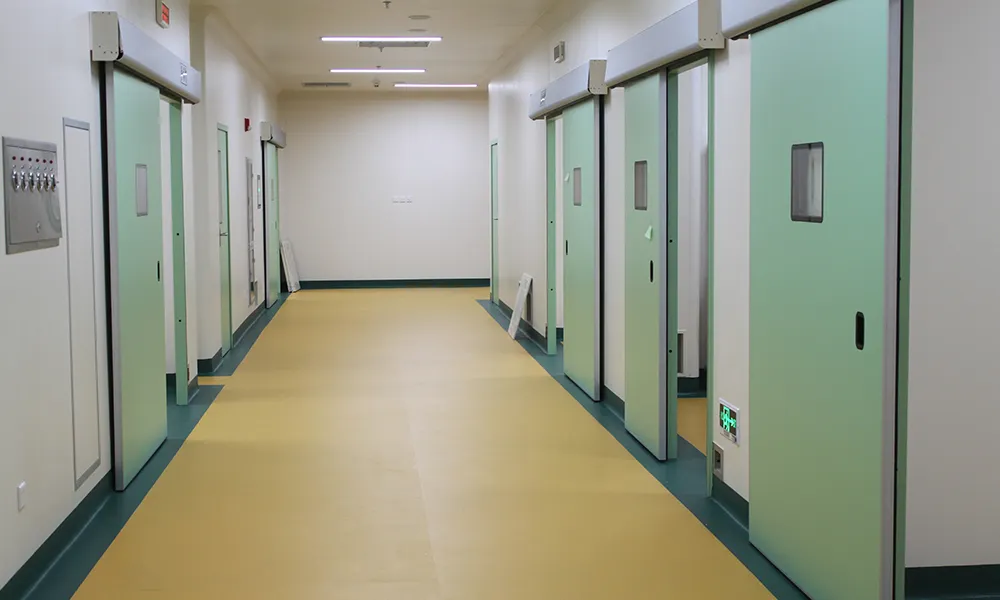 Why Airtight Hospital Sliding Doors Are Critical for Infection Control
 -
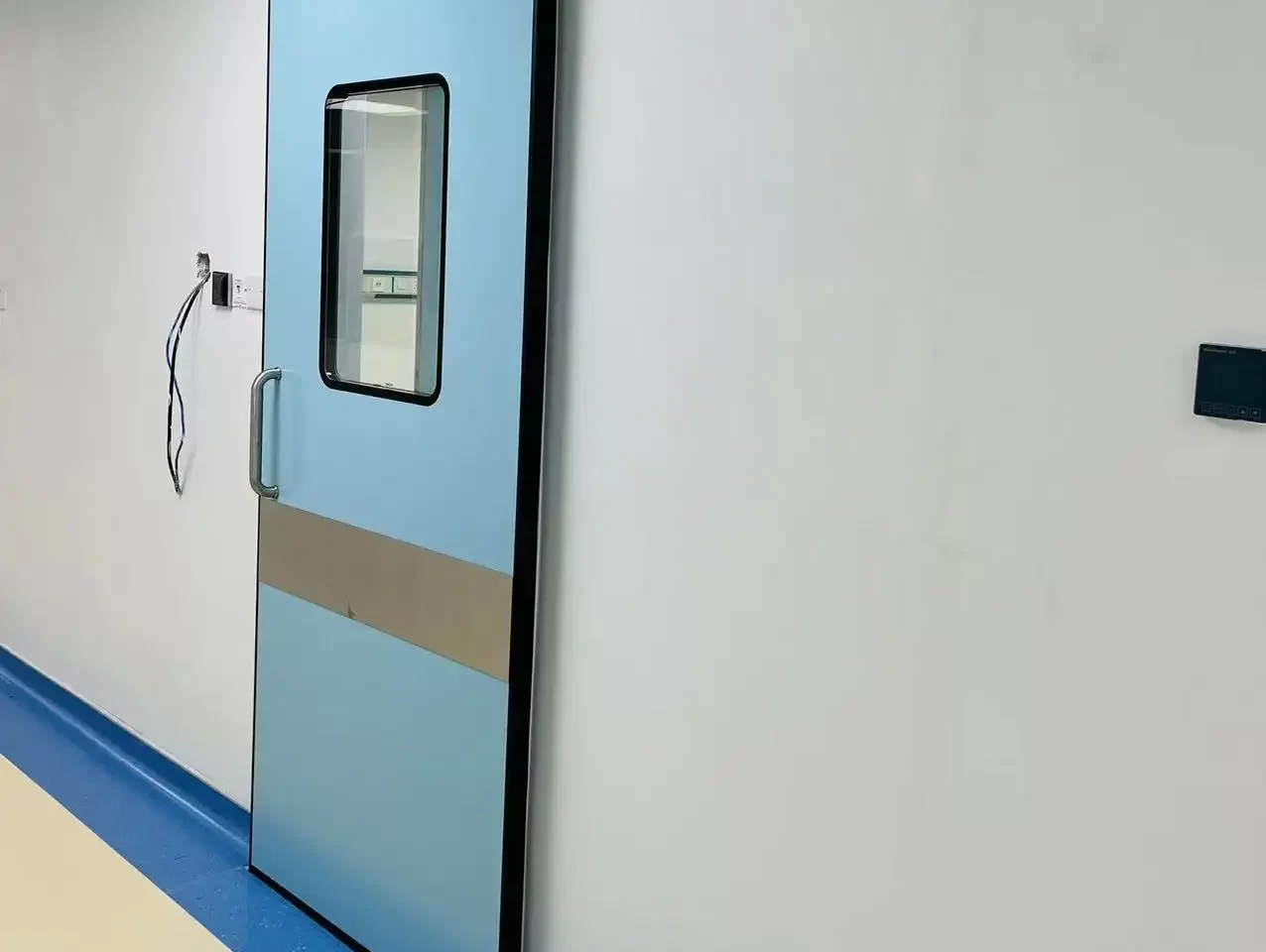 Automatic cleanroom door systems: sensor, actuator and access control integration
 -
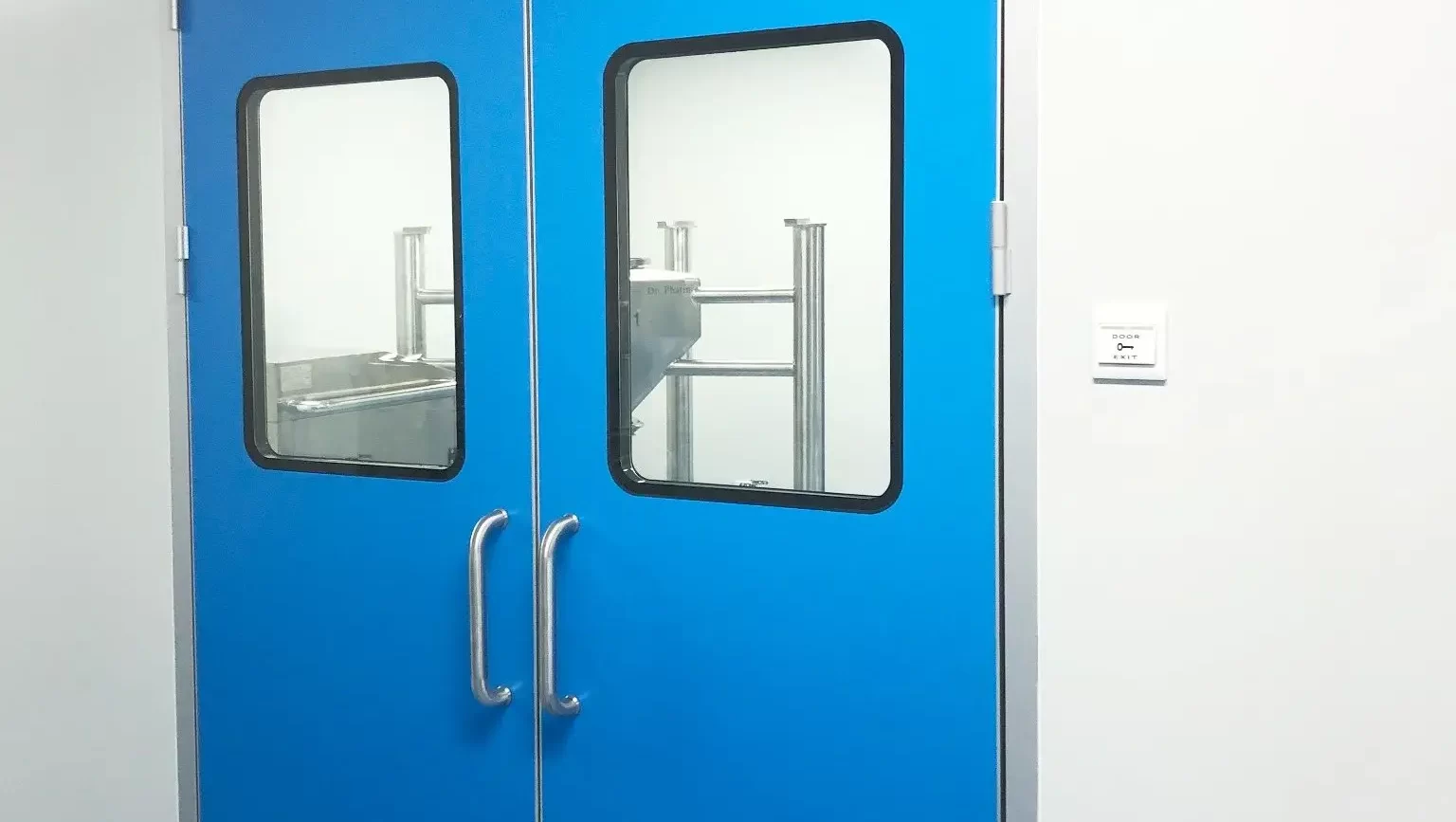 Cleanroom Door Materials: Stainless Steel vs HPL vs FRP vs Aluminum Comparison
 -
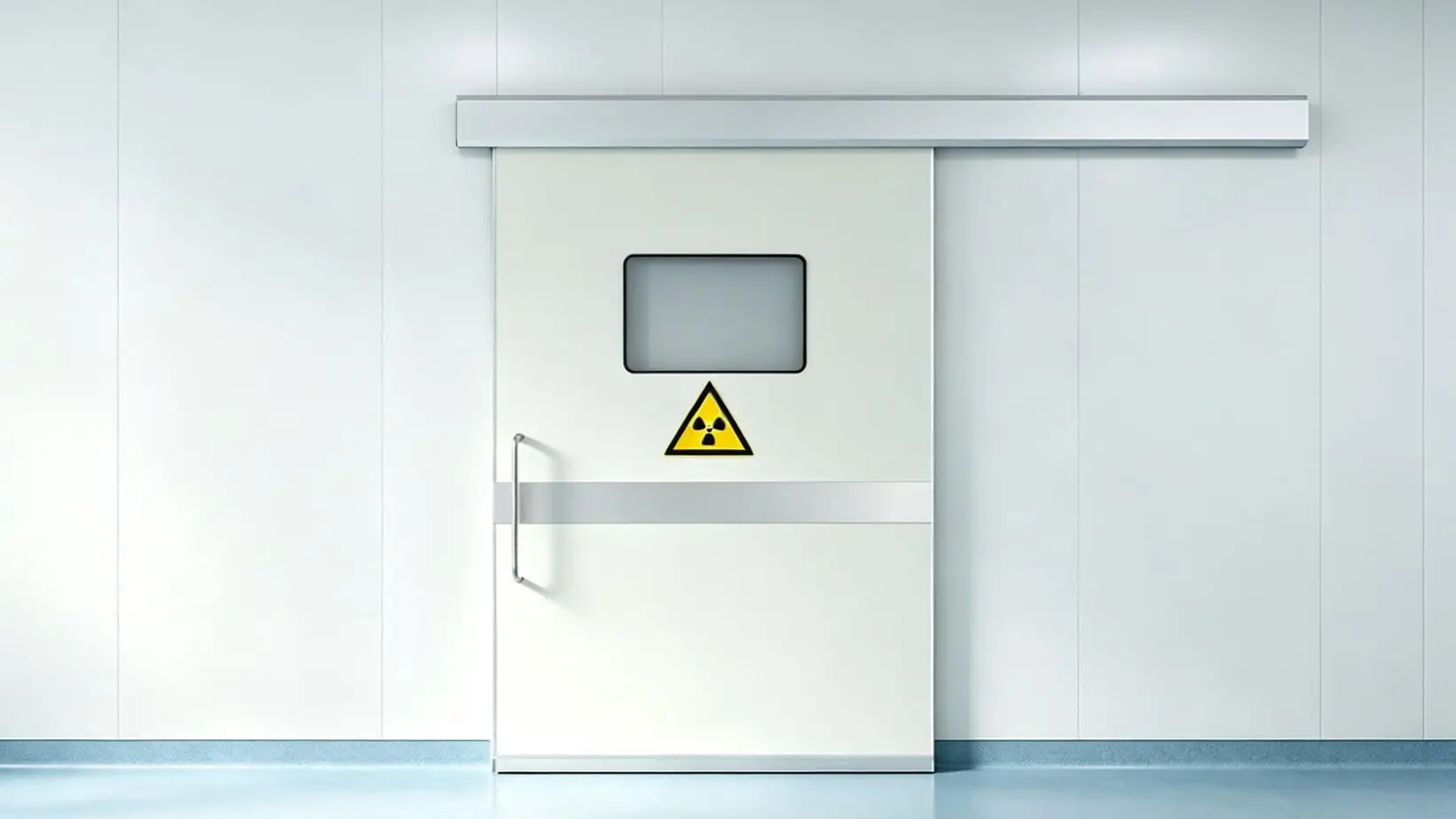 X-Ray Room Door Buying Guide: Lead Thickness & Compliance
 -
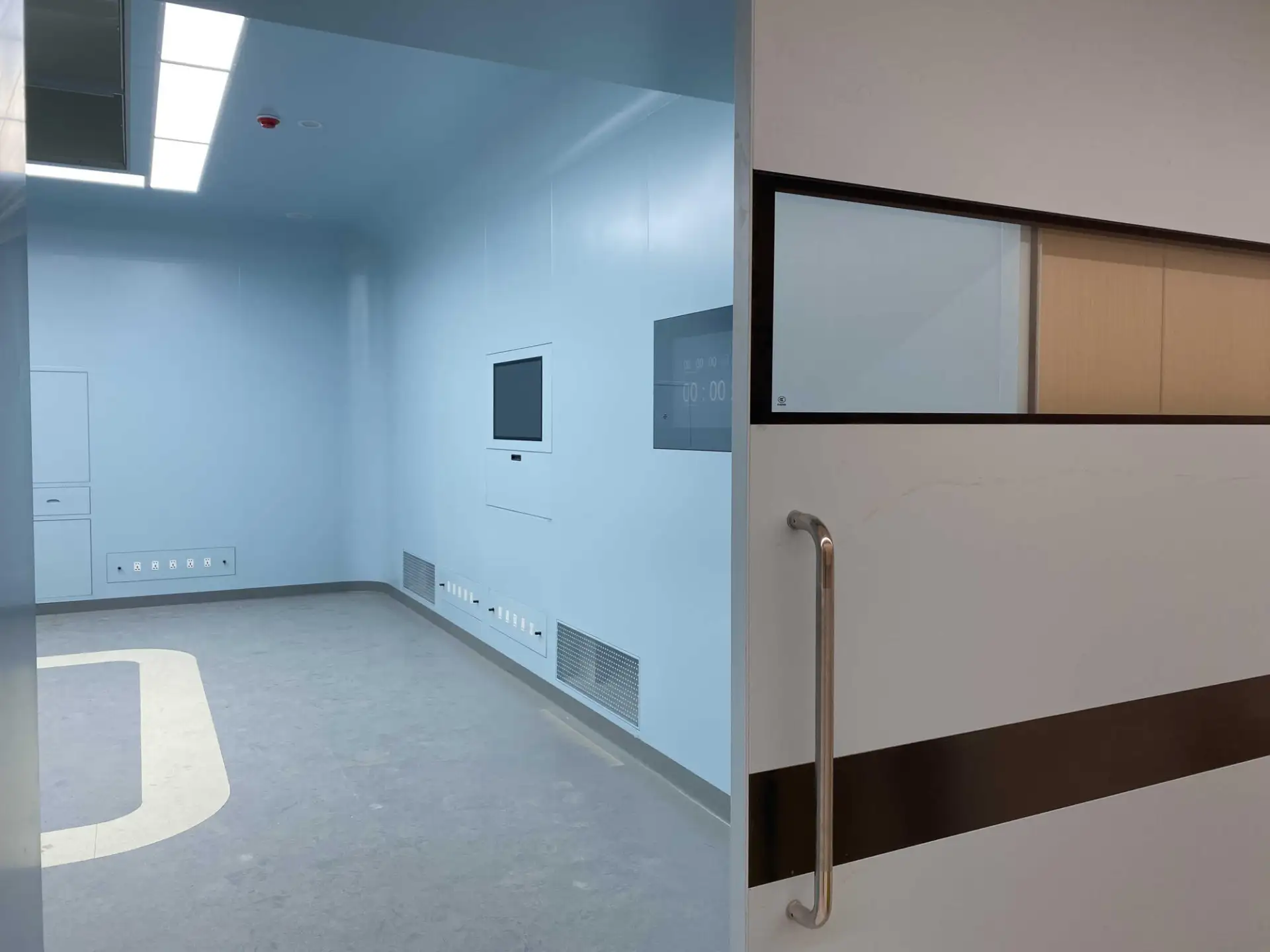 Operating Room Doors: Hermetic & Infection-Control Guide
 -
 Hospital ICU Door Selection: Sealing, Sterility & Workflow


-

Home
-

Tel
-

Email
-

Contact


Guangzhou Yizhong Aluminum Industry Co., Ltd.
We are always providing our customers with reliable products and considerate services.
We are always providing our customers with reliable products and considerate services.
Speak Your Mind