
What Is the Best Door for a Pharmaceutical Cleanroom
The True Test of Cleanroom Management Lies in a Single Door
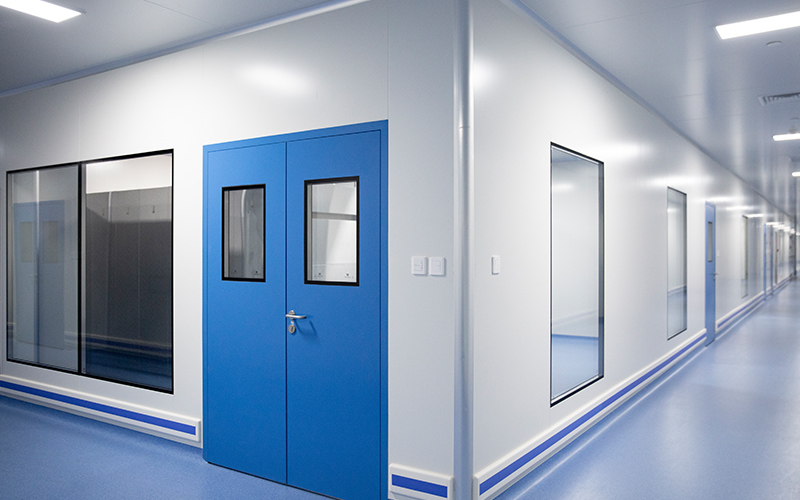
GMP inspectors always focus heavily on cleanroom doors. For facility managers and QA personnel, a door is never just an entryway. A poorly sealed door causes pressure fluctuations. It also traps particulates. Furthermore, frequent disinfection causes surface scratches. Consequently, these issues quickly become vectors for cross-contamination and severe compliance risks.
Building or retrofitting a facility can feel overwhelming. You must find the best door for pharmaceutical cleanroom applications. Additionally, you need to know how to choose cleanroom doors for pharmaceutical facilities. This decision is not just about the initial price tag. Rather, it dictates long-term operational compliance and maintenance costs. To help you navigate this, we broke down a practical selection logic. This audit-proof logic for cleanroom doors for pharmaceutical industry applications covers seven critical dimensions: compliance, materials, sealing, cleanability, vision panels, automation, and real-world scenarios.
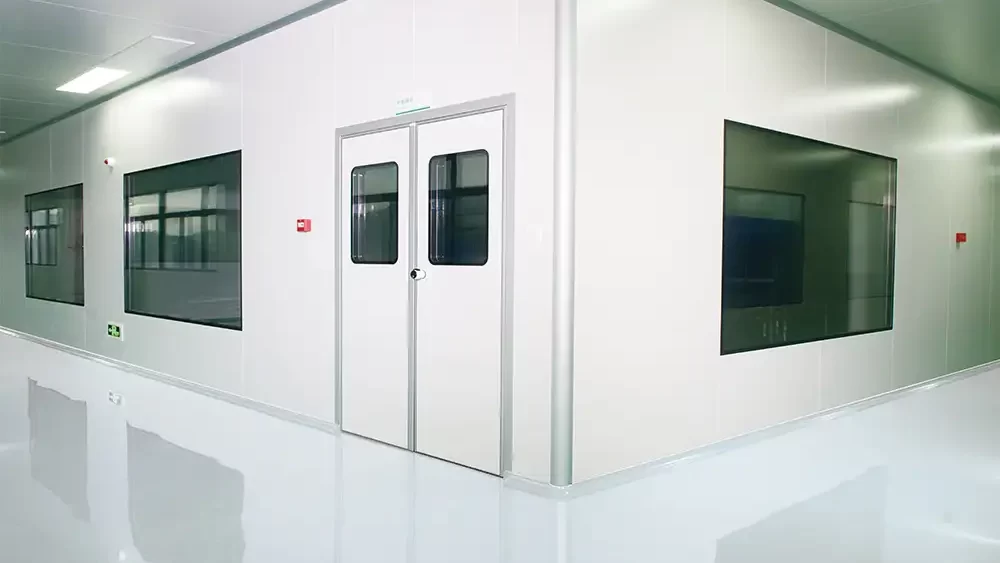
1. Holding the Line: Compliance and Industry Standards Are Non-Negotiable
Regulators will rigorously scrutinize the door's design and materials. This is the absolute prerequisite for selection. Any design that compromises on compliance will incur exorbitant retrofitting costs later. Therefore, providing GMP compliant cleanroom doors is the fundamental threshold for entering the pharmaceutical supply chain.
- NMPA / FDA / EMA GMP: Regulations explicitly mandate smooth, dead-space-free, and non-shedding cleanroom surfaces. Furthermore, these surfaces must withstand high-frequency cleaning. For instance, the NMPA's Good Manufacturing Practice requires cleanroom designs to minimize cross-contamination risks.
- EU GMP Annex 1 (2022 Revision): The revised annex emphasizes the Contamination Control Strategy (CCS). You must evaluate door selection as part of this CCS risk assessment. This proves the door will not disrupt airflow patterns and will maintain pressure differentials.
- FDA Compliance Specifications: When preparing cleanroom door specifications for FDA compliance, you must provide specific documents. These include comprehensive Material Certificates, surface roughness test reports, and chemical resistance validation data.
- Data Integrity Considerations: Doors with electronic interlocks or automated controls require compliant systems. Specifically, they must comply with FDA 21 CFR Part 11 or NMPA computerized system requirements. This ensures tamper-proof open/close records and a complete Audit Trail.
2. Materials and Surface Finish: Eliminating the Risk of Particle Shedding
Materials dictate the door's mechanical strength, corrosion resistance, and particle shedding rate. At a microscopic level, rough surfaces become breeding grounds for microbes. Therefore, you must strictly match different materials to specific cleanroom environments. Consequently, stainless steel cleanroom doors dominate the high-end market due to their superior properties.
- 304 vs. 316L Stainless Steel: For high-grade cleanrooms (Grade A/B or ISO 5/7), 316L stainless steel is the gold standard. Compared to 304, 316L contains 2%-3% molybdenum. This grants it exceptional resistance to pitting and stress corrosion cracking when exposed to strong oxidizing disinfectants.
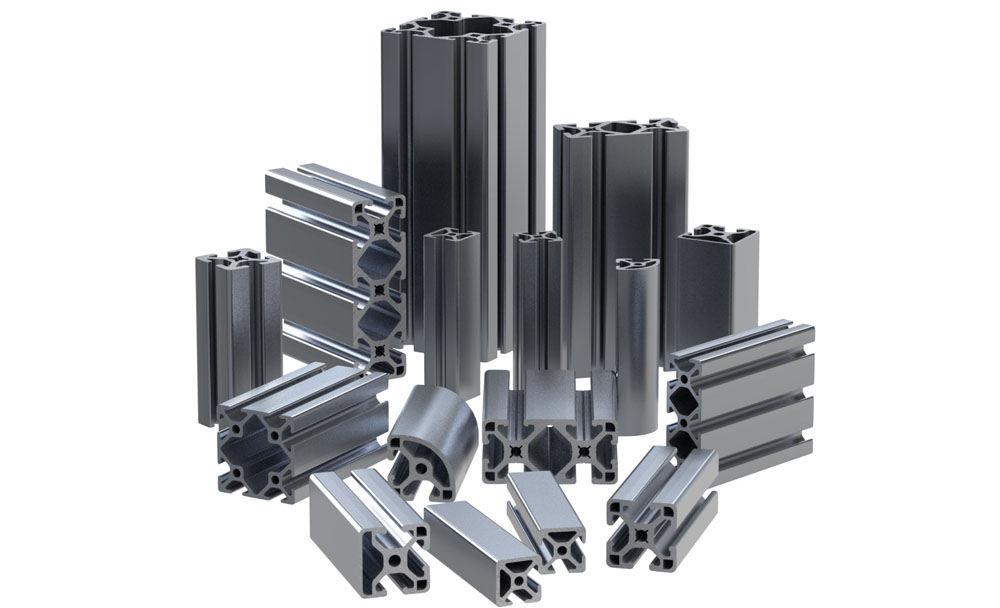
- High-Quality Metal Composite / Aluminum Profile Doors: These are ideal for lower-grade cleanrooms (Grade C/D) or auxiliary corridors. Modern doors utilize high-strength aluminum frames combined with composite panels. They offer exceptional surface flatness and reduced weight. This minimizes hardware wear and perfectly balances cost-effectiveness with longevity.
- Surface Roughness (Ra Value) Control: For sterile core areas, you must strictly control surface roughness to Ra ≤ 0.8μm (or Ra ≤ 0.4μm). This mirror polish significantly reduces the physical adhesion of microbes. It also minimizes disinfectant residue.
- Specialized Coating Technologies: Some premium doors feature nano-scale antimicrobial or Electrostatic Discharge (ESD) coatings. High-quality coatings must pass cross-cut tape tests (achieving ASTM D3359 Class 5B adhesion). This ensures they do not peel or degrade under long-term friction.
3. Sealing Performance: The "Invisible Guardian" of Pressure Stability
Cleanrooms rely on strict pressure differentials. This prevents the spread of contamination. Typically, the pressure differential between adjacent areas of different grades should be 10-15 Pa. Areas of the same grade need at least 5 Pa. Therefore, the sealing performance of airtight cleanroom doors directly determines this gradient's stability. It also significantly impacts HVAC energy consumption.
- Perimeter Sealing Systems: The standard configuration involves high-density magnetic silicone gaskets. However, for areas with extreme pressure requirements (>20 Pa), we highly recommend advanced inflatable seals. Once the door closes, this technology automatically inflates the gasket with clean compressed air. This fills microscopic gaps and achieves ultimate airtightness (up to EN 12207 Class 4). Upon opening, it automatically deflates to prevent dry friction.
- Bottom Sealing Systems: Traditional fixed sweep seals easily wear down flooring. Modern cleanroom doors must feature automatic drop seals. Their internal mechanism links to the door latch. When the door closes, the seal drops to tightly fill the floor gap. When the door opens, it retracts. This protects expensive flooring and prevents floor particulates from entering the airflow.
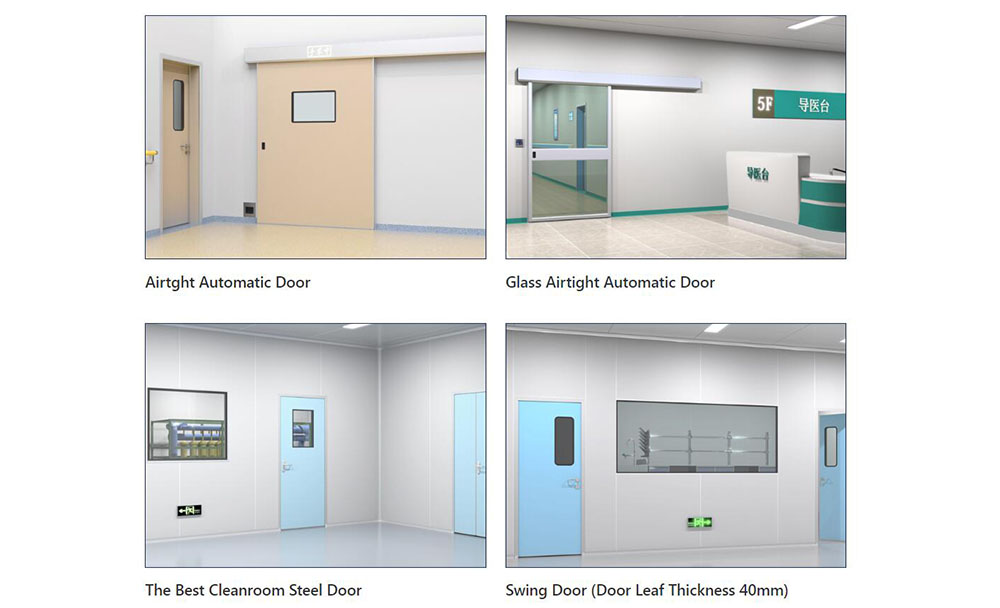
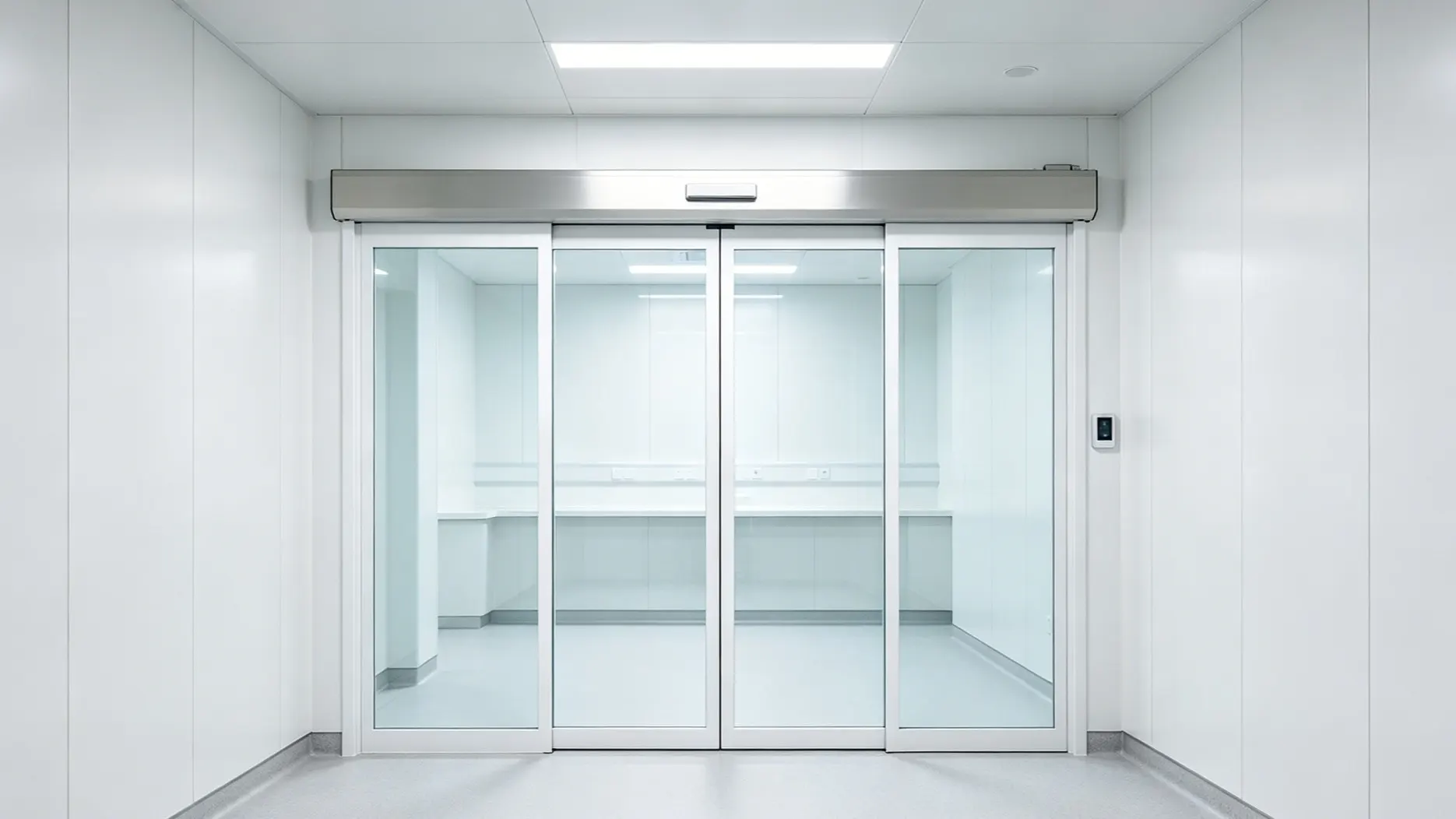
- Hermetic Sliding Door Options: For space-constrained areas or heavy material passageways, hermetic sliding doors for pharmaceutical cleanrooms are the ideal choice. Their track designs typically feature top-hung mechanisms. This achieves a trackless floor layout and completely eliminates ground-level cleaning dead zones.
4. Hygienic Design: Making Daily Cleaning and Validation a Breeze
Hygienic Design aims to reduce maintenance time. It also simplifies cleanroom door maintenance and cleaning validation. Ultimately, this eliminates harborage points for microbes and particulates.
- Flush Design: This is the standard for modern cleanroom doors. The door frame must be perfectly flush with the wall panels. The door leaf must also be flush with the frame when closed. This design completely eliminates "L" or "U" shaped dust traps. Consequently, it allows for seamless, blind-spot-free wipe-down cleaning. Installers must strictly control tolerances within ±1mm.
- Coved Corners: The edges of the door leaf, concealed hinge covers, and vision panel perimeters should feature large-radius coved transitions. This aligns with fluid dynamics to reduce air turbulence. Furthermore, it facilitates dead-zone-free cleaning with standard tools.
- Chemical Resistance Validation: Pharmaceutical environments frequently utilize potent disinfectants. Therefore, door surface materials must undergo rigorous third-party testing. They must withstand at least 500-1,000 cycles of high-concentration Vaporized Hydrogen Peroxide (VHP) fumigation or Isopropyl Alcohol (IPA) wipe-downs. This prevents yellowing, chalking, degrading, or gasket hardening.
5. Vision Panels: The Perfect Balance of Safety Observation and Sealing

Vision panels must meet process observation and safety needs. However, their design must never weaken the door's overall sealing and hygienic performance.
- Glass Configuration: We highly recommend double or triple-pane tempered glass. Crucially, the cavity between the panes must contain high-efficiency molecular sieve desiccant. You must control the dew point below -40°C. This effectively prevents condensation on the inner glass surface. Thus, it stops water droplets from becoming vectors for microbial growth.
- Installation Method: Vision panel glass must utilize a flush-mounted, recessed installation process. Installers must seal it seamlessly with medical-grade silicone. Strictly avoid exposed screws, metal glazing beads, or traditional snap-in fittings. This prevents dust accumulation and microbial proliferation.
- Size and Placement Specifications: You should customize the vision panel's size and center height based on the area's function. For example, personnel observation windows typically have a center height of 1.5m and dimensions of 400mm x 600mm. Material flow monitoring windows may require larger sizes. Additionally, you must avoid direct sunlight to prevent localized temperature spikes.
6. Automation and Interlocking: Mitigating Human Error Through Technology
Human operation introduces significant contamination risks. Therefore, enforcing standardized behavior through technology is a core strategy. Consequently, automatic cleanroom doors are rapidly becoming the standard in high-specification pharmaceutical facilities.
- Electronic Interlock Systems: An interlocking system for pharmaceutical airlocks is critical for preventing cross-contamination. A reliable electronic interlock system (like PLC control) ensures two doors cannot open simultaneously. Advanced systems also feature an "overtime alarm" function. If a door remains open beyond 15 seconds, the system triggers an audio-visual alarm. This reminds personnel to pass through quickly and maintain the pressure gradient.
- Touchless Activation: Doors should feature infrared/microwave sensors, access card readers, keypads, or foot pedals. This completely eliminates the cross-contamination risk of manually touching door handles. This is especially crucial for operators wearing sterile gloves, ensuring strict adherence to aseptic protocols.
- Rapid Opening/Closing Control: Automated door bodies precisely control opening and closing speeds. A high-quality cleanroom automatic door can achieve full opening within 2-4 seconds. This rapid operation minimizes the time the doorway remains open. As a result, it reduces pressure fluctuations and unfiltered external air infiltration, while lowering HVAC energy consumption.
7. Scenario-Based Selection: How to Configure Doors for Different Cleanliness Grades?
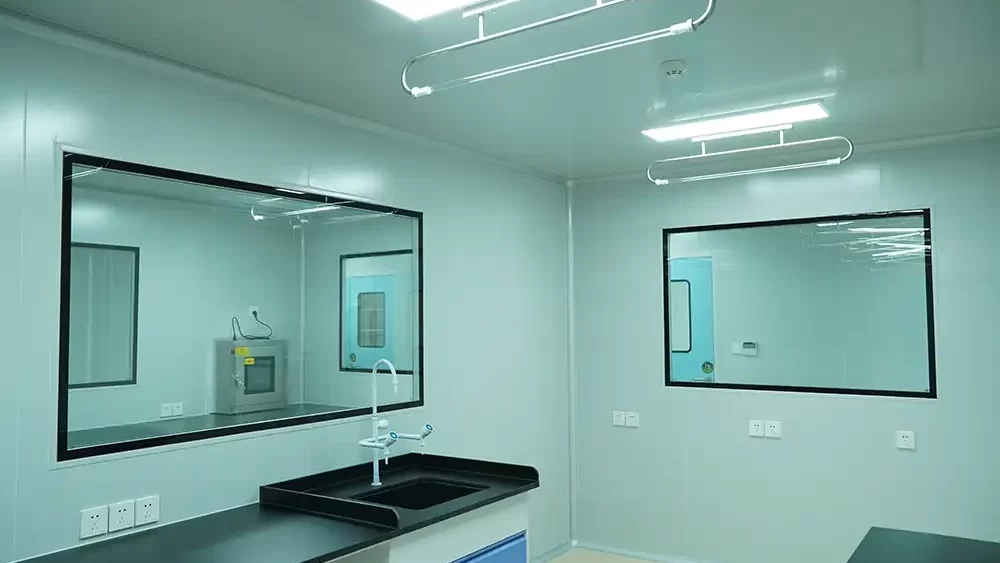
No single door fits every scenario. Instead, you must choose the most suitable door for each specific process area. Precise configuration based on cleanliness grade, usage frequency, and medium characteristics is essential. This achieves the optimal balance of performance and cost.
- Core Sterile Areas (Grade A/B): This is the absolute core of contamination control. We recommend a 316L stainless steel door body with an inflatable sealing system. Add fully automatic touchless sensor activation and strict electronic interlock logic. Furthermore, ensure surface polishing to Ra ≤ 0.4μm. Installers must fully weld and polish all joints. This ensures absolute airtightness and VHP resistance, meeting stringent Sterility Assurance Level (SAL) requirements.
- General Clean Areas (Grade C/D): These include compounding rooms, secondary packaging areas, or clean corridors. We recommend high-quality metal composite or aluminum profile cleanroom swing doors. Equip them with magnetic silicone sealing and automatic drop seals. Manual or semi-automatic push/pull operation works best here. The focus is on ensuring surface flatness, ease of cleaning, and basic pressure maintenance, while balancing durability for daily use.
- Material Transfer Areas: For material passageways with frequent traffic, swing doors are inefficient. They also disrupt pressure differentials. Therefore, we recommend high-speed roll-up doors with self-cleaning capabilities and high sealing. Alternatively, use pass-through boxes or goods air showers equipped with interlocks and UV/VHP self-cleaning functions. This ensures material flow does not compromise the main cleanroom environment. It also achieves strict segregation of personnel and material flows.
Conclusion
Ultimately, choosing a pharmaceutical cleanroom door is not about buying the most expensive option. Rather, it is about finding the right fit. For QA and facility managers, the right door means fewer compliance headaches. It also means lower HVAC energy consumption and zero anxiety during unannounced GMP inspections. Finding the best door for pharmaceutical cleanroom applications is all about securing that perfect balance of performance, durability, and cost.
Door selection is a game of details and experience. If you are staring at blueprints, do not decipher the specs alone. You might be unsure whether to opt for inflatable seals or magnetic gaskets. Or perhaps you worry about VHP resistance. Instead, bring your target cleanliness grade and specific application scenarios to the table, and let's chat. We will not push the most expensive options. We will help you secure the most suitable ones. Consequently, this will make your future audits and daily operations significantly less stressful.
-
 Cleanroom Glass Windows Are The Key to Maintaining a Clean Environment
 -
 Top Aluminium Profile Manufacturers in China: Leading the Global Market
 -
 The Evolution of Air Tight Sliding Doors
 -
 AHU Aluminium Profile: A Comprehensive Guide
 -
 The Importance of Choosing the Right Cleanroom Door in Vietnam
 -
 The Benefits of Hospital Automatic Doors: Enhancing Efficiency and Safety
 -
.jpg) The Best Bathroom Door Manufacturers - Unlocking Endless Possibilities!
The Best Bathroom Door Manufacturers - Unlocking Endless Possibilities! -
 Unlock the Possibilities with AJ Manufacturing Doors
 -
 Make a Statement with Manufactured Home Interior Doors!
 -
 what is aluminum profile? Aluminum Profiles for Your Home is the best option
-
 5 Hermetic Door Mistakes That Break the Seal
 -
 Hospital Room Door Size by Room Type: Width and Clearance
 -
 Retrofit Manual Doors with Electronic Glass Operators
 -
 Hospital Emergency Exit Doors: 90 Minute Fire Rating Meets Infection Control
 -
 ICU and Isolation Door Requirements Hospitals Often Overlook
 -
 Laboratory Door Requirements for BSL-2 and BSL-3 Containment
 -
 Retrofitting Hospital Sliding Doors: Upgrade Wards Without a Rebuild
 -
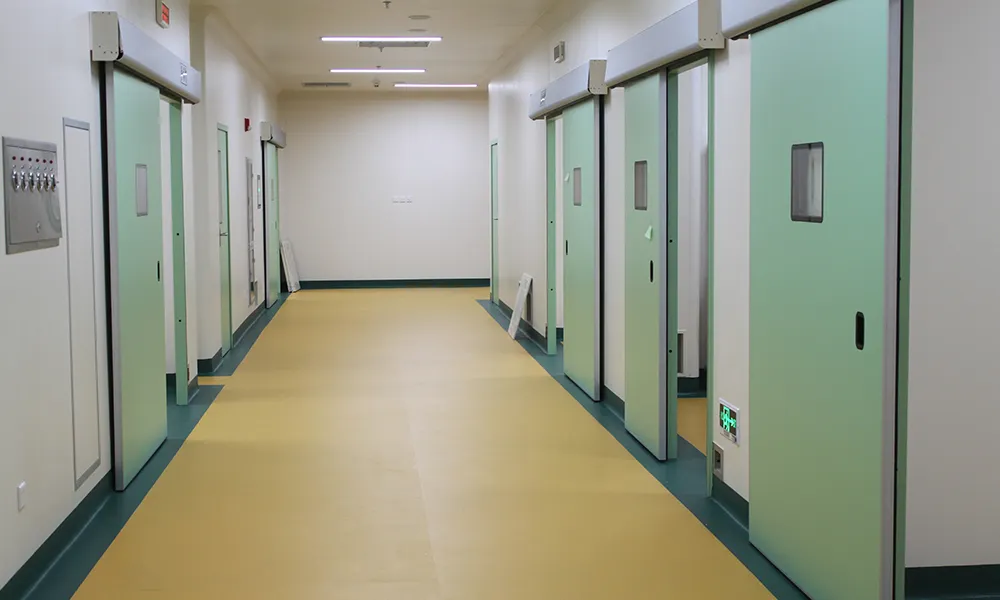 Why Airtight Hospital Sliding Doors Are Critical for Infection Control
 -
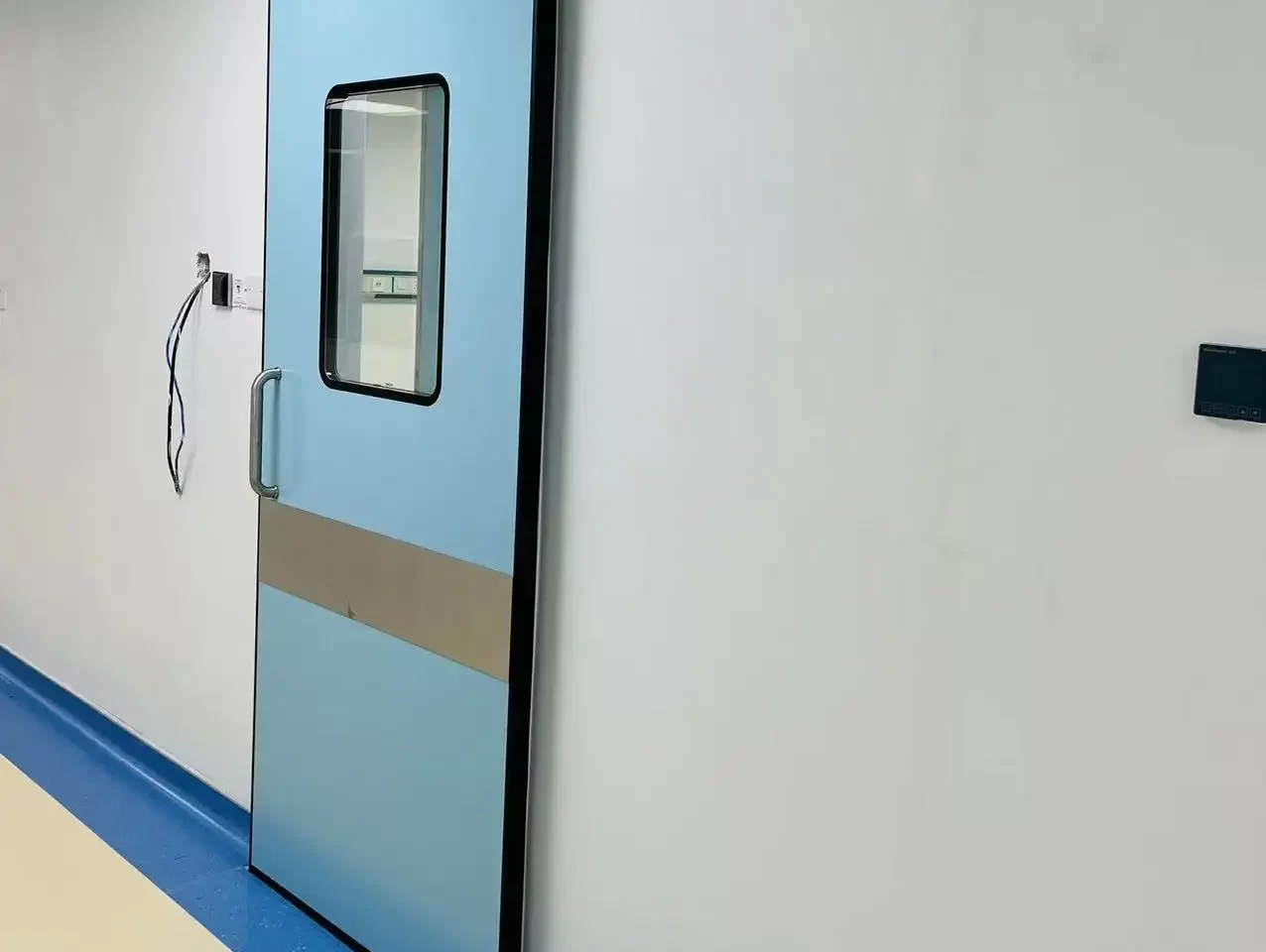 Automatic cleanroom door systems: sensor, actuator and access control integration
 -
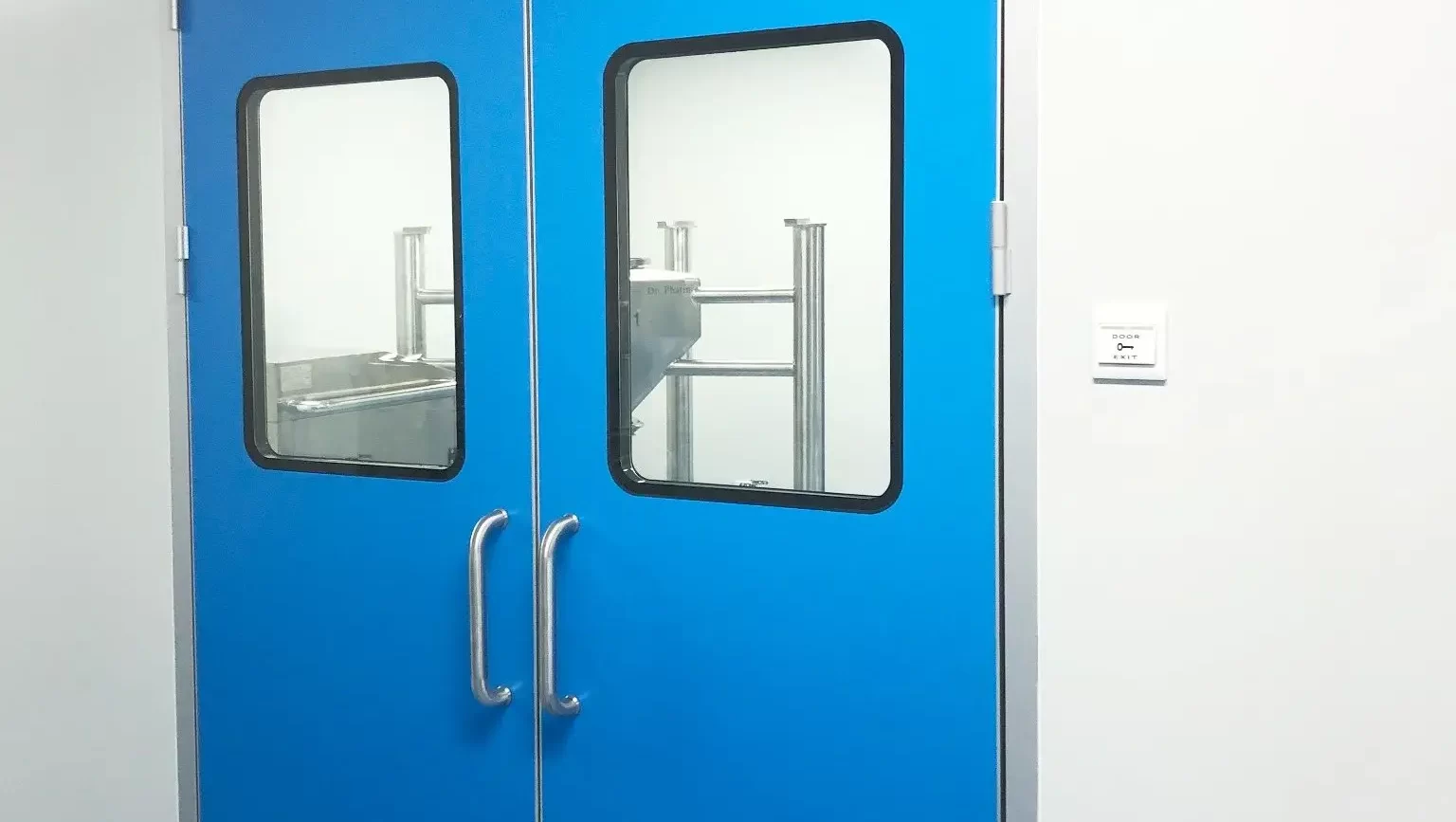 Cleanroom Door Materials: Stainless Steel vs HPL vs FRP vs Aluminum Comparison


-

Home
-

Tel
-

Email
-

Contact


Guangzhou Yizhong Aluminum Industry Co., Ltd.
We are always providing our customers with reliable products and considerate services.
We are always providing our customers with reliable products and considerate services.
Speak Your Mind