
Cleanroom Double Doors for Equipment Access and Material Transfer
Large equipment movements and high-frequency material transfers routinely disrupt cleanroom stability. Opening oversized doorways triggers immediate pressure drops, HVAC strain, and accelerated seal wear—frequently resulting in failed particulate validations. This is a daily operational reality for facilities across semiconductors, biopharma, and advanced manufacturing.
Standard single doors or improvised field frames cannot withstand these demands. The engineered solution is a purpose-built cleanroom double doors system. Rather than a simple two-leaf assembly, it functions as an integrated cleanroom equipment access doors platform designed for structural rigidity, dynamic airflow compensation, and compliance. This guide bypasses theoretical comparisons to detail how a correctly specified heavy duty cleanroom doors configuration maintains airtightness under load and delivers a reliable cleanroom material transfer doors pathway.
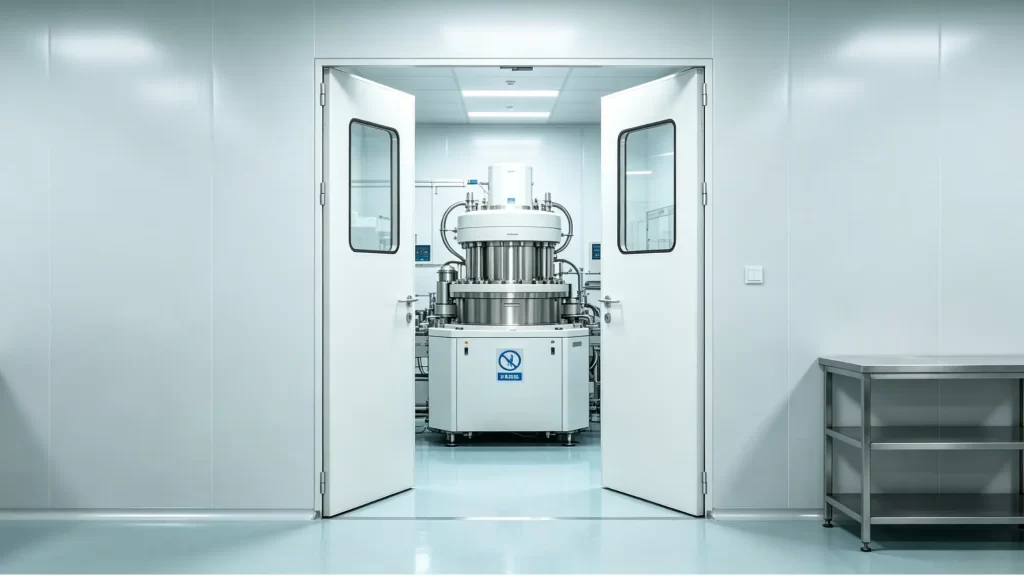
1. Why Dedicated Double Door Systems Are Essential for Large Logistics Pathways
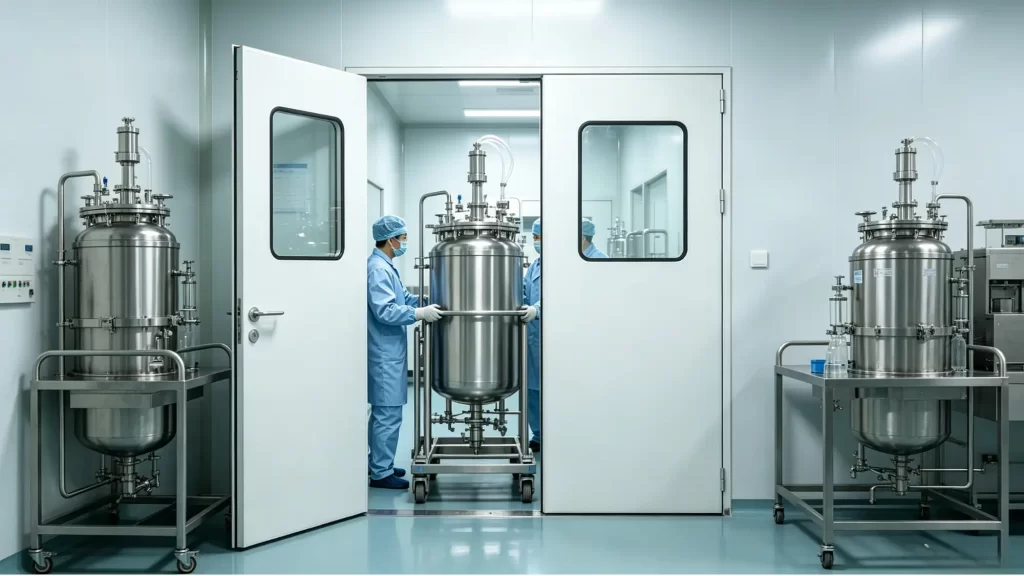
Cleanrooms operate on "unidirectional airflow + stepped pressure differentials." When process equipment (e.g., semiconductor etch chambers, bioreactors, heavy AGV carriers) must cross the clean barrier, the opening area often exceeds 3.0㎡. Relying on standard doors or poorly engineered passageways triggers three compounding risks:
- Pressure Instability & Airflow Backdraft: The instant the door opens, the effective flow area doubles. HVAC makeup air has a 2–5 second physical lag. Cross-door differential pressure can plummet from the standard 10–15 Pa to 0–3 Pa. Unfiltered external air seeps in through floor gaps, disrupting cleanroom pressure differential control gradients.
- Large-Span Deflection & Gasket Degradation: For single leaves ≥1.2 m wide, dead weight and opening/closing inertia create cumulative bending moments. Without anti-deflection design, leaves typically sag (>3 mm) within 6–12 months. This causes frame-leaf misalignment, insufficient gasket compression, and exponentially rising air leakage.
- Mechanical Fatigue Under High-Frequency Heavy Loads: Material transfer cycles ≥50/day, or frequent passage of pallet jacks/heavy carts, cause standard hinges and floor guides to deform under impact loads. Doors jam, squeak, and eventually force unplanned line downtime.
A purpose-built double door system addresses these through integrated "frame-leaf-hardware-seal-control" synergy. It maintains ≥2.4 m clear width while limiting dynamic pressure fluctuation to ±2 Pa. Leakage stabilizes at ≤0.3 m³/h·m² (per EN 12207).
For projects demanding continuous operation and zero-defect compliance, cleanroom double doors for large equipment isn't an expense. It's structural insurance for the pressure barrier.
2. Core Engineering Structure: Balancing Large-Span Access & Dynamic Sealing
2.1 Frame & Panel Construction: Deflection Resistance Meets Lightweight Design
- Profiles & Materials: Main frames typically use 6063-T5 aerospace-grade aluminum or 304/316L stainless steel cold-rolled profiles with wall thickness ≥2.0 mm. For corrosive or high-sanitization environments, stainless steel cleanroom double doors are the pharma and food industry standard, featuring electropolished surfaces at Ra≤0.8 μm.
- Core & Rigidity Design: Panels commonly use 25–50 mm aluminum honeycomb or fire-retardant magnesium oxide composites. For single-leaf spans ≥1.5 m, FEA (Finite Element Analysis) must verify bending resistance. Deflection under full dead load must remain ≤L/250 (L = span), preventing long-term deformation from compromising seals.
- Seamless Craftsmanship: Panel-to-frame joints feature full-weld grinding + seamless film lamination or electrostatic coating. Internal corners maintain R≥3 mm with no exposed fasteners. This complies with ISO 14644-4 requirements for "cleanable, dead-zone-free" surfaces.
2.2 Heavy-Duty Hardware & Operation Systems: Engineering for Million-Cycle Lifespan
- Continuous Heavy-Duty Hinges: 3–4 concealed load-bearing hinges (≥150 kg/load each) with self-lubricating bronze bushings deliver ≥500,000 cycles. Built-in anti-sag micro-adjustment mechanisms (±3 mm range) allow vertical leaf correction in service without disassembly.
- Floor Guides & Impact Buffering: Concealed floor rollers or high-polymer wear-resistant tracks are paired with polyurethane/silicone-coated bumper strips (15–20 mm thick). Minor impacts from jacks or heavy carts are absorbed (≥80% kinetic energy reduction), protecting the frame from plastic deformation.
- Soft-Close & Controlled Operation: Hydraulic door closers or servo-driven systems allow adjustable opening speeds (0.5–1.2 m/s) with damping at the closing stroke. For fully automated lines, automatic cleanroom double doors integrate photoelectric or magnetic induction sensors for contactless operation, minimizing human-induced airflow turbulence.
2.3 Multi-Stage Sealing & Pressure Management: The Core of Dynamic Airtightness
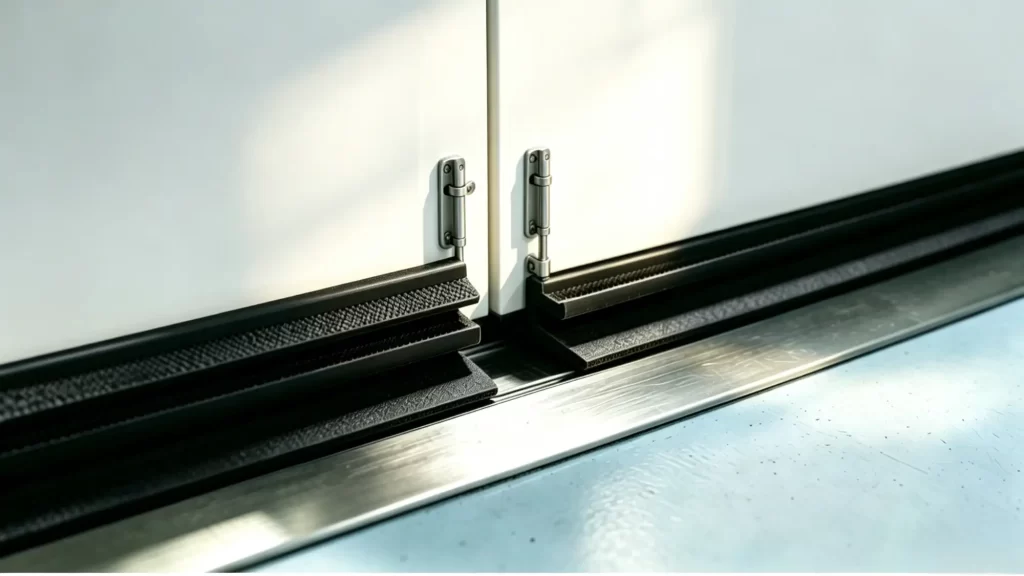
A high-performance cleanroom door sealing system combines three-sided compression sealing with an automatic drop threshold. Dual EPDM or medical-grade silicone gaskets at the frame-leaf interface are engineered for 25–30% compression. The base features an Automatic Drop Seal: pneumatically or mechanically triggered to press flush against the floor upon closing, and retract ≥10 mm upon opening to prevent floor scraping.
Dynamic pressure compensation requires coordinated BMS logic. Upon opening, the system triggers HVAC bypass dampers or VFD fans to compensate airflow within 1.5–3.0 seconds. Pressure recovery occurs in ≤3 s, with verified leakage remaining <0.3 m³/h·m².
For ISO Class 5–6 cores or negative-pressure biosafety labs, magnetic or inflatable gasket seals (Inflatable Gasket) can be specified. These achieve near-zero leakage at 0.15–0.2 MPa inflation pressure.
3. Compliance & Contamination Control: From Material Compatibility to Smart Interlocks
Cleanroom logistics pathways aren't just physical openings. They're extensions of the contamination control strategy. Designs must pass rigorous material compatibility, sterilization tolerance, and system integration validation to qualify as true GMP compliant cleanroom doors.
3.1 Cleanable Surfaces & Chemical Resistance
Surface resistivity must be maintained at 10⁶–10⁹ Ω (antistatic grade) to suppress electrostatic particulate adhesion. Gaskets and panels must endure 2,000 hours of cyclic wiping with VHP (vaporized hydrogen peroxide), 70% IPA, and quaternary ammonium disinfectants. No cracking, hardening, fading, or leaching is acceptable.
316L stainless variants are compatible with CIP/SIP high-temperature washdowns (121°C/30 min). This directly supports EU GMP Annex 1 requirements for sterile barriers.
3.2 Interlock Logic & Intelligent Control
The cleanroom door interlock system is the heart of airlock contamination control. Dual mechanical bolts + electronic limit switches, or PLC logic, prevent simultaneous opening. System tolerance allows <0.5 s overlap during state transition.
The architecture supports Modbus RTU/TCP and BACnet protocols. It uploads cycle counts, gasket life warnings, and pressure fluctuation curves in real time. Access tiers (maintenance, material transfer, emergency fire) can be configured and integrated with badge, RFID, or biometric readers.
For fire safety, compliance with NFPA 101 / GB 50016 mandates automatic electromagnetic lock release upon fire alarm. Leaves swing unidirectionally or remain open to ensure egress.
3.3 Third-Party Certification & Validation Testing
Pre-shipment testing must include particulate shedding (≤10 particles/ft³ @ ≥0.5 μm), fire rating (Class A/B1), and airtight negative-pressure testing (-50 Pa hold for 10 min with zero decay).
For ISO 7 cleanroom double doors and higher, specifying vendors who provide third-party airflow simulation reports and verified leakage data is critical. This avoids "lab-perfect, field-failed" acceptance traps.
4. Industry Applications & Custom Configuration Matrix
| Industry Scenario | Access Pain Points & Cleanliness Requirements | cleanroom double doors Custom Configuration Highlights |
|---|---|---|
| Semiconductor/Microelectronics | Lithography tools/large chambers/FOUP transfer, vibration-sensitive, ISO 4–6 | Micro-vibration isolation bases (damping ≥0.02 g), EMI-shielding conductive gaskets, hybrid automatic sliding/swing drives, seamless antistatic floor transitions |
| Biopharma/Sterile Formulations | Bioreactors/sterile material batch transfer, VHP sterilization required, GMP compliance | 316L full-argon TIG welded structure, VHP-tolerant silicone seals, CIP/SIP-compatible floor tracks, electronic batch record interlock logging |
| New Energy/Precision Manufacturing | Large battery modules/precision instruments ingress, high-cleanliness logistics corridor, ISO 7–8 | Heavy-duty floor rollers (≥500 kg/leaf load), quick-release gasket design, AGV auto-sensing door activation modules |
| Food & Cosmetics | High-moisture/acid-alkali washdown environments, high-frequency cart traffic, cross-contamination prevention | Food-grade epoxy coatings, 304 stainless steel main body, threshold-free ramp transition (slope ≤1:12), anti-condensation drainage channels |
5. Selection Planning & Engineering Deployment Guide
5.1 Dimension Planning & Pathway Simulation
Clear door width ≥ equipment envelope width + 150 mm safety clearance per side. Clear height ≥ equipment highest point + 200 mm for overhead piping/lighting.
Validate AGV/jack turning radii using CAD or 3D pathway simulation to avoid frame interference. Allow 10–15% future expansion margin to prevent re-cutting and structural reinforcement.
5.2 Structural Reinforcement & Load Calculation
Lintels must support door assembly weight (120–250 kg/set) plus inertial impact. H-beams or concrete embeds are recommended.
For operating differentials >25 Pa, frames require anti-wind-pressure stiffeners (section modulus ≥15 cm⁴) to prevent inward bowing. In vibration-sensitive zones, polyurethane foam + rubber isolation pads between frame and wall decouple structural vibration transmission.
5.3 System Integration & Commissioning
PLC electronic interlocks (<0.2 s response) are recommended for high-frequency corridors. Mechanical interlocks suffice for lower-cycle areas.
Frame-to-wall joints require medical-grade polyurethane sealant (≥3 mm bead), cured and tested via water spray/negative pressure leak checks. Floor-threshold interfaces use seamless epoxy or PVC sheet heat-welding to eliminate dirt-trapping right angles.
Post-installation, conduct third-party leakage testing (EN 12207), pressure recovery validation (≤3 s), and interlock stress testing (100 continuous fault-free cycles). The cleanroom airlock double door must be commissioned alongside the HVAC system. Isolated door testing cannot reflect real-world performance.
5.4 Lifecycle Maintenance
Inspect gasket compression set (≤15%) every 12–18 months. Replace if exceeded. Lubricate hinges and floor guides with food-grade silicone grease every 6 months.
Maintain a spare parts inventory (gaskets, closers, limit switches, control modules) to cap downtime at ≤4 hours and protect production schedules.
6. Technical Alignment & Project Deep-Dive Recommendations
Cleanroom logistics pathway design requires tight integration with HVAC pressure gradients, structural load capacities, and process flow routing. Early project phases should prioritize doorway dimension verification, pressure gradient modeling, and interlock logic validation. Reference clauses from ISO 14644-4, EU GMP Annex 1, and SEMI F21 for technical handover.
To obtain double door structural drawings, hardware configuration lists, airtightness test report templates, or interlock protocol parameters, engage suppliers with certified cleanroom implementation capabilities for technical alignment and on-site surveying. During engineering refinement, explicitly define floor transition slopes, gasket replacement intervals, BMS/PLC interface specifications, and third-party acceptance criteria to ensure long-term system stability.
-
 Cleanroom Glass Windows Are The Key to Maintaining a Clean Environment
 -
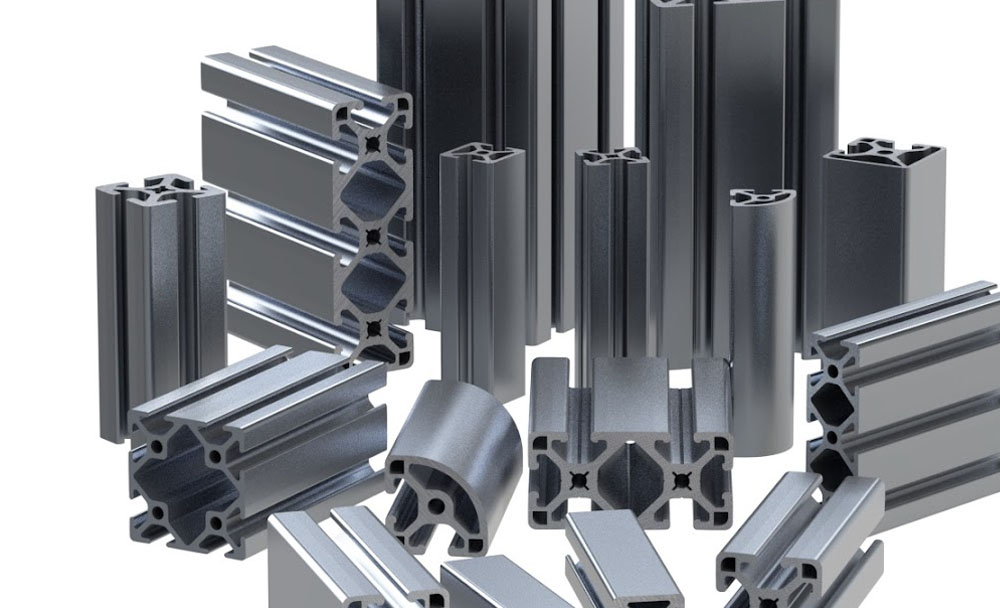 Top Aluminium Profile Manufacturers in China: Leading the Global Market
 -
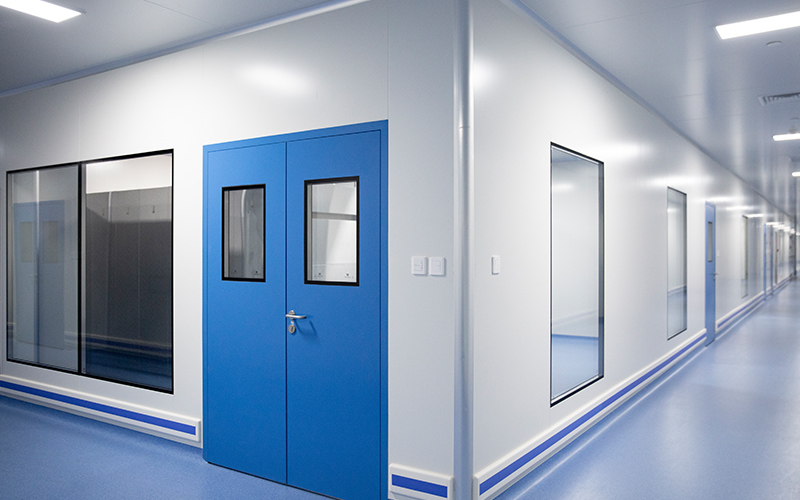 The Evolution of Air Tight Sliding Doors
 -
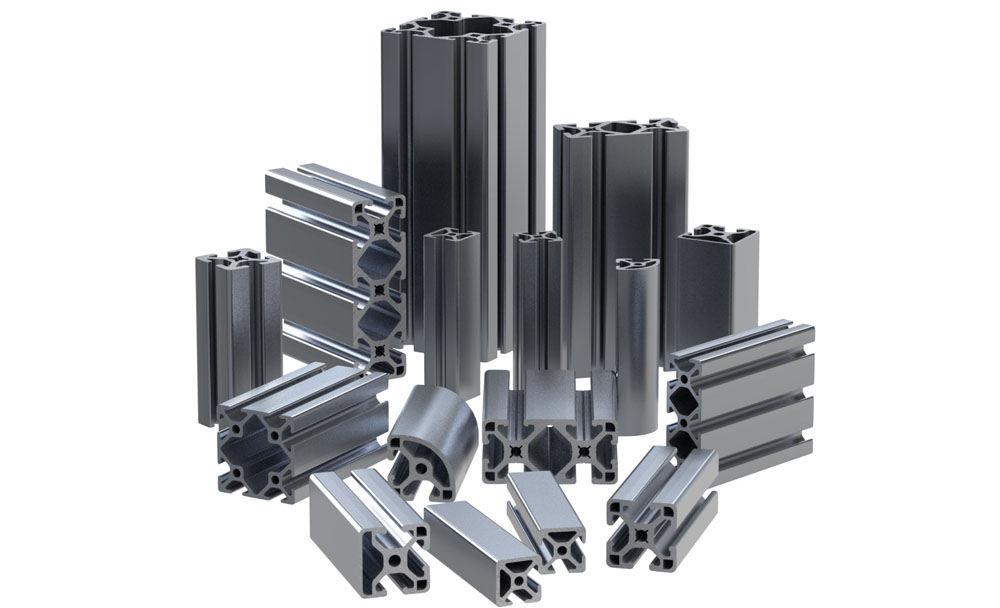 AHU Aluminium Profile: A Comprehensive Guide
 -
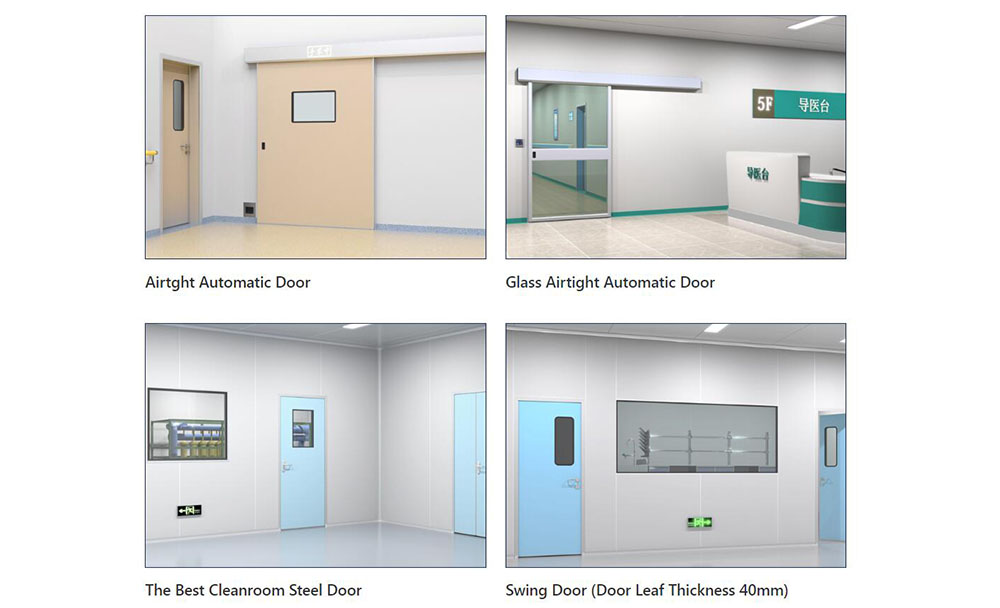 The Importance of Choosing the Right Cleanroom Door in Vietnam
 -
 The Benefits of Hospital Automatic Doors: Enhancing Efficiency and Safety
 -
.jpg) The Best Bathroom Door Manufacturers - Unlocking Endless Possibilities!
The Best Bathroom Door Manufacturers - Unlocking Endless Possibilities! -
 Unlock the Possibilities with AJ Manufacturing Doors
 -
 Make a Statement with Manufactured Home Interior Doors!
 -
 what is aluminum profile? Aluminum Profiles for Your Home is the best option
-
 Hospital Emergency Exit Doors: 90 Minute Fire Rating Meets Infection Control
 -
 ICU and Isolation Door Requirements Hospitals Often Overlook
 -
 Laboratory Door Requirements for BSL-2 and BSL-3 Containment
 -
 Retrofitting Hospital Sliding Doors: Upgrade Wards Without a Rebuild
 -
 Why Airtight Hospital Sliding Doors Are Critical for Infection Control
 -
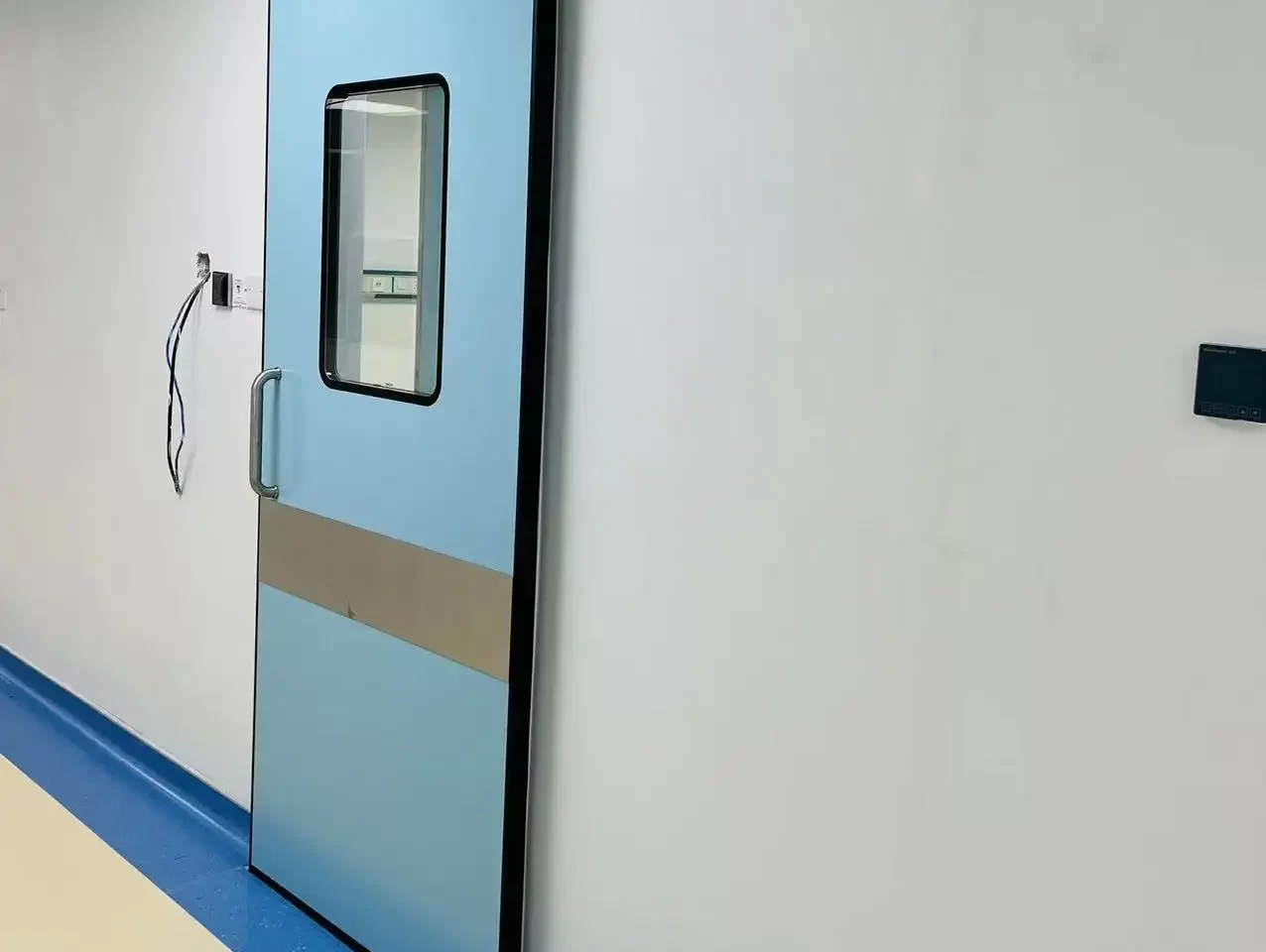 Automatic cleanroom door systems: sensor, actuator and access control integration
 -
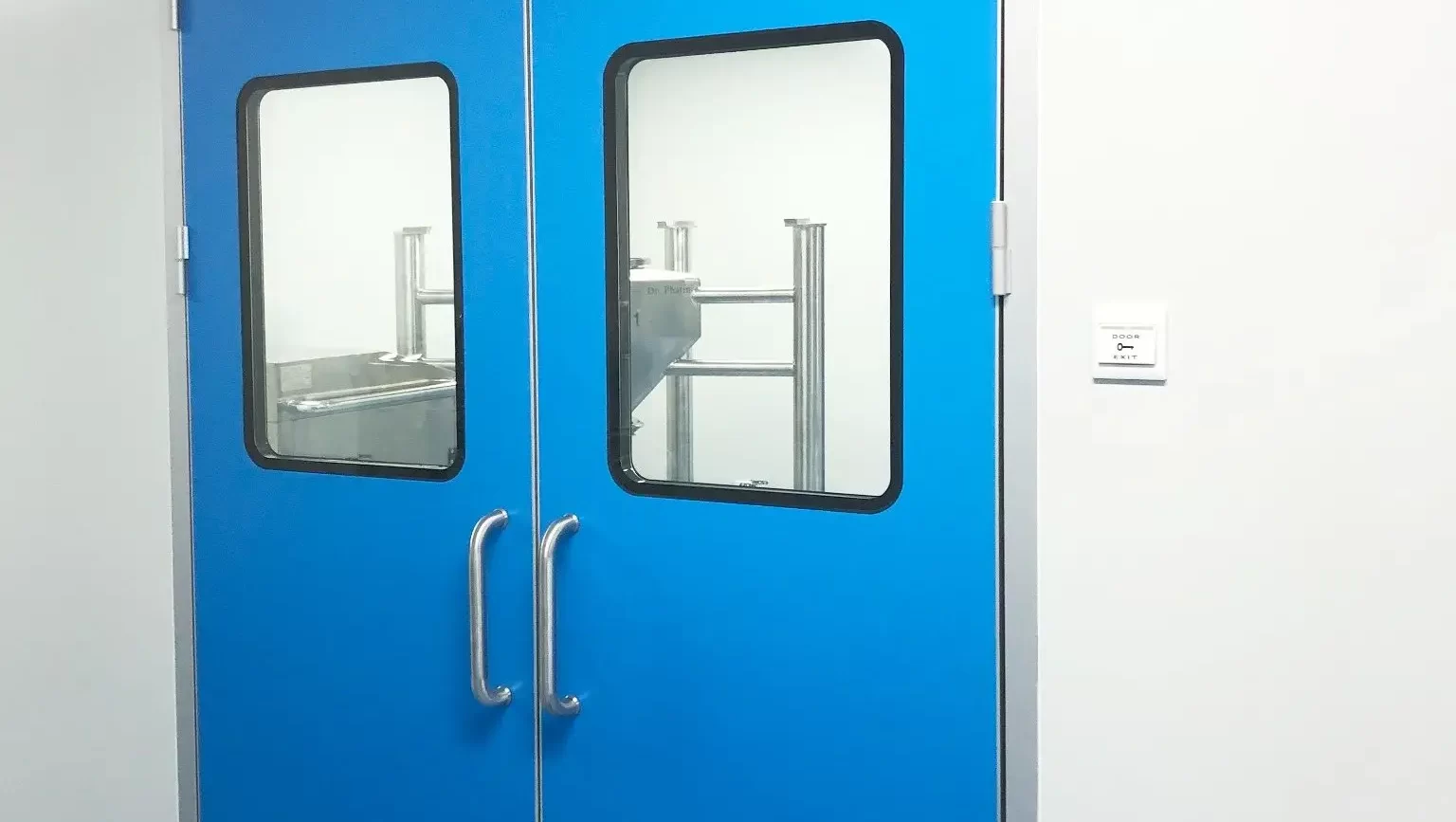 Cleanroom Door Materials: Stainless Steel vs HPL vs FRP vs Aluminum Comparison
 -
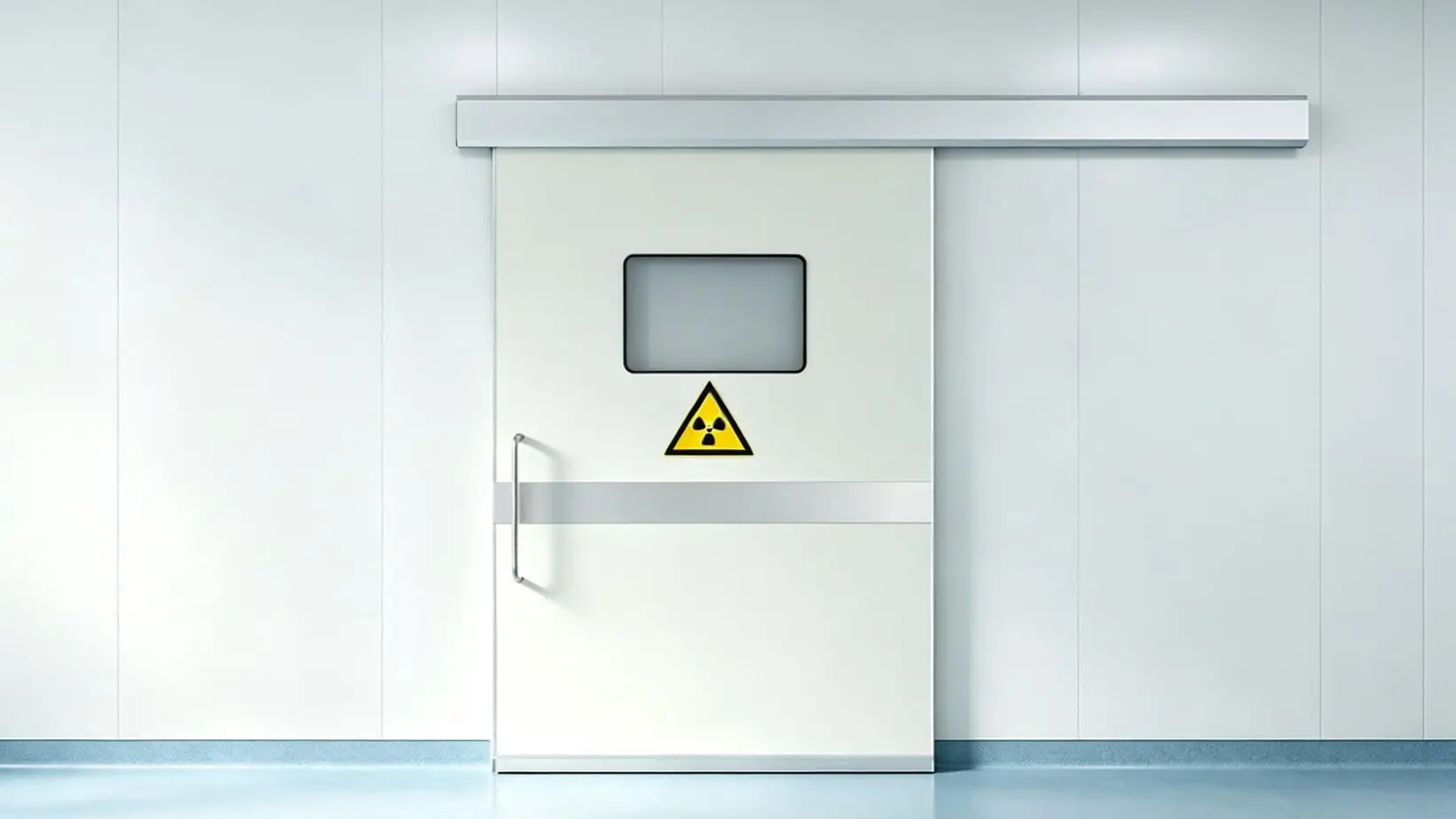 X-Ray Room Door Buying Guide: Lead Thickness & Compliance
 -
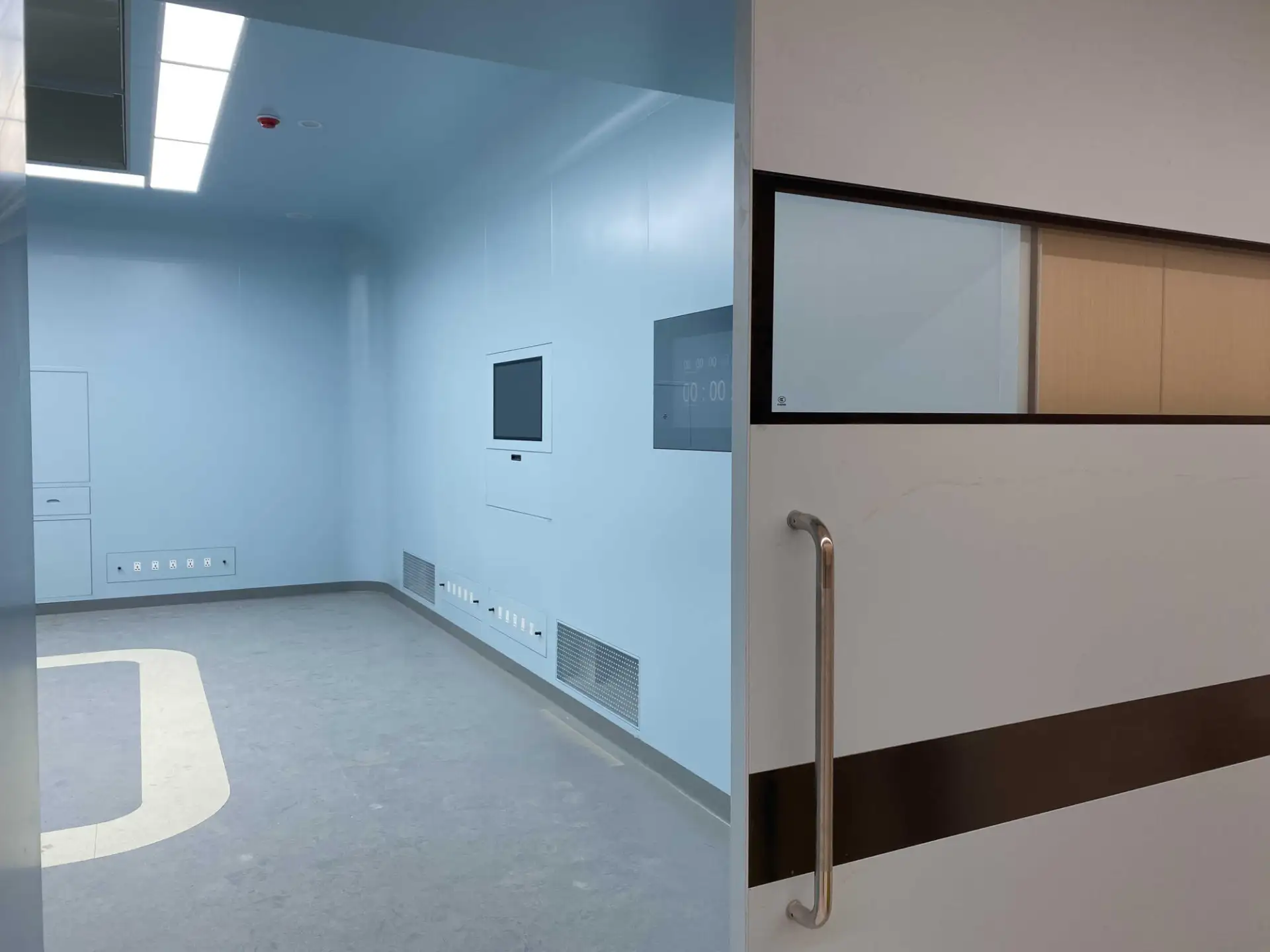 Operating Room Doors: Hermetic & Infection-Control Guide
 -
 Hospital ICU Door Selection: Sealing, Sterility & Workflow


-

Home
-

Tel
-

Email
-

Contact


Guangzhou Yizhong Aluminum Industry Co., Ltd.
We are always providing our customers with reliable products and considerate services.
We are always providing our customers with reliable products and considerate services.
Speak Your Mind