
What Leak Rate Must a Hermetic Door Pass to Comply
A hermetic door either holds the pressure differential or it does not. In a cleanroom or a sterile suite, that single fact decides whether the room keeps its classification when the auditor walks in. The number that proves it is the air leakage rate, measured in cubic meters per hour at a set pressure difference. This article explains the thresholds a hermetic door must stay under to pass ISO 14644 and GMP review, how the pass or fail test is run, and what to ask a supplier before you sign.
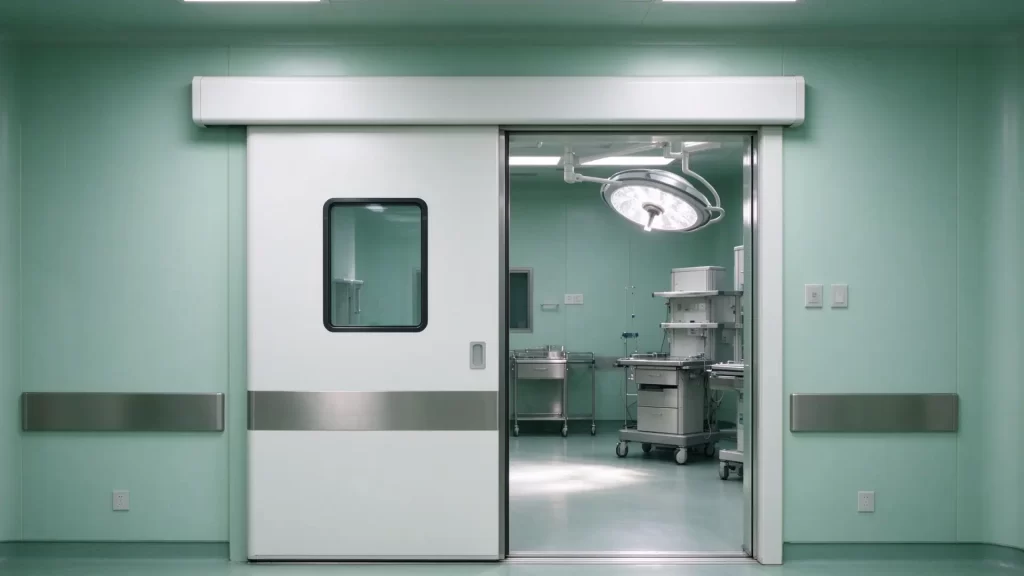
Why the leak rate is the test that matters most
Facilities commission hermetic doors to keep two spaces at different pressures. The moment air slips through the leaf perimeter, the cascade breaks. Unfiltered air enters, particle counts rise, and the room drifts out of class. Auditors do not grade doors on appearance. They grade them on whether the sealed assembly holds air at the rated differential.
For a procurement or validation engineer, the leakage rate is the one metric that turns a marketing claim into a measurable fact. A supplier can say "airtight" all day. The test report says whether it is true. That is why the question "what leak rate must it pass" sits at the center of every hermetic door specification, and why the answer changes with the room class rather than with the catalogue page.
The cost of getting it wrong is not theoretical. A door that leaks above its class band can fail a revalidation, halt a production line, or force a remediation that costs more than the door itself. The leakage number is the early warning that prevents all three.
What the leakage rate measures
Leakage rate is the volume of air passing through the closed door assembly per unit of time under a fixed pressure difference. It is normally stated as cubic meters per hour (m3/h) at a test pressure such as 50 Pa, or in cubic feet per minute (CFM) for North American specs. The pressure matters as much as the volume. A door that leaks 0.5 m3/h at 10 Pa may fail completely at 50 Pa, because the gasket compression and frame seal behave differently as the differential climbs.
Two things make the figure meaningful. First, it is measured on the whole assembly, leaf, frame, seals, and the frame to wall joint, not on the panel alone. A pretty door leaf proves nothing if air bypasses the frame. Second, it is measured at the worst case differential the room will see in service, not a comfortable lab condition. A hermetic door rated at 50 Pa tells you more than one tested at 25 Pa, because 50 Pa is the pressure that exposes weak seams.
The units also need a common reading across a project. When an architect specs CFM and a validation engineer logs m3/h, the numbers look different but describe the same air. Converting and stating the test pressure next to every figure lets the whole team read the result the same way.
The compliance ladder: limits by room class
There is no single universal pass number, because the allowed leakage tracks the cleanroom class. The stricter the particle limit, the tighter the door must seal. The widely used reference band, measured at 50 Pa, looks like this:
| Cleanroom class | Max recommended leakage at 50 Pa | Typical application |
|---|---|---|
| ISO Class 5 (Grade A) | 0.1 m3/h | Sterile filling, isolators |
| ISO Class 6 to 7 | 0.3 m3/h | Pharma intermediates, biotech |
| ISO Class 8 | 0.5 m3/h | General clean zones, packaging |
These are benchmark figures drawn from published ISO 14644 aligned guidance, not a single mandatory law, but they are the numbers auditors compare against. A Grade A filling suite that leaks 0.4 m3/h has failed its class even if the door looks sealed. A general packing area at 0.5 m3/h is within band.
European EN 12207 frames the same idea as air leakage classes, from Class 0, near zero below 0.01 m3/h at 4 Pa, for containment grade doors up to Class 4 for standard hermetic swing doors. When a spec calls for Class 1 or 2, it is asking for the tight end of that scale, the end a true hermetic door is built to reach. The class and the m3/h band describe the same goal from two standards, so either can anchor the specification as long as the test pressure is stated.
The reason lower classes get more lenient numbers is dilution capacity. An ISO 8 room with a high air change rate can absorb a small leak without breaking its particle limit. An ISO 5 room cannot. The door leakage is a larger share of the room's total air budget as the class tightens, which is why the allowed figure shrinks from 0.5 down to 0.1.
How the pass or fail test is run
The accepted field method is the pressure decay test. You pressurize the room or the test chamber to the target differential, usually 50 Pa, stop the supply, and watch how fast the pressure falls. A slow decay means the door and walls hold air. A fast decay means something leaks. The leakage rate is calculated from that decay against the room volume.
ISO 14644-3 describes the formal testing, including tracer gas methods for high risk containment where a quantified number matters more than a pressure trend. For most hermetic door acceptances, pressure decay at 50 Pa with the result logged against the class limit is enough to show pass or fail. Tracer gas, helium or sulfur hexafluoride, is reserved for the rooms where a false pass is unacceptable.
The judgment is binary once the number is in. If the measured leakage at 50 Pa sits at or below the class band, the door passes. If it sits above, the room cannot claim that classification at the door, and the finding goes into the audit report. There is no partial credit, and there is no appeal to how good the door looked on delivery day.
Why a hermetic door is held tighter than a standard door
A standard cleanroom door relies on compression gaskets and a closer's force. A hermetic door is built to remove the gaps those leaves behind. The mechanisms differ by class. Inflatable tube seals fill the full perimeter on closing. Multi point compression drives the leaf evenly against the gasket at several lock points. Double gasket profiles seal in two stages. Each design exists to push the leakage number toward zero under the rated pressure.
That is also why the five mistakes that break a hermetic seal matter so much. A door engineered to 0.1 m3/h loses that rating the moment a corner gasket is pinched, a frame joint is left unbonded, or an inflatable seal is under inflated. The hermetic rating is a maintained condition, not a one time achievement, and the mistakes article lists the exact habits that walk a door back over the line.
Hermetic and airtight are close but not identical in how they are judged. Airtight speaks to the absence of flow. Hermetic speaks to a tested, documented seal under a defined differential. For compliance, the documented number is what counts, which is why this article keeps returning to the tested leakage rate rather than the adjective on the brochure.
What pushes a door over the limit
Most failures are not the panel. They are the edges and the joints.
Frame to wall bypass is the largest hidden leak. A leaf can seal perfectly while air slips around the frame through an unbonded joint between the door frame and the cleanroom panel. Flush mounted installation with continuous sealant and verified adhesion is what closes that path. A gap at the wall is invisible from the room side and only shows up when the pressure decay test runs.
Gasket compression set is the second. Elastomers age. A seal that rebounds at commissioning loses spring after thousands of cycles and exposure to disinfectants, and the leak creeps up. Material choice decides how fast that happens, which is why the seal spec belongs in the purchase order, not left to the catalogue.
Inconsistent closure is the third, mainly on manual leaves. A door that is pushed shut unevenly leaves a partial gap no gasket can close. Automatic and interlocked hermetic doors remove that variable because the operator force is replaced by a driven, repeatable close. In a high traffic corridor, the repeatable close is what keeps the number stable shift after shift.
Material and seal choices that keep you under the line
The gasket is where the leakage number is won or lost. Silicone, EPDM, and neoprene each behave differently under pressure, chemical exposure, and cycle count. Silicone holds elasticity across a wide temperature range and sheds few particles, which is why it appears in higher class rooms. EPDM resists many disinfectants. The right pick depends on the cleaning agents and the class, not on a default the supplier happens to stock.
Compression set below a set threshold after accelerated aging is the figure to request. A gasket specified under 20 percent set after 22 hours at 70 C will still rebound years later. One that does not will leak before the room reaches its next revalidation. Pair that with a shore hardness suited to the frame, and the seal stays in contact through the cycle count the room demands. E-ZONG specifies silicone perimeter seals on its higher class hermetic doors for this reason, matching the gasket to the room's disinfectants and cycle count rather than to a stock default.
The frame material matters too. Welded stainless holds its shape and its bond to the wall better than assembled frames with joints that can open under load. In a hermetic application the frame is part of the seal rather than only the holder for the leaf, so its stiffness under differential pressure is part of the leakage budget.
What to ask the supplier before you buy
The leakage rate is only as trustworthy as the report behind it. Before placing the order, ask for the tested leakage figure at 50 Pa for the exact assembly being supplied, not a similar catalogue leaf. Ask which standard the test followed, ISO 14644-3 pressure decay or a documented equivalent. Ask for the class band the door is claimed to meet and the room class it is meant for.
If a supplier cannot show a test report for the configured door, that is the answer. A hermetic door without leakage evidence is a claim, not a compliance item. E-ZONG supplies documented leakage testing on its hermetic assemblies so the number in the spec matches the number in the room, and the report travels with the door through factory acceptance and site revalidation.
A short pre order checklist helps the whole team. Confirm the room class and its 50 Pa leakage band. Confirm the test standard and the exact assembly tested. Confirm the frame to wall sealing method and who owns it on site. Confirm the revalidation interval and what evidence the door must show then. Four questions, one number, and the audit stops being a surprise.
Where the number is strictest: operating rooms and sterile suites
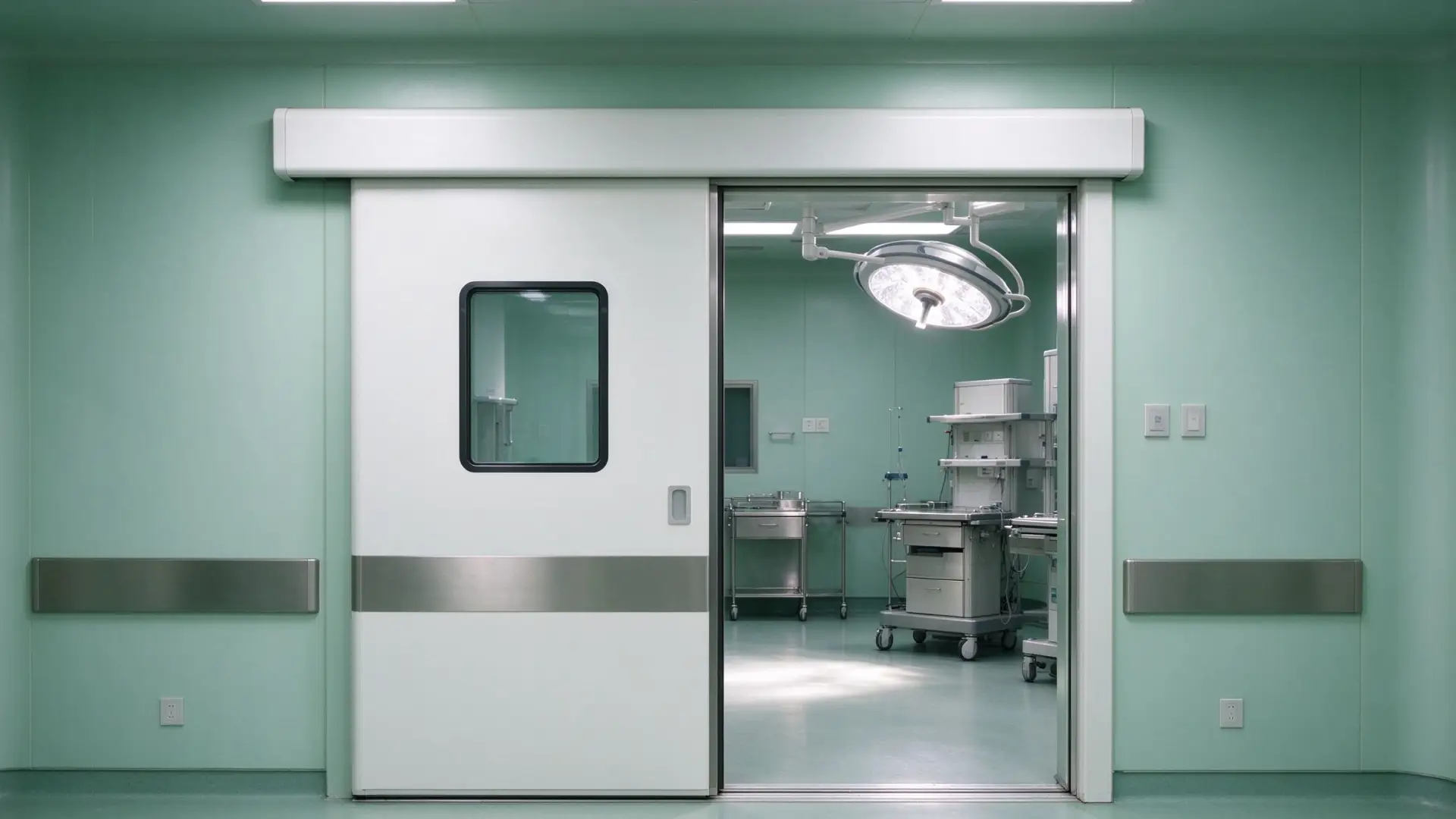
The rooms that punish leakage hardest are the ones where a single breach ends a batch. Operating room and sterile suite hermetic doors sit at the tight end of the scale. E-ZONG builds its operating room hermetic doors to that same standard, because in suites like these the leakage limit is not a preference. It is the line between sterile and not.
BSL labs, aseptic filling, and ATMP suites push even tighter, toward Class 0 to 1 inflatable or multi point seals. The same principle applies at every level: name the class, demand the tested number at 50 Pa, and verify it at acceptance. The strict rooms simply leave less room for error, which is why their door specs read like instrument tolerances rather than furniture choices.
FAQs
What leakage rate passes ISO 14644?
It depends on the class. At 50 Pa the common bands are 0.1 m3/h for ISO 5, 0.3 m3/h for ISO 6 to 7, and 0.5 m3/h for ISO 8. Confirm the band for your specific room class before specifying, because the number moves with the particle limit.
Is there one GMP leak rate for all doors?
No. GMP references the room's required classification and pressure differential. The door must hold the differential the process needs, which maps to the class band above rather than a single fixed figure across every facility.
Does a hermetic door need retesting after install?
Yes. Factory figures prove the panel. Field leakage at the frame to wall joint proves the room. Pressure decay at acceptance, and again at revalidation, is how you confirm the installed door still passes.
What pressure is the leak rate tested at?
Fifty pascals is the standard worst case for cleanroom door testing. Some high containment rooms test higher. Always state the test pressure next to the number, because the figure means nothing without it.
Can a manual hermetic door meet a tight class?
It can, if the close is consistent and the gasket is sound, but manual closure drifts with the operator. Automatic or interlocked leaves give the repeatable close that tight classes depend on, which is why they dominate ISO 5 and Grade A spaces.
Build the spec around the number
A hermetic door earns its name only at the tested leakage rate. Pick the class, demand the figure at 50 Pa, and verify it on site. The features that make a door truly hermetic are the same features that keep the leakage number where the audit expects it, from the perimeter seal to the frame to wall bond.
E-ZONG has supplied cleanroom and hermetic door systems to pharmaceutical, hospital, and electronics facilities since 1996, with manufacturing in Foshan, Dongguan, Zhongshan, and Taishan and ISO 9001 quality systems behind every assembly. If you are specifying hermetic doors for an upcoming project, share the room class, door dimensions, and pressure differential with E-ZONG for a free technical review and a leakage target matched to your classification.
-
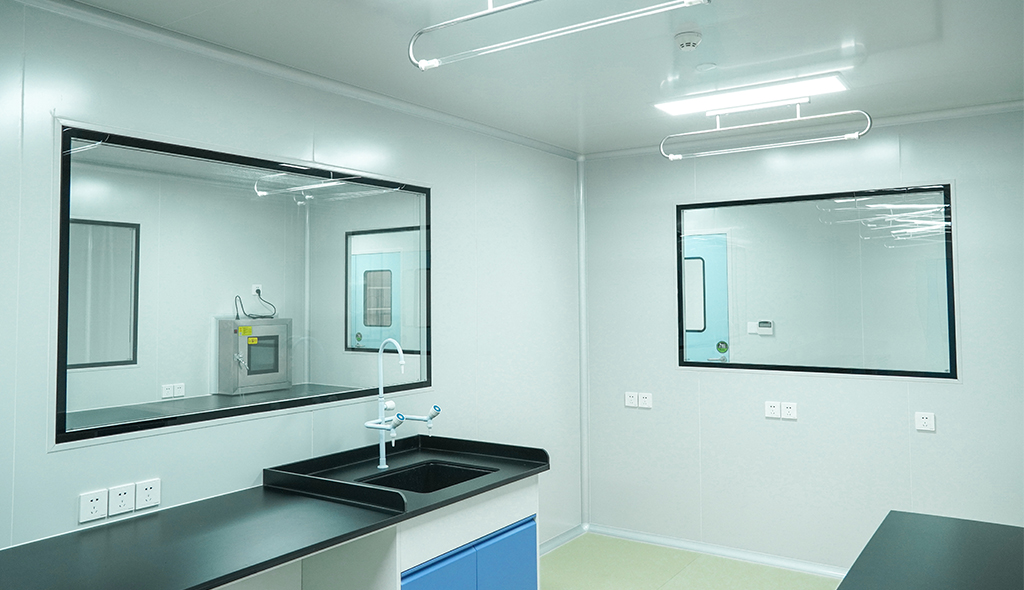 Cleanroom Glass Windows Are The Key to Maintaining a Clean Environment
-
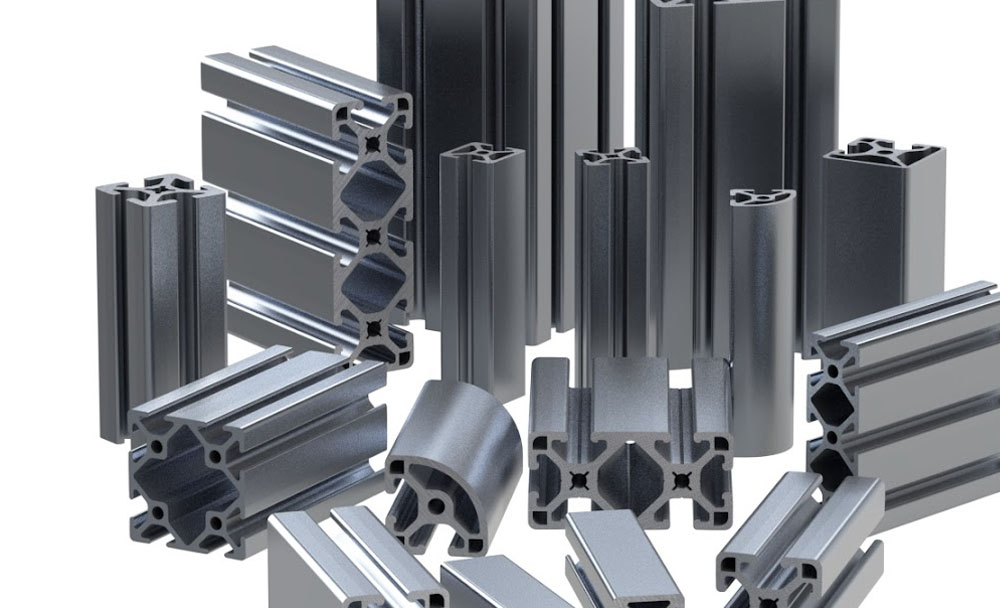 Top Aluminium Profile Manufacturers in China: Leading the Global Market
-
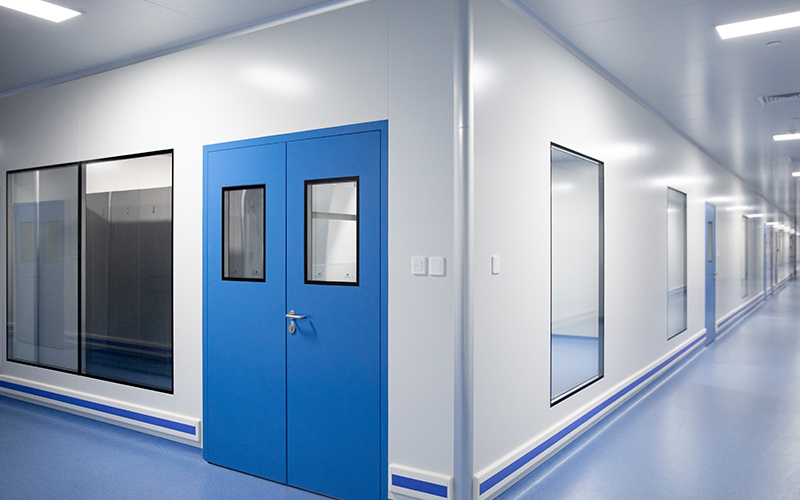 The Evolution of Air Tight Sliding Doors
-
 AHU Aluminium Profile: A Comprehensive Guide
-
 The Importance of Choosing the Right Cleanroom Door in Vietnam
-
 The Benefits of Hospital Automatic Doors: Enhancing Efficiency and Safety
-
 The Best Bathroom Door Manufacturers - Unlocking Endless Possibilities!
-
 Unlock the Possibilities with AJ Manufacturing Doors
-
 Make a Statement with Manufactured Home Interior Doors!
-
 what is aluminum profile? Aluminum Profiles for Your Home is the best option
-
 Cleanroom Automatic Sliding Doors: Belt vs Magnetic Drive
-
 What Leak Rate Must a Hermetic Door Pass to Comply
-
 Hospital Door Costs 2026: What Drives the Price Tag
-
 Why Hospitals Pick Sliding Over Swing Doors in 2026
-
 Why Hospital Room Doors Need STC 35 for Wards 2026
-
 Cleanroom Doors: Replace or Retrofit? Save 40% on Cost
-
 Why Pharmaceutical Doors Fail VHP: Seal and Material Fixes
-
 Hospital Entrance Doors 2026: Touchless, ADA, Security Specs
-
 Hospital Doors: Types, Codes, and Selection by Department
-
 Clean Room Airlock Design: Pressure Cascade, Size, Doors




-

Home
-

Tel
-

Email
-

Contact


Guangzhou Yizhong Aluminum Industry Co., Ltd.
We are always providing our customers with reliable products and considerate services.
We are always providing our customers with reliable products and considerate services.
Speak Your Mind