
Hospital Door Costs 2026: What Drives the Price Tag
A hospital sends the same three words, "hospital doors," to four suppliers. The quotes come back and the numbers are not close. One opening prices like a piece of construction hardware. Another prices like a piece of medical equipment. A project manager staring at a spread that wide reasonably assumes someone is padding the number, or someone is cutting a corner.
Usually neither is true. The gap is almost never about the door itself. It is about the specification behind the door: what the leaf has to survive, what it has to seal, and which room it is going into. Two quotes for the same three words can describe genuinely different products, because "hospital door" is a category, not a product.
This guide takes the price tag apart. It shows what each layer adds, why the cost runs from a ward baseline up to an operating theatre figure that can be ten times higher, and how to read a quote at the spec line instead of the sticker. The goal is a number you can defend to a finance committee, not just a number you can afford this quarter.
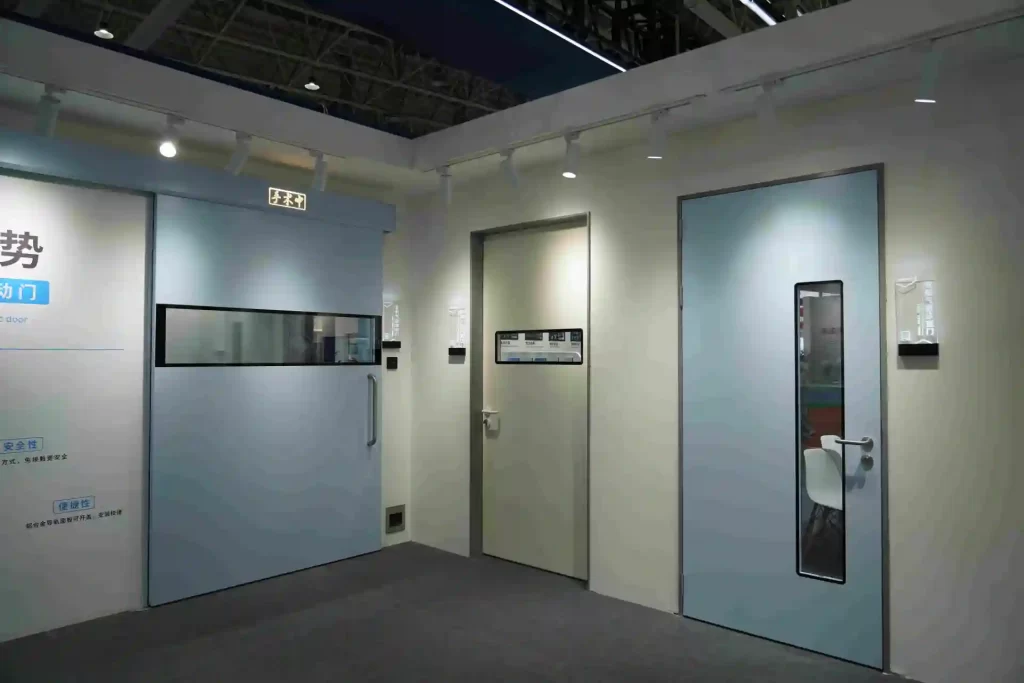
Anatomy of a hospital door price tag
A hospital door is not one material. It is a stack, and every layer in the stack has a price band. Once you can see the stack, the quote stops looking like a mystery and starts looking like a list of decisions somebody made on your behalf.
The panel and frame
The shell is the first cost layer, and it comes down to material and thickness. A standard ward door is cold rolled steel sheet, commonly 0.8 mm on the leaf and 1.2 mm on the frame. Step up to a heavier gauge and the price climbs, because heavier steel costs more to source, cut, and form, and it demands heavier hinges to carry the extra weight. Stainless steel pushes the cost higher again, and it is specified where corrosion and aggressive cleaning are constant, not for a whole building.
Frame construction matters as much as the leaf. A welded, ground, and finished frame costs more to produce than a knocked down frame shipped flat, and it installs truer, which is why high spec zones insist on it. This is also where custom sizing enters the picture. A non standard opening forces a made to order leaf and frame, which removes the discount that comes with a stock size, so a project full of irregular openings carries a real cost premium. If your floor plan does not use catalogue sizes, budget for custom hospital doors engineered for cleanrooms and HVAC rather than assuming an off the shelf leaf will drop in.
The core fill
Behind the panel sits the core, and the core is one of the quietest cost drivers on the whole sheet. Paper honeycomb is the lightest and cheapest. Aluminum honeycomb costs more and adds rigidity. Rock wool and mineral cores cost more again and buy fire performance. Polyurethane cores sit at the top of the fill band and buy thermal and acoustic performance along with fire resistance.
The core should match the room, not the marketing. A ward door does not need a mineral core. An operating theatre or a fire compartment does. Paying for a polyurethane core on an internal office door is waste, and specifying paper honeycomb where a fire rating is required is a compliance failure dressed up as a saving.
The surface finish
The finish is a bigger price lever than most buyers expect, because it is the layer that has to survive daily disinfection. A plain electrostatic powder coat is the baseline. An antibacterial powder coat adds cost and adds a claim. A PVC film or melamine wrap adds more. High pressure laminate, HPL, sits above that for flush, non porous, wipeable surfaces. Brushed or satin stainless is the premium finish, reserved for zones where nothing lighter will hold up.
The finish also decides how long the door still looks and performs like new. A budget powder coat in a corridor that gets washed with quaternary disinfectants several times a day will chalk and pit, and a pitted surface cannot be fully disinfected. That is not a cosmetic problem, it is a hygiene problem, and it is why teams that compare only the sticker price end up replacing doors early.
The hardware set
If the core is a quiet cost driver, hardware is the loud one hiding in plain sight. Hinges, a closer, a latch, a lever or push plate handle, and a lock are a surprisingly large share of the per door cost, and the spread between an economy set and a medical grade set is wide. Heavy duty hinges sized for a wide or heavy leaf cost more than standard weight hinges, and they are not optional, because a hinge that sags stops the door latching, which on a fire rated assembly is a life safety issue.
The closer deserves its own line. A surface mounted closer is cheap to buy and inconsistent in service. A hydraulic self closing hinge or a quality concealed closer holds its adjustment, latches every time, and survives the survey scrutiny that hospital regulators apply. Cheap hardware is the most reliable way to turn a compliant door into a cited deficiency within a few years, which is why E-ZONG treats the hardware set as a specification decision rather than a line item to trim.
Functional add ons
This is where hospital doors separate from commercial doors, and where the price can multiply. A fire rating means a rated core, rated hardware, and a tested, certified assembly. An airtight or hermetic seal means a perimeter gasket system, often a drop seal, and a frame machined to hold it. Lead lining for a radiology opening means lead sheet bonded into the leaf and a frame and hardware rated to carry the weight. An acoustic rating means mass, seals, and glazing chosen to hit a number. Automation means an operator, sensors, a control box, and a power supply.
Each of these is a tested assembly, not a feature you add on the day of install. That is why a fire rated door costs more than a non rated door of the same size: you are not paying for thicker steel, you are paying for a certification. And where performance is the point, the sliding doors built for treatment rooms and clinical areas show how much of the cost sits in the sealing and operator system rather than the leaf.
The four price tiers across a hospital
Rather than chase a single average, it helps to think in tiers, because a hospital is not one room. The tier is set by what the zone has to do, and the tier, not the brand, is what moves the number.
Tier 1: wards and patient rooms
This is the baseline. A wide, flush, antibacterial faced leaf with a vision panel, a lever handle, and a soft closing action. It has to let a bed through, sit quietly being wiped down, and protect privacy. Industry procurement guides put an indicative per opening range for a standard patient ward door at the low end of the hospital band, and this is the number most people picture when they hear "hospital doors." Every other tier is measured against it.
Tier 2: corridors and cross junctions
Corridor doors take impact from trolleys, beds, and carts all day, so the specification shifts toward durability: impact resistant faces, bumper guards, heavy duty hinges, and often a wider leaf for equipment flow. The cost sits modestly above the ward baseline. The extra money buys resistance to the dent that would otherwise become a contamination trap you cannot clean.
Tier 3: ICU, isolation, and operating rooms
This is where the price steps up sharply. These zones need airtight sealing to hold a pressure differential, hands free operation to protect a sterile field, and, in an operating theatre, a hermetic door that seals on all four edges and still opens in seconds. Add automation and a rated operator and the per opening figure climbs to a range that industry guides place at several times the ward baseline. This is the tier where buyers feel the most sticker shock, and it is also the tier where the cost is genuinely buying performance rather than padding.
Tier 4: radiology and lead lined openings
At the top of the range are openings that shield radiation. A lead lined door for an X ray, CT, or cath lab carries lead sheet bonded into the leaf, a frame and hardware rated for the weight, an interlock, and a warning light. The lead equivalent is calculated from the equipment and the room, so the cost is driven by physics, not preference. Industry guides place these among the most expensive openings in a hospital, often an order of magnitude above a standard ward door. The guide to X ray room doors for hospitals covers how shielding, access, and cleanability set that specification together.
| Tier | Typical zones | What the money buys | Indicative relative cost |
|---|---|---|---|
| 1 | Wards, patient rooms | Antibacterial flush leaf, vision panel, soft close | Baseline |
| 2 | Corridors, junctions | Impact resistance, wide leaf, heavy hinges | About 1.5x baseline |
| 3 | ICU, isolation, operating rooms | Airtight seal, automation, hermetic performance | About 3 to 15x baseline |
| 4 | Radiology, lead lined | Lead shielding, rated hardware, interlock | About 8 to 15x baseline |
The multiples are indicative, drawn from published industry procurement guides rather than a fixed list price. Local labour, freight, and quantity move the absolute number, but the shape of the curve, a wide spread from ward to theatre, holds across markets.
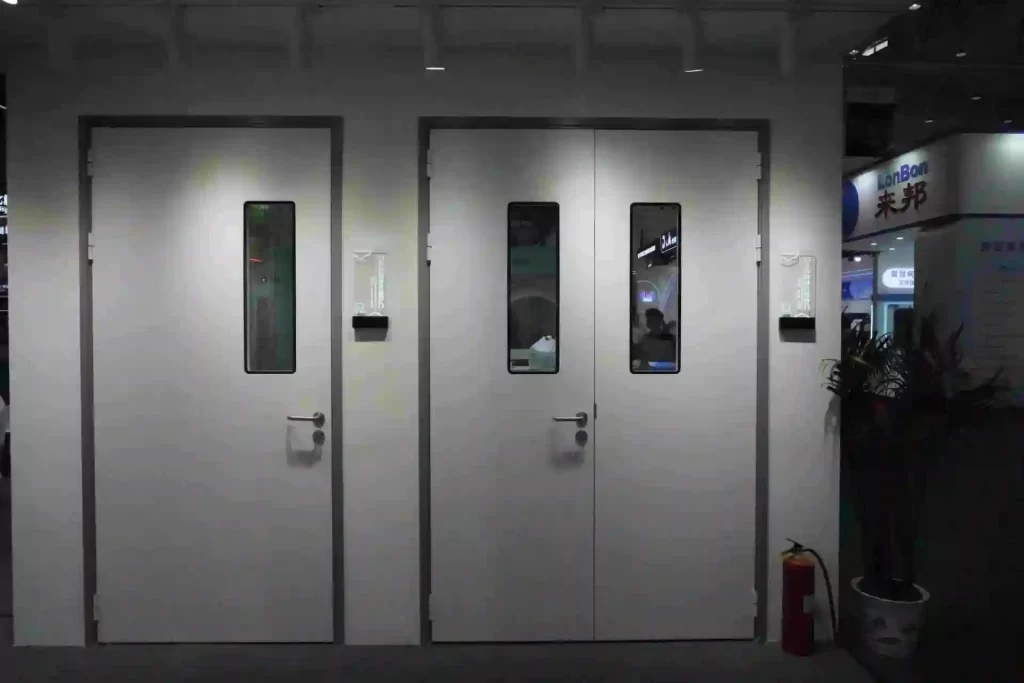
The six factors that move the number
Strip away the tiers and six factors decide where a given opening lands on the curve. Learn these and you can read almost any quote.
Material gauge and frame build
Heavier steel and a welded frame cost more to make and install, and they are worth it where weight and trueness matter, and wasted where they do not.
Core fill
From paper honeycomb to mineral to polyurethane, the core sets fire, acoustic, and thermal performance, and the price band with it. Specify to the room, not to the ceiling.
Surface finish
Powder coat, antibacterial powder, PVC, HPL, or stainless. The finish decides cleanability and how long the door survives aggressive disinfection. A cheap finish in a high traffic zone is a false economy.
Hardware grade
Hinges, closer, latch, handle, lock. This is the largest hidden spread on the sheet and the strongest predictor of whether the door still complies in five years. Buy hardware to the survey, not to the bid.
Required function
Fire rating, airtight or hermetic seal, lead lining, acoustic rating, automation. Each is a tested assembly with a certification cost, and each is either required by the zone or it is not. Do not buy function a room does not need, and never omit function it does.
Quantity, packaging, and scope
Bare door, door plus frame, plus hardware, plus freight, plus installation, plus tax, plus test reports, plus the documentation acceptance requires. Two quotes that differ by thirty percent are often quoting different scopes, not different prices. Batch quantity lowers unit price, and a rushed schedule raises it.
That last factor explains more alarming spreads between bids than any other, and it is the one buyers check least often.
Where hospitals overpay on doors
Overpaying on hospital doors rarely looks like a padded invoice. It looks like a reasonable decision made in isolation, repeated across a building.
Paying for a tier the zone does not need
A standard ward door does not need an airtight seal or an automatic operator. A low traffic administrative door does not need a mineral core or stainless finish. Buying one specification for the whole building because it simplifies procurement is one of the most common ways a door budget inflates, and it is entirely avoidable with a tier map.
The cheapest bid lifecycle trap
The lowest per door number usually hides its savings in the seal and the hardware, the two parts that fail first. Perimeter gaskets compress and age, and an economy closer drifts out of adjustment. A door that saved fifteen percent up front and needs a hardware rebuild in six years was never the cheap option. Hardware and seals are where lifecycle cost is decided, and they are the worst possible place to cut. E-ZONG specifies medical grade closers and perimeter seals as the default precisely because that is where a cheap quote gives its savings back within a few years.
The bare door comparison
Comparing a bare leaf price against an installed, documented, tested assembly is not a comparison, it is two different products. Before you evaluate any quote, force every bidder onto the same scope: leaf, frame, hardware, seal system, finish, freight, installation, and the certification package.
How to budget and compare quotes like a specifier
Budgeting gets easier the moment you stop looking for one average and start budgeting by tier. Assign each opening to a tier from the room's function, apply the tier's relative position, and you have a defensible envelope before you speak to a single supplier.
Then compare at the spec line, not the sticker. Ask every bidder for an itemized configuration: gauge, core, finish, hardware brand and grade, seal system, and exactly what is included. E-ZONG issues quotes at this level of detail as standard, because a per door number without the configuration behind it cannot be compared to anything. A quote that will not itemize is telling you something. Require the test report for the exact assembly being supplied, not a catalogue claim for a similar product, and confirm that production doors match the tested construction.
Two lines predict total cost of ownership better than any others: the seal system and the hardware. Spend there and the door holds its rating and its compliance for the life of the asset. Save there and you buy the same door twice.
Installation is the other lever. Prefabricated, modular hospital cleanroom doors that install faster reduce site labour, shorten the programme, and lower the risk of a rushed install that compromises the very seal you just paid for. In a renovation where the ward stays occupied, schedule savings are real money, and they rarely show up in a per door price.
FAQs
How much does a hospital door cost?
There is no single number. Industry procurement guides publish indicative per opening ranges that span roughly an order of magnitude, from a standard ward leaf at the low end to a lead lined operating theatre door at the high end. Budget by zone and tier, then request itemized local quotes.
Why is an operating room door so expensive?
Because it is a tested, hermetic, often automated assembly that has to seal on all four edges, hold pressure, and still open hands free in seconds. You are paying for the sealing and operator system and its certification, not for a thicker leaf.
Can I use a standard ward door in an isolation room?
No. An isolation room depends on a sealed envelope to hold its pressure differential. A ward door with a basic seal will leak, the pressure will drift, and the containment the room exists to provide will fail.
Does automation double the cost?
Automation adds an operator, sensors, a control box, and power, and it raises the per opening figure substantially, but it is not automatically double, and it is not always justified. It earns its cost in sterile and high contact zones like operating theatres and ICU, and it is often a nuisance in a standard ward.
How do I reduce hospital door cost without cutting compliance?
Match the tier to the room, spend on seals and hardware, compare at the spec line, and use modular assemblies to cut installation. Cutting the tier a room does not need is saving; cutting the seal a room does need is a compliance failure with a larger price tag later.
Conclusion
E-ZONG supplies projects across Europe, Southeast Asia, and the Middle East, and its hospital door references include ward retrofits, new theatre builds, and radiology suites where shielding and cleanability had to be specified together. That range is the point: a supplier who can quote all four tiers from one factory keeps the specification consistent across a building and keeps the budget honest.
If you have a floor plan or a door schedule, share the room types, opening sizes, and any pressure, fire, or shielding requirements. E-ZONG will return an itemized, tier matched specification and a quote you can compare line by line, so the number on the page finally matches the door on the wall.
-
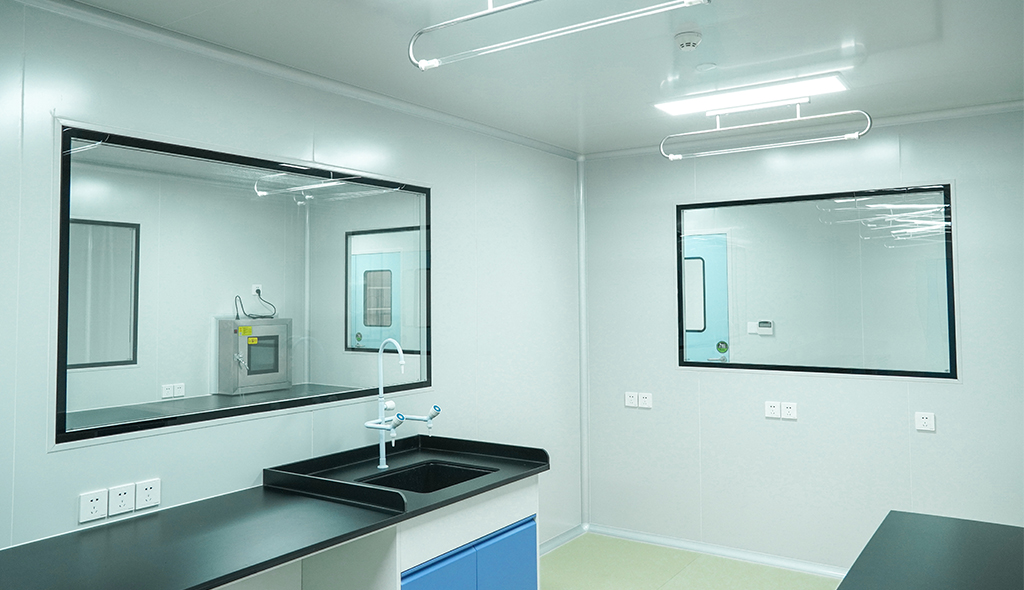 Cleanroom Glass Windows Are The Key to Maintaining a Clean Environment
-
 Top Aluminium Profile Manufacturers in China: Leading the Global Market
-
 The Evolution of Air Tight Sliding Doors
-
 AHU Aluminium Profile: A Comprehensive Guide
-
 The Importance of Choosing the Right Cleanroom Door in Vietnam
-
 The Benefits of Hospital Automatic Doors: Enhancing Efficiency and Safety
-
 The Best Bathroom Door Manufacturers - Unlocking Endless Possibilities!
-
 Unlock the Possibilities with AJ Manufacturing Doors
-
 Make a Statement with Manufactured Home Interior Doors!
-
 what is aluminum profile? Aluminum Profiles for Your Home is the best option
-
 Hospital Door Costs 2026: What Drives the Price Tag
-
 Why Hospitals Pick Sliding Over Swing Doors in 2026
-
 Why Hospital Room Doors Need STC 35 for Wards 2026
-
 Cleanroom Doors: Replace or Retrofit? Save 40% on Cost
-
 Why Pharmaceutical Doors Fail VHP: Seal and Material Fixes
-
 Hospital Entrance Doors 2026: Touchless, ADA, Security Specs
-
 Hospital Doors: Types, Codes, and Selection by Department
-
 Clean Room Airlock Design: Pressure Cascade, Size, Doors
-
 Cleanroom Automatic Sliding Doors: How They Work and Spec
-
 How a Fire Exit Door Serves Fire and Cleanroom Code

-

Home
-

Tel
-

Email
-

Contact


Guangzhou Yizhong Aluminum Industry Co., Ltd.
We are always providing our customers with reliable products and considerate services.
We are always providing our customers with reliable products and considerate services.
Speak Your Mind