
Hospital Sliding Doors for Treatment Rooms and Clinical Areas
Streamlining Clinical Workflows Through Strategic Door System Selection
As modern healthcare architecture evolves, treatment rooms, diagnostic zones, and clinical corridors face mounting pressure to balance operational efficiency with stringent regulatory compliance. Traditional swing door systems—constrained by fixed swing radii—not only consume valuable clinical workspace but also present critical bottlenecks during high-frequency emergency gurney traffic, large imaging equipment transfers, and infection control pathway management.
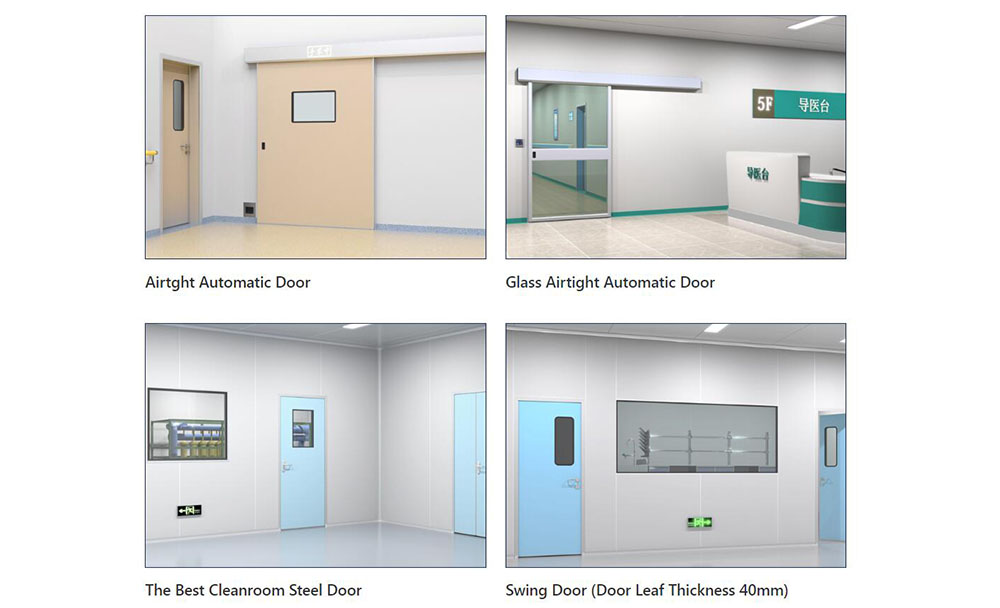
Against this backdrop, hospital sliding doors have emerged as a pivotal specification choice for automatic hospital doors in new construction and renovation projects. Their zero-clearance design, modular scalability, and superior sealing performance position them as essential components of medical sliding door systems. Proper specification directly influences departmental throughput, infection control audit outcomes, and the foundation for intelligent facility operations.
I. Why hospital sliding doors Lead in Clinical Environments
Building on spatial fundamentals, let's explore why sliding configurations consistently outperform traditional alternatives in healthcare settings.
1.1 Maximizing Usable Space & Optimizing Traffic Flow
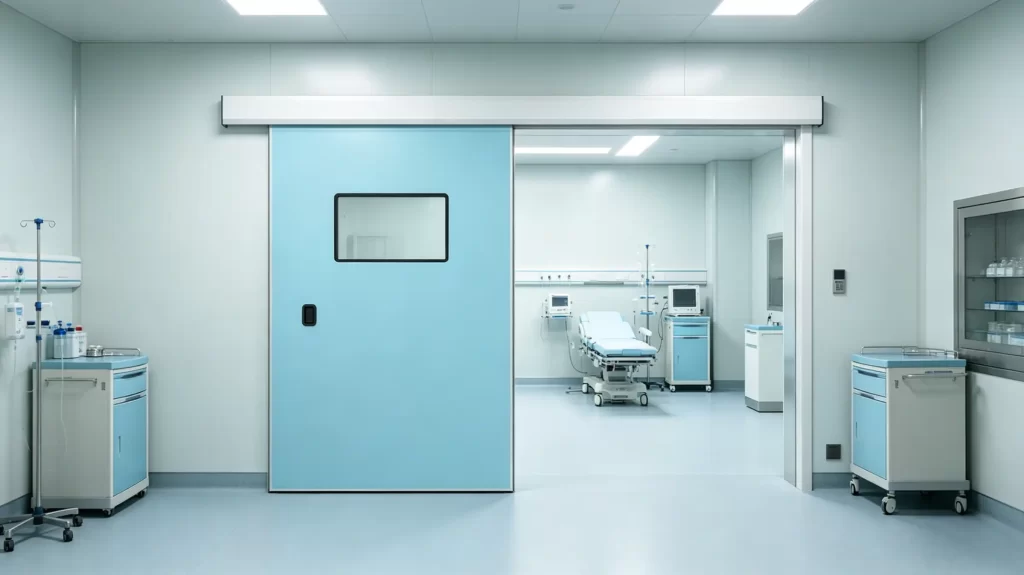
Net Floor Area (NFA) in healthcare facilities directly correlates with patient turnover and equipment deployment flexibility. Hospital sliding doors employ a wall-parallel travel path that eliminates swing clearance entirely. Compared to standard 90° swing doors, a single clinical area doors unit can reclaim approximately 1.2–1.8 m² of clinically usable space (Source: FGI Guidelines for Design and Construction 2022).
In interventional catheterization labs, emergency treatment bays, or outpatient chemotherapy suites, this reclaimed area often translates directly into an additional treatment station or mobile equipment staging zone. When paired with ultra-slim surface-mounted or concealed overhead track systems, door panels integrate seamlessly with medical gas terminals and nurse call interfaces—preserving wall real estate and enabling future departmental reconfiguration.
Key spatial advantages include:
- Reclaiming net area previously lost to door swing clearance, improving per-room clinical utilization
- Aligning door travel parallel to medical utilities and equipment belts to eliminate physical interference
- Supporting modular reconfiguration and future functional repositioning to accommodate evolving departmental needs
1.2 Supporting High-Frequency Traffic & Universal Accessibility
Clinical zones routinely experience daily traffic exceeding 2,000 cycles, with mixed movement of hospital beds, C-arms, and other heavy equipment. ADA compliant hospital doors can be customized to a Clear Opening width of ≥1,067 mm (42 in), fully meeting ANSI A117.1 accessibility standards. Automatic sliding doors for hospitals equipped with brushless DC (BLDC) motors precisely control opening force to ≤22.5 N (5 lbf), aligning with ergonomic thresholds for safe, effortless operation.
Essential traffic and accessibility parameters:
- Clear Opening Width: ≥1,067 mm (supports bidirectional passage of standard stretchers and wheelchairs)
- Operating Force: ≤22.5 N, compliant with ANSI/BHMA A156.10-2023
- Emergency Manual Override: Force required for manual operation ≤50 N during power failure, ensuring unobstructed emergency egress
- Activation Logic: Dual-technology microwave/infrared sensors + foot pedal backup switch for reliable touchless operation
1.3 Advancing Infection Control & Cleanability Standards
Healthcare environments demand rigorous control of surface microbial loads and aerosol transmission pathways. Modern infection control doors feature seamless welded corners, monolithic panel construction, and concealed track designs—thoroughly eliminating dust-trapping crevices common at traditional door frames and hinge points.
Surfaces utilize EPA-registered silver-ion or copper-based antibacterial hospital door panels, or medical-grade 304 stainless steel, achieving ≥99.9% inhibition rates against Staphylococcus aureus and E. coli (ISO 22196 certified). In negative-pressure isolation zones, hermetic sliding doors can be equipped with multi-stage EPDM sealing gaskets and automatic pressure-differential closing mechanisms to maintain a stable ΔP ≥2.5 Pa environment.
Core infection control and cleanability features:
- Seamless panels and concealed track design eliminate dust-trapping dead zones at hinges and bottom frames
- Antibacterial coatings validated per ISO 22196, achieving ≥99.9% inhibition rates
- Chemical resistance: Compatible with high-frequency disinfection using VHP (Vaporized Hydrogen Peroxide) or 5% sodium hypochlorite
- Optional airtightness ratings: Coordinate with HVAC systems to maintain micro positive/negative pressure gradients, blocking aerosol transmission
Compliance Self-Check: Does this project area qualify as a high-infection-risk zone? If yes, explicitly specify in technical documentation: "Supplier must provide third-party test reports for ISO 22196 antibacterial performance and chemical resistance," and require proof of surface coating durability (recommended ≥1,000 wipe cycles) during bidding.
II. Scenario-Based Specification Strategies
With foundational advantages established, let's match door configurations to specific clinical workflows.
2.1 Treatment & Procedure Rooms: Speed, Safety, and Integration
Treatment rooms prioritize rapid response, equipment compatibility, and minimal workflow disruption. Recommended configuration: hospital treatment room doors integrating foot pedals and ceiling-mounted radar sensors for dual, touchless activation logic. Opening speed adjustable from 0.3–0.6 m/s, with maximum operating noise ≤45 dB(A).
Fire alarm integration requires hardwired connection to the building management system; upon smoke detector activation, doors automatically enter Fail-Safe (hold-open) mode while retaining manual mechanical operation—adhering to the life-safety-first principle for fire rated hospital sliding doors.
Configuration recommendations:
- Drive System: Brushless DC (BLDC) motor + variable frequency controller, supporting stepless speed/force adjustment
- Activation Combination: Ceiling-mounted microwave sensor + floor foot pedal (reduces glove contamination risk)
- Maximum Operating Noise: ≤45 dB(A), avoiding interference with sensitive diagnostic procedures
- Fire Integration: Hardwired to fire alarm panel; Fail-Safe mode defaults to hold-open upon power loss
2.2 Imaging & Diagnostic Suites: Shielding, Compatibility, and Precision
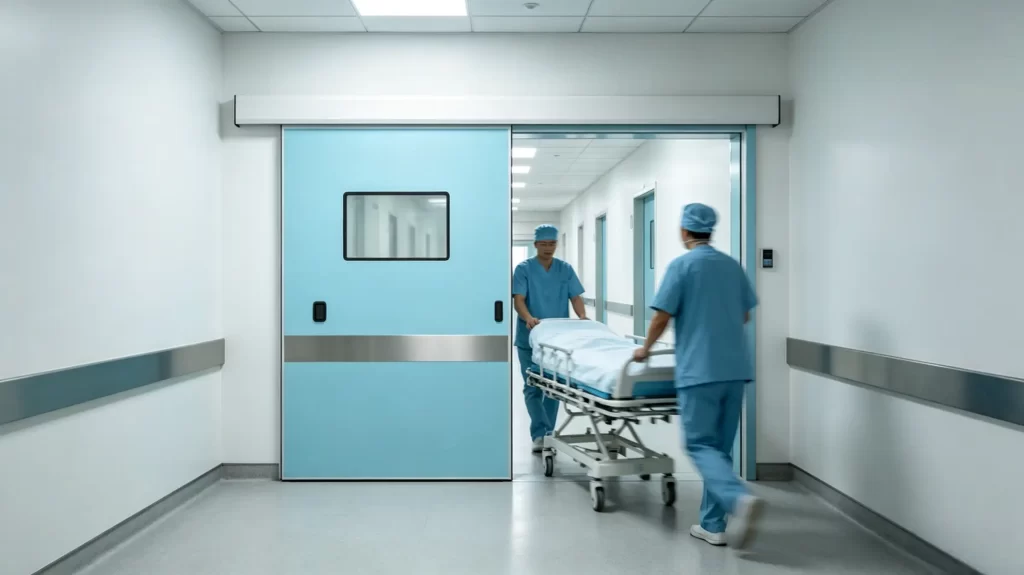
Imaging departments demand exceptional physical shielding and electromagnetic compatibility. For X-ray/CT rooms, radiation shielding doors require internal lining of 0.5–2.0 mm Pb-equivalent lead sheeting or barium sulfate composite materials, with overlap width ≥15 mm and stepped interlocking joints to ensure leakage rates comply with NCRP 147 standards.
In MRI zones, MRI compatible sliding doors are mandatory, featuring aviation-grade aluminum overhead trolleys, non-ferrous fasteners, and full copper/stainless steel tracks to eliminate interference from 1.5 T/3.0 T magnetic fields. Door structural deflection must be strictly controlled within L/180 of span to prevent track fatigue deformation under heavy lead-lined loads.
Special requirements for imaging zones:
- Lead Sheet Overlap Width: ≥15 mm, using stepped interlocking joints to prevent direct radiation leakage through seams
- Magnetic Compatibility: 1.5 T/3.0 T zones require ferromagnetic-free tracks and fasteners
- Structural Deflection Control: ≤L/180 to prevent track sagging under long-term heavy shielded door operation
- Viewport Material: Multi-laminated leaded glass or low-iron ultra-clear tempered glass, light transmittance ≥91%
2.3 Corridor Hubs: Throughput, Acoustics, and Durability
Clinical corridors face ultra-high-frequency traffic and acoustic isolation demands. Recommended: hospital corridor automatic doors or three-panel telescopic sliding doors to achieve maximum clear opening (≥2.1 m) within limited wall space. Viewports utilize low-iron ultra-clear tempered glass (transmittance ≥91%) with anti-glare hydrophobic coating.
Acoustic performance should reach STC 30–35 ratings, achieved via labyrinth-style sealing gaskets and automatic drop seals to block noise transmission. Door assemblies must pass ≥500,000-cycle durability testing to ensure 24/7 operational reliability.
Key selection points for corridor hub zones:
- Door Configuration: Bi-parting or three-panel telescopic design to accommodate large opening requirements
- Acoustic Rating: STC 30–35, paired with automatic drop seals at door bottom
- Durability Standard: ≥500,000 opening/closing cycles (compliant with EN 1634 or ANSI/BHMA standards)
- Impact Protection: Door bottom equipped with ≥100 mm high kick plate, compatible with stretchers and transport carts
Compliance Self-Check: Do corridor doors need to meet mandatory JCI or FGI 2022 requirements for clear width and kick plate height in clinical pathways? For areas with high nighttime patrol traffic, consider adding low-light door status indicators and redundant anti-pinch sensors.
III. Technical Compliance & Integration Framework
Moving from application to implementation, let's address the non-negotiable standards that govern medical door specifications.
3.1 Fire Safety & Life Safety Code Alignment
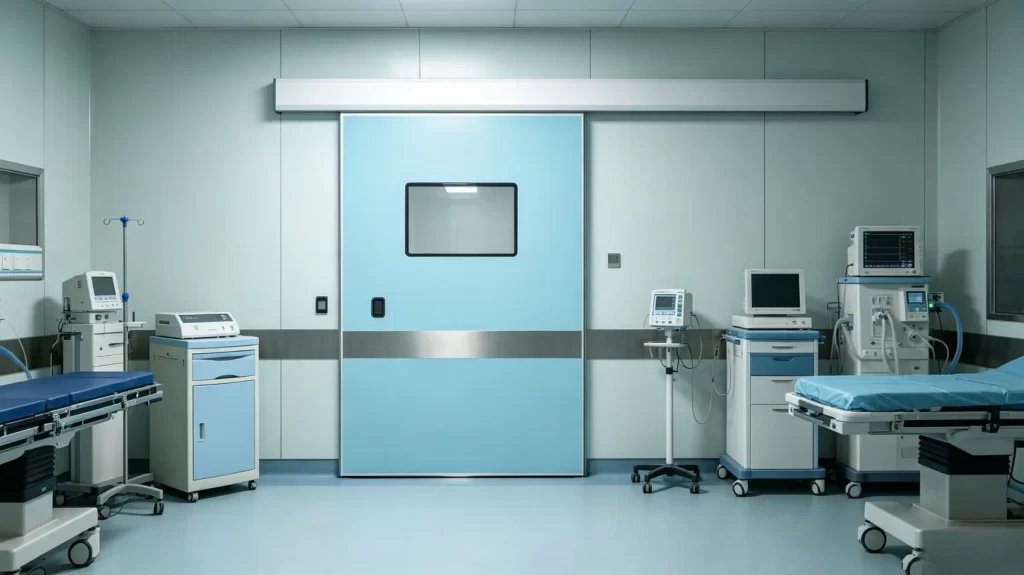
Medical door systems must strictly adhere to NFPA 101-2024 Life Safety Code and IBC International Building Code. Fire rated medical doors must provide 20/45/90-minute full assembly certification (including frame, hardware, and control system) based on fire compartment requirements.
For smoke control design, door perimeters must pass ASTM E283 air leakage testing (≤1.0 cfm/ft² @ 1.0 in. w.g.). Control logic must clearly define Fail-Safe (hold-open on power loss) versus Fail-Secure (lock on power loss) modes, and configure online UPS backup power to ensure independent operation for ≥4 hours during grid failure.
Core fire compliance requirements:
- Full Assembly Testing: Must provide integrated fire test report covering frame, hardware, and controller
- Airtightness Performance: Pass ASTM E283 testing, air leakage ≤1.0 cfm/ft²
- Power Loss Logic: Emergency egress routes use Fail-Safe; pharmacies/specimen labs use Fail-Secure
- Backup Power: Configure online UPS to ensure ≥4 hours independent operation during outage
- Certification Verification: UL certification numbers must be publicly verifiable via ul.com/database
3.2 Medical-Grade Materials & Surface Performance
Material durability directly determines maintenance cycles and lifecycle costs. GREENGUARD certified medical doors must ensure TVOC and formaldehyde emissions ≤0.05 mg/m³. Panels must withstand ≥1,000 cycles of 5% sodium hypochlorite wipe testing without coating degradation.
Recommended surface finishes include HPL antibacterial films or powder electrostatic coating (dry film ≥60 μm, ASTM D3359 5B adhesion rating), with seams sealed via seamless argon arc welding or medical-grade polyurethane sealant. Prioritize suppliers certified to ISO 13485 Medical Device Quality Management System to ensure raw material traceability and production environment cleanliness.
Material verification checklist:
- Environmental Certification: GREENGUARD Gold Indoor Air Quality Certification
- Chemical Resistance Testing: ≥1,000 cycles of 5% sodium hypochlorite / 3% hydrogen peroxide wiping without coating delamination
- Surface Finish: HPL thermal-transfer antibacterial film or powder electrostatic coating (dry film ≥60 μm)
- Seam Treatment: Seamless argon arc welding or medical-grade polyurethane sealant filling
- Quality System: Supplier must hold ISO 13485 or equivalent medical manufacturing certification
3.3 Smart Integration & IoT-Ready Infrastructure
Modern hospital sliding doors have evolved into intelligent edge nodes within hospital infrastructure. Sensor arrays include TOF (Time-of-Flight laser ranging), microwave motion detection, and capacitive presence sensing, with dynamic anti-pinch sensitivity adaptable to wheelchair or pediatric scenarios.
Control systems support open protocols like BACnet MS/TP and Modbus TCP, with dry contact outputs for seamless integration with BAS/BMS platforms—enabling smart hospital door integration. IoT gateways upload real-time operational data (cycle counts, current waveforms, fault codes) to cloud platforms; predictive maintenance algorithms can reduce unexpected downtime by 70%+, significantly optimizing responsiveness for hospital door maintenance services.
Smart integration technical pathway:
- Sensor Array: TOF laser anti-collision + microwave motion detection + capacitive presence sensing
- Communication Protocols: BACnet MS/TP, Modbus TCP, standard dry contact signal output
- Data Dashboard: Real-time monitoring of cycle counts, motor current, fault codes, and energy consumption curves
- Predictive Maintenance: Cloud algorithms analyze current waveform anomalies to forecast mechanical wear 7–14 days in advance
- Platform Integration: Seamless connectivity with hospital BAS/BMS, HIS nurse call systems, and asset management platforms
IV. Procurement Execution: Renovation & New Construction
With specifications defined, let's translate requirements into actionable procurement strategies.
4.1 Structural Selection Decision Framework
Procurement decisions must be grounded in BIM model verification and on-site survey. Single-leaf doors suit narrow passages ≤1,000 mm; double-leaf configurations fit standard treatment rooms (1,000–1,600 mm); telescopic designs specialize in oversized openings for renovation projects. Hospital door system suppliers must provide structural load calculation reports.
Surface-mounted tracks offer easier installation, support loads ≥300 kg, and suit renovation projects requiring uninterrupted clinical operations; concealed pocket tracks provide aesthetic integration but require wall cavities ≥1.5× door width plus access panels—limiting use to new construction or major structural renovations.
Structural selection decision steps:
- Measure clear opening width and available wall depth to determine single/double/telescopic configuration
- Account for additional loads (lead shielding/glass/airtight seals), calculate total weight, and match track load rating
- Assess wall composition (concrete/masonry/light-gauge steel framing) to determine surface-mounted vs. pocket installation
- Verify BIM model for clash detection with medical gases, electrical conduits, and fire sprinklers
- Require supplier commitment to track levelness tolerance (≤2 mm/2 m) and plumb tolerance (≤1.5 mm)
4.2 Contractor Coordination & Clinical Continuity
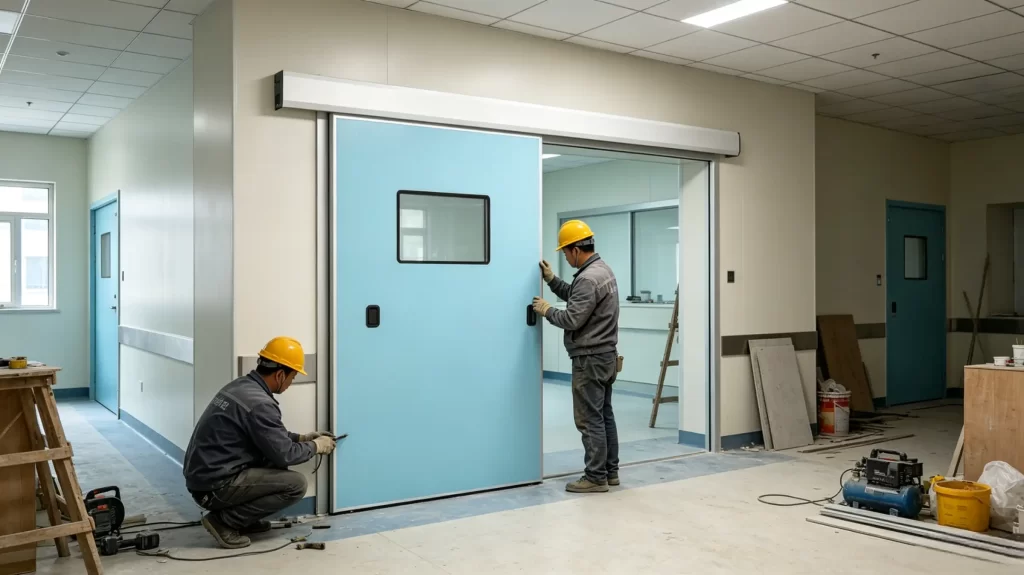
Renovation success hinges on multi-disciplinary coordination and minimal clinical disruption. Wall pre-installation requires ≥Q235B steel stud backing, chemical anchor embedment depth ≥80 mm, and track levelness tolerance ≤2 mm/2 m.
Construction should adopt "modular pre-assembly + nighttime window switching," coordinated with temporary acoustic containment. Commissioning must execute a standardized checklist: opening force, anti-pinch sensitivity, fire alarm hardwired integration, EMC electromagnetic compatibility testing (to avoid interference with adjacent monitoring equipment), with third-party reports retained. Such hospital renovation door solutions require advance planning for utility rerouting and infection control zone isolation.
Critical construction coordination milestones:
- Structural Reinforcement: Pre-install Q235B steel stud backing; chemical anchor embedment depth ≥80 mm
- Precision Control: Track levelness ≤2 mm/2 m; door panel plumb ≤1.5 mm
- Renovation Scheduling: Modular pre-hoisting; nighttime work windows with temporary negative-pressure dust control
- Integrated Commissioning: Complete four core tests—opening force, anti-pinch, fire hardwire integration, EMC interference resistance
- Handover Documentation: Submit third-party test reports, as-built node drawings, control system IP addresses, and protocol manuals
Risk Alert: If pocket (concealed) track solutions lack pre-planned wall cavities during structural design, late-stage wall modification costs typically exceed surface-mounted alternatives by 35%–60%, and may compromise original fire/sound ratings. For renovation projects, prioritize ultra-slim surface-mounted systems with accessible service panels for future maintenance.
4.3 Total Cost of Ownership (TCO) Modeling
Procurement decisions should incorporate a 5–10 year TCO model to capture true lifecycle value. Brushless DC motors offer lifespans ≥10 years / 1 million cycles; modular controllers support hot-swappable replacement. Maintenance contracts must define SLAs: 4-hour response / 8-hour restoration for core clinical zones.
Warranty terms should be itemized: motor/drive 5 years, track/trolley 10 years, panels/control system 2 years. Hospital door system cost comparison data indicates that premium systems typically achieve TCO break-even within 3–5 years through energy savings, reduced infection control risks, and lower maintenance costs—delivering significantly superior ROI versus traditional swing door systems.
TCO calculation dimensions:
- Initial Procurement Cost: Door assembly, track, control system, sensors, and installation/commissioning fees
- Operational Costs: Annual preventive maintenance, consumable replacement, sensor calibration, and software licensing
- Downtime Losses: Costs associated with departmental stoppages and patient flow delays due to door failures in critical care zones
- Maintenance Response: Supplier SLA commitments (4/8/24-hour response) and local spare parts inventory coverage
- Warranty Terms: Itemized warranties (motor 5 years / track 10 years / panels 2 years) to reduce future replacement expenditures
Compliance Self-Check: Does the supplier provide a localized spare parts inventory list? Do they support BACnet protocol open testing and cloud diagnostic port authorization? Does the bidding document explicitly include a TCO calculation template and itemized warranty penalty clauses?
Conclusion & Actionable Procurement Checklist
As healthcare architecture evolves toward greater efficiency, safety, and intelligence, hospital sliding doors have transcended their role as mere spatial partitions to become critical infrastructure interlinking clinical workflows, infection control barriers, and data streams.
Precise scenario matching, rigorous compliance validation, and scientific TCO management are essential to ensuring successful project delivery and minimizing operational friction costs.
To facilitate rapid implementation by facilities teams and procurement specialists, here is your standardized Specifier's Checklist:
✅ Clear opening width and door configuration (single/double/telescopic) precisely matched; BIM clash detection and utility routing completed
✅ Track load calculations and wall structural reinforcement plans signed off by licensed structural engineer
✅ Triple certification documentation complete: Fire (NFPA 101-2024/IBC), Infection Control (ISO 22196), Accessibility (ADA/ANSI A117.1)
✅ BMS interface protocols (BACnet/Modbus) and IoT dashboard requirements incorporated into technical specifications; full-assembly fire certification explicitly required
✅ ≥500,000-cycle durability test report (ANSI/BHMA A156.10-2023) and itemized warranty terms clearly defined
✅ Renovation work windows, uninterrupted-care switchover plans, negative-pressure dust control, and commissioning schedules approved jointly by Infection Control and Security departments
Pro Tip: Engage specialized suppliers during the Schematic Design (SD) phase for workflow simulation and CAD detail development. Request customized technical parameter packages, compliance audit support, and TCO modeling early—this proactive approach minimizes change orders and accelerates project timelines.
Through professional specification and lifecycle management, automatic hospital doors will provide a robust, reliable hardware foundation for efficient clinical space flow, continuous elevation of care quality, and intelligent hospital operations.
-
 Cleanroom Glass Windows Are The Key to Maintaining a Clean Environment
 -
 Top Aluminium Profile Manufacturers in China: Leading the Global Market
 -
 The Evolution of Air Tight Sliding Doors
 -
 AHU Aluminium Profile: A Comprehensive Guide
 -
 The Importance of Choosing the Right Cleanroom Door in Vietnam
 -
 The Benefits of Hospital Automatic Doors: Enhancing Efficiency and Safety
 -
.jpg) The Best Bathroom Door Manufacturers - Unlocking Endless Possibilities!
The Best Bathroom Door Manufacturers - Unlocking Endless Possibilities! -
 Unlock the Possibilities with AJ Manufacturing Doors
 -
 Make a Statement with Manufactured Home Interior Doors!
 -
 what is aluminum profile? Aluminum Profiles for Your Home is the best option
-
 Hospital Emergency Exit Doors: 90 Minute Fire Rating Meets Infection Control
 -
 ICU and Isolation Door Requirements Hospitals Often Overlook
 -
 Laboratory Door Requirements for BSL-2 and BSL-3 Containment
 -
 Retrofitting Hospital Sliding Doors: Upgrade Wards Without a Rebuild
 -
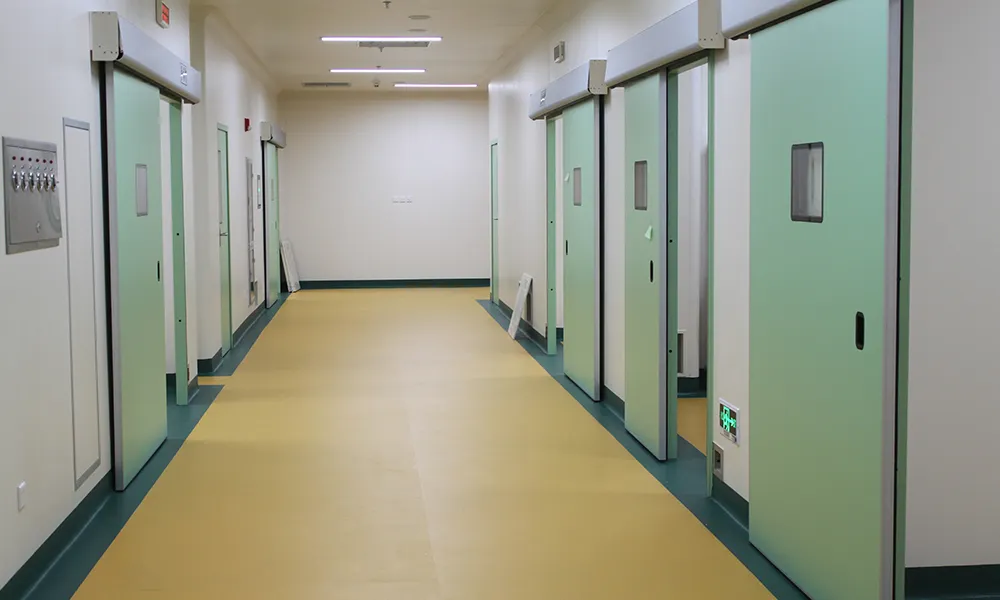 Why Airtight Hospital Sliding Doors Are Critical for Infection Control
 -
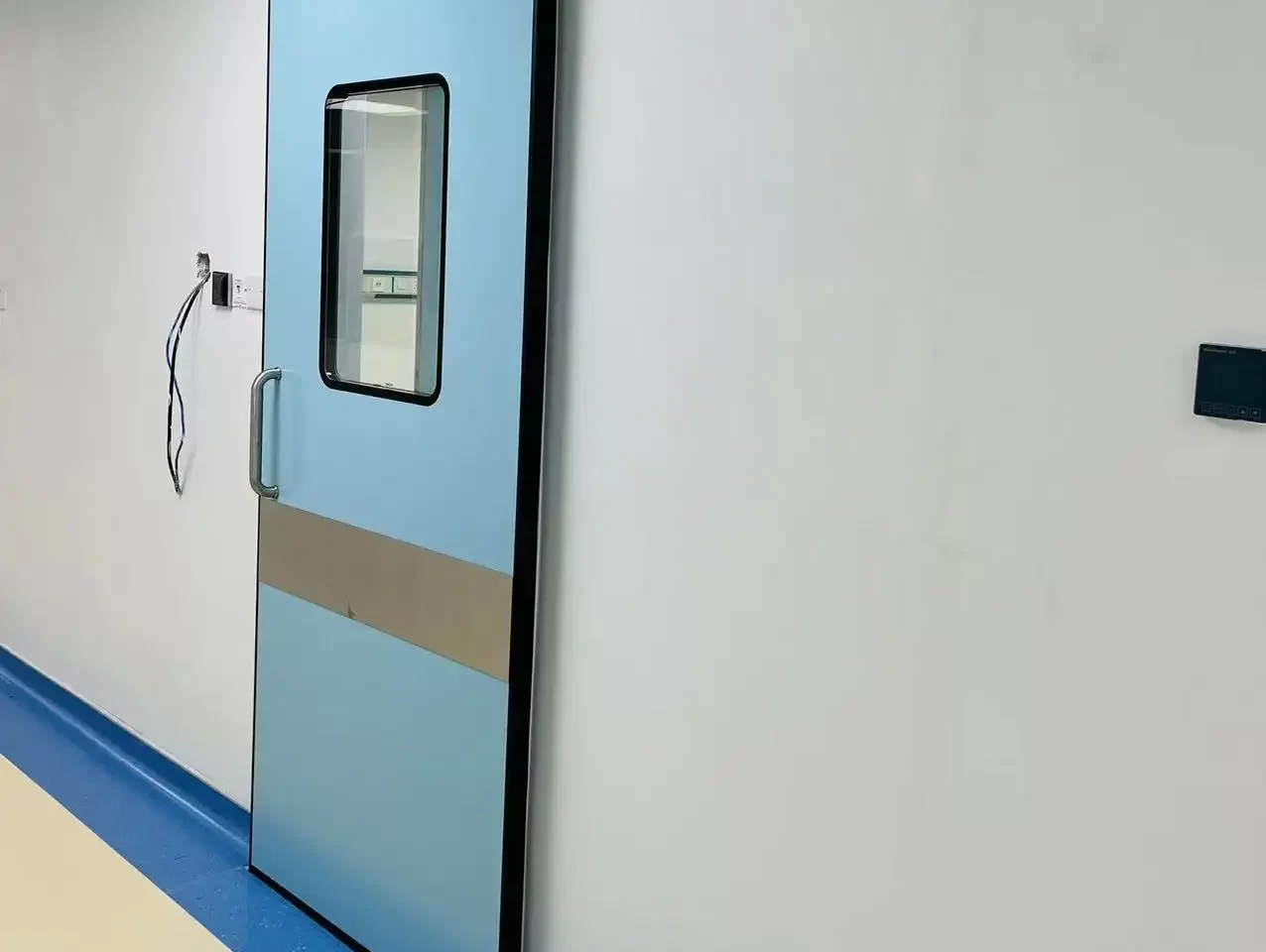 Automatic cleanroom door systems: sensor, actuator and access control integration
 -
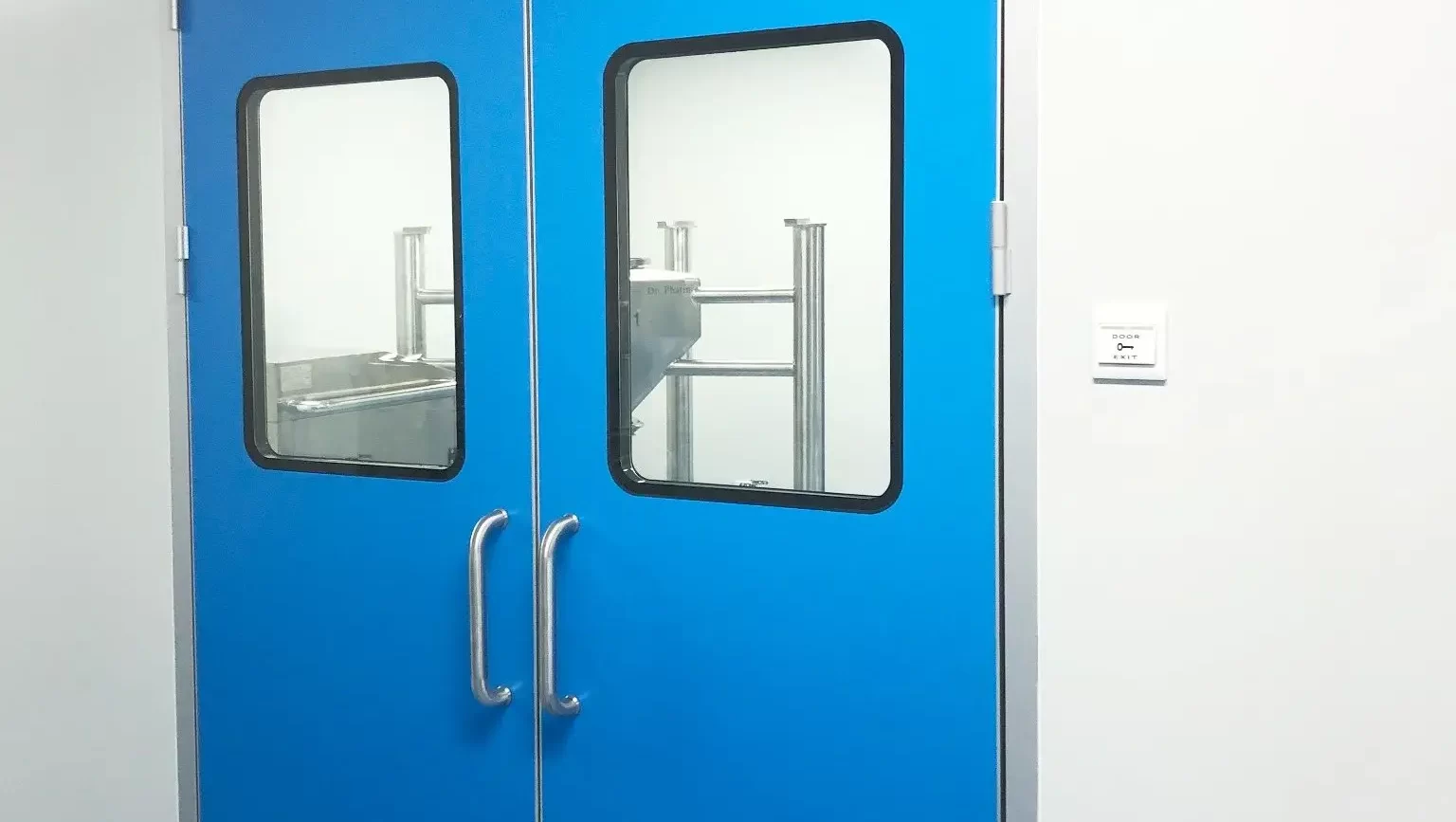 Cleanroom Door Materials: Stainless Steel vs HPL vs FRP vs Aluminum Comparison
 -
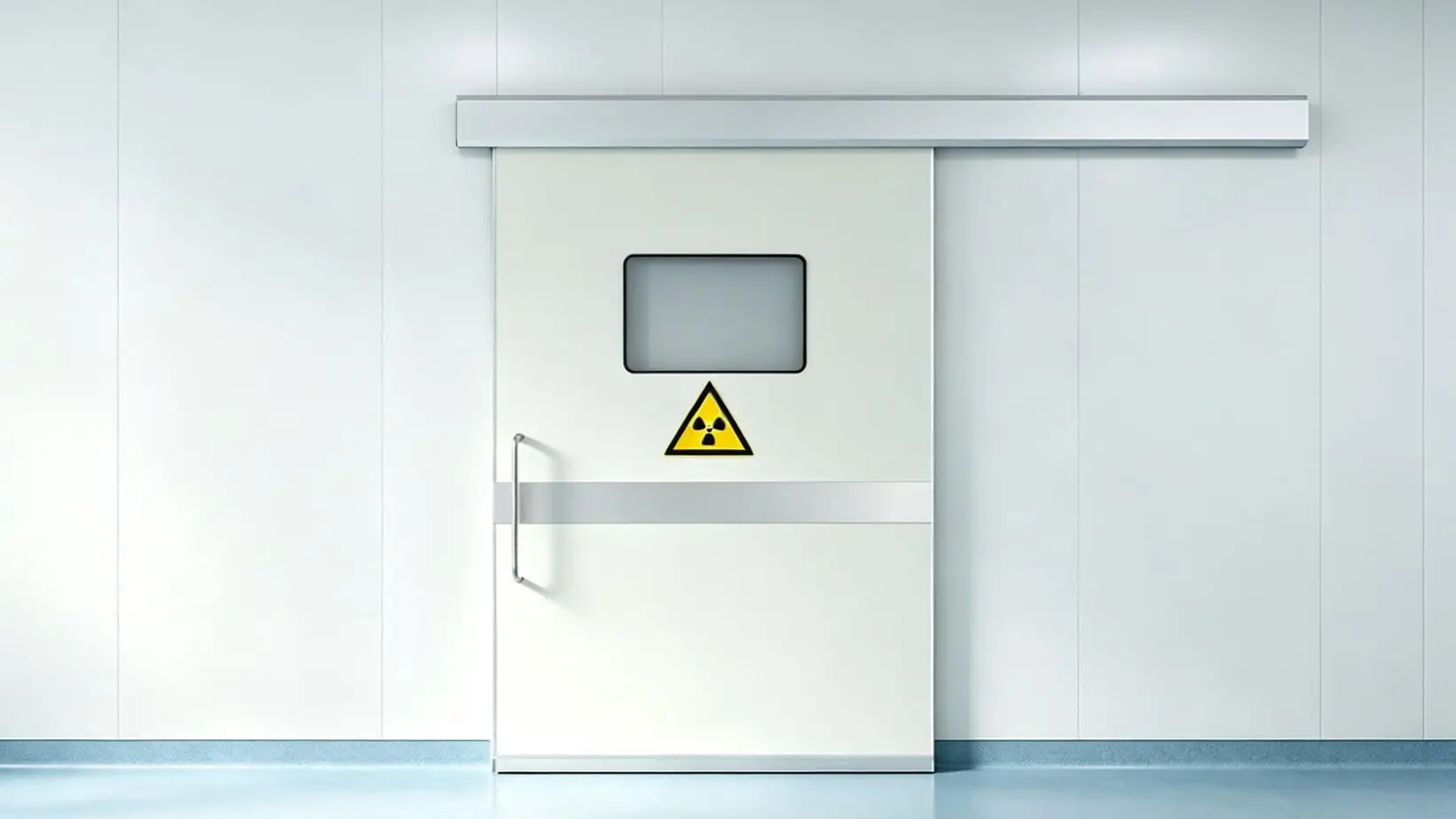 X-Ray Room Door Buying Guide: Lead Thickness & Compliance
 -
 Operating Room Doors: Hermetic & Infection-Control Guide
 -
 Hospital ICU Door Selection: Sealing, Sterility & Workflow




-

Home
-

Tel
-

Email
-

Contact


Guangzhou Yizhong Aluminum Industry Co., Ltd.
We are always providing our customers with reliable products and considerate services.
We are always providing our customers with reliable products and considerate services.
Speak Your Mind