
USP Cleanroom Doors: What Should Buyers Check
Preparing for an FDA or ISO compliance audit is stressful. While facility managers obsess over HVAC pressure readings and HEPA filter leak tests, they often overlook the "dynamic barrier" pushed open hundreds of times a day: the door. Based on our engineering experience, a poorly designed door acts as a silent saboteur of pressure differentials and serves as a primary gateway for particulate contamination.
Therefore, selecting compliant USP cleanroom doors goes far beyond procuring basic building materials; it forms the core of your Contamination Control Strategy (CCS). Specifically, for decision-makers sourcing cleanroom doors for compounding pharmacies, the door system must effortlessly withstand heavy traffic, cart impacts, and rigorous daily disinfection. Consequently, this guide cuts through dry spec sheets to break down the four critical technical dimensions you must verify to avoid compliance traps and pass audits with confidence.
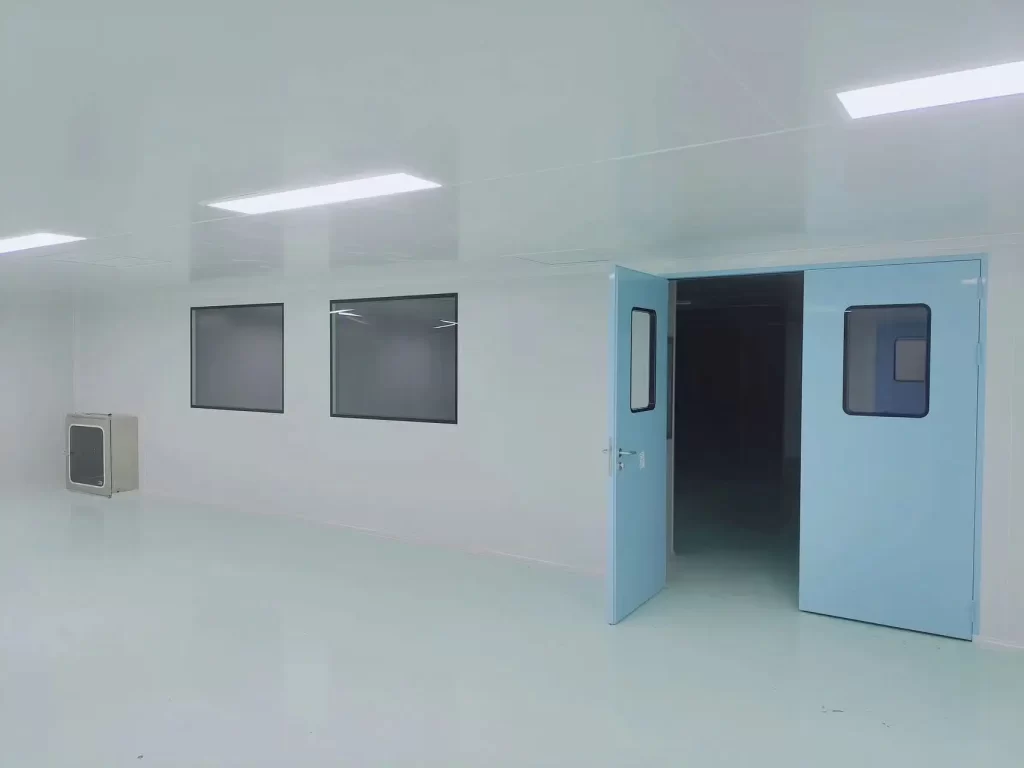
1. Understanding the Strict Baselines of USP Environments
Before diving into technical details, we must recognize how demanding the environments served by USP cleanroom doors truly are. Specifically, the United States Pharmacopeia (USP) enforces highly specific mandates for sterile and hazardous drug handling. Therefore, the door system must function as an integral part of your overall environmental control scheme, strictly adhering to ISO 14644 cleanroom standards to address two core challenges:
- USP <797> (Sterile Compounding Environments): First, the core demand involves maintaining the absolute integrity of ISO-classified environments (e.g., ISO 5 primary engineering controls within an ISO 7 or 8 background). To achieve this, the door must effectively prevent the infiltration of external microorganisms and airborne particulates without causing severe disruption to indoor airflow patterns.
- USP <800> (Hazardous Drug Handling): Furthermore, the core demand shifts to containment. USP <800> explicitly mandates that hazardous drug handling areas must maintain a continuous negative pressure of at least 0.01 inches of water column (approx. 2.5 Pa) relative to adjacent areas, with Air Changes per Hour (ACH) typically requiring 12 or higher. Thus, the door must absolutely prevent hazardous drug aerosols from escaping.
Ultimately, for decision-makers, the door is no longer just a passageway; rather, it acts as a dynamic pressure regulator and a contamination blockade.
2. The Core Checklist: 4 Dimensions Buyers Must Verify
When evaluating suppliers, you must strictly cross-check the following four core technical dimensions. These metrics directly determine whether the door system truly qualifies as cGMP compliant doors.
2.1. Airtight Sealing & Pressure Control
First, pressure differential is the "lifeline" of a cleanroom. Therefore, buyers should focus on the following details to ensure they acquire true hermetically sealed cleanroom doors:
- Multi-Tier Continuous Sealing: Specifically, premium cleanroom doors must feature continuous, seamless gaskets on the top and sides. We highly recommend medical-grade silicone or EPDM (Ethylene Propylene Diene Monomer). Additionally, the design should scientifically set the gasket compression rate at 20%-30% to ensure lasting resilience.
- Automatic Drop-Down Sweep: Moreover, traditional fixed bottom seals easily suffer damage from carts. Consequently, you must require an Automatic Drop-Down Sweep. This mechanism deploys to press tightly against the floor when closed and retracts when opened, guaranteeing airtightness while preventing wear.
- Structural Rigidity Under Pressure: Furthermore, under continuous negative or positive pressure, unidirectional thrust subjects the door leaf to stress. To prevent this, the frame (e.g., high-strength cleanroom-specific aluminum profiles or 304/316L stainless steel) must possess sufficient bending stiffness to prevent visible deformation and seal failure.
- Heavy-Duty Adjustable Door Closers: Finally, compliant with EN 1154, the closer must feature stepless adjustment to ensure the door closes smoothly and completely under varying pressure conditions.
2.2. Surface Finish & Chemical Resistance
Secondly, cleanroom doors face high-frequency cleaning daily. Therefore, building VHP resistant cleanroom doors represents an advanced industry requirement.
- Non-Porous & Flush-Mounted Design: Specifically, the door must sit perfectly flush with the wall and frame. By utilizing seamless welding or specially extruded aluminum profiles, the design eliminates dust-accumulating ledges. Additionally, manufacturers must strictly control the surface roughness (Ra value) at < 0.8 μm.
- Rigorous Chemical Resistance Data: Furthermore, you must demand third-party test reports. For instance, the surface must withstand repeated wiping or fumigation without fading or corroding when exposed to:
- 70% Isopropyl Alcohol (IPA) for daily wiping.
- Vaporized Hydrogen Peroxide (VHP) for periodic fumigation.
- Quaternary Ammonium Compounds (QACs) and Sodium Hypochlorite (bleach).
- Edge & Joint Treatment: In addition, all edges should feature radius corners to allow cleanroom mops to wipe surfaces without leaving dead zones.
2.3. Vision Panels & Safety Glass Requirements
Thirdly, poorly designed vision panels often become hotspots for condensation and particulate accumulation.
- Absolutely Flush Installation: Specifically, you must specify flush mounted cleanroom vision panels. This ensures the glass sits perfectly flush with the door leaf surface on both sides, with no protruding bezels, allowing wiping cloths to glide smoothly.
- Anti-Condensation Insulated Tempered Glass: Moreover, in areas with temperature differentials (e.g., transitioning from an ambient-temperature corridor to a cold room), single-pane glass frequently fogs up. To prevent this, require double or triple-pane insulated tempered glass filled with dry argon gas to lower the dew point and eliminate fogging.
- Impact & Safety Certification: Finally, the glass must be tempered or laminated, complying with safety standards like ANSI Z97.1 or EN 12600.
2.4. Hardware & Interlock Systems
Lastly, robust cleanroom door hardware and interlocks form the cornerstone of automated cleanroom management.
- Cleanroom-Specific Streamlined Hardware: Specifically, handles and hinges should feature dead-zone-free designs. Manufacturers must conceal all screws, and materials must possess excellent rust resistance (e.g., 316L stainless steel).
- High-Reliability Electronic Interlock Systems: Furthermore, in cleanroom airlock door systems, the interlock prevents both doors from opening simultaneously.
- Logic Control: For example, a PLC-controlled system provides clear status indicators (red/green lights) and audible alerts.
- Emergency Override: Additionally, the system must allow operators to forcibly disengage it via mechanical means or a fire alarm linkage signal for unobstructed evacuation (NFPA 101 compliant).
- Fault Alarming: Finally, it transmits alarm signals to the Building Management System (BMS) if a door fails to close.
3. Common Pitfalls Buyers Must Avoid
In actual project procurement, many facilities fall into these traps, consequently resulting in exorbitant retrofitting costs:
- Pitfall 1: Ignoring the Bottom Dynamic Seal. For instance, opting for standard doors or simple brush seals leads to visible smoke leakage during Smoke Tests, causing immediate cleanliness testing failures.
- Pitfall 2: Retrofitting Standard Commercial Doors. Specifically, masquerading standard fire doors as cleanroom doors by adding gaskets fails quickly. Because their coatings cannot withstand VHP fumigation, they lead to peeling and rusting within 6 to 12 months.
- Pitfall 3: Lacking Anti-Condensation Design. As a result, single-pane glass in negative pressure rooms frequently fogs up due to temperature differentials, obscuring visibility and increasing compounding errors.
4. Lifecycle Service: The Core Value of Professional Manufacturers
Ultimately, choosing USP cleanroom doors is fundamentally about selecting a long-term compliance partner. Therefore, professional cleanroom door manufacturers offer value that extends far beyond the physical product:
- Pre-Sales Customization: First, they provide non-standard custom solutions based on specific wall thicknesses and precise USP <797>/<800> pressure requirements.
- In-Sales Compliance Documentation: Second, they supply a complete Validation Documentation Package, including Mill Certificates, FAT/SAT reports, and airtightness test data to satisfy FDA or EMA auditors.
- Post-Sales Maintenance: Finally, they offer rapid spare parts for core consumables like door closers and interlock controllers to ensure peak performance over a 10- to 15-year lifecycle.
Conclusion
In conclusion, investing in high-quality USP cleanroom doors is the most direct safeguard for your facility’s long-term compliance, patient safety, and operational efficiency. Because any compromise on sealing, cleanability, pressure control, or vision panels will inevitably lead to exorbitant retrofitting costs, you must prioritize quality.
Therefore, is your facility fully prepared to pass stringent USP audits?
Contact us today to get a tailored cleanroom door solution and expert technical support, ensuring your cleanroom’s safety and compliance remain absolutely bulletproof.
-
 Cleanroom Glass Windows Are The Key to Maintaining a Clean Environment
 -
 Top Aluminium Profile Manufacturers in China: Leading the Global Market
 -
 The Evolution of Air Tight Sliding Doors
 -
 AHU Aluminium Profile: A Comprehensive Guide
 -
 The Importance of Choosing the Right Cleanroom Door in Vietnam
 -
 The Benefits of Hospital Automatic Doors: Enhancing Efficiency and Safety
 -
.jpg) The Best Bathroom Door Manufacturers - Unlocking Endless Possibilities!
The Best Bathroom Door Manufacturers - Unlocking Endless Possibilities! -
 Unlock the Possibilities with AJ Manufacturing Doors
 -
 Make a Statement with Manufactured Home Interior Doors!
 -
 what is aluminum profile? Aluminum Profiles for Your Home is the best option
-
 5 Hermetic Door Mistakes That Break the Seal
 -
 Hospital Room Door Size by Room Type: Width and Clearance
 -
 Retrofit Manual Doors with Electronic Glass Operators
 -
 Hospital Emergency Exit Doors: 90 Minute Fire Rating Meets Infection Control
 -
 ICU and Isolation Door Requirements Hospitals Often Overlook
 -
 Laboratory Door Requirements for BSL-2 and BSL-3 Containment
 -
 Retrofitting Hospital Sliding Doors: Upgrade Wards Without a Rebuild
 -
 Why Airtight Hospital Sliding Doors Are Critical for Infection Control
 -
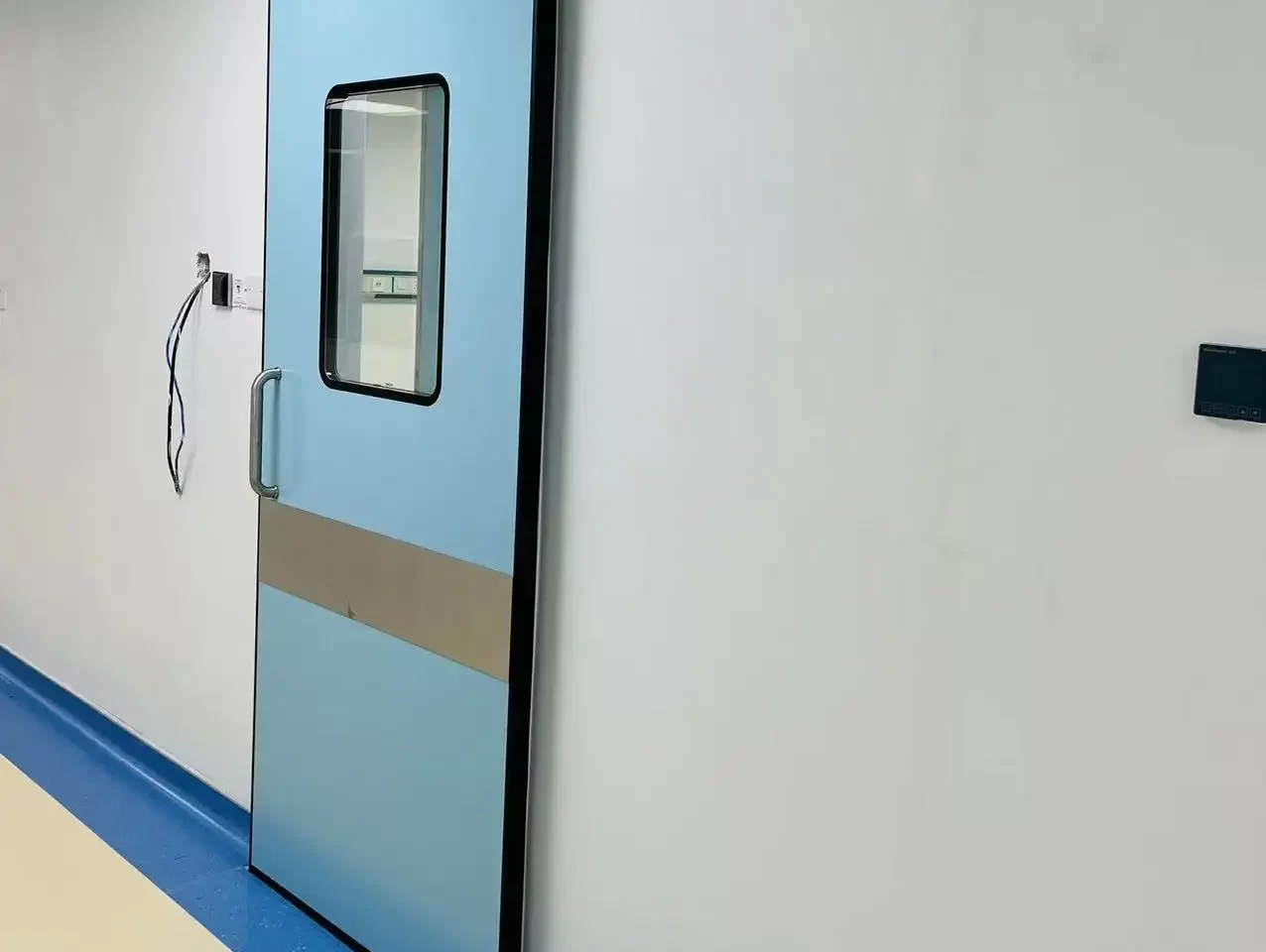 Automatic cleanroom door systems: sensor, actuator and access control integration
 -
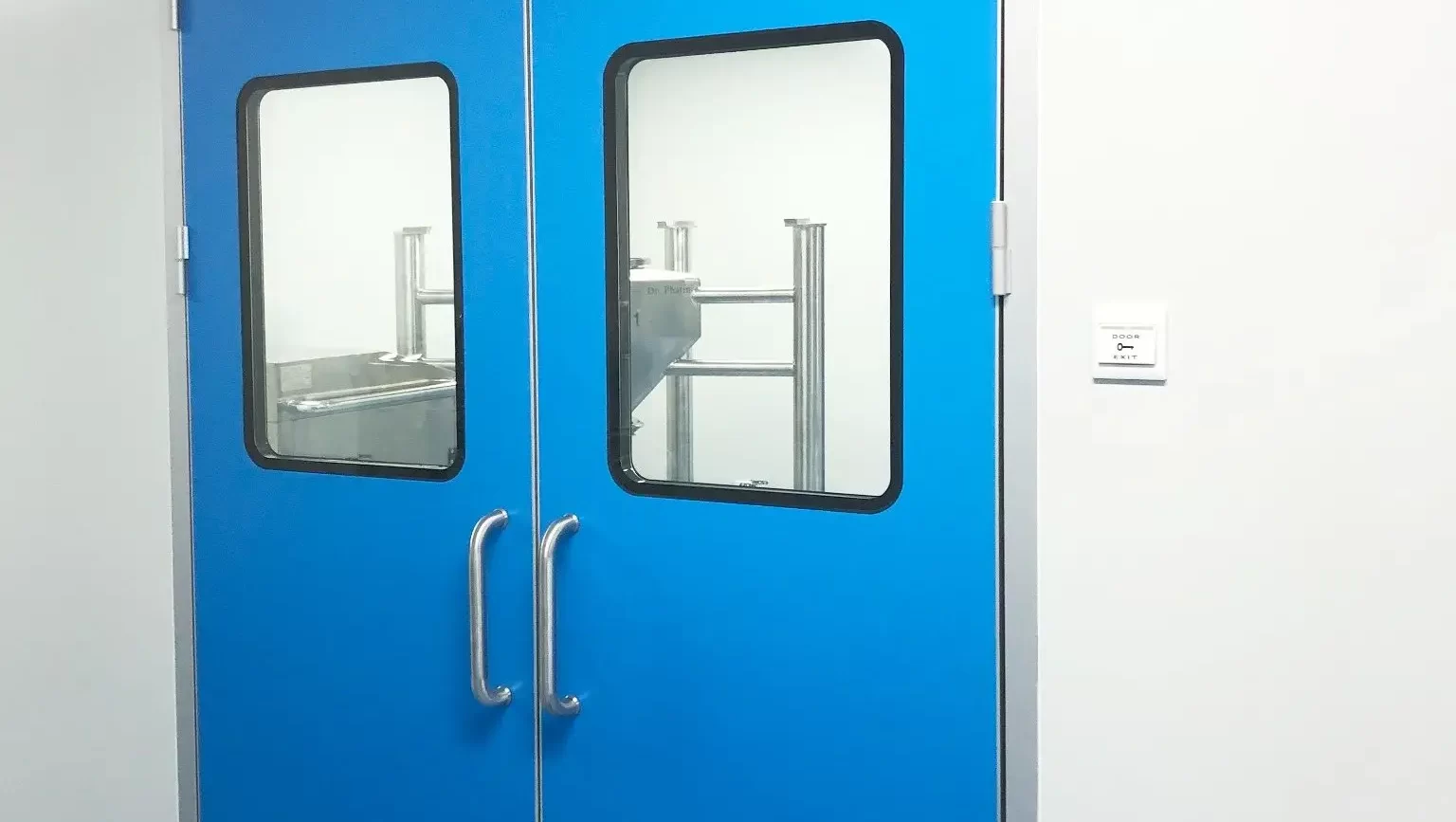 Cleanroom Door Materials: Stainless Steel vs HPL vs FRP vs Aluminum Comparison

-

Home
-

Tel
-

Email
-

Contact


Guangzhou Yizhong Aluminum Industry Co., Ltd.
We are always providing our customers with reliable products and considerate services.
We are always providing our customers with reliable products and considerate services.
Speak Your Mind