
Do Cleanroom Doors Need to Be Airtight
Facility managers always ask one question during cleanroom project reviews: do cleanroom doors need to be airtight?
Many teams make costly mistakes. Some blindly buy expensive 100% hermetic doors everywhere. This causes budget overruns and rapid hardware wear. Others cut costs by using standard swing doors in core areas. Consequently, they face compliance risks like pressure fluctuations during IQ/OQ/PQ validation.
Actually, the answer is not black and white. Door airtightness depends on the ISO cleanliness class. It also relies on contamination control strategies and HVAC pressure designs. Therefore, this article strips away marketing jargon. We will dissect the technical boundaries between hermetic and hygienic doors. Ultimately, we help you allocate your budget precisely based on real engineering validation.
Hermetic vs. Hygienic Doors: Understanding the Core Differences (Difference Between Hermetic and Hygienic)
Before exploring if you need them, we must clarify what they are. Cleanroom enclosure systems generally divide doors into two camps. Thus, understanding the difference between hermetic and hygienic doors is your first step toward scientific cleanroom facility design.
1. Hermetic Doors: Ultimate Air Barrier
The core mission of a hermetic door is to lock in the pressure differential. Furthermore, it does not rely on simple physical contact. Instead, it employs active sealing mechanisms:
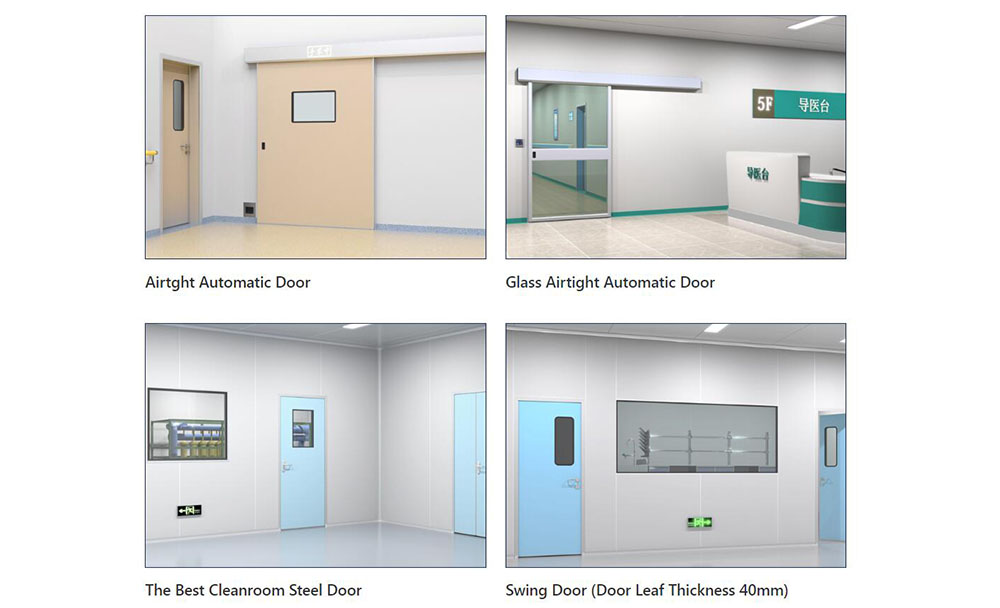
- Drop-down mechanical seal: As the door leaf closes, the mechanical linkage drives the bottom seal down. This presses strongly against the floor. Meanwhile, compressed perimeter seals form a 360° dead-corner-free closure.
- Inflatable gasket: Manufacturers mostly use inflatable gaskets for BSL-4 or high-level pharmaceutical isolators. After closing, the airbag automatically expands to fill micron-level gaps. Then, it deflates before opening to eliminate friction loss completely.
Key Data: During a 50Pa static pressure test, international standard hermetic door seals control cleanroom air leakage below 10 m³/h.
2. Hygienic Doors: Physical Isolation and Cleanability
The core demand of hygienic door systems is simple. They must remain dust-free, non-dust-accumulating, and wipe-resistant.
- Sealing mechanism: These doors employ standard embedded EPDM rubber seals. Additionally, they rely on the door leaf's weight or a door closer for physical compression.
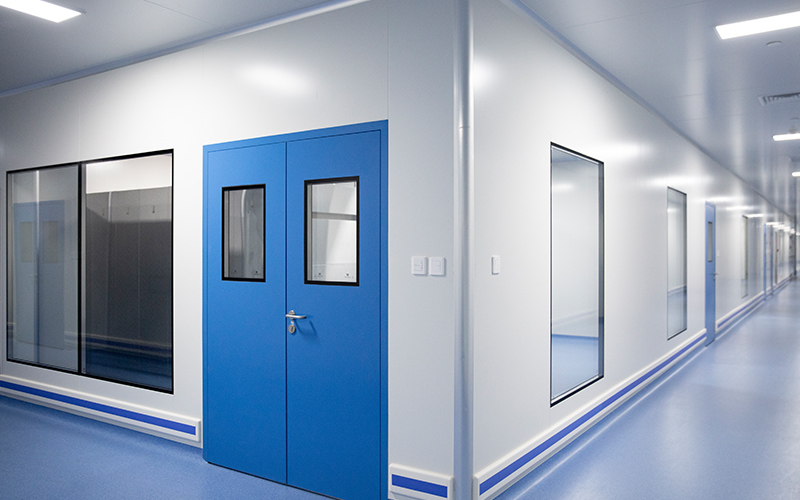
- Surface design: The door frame and leaf are completely flush. Moreover, concealed hinges and seamless welding ensure zero residual dead corners for disinfectants.
Key Data: Under the same 50Pa pressure, hygienic doors usually leak between 50 and 150 m³/h. Therefore, they suit micro-positive pressure but cannot withstand high-pressure impacts.
Conclusion: In short, hygienic doors solve surface contamination control. Conversely, hermetic doors solve aerodynamic isolation and pressure gradient maintenance.
When Do Cleanroom Doors Need to Be Airtight? (By ISO Class and Application Scenario)
Now that we clarified the technical boundaries, let us categorize by area risk level.
High-Risk and Strict Environments (ISO 5 to ISO 7 / Class 100 - 10,000)
In these areas, the answer to do cleanroom doors need to be airtight is definitely yes.
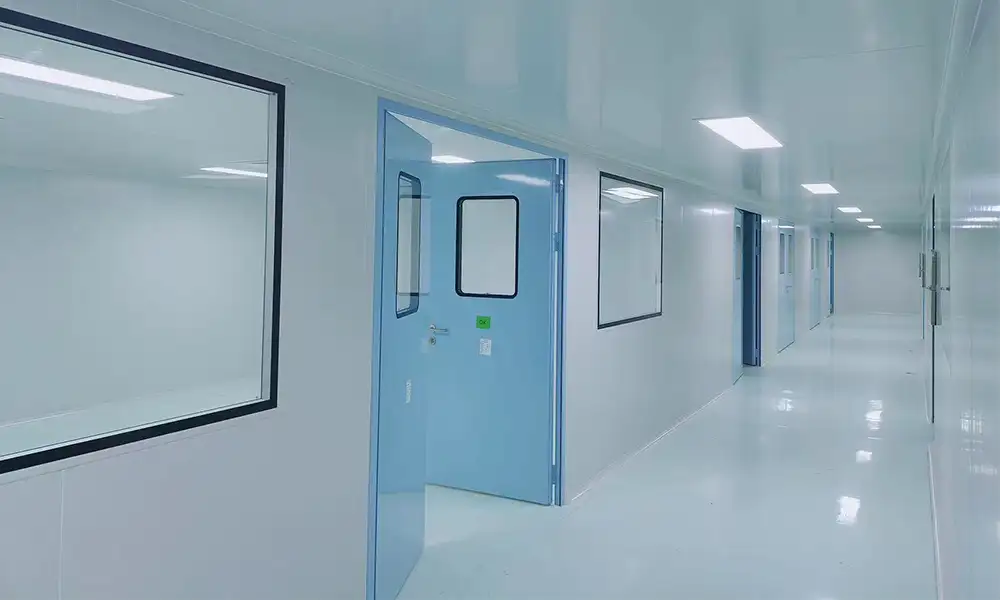
- Typical scenarios: Typical scenarios include pharmaceutical cleanroom doors in aseptic filling areas. They also cover semiconductor lithography zones, BSL laboratory doors (BSL-3/4), and hospital operating theaters.
- Engineering logic: Such ISO class cleanroom environments must maintain a strict 15Pa to 25Pa pressure differential. Furthermore, cleanroom compliance standards dictate that this pressure gradient prevents particle backflow. However, if you use hygienic doors, a 20Pa differential causes continuous air leakage. Consequently, this turbulence directly destroys unidirectional flow protection.
- Selection advice: Therefore, you must match these areas with automatic or manual hermetic doors. These doors must meet ISO 7 cleanroom door specs and include electronic interlocks.
Moderate and Support Areas (ISO 8 / Class 100,000 and Below)
In these areas, the answer is negative. Specifically, high-quality hygienic doors are sufficient.
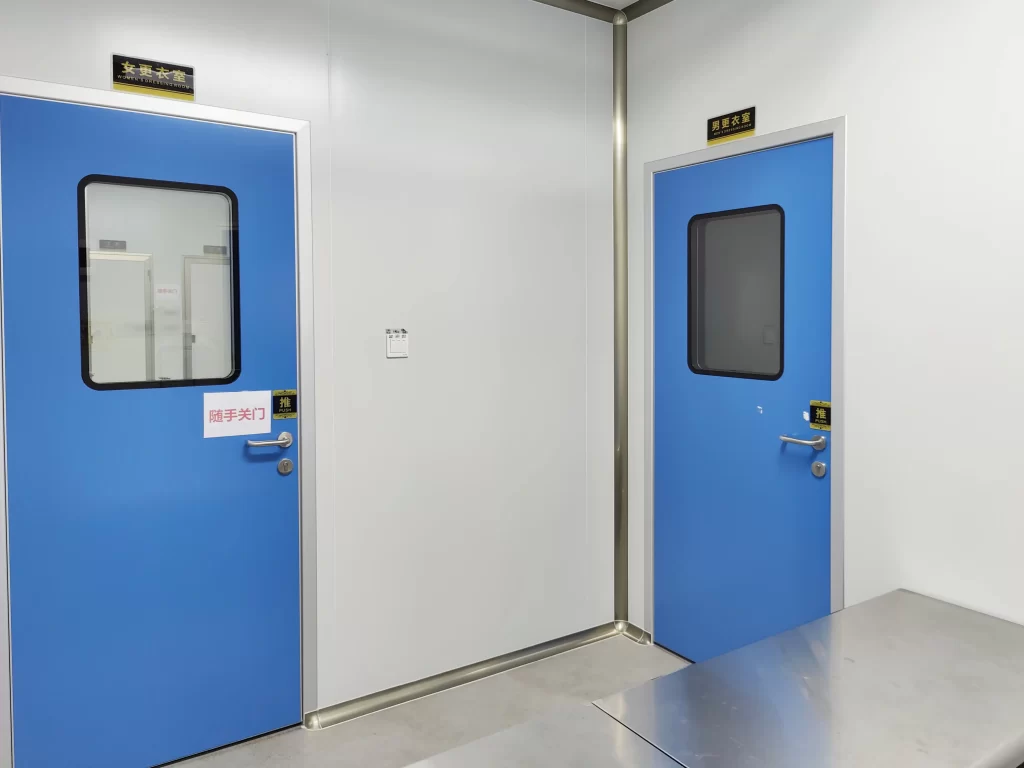
- Typical scenarios: Typical scenarios include clean corridors and secondary changing rooms. They also cover medical device packaging areas and general food clean lines.
- Engineering logic: These zones only require a 5Pa to 10Pa micro-positive pressure. Thus, the core demands are efficient traffic and daily cleaning.
- Why recommend hygienic doors?
- Life-cycle cost: First, hermetic doors cost 2 to 3 times more. Additionally, high seal friction significantly increases door closer wear during high-frequency use.
- O&M friendliness: Second, hygienic doors are lightweight and feature standardized hardware. Therefore, they offer long replacement cycles and suit high-traffic support areas perfectly.
The Critical Role of Pressure Differential Control in Door Selection
Doors do not exist in isolation. Instead, they act as execution terminals for the entire cleanroom pressure differential control system.
1. The "Energy Black Hole" Caused by Air Leakage
In cleanroom HVAC design, engineers must strictly calculate cleanroom pressure drop requirements. Otherwise, if core areas use doors with substandard leakage rates, the AHU must increase air supply continuously. Consequently, the system compensates for the leakage.
Energy Data: For example, if a single door leaks 100 m³/h, twenty doors leak 2,000 m³/h continuously. Annually, this invalid leakage exceeds 17.5 million m³/h. Therefore, fan VFDs and heating sources must work harder. Ultimately, this pushes up annual HVAC energy consumption by 15% to 20%.
2. "Structural Sealing" Between Door Frames and Wall Panels
In practice, many projects repeatedly fail pressure differential standards. Surprisingly, the root cause is rarely the door leaf. Instead, the problem lies in the joint between the door frame and the wall panel.
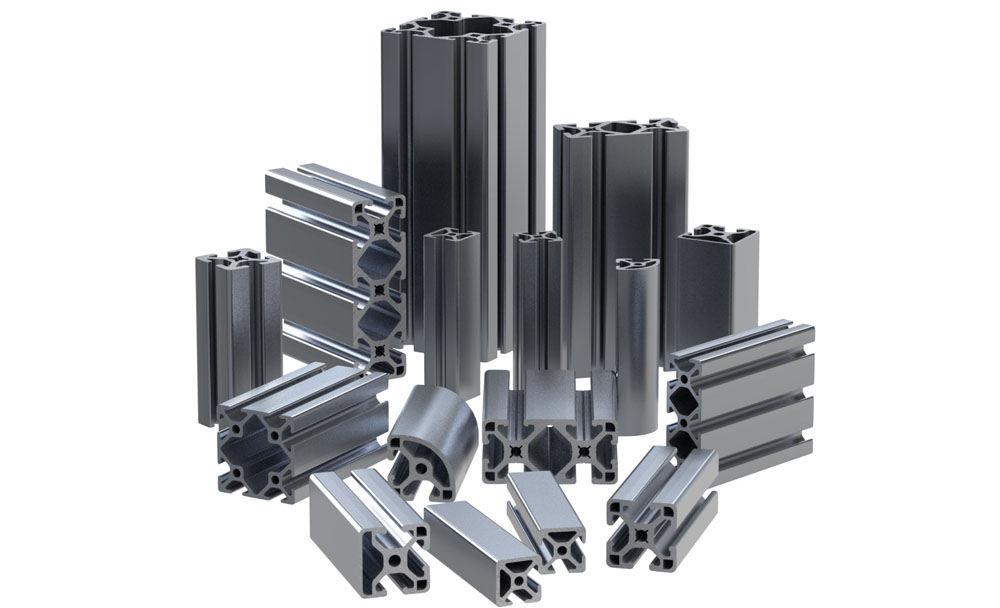
- Professional solution: Industrial-grade aluminum profiles often have splicing gaps. Furthermore, they fit poorly with cleanroom wall panels. Thus, even after caulking, they shrink and crack during temperature changes. However, our independently developed cleanroom door frame profiles solve this. They adopt a double-stepped tongue-and-groove design with reserved caulking slots. This achieves a structural bite between the profile and color steel boards. Additionally, neutral anti-mold silicone sealant completely seals hidden air leakage channels. Similarly, our air handling unit frame profiles use this same anti-leakage structure.
Air Shock and Personnel Traffic: The Hidden Challenge
Under dynamic conditions, doors face a massive test. Specifically, they must demonstrate strong air shock resistance.
When personnel push doors quickly, the door leaf acts like a piston. Similarly, automatic sliding doors compress air at high speeds. Consequently, this generates an instantaneous dynamic pressure differential of 30Pa to 50Pa.
- Failure of inferior seals: Standard D-profile seals fail easily here. The airflow quickly flips them, or instantaneous impact permanently deforms them. As a result, they start leaking immediately upon closing.
- System-level response: Conversely, mechanical drop-down seals lock rigidly the moment they close. Therefore, they resist dynamic pressure impacts effectively. Meanwhile, indoor airflow organization must cooperate. For instance, our specially developed cleanroom diffuser aluminum profiles feature built-in deflector grilles. These effectively smooth out pressure fluctuations from personnel traffic. Furthermore, linking this with the delayed closing logic of automatic cleanroom door systems achieves a dynamic pressure steady state.
How to Choose and Maintain the Right Sealing Solution
Selection is just the starting point. However, lifecycle compliant O&M remains the real key.
- Pre-sales assessment: First, calculate the Passes Per Hour (PPH). For areas with PPH over 50, prioritize automatic sliding doors with non-contact sensors. This reduces physical contact contamination. Additionally, airlocks must include interlock logic and pressure monitoring probes.
- Installation phase: Second, emphasize system-level validation. During modular cleanroom construction, workers must fully caulk all joints with cleanroom-specific sealant. After installation, technicians must execute a Door Leakage Test. Finally, they must review the pressure gradient.
- After-sales maintenance: Third, knowing how to maintain cleanroom doors prevents 80% of early failures.
- VHP sterilization resistance: Pharmaceutical workshops often use Vaporized Hydrogen Peroxide (VHP) for sterilization. However, standard EPDM swells and hardens after long-term exposure. Therefore, you must select special VHP-resistant silicone seals.
- Daily maintenance: Furthermore, never wipe seals directly with chlorine-containing agents. Instead, check mechanical linkage lubrication quarterly. If you find permanent compression sets, replace the seals immediately.
Conclusion
Let us return to the original question: do cleanroom doors need to be airtight?
Engineering practice provides a clear conclusion. Specifically, airtightness is not the end goal. Rather, it is a means to achieve pressure control and contamination isolation. Therefore, ISO 5-7 core areas must use hermetic doors. This ensures compliance, stabilizes pressure differentials, and controls HVAC energy consumption. Conversely, using high-quality hygienic doors in ISO 8 support areas is optimal. It perfectly balances traffic efficiency, O&M costs, and cleanability. Ultimately, a cleanroom is a precisely interlocking system. Thus, doors, aluminum profiles, wall panels, and HVAC equipment are all indispensable.
Are you unsure about the pressure gradient design for your facility? If so, contact our engineering team today. We provide customized door control solutions and aluminum profile consultations tailored to your cleanliness class.
-
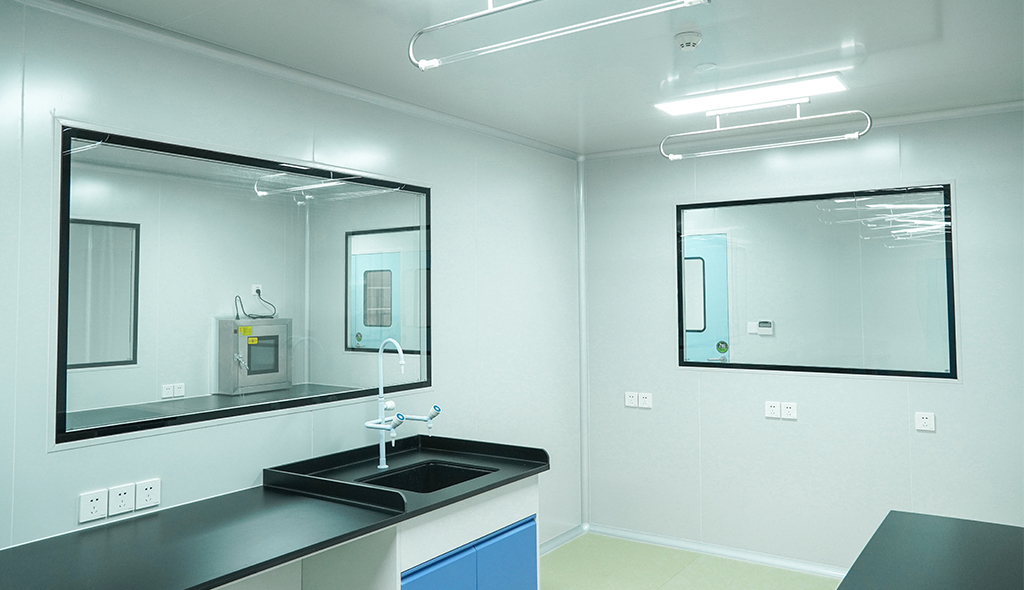 Cleanroom Glass Windows Are The Key to Maintaining a Clean Environment
 -
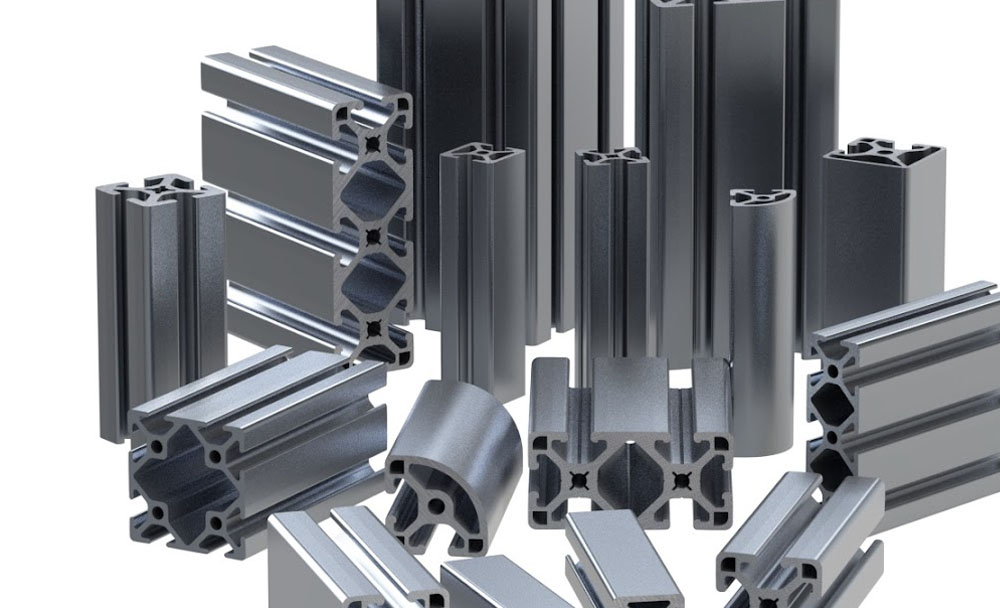 Top Aluminium Profile Manufacturers in China: Leading the Global Market
 -
 The Evolution of Air Tight Sliding Doors
 -
 AHU Aluminium Profile: A Comprehensive Guide
 -
 The Importance of Choosing the Right Cleanroom Door in Vietnam
 -
 The Benefits of Hospital Automatic Doors: Enhancing Efficiency and Safety
 -
.jpg) The Best Bathroom Door Manufacturers - Unlocking Endless Possibilities!
The Best Bathroom Door Manufacturers - Unlocking Endless Possibilities! -
 Unlock the Possibilities with AJ Manufacturing Doors
 -
 Make a Statement with Manufactured Home Interior Doors!
 -
 what is aluminum profile? Aluminum Profiles for Your Home is the best option
-
 Hospital Emergency Exit Doors: 90 Minute Fire Rating Meets Infection Control
 -
 ICU and Isolation Door Requirements Hospitals Often Overlook
 -
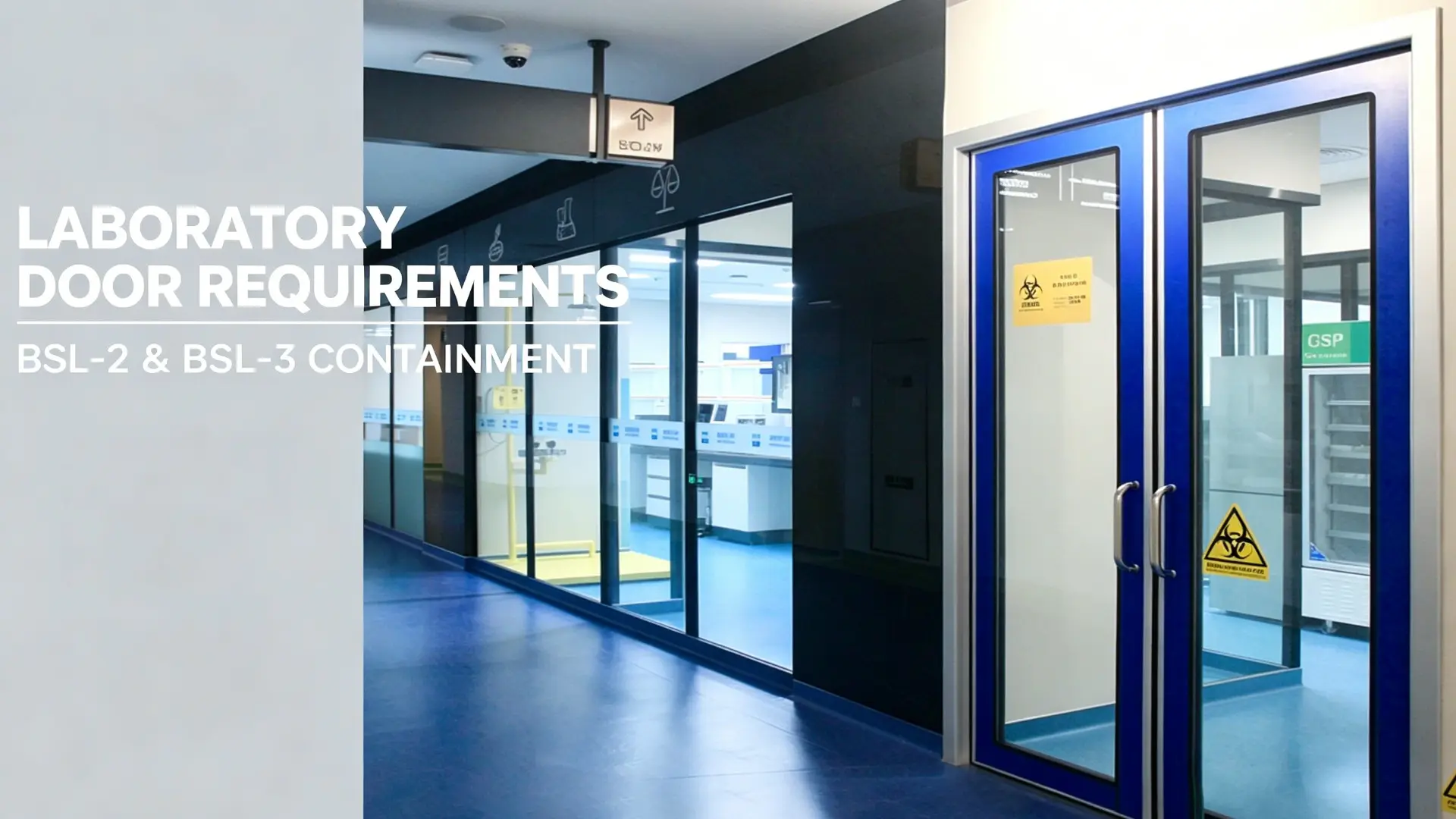 Laboratory Door Requirements for BSL-2 and BSL-3 Containment
 -
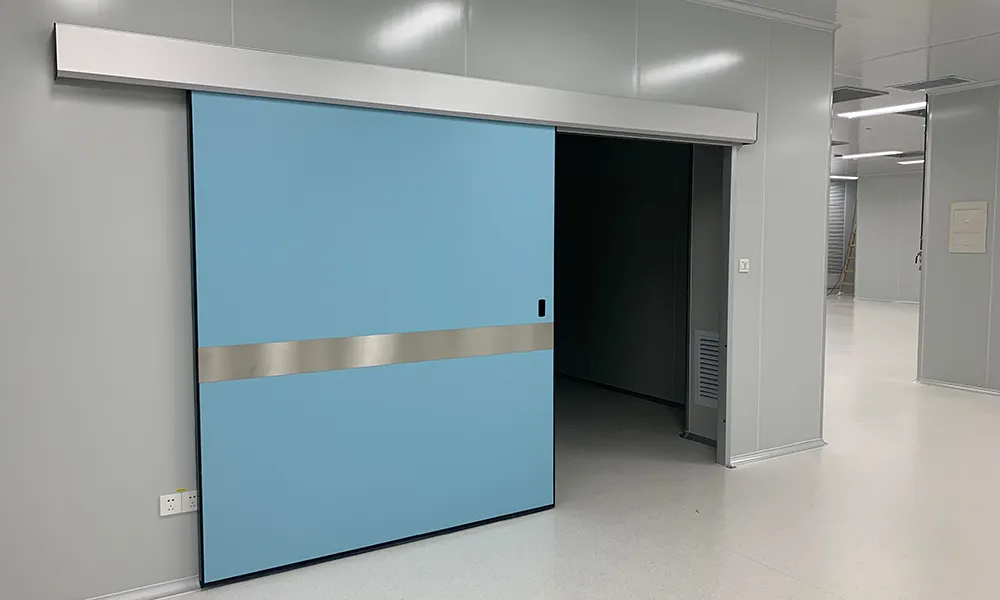 Retrofitting Hospital Sliding Doors: Upgrade Wards Without a Rebuild
 -
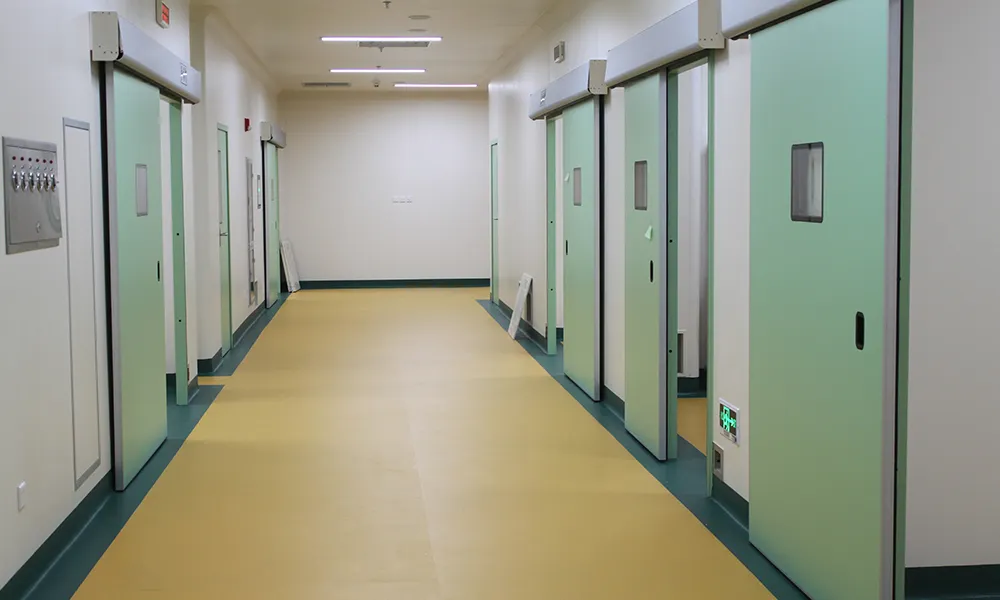 Why Airtight Hospital Sliding Doors Are Critical for Infection Control
 -
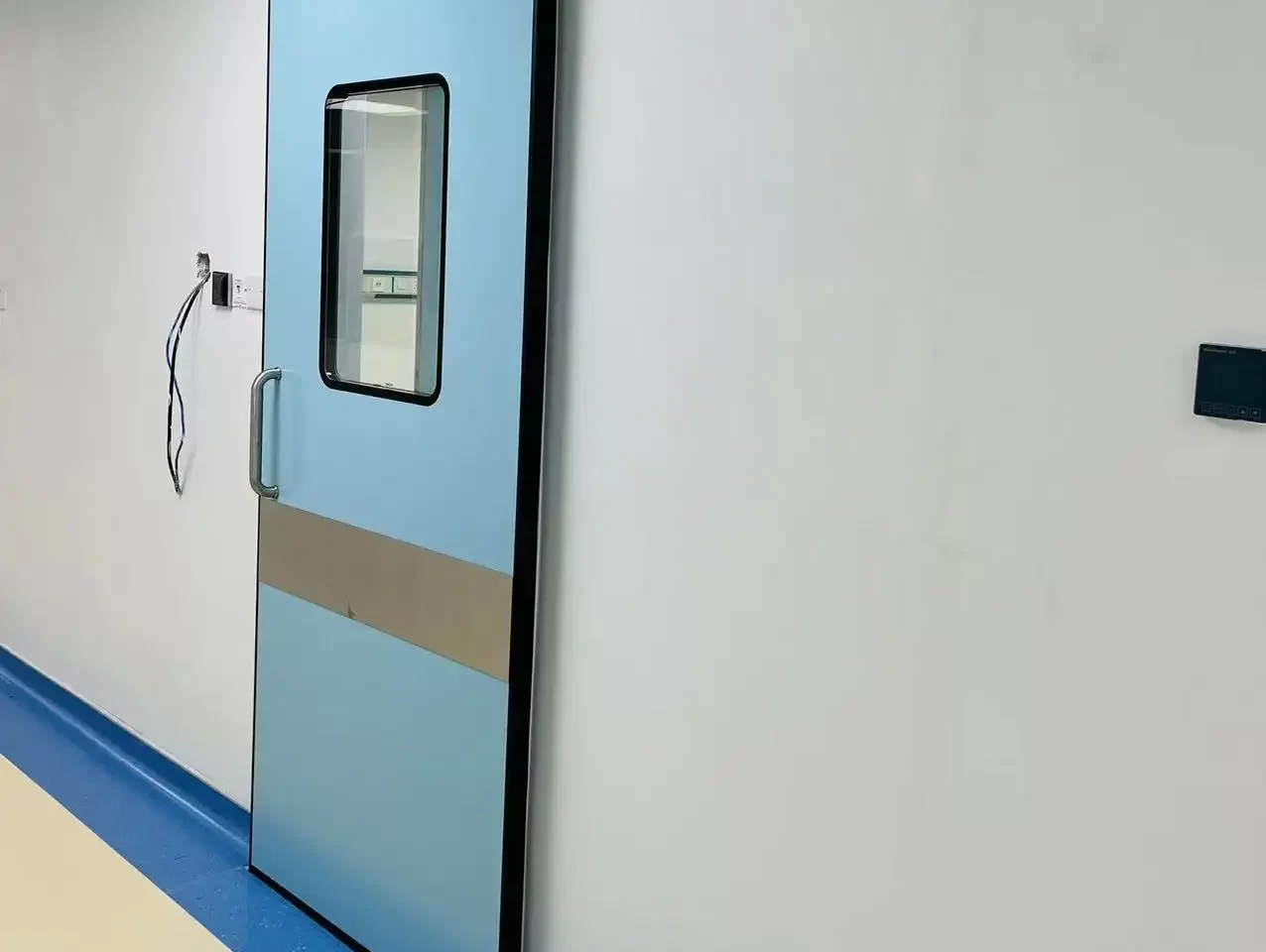 Automatic cleanroom door systems: sensor, actuator and access control integration
 -
 Cleanroom Door Materials: Stainless Steel vs HPL vs FRP vs Aluminum Comparison
 -
 X-Ray Room Door Buying Guide: Lead Thickness & Compliance
 -
 Operating Room Doors: Hermetic & Infection-Control Guide
 -
 Hospital ICU Door Selection: Sealing, Sterility & Workflow

-

Home
-

Tel
-

Email
-

Contact


Guangzhou Yizhong Aluminum Industry Co., Ltd.
We are always providing our customers with reliable products and considerate services.
We are always providing our customers with reliable products and considerate services.
Speak Your Mind