
E-ZONG Airtight Doors for Contamination-Free Food Plants
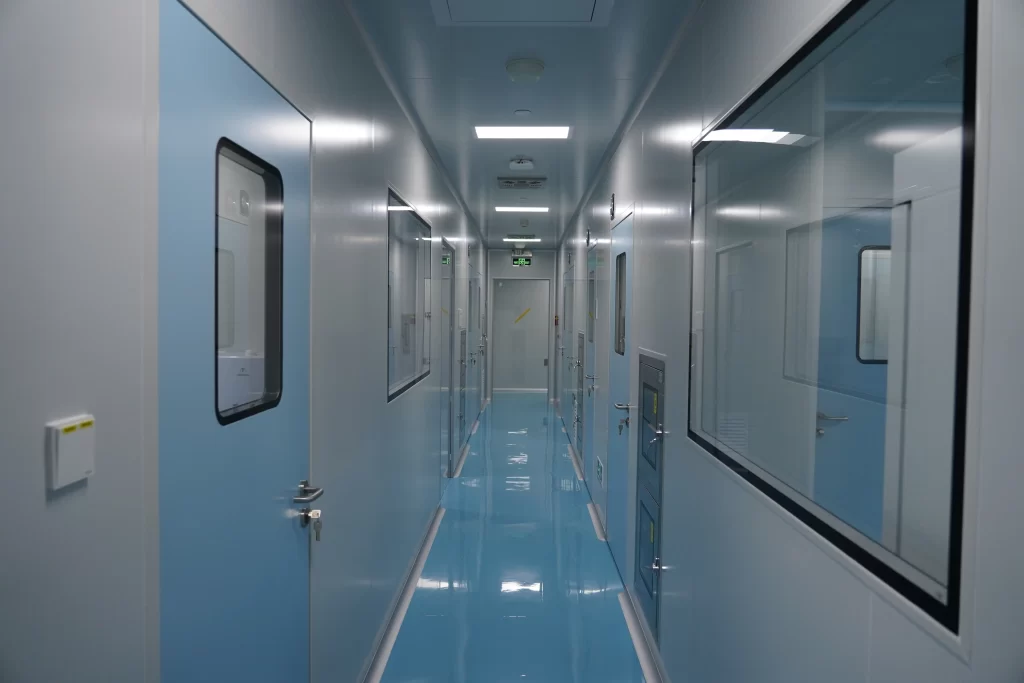
In food and beverage manufacturing, every doorway is a potential contamination risk. Frequent personnel movement, material transfer, and high-frequency cleaning cycles disrupt cleanroom pressure, allowing airborne microbes, particulate dust, and chemical residues to migrate into aseptic zones.
E-ZONG airtight cleanroom doors are engineered specifically for food plants to solve this challenge. By integrating food-grade multi-stage sealing, smart pressure-linkage control, and GB 14881 / ISO 14644 compliance, our systems transform passive isolation into active contamination control. This technical guide explains how to select, validate, and maintain hygienic airtight doors for food production environments to pass audits, reduce downtime, and protect product safety.
1. Contamination Pathways in Food & Beverage Plants and the Necessity of Airtight Control
1.1 Three Contamination Types & Transmission Characteristics
| Contamination Type | Typical Sources | Transmission Pathways | Value of Airtight Door in Prevention |
|---|---|---|---|
| Biological | Airborne colonies, surface microbes, condensate | Airflow carriage, contact transfer, pressure-driven backflow | Blocks bacteria-laden airflow, maintains clean zone positive pressure |
| Physical | Outer packaging dust, metal shavings, cleaning fibers | Piston effect, gap leakage, personnel carriage | Multi-stage sealing + dead-end-free structure eliminates particle ingress |
| Chemical | Disinfectant vapors, cleaner residues, ozone diffusion | Gas diffusion, pressure imbalance, cross-backflow | Airtight isolation + corrosion-resistant materials prevent chemical crossover |
1.2 Three Scenarios Where Doors Become Contamination Weak Points
- Frequent Opening/Closing Disturbance: Personnel and material channels open dozens of times per hour. Traditional swing doors create a piston effect, causing clean air loss and contaminated air backflow.
- Seal Aging & Micro-Leakage: Ordinary doors lack a sealed-door-grade compression mechanism. As sealing strips wear, micro-gaps form, creating short-circuit airflow under sustained pressure differentials.
- Pressure Gradient Rupture: If the door is not integrated with the workshop control system, ΔP drops to zero the moment it opens. Mismatched door dimensions and on-site civil tolerances also cause long-term frame deformation and pressure instability.
2. Core Technologies of E-ZONG Airtight Doors for Contamination Prevention
2.1 Multi-Stage Composite Sealing System: From Passive Blocking to Dynamic Zero Leakage
E-ZONG airtight doors utilize an embedded sealing + adaptive compression + bottom-actuated linkage three-tier architecture to achieve reliable, zero-gap isolation upon closure:
- Food-Grade Sealing Materials: High-elasticity EPDM or silicone composites are embedded around the door leaf. They resist acidic/alkaline cleaners, withstand ozone aging, and exhibit low extractable risks. Embedded installation prevents detachment during high-pressure washdowns.
- Adaptive Compression Structure: A wedge-guide design paired with a multi-point locking mechanism automatically compresses sealing strips upon closure, compensating for long-term micro-deformation. An optional automatic drop seal eliminates threshold dust accumulation and removes cleaning dead zones.
- Airtight Performance Validation: Referencing GB/T 7106 and EN 12207 standards, food plant clean zones are recommended to achieve airtightness ≥ Class 6. Validated via smoke testing and pressure decay methods to guarantee reliable sealing.
2.2 Food-Grade Materials & Hygienic Design: From Corrosion-Resistant to Easy-to-Clean
- Compliant Base Materials: Door frames and leaves meet 304/316L stainless steel standards. Surfaces undergo electropolishing or passivation, achieving a roughness of Ra≤0.8μm to significantly reduce microbial adhesion and biofilm formation.
- Dead-End-Free Hygienic Structure: Full-flat and micro-curved designs with rounded corner edging eliminate dust-trapping grooves. Concealed hinges and recessed observation windows prevent protruding structures from harboring dirt. Optional silver-ion/photocatalytic coatings suppress common foodborne pathogens like E. coli and S. aureus.
- Enhanced Chemical Resistance: Seal-to-metal contact surfaces are passivated and anti-mold treated, making them fully compatible with high-frequency CIP/SIP cleaning cycles in food plants.
2.3 Smart Pressure Maintenance & Airflow Control: From Physical Isolation to System Synergy
- Pressure-Linked Control: Seamlessly integrates with workshop BMS/PLC systems to monitor real-time ΔP (food clean zones typically maintain 5~15Pa micro-positive pressure). VFD soft-start/stop and delayed closing logic weaken instantaneous airflow disturbance, reducing clean air loss.
- Safety Interlock Logic: Electrically interlocked with air showers, rapid cleanroom doors, and pass-through hatches to prevent simultaneous openings that cause pressure collapse. Power-fail auto-unlock/manual priority design complies with fire codes and personnel safety requirements.
- Digital Monitoring (Advanced): Integrated door status sensors, cycle counters, and ΔP fluctuation logs support data upload and anomaly alarms. Optional audit trail functionality meets electronic record and compliance traceability requirements for food enterprises.
2.4 Scenario Adaptability: Precisely Matching Diverse Food & Beverage Plant Conditions
| Application Scenario | Core Contamination Risk | E-ZONG Airtight Door: Targeted Configuration |
|---|---|---|
| Personnel Purification | Human-borne particles/microbes | Access control integration + gowning verification + high-cycle optimization |
| Material Transfer | Outer packaging dust/storage microbes | Unpacking area pressure gradient isolation + automatic sliding door solution |
| Aseptic Filling/Fermentation | Airborne colony exceedance/cross-contamination | High-grade airtightness + positive pressure maintenance + optional antibacterial coating |
| Cold Chain/Freezers | Condensation mold growth/energy loss | Low-temperature seals + thermal-break structure + anti-condensation design |
| Cleaning/Disinfection Rooms | Chemical disinfectant corrosion/humidity penetration | 316L stainless steel + chemical-resistant seals + drainage channels |
3. Compliance Validation: Technical Endorsement for Food Audits
3.1 Standard Compliance Mapping
Professional cleanroom door designs strictly adhere to authoritative domestic and international specifications:
- Domestic Standards: GB 50687 Architectural Technical Code for Clean Rooms in Food Industry, GB 14881, GMP Appendix physical isolation requirements
- International Standards: ISO 14644-1 cleanroom classification, EN 12207 airtightness grading, HACCP/ISO 22000 hazard control logic
- Performance Validation: Third-party test reports available for airtightness, cycle life (≥100,000 cycles), and corrosion resistance (salt spray test ≥500h). Validation logic aligns with pharmaceutical cleanroom standards, ensuring direct transferability to food aseptic production lines.
3.2 Certifications & Validation Support
- Quality Management System: ISO 9001 certified, with full-process control across integrated R&D, manufacturing, and sales.
- Cross-Industry Benchmarking: Redundant design references hospital infection-control isolation standards, ensuring engineering-grade reliability for biosafety and chemical protection.
- Validation Documentation Package: Provides DQ/IQ/OQ/PQ templates, supporting compliance audits for new construction or retrofit projects. Key parameters strictly adhere to cleanroom door specifications to ensure first-pass third-party audit approval.
3.3 Recommended On-Site Validation Metrics
| Validation Item | Recommended Method | Acceptance Criteria Reference |
|---|---|---|
| Airtightness Test | Smoke tracing / Pressure decay | Leakage ≤1.5 m³/(m·h) (Class 6) |
| Pressure Recovery Time | Open 3s, close, record ΔP recovery | ≤15 seconds (high-frequency aisles) |
| Seal Durability | Retest leakage after 100k cycles | Leakage increase ≤20% |
| Cleaning Compatibility | Wipe 100x with common disinfectants | No corrosion, deformation, or seal degradation |
4. Guide to Selection, Installation, and Full-Lifecycle Maintenance
4.1 Four Elements for Scientific Selection
- Cycle Frequency Matching: High-frequency production lines (>50 cycles/hour) should specify servo drives + fast-cycle modules to minimize airflow disturbance duration.
- Environmental Parameter Adaptation: High-humidity, low-temperature, or corrosive environments require upgraded material grades (e.g., 316L stainless steel + chemical-resistant sealing strips).
- Cleanliness Class Correspondence: ISO Class 7~8 clean zones recommend airtightness ≥ Class 6; aseptic core zones recommend ≥ Class 7. Verify standard door dimensions against on-site civil engineering tolerances to avoid post-installation cutting that compromises sealing surfaces.
- Safety & Egress Configuration: Main clean zone aisles should specify push bar door mechanisms to ensure rapid personnel evacuation during emergency power loss.
4.2 Standardized Installation Best Practices
- Control embedded wall component precision to ±2mm to prevent door frame stress deformation. Installation must reference fire-rated door fire-stopping norms to ensure continuous, fully filled gap sealing.
- After level and plumb calibration, securely fasten and implement proper grounding for static/leakage protection.
- Conduct initial airtightness testing and pressure gradient validation post-installation. Retain baseline data as an appendix for the PQ report.
4.3 Cleaning & Disinfection SOP Recommendations
- Daily Cleaning: Use neutral cleaners + lint-free cloths. Strictly avoid strong acids/alkalis and abrasive tools like steel wool.
- Deep Disinfection: Compatible with peracetic acid, sodium hypochlorite, and quaternary ammonium compounds commonly used in food plants. Rinse thoroughly with clean water after disinfection.
- Seal Maintenance: Inspect sealing strip elasticity and integrity quarterly. Apply food-grade silicone grease as needed to extend service life.
4.4 Preventive Maintenance Plan
| Cycle | Maintenance Content | Expected Outcome |
|---|---|---|
| Monthly | Check for operational noise, test sensor sensitivity | Early detection of mechanical wear & electrical faults |
| Quarterly | Evaluate seal elasticity, lubricate hinges, check control firmware | Maintain airtight performance & system stability |
| Annual | Retest airtightness, verify pressure gradient, assess component lifespan | Ensure long-term compliance, plan spare part replacement |
5. Conclusion: Upgrading from Passive Isolation to Active Clean Management
Under the trends of Food Industry 4.0 and smart manufacturing, the airtight door has transcended its role as standalone hardware. It is now a critical actuator in the cleanroom’s airflow-pressure-data closed-loop system. Through the triple safeguard of physical zero leakage, smart pressure control, and digital monitoring, E-ZONG airtight doors effectively block microbial, dust, and chemical contamination risks while empowering enterprises to achieve compliance cost-reduction, efficiency gains, and data-driven operations.
Implementation Recommendation: Integrate door selection into your facility’s overall cleanroom engineering system for FMEA risk assessment during the design phase. Avoid the heavy-equipment, light-system pitfall. Backed by food-grade compliance design, intelligent pressure linkage, and full-lifecycle service, E-ZONG delivers reliable, verifiable engineering-grade solutions for food and beverage plant clean isolation.
Frequently Asked Questions (FAQ)
Q: What airtightness class is required for food plant clean zones?
A: ISO Class 7–8 zones typically require ≥ Class 6 airtightness (≤1.5 m³/(m·h) leakage). Aseptic filling and fermentation core zones may require Class 7+. E-ZONG doors are tested to EN 12207 and provide third-party reports for audit submission.
Q: Can these doors withstand daily CIP/SIP cleaning cycles?
A: Yes. All contact surfaces use 304/316L stainless steel with Ra≤0.8μm finish, paired with food-grade EPDM/silicone seals. They are fully compatible with peracetic acid, sodium hypochlorite, and quaternary ammonium disinfectants without swelling or degradation.
Q: How does the door maintain positive pressure when opened frequently?
A: E-ZONG doors integrate with your BMS/PLC via VFD soft-start/stop and delayed closing logic. The system monitors real-time ΔP and triggers rapid pressure recovery (≤15s) after closure, preventing clean air collapse during high-traffic operations.
-
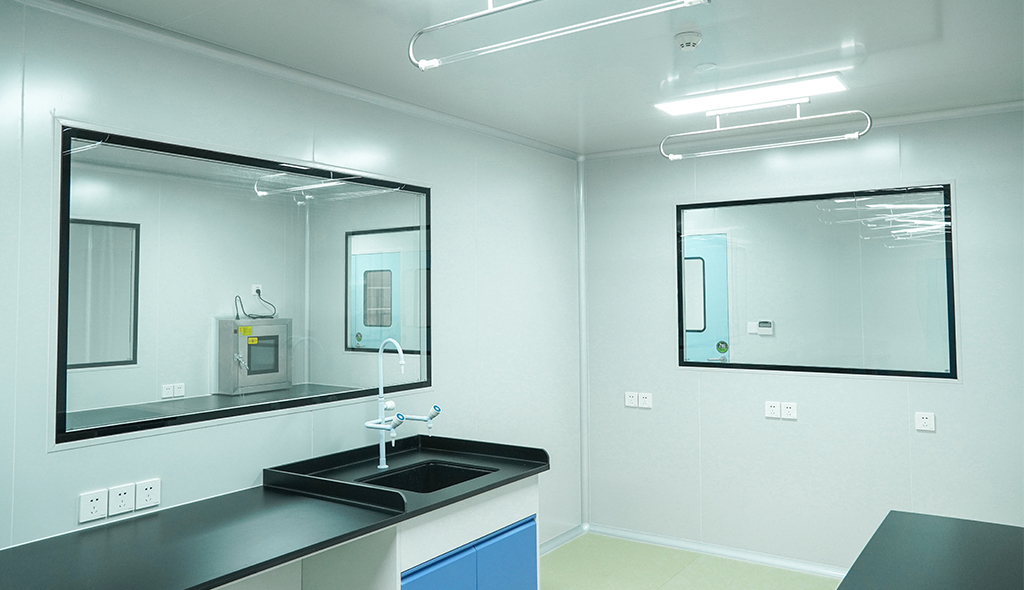 Cleanroom Glass Windows Are The Key to Maintaining a Clean Environment
 -
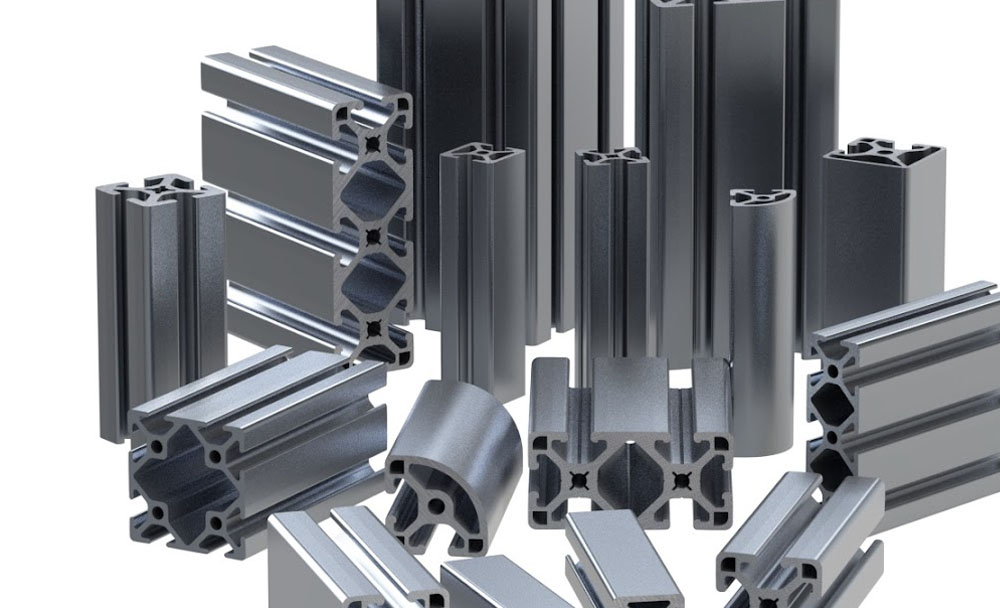 Top Aluminium Profile Manufacturers in China: Leading the Global Market
 -
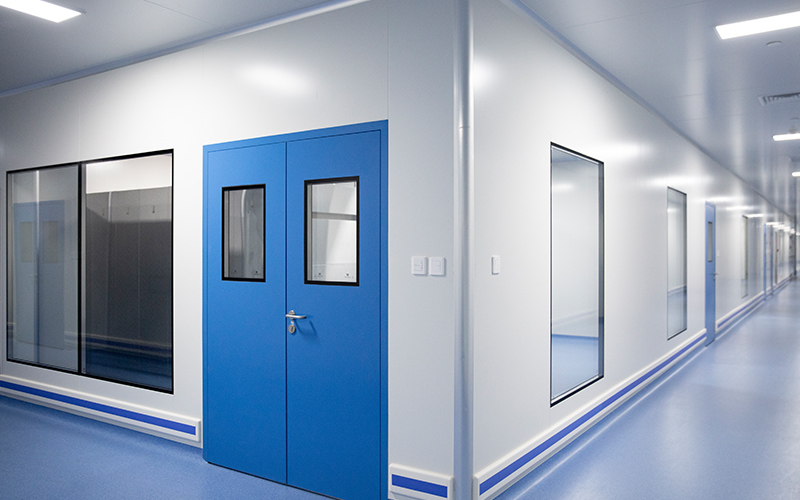 The Evolution of Air Tight Sliding Doors
 -
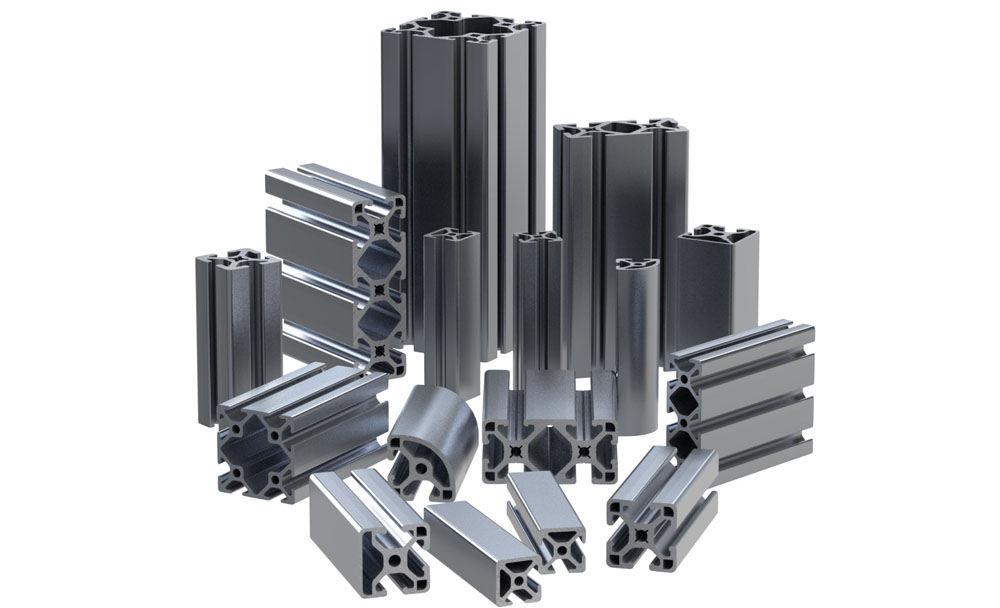 AHU Aluminium Profile: A Comprehensive Guide
 -
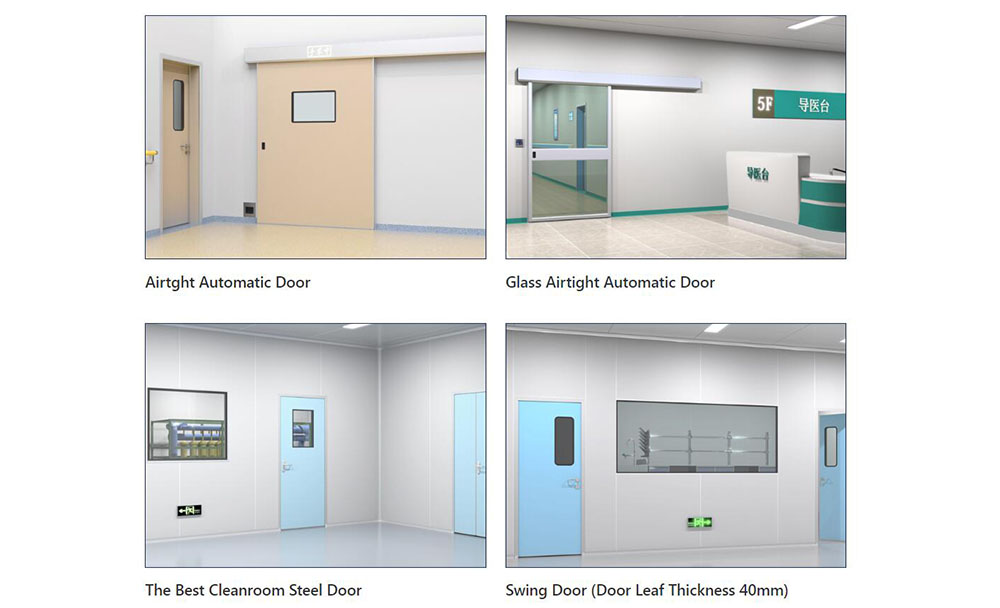 The Importance of Choosing the Right Cleanroom Door in Vietnam
 -
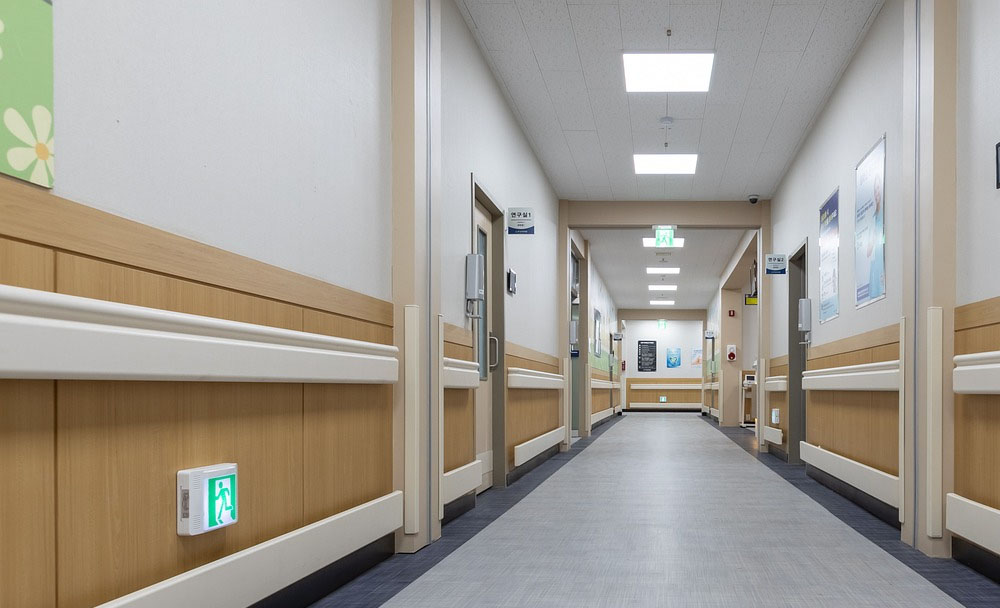 The Benefits of Hospital Automatic Doors: Enhancing Efficiency and Safety
 -
.jpg) The Best Bathroom Door Manufacturers - Unlocking Endless Possibilities!
The Best Bathroom Door Manufacturers - Unlocking Endless Possibilities! -
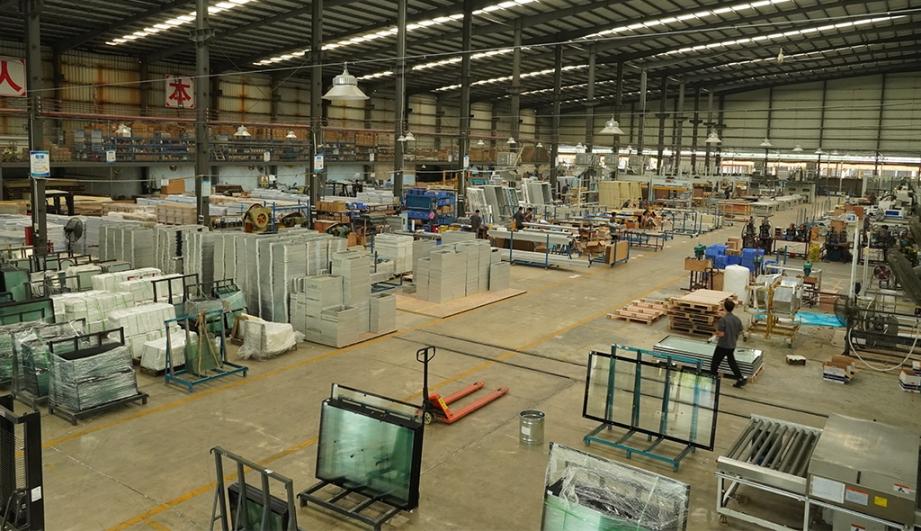 Unlock the Possibilities with AJ Manufacturing Doors
 -
 Make a Statement with Manufactured Home Interior Doors!
 -
 what is aluminum profile? Aluminum Profiles for Your Home is the best option
-
 Hospital Emergency Exit Doors: 90 Minute Fire Rating Meets Infection Control
 -
 ICU and Isolation Door Requirements Hospitals Often Overlook
 -
 Laboratory Door Requirements for BSL-2 and BSL-3 Containment
 -
 Retrofitting Hospital Sliding Doors: Upgrade Wards Without a Rebuild
 -
 Why Airtight Hospital Sliding Doors Are Critical for Infection Control
 -
 Automatic cleanroom door systems: sensor, actuator and access control integration
 -
 Cleanroom Door Materials: Stainless Steel vs HPL vs FRP vs Aluminum Comparison
 -
 X-Ray Room Door Buying Guide: Lead Thickness & Compliance
 -
 Operating Room Doors: Hermetic & Infection-Control Guide
 -
 Hospital ICU Door Selection: Sealing, Sterility & Workflow


-

Home
-

Tel
-

Email
-

Contact


Guangzhou Yizhong Aluminum Industry Co., Ltd.
We are always providing our customers with reliable products and considerate services.
We are always providing our customers with reliable products and considerate services.
Speak Your Mind