
Cleanroom Round Diffuser Guide: ISO 14644 & Airflow Control
In modern industrial manufacturing, biopharmaceuticals, and healthcare sectors, the cleanroom—serving as the core environment for controlling particulate contamination—plays a critical role in product yield, experimental accuracy, and even patient safety. As a key terminal component of HVAC systems, the round diffuser has become the preferred solution for cleanroom airflow distribution design, thanks to its superior air diffusion performance and sealed construction. However, not all circular diffusers meet the stringent requirements of cleanroom applications. This article provides an in-depth exploration of the technical standards, airflow control principles, selection calculations, and validation processes for cleanroom-specific round ceiling diffuser units, offering professional reference for engineering design and project management.
I. Compliance Core: Meeting ISO 14644 International Standards
Cleanroom design and operation must adhere to strict international standards, with the ISO 14644 series recognized globally as the benchmark. For terminal air supply equipment, compliance extends beyond material selection to encompass its capability in controlling airflow patterns and particulate matter. When selecting an appropriate air diffuser, engineers must first verify its alignment with the target cleanliness classification.
1.1 ISO 14644-1 Cleanliness Classification & Air Change Requirements
Per ISO 14644-1, cleanrooms are classified from ISO Class 1 to ISO Class 9 based on airborne particulate concentration. Different classifications impose differentiated requirements on terminal air supply equipment, directly influencing hvac diffuser selection strategies:
- ISO Class 5 and above (Class 100/unidirectional flow zones): Typically require unidirectional (laminar) flow. In such cases, circular diffusers often integrate HEPA/ULPA filters, functioning as high-efficiency air supply terminals. Working surface air velocity must be maintained at 0.45 m/s ±20% to ensure particulates are directly captured by vertical airflow, preventing cross-contamination.
- ISO Class 6 to ISO Class 8 (Class 1,000 to Class 100,000): Non-unidirectional (turbulent) flow may be adopted. Here, the ceiling diffuser primarily serves a dilution function, reducing particulate concentration through high air changes per hour (ACH). For instance, ISO Class 7 cleanrooms typically recommend 30–60 ACH, while ISO Class 8 requires 15–25 ACH.
1.2 Leakage Control & Sealing Technology
The airtightness of cleanroom enclosure structures is critical for preventing external contamination ingress. The connection between a dedicated round ceiling diffuser and the ceiling color-steel panel must achieve zero or ultra-low leakage.
- Sealing Standards: Industry best practices require leakage rates below 0.01% at frame connection points.
- Sealing Methods: Common technologies include gel seal and gasket seal. Gel seals utilize jelly-like compound to fill gaps between knife-edge frames and slots, offering exceptional sealing reliability for high-cleanliness applications. Gasket seals rely on rubber gaskets pressed tightly against the frame under negative pressure, suitable for general clean zones.
- Integrity Testing: All high-efficiency air supply terminals must undergo PAO/DOP aerosol scanning tests post-installation to verify filter media and frame integrity. This is a critical step in validating whether air diffusers meet performance specifications.
II. Technical Core: Precision Airflow Control & Design Features
Cleanroom-specific circular diffusers differ fundamentally from commercial-grade units in aerodynamic design. Their objective is to minimize vortex zones while meeting airflow volume requirements, preventing particulate deposition. Superior diffuser hvac design significantly enhances environmental stability within the controlled space.
2.1 Aerodynamic Design
- Swirl Blades: For non-unidirectional flow cleanrooms, swirl blades generate high induction ratios, rapidly mixing supply air with room return air. This enables rapid velocity decay above the working zone, avoiding "draft sensation" that could interfere with precision operations. While this design is common in high-performance linear diffuser comparisons, circular configurations offer superior diffusion uniformity.
- Cone Diffusion: Conical structures help guide airflow vertically downward, reducing horizontal diffusion angles—particularly beneficial for localized clean zones protecting specific process equipment.
- Flow Straighteners: For laminar flow supply units, internal flow straighteners or perforated plates ensure outlet face velocity uniformity with deviations under 15%, preventing localized low-velocity zones that could cause particle settling. In contrast, square ceiling diffuser designs may create airflow dead zones at corners, whereas circular configurations effectively mitigate this issue.
2.2 High-Efficiency Filtration Integration (HEPA/ULPA Integration)
In high-grade cleanrooms, circular diffusers are often integrated with high-efficiency filters.
- Filtration Efficiency: Typically employing H13 or H14 grade filters (per EN 1822), achieving ≥99.99% and ≥99.995% efficiency respectively for 0.3μm particles.
- Structural Integrity: Filter frames must possess sufficient mechanical strength to withstand installation torque and operational pressure fluctuations, preventing filter media damage or pleat deformation.
2.3 Material Selection & Surface Treatment
Cleanroom environments often involve high-temperature sterilization, chemical exposure, or high humidity, making material selection critical.
- Primary Materials: Standard clean zones may use premium galvanized steel with epoxy powder coating; biopharmaceutical or highly corrosive environments benefit from stainless steel (SUS304 or SUS316L), with 316L offering superior pitting corrosion resistance due to molybdenum content.
- Surface Finishes: Coatings should be smooth, non-porous, low-particulate-generating, and resistant to repeated wiping with disinfectants such as alcohol or hydrogen peroxide. This is essential for maintaining long-term performance of the ceiling air diffuser.
2.4 Noise Control
Cleanroom background noise typically requires control below 45dB(A) under dynamic conditions. Dedicated circular diffusers often incorporate internal acoustic damping structures or optimized blade angles to minimize aerodynamic noise, ensuring compliance with GMP and occupational health standards. When comparing round vs square diffuser noise level, circular configurations generally perform better due to smoother airflow resistance profiles.
III. Selection Guide: Matching Your Cleanroom Project
Improper selection can lead to increased energy consumption, failure to meet cleanliness targets, or excessive noise. Engineers must perform scientific calculations based on specific parameters. Referencing a round diffuser sizing chart CFM is the essential first step toward accurate selection.
3.1 Air Volume & Velocity Calculations
The core selection formula is Q = V × A, where Q represents airflow volume (CMH or CFM), V denotes neck velocity, and A indicates effective flow area.
- Recommended Neck Velocity: For non-laminar zones, neck velocity should be maintained between 2–3 m/s; excessive velocity generates noise, while insufficient velocity may compromise air throw distance.
- Laminar Zone Velocity: For HEPA-integrated supply terminals, face velocity must be strictly controlled at 0.45 m/s ±20%.
- Static Pressure Loss: Selection must account for initial resistance of both diffuser and filter. High-efficiency filters typically exhibit initial resistance of 120–150Pa, while diffuser body resistance should remain below 30Pa to minimize fan energy consumption.
3.2 Plenum Box Compatibility
Circular diffusers typically require plenum boxes to stabilize airflow and reduce noise.
- Dimensional Ratio: Plenum cross-sectional area should be 1.5–2 times the diffuser neck area to ensure uniform static pressure distribution.
- Insulation Measures: External plenum surfaces require insulation to prevent condensation due to temperature differentials, which could foster mold growth and contaminate the cleanroom.
- Test Port Configuration: High-efficiency supply plenums must include DOP test ports and differential pressure gauge interfaces for future maintenance and testing. This differs from generic ceiling vent diffuser designs, as cleanroom-specific models demand more rigorous test interface specifications.
3.3 Adjustment Functionality
- Volume Control Damper (ODC): Opposed-blade or cone-type dampers are recommended, offering adjustment ratios up to 1:5 for system balancing. Integrated vent damper components are essential for precise airflow control.
- Visual Indicators: Premium models may feature flow indicators, allowing intuitive airflow status assessment without instrumentation.
- Automated Integration: In variable air volume (VAV) systems, diffusers must interface with pressure sensors and actuators to maintain room pressurization stability. For adjustable round diffuser commercial HVAC systems, this联动 capability is standard.
IV. Installation & Validation: Ensuring System Performance
"Thirty percent product, seventy percent installation." The installation quality of cleanroom terminal equipment directly determines final acceptance outcomes. Understanding how to install round ceiling diffuser is an essential competency for construction teams.
4.1 Critical Installation Steps
- Opening Precision: Color-steel panel cutouts must strictly follow drawings, with tolerances controlled within ±1mm to avoid excessive gaps that compromise sealing.
- Sealing Execution: For gel seals, adhesive application must be continuous, uniform, and bubble-free; for gasket seals, bolt torque must be evenly applied to prevent frame deformation and leakage.
- Level Calibration: Post-installation leveling ensures the diffuser surface aligns flush with the ceiling plane, preventing dust accumulation. Compared to standard ceiling vent installations, cleanroom applications demand significantly higher precision.
4.2 Critical Testing Procedures
Post-installation, performance validation must follow ISO 14644-3:
- Velocity Uniformity Testing: Using a thermal anemometer, select at least 9 measurement points 15–30cm below the working surface to calculate velocity uniformity.
- Integrity Testing: Employ an aerosol photometer for scanning leak detection. Upstream aerosol concentration must stabilize at 10–20 μg/L, with scanning speed not exceeding 5cm/s and probe distance maintained at 2–3cm from the filter face. Any leakage reading exceeding 0.01% of upstream concentration constitutes failure.
- Recovery Testing: Simulate contamination events and measure the time required for room particulate concentration to return to specification, validating airflow dilution capacity.
4.3 Common Installation Pitfalls
- Pitfall 1: Over-compression of sealing gaskets. This can deform metal frames, inadvertently creating gaps. Follow manufacturer-recommended compression rates (typically 30%–50%).
- Pitfall 2: Neglecting plenum insulation. In high-humidity summer conditions, uninsulated plenum surfaces readily condense, with water droplets entering the clean zone causing severe contamination.
- Pitfall 3: Improper sealing of test ports. If DOP test ports are not correctly sealed post-use, they become primary leakage points. Additionally, sealing at connections with hvac grilles is frequently overlooked and requires focused inspection.
V. Industry Applications & Project Case Studies
Different industries have specific priorities for cleanroom airflow control, requiring tailored circular diffuser adaptations. Identifying the best round diffuser for clean room necessitates alignment with sector-specific requirements. Drawing from actual engineering project experience, below are typical application scenarios.
5.1 Biopharmaceuticals
- Focus: GMP compliance, cross-contamination prevention.
- Configuration: SUS316L stainless steel is preferred for steam sterilization resistance. Airflow patterns must eliminate dead zones to facilitate cleaning validation.
- Case Study: A vaccine production facility adopted circular laminar flow supply units with integrated H14 filters, ensuring the filling zone achieved ISO Class 5 standards. This scenario offers valuable insights for round diffuser for hospital HVAC system applications, particularly in airflow protection for aseptic processing areas.
5.2 Electronics & Semiconductor Manufacturing
- Focus: Micro-vibration control and electrostatic discharge (ESD) protection.
- Configuration: Diffusers require anti-static coatings and robust structural rigidity to prevent micro-vibrations from fan operation that could impact lithography precision.
- Case Study: A wafer fabrication cleanroom employed large-diameter circular diffusers coordinated with raised floor return air systems, establishing vertical laminar flow to effectively remove microscopic particulates.
5.3 Hospital Operating Theaters
- Focus: Infection control and occupant comfort.
- Configuration: Large circular laminar flow ceilings typically cover critical zones above surgical tables. Air velocity must be gentle to avoid drying surgical staff perspiration or disturbing sterile fields.
- Case Study: A Class 100 operating theater utilized a 2.4-meter diameter circular laminar flow canopy, with central zone velocity maintained at 0.25–0.3 m/s and peripheral zones gradually decreasing, balancing cleanliness with comfort.
VI. Maintenance & Servicing
Cleanroom system performance degradation often stems from inadequate maintenance. Regular servicing extends equipment lifespan and ensures ongoing compliance. Regarding aluminum round diffuser price guide considerations, long-term maintenance costs represent an important selection factor.
6.1 Routine Cleaning Protocols
- Wipe diffuser surfaces with lint-free cloths dampened with 75% alcohol or dedicated cleanroom cleaning solutions.
- Avoid corrosive solvents or abrasive materials that could damage surface coatings and generate particulates.
- Recommended cleaning frequency: Weekly for ISO Class 5–6 zones, monthly for ISO Class 7–8 zones. This is critical for maintaining overall cleanliness of the air vent system.
6.2 Filter Replacement Intervals
- Determine replacement timing based on differential pressure gauge readings. Replace filters when initial resistance increases to 1.5–2 times original values (e.g., from 150Pa to 250Pa), or when minimum velocity standards cannot be maintained.
- Replacement procedures must be conducted under static conditions, with rigorous post-replacement leak testing.
6.3 Long-Term Performance Monitoring
- Annual comprehensive airflow visualization testing (smoke testing) is recommended to confirm absence of vortex dead zones.
- Periodically calibrate volume control dampers to ensure system balance remains intact. Monitoring changes in round swirl diffuser airflow pattern facilitates early detection of potential issues.
VII. Frequently Asked Questions (FAQ)
Q1: What distinguishes circular diffusers from square high-efficiency supply terminals in cleanroom applications?
- A: Circular diffusers typically provide more uniform airflow diffusion with minimal dead zones, making them ideal for areas with stringent airflow pattern requirements; square terminals better accommodate modular ceiling layouts with higher space utilization. Selection should be based on room geometry and process layout. When comparing with linear diffuser options, circular configurations are better suited for scenarios requiring omnidirectional diffusion.
Q2: Are all circular diffusers suitable for cleanroom use?
- A: No. Standard commercial diffusers lack sealed designs, generate particulates, and cannot integrate high-efficiency filters. Cleanrooms require dedicated models with sealing test certifications and particulate-resistant structural designs. Conventional ac vents cannot meet cleanroom particulate control requirements.
Q3: How can diffuser air leakage be verified?
- A: The most authoritative method is PAO scanning testing. Alternatively, pressure hold tests observing room pressure decay can provide indirect indications, though they cannot pinpoint specific leakage locations.
Q4: Are circular diffusers compatible with all ceiling types?
- A: Most suspended ceiling diffuser designs accommodate standard grid systems, but cleanroom-specific models typically require integration with sealed ceiling systems to ensure airtightness. Standard drop ceiling diffuser configurations may not satisfy sealing requirements for high-grade cleanrooms.
-
 Cleanroom Glass Windows Are The Key to Maintaining a Clean Environment
 -
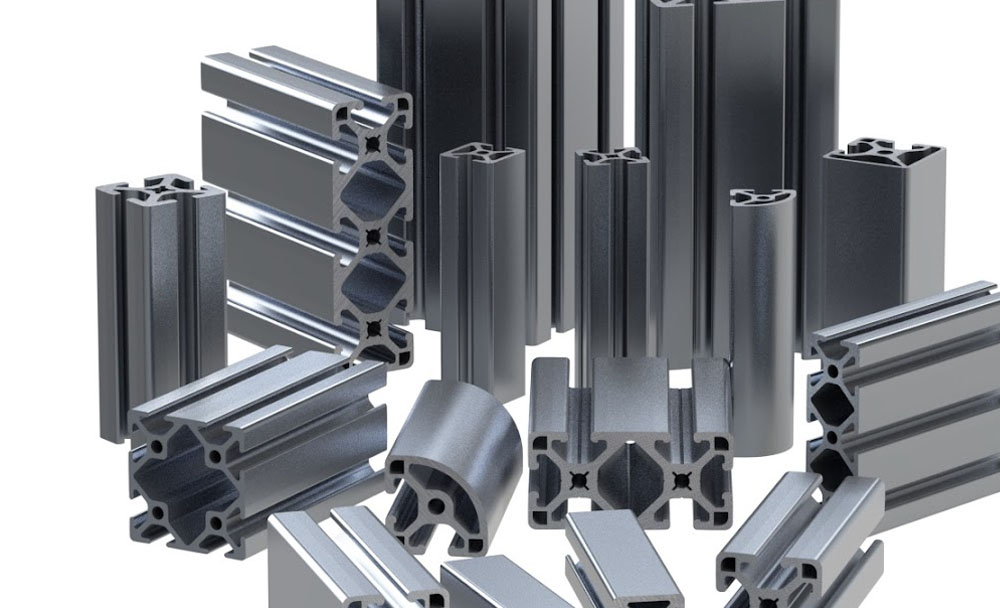 Top Aluminium Profile Manufacturers in China: Leading the Global Market
 -
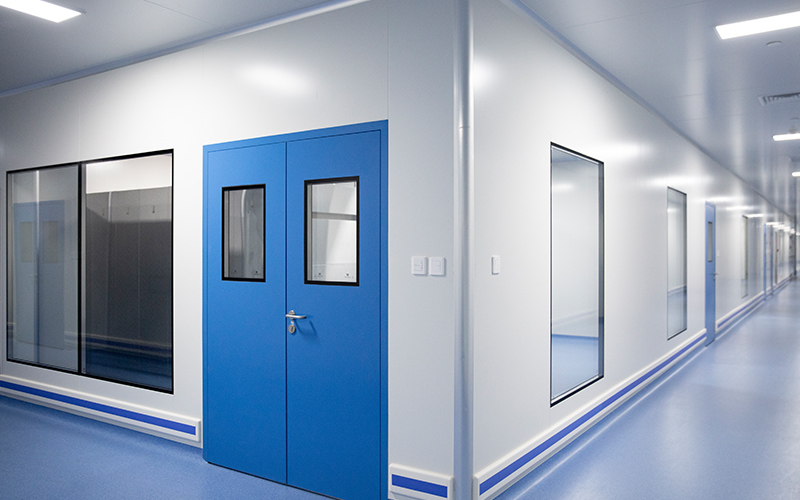 The Evolution of Air Tight Sliding Doors
 -
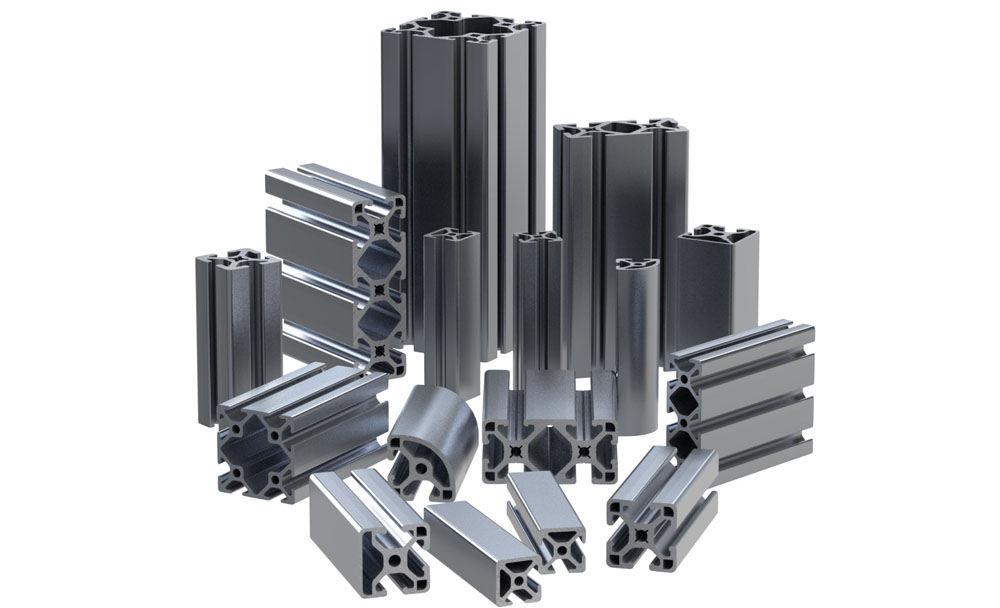 AHU Aluminium Profile: A Comprehensive Guide
 -
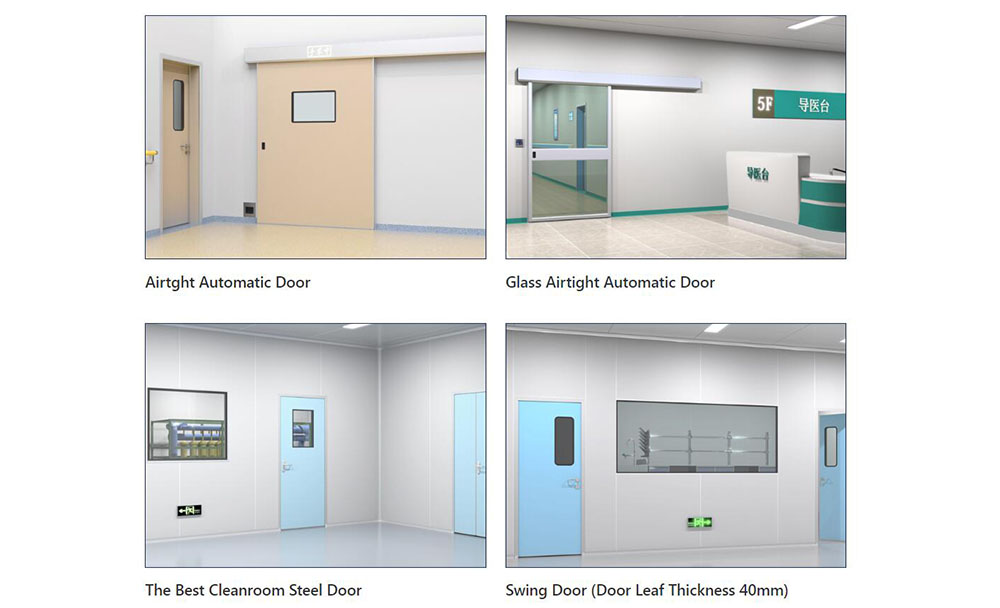 The Importance of Choosing the Right Cleanroom Door in Vietnam
 -
 The Benefits of Hospital Automatic Doors: Enhancing Efficiency and Safety
 -
.jpg) The Best Bathroom Door Manufacturers - Unlocking Endless Possibilities!
The Best Bathroom Door Manufacturers - Unlocking Endless Possibilities! -
 Unlock the Possibilities with AJ Manufacturing Doors
 -
 Make a Statement with Manufactured Home Interior Doors!
 -
 what is aluminum profile? Aluminum Profiles for Your Home is the best option
-
 5 Hermetic Door Mistakes That Break the Seal
 -
 Hospital Room Door Size by Room Type: Width and Clearance
 -
 Retrofit Manual Doors with Electronic Glass Operators
 -
 Hospital Emergency Exit Doors: 90 Minute Fire Rating Meets Infection Control
 -
 ICU and Isolation Door Requirements Hospitals Often Overlook
 -
 Laboratory Door Requirements for BSL-2 and BSL-3 Containment
 -
 Retrofitting Hospital Sliding Doors: Upgrade Wards Without a Rebuild
 -
 Why Airtight Hospital Sliding Doors Are Critical for Infection Control
 -
 Automatic cleanroom door systems: sensor, actuator and access control integration
 -
 Cleanroom Door Materials: Stainless Steel vs HPL vs FRP vs Aluminum Comparison




-

Home
-

Tel
-

Email
-

Contact


Guangzhou Yizhong Aluminum Industry Co., Ltd.
We are always providing our customers with reliable products and considerate services.
We are always providing our customers with reliable products and considerate services.
Speak Your Mind