What Are the Most Common Sliding Door Installation Mistakes
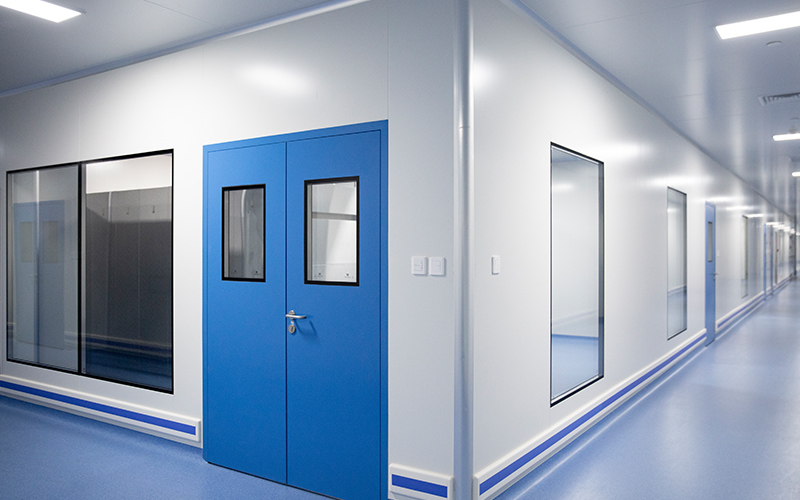
In ordinary commercial buildings, minor errors in sliding door installation may only affect aesthetics or user experience. However, in cleanrooms, operating rooms, or laboratory environments, installation mistakes can lead to catastrophic consequences. Incorrect sliding door installation can compromise the integrity of an airtight door, failing to maintain critical pressure gradients; it may prevent a cleanroom door from passing ISO 14644 validation; or even cause an automatic sliding door to open frequently due to sensor misjudgment, disrupting environmental control.
Statistics show that over 40% of cleanroom validation failures stem from improper door system installation. This article focuses on clean and medical scenarios, deeply analyzing the 7 most common mistakes in sliding door installation and providing actionable repair solutions. Whether you are a technician at a cleanroom door manufacturer or a project party seeking a hospital door supplier, this guide will help you avoid rework costs and ensure sliding door installation success on the first try.
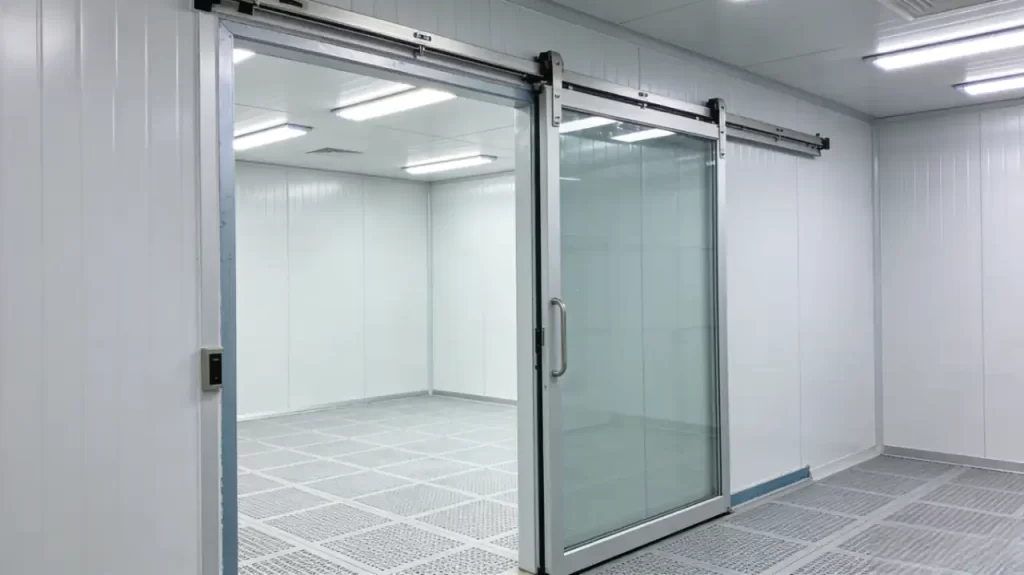
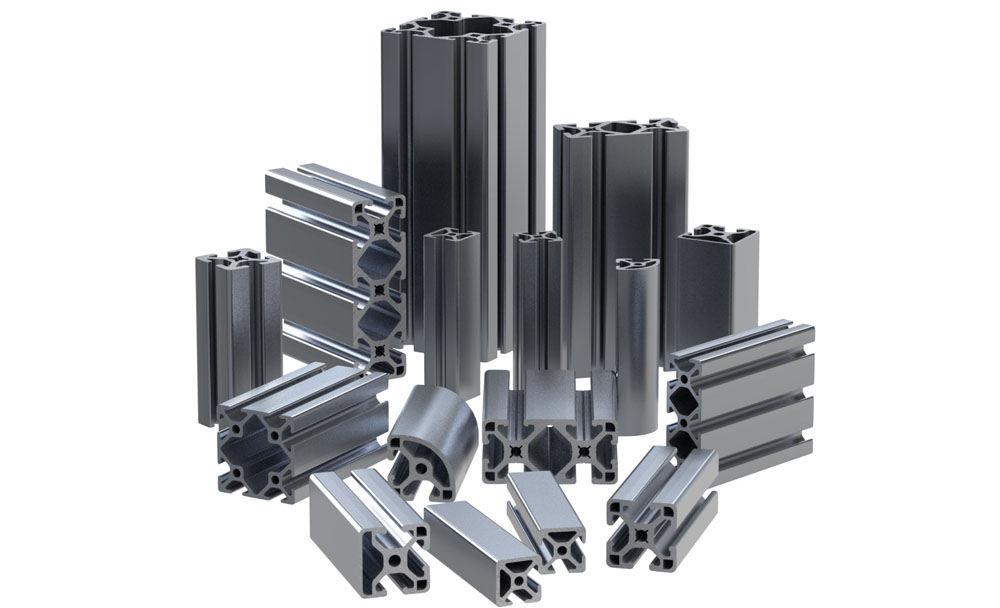
Mistake 1: Opening Reserved Dimension Deviation, Preventing Precise Embedding of cleanroom aluminum profile
Problem Manifestation
Before sliding door installation begins, the most fatal error is often improper opening reservation. Common issues include:
- Opening width/height does not reserve installation clearance for cleanroom aluminum profile, causing the frame to be forced in and deformed.
- Ignoring the finished floor height (epoxy/raised floor), causing the door leaf bottom to friction or exceed gap standards.
- Failure to pre-bury power lines for automatic sliding door, resulting in surface-mounted wire trays later that affect cleanliness.
Professional Technical Standards
- Opening Tolerance: Width/Height = door with frame outer frame size + 15~20mm (including sealant joints).
- Verticality: Opening side wall vertical error ≤2mm/2m (according to GB 50457-2019).
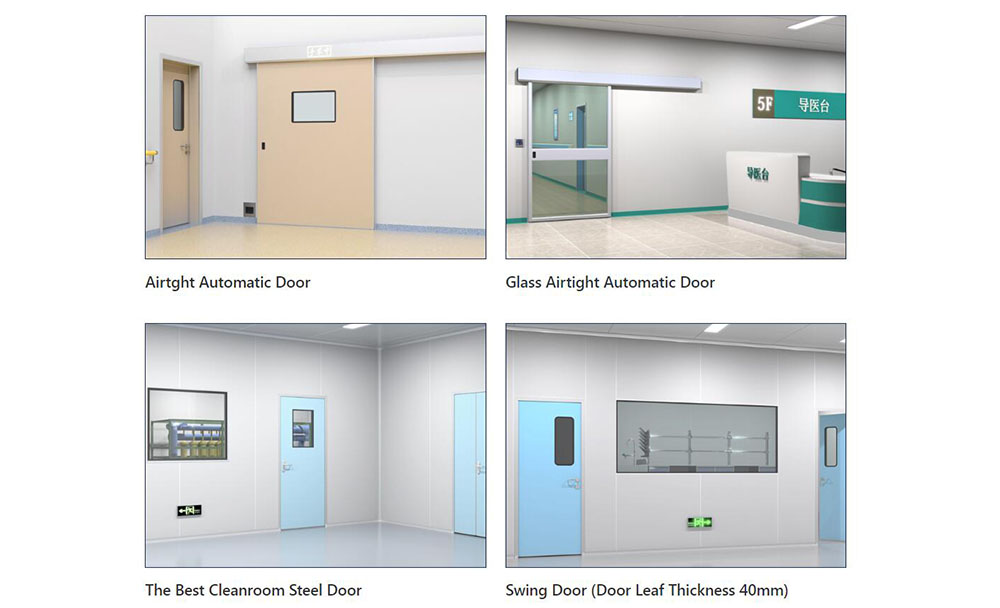
- Size Reference: Strictly verify standard door size. Common hospital door widths are 1200mm-1500mm, and heights are 2100mm-2400mm.
Repair Solution
- Deviation <10mm: Use specialized adjustment shims + neutral weather-resistant sealant for fine-tuning. Avoid forced correction that twists the door with frame.
- Deviation >10mm: The opening must be reworked and trimmed. Strictly prohibit cutting the main structure of the cleanroom aluminum profile.
- Omitted Pre-burying: Use waterproof surface-mounted wire trays for remediation, but this must pass hospital infection control audit and be recorded for filing.
Prevention Points
Before installation, a joint opening handover acceptance must be conducted with civil engineering, HVAC, and electrical parties, signing a written confirmation form. Verify standard door dimensions against actual site dimensions to avoid later disputes affecting sliding door installation progress.
Mistake 2: Track Levelness Calibration Error, Causing automatic sliding door Operation Stuttering
Problem Manifestation
Track levelness is the core of sliding door installation. Error manifestations include:
- Track not calibrated with a laser level, causing automatic sliding door to shake or make noise during operation.
- Uneven wheel load, accelerating sliding door installation track wear after long-term use.
- Door leaf automatic sliding ("door slipping"), destroying the pressure differential seal of the airtight door.
Professional Technical Standards
- Level Tolerance: Track level error ≤1mm/m (≤0.5mm/m recommended for cleanroom scenarios).
- Fixing Spacing: Track fixing point spacing ≤500mm, distance from corners ≤150mm.
- Wheel Load: Single wheel load capacity must be ≥ 1.5 times the safety factor of the door leaf weight.
Repair Solution
- Uneven Track: Loosen fixing screws, recalibrate with a laser level, and tighten in the order of "middle first, then ends".
- Wheel Wear: Replace with wheels of the same specification, and clean metal debris inside the track to ensure automatic sliding door smoothness.
- Door Slipping: Adjust the track micro-slope (tilt outward 1%), or install a damping limiter.
Prevention Points
After track installation, a no-load operation test ≥30 minutes must be performed, recording operation noise and smoothness data. This is a key link in hospital sliding doors acceptance, directly affecting the final quality of sliding door installation.
Mistake 3: Incorrect Sealant Selection, Corroding cleanroom aluminum profile and Contaminating Clean Environment
Problem Manifestation
Sealant is the lifeline of an airtight door. Common errors include:
- Using acidic glass glue, corroding the anodized layer of cleanroom aluminum profile, producing white powder contamination.
- Discontinuous glue joints or air bubbles, causing the airtight door to fail DOP/PAO airtightness tests.
- Failure to use low-volatility medical glue, affecting indoor VOC indicators of the operating room door.
Professional Technical Standards
- Glue Certification: Must pass NSF-51, ISO 10993 biocompatibility certification (medical scenarios).
- Construction Environment: Cleanliness during gluing must be 1 level higher than the target level (e.g., ISO 7 workshop must operate in an ISO 6 environment).
- Glue Joint Size: Width:Depth = 2:1, minimum width ≥6mm (ensuring elastic deformation capability).
Repair Solution
- Corrosion Treatment: Thoroughly remove old glue, treat the substrate with specialized cleaner, and replace with neutral silicone medical glue.
- Leak Repair: Adopt "backer rod + double-sided coating" process to reseal, and re-test for leaks after curing.
- VOC Exceedance: Strengthen ventilation replacement, or replace with solvent-free polyurethane sealant if necessary.
Prevention Points
Compatibility testing must be performed before gluing: test apply a small area, check for discoloration or debonding after 48 hours of curing. Choosing specialized glue materials provided by a reliable cleanroom door manufacturer is key to ensuring the environmental protection of sliding door installation.
Mistake 4: Improper automatic sliding door Sensor Parameter Debugging, Destroying Pressure Gradient
Problem Manifestation
For hospital sliding doors or medical automatic door installation scenarios, improper debugging leads to:
- Microwave/infrared sensing range too large, causing door leaf misopening and destroying clean area pressure difference.
- Opening/closing speed not optimized, increasing medical door collision risk when medical staff push hospital beds.
- Emergency escape function not linked with fire system, violating "Architectural Technical Code for Hospital Clean Operating Departments".
Professional Technical Standards
- Sensing Area: Opening side sensing range 1.2~1.5m, height 0.8~1.8m (avoid ground interference).
- Operation Parameters: Opening speed 300~400mm/s, closing speed 150~200mm/s (steplessly adjustable).
- Safety Function: Must have anti-pinch infrared light curtain + mechanical anti-collision strip dual protection.
Repair Solution
- Misopening: Adjust sensor sensitivity knob, install physical light shields to narrow detection area.
- Uncomfortable Speed: Reset acceleration/deceleration curves via controller dip switches or Bluetooth APP.
- Linkage Failure: Check fire signal input terminals, reprogram to achieve "Fire Alarm Signal → Door Leaf Normally Open".
Prevention Points
After debugging, a 72-hour continuous operation test must be performed, recording misaction counts and optimizing parameters. Professional medical automatic door installation services can significantly reduce later operation and maintenance costs of sliding door installation.
Mistake 5: Improper Sealing Strip Installation, Causing airtight door Airtightness Failure
Problem Manifestation
Sealing strips are the core component of an airtight door. Error manifestations include:
- Sealing strip joints use right-angle butt joints, forming an airtight door leak channel.
- Compression insufficient (<30%) or excessive (>60%), affecting sealing effect or accelerating aging.
- Corners not cut at 45° oblique angles, allowing cleanroom door particles to escape from gaps.
Professional Technical Standards
- Compression: Rubber sealing strip compression controlled within 30%~50% range.
- Splicing Process: Joints must be 45° oblique cut + specialized glue bonding; right-angle butt joints are strictly prohibited.
- Continuity: Sealing strip has no breakpoints throughout, corners use integral molding or specialized corner codes.
Repair Solution
- Joint Leak: Remove old sealing strip, clean the groove, and reinstall using 45° oblique cut splicing process.
- Improper Compression: Adjust door leaf position or replace sealing strips with different cross-section sizes.
- Corner Leak: Install specialized corner sealing pieces, or use liquid sealant for reinforcement.
Prevention Points
After sealing strip installation, a smoke test or pressure difference test must be performed to confirm no leak points before proceeding to the next process. This is particularly important for laboratory door and is a hard indicator for sliding door installation acceptance.
Mistake 6: Improper fire rated door Closer Debugging, Affecting Fire Compliance
Problem Manifestation
When involving fire rated door or operating room door, closer debugging errors affect safety:
- Closer force too large, fire rated door closing impact noise is loud, accelerating hardware wear.
- Force too small, door leaf cannot close completely, sliding door installation cannot pass fire acceptance.
- Delay function not set, hospital door frequently collides when medical staff pass through.
Professional Technical Standards
- Closing Force: According to EN 1154 standard, levels 1~6 adjustable, cleanroom scenarios recommend levels 3~4.
- Closing Time: From 90° open to fully closed, time controlled within 3~5 seconds.
- Delay Function: Optional 0~30 seconds delay, convenient for hospital bed/equipment passage.
Repair Solution
- Force Adjustment: Via closer side adjustment valve, clockwise to increase force, counter-clockwise to decrease.
- Time Calibration: Use a stopwatch to test closing time, fine-tune hydraulic valve until standard is met.
- Delay Addition: If original closer does not support, replace with a model with delay function.
Prevention Points
After fire door installation, an "open-close" cycle test ≥50 times must be performed to confirm closer stability. This is a sliding door installation safety test that must be completed before delivery by a hospital door supplier.
Mistake 7: Missing Post-Installation Cleaning and Validation Process, Leading to cleanroom door Acceptance Failure
Problem Manifestation
The last step is often overlooked, but crucial:
- Aluminum debris and glue stains generated during installation not thoroughly cleaned, becoming a continuous pollution source for cleanroom aluminum profile.
- No post-installation cleanliness re-test, direct delivery leads to cleanroom door manufacturer validation failure.
- Lack of installation process records (torque values, sealant batch numbers, etc.), unable to pass GMP audit.
Professional Technical Standards
- Cleaning Standard: Surface particle residue ≤100 particles/㎡ (≥0.5μm), no visible glue stains/scratches.
- Validation Requirements: After installation, suspended particles, settled bacteria, pressure difference, and wind speed four core indicators need re-testing.
- Document Management: Establish "one frame one file", including profile batch number, installation personnel, test data, etc.
Repair Solution
- Pollution Cleaning: Use cleanroom specialized vacuum + lint-free cloth + isopropanol three-level cleaning method.
- Validation Remediation: Locate pollution/leak source, repair locally, and re-test 3 consecutive times.
- Document Completion: Trace back installation records, supplement missing data, retrain installation personnel if necessary.
Prevention Points
It is recommended to adopt a digital installation management system, scanning codes to record installation parameters for each profile, achieving full process traceability. Following a complete cleanroom door installation guide is the guarantee for ensuring final sliding door installation acceptance passes.
Frequently Asked Questions (FAQ)
Q1: What factors affect sliding door installation cost?
sliding door installation cost mainly depends on:
- Material Grade: Surface treatment of cleanroom aluminum profile (anodizing/powder coating) and functions (antibacterial/anti-static).
- Automation Level: automatic sliding door systems add motor, sensor, and control module costs compared to ordinary manual doors.
- Environmental Requirements: Cleanroom installation requires wearing cleanroom suits and using specialized tools; labor costs are higher than ordinary scenarios.
- Acceptance Standards: hospital door supplier needs to cooperate with third parties for airtightness and cleanliness testing, generating extra test fees.
Q2: How to avoid air leakage after airtight door installation?
- Choose medical-grade sealants certified by NSF/ISO.
- Sealing strips use 45° oblique cut splicing, install specialized corner codes at corners.
- Perform smoke test or pressure difference test after installation, locate and repair leak points.
- Regularly maintain and check sealing strip aging, contact cleanroom door manufacturer for replacement in time.
Q3: What to do if automatic sliding door sensor fails?
- Check if sensor power and signal lines are loose.
- Clean the sensor window to avoid dust/water vapor interference.
- Adjust sensitivity knob to exclude environmental interference sources (such as air conditioning outlets).
- If hardware failure, contact professional team for medical automatic door installation maintenance.
Q4: How to troubleshoot if laboratory door cleanliness is not up to standard after installation?
- Use particle counter to locate particle leak sources (door seams, tracks, wiring holes, etc.).
- Check if cleanroom aluminum profile splicing points are fully injected with glue.
- Confirm if sealing strip compression meets standards, and if there are breakpoints at corners.
- Refer to cleanroom door installation guide to clean the installation area again.
Q5: How to choose a reliable hospital door supplier?
- Check Qualifications: Do they have medical device production license, ISO 13485 certification.
- Inspect Cases: Do they have high-standard project experience such as Grade 3A hospitals, P3 laboratories.
- Technical Support: Can they provide cleanroom door installation guide and on-site debugging services.
- After-sales Guarantee: Do they promise free rectification if acceptance is not up to standard, provide long-term spare parts support.
Q6: What impact do standard door dimensions have on installation?
- Non-standard door dimensions require customization, which will increase sliding door installation cost and construction period.
- Custom door with frame needs confirmation of opening dimensions in advance to avoid on-site modification.
- It is recommended to prioritize standardized sizes for easier later maintenance and parts replacement.
Conclusion: Professional Installation is the Cornerstone of cleanroom door Long-Term Stable Operation
sliding door installation seems simple, but is actually full of technical details in clean and medical scenarios. A tiny installation error can lead to airtight door airtightness failure, automatic sliding door misaction, or even entire cleanroom validation failure.
From verifying standard door size, to debugging fire rated door mechanisms, to final cleaning validation, every step requires rigorous attention. Choosing a professional cleanroom door manufacturer or hospital door supplier, strictly following technical standards, and executing "Prevention-Installation-Validation" full-process control are the only ways to ensure sliding door installation success on the first try.
Reasonable sliding door installation cost budgeting and strict acceptance standards will ensure your door system operates stably for the long term, meeting the harsh requirements of clean and medical environments.
-
 Cleanroom Glass Windows Are The Key to Maintaining a Clean Environment
 -
 Top Aluminium Profile Manufacturers in China: Leading the Global Market
 -
 The Evolution of Air Tight Sliding Doors
 -
 AHU Aluminium Profile: A Comprehensive Guide
 -
 The Importance of Choosing the Right Cleanroom Door in Vietnam
 -
 The Benefits of Hospital Automatic Doors: Enhancing Efficiency and Safety
 -
.jpg) The Best Bathroom Door Manufacturers - Unlocking Endless Possibilities!
The Best Bathroom Door Manufacturers - Unlocking Endless Possibilities! -
 Unlock the Possibilities with AJ Manufacturing Doors
 -
 Make a Statement with Manufactured Home Interior Doors!
 -
 what is aluminum profile? Aluminum Profiles for Your Home is the best option
-
 Hospital Emergency Exit Doors: 90 Minute Fire Rating Meets Infection Control
 -
 ICU and Isolation Door Requirements Hospitals Often Overlook
 -
 Laboratory Door Requirements for BSL-2 and BSL-3 Containment
 -
 Retrofitting Hospital Sliding Doors: Upgrade Wards Without a Rebuild
 -
 Why Airtight Hospital Sliding Doors Are Critical for Infection Control
 -
 Automatic cleanroom door systems: sensor, actuator and access control integration
 -
 Cleanroom Door Materials: Stainless Steel vs HPL vs FRP vs Aluminum Comparison
 -
 X-Ray Room Door Buying Guide: Lead Thickness & Compliance
 -
 Operating Room Doors: Hermetic & Infection-Control Guide
 -
 Hospital ICU Door Selection: Sealing, Sterility & Workflow
-

Home
-

Tel
-

Email
-

Contact


Guangzhou Yizhong Aluminum Industry Co., Ltd.
We are always providing our customers with reliable products and considerate services.
We are always providing our customers with reliable products and considerate services.
Speak Your Mind