
Cleanroom Door Materials: Stainless Steel vs HPL vs FRP vs Aluminum Comparison
Specifying a cleanroom door starts with one decision: what is the panel made of? Stainless steel, HPL, FRP, and aluminum each behave differently under disinfection, traffic, and audit pressure, and the wrong pick turns up as delamination, corrosion, or a failed inspection years later. This cleanroom door materials comparison puts the four side by side so engineers, facility managers, and procurement specialists can choose on evidence rather than price alone.
We rank stainless steel, HPL (high-pressure laminate), FRP (fiberglass-reinforced plastic), and aluminum on the metrics that actually decide outcomes in a controlled environment: chemical resistance, cleanability, fire behavior, GMP fit, and lifecycle cost. By the end you should know which material belongs in which zone, and which one to avoid where compliance is non-negotiable.
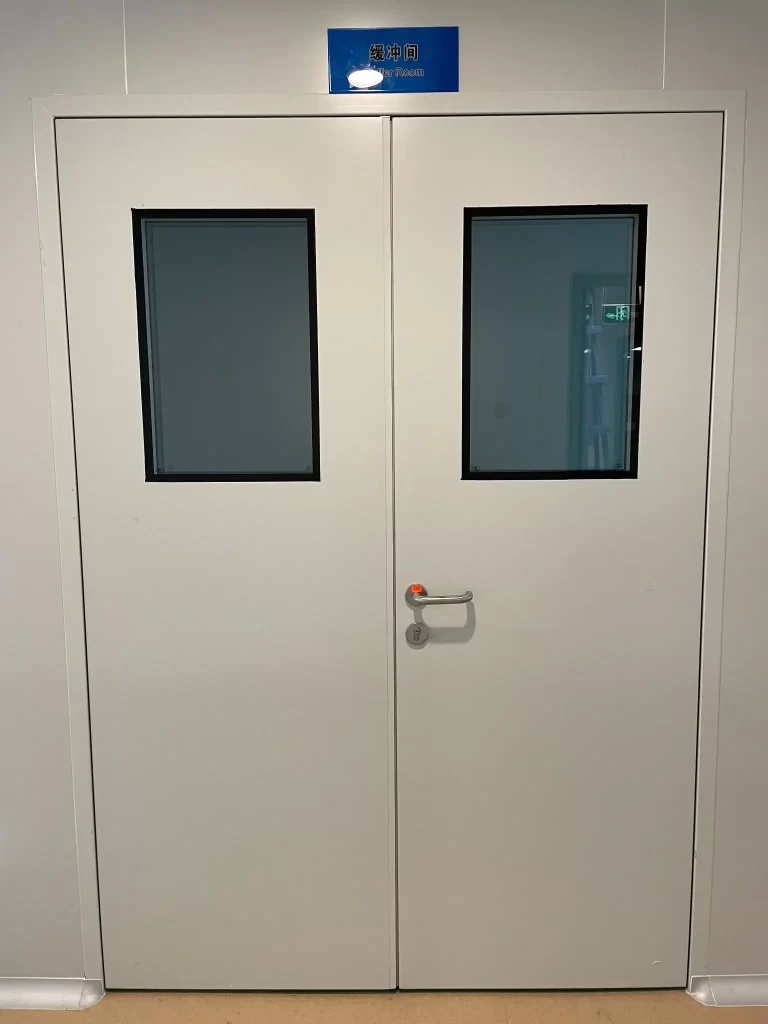
The four door materials at a glance
Every cleanroom door specification eventually narrows to one of these four panels. None wins everywhere, and each solves a different problem:
- Stainless steel, usually 316L, is the corrosion-resistant benchmark for wet, chemical-exposed, and aseptic zones.
- HPL is a cost-stable laminate skin favored in lower-classification areas where budget matters.
- FRP is a fiberglass composite valued for chemical inertness and static-dissipative variants.
- Aluminum is lightweight and easy to operate, but it depends on its surface coating for protection.
E-ZONG builds all four families in one product line, so a single project can mix panels by zone instead of forcing one material everywhere. Their lightweight cleanroom door materials span stainless, fiberglass, aluminum, galvanized (GI) panel, SUS, and HPL.
Stainless steel vs the alternatives: why 316L leads
Stainless steel, specifically Grade 316L, is the default for high-risk environments. Its 2 to 3% molybdenum content resists pitting and crevice corrosion in chloride-rich conditions: disinfectants, coastal humidity, and CIP runoff. Electropolished to a surface roughness (Ra) of 0.4 to 0.6 µm, it sits well under the GMP-recommended 0.8 µm threshold, so smoother surfaces shed fewer particles and wipe down faster.
Two properties make it hard to displace in critical zones:
- Seamless, fully welded construction. No laminate layers, no edge swelling, nowhere for moisture to enter.
- Cycle endurance. Verified to withstand 1,000+ VHP cycles without surface degradation.
For the full data set, our steel-versus-alternative breakdown compares 316L against aluminum, HPL, PP, and FRP on salt-spray hours, post-clean RLU, and lifespan. That piece is the natural companion to this comparison if your brief centers on aseptic processing.
HPL: the budget panel, with a structural catch
High-pressure laminate is a layered composite, a decorative skin over a substrate. It is inexpensive, available in many finishes, and easy to fabricate, which explains its popularity in ISO Class 7 and 8 hospital and support zones. On paper it cleans well. Within the laminate family, HPL sits beside CPL (continuous-pressure laminate), which bonds under steady pressure rather than a single high-pressure strike. Our HPL vs CPL GMP guide maps each laminate to its cleanroom grade, so the choice is documented rather than assumed.
The risk is structural, and it is the crux of any HPL comparison: HPL is only as good as its edges. Moisture that reaches a seam or cut edge causes delamination, swelling, and eventually microbial growth inside the panel, exactly the failure mode an auditor looks for. That rules it out for GMP Grade A/B and any zone with repeated sporicidal exposure. Used with a rigorous risk assessment in buffer rooms and lower-classification spaces, HPL remains a reasonable trade-off. Used in a fill-finish interface, it fails.
FRP: chemically inert and static dissipative, but niche
Fiberglass-reinforced plastic earns its place where chemicals or static control dominate the spec. Its electrical insulation and static-dissipative variants suit electronics-sensitive and laboratory containment areas, while its chemical inertia handles aggressive agents that would etch a coated steel face. FRP is lighter than stainless and more dimensionally stable than HPL under humidity.
It is not a universal substitute, and the comparison makes that clear: surface finish and Ra are generally coarser than 316L, and it lacks the welded-seam integrity that makes stainless the aseptic default. Treat FRP as an application-specific panel, strong in labs and electronics, secondary in aseptic pharma.
Aluminum: lightweight, but coating dependent
Aluminum's appeal is weight. At roughly 2.7 g/cm³ versus steel's 8.0, it drives automatic sliding doors that are easier to cycle and kinder to operators. The catch is protection: aluminum's corrosion resistance lives entirely in its anodized or powder-coated skin. Once that coating scratches, galvanic corrosion accelerates, especially where the door meets stainless steel hardware or a steel frame.
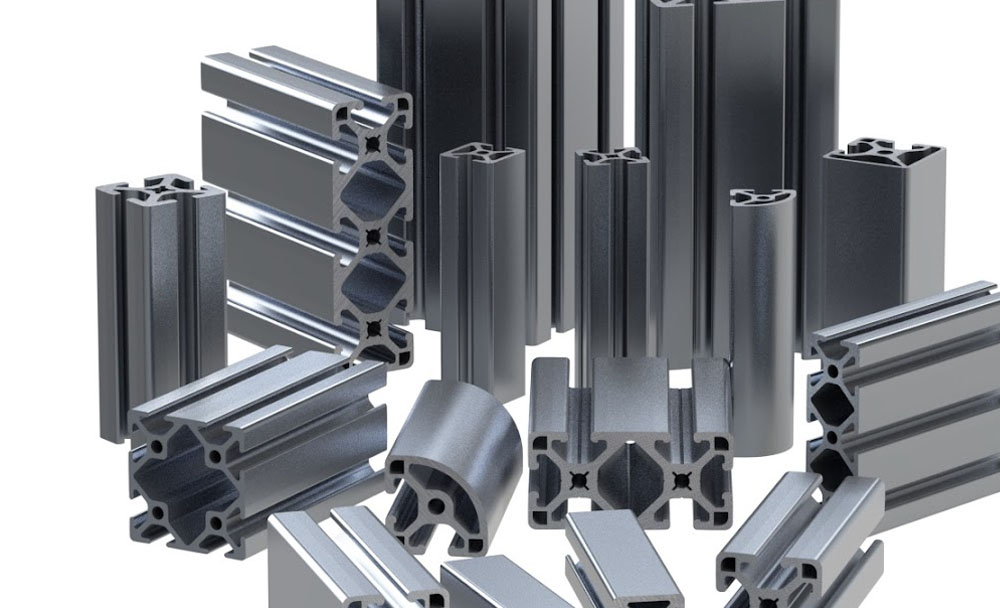
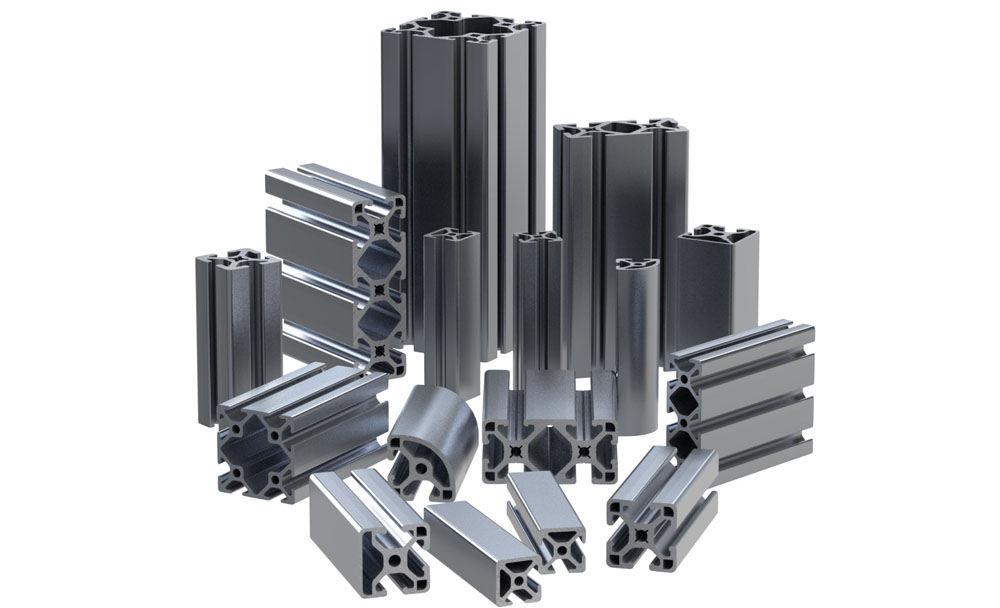
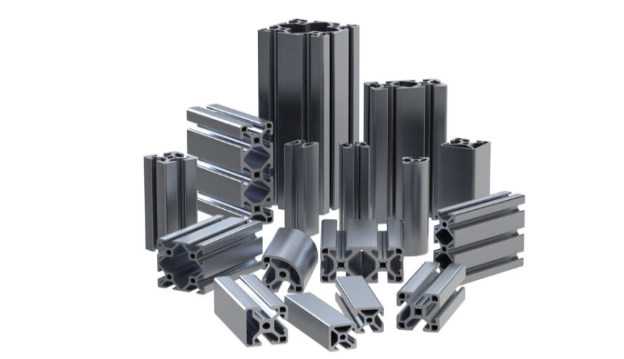
For the framing and profile side of the build, cleanroom aluminum profiles are the structural system that carries modular wall panels and integrates with the door leaf. They are corrosion-resistant and easy to clean, but the leaf itself still needs a defended surface. Aluminum fits temporary clean zones and high-traffic hospital corridors. It does not fit wet, chloride-exposed, or aseptic cores without a coating strategy that the rest of the spec supports.
Head-to-head comparison table
The table below ranks each of the four materials on the indicators that surface in audit findings and lifecycle cost models. Ratings are relative within this set.
| Metric | Stainless Steel (316L) | HPL | FRP | Aluminum |
|---|---|---|---|---|
| Chemical resistance | High (VHP, hypochlorite) | Medium (edge risk) | High (inert) | Medium (coating-bound) |
| Cleanability / Ra | High (0.4 to 0.6 µm) | Medium | Medium | Medium |
| Fire behavior | Non-combustible core | Varies by substrate | Self-extinguishing grades | Non-combustible |
| GMP fit (Grade A/B) | Yes | No | Limited | No |
| GMP fit (ISO 7 to 8) | Yes | Yes (risk-assessed) | Yes | Yes |
| Relative cost / door | High | Low | Medium | Medium |
| Typical lifespan | 20 to 25 years | 5 to 10 years | 10 to 12 years | 8 to 12 years |
Read the table as a constraint map, not a scoreboard. Stainless leads on the metrics that protect product and audit. HPL leads only on upfront cost, and that lead narrows once lifecycle maintenance enters the model. The four materials separate along one axis: how much punishment the surface can take before it becomes a contamination risk.
Material vs cleanroom grade
Material mistakes cluster at the grade boundary. The best panel for ISO 5 is overkill at ISO 8, and the cheapest panel for ISO 8 is a liability at ISO 5. Mapping each material to its grade:
- ISO Class 5 (critical and aseptic): use stainless steel, fully flush with a continuous sealed skin, and put interlocked airlocks at every transfer. HPL and aluminum do not belong here.
- ISO Class 6 and 7 (production, support hospital): smooth stainless, HPL (risk-assessed), or powder-coated steel, with airtight perimeter gaskets. FRP fits chemically aggressive labs in this band.
- ISO Class 8 (buffer, warehouse): standard cleanroom steel, powder-coated door, or defended HPL with sealed gaskets. A flush frame simplifies a later re-grade.
The ISO Class 5 to 8 door requirements guide lays out the surface, sealing, and configuration rules per class and explains where stainless outperforms HPL and where a laminate skin is acceptable. Specifying with documentation in mind from day one avoids a scramble before an FDA, NMPA, or GMP inspection.
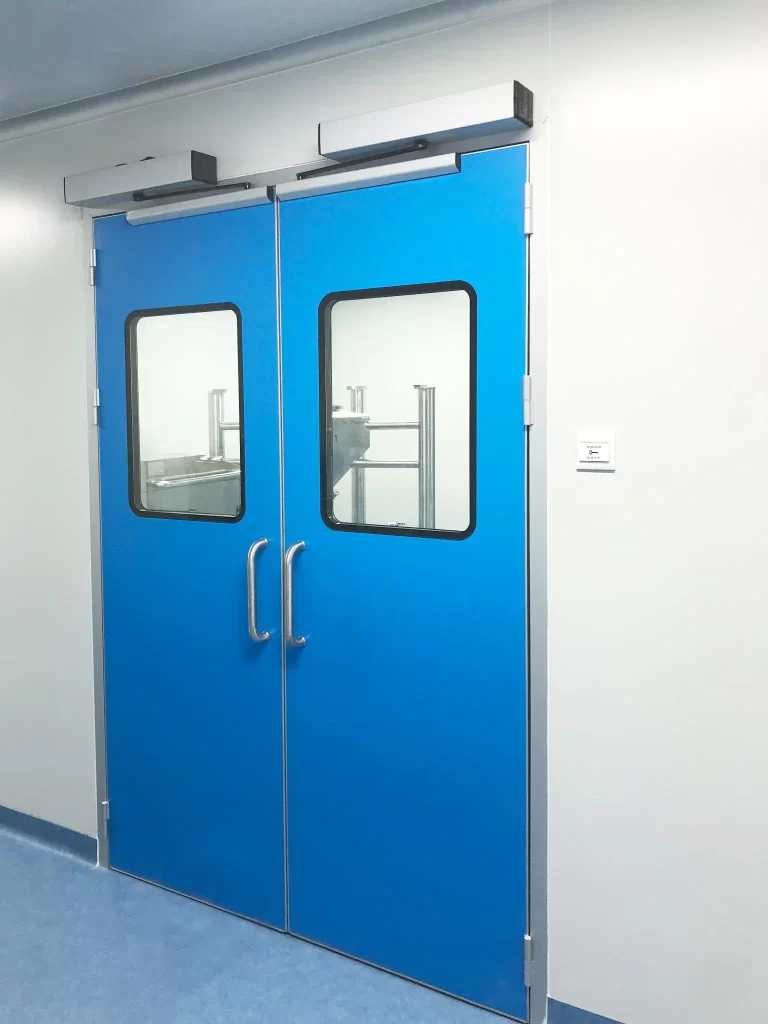
Material vs application
Grade sets the ceiling, and application sets the right material underneath it.
- Pharmaceutical and aseptic: stainless 316L, electropolished, fully welded. The pharmaceutical cleanroom door requirements in regulated zones leave little room for alternatives. HPL and FRP rarely survive audit scrutiny at fill-finish or isolator interfaces.
- Hospital and OR: infection-control priority. Antimicrobial HPL is acceptable in some ISO Class 6 and 7 settings, but the trend is toward stainless, especially for airtight doors holding positive pressure during surgery. Aluminum serves high-traffic corridors.
- Laboratory and high-containment: FRP or PP where acids and bases dominate, stainless where heat or corrosion is the constraint. Interlocked airtight leaves are non-negotiable at the grade boundary.
- Semiconductor and electronics: FRP's static-dissipative variants and aluminum's lightness both appear here, balanced against surface-shedding limits.
- Food and lower-risk support: HPL or powder-coated steel with a defended edge, risk-assessed against washdown frequency. For hygiene zoning and washdown, our USDA-compliant food processing doors guide walks through the material and sealing options plants need to pass audit.
Cost and total cost of ownership
Upfront price favors HPL. Lifecycle cost tells a different story across the four materials. Stainless carries the highest initial ticket but the lowest maintenance and downtime exposure. Its welded seam will not delaminate, the electropolished face needs no recoating, and most plants replace it only after two decades. HPL's low entry price is offset by a shorter lifespan and a higher intervention risk. FRP and aluminum sit between, with aluminum's cost sensitive to coating damage and hardware compatibility.
For regulated facilities, a single contamination event or a failed audit can cost more than the entire door package. Total cost of ownership, not the line item, is the number that should drive the signature on the PO, and it is where stainless usually wins the comparison.
Material selection checklist
Before you issue the specification, confirm:
- Cleanroom grade and whether the zone is wet, chemical-exposed, or aseptic.
- Required surface roughness (Ra) and validation evidence (material certs, leakage test).
- Cleaning agents in use (VHP, hypochlorite, ozone) and cycle count per year.
- Fire-rating and static-dissipative requirements for the application.
- Door configuration (swing vs sliding, interlock logic, vision panel).
- Frame and hardware compatibility (avoid stainless-aluminum galvanic contact without isolation).
- Custom sizing needs and integration with the wall-panel system.
FAQs
Which cleanroom door material is best for GMP Grade A/B?
Stainless steel, typically electropolished 316L with fully welded seams, is effectively the only material that meets Grade A/B audit expectations. HPL and FRP generally fail scrutiny in aseptic and isolator interfaces.
Is HPL acceptable in a pharmaceutical cleanroom?
Only in lower-classification zones (ISO Class 7 and 8) with a documented risk assessment and defended edges. It is not suitable for Grade A/B or areas with repeated sporicidal exposure, where delamination and microbial growth at seams become the failure mode.
Why is aluminum not used for aseptic cores?
Aluminum's corrosion resistance depends entirely on its anodized or powder-coated skin. A scratch triggers galvanic corrosion, especially against stainless hardware, so it fits lightweight, lower-risk, high-traffic zones rather than wet or aseptic environments.
Does FRP meet cleanroom standards?
FRP meets cleanroom needs in specific applications, such as laboratories, electronics, and chemically aggressive areas, where its inertness and static-dissipative options help. It is a niche panel, not a replacement for stainless in critical zones.
How much does a cleanroom door cost?
Cost scales with material and grade: HPL is the lowest upfront, stainless the highest, with FRP and aluminum in between. Because lifecycle maintenance and downtime dominate regulated environments, total cost of ownership, not the initial quote, should guide the decision.
Conclusion
This cleanroom door materials comparison comes down to one principle: match the panel to the punishment it will take. Stainless steel owns the aseptic and wet core. HPL earns its place in lower grades with disciplined edge protection. FRP serves chemical and static-sensitive labs. Aluminum solves weight and traffic where coating defense holds. The four materials are not interchangeable. Each has a grade and an application where it is the right answer, and a zone where it is a liability.
If you are specifying doors for a new or upgraded cleanroom, share your classification, dimensions, and cleaning agents with our team for a material recommendation and sample evaluation tailored to your project.
-
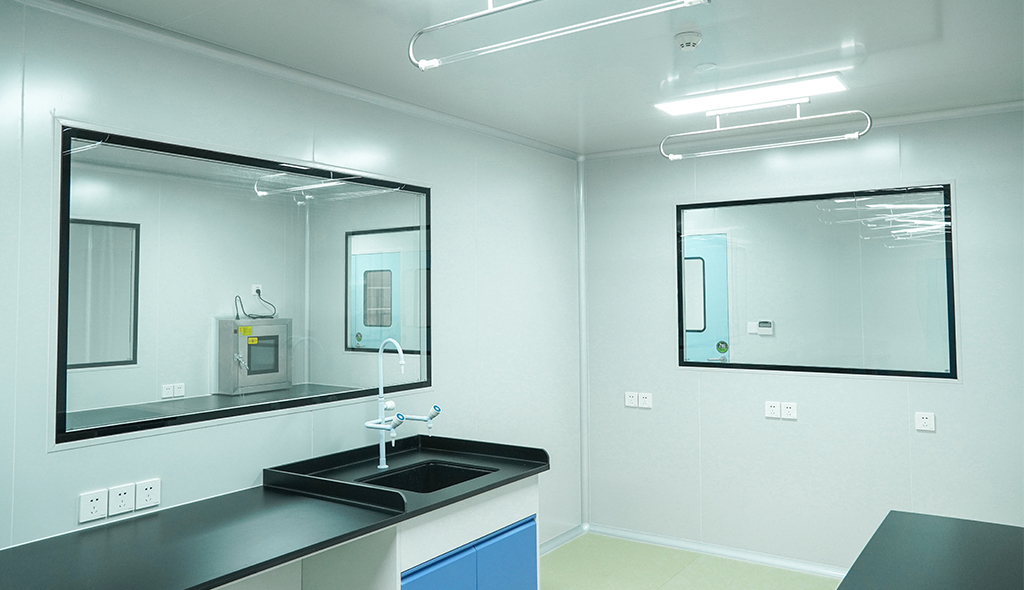 Cleanroom Glass Windows Are The Key to Maintaining a Clean Environment
 -
 Top Aluminium Profile Manufacturers in China: Leading the Global Market
 -
 The Evolution of Air Tight Sliding Doors
 -
 AHU Aluminium Profile: A Comprehensive Guide
 -
 The Importance of Choosing the Right Cleanroom Door in Vietnam
 -
 The Benefits of Hospital Automatic Doors: Enhancing Efficiency and Safety
 -
.jpg) The Best Bathroom Door Manufacturers - Unlocking Endless Possibilities!
The Best Bathroom Door Manufacturers - Unlocking Endless Possibilities! -
 Unlock the Possibilities with AJ Manufacturing Doors
 -
 Make a Statement with Manufactured Home Interior Doors!
 -
 what is aluminum profile? Aluminum Profiles for Your Home is the best option
-
 Cleanroom Door Materials: Stainless Steel vs HPL vs FRP vs Aluminum Comparison
 -
 X-Ray Room Door Buying Guide: Lead Thickness & Compliance
 -
 Operating Room Doors: Hermetic & Infection-Control Guide
 -
 Hospital ICU Door Selection: Sealing, Sterility & Workflow
 -
 Cleanroom Door Maintenance Schedule: Daily, Weekly & Monthly GMP Checklist
 -
 Cleanroom Door Viewing Windows: Glass vs Polycarbonate Panel Selection
 -
 Types of Cleanroom Doors Explained: Sliding vs Swing vs Roll-Up vs Hermetic
 -
 Cleanroom Airlock Design: Door Sequencing and Pressure Cascade Basics
 -
 BSL Laboratory Door Requirements: Biosafety Level 2 and 3 Containment Guide
 -
 ISO Cleanroom Door Standards by Class: ISO 5 to ISO 8 Requirements Explained




-

Home
-

Tel
-

Email
-

Contact


Guangzhou Yizhong Aluminum Industry Co., Ltd.
We are always providing our customers with reliable products and considerate services.
We are always providing our customers with reliable products and considerate services.
Speak Your Mind