Automatic cleanroom door systems: sensor, actuator and access control integration
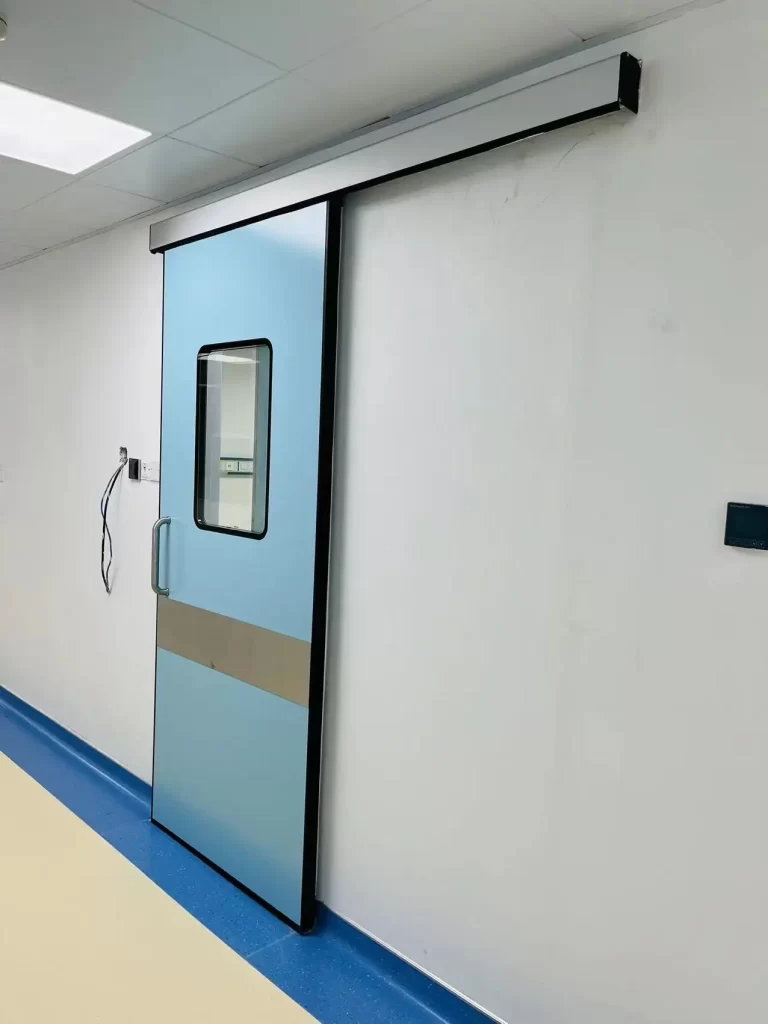
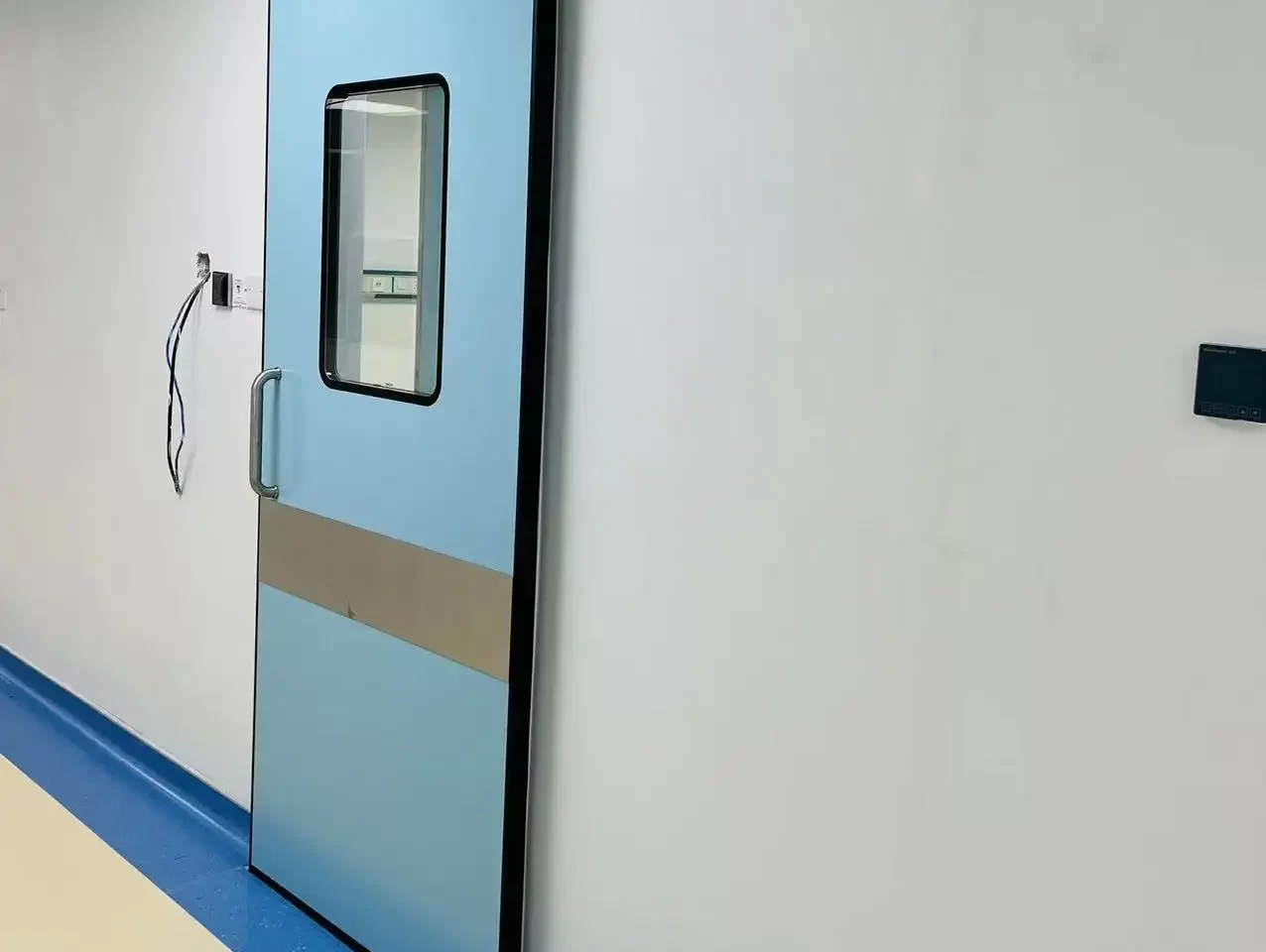
An automatic cleanroom door looks simple from the corridor. It opens when someone approaches and closes behind them without a hand touching the surface. Behind that quiet motion is a layered control system that decides when the leaf moves, how fast it travels, and who is allowed through. For pharmaceutical, hospital, laboratory and electronics facilities, that system is not a convenience. It is part of the contamination control plan.
At the integration level, three layers carry the load: the sensors that trigger motion, the actuator that drives the leaf, and the access control that decides who passes. The sections below also cover fail safe behaviour and the compliance records auditors expect, so an engineer or facility integrator can specify and review an automatic door package with confidence.
Why automatic operation matters in a cleanroom
A cleanroom holds a specified particle count by balancing supply air, exhaust and pressure. Every time a door opens, that balance shifts. Air moves from the higher pressure zone to the lower one, carrying particles with it. A manual door held open by a cart, a gowned operator or a forgotten latch can let that exchange run far longer than the room can absorb.
Automatic operation shortens the open window. A well tuned system opens only on a valid trigger, moves the leaf at a controlled speed, and reseals within a set time after the threshold clears. That discipline protects the pressure differential that keeps contamination directional, and it keeps traffic flowing so production does not stall.
The benefit is clearest in high traffic zones. Material airlocks, gowning transitions and busy hospital corridors see constant movement. In those spaces an automatic door removes the human variable from the seal. It also supports hygiene protocols because operators do not need to grasp a handle while carrying components or pushing a trolley. Lower traffic openings can still use a manual leaf, and the full cost and compliance comparison between the two sits in our manual versus automatic cleanroom doors guide.
E-ZONG supplies cleanroom door leaves, frames and operators as a matched package for these environments. The door panel and the automation are selected together so the sealing geometry, the frame stiffness and the operator force work as one system rather than as parts sourced separately.
How an automatic cleanroom door system fits together
A complete automatic door is more than a motor bolted to a panel. It is a small control network with defined roles. Understanding those roles prevents the most common integration mistakes.
The door leaf and frame form the sealed barrier. The operator, sometimes called the actuator or drive unit, provides the physical force to move the leaf. The sensor layer detects presence and approach. The controller runs the logic that ties sensors, operator and safety devices together. The access control layer adds the question of permission. Interlocks link two or more doors so they cannot open at the same time in an airlock.
Each layer has its own failure modes. A sensor that misses a slow moving trolley creates a safety risk. An operator tuned too fast disturbs the pressure cascade. An access reader wired without a clean fail state can trap a room during a power event. The sections below take each layer in turn.
Sensor types for automatic cleanroom doors
Sensors do two jobs. Activation sensors decide when to open. Safety sensors decide when it is not safe to close. Both matter in a cleanroom, and both need housings that survive frequent cleaning.
Motion and approach sensors
The most common activation sensor is the passive infrared (PIR) detector. It senses the heat signature of a person or vehicle moving through its field. PIR works well for pedestrian doors but can miss slow or stationary objects, so it is rarely used alone on material openings.
Microwave and radar sensors emit a signal and read the Doppler shift of returning waves. They detect motion at greater range and through certain non metallic materials, which makes them useful for trolley and forklift approaches. Radar based activation is the standard choice for high traffic automatic cleanroom door openings because it triggers early and reliably.
For hands free operation in gowned areas, a proximity sensor mounted low to the floor picks up an approaching foot or cart before the person reaches the leaf. This keeps the opening ready without the operator touching anything. In surgical and isolation contexts, low level activation is valued because hands are often occupied or must stay sterile.
Presence and safety sensors
Activation tells the door to open. Presence sensing tells it not to close on someone. The light curtain is the primary safety device on automatic sliding and swinging leaves. It projects an invisible grid across the threshold; if the grid breaks, the closing motion stops and reverses.
Pressure sensitive mats and edge strips provide a backup at floor level and on the leaf edge. Modern systems use a soft close profile, where the leaf slows in the final travel segment so any contact is gentle. Combined with a light curtain, this meets the safety expectation for automatic pedestrian doors without sacrificing the seal speed.
Sensor selection for clean environments
Cleanroom sensors need more than detection range. The housing must resist the disinfectants used on surrounding surfaces, so a smooth sealed enclosure with a high ingress rating is preferred. The lens should sit flush or be recessed so it does not collect dust. Wiring runs inside the frame rather than across the visible face, which keeps the cleanable surface uninterrupted.
Actuator and operator options
The actuator converts the controller's command into movement. The right choice depends on leaf size, opening frequency, available utilities and the cleanroom class.
Electric operators
Electric gear motor operators are the default for automatic cleanroom doors. They give precise speed control, smooth acceleration and a defined holding force that keeps the leaf pressed against the seal. Brushless servo style drives are common on sliding systems because they hold position accurately and run quietly.
Electric operators suit both swing and slide leaves. For sliding doors they pull the leaf along a track; for swing doors they rotate the leaf on the hinge axis. The advantage over other drives is control: the engineer can set open speed, dwell time, close speed and soft close distance in software, then adjust them after commissioning as traffic patterns become clear.
Battery backup is worth specifying on critical openings. If the main supply drops, the operator should complete a safe close or a safe open depending on the room function, then report the event to the building system.
Pneumatic operators
Pneumatic actuators use compressed air to drive the leaf. They appear where a facility already runs clean compressed air and prefers no electrical motor near the opening, or where spark risk from an electric drive is a concern. Pneumatic systems are robust and simple, but they offer less fine control than electric drives and need a clean, dry air supply with its own filtration.
In practice pneumatic operation is chosen for specific process rooms rather than as the site standard. When it is used, the air quality must match the room class so the actuator does not become a contamination source.
Hydraulic operators
Hydraulic operators deliver high force for very large or heavy leaves, such as wide double doors in warehouse grade clean spaces. They are less common inside ISO Class 5 to 8 rooms because the hydraulic fluid and seals add maintenance load and potential leak paths. Where a heavy leaf is unavoidable, electric operators sized for the load are usually preferred for their cleaner service profile.
Matching speed to the room
Opening speed is a trade with contamination control. Faster travel shortens the open window but increases the air pulse at the threshold. A fast rolling shutter style leaf, discussed in our guide to fast rolling shutter doors, can cut the open time to a second or two on high throughput material paths. Slower swing leaves suit patient and personnel doors where comfort and quiet matter more than raw cycle time.
The table below compares the three actuator types on the factors integrators weigh most.
| Actuator type | Best fit | Speed control | Utilities | Typical maintenance |
|---|---|---|---|---|
| Electric gear or servo | Most cleanroom doors | High, software tuned | Power supply, low voltage control | Low, periodic check |
| Pneumatic | Spark risk or air rich sites | Moderate | Clean dry compressed air | Medium, air prep |
| Hydraulic | Very heavy large leaves | Moderate | Power and fluid | Higher, seal watch |
Access control integration
An automatic door can open for anyone who trips the sensor, or it can open only for approved people and logged events. The second model is what regulated facilities need.
RFID and card readers
RFID readers are the workhorse of cleanroom access control. A credential carried on a lanyard or built into a glove badge opens the door and records the event. The reader mounts flush beside the leaf or above the threshold, away from the cleanable face. For material airlocks, a tag on the trolley can authorise the opening without involving the operator's hands.
The value of RFID is the audit trail. Every opening links to a credential and a time, which supports GMP and ISO documentation during inspections. Access groups can be scoped so a given badge reaches only its assigned zones.
Biometric and PIN options
Biometric readers, usually fingerprint or palm, remove the shared credential problem and are used where strict individual accountability is required. They need a carefully specified enclosure because the scan surface is touched and must be cleaned without damaging the sensor. PIN pads serve the same role where biometrics are not accepted, though a keypad in a gowned area is less practical.
These methods answer the permission question. They sit upstream of the sensor: the access layer grants, then the motion sensor triggers the physical open.
Interlock logic for airlocks
In a two door airlock, the controller must never let both leaves open together. The interlock enforces this by releasing the second door only after the first has closed and the pressure has settled. That keeps the cascade directional through the transition space.
Interlock logic also handles emergency override. A maintained emergency release lets staff open either leaf during an evacuation even when the normal sequence would block it. The override state is logged so the event is visible later.
Connection to the building management system
Automatic cleanroom doors should report to the building management system (BMS), not run as isolated devices. Through a standard interface the BMS can read door status, cycle counts, fault codes and interlock state. That data feeds preventive maintenance: a leaf nearing its cycle limit gets serviced before it fails, which protects uptime in a validated room.
E-ZONG's complete cleanroom door range is built to accept this integration layer, with the operator and controller selected to match the site's access and BMS standards rather than forcing a retrofit after installation.
Fail safe and compliance configuration
A door that fails open during a power loss can ruin a pressure cascade. A door that fails closed can trap staff in a sensitive room. The correct behaviour depends on the function of the space, and the choice must be documented.
Fail safe means the door releases to open when power is lost, used where egress or access to care takes priority. Fail secure means the door stays locked or closed, used where containment outweighs access. Hospital and personnel doors lean fail safe for life safety; certain containment rooms lean fail secure for isolation. The decision is a record in the validation file, not a field set on site day.
Compliance ties back to standards the auditor already knows. ISO 14644 defines the cleanliness classes the room must hold, and the door's seal performance supports that class. GMP expectations for pharma and biotech require documented control of contamination routes, which includes how people and material move between grades. ISO 9001, held by E-ZONG as a manufacturer, covers the quality system behind the door build rather than the room class itself, but it matters to buyers reviewing supplier qualification.
Validation documents should capture the door's sealing test, the interlock sequence, the access event log sample and the fail state. These are the items an inspector asks for, and a system designed without them becomes expensive to retrofit.
Choosing the right configuration by application
Each industry runs the same door logic, just with different priorities. A pharmaceutical line weighs the audit trail first. A hospital weighs hands free passage and quiet operation. Match the configuration to the room's daily routine and the rest follows.
Pharmaceutical and biotech lines favour sliding airtight leaves in material airlocks, with RFID on trolleys and strict two door interlock. Speed is balanced against the pressure cascade, and every opening is logged. Where material throughput is the priority, fast action doors for pharma and food cleanrooms cut cycle time while keeping the seal intact and the audit trail complete.
Hospital and ICU spaces put comfort and infection control first. Here air tight hospital swing doors with low level activation let staff pass with hands full or sterile, while the seal holds pressure between rooms. Access control separates public, clinical and restricted zones without slowing care.
Laboratories and containment zones use interlock airlocks much like pharma, with the fail state chosen for the agent handled. Semiconductor and electronics cleanrooms need the same sealing discipline plus low particle shedding from the door and its hardware, so material choice and surface finish get extra attention.
For projects that span wards, isolation and procedure rooms, our modular hospital door solutions show how one supplier can carry the door type, the operator and the access layer across the building instead of mixing vendors per floor.
Working with E-ZONG on automatic door projects
E-ZONG builds cleanroom doors at plants in Foshan, Dongguan, Zhongshan and Taishan, and has supplied pharmaceutical, hospital, laboratory, food and electronics projects since 1996. Buying the leaf, frame and operator from one supplier avoids the mismatch you get when a panel and an automation kit arrive from separate vendors who never designed the two to work together.
Start an automatic project by sharing the cleanroom classification, the opening dimensions, the traffic type (pedestrian, trolley, forklift), the interlock arrangement and the access standard already used on site. From there the door type, operator and sensor set are matched, and the fail state and BMS interface are fixed before production instead of being discovered during commissioning.
E-ZONG's airtight glass sliding doors are a common choice where visual contact across the threshold helps workflow, such as gowning rooms and observation corridors. The glass is double glazed and anti fog, and the slide operator carries the same control and access options as solid leaf models.
If you are planning an automatic cleanroom door package, send the room classification, opening size and traffic profile for a technical review. The check covers door type, operator sizing, sensor placement, interlock logic and access integration, so the installed system meets the room class and the audit file before commissioning starts.
FAQs
What sensor is best for a high traffic automatic cleanroom door?
Radar or microwave activation paired with a light curtain safety sensor works best. Radar triggers early for trolleys and pedestrians, and the light curtain prevents closure on a person or load in the threshold.
Should an automatic cleanroom door fail open or fail closed?
It depends on the room. Personnel and hospital doors usually fail safe and open for egress. Containment or isolation rooms may fail secure to hold the barrier. The choice must be recorded in the validation file.
Can automatic cleanroom doors connect to the building management system?
Yes. Most modern operators report door status, cycle counts, faults and interlock state to the BMS over a standard interface, which supports preventive maintenance and audit trails.
Do automatic doors help meet GMP and ISO 14644?
They support both by shortening the open window and controlling who passes, which protects the pressure differential and the particle count. The door alone does not certify a room, but it is part of the documented contamination control plan.
How many internal doors can an airlock interlock control?
A standard two door airlock interlocks the pair so only one opens at a time. Larger cascade airlocks extend the same logic across three or more leaves with the sequence set in the controller.
-
 Cleanroom Glass Windows Are The Key to Maintaining a Clean Environment
 -
 Top Aluminium Profile Manufacturers in China: Leading the Global Market
 -
 The Evolution of Air Tight Sliding Doors
 -
 AHU Aluminium Profile: A Comprehensive Guide
 -
 The Importance of Choosing the Right Cleanroom Door in Vietnam
 -
 The Benefits of Hospital Automatic Doors: Enhancing Efficiency and Safety
 -
.jpg) The Best Bathroom Door Manufacturers - Unlocking Endless Possibilities!
The Best Bathroom Door Manufacturers - Unlocking Endless Possibilities! -
 Unlock the Possibilities with AJ Manufacturing Doors
 -
 Make a Statement with Manufactured Home Interior Doors!
 -
 what is aluminum profile? Aluminum Profiles for Your Home is the best option
-
 Automatic cleanroom door systems: sensor, actuator and access control integration
 -
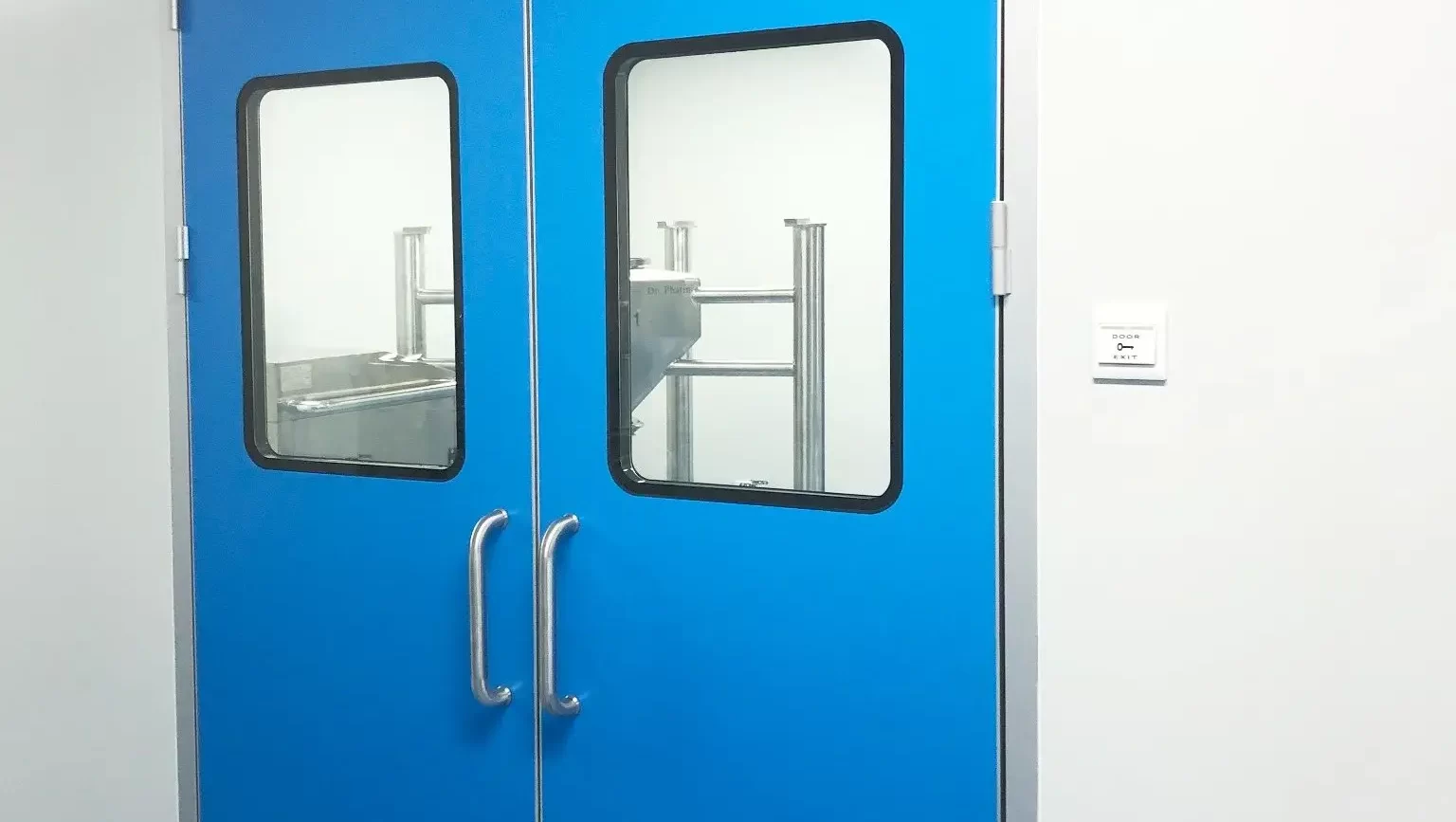 Cleanroom Door Materials: Stainless Steel vs HPL vs FRP vs Aluminum Comparison
 -
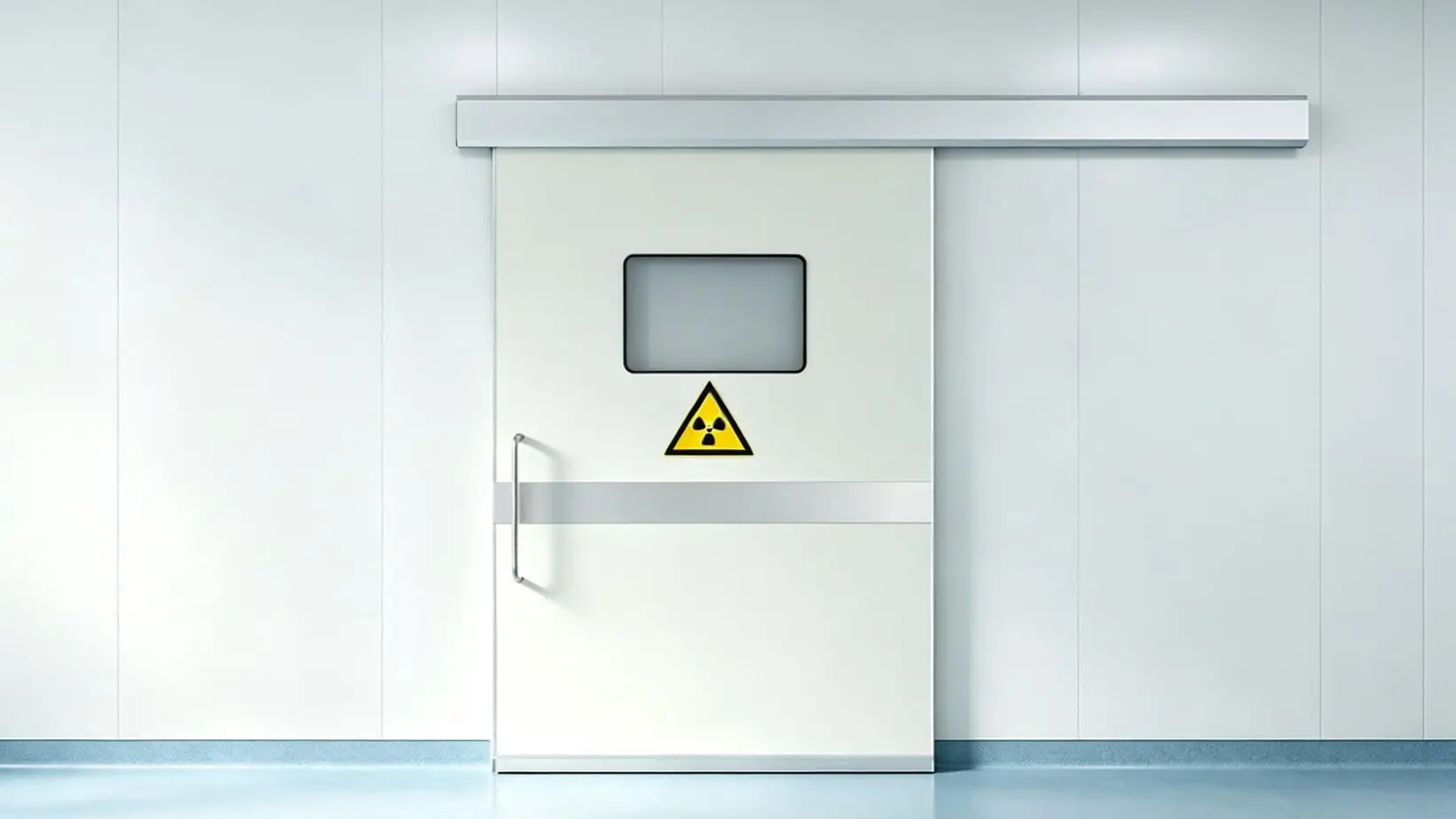 X-Ray Room Door Buying Guide: Lead Thickness & Compliance
 -
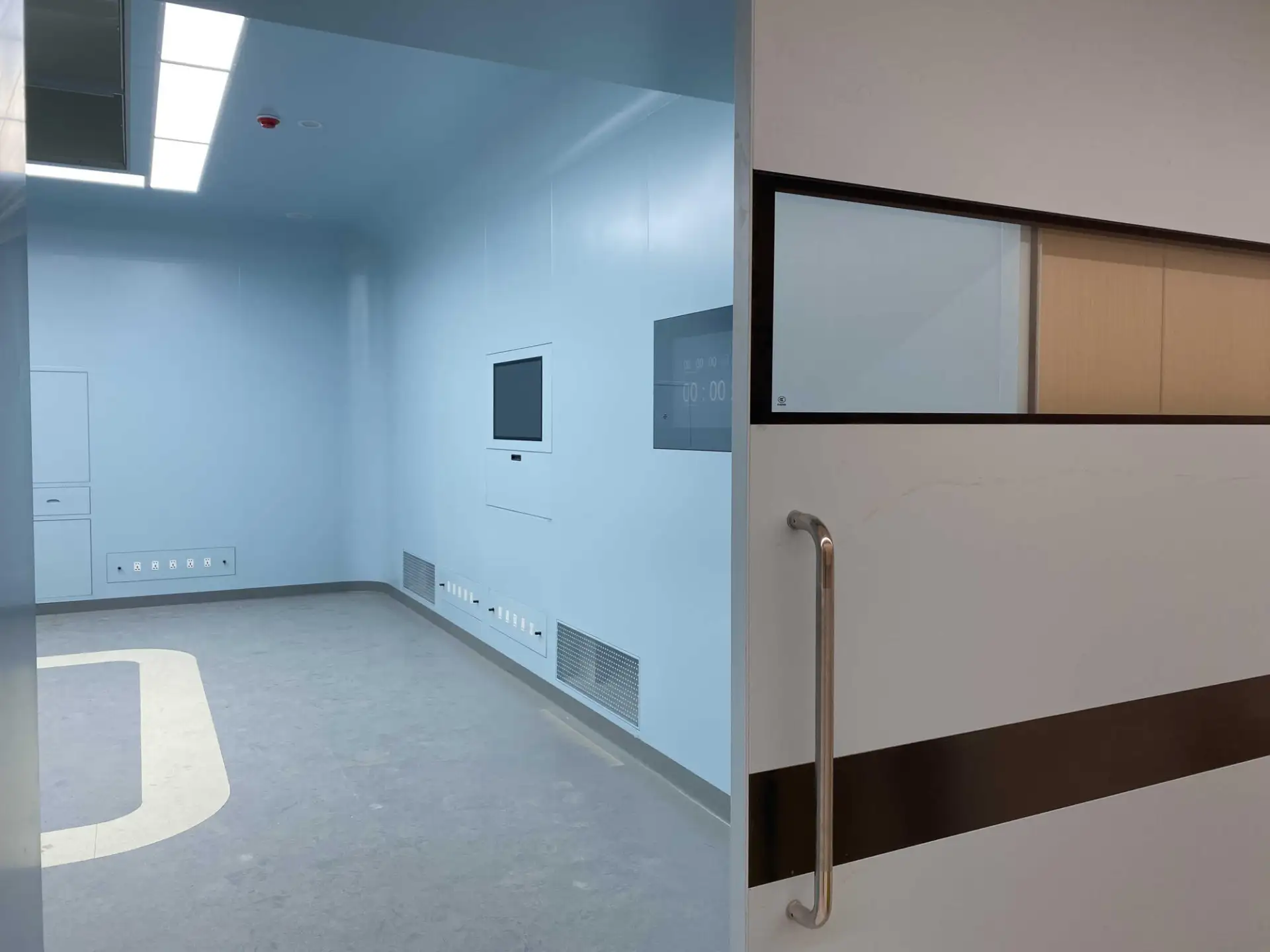 Operating Room Doors: Hermetic & Infection-Control Guide
 -
 Hospital ICU Door Selection: Sealing, Sterility & Workflow
 -
 Cleanroom Door Maintenance Schedule: Daily, Weekly & Monthly GMP Checklist
 -
 Cleanroom Door Viewing Windows: Glass vs Polycarbonate Panel Selection
 -
 Types of Cleanroom Doors Explained: Sliding vs Swing vs Roll-Up vs Hermetic
 -
 Cleanroom Airlock Design: Door Sequencing and Pressure Cascade Basics
 -
 BSL Laboratory Door Requirements: Biosafety Level 2 and 3 Containment Guide




-

Home
-

Tel
-

Email
-

Contact


Guangzhou Yizhong Aluminum Industry Co., Ltd.
We are always providing our customers with reliable products and considerate services.
We are always providing our customers with reliable products and considerate services.
Speak Your Mind