
Guide to Self-Closing Doors in Hospitals and Cleanrooms
In controlled environments, a door is only as effective as its ability to close reliably. For facility managers, validation engineers, and EPC contractors, the self closing door is a critical architectural component that bridges regulatory compliance, contamination control, and facility workflow optimization.
Since 1996, E-ZONG has engineered and manufactured cleanroom construction materials, accumulating nearly 30 years of expertise in controlled environment architectural components. Operating across multiple production facilities in Foshan, Dongguan, Zhongshan, and Taishan, our ISO 9001-certified manufacturing processes support the pharmaceutical, biotechnology, healthcare, and electronics industries globally.
This guide details the code requirements, mechanism selection, and technical specifications for self-closing doors, providing procurement and engineering teams with the data needed to optimize facility design and ensure strict regulatory compliance.
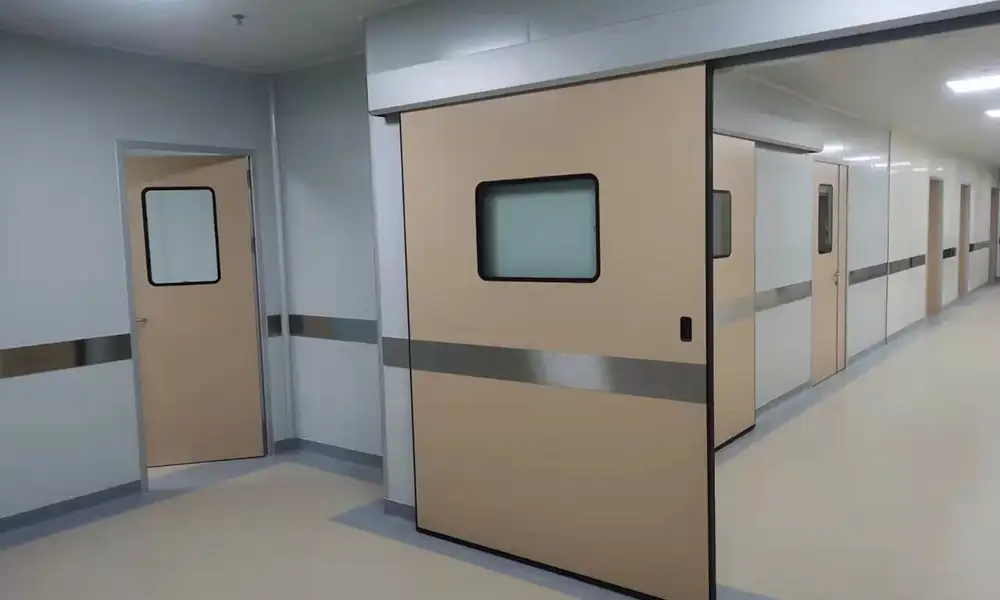
Understanding Cleanroom Door Code Requirements
Regulatory compliance in controlled environments is non-negotiable. The self-closing mechanism is the active component that ensures a door assembly performs to its designed specifications during both normal operations and emergency scenarios.
ISO 14644 Self Closing Door Standards for Cleanrooms
ISO 14644 classifications dictate strict limits on airborne particulate concentrations. Maintaining these cleanliness classes requires precise pressure differentials between adjacent rooms.
A self closing cleanroom door must overcome positive pressure to ensure the perimeter gaskets compress fully. If the door closer mechanism lacks the appropriate torque, the door may "bounce" off the seal, creating a dynamic leak that compromises the ISO classification. For ISO Class 5 through 8 environments, preventing contamination via self closing doors requires mechanisms calibrated to deliver consistent latching force, ensuring the cleanroom door seal maintains continuous contact with the frame.
NFPA Self Closing Door Fire Code Compliance
In healthcare and pharmaceutical facilities, fire and life safety codes intersect directly with cleanroom operations. NFPA 101 (Life Safety Code) and Joint Commission regulations mandate specific self-closing behaviors for corridor doors, hazardous materials rooms, and fire compartments.
- Corridor Doors: In hospitals, corridor doors separating smoke compartments must self-close to restrict smoke migration. The mechanism must positively latch the door without manual intervention.
- Hazardous Materials Rooms: Rooms storing flammable chemicals require self-closing doors to contain potential vapors. The mechanism must overcome air displacement caused by rapid egress.
- Fire Compartments: NFPA 80 requires listed self-closing devices on fire-rated assemblies. The mechanism must close the door completely from the maximum open angle, ensuring the latch engages before the fire rating is compromised.
BSL-3 and High-Containment Laboratory Requirements
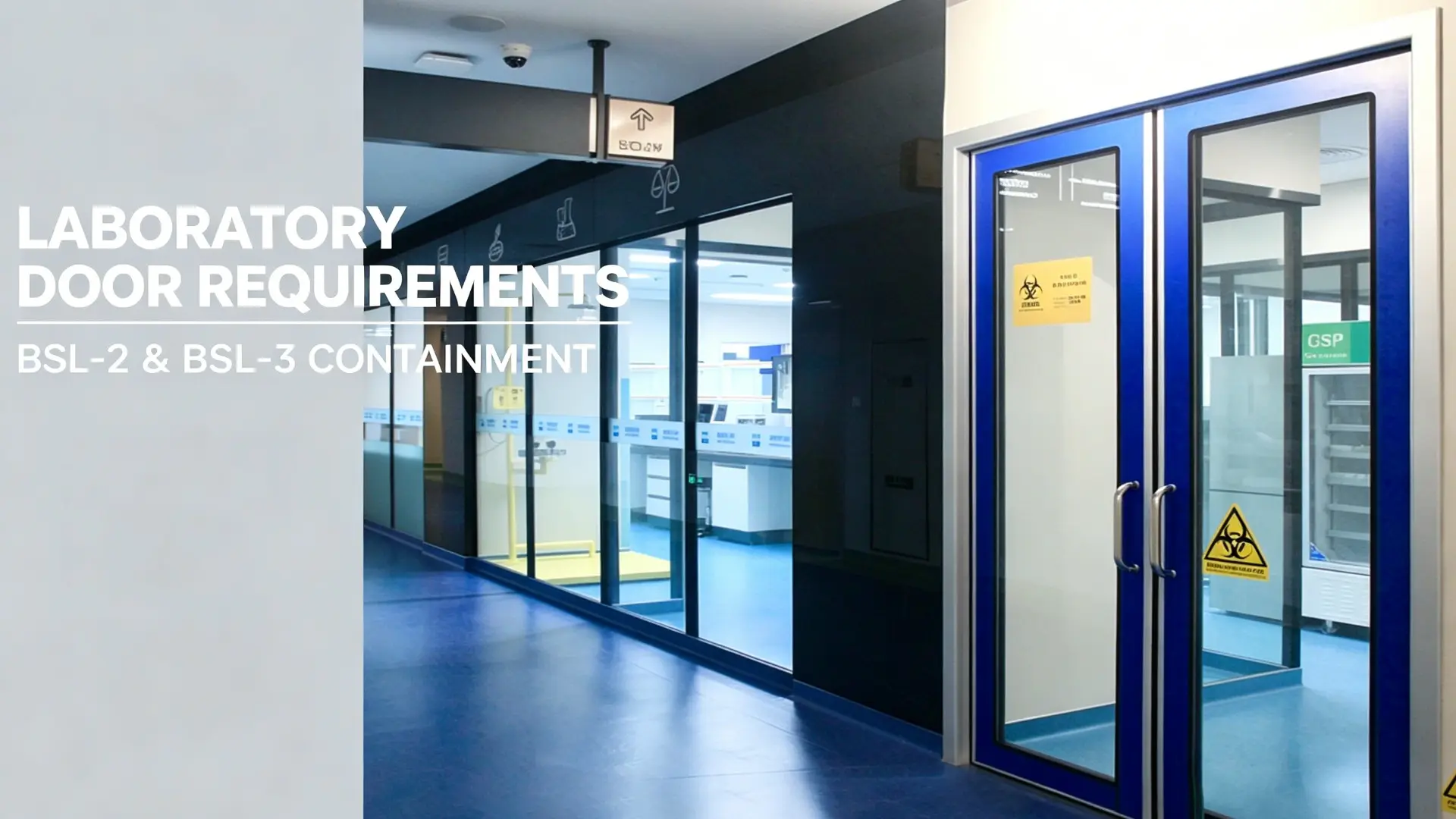
Biosafety Level 3 (BSL-3) laboratories require stringent directional airflow. In these environments, self-closing doors are often configured as interlocking airlocks. The mechanism must integrate with the facility’s Building Management System (BMS). Electric door closers and self closing actuators ensure that if one door is opened, the opposing door remains mechanically locked. In a power failure, the actuator must default to a closed and latched position to maintain containment integrity.
Self Closing Door Mechanism Types and Selection Guide
Selecting the correct mechanism requires balancing traffic volume, contamination control, and maintenance capabilities.
Manual Self Closing Hinges and Door Closers
Manual mechanisms rely on mechanical or hydraulic force.
- Concealed Hydraulic Hinges: Ideal for standard cleanrooms, integrating the mechanism within the hinge to eliminate external hardware and particle accumulation points. Dust-proof hinge designs are critical here.
- Surface-Mounted Door Closers: Used for heavy stainless steel self closing medical doors or doors opposing high positive pressure. Modern closers feature adjustable valves to control sweep and latch speeds independently.
Motorized Self Closing Actuators and Automated Systems
For high-traffic or hands-free environments, motorized systems are specified.
- Electric Door Closers: Utilize electromechanical actuators, offering programmable speeds and BMS integration.
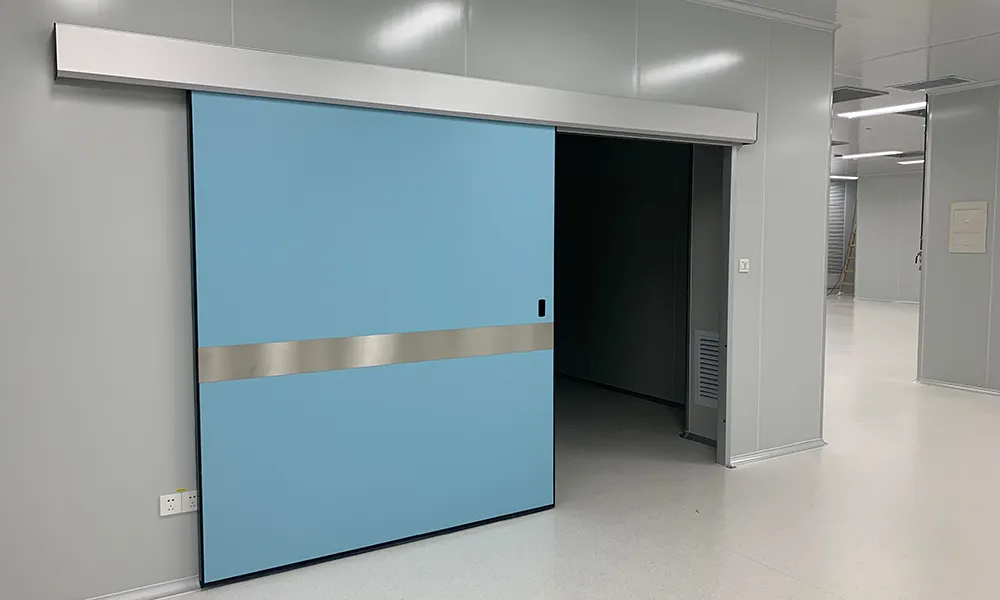
- Sliding Door Actuators: In automated hermetic sliding doors, the actuator provides a tight mechanical pull at the end of the stroke to compress perimeter seals, ensuring door air tightness.
Comparing Manual vs. Motorized Self Closing Doors
| Feature | Manual Hydraulic/Closer | Motorized Electric Actuator |
|---|---|---|
| Initial Cost | Low to Moderate | High |
| Maintenance | Low (fluid/valve checks) | Moderate (sensor calibration) |
| Traffic Suitability | Low to Medium | High |
| BMS Integration | None (unless retrofitted) | Native integration |
| Fail-Safe | Mechanical (always closes) | Requires battery backup |
| Best Application | ISO 7-8 cleanrooms, corridors | ISO 5-6 cleanrooms, operating theaters |
Self Closing Cleanroom Door Applications by Industry
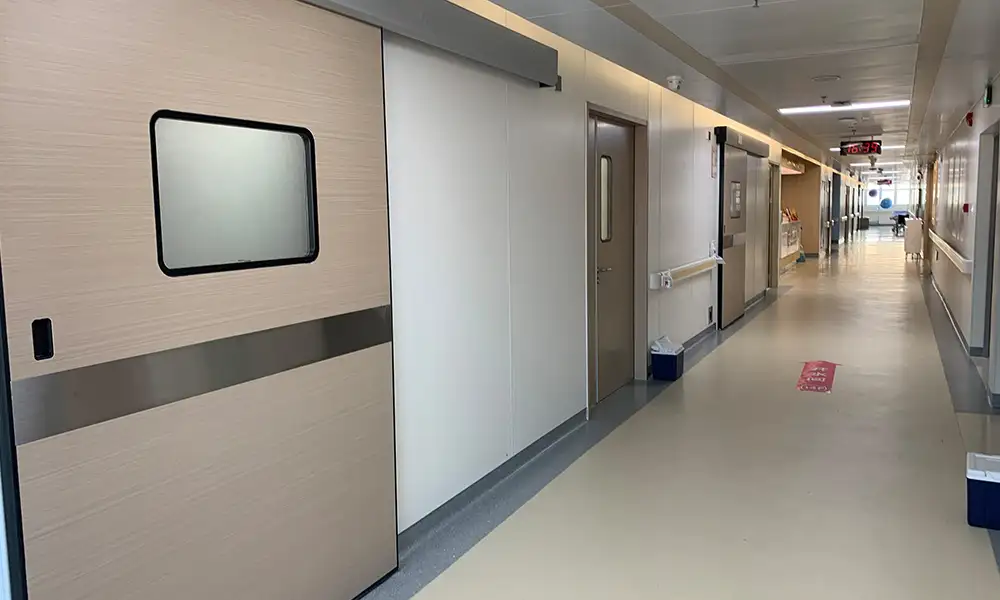
Pharmaceutical and Biotechnology Cleanroom Doors
Pharmaceutical manufacturing requires strict cGMP adherence.
- Materials: Galvanized steel with powder coating is standard for ISO 7-8 areas. For wet processing, 304 or 316L stainless steel is specified. HPL is avoided in core manufacturing due to edge-sealing vulnerabilities.
- Dimensions: Standard single doors (800-950mm width) are used for personnel. Double doors (1200-1350mm) are specified for equipment airlocks. Frame profiles range from 50mm to 200mm, requiring matched hinge tensions.
Hospital and Healthcare Self Closing Doors
- Sterile Processing (SPD): Requires heavy-duty mechanisms to handle high cart traffic while maintaining positive pressure.
- Isolation Rooms: Hospital isolation room self closing doors maintain negative pressure. The closer must overcome the negative differential (-0.01 to -0.03 in. w.g.) to fully seat the drop-down door sweep.
- Hygiene: Antibacterial surface treatments and arc designs (rounded corners) facilitate rigorous chemical cleaning.
Semiconductor and Electronics Manufacturing
- Mechanisms: Manual closers are preferred to eliminate micro-particulates from motor brushes. If automated, brushless DC motors with sealed housings are mandatory.
- ESD Compliance: All hardware, including hinges and handles, must be electrostatic discharge (ESD) safe.
Hospital Self Closing Door Specifications and Materials
Stainless Steel vs. Aluminum Construction
- Stainless Steel: Superior corrosion resistance for harsh disinfectants. Heavier, requiring a robust mechanism (higher spring size).
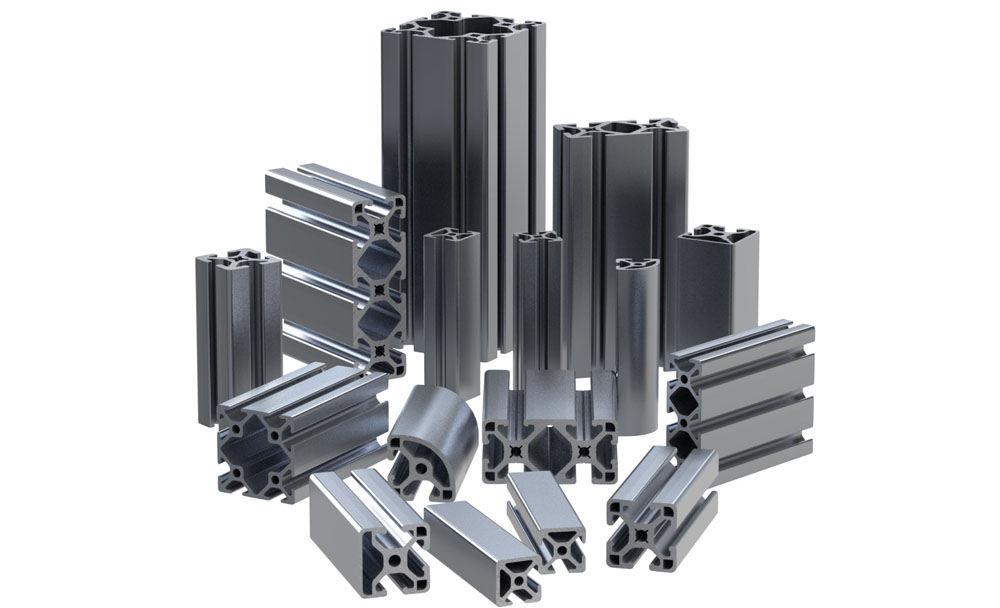
- Aluminum Profiles: E-ZONG’s aluminum profile self closing door systems feature anodized or powder-coated finishes. Anodized aluminum provides scratch resistance, while powder coating allows exact color matching. Lighter weight reduces long-term hinge wear.
Door Seals, Air Tightness, and Pressure Control
To maintain positive pressure doors, the closer must be calibrated so the final 10 degrees of travel (latch speed) delivers maximum kinetic energy. This ensures the drop-down sweep depresses fully and the perimeter seal compresses uniformly, preventing "ghost closing" that destroys pressure differentials.
Fire-Rated Self Closing Door Assemblies
The mechanism must be UL-listed for the specific fire rating (e.g., 90-minute). E-ZONG engineers concealed, low-profile fire-rated closers that maintain NFPA closing force while preserving the flush, crevice-free aesthetics required for controlled environments.
Self Closing Door Mechanism Adjustment and Maintenance
How to Adjust Self Closing Door Mechanism Tension
Most hydraulic closers feature two independent valves:
- Sweep Speed: Controls the main travel (90° to 10°). Set for safe personnel egress.
- Latch Speed: Controls the final 10°. Must be fast enough to overcome room pressure and engage the latch, but slow enough to prevent slamming and damaging the cleanroom door seal. Protocol: Adjust in quarter-turn increments. Never force the screws.
Maintenance Schedules and Compliance Documentation
- Monthly: Inspect for fluid leaks; verify drop-down sweep engagement.
- Quarterly: Verify speeds with a stopwatch; clean dust-proof hinges.
- Annually: Comprehensive inspection by a certified technician. Document all adjustments for the facility’s validation master file.
Custom Self Closing Cleanroom Door Solutions
Non-Standard Sizes and Configurations
- Oversized Doors: Doors exceeding 1500mm require heavy-duty hinges or dual surface closers to distribute torque.
- Sliding vs. Swing: Swing doors are preferred for pressure containment. Sliding doors are specified when floor space is limited, requiring precise track alignment and a robust actuator to pull the door into the compression seal.
Integration with Cleanroom Wall and Ceiling Systems
E-ZONG’s flush mounting systems ensure the door frame is perfectly coplanar with wall panels, eliminating dust-catching ledges. The aluminum profiles feature integrated tie-in channels that lock directly into the cleanroom wall and ceiling grid systems, ensuring structural rigidity.
Conclusion
Specifying the correct self-closing door requires a deep understanding of regulatory codes, fluid dynamics, and material science. Whether managing NFPA 101 compliance in a hospital or maintaining ISO 14644 pressure differentials in a pharmaceutical cleanroom, the reliability of the closing mechanism is paramount.
With nearly 30 years of manufacturing excellence since 1996, E-ZONG provides the technical depth to support your most critical controlled environment projects.
Optimize your facility's performance. Share your project specifications—including cleanroom classification, door dimensions, and facility layouts—with our engineering team today for a free technical consultation and custom sizing evaluation.
Frequently Asked Questions (FAQ)
Q: Do cleanroom doors need to be self-closing?
A: Yes. Self-closing mechanisms are mandatory to maintain ISO 14644 pressure differentials, prevent contamination migration, and ensure compliance with cGMP and NFPA regulations.
Q: What is the required self-closing door speed?
A: Industry best practice dictates a total closing time of 3 to 5 seconds from a 90° open position. Sweep and latch speeds must be independently calibrated to overcome room pressure without slamming.
Q: How do you adjust a self-closing door mechanism?
A: Adjust the hydraulic valve screws (clockwise to decrease speed, counterclockwise to increase) in quarter-turn increments. Always document these settings for compliance audits.
Q: What are the fire code requirements for self-closing hospital doors?
A: Under NFPA 101, doors in corridors and hazardous rooms must self-close and positively latch from their maximum open angle without any manual assistance.
-
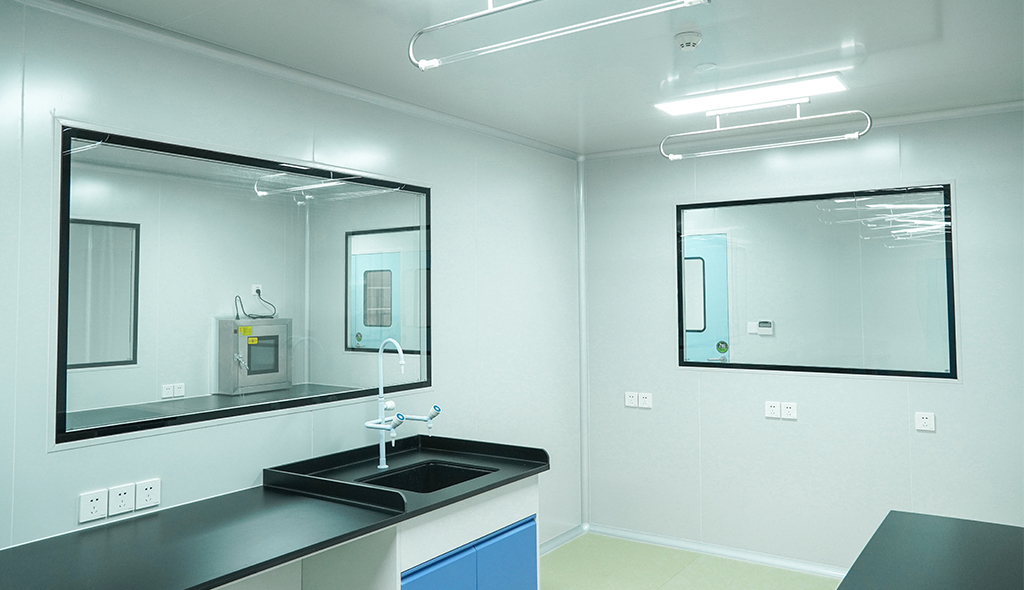 Cleanroom Glass Windows Are The Key to Maintaining a Clean Environment
 -
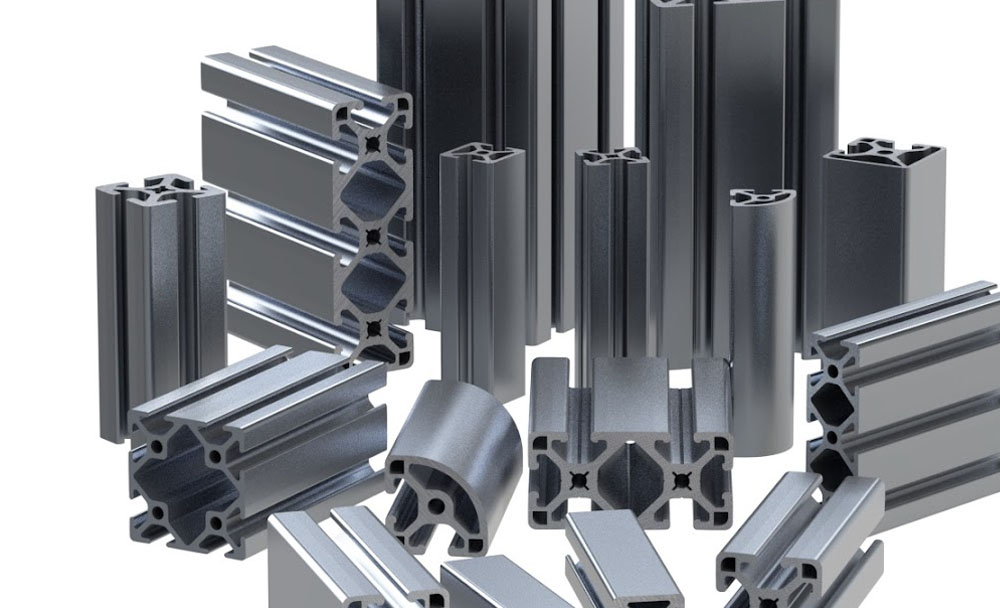 Top Aluminium Profile Manufacturers in China: Leading the Global Market
 -
 The Evolution of Air Tight Sliding Doors
 -
 AHU Aluminium Profile: A Comprehensive Guide
 -
 The Importance of Choosing the Right Cleanroom Door in Vietnam
 -
 The Benefits of Hospital Automatic Doors: Enhancing Efficiency and Safety
 -
.jpg) The Best Bathroom Door Manufacturers - Unlocking Endless Possibilities!
The Best Bathroom Door Manufacturers - Unlocking Endless Possibilities! -
 Unlock the Possibilities with AJ Manufacturing Doors
 -
 Make a Statement with Manufactured Home Interior Doors!
 -
 what is aluminum profile? Aluminum Profiles for Your Home is the best option
-
 Hospital Emergency Exit Doors: 90 Minute Fire Rating Meets Infection Control
 -
 ICU and Isolation Door Requirements Hospitals Often Overlook
 -
 Laboratory Door Requirements for BSL-2 and BSL-3 Containment
 -
 Retrofitting Hospital Sliding Doors: Upgrade Wards Without a Rebuild
 -
 Why Airtight Hospital Sliding Doors Are Critical for Infection Control
 -
 Automatic cleanroom door systems: sensor, actuator and access control integration
 -
 Cleanroom Door Materials: Stainless Steel vs HPL vs FRP vs Aluminum Comparison
 -
 X-Ray Room Door Buying Guide: Lead Thickness & Compliance
 -
 Operating Room Doors: Hermetic & Infection-Control Guide
 -
 Hospital ICU Door Selection: Sealing, Sterility & Workflow



-

Home
-

Tel
-

Email
-

Contact


Guangzhou Yizhong Aluminum Industry Co., Ltd.
We are always providing our customers with reliable products and considerate services.
We are always providing our customers with reliable products and considerate services.
Speak Your Mind