
Cleanroom Door Interlock System: When and Where It Is Needed
Pressure cascade failures and cross-contamination in cleanrooms often stem not from FFU or HEPA issues, but from door sequencing errors that cause airflow short-circuiting. This article focuses on the cleanroom door interlock system, detailing control logic, mandatory deployment zones, contamination mitigation mechanisms, and BMS integration. It provides actionable technical guidance and a 2026 compliance roadmap for cleanroom designers, pharmaceutical engineering teams, and EPC contractors.
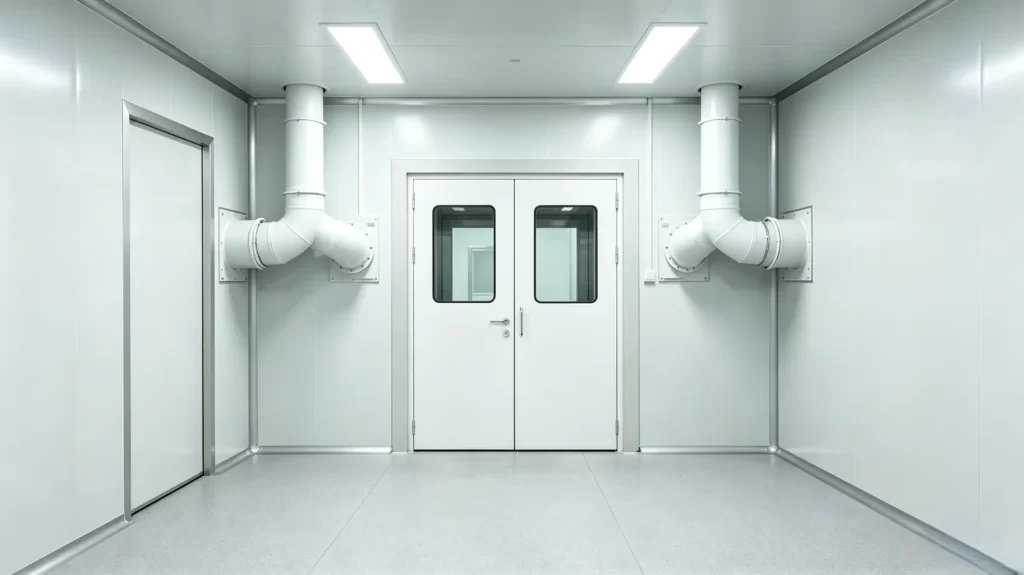
1. Core Control Logic: From Mechanical Latching to Dynamic Temporal Barriers
Traditional mechanical interlocks rely on physical linkages or electromagnetic bolts, falling short of modern GMP requirements for dynamic pressure protection and data traceability. Today's cleanroom door interlock system operates as a dynamic access controller driven by sequencing, pressure differentials, and permission protocols. Core logic falls into three categories:
- Sequential Interlock: Door A must fully close and trigger a position sensor before a fixed delay (≤1.5s) begins. The controller then verifies ΔP recovery (e.g., ≥10 Pa) before unlocking Door B. This is the standard for pharmaceutical cleanroom interlock setups in ISO 8→ISO 7 gowning corridors.
- Pressure-Interlocked Logic: Door status and ΔP transmitters form a closed-loop cleanroom pressure interlock. If fluctuations exceed ±1.5 Pa, the system extends the delay or triggers warnings until stability returns. This is critical for maintaining cleanroom pressure cascade control at sterile boundaries.
- Permission/Time-Based Dynamic Interlock: Integrates RFID/biometrics, batch cycles, and cleaning states. Under an automatic cleanroom door interlock architecture, material channels lock automatically during CIP/SIP, while anti-tailgating logic enforces single-transit rules during changeovers.
System Architecture & Safety The hardware stack typically combines industrial door sensors (Hall effect/reed), edge PLCs, and BMS gateways (BACnet IP/Modbus TCP). For safety, NFPA 101 and EN 16005 Fail-Safe principles apply strictly. During power loss or fire alarms, logic degrades to fail-open egress mode while logging the final state snapshot, satisfying both life safety and audit requirements.
2. When & Where: Precision Mapping of Mandatory & High-Risk Zones
Deployment is not a blanket facility mandate. It must be mapped to cleanliness gradients, product risks, and airflow strategies. When designing a cleanroom airlock interlock system, engineering teams should follow this zone classification:
2.1 Mandatory Deployment Zones
Per EU GMP Annex 1 airlock requirements and ISO 14644-4, interlocked airlocks are mandatory at all boundaries with ΔP ≥10 Pa.
- Personnel Airlocks (PAL): Enforce strict gowning sequencing. GMP door interlock requirements mandate that failure here triggers a Critical Deficiency, directly linking to Contamination Control Strategy (CCS) gaps.
- Material Airlocks (MAL): Isolate outer packaging from core zones. Requires independent environmental monitoring interfaces to track particulate ingress risks.
- Sterile Core Interfaces: Interlocking between Grade A lines and Grade C backgrounds is a prerequisite for preserving Unidirectional Airflow integrity.
2.2 High-Risk Process Zones
- HPAPI/OEB 4-5: Deploys negative-pressure priority interlocking. Exhaust compensation must respond within 2 seconds of door opening to contain active dust.
- BSL-2/3 Zones: Waste pass-throughs require dual-door interlocking tied to UV/chemical disinfection cycles. A material transfer interlock controller must retain local power and self-diagnose during outages.
- Multi-Product Lines: Enables physical + temporal isolation. System-enforced lockdowns during changeovers integrate with EM sampling to close the CCS loop.
2.3 Special Engineering Scenarios
- Equipment Airlocks: Large apertures require dual independent interlocks, local air curtains, and purge sequencing to limit pressure drops to ≤30%.
- High-Traffic Corridors: Anti-tailgating logic with ≤5s timeout alarms dynamically adjusts fan speeds via occupancy counters, preventing chronic pressure decay.
3. How Interlock Systems Substantially Mitigate Cross-Contamination
Cross-contamination stems from uncontrolled mass transfer between zones. The cleanroom door interlock system mitigates this through physical airflow control and behavioral enforcement, forming the backbone of cleanroom cross contamination control.
- Pressure Cascade Protection: Dual-door opening collapses ΔP to zero, causing airflow short-circuiting. Interlocking enforces single-door transit, maintaining ≥8 Pa driving pressure. This directional sweep continuously clears particulates toward lower-grade areas. The cleanroom pressure cascade interlock replaces manual judgment with automated control.
- Turbulence & Back-Entrainment Suppression: Door breaches disrupt laminar flow, creating eddy zones. Modern cleanroom airlock interlock logic limits exposure time (≤8s transit), confining turbulence to a 0.5m radius and preventing reverse particulate roll into clean corridors.
- Programmatic Constraints Over SOP Reliance: Human habits like tailgating or forced double-door openings are common failure points. Interlock systems hard-code SOPs into operational logic, eliminating execution-level human error.
- Data Traceability for Digital CCS: 2026 regulations demand fully auditable control strategies. Systems log door events, ΔP curves, and operator permissions, syncing with LIMS/MES. Under cleanroom door interlock requirements, this data provides tamper-proof evidence for deviation investigations, directly supporting cleanroom door interlock validation during OQ/PQ phases.
4. Dynamic Synergy with Airtight Doors & HVAC/BMS Architecture
Interlock efficacy depends on deep integration with airtight doors and HVAC controls. A mature BMS cleanroom integration shifts operations from passive isolation to proactive airflow management.
Physical × Temporal Barriers
Airtight doors handle static leakage (≤0.5 m³/h @ 50 Pa per ISO 14644-3), while the cleanroom door interlock controller manages dynamic exposure. Together, they ensure a sealed static state and orderly dynamic transit.
Control Sequence
Door 1 closes → Position confirmed → ΔP monitored (≥12 Pa for 2s) → Door 2 unlocks → Event logged → VAV/VFD compensates for ΔP drop → System ramps down upon recovery.
Dynamic HVAC Coupling
Upon door opening, a pulse signal triggers AHU PID adjustments within 1.5s, boosting airflow by 15–20% to offset volume displacement. Field commissioning data shows ~78% of pressure OOS events stem from mismatched interlock delays and VAV response times. Best practice: set interlock release delay ≥ VAV full-stroke time × 1.5. This ensures airflow rebuilds before unlocking, resolving common issues in cleanroom door interlock troubleshooting.
Failure Modes & Degradation
Sensor drift or network loss triggers local fallback modes. Controllers switch to timed interlock logic, while edge PLCs retain configurations independently with visual warnings. This maintains production continuity under GMP "controlled failure" principles. cleanroom interlock logic programming must predefine these paths, validated during FAT/SAT.
5. 2026 Compliance-Driven Configuration & Validation Checklist
For designers and EPC contractors, system selection now centers on compliance verifiability, not just functionality. 2026 audits prioritize traceable logic, immutable data, and hardened cybersecurity.
1. Control Architecture Matrix
- Standalone PLC: Cost-effective for retrofits; requires extra gateways for data integration.
- Integrated BMS: Preferred for pharma facilities. Native BACnet/OPC UA enables unified pressure, access, and HVAC scheduling. Represents the future of pharma cleanroom access control.
- Cloud IoT: Restricted to non-critical CNC zones. Core areas require local data processing to meet 21 CFR Part 11 compliance and EU Annex 11 offline availability mandates.
2. IQ/OQ/PQ Validation
- IQ: Verify sensor placement, firmware versions, protocol handshakes, and cable shielding.
- OQ: Test timing accuracy (±0.2s tolerance), ΔP thresholds (±0.5 Pa), fire egress compliance, and anti-tailgating false triggers.
- PQ: cleanroom door interlock validation requires peak-transit simulation, ≤3s pressure recovery, audit trail verification, and access interception testing. FDA cleanroom access control guidelines mandate NTP-synced timestamps and electronic signatures for all alarms.
3. 2026 Compliance Focus
- EU GMP Annex 1 CCS: Interlocks serve as primary Engineering Controls. EU GMP Annex 1 interlock guidelines require dynamic binding to cleaning states and exposure risks.
- Data Integrity: Requires role-based permissions, tamper-proof logs, and NTP sync. cleanroom interlock system design must define ≥10-year retention and write-once archival at the URS stage.
- Cybersecurity: Controllers must meet IEC 62443 cybersecurity baselines: disabled default ports, TLS 1.3 encryption, and regular penetration testing. The cleanroom door control system requires strict IT/OT segmentation via industrial firewalls.
Conclusion
A cleanroom door interlock system is a dynamic airflow valve, not a simple access switch. Proper zone mapping, calibrated logic, and rigorous validation deliver higher compliance ROI than static sealing upgrades alone. With 2026 CCS audits intensifying, door control architecture must be integrated early into process layouts and HVAC hydraulic designs.
Contact Us for a project-specific compliance assessment. Ensure every door operation remains a controlled engineering event.
-
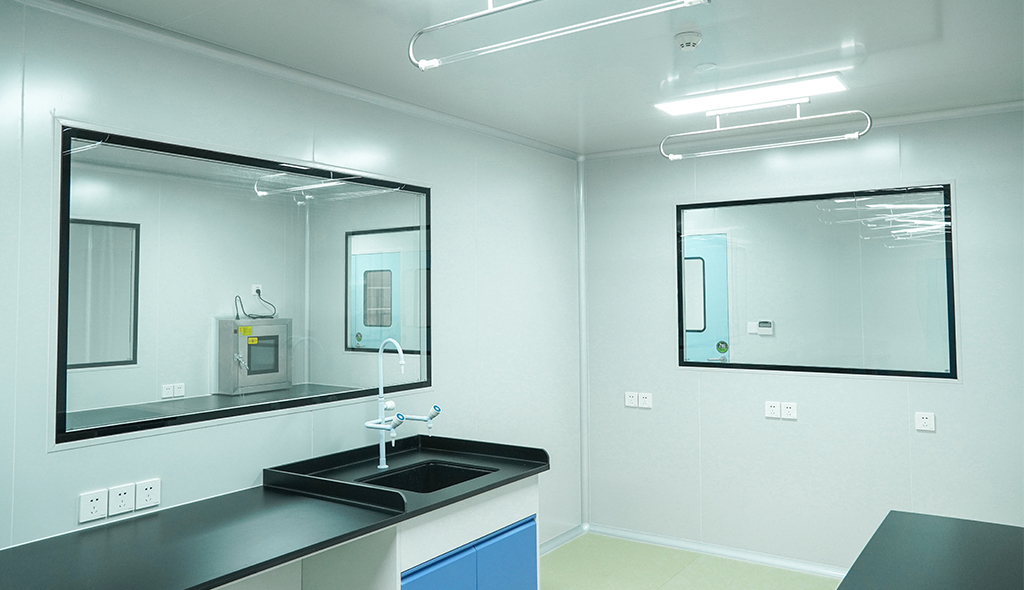 Cleanroom Glass Windows Are The Key to Maintaining a Clean Environment
 -
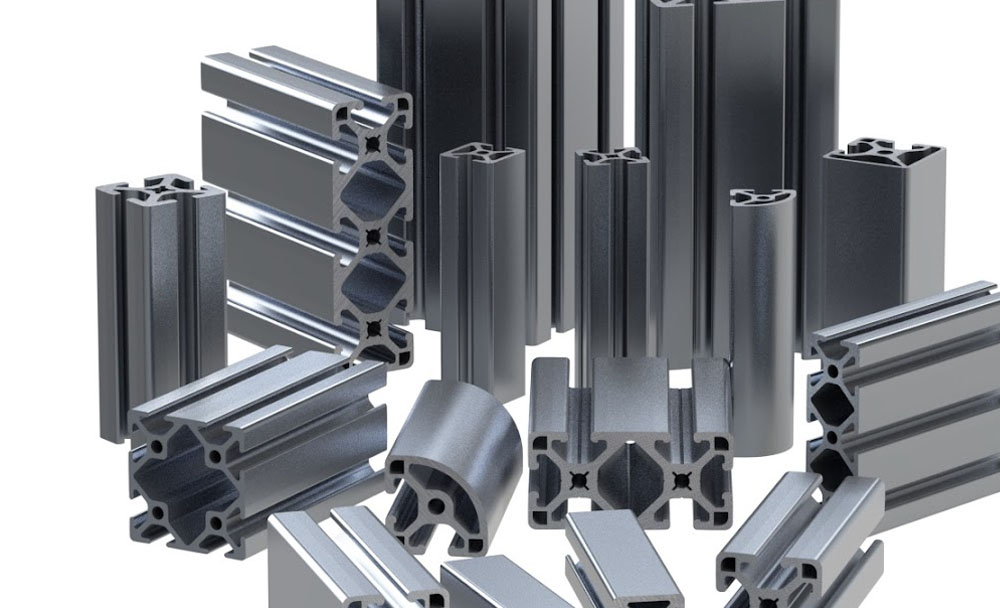 Top Aluminium Profile Manufacturers in China: Leading the Global Market
 -
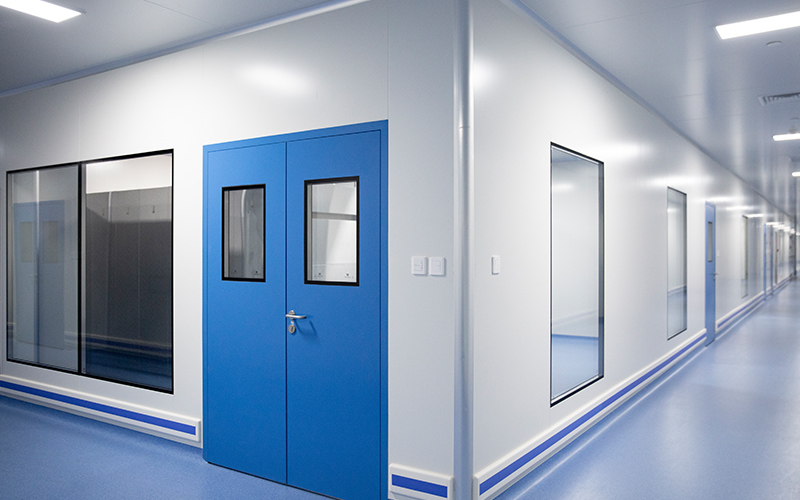 The Evolution of Air Tight Sliding Doors
 -
 AHU Aluminium Profile: A Comprehensive Guide
 -
 The Importance of Choosing the Right Cleanroom Door in Vietnam
 -
 The Benefits of Hospital Automatic Doors: Enhancing Efficiency and Safety
 -
.jpg) The Best Bathroom Door Manufacturers - Unlocking Endless Possibilities!
The Best Bathroom Door Manufacturers - Unlocking Endless Possibilities! -
 Unlock the Possibilities with AJ Manufacturing Doors
 -
 Make a Statement with Manufactured Home Interior Doors!
 -
 what is aluminum profile? Aluminum Profiles for Your Home is the best option
-
 Hospital Emergency Exit Doors: 90 Minute Fire Rating Meets Infection Control
 -
 ICU and Isolation Door Requirements Hospitals Often Overlook
 -
 Laboratory Door Requirements for BSL-2 and BSL-3 Containment
 -
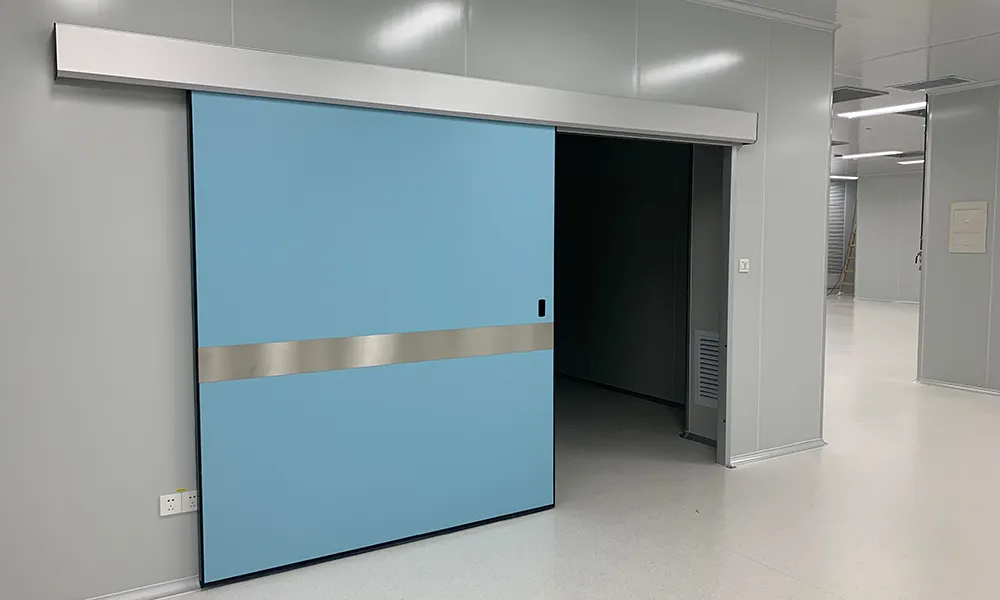 Retrofitting Hospital Sliding Doors: Upgrade Wards Without a Rebuild
 -
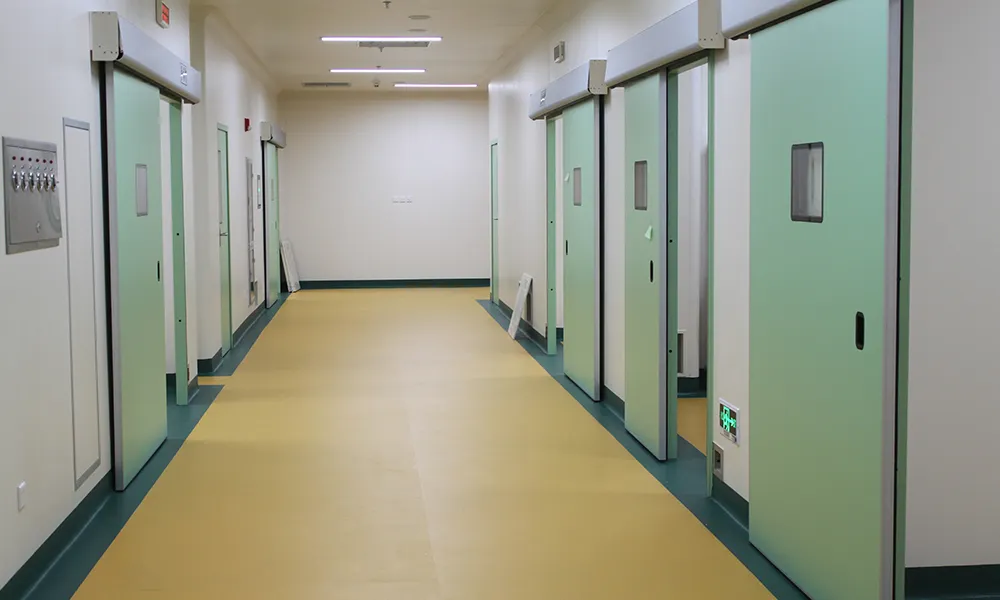 Why Airtight Hospital Sliding Doors Are Critical for Infection Control
 -
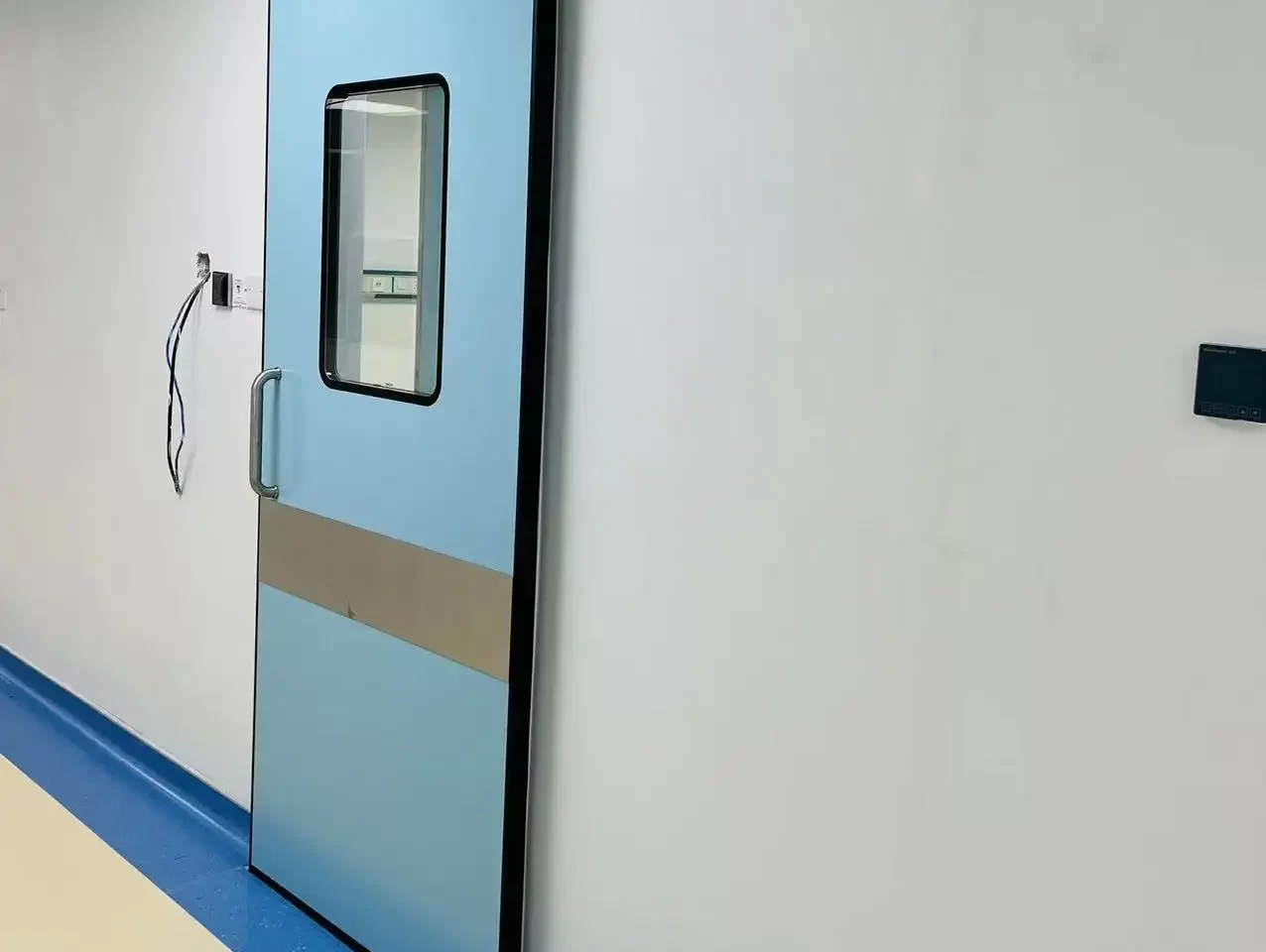 Automatic cleanroom door systems: sensor, actuator and access control integration
 -
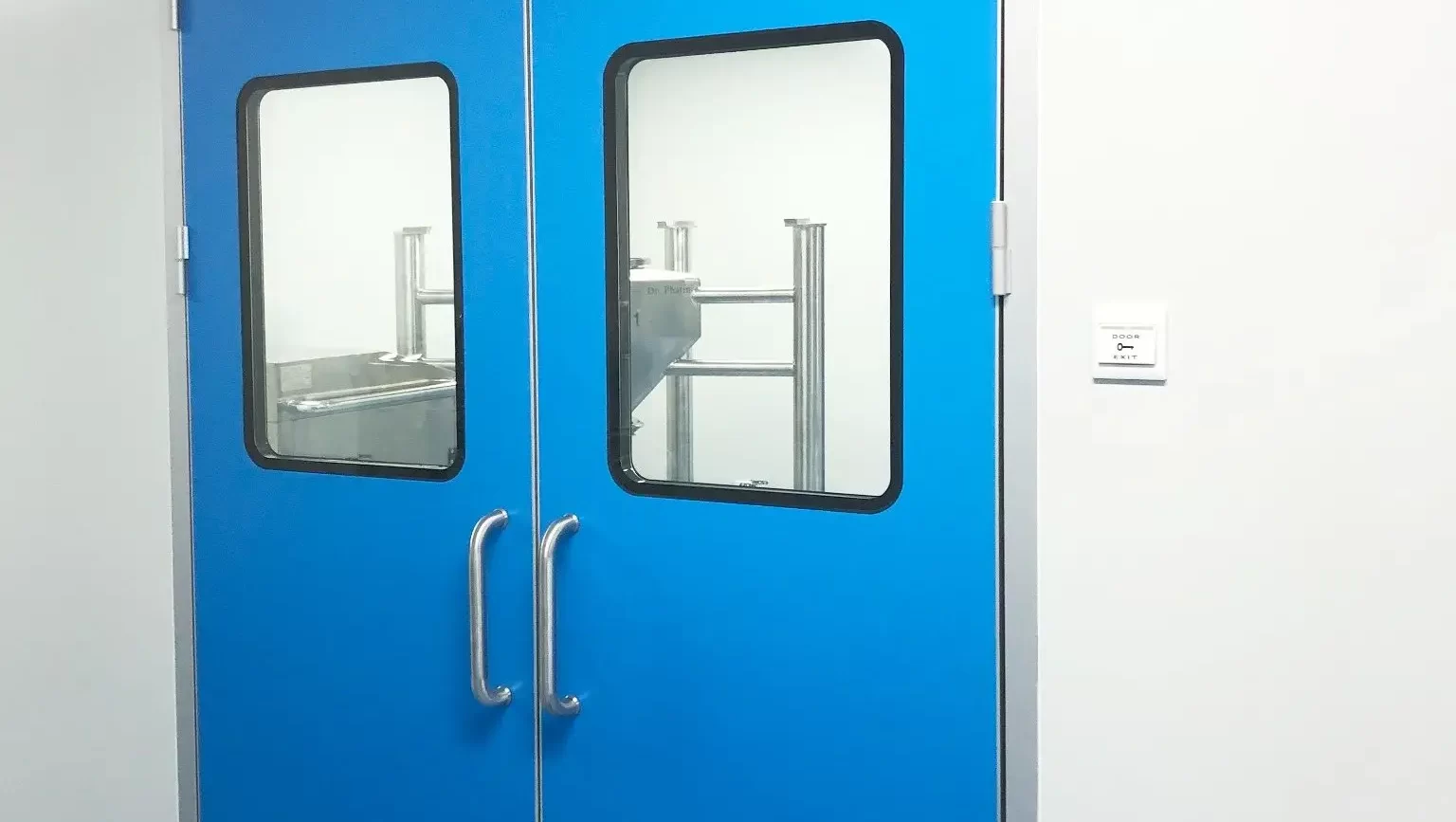 Cleanroom Door Materials: Stainless Steel vs HPL vs FRP vs Aluminum Comparison
 -
 X-Ray Room Door Buying Guide: Lead Thickness & Compliance
 -
 Operating Room Doors: Hermetic & Infection-Control Guide
 -
 Hospital ICU Door Selection: Sealing, Sterility & Workflow


-

Home
-

Tel
-

Email
-

Contact


Guangzhou Yizhong Aluminum Industry Co., Ltd.
We are always providing our customers with reliable products and considerate services.
We are always providing our customers with reliable products and considerate services.
Speak Your Mind