
Why Choose Push Door for Your Cleanroom Solutions
When choosing the right types of doors for your facility, functionality and safety are paramount. In many commercial buildings, push door has become a standard for their reliability and ease of use. For specialized environments like cleanrooms, the choice of a door system is even more critical.
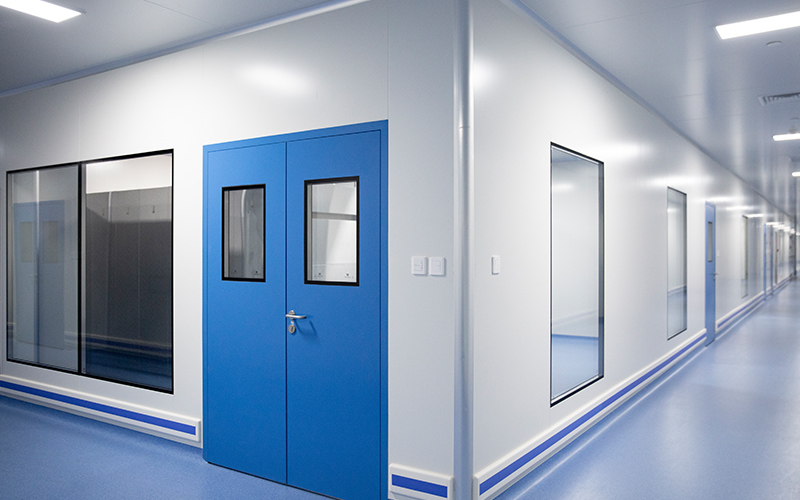
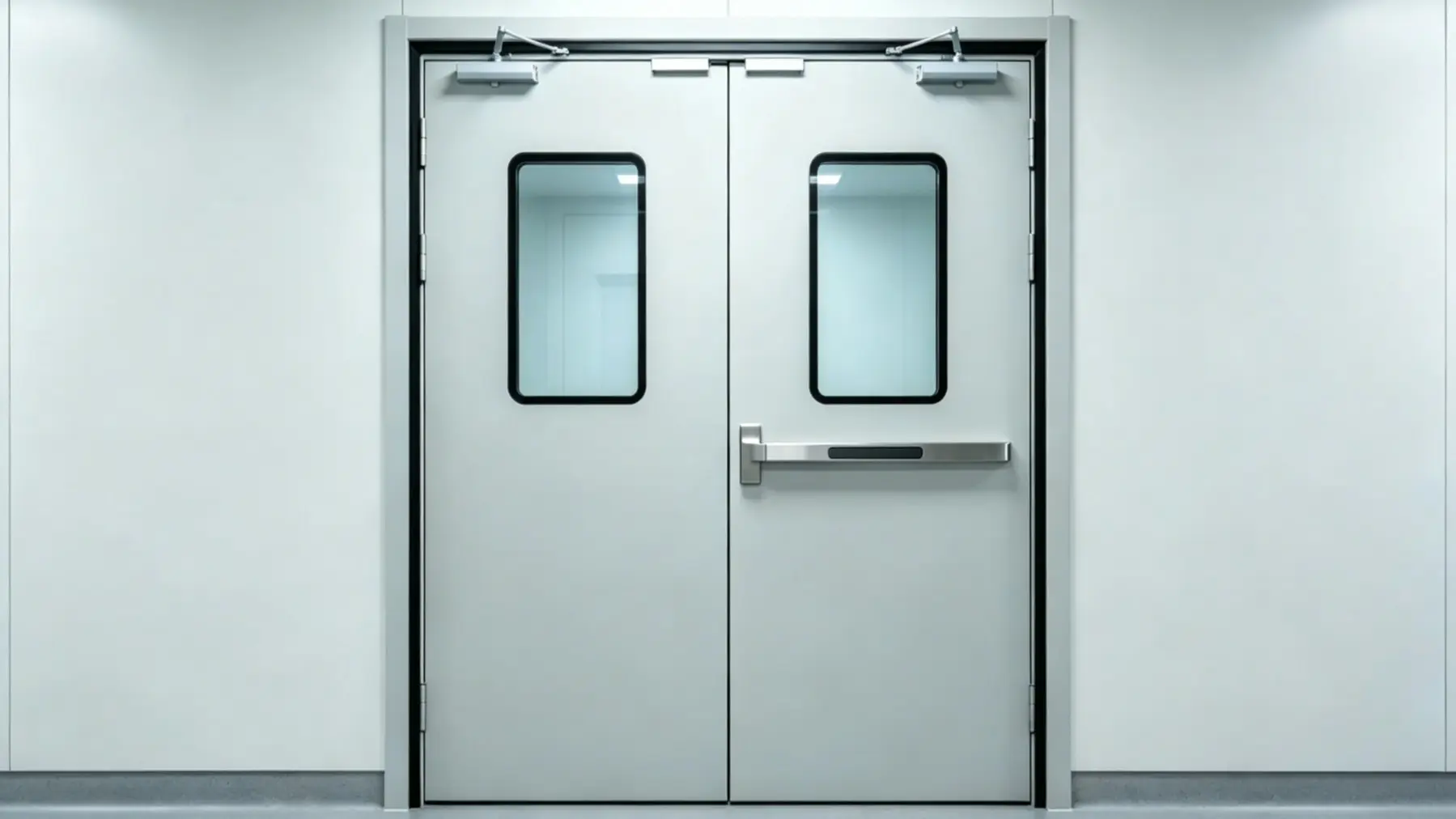
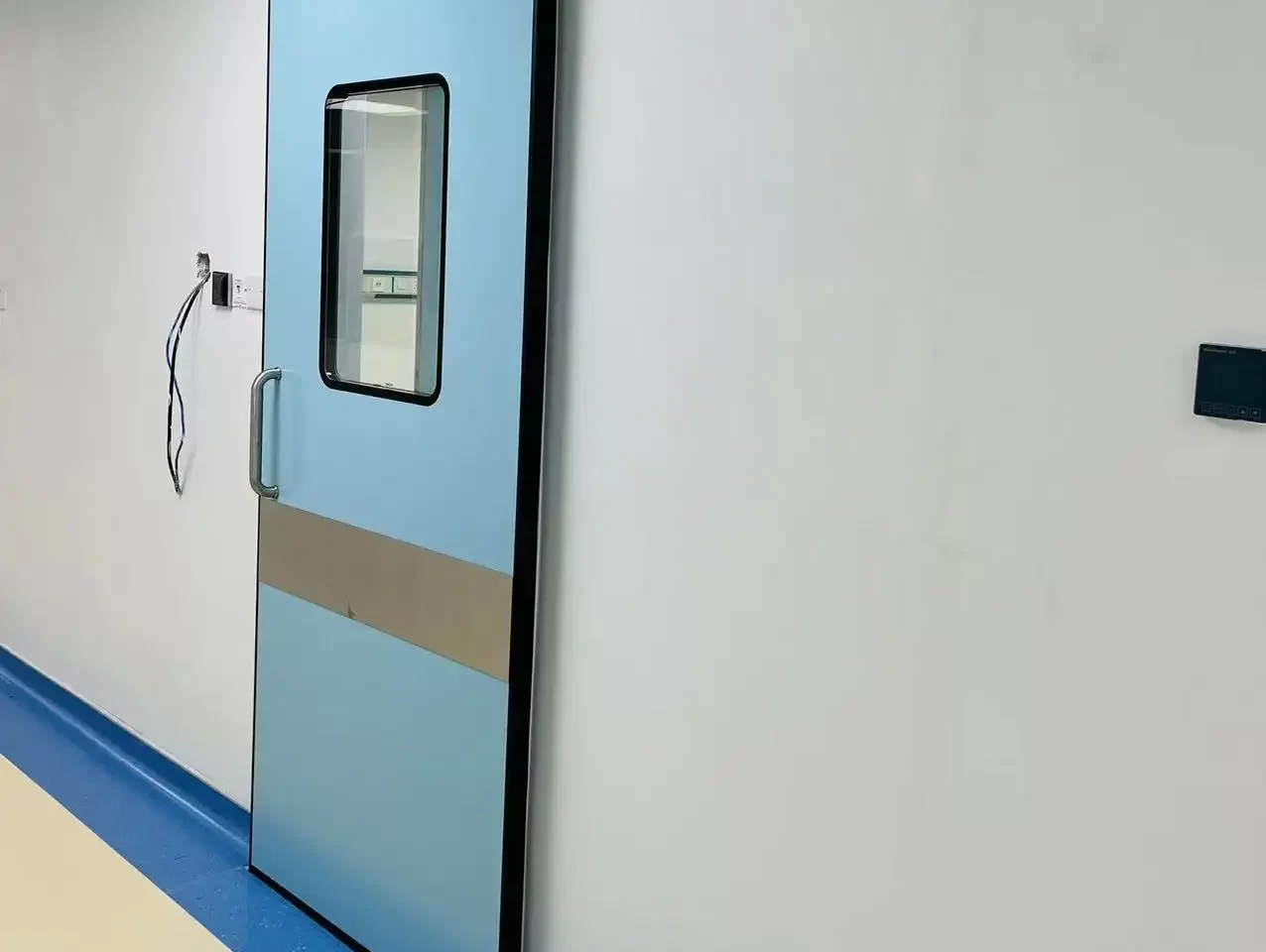
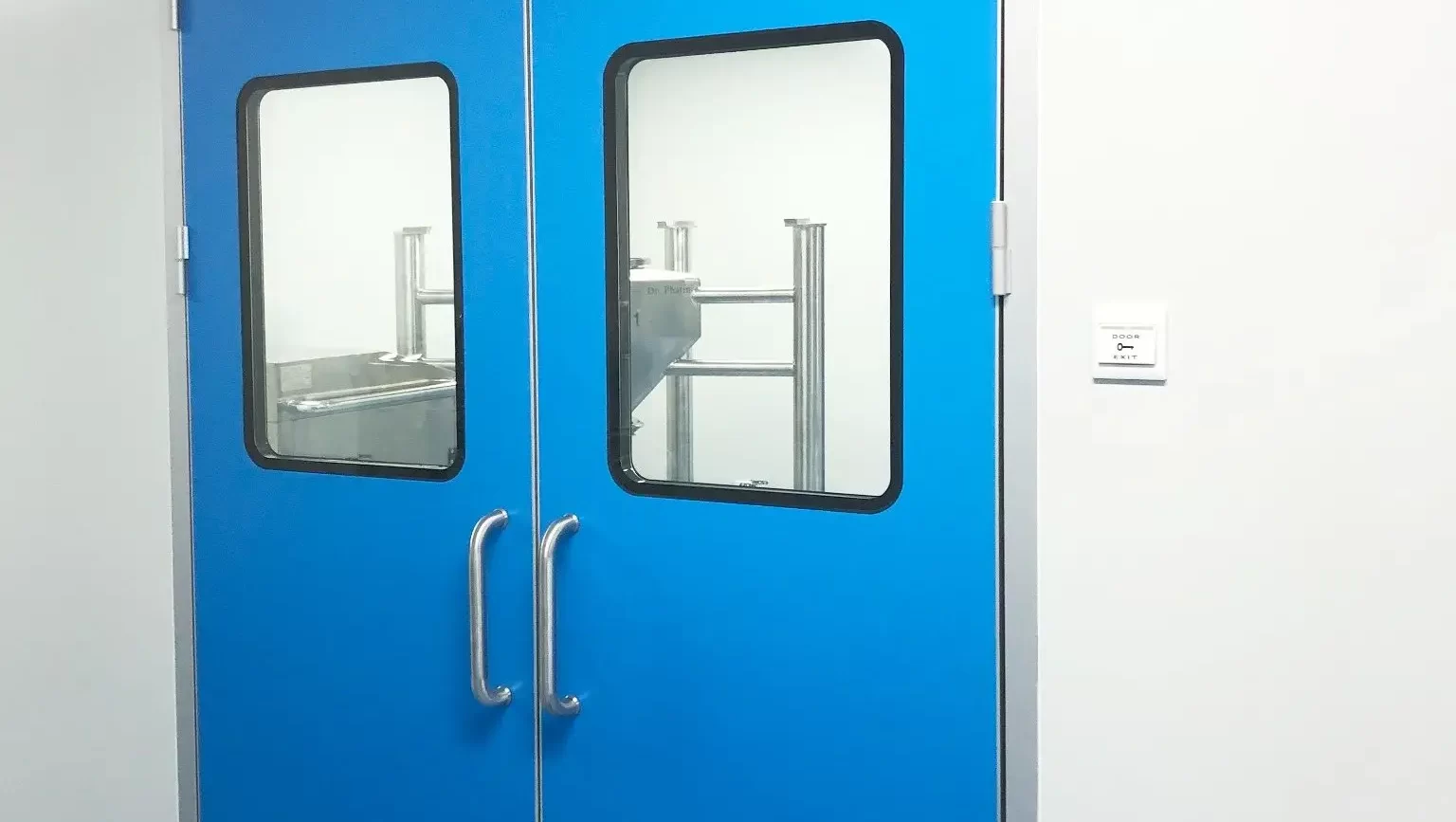
A tubular push bar is a horizontal, cylindrical bar installed on the surface of a door, designed to allow users to open the door by pushing against it. It is commonly used in high-traffic areas for both ease of operation and safety, enabling quick and efficient access, especially in emergency situations. For those managing sterile environments, choosing a high-performance swing door with a 50mm door leaf thickness ensures that these push-style mechanisms are backed by a robust, insulated structure.
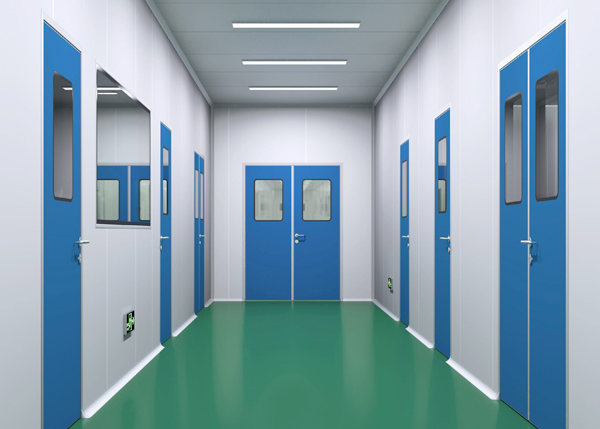
Understanding Push Doors for Cleanroom Applications
A push door is a type of door that opens away from you with a simple push. Unlike doors that require twisting a knob or pulling a handle, these systems are designed for quick, hands-free or minimal-contact operation. In a cleanroom setting, this design is not just about convenience; it's a crucial part of maintaining a sterile environment.
Push door latches are typically easy to install, making them a practical choice for facilities that need efficient upgrades or replacements without extensive downtime. When considering the underlying structure, many engineers refer to our cleanroom door materials guide to understand how different surfaces interact with push-bar hardware.
The door hardware, including specialized exit devices, is engineered to ensure a secure seal when closed, preventing airborne particles from entering the controlled space. This makes the push door a strategic choice for facilities where contamination control is the top priority. At Ezong, we’ve observed through projects like the Brunei Isolation Center that push-action doors significantly reduce the time hands spend in contact with door surfaces, lowering cross-contamination risks.
Key Design Principles of Push Door Systems
Push door systems are designed with key principles to ensure functionality and safety compliance. Push bars allow easy, accessible operation and quick emergency exits, while durable materials like stainless steel provide long-term reliability in clean environments.
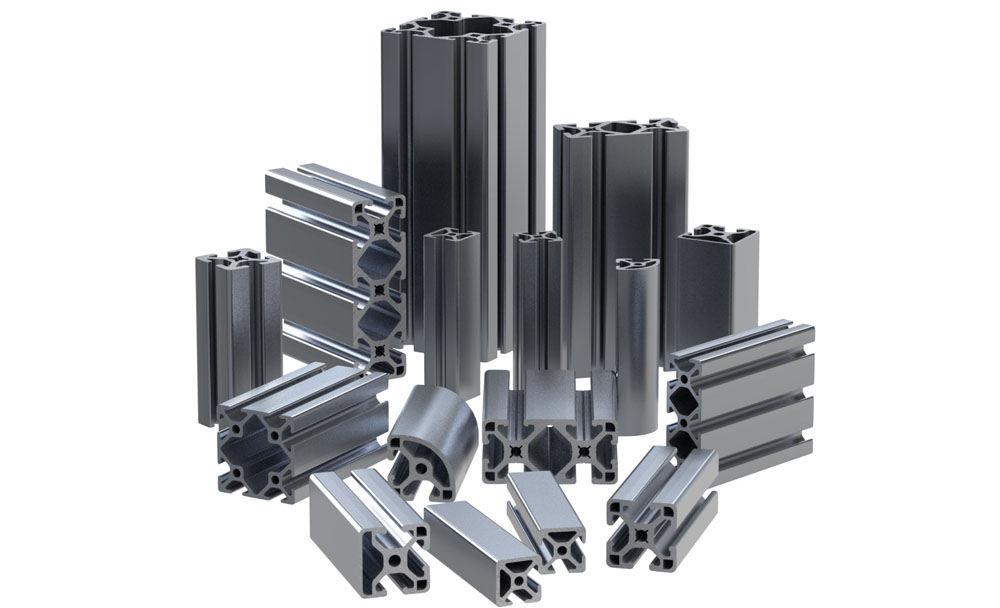
Secure latching systems improve both security and airtight sealing. Proper alignment with building codes ensures these doors meet standards for controlled spaces. These features maximize usability, reduce contamination risks, and make push door systems essential for cleanrooms. To ensure the hardware performs under pressure, we utilize the strong cleanroom aluminum profiles to provide a rigid frame that prevents warping, even in high-traffic corridors.
Common Usage Scenarios in Controlled Environments
Push doors are commonly found in a wide range of public buildings, from retail stores to schools, primarily for safety and accessibility. In controlled environments, their application is more specific and critical. You will often see them installed as pairs of doors in corridors to manage personnel flow and air pressure differentials between zones.
Their utility shines in areas that demand both contamination control and rapid egress. While sealed sliding doors or hospital sliding doors are used in certain contexts, push doors are often preferred for their robust sealing and mechanical reliability. Key scenarios include:
- Pharmaceutical Manufacturing: Used in airlocks and corridors to maintain sterile conditions between different processing areas.
- Laboratories and Research Facilities: Essential for exits and transfer hatches where maintaining a clean environment is non-negotiable.
- Food and Beverage Production: Helps prevent cross-contamination in processing and packaging zones.
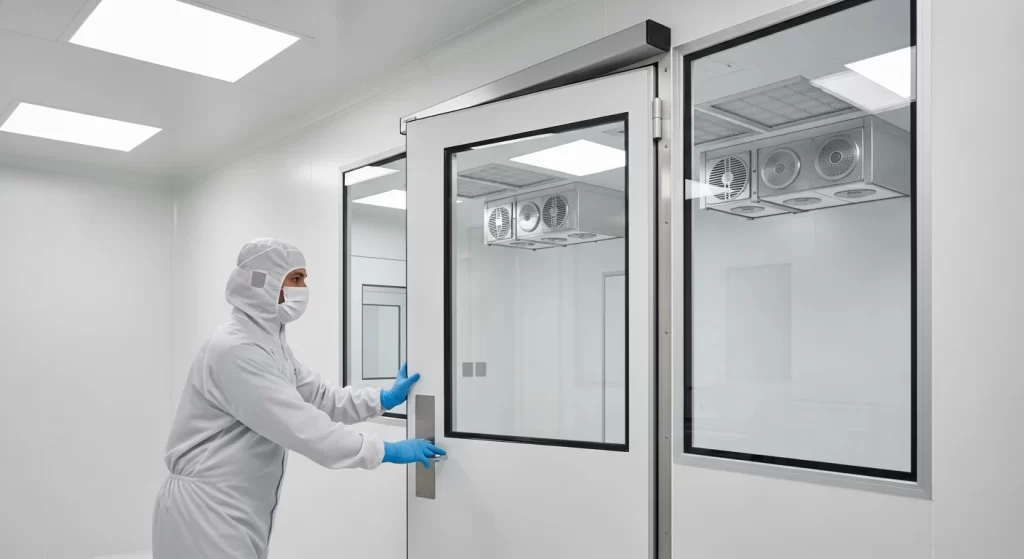
Core Advantages of Push Doors in Cleanrooms
In the demanding world of cleanrooms, every component matters. Push doors offer significant advantages that directly address the core needs of these specialized spaces. Their design inherently supports strict contamination control protocols, thanks to their ability to create an airtight seal. This is a major benefit over many other door types, and understanding the cost vs. performance of swing doors can help facilities justify the investment in higher-grade push hardware.
Enhanced Airtight Sealing and Contamination Control
A push door in a cleanroom offers superior sealing, creating an airtight barrier to control contamination. Precision-engineered frames and high-quality gaskets block dust, microbes, and airborne particles. This tight seal also maintains stable air pressure between rooms—a key cleanroom requirement. Push doors deliver consistent compression of seals for reliable performance over thousands of cycles. Effective sealing protects sensitive processes and helps facilities meet strict industry regulations and codes, ensuring your environment is secure and compliant.
Durability, Ease of Maintenance, and Long-Term Value
Durability defines a high-quality push door. Made from robust materials like aluminum or stainless steel, these doors withstand heavy industrial use. Their smooth, non-porous surfaces resist cleaning agents, simplifying sanitation. Ezong’s hardware is built for longevity, with simple push mechanisms that have fewer parts to fail than automatic doors. This means less downtime and lower maintenance costs.
Components and Mechanisms
Push Bar Types, Latching Systems, and Safety Features
A panic push bar, also known as a crash bar, is a safety mechanism that allows a door to be opened quickly during an emergency. By simply pushing the bar, the door latch retracts, enabling fast egress.
| Device Type | Description | Common Application |
|---|---|---|
| Rim Exit Device | Surface-mounted on the door with a latch that projects from the device. | Single doors or pairs of doors with a removable mullion. |
| Vertical Rod Device | Uses vertical rods to latch the door at the top and bottom of the frame. | Pairs of doors where both leaves need to be active. |
| Mortise Exit Device | A mortise lock body is installed within the door, controlled by the push bar. | Applications requiring higher security and durability. |
Integration and Compliance
Modern push doors can integrate with advanced access control systems, letting you manage entry via key cards while allowing free egress. When selecting a push bar, consider the door’s fire rating and occupancy load. Ezong's systems are designed to meet international safety standards, ensuring that your hospital cleanroom door design meets both medical and fire safety regulations simultaneously.
Conclusion
Push doors offer key benefits for cleanrooms, including airtight sealing to reduce contamination, durable construction for low maintenance, and compatibility with access control systems. Choosing the right push door streamlines operations and boosts efficiency.
For tailored recommendations and quotes, contact us —your cleanroom’s safety and performance start with the right decision.
FAQ
What factors should you consider when selecting a push door for a cleanroom?
When choosing a push door for a cleanroom, consider the cleanroom classification, material compatibility with cleaning agents, security level, and access control integration. Also, assess the hardware for durability and easy egress.
How do push doors differ from pull doors in performance and application?
A push door opens away from you, allowing quick and easy exit—ideal for public buildings. A pull door opens toward you and requires a handle. The main difference is the swing direction and usability in busy or emergency situations.
Where are push doors commonly used in buildings?
Push doors are common emergency exits in commercial buildings, stores, schools, and hospitals. In pharmaceutical plants and labs, they help maintain sterile conditions while allowing safe, efficient movement between controlled areas.
-
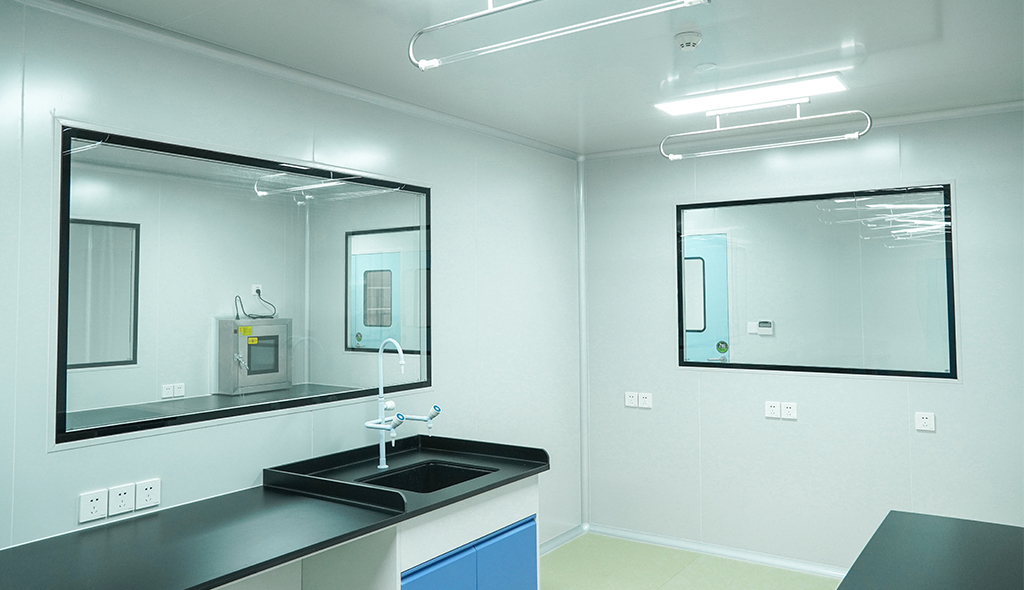 Cleanroom Glass Windows Are The Key to Maintaining a Clean Environment
 -
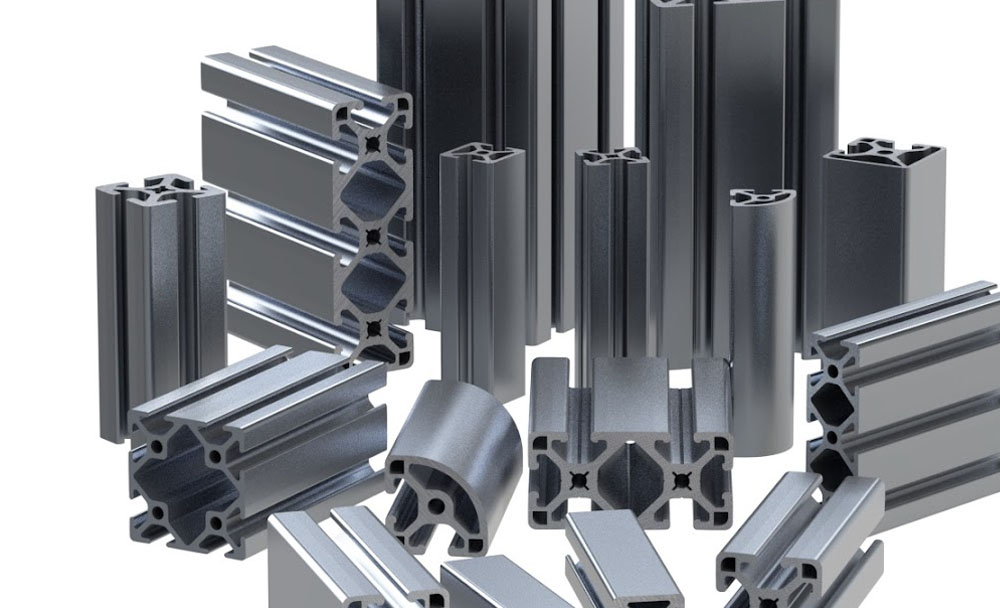 Top Aluminium Profile Manufacturers in China: Leading the Global Market
 -
 The Evolution of Air Tight Sliding Doors
 -
 AHU Aluminium Profile: A Comprehensive Guide
 -
 The Importance of Choosing the Right Cleanroom Door in Vietnam
 -
 The Benefits of Hospital Automatic Doors: Enhancing Efficiency and Safety
 -
.jpg) The Best Bathroom Door Manufacturers - Unlocking Endless Possibilities!
The Best Bathroom Door Manufacturers - Unlocking Endless Possibilities! -
 Unlock the Possibilities with AJ Manufacturing Doors
 -
 Make a Statement with Manufactured Home Interior Doors!
 -
 what is aluminum profile? Aluminum Profiles for Your Home is the best option
-
 Hospital Room Door Size by Room Type: Width and Clearance
 -
 Retrofit Manual Doors with Electronic Glass Operators
 -
 Hospital Emergency Exit Doors: 90 Minute Fire Rating Meets Infection Control
 -
 ICU and Isolation Door Requirements Hospitals Often Overlook
 -
 Laboratory Door Requirements for BSL-2 and BSL-3 Containment
 -
 Retrofitting Hospital Sliding Doors: Upgrade Wards Without a Rebuild
 -
 Why Airtight Hospital Sliding Doors Are Critical for Infection Control
 -
 Automatic cleanroom door systems: sensor, actuator and access control integration
 -
 Cleanroom Door Materials: Stainless Steel vs HPL vs FRP vs Aluminum Comparison
 -
 X-Ray Room Door Buying Guide: Lead Thickness & Compliance


-

Home
-

Tel
-

Email
-

Contact


Guangzhou Yizhong Aluminum Industry Co., Ltd.
We are always providing our customers with reliable products and considerate services.
We are always providing our customers with reliable products and considerate services.
Speak Your Mind