
Impact Resistant Doors for Hospitals and Labs: Crash Ratings & Hygiene
In high-traffic healthcare and controlled environment facilities, corridor doors face a relentless physical environment daily. Gurneys, equipment carts, and material transport vehicles constantly strike door surfaces, leading to dented panels, warped frames, and compromised seals. For facility managers and engineering directors, this physical degradation translates directly into increased maintenance costs, operational downtime, and severe contamination risks.
Selecting the right impact resistant door is not merely a procurement decision; it is a critical infrastructure specification that dictates facility compliance, workflow efficiency, and long-term total cost of ownership (TCO). As a specialized manufacturer with 26 years of expertise in controlled environment architectural components, E-ZONG has compiled this guide to detail the technical engineering, material specifications, and procurement strategies required to specify high-traffic medical facility doors that successfully withstand gurney impact without sacrificing hygienic integrity.
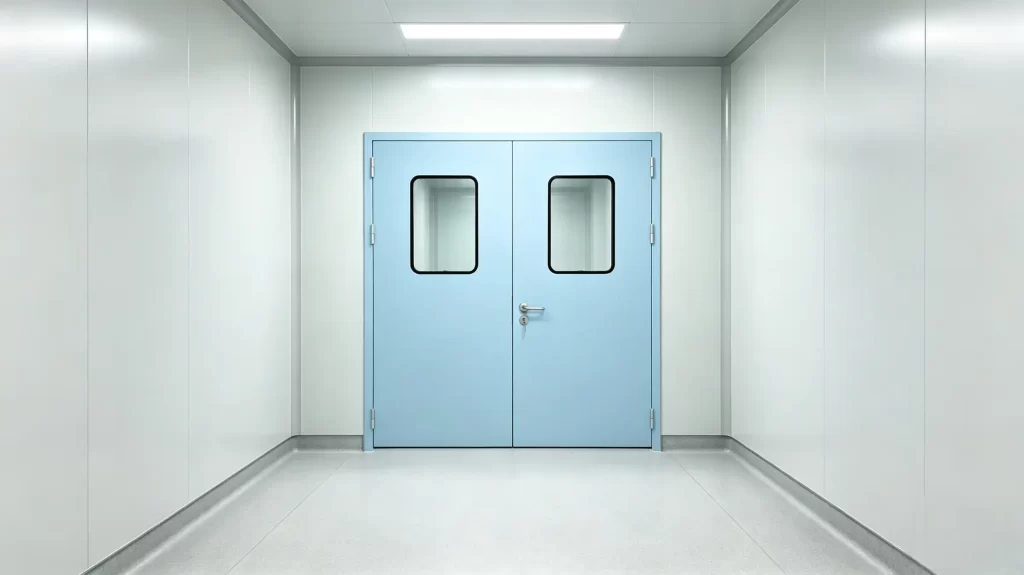
What Are Hygienic Impact-Resistant Doors?
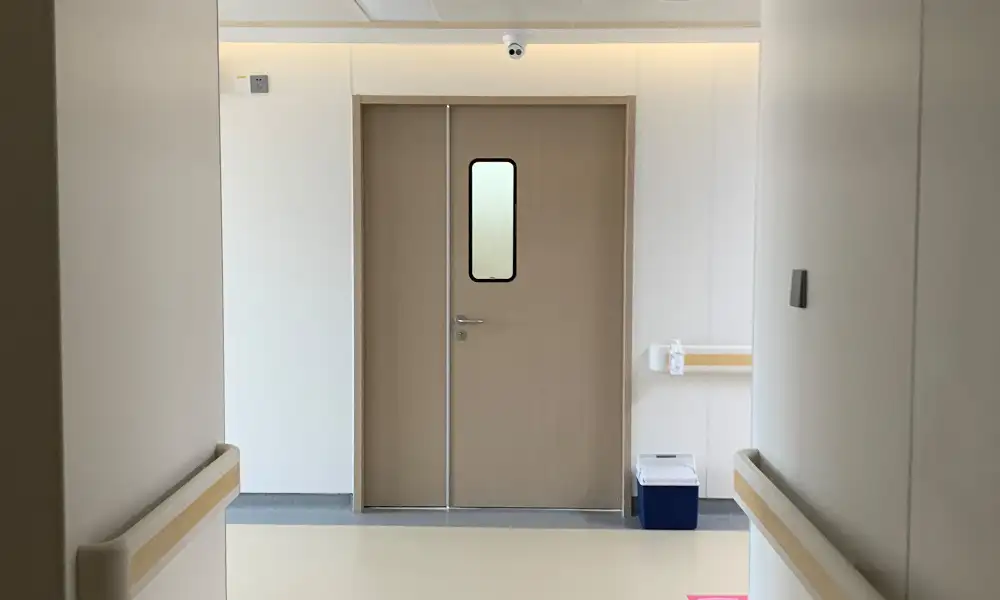
The Dual Challenge: Durability Meets Cleanability
Standard commercial doors are designed to withstand forced entry or basic weather elements, but they fail in controlled environments because they lack hygienic design. A dent-resistant cleanroom door must solve a dual challenge: absorbing high-velocity kinetic energy from equipment impacts while maintaining a surface that prevents microbial harborage and particulate generation.
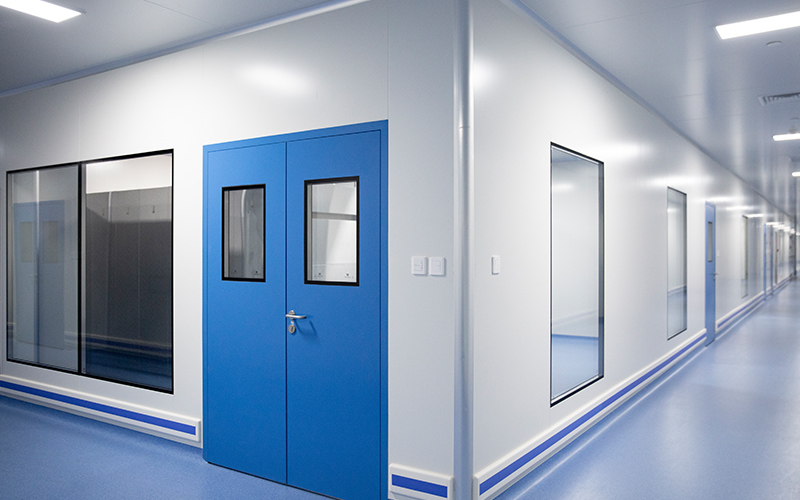
In pharmaceutical and hospital settings, a dented door panel creates micro-fissures in the surface finish. These fissures trap biological contaminants and shed particles, directly violating cleanliness protocols. Hygienic impact-resistant doors eliminate this risk through continuous flush surface design and specialized arc design for contamination control, ensuring that all corners and edges are smoothly radiused to prevent dust accumulation and facilitate rapid, effective cleaning.
Key Design Features of Impact-Resistant Cleanroom Doors
True impact resistance in a controlled environment requires a holistic engineering approach. Key technical features include:
- Impact Absorption Core: Unlike standard hollow-core doors, impact-resistant models utilize reinforced aluminum honeycomb or high-density composite cores. This structure distributes kinetic energy across the entire door leaf, preventing localized denting.
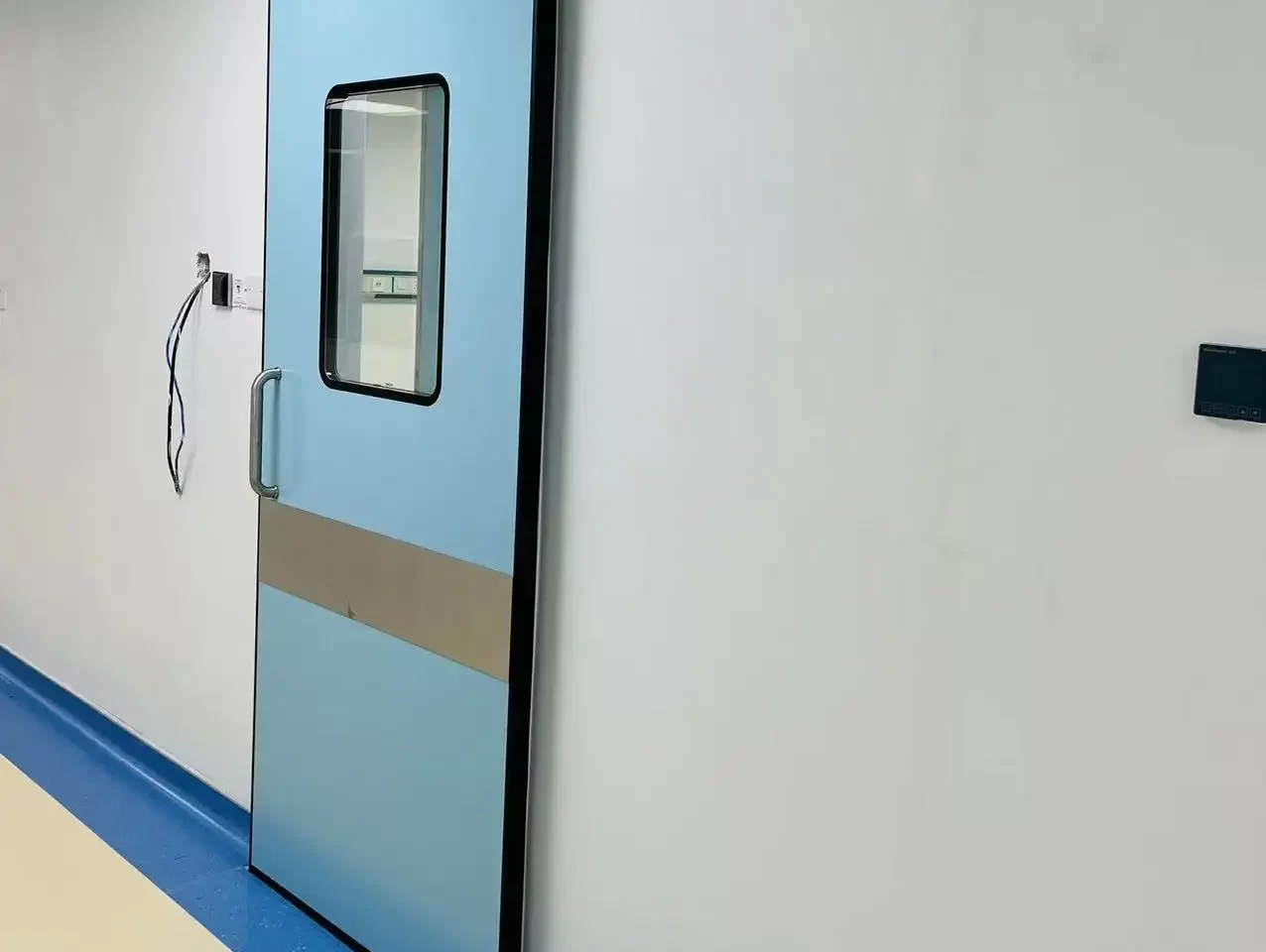
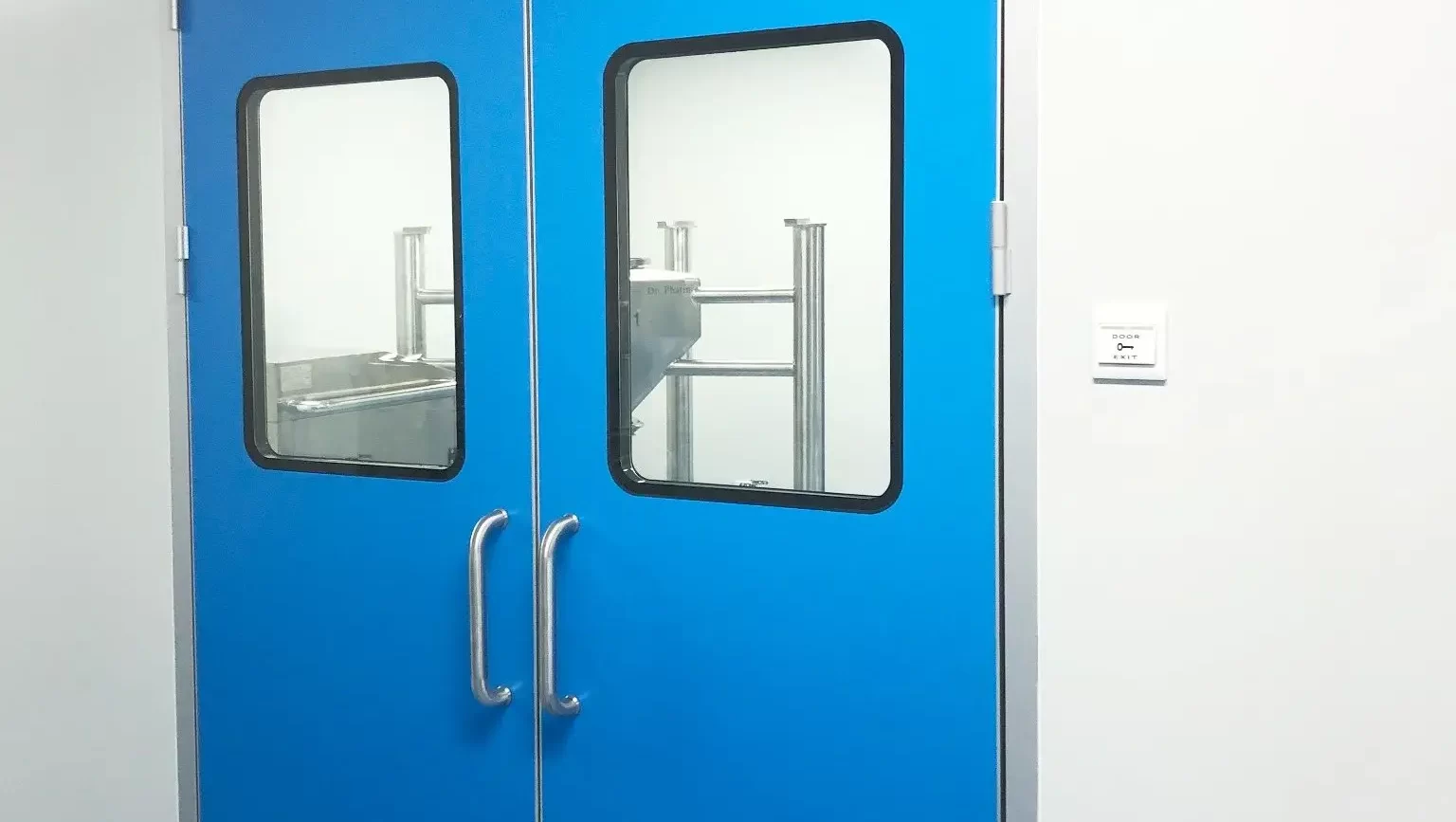
- Flush Surface Design & Arc Profiles: All panel edges, vision panel bezels, and louvers are flush-mounted. The integration of arc design at the door perimeters eliminates 90-degree angles where contaminants typically accumulate.
- Airtight Sealing Mechanisms: Multi-point compression gaskets and drop-seal thresholds ensure hermetic sealing doors maintain positive or negative pressure differentials, even after repeated physical impacts.
- Dust-Proof Hinge Designs & Antibacterial Surfaces: Concealed, dust-proof hinge mechanisms prevent particulate shedding at the pivot points. Door panels are treated with antibacterial surface treatments (such as silver-ion powder coatings) to inhibit microbial growth between cleaning cycles.
- Cleanable Door Thresholds: Flush-mounted, sweep-less thresholds prevent trip hazards while allowing seamless integration with epoxy or vinyl flooring for unimpeded mopping and sterilization.
Understanding ANSI Crash Ratings for Hospital Doors
What Is ANSI A250.4 and Why Does It Matter?
When specifying doors for emergency departments, surgical corridors, or material handling zones, generic terms like "heavy-duty" are insufficient and legally ambiguous. The definitive standard is ANSI A250.4, which outlines the standard level of physical security and impact resistance for steel doors and frames.
A certified ANSI crash rated hospital doors specification means the assembly has undergone a rigorous gurney crash test. In this test, a weighted test dolly (simulating a loaded hospital gurney) is propelled into the door at specific velocities. The door must withstand the impact without compromising its structural integrity, hardware functionality, or frame alignment. This standard provides facility managers with documented, verifiable proof of durability, mitigating liability and ensuring operational continuity.
Crash Rating Levels and What They Mean for Your Facility
ANSI standards define specific performance levels based on the expected traffic and impact severity. Cleanroom impact doors must be matched to the specific operational reality of the zone:
- Level 1 (Severe Duty): Required for emergency room corridors, central sterile supply departments (CSSD), and main hospital arteries where heavy, motorized transport carts and gurneys operate at high speeds.
- Level 2 (Heavy Duty): Ideal for pharmaceutical manufacturing corridors, biotechnology material airlocks, and laboratory containment zones where manual pallet jacks and heavy equipment trolleys are frequent.
- Level 3 (Standard Duty): Suitable for general cleanroom support areas, electronics manufacturing anterooms, and administrative transitions where foot traffic dominates, but occasional cart impacts occur.
Documentation and Compliance Verification
For facilities operating under strict regulatory oversight, cGMP facility door requirements demand more than just a physical product; they require a validated paper trail. When procuring impact-resistant doors, always request the manufacturer's specific ANSI A250.4 test reports. For validation engineers, this documentation is critical for proving that the physical infrastructure supports the facility's ISO 14644 and FDA compliance protocols. A manufacturer unable to provide third-party or rigorously documented in-house test data should be disqualified from the bid.
Cleanroom Impact Doors: Special Considerations for Controlled Environments
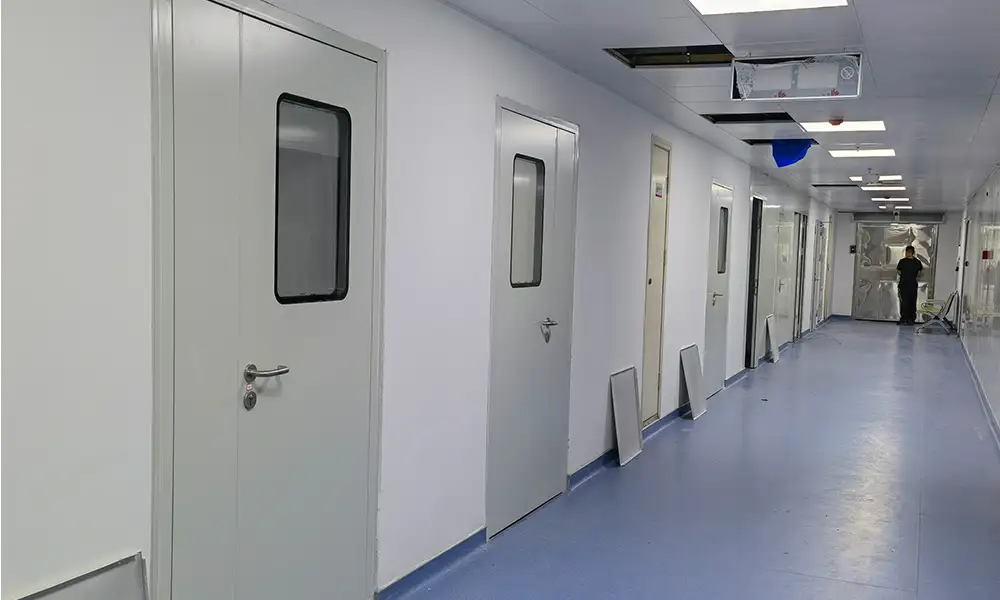
ISO 14644 Compliance and Door Performance
In ISO Class 5 through 8 environments, the door is not an isolated component; it is a critical node in the facility's containment strategy. An impact-resistant door that loses its airtight seal after a minor cart collision will compromise the room's pressure cascade, allowing unfiltered air to ingress.
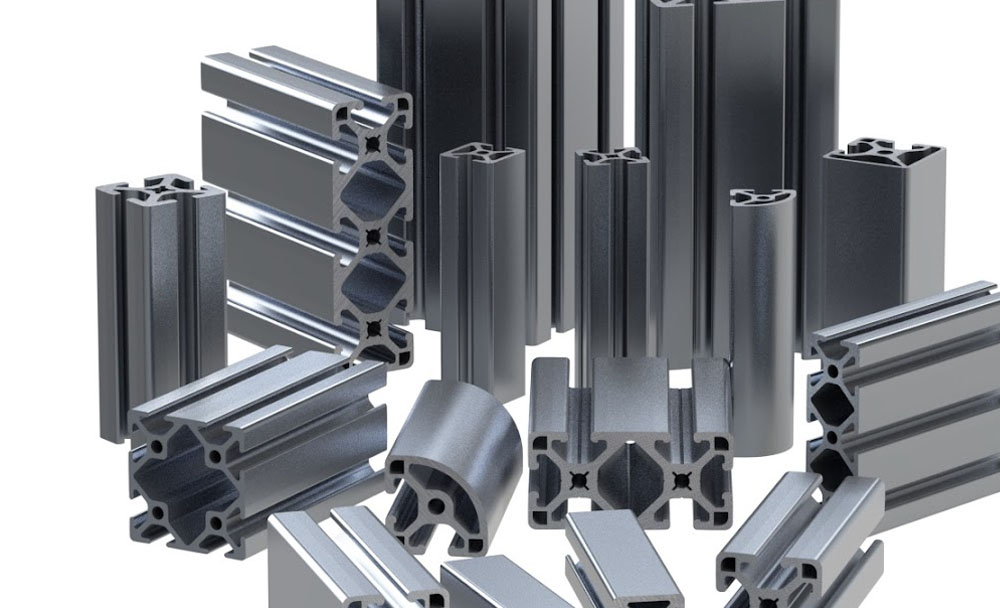
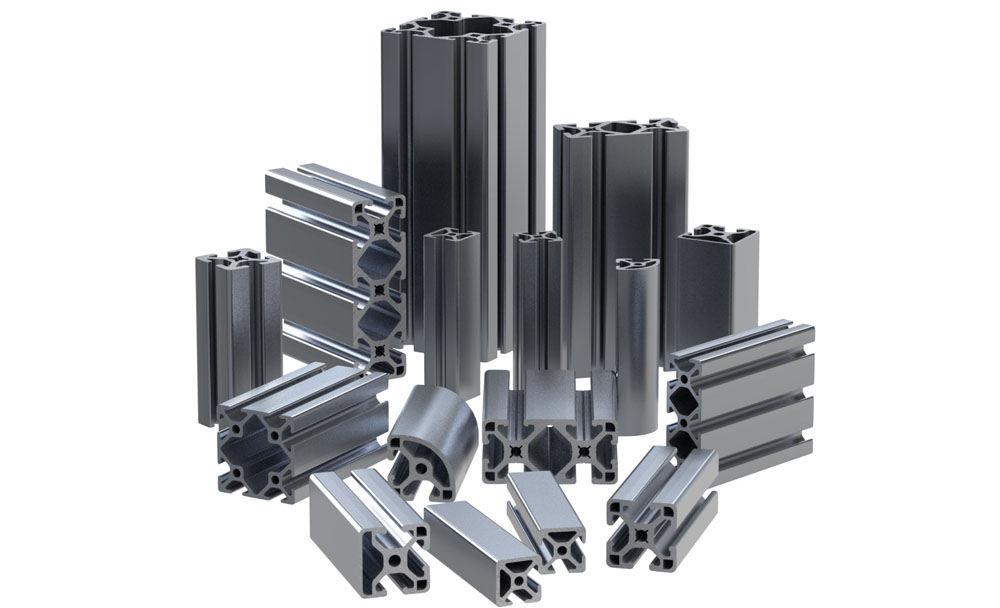
Frame-to-wall integration is paramount. The door frame must be seamlessly integrated with the cleanroom wall and ceiling panels using specialized cleanroom aluminum profiles. This ensures that the structural integrity of the wall system supports the door's weight and impact loads without creating micro-gaps at the junctions.
Material Selection: Stainless Steel vs. Aluminum for Cleanrooms
Selecting the correct door leaf and frame material is critical for both impact resistance and chemical compatibility. Below is a technical comparison of common cleanroom door materials:
| Material Option | Impact Resistance | Chemical/Cleanability | Best Application | Frame Thickness |
|---|---|---|---|---|
| Stainless Steel (304/316) | Excellent | Superior (withstands aggressive VHP, bleach) | Pharma isolators, ORs, high-moisture zones | 50mm-150mm |
| Aluminum (Anodized/Powder) | Very Good (with honeycomb core) | Excellent (resists standard cleanroom agents) | ISO 5-8 cleanrooms, electronics, labs | 50mm-200mm |
| HPL (High-Pressure Laminate) | Good (requires reinforced core) | Good (susceptible to edge delamination) | Hospital patient rooms, low-impact corridors | 40mm-50mm |
| Galvanized / Color Steel | Moderate to Good | Moderate (prone to scratching/corrosion) | Food processing, general industrial cleanrooms | 50mm-100mm |
| Melamine Resin | Low to Moderate | Fair (limited chemical resistance) | Light-duty labs, administrative clean zones | 40mm-50mm |
Note on Sizing: Standard configurations typically range from 900mm to 1500mm in width. Single door configurations (800mm-950mm) are standard for personnel airlocks, while double door configurations (1200mm-1350mm) are specified for equipment pass-throughs and stretcher corridors.
Integration with Cleanroom Wall and Ceiling Systems
Seamless hygienic door systems require precise coordination with the surrounding architecture. During system integration, specialized cleanroom aluminum profiles must be used to bridge the door frame to modular wall panels. For ISO Class 5-8 environments, selecting the correct aluminum profile finish is vital — such as epoxy powder coating for high chemical resistance or anodized aluminum for enhanced surface hardness. Furthermore, vision panels must utilize fog-free window glazing to maintain visibility without compromising the thermal and acoustic performance of the door assembly.
Total Cost of Ownership: Justifying Impact-Resistant Door Investment
The Hidden Costs of Standard Doors
Procurement managers often focus on the initial capital expenditure (CapEx) of door systems, overlooking the operational expenditure (OpEx). In high-traffic hospital corridors, standard doors frequently require repair every 18 to 24 months. The hidden costs include:
- Direct repair costs (replacement panels, hardware, hinges).
- Labor costs for maintenance staff or external contractors.
- Operational downtime (closing a corridor or cleanroom during repairs).
- Compliance risks (failed audits due to compromised door seals).
Calculating ROI on Crash-Rated Doors
When calculating the ROI for hospital renovations or pharmaceutical expansions, evaluate the 10-year lifecycle. An ANSI-certified impact-resistant door may carry a 20-30% higher initial cost compared to a standard commercial door. However, by eliminating dent repairs, reducing hardware replacement frequency, and preventing contamination-related batch rejections in pharma facilities, the TCO is typically 40-50% lower over a decade.
Lifecycle Expectations and Warranty Considerations
A properly specified impact-resistant door should deliver a 15 to 20-year lifecycle in high-traffic zones. When evaluating lead time considerations for pharmaceutical projects, factor in the manufacturing complexity of custom-sized, hermetically sealed units. Partnering with an ISO9001-certified manufacturer with independent R&D and robust quality control systems ensures reliable lead times, preventing project delays that can cost thousands of dollars per day in delayed facility validation.
Specification Guide: How to Select the Right Impact Door System
Key Specification Criteria Checklist
To ensure your specification meets both operational and compliance needs, utilize this technical checklist:
Performance & Configuration:
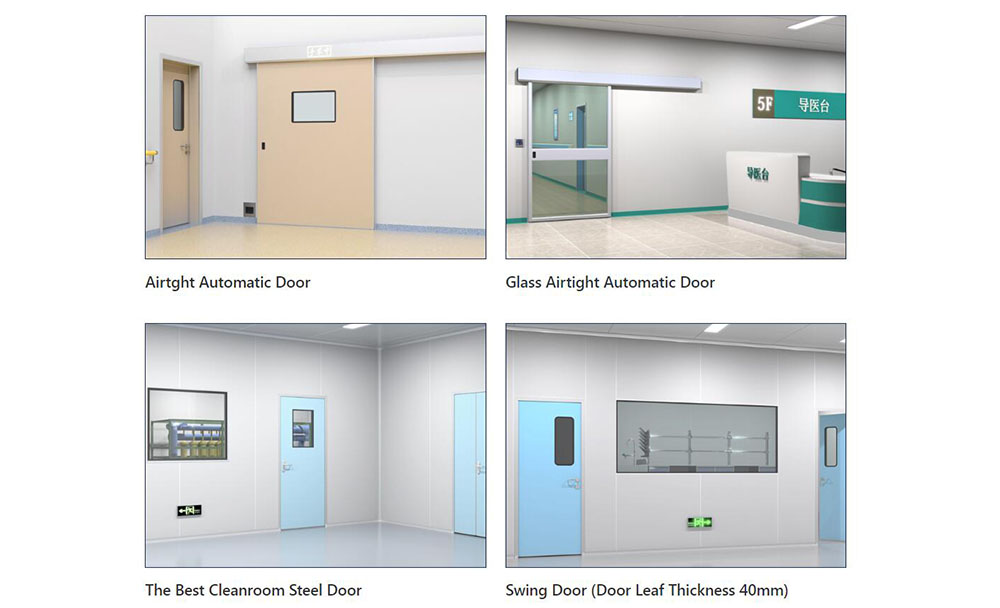
- Operation Type: Sliding vs. swing door selection criteria. (Specify automatic sliding doors for high-traffic material airlocks; specify manual or automatic swing doors for personnel corridors).
- Sizing: Verify standard (900mm-1500mm) vs. custom sizing requirements.
- Airlock Logic: Specify interlocking door configurations for airlocks to prevent simultaneous opening and pressure loss.
Hygiene & Compliance:
- Surface: Flush mounting systems with radiused arc designs.
- Sealing: Multi-point airtight sealing mechanisms and cleanable thresholds.
- Glazing: Fog-free window glazing with flush bezels.
Integration:
- HVAC Coordination: Ensure door automation and sealing integrate seamlessly with HVAC systems and pressure cascade controls.
- Hardware: Verify hardware compatibility with sterile protocols (e.g., knee pads, motion sensors, touchless actuators).
Questions to Ask Your Door Manufacturer
- "Can you provide verifiable ANSI A250.4 or equivalent crash test reports for this specific model and size?"
- "Do you manufacture the cleanroom aluminum profiles and door leaves in-house, ensuring seamless integration?"
- "What is your R&D capability for custom sizing and specialized cleanroom applications?"
- "Are your surface treatments (powder coating/anodizing) tested for compatibility with VHP and aggressive cleanroom disinfectants?"
Common Specification Mistakes to Avoid
- Ignoring Frame Thickness: Specifying a 40mm frame for a heavy, double-leaf impact door. Always match 50mm-200mm frame thickness applications to the door weight and traffic impact level.
- Overlooking HVAC Integration: Failing to coordinate the door's airtight sealing with the room's air change rates, leading to pressure imbalances.
- Mismatched Materials: Specifying melamine or basic color steel plates in environments that require frequent VHP decontamination, leading to rapid surface degradation.
Frequently Asked Questions
What is a crash-rated door?
A crash-rated door is engineered and tested to withstand repeated, high-velocity impacts from wheeled equipment (like gurneys) without structural deformation. Unlike "heavy-duty" doors, crash-rated doors comply with specific standards (like ANSI A250.4) and provide documented proof of their impact absorption capabilities.
What ANSI standard applies to hospital door impact resistance?
ANSI A250.4 is the primary standard for evaluating the physical security and impact resistance of steel doors and frames in healthcare settings, defining the test methodologies for gurney crash tests.
Do pharmaceutical facilities require impact-resistant doors for cGMP compliance?
While cGMP does not explicitly name "impact-resistant," it mandates the prevention of contamination and maintenance of controlled environments. Damaged doors generate particles and compromise pressure differentials, making impact-resistant, hygienically designed doors a practical necessity for compliance.
How do impact-resistant doors withstand gurney impacts?
They utilize specialized internal structures, such as aluminum honeycomb or high-density composite cores, combined with reinforced frames. This design distributes kinetic energy across the entire door leaf, preventing localized dents and frame warping.
Are stainless steel doors better than aluminum for cleanrooms?
It depends on the application. Stainless steel (304/316) is superior for high-moisture or aggressive chemical environments (like surgical suites). Aluminum, when paired with a honeycomb core and proper powder coating, offers excellent impact resistance, lighter weight, and cost-efficiency for ISO Class 5-8 cleanrooms and electronics manufacturing.
How do you clean impact-resistant doors?
Their flush surface design and radiused arc profiles eliminate dirt traps. They can be cleaned using facility-approved disinfectants. The antibacterial surface treatments and fog-free glazing further reduce maintenance frequency and prevent surface degradation.
Can impact-resistant doors be retrofitted into existing facilities?
Yes. Manufacturers can provide custom sizing (within the 900mm-1500mm standard range or beyond) and specialized frame profiles to integrate seamlessly with existing cleanroom wall and ceiling systems during renovations.
Conclusion
Specifying impact-resistant doors for hospitals, laboratories, and cleanrooms requires balancing rigorous physical durability with uncompromising hygienic design. By understanding crash rating standards, selecting the appropriate materials, and integrating these systems seamlessly with your facility's HVAC and wall architectures, you can drastically reduce long-term maintenance costs and ensure continuous regulatory compliance.
Ready to specify the right door system for your next project?
We invite facility managers, engineering directors, and EPC contractors to share their project specifications — including cleanroom classification, required door dimensions, material preferences, and facility layouts. Contact the E-ZONG technical team today for a free consultation, custom sizing evaluation, and material selection guidance tailored to your specific operational requirements.
-
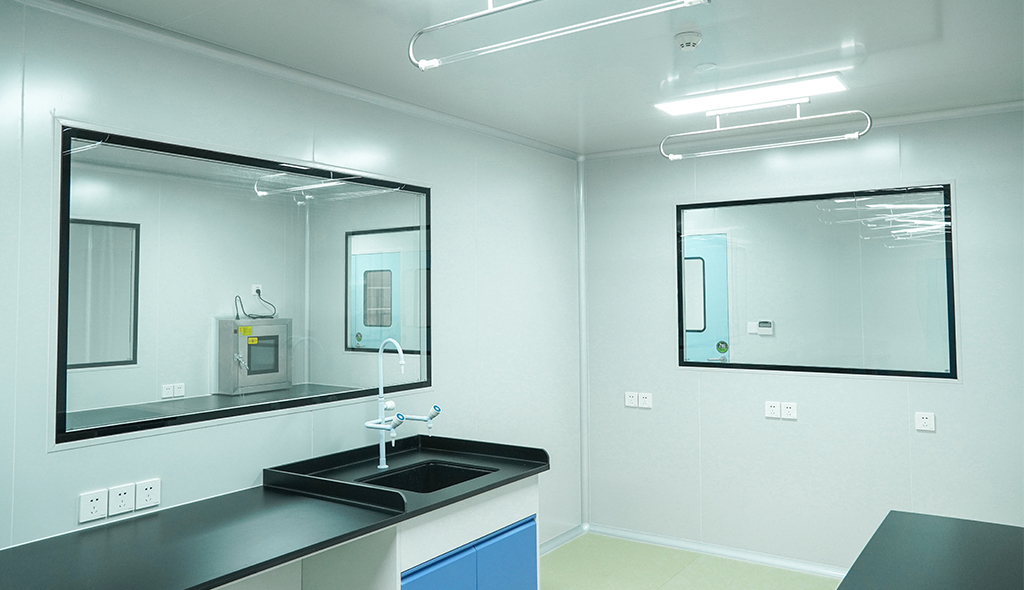 Cleanroom Glass Windows Are The Key to Maintaining a Clean Environment
 -
 Top Aluminium Profile Manufacturers in China: Leading the Global Market
 -
 The Evolution of Air Tight Sliding Doors
 -
 AHU Aluminium Profile: A Comprehensive Guide
 -
 The Importance of Choosing the Right Cleanroom Door in Vietnam
 -
 The Benefits of Hospital Automatic Doors: Enhancing Efficiency and Safety
 -
.jpg) The Best Bathroom Door Manufacturers - Unlocking Endless Possibilities!
The Best Bathroom Door Manufacturers - Unlocking Endless Possibilities! -
 Unlock the Possibilities with AJ Manufacturing Doors
 -
 Make a Statement with Manufactured Home Interior Doors!
 -
 what is aluminum profile? Aluminum Profiles for Your Home is the best option
-
 Hospital Emergency Exit Doors: 90 Minute Fire Rating Meets Infection Control
 -
 ICU and Isolation Door Requirements Hospitals Often Overlook
 -
 Laboratory Door Requirements for BSL-2 and BSL-3 Containment
 -
 Retrofitting Hospital Sliding Doors: Upgrade Wards Without a Rebuild
 -
 Why Airtight Hospital Sliding Doors Are Critical for Infection Control
 -
 Automatic cleanroom door systems: sensor, actuator and access control integration
 -
 Cleanroom Door Materials: Stainless Steel vs HPL vs FRP vs Aluminum Comparison
 -
 X-Ray Room Door Buying Guide: Lead Thickness & Compliance
 -
 Operating Room Doors: Hermetic & Infection-Control Guide
 -
 Hospital ICU Door Selection: Sealing, Sterility & Workflow




-

Home
-

Tel
-

Email
-

Contact


Guangzhou Yizhong Aluminum Industry Co., Ltd.
We are always providing our customers with reliable products and considerate services.
We are always providing our customers with reliable products and considerate services.
Speak Your Mind