
Cleanroom Exhaust Vent: Aluminum vs Stainless Steel Guide
In modern industrial construction, biological pharmaceutical facilities, and medical cleanrooms, the reliability of environmental control systems directly impacts product quality, experimental data accuracy, and biosafety levels. Within the entire Heating, Ventilation, and Air Conditioning (HVAC) system, the exhaust vent is not merely a physical channel for air expulsion; it is a critical barrier for maintaining indoor pressure gradients, preventing cross-contamination, and controlling particle concentration. The frame material supporting the exhaust vent is often overlooked by non-specialists, yet it profoundly affects the system's airtightness, cleanliness maintenance capabilities, energy efficiency, and long-term operational costs.
In engineering practice and supply chain selection, aluminum alloy profiles and stainless steel have always been the two mainstream material solutions for cleanroom exhaust vent frames. Traditional concepts often lean towards stainless steel for its "sturdiness and durability" and "premium texture." However, with advancements in material science, the maturity of extrusion processes, and the evolution of cleanroom standards, high-performance aluminum profiles are demonstrating unique advantages in an increasing number of scenarios, even surpassing stainless steel in certain metrics. This article will deeply analyze the differences between aluminum and stainless steel in cleanroom hvac vents applications from multiple dimensions, including engineering technical baselines, material science characteristics, manufacturing and installation performance, Total Cost of Ownership (TCO), system integration compatibility, and compliance standards. Our goal is to provide objective, professional, and data-supported technical basis for project decision-makers, HVAC engineers, cleanroom designers, and procurement personnel.
Technical Baselines and Performance Requirements for Cleanroom Exhaust Vent Frames
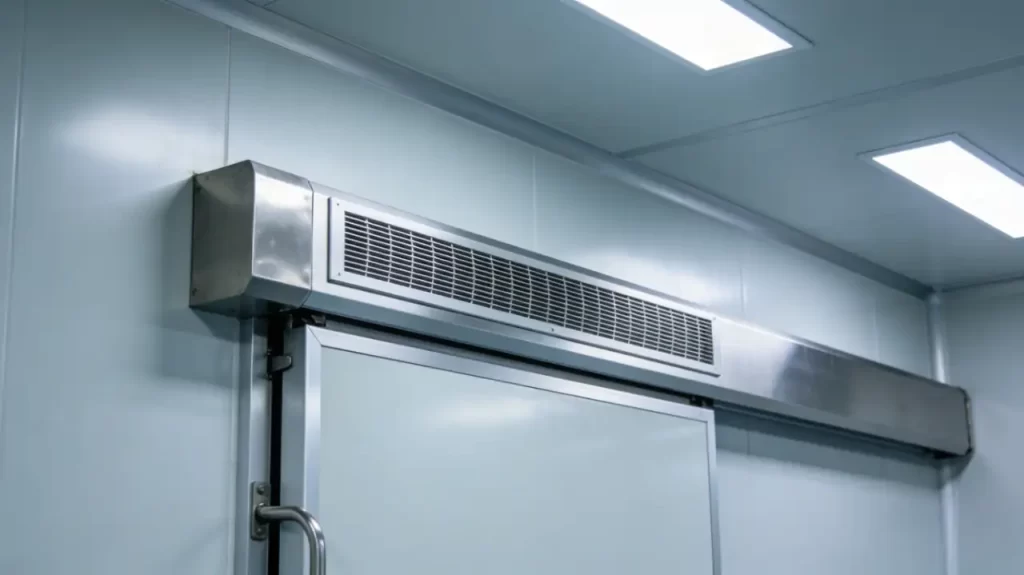
To scientifically evaluate material pros and cons, one must first clarify the technical challenges and performance baselines faced by cleanroom exhaust vent frames. Unlike ordinary commercial building ventilation, cleanroom environments have extremely stringent requirements for the air vent, typically defined by the ISO 14644 series standards, GMP (Good Manufacturing Practice), and specific industry process requirements.
Airflow and Airtightness Requirements
The core of a cleanroom lies in controlling particulate contamination, which relies on reasonable and stable airflow organization. The exhaust vent frame must be capable of withstanding continuous stress under indoor positive or negative pressure environments to ensure the structure does not undergo plastic deformation. According to ISO 14644-4 standards, the air leakage rate of the cleanroom enclosure must be controlled at an extremely low level, typically requiring a leakage rate of ≤1% under working pressure differences. The airtightness at the connection points between the frame, wall, and air duct is crucial. If the frame rigidity is insufficient, minor deformation under pressure differences can cause sealing strips to fail, leading to leakage and disrupting the pressure gradient.
Furthermore, the frame structure design must eliminate internal dead corners to prevent dust accumulation and microbial growth. This requires the material surface to be smooth and the connection process to be precise. In the design of hvac vents, there should be no uncleanable cavities inside the frame to avoid becoming a secondary source of contamination. For high cleanliness levels (such as ISO Class 5 and above), the frame may even require special polishing treatments to reduce airflow resistance and prevent particle adhesion.
Surface Characteristics and Chemical Resistance
Cleanrooms require regular and strict disinfection treatments. Common disinfectants include 75% alcohol, Vaporized Hydrogen Peroxide (VHP), chlorine-containing disinfectants, quaternary ammonium salts, etc. The surface of the hvac vents frame must withstand frequent wiping by these chemicals without corroding, fading, powdering, or peeling. Surface roughness (Ra value) is another key indicator, typically requiring Ra ≤ 0.8μm to reduce the possibility of particle adhesion. Any microscopic pits on the surface can become a hiding place for bacteria, compromising the clean environment.
In the pharmaceutical industry, frame materials must also comply with relevant FDA or EMA guidelines to ensure the material itself is non-toxic and free of leachables. This means surface treatment coatings must have extremely high chemical stability and cannot release harmful substances after contact with disinfectants.
Thermal Performance and Condensation Control
In many cleanroom applications, the supply air temperature is far below the indoor dew point temperature, especially in summer or high-humidity regions. If the thermal conductivity of the exhaust vent frame is too high and no insulation treatment is applied, the frame surface is prone to condensation. Condensation not only damages ceiling structures and causes gypsum boards to mold but also serves as a breeding ground for mold, seriously threatening cleanliness. Therefore, the thermal performance of the material and its thermal break insulation capability are important considerations during selection.
The thermal bridge effect not only leads to condensation but also increases energy consumption. Today, with increasingly strict energy conservation requirements, the heat transfer coefficient (U-value) of the frame has become an important indicator for evaluating its performance. An excellent frame design should significantly reduce heat conduction and maintain indoor temperature stability.
Structural Integrity and Load Bearing
Exhaust vent frames often need to support dampers, High-Efficiency Particulate Air (HEPA) filter boxes, diffuser blades, and temporary loads from maintenance personnel. Especially in large terminal air conditioning unit systems, where air outlet sizes are large, higher requirements are placed on the structural strength of the frame. Materials must ensure sufficient yield strength and bending resistance while remaining lightweight.
For a ceiling vent, the frame needs to bear its own weight and the vibration of the ceiling system; for a floor vent, the frame must withstand loads from personnel stepping and equipment movement. The requirements for material strength vary drastically depending on the installation location, and specific analysis is needed during selection.
Material Science Comparison: Aluminum Alloy vs. Stainless Steel
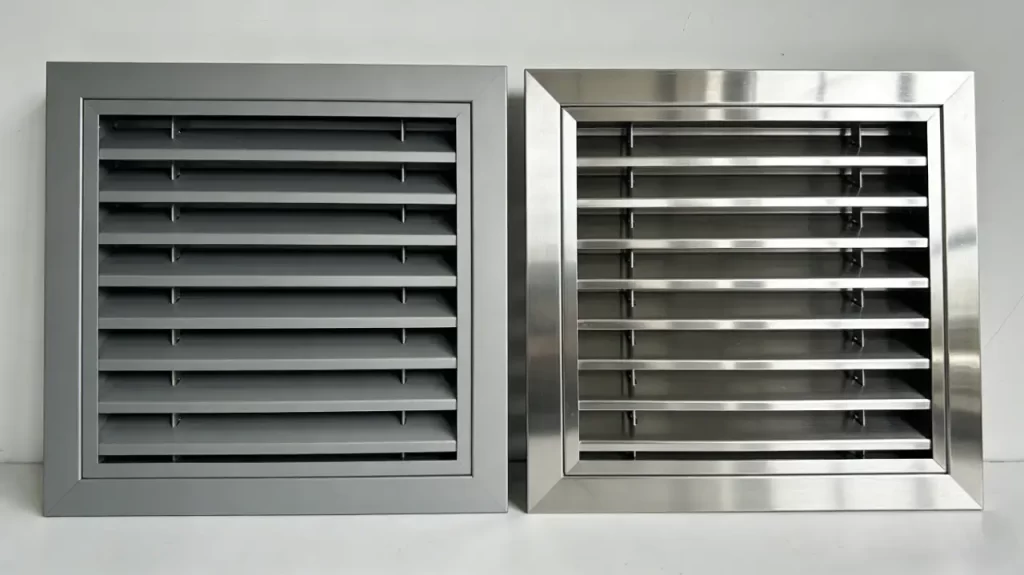
From the microscopic structure to macroscopic properties of material science, there are essential differences between aluminum alloys and stainless steel. Understanding these differences helps engineers make the optimal choice in specific scenarios.
Grades and Physical Properties
In cleanroom applications, aluminum alloys typically use 6063-T5 or 6061-T6 grades. The 6063 alloy has excellent extrusion performance, suitable for manufacturing profiles with complex cross-sections. Its density is approximately 2.7g/cm³, tensile strength is about 160-200 MPa, and yield strength is about 110-180 MPa. Stainless steel typically uses 304 or 316L grades. 316L contains molybdenum, offering better corrosion resistance. Its density is approximately 7.9g/cm³, nearly three times that of aluminum, with tensile strength reaching over 500 MPa and yield strength about 200-300 MPa.
Density differences directly impact transportation and installation costs. For high-altitude ceiling installations, aluminum profiles offer significant advantages due to their lightweight nature, reducing the load-bearing capacity requirements of the main steel structure and minimizing the need for lifting equipment. However, the high strength of stainless steel provides a higher safety factor under extreme loads, making it suitable for locations requiring the withstand of significant mechanical impacts.
Corrosion Resistance Mechanism Analysis
The corrosion resistance of aluminum alloys mainly relies on the surface oxide film. Naturally formed oxide films are thin, so in cleanroom applications, anodizing or powder coating treatment is usually required. Anodized films have high hardness and good insulation, effectively resisting conventional chemical reagents. However, in strong alkaline environments, the aluminum oxide film may dissolve, leading to substrate corrosion.
The corrosion resistance of stainless steel relies on the chromium oxide layer (passivation film) on the surface. 316L stainless steel performs excellently in environments containing chloride ions and has strong pitting corrosion resistance. However, the corrosion resistance of stainless steel is not invincible. During the welding process, high temperatures can destroy the passivation film in the area near the weld. If strict pickling and passivation treatment is not performed, the weld area can easily become the starting point of corrosion, known as intergranular corrosion. Additionally, if iron filings adhere to the stainless steel surface, rust spots may also occur.
Post-Processing Performance Comparison
After surface treatment, aluminum profiles have better color uniformity than stainless steel. Anodized aluminum can present various colors such as silver-white, bronze, and black, with surface hardness reaching HV 300 or above, offering excellent scratch resistance. Powder coating provides richer color choices, controllable coating thickness, and stronger anti-corrosion capabilities.
Stainless steel usually adopts brushed or mirror finishes. Although physical strength is high, the surface is prone to leaving fingerprints and scratches, which are difficult to repair. In cleanroom visual inspections, the consistency of aluminum profile surfaces is easier to maintain aesthetically. For hvac grilles, surface visual uniformity is also one of the acceptance standards.
Engineering Manufacturing and Installation Performance Analysis
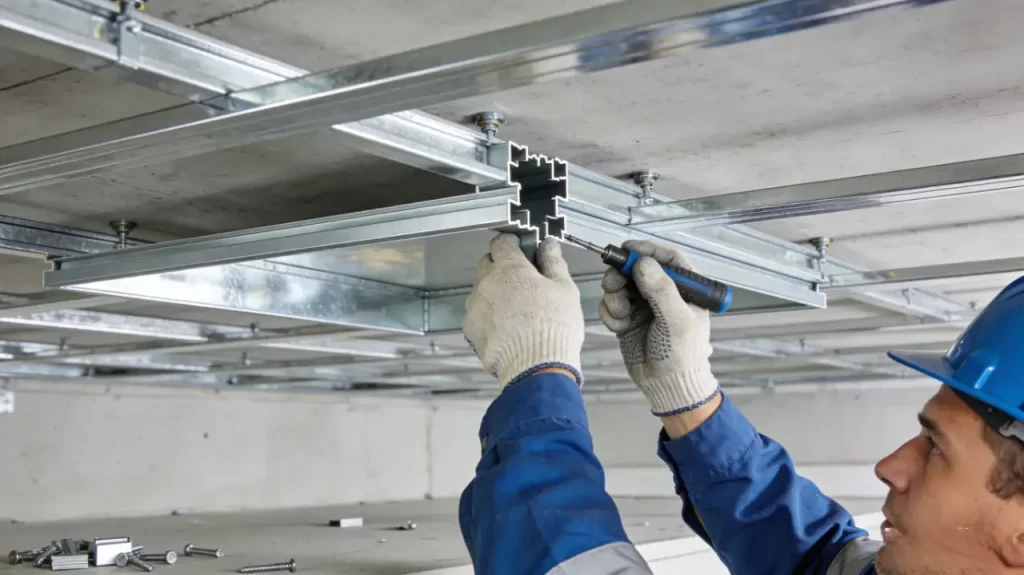
Material selection not only concerns performance but also directly affects manufacturing precision, construction efficiency, and the final airtightness effect. This is the most critical consideration factor during the engineering implementation phase.
Fabrication Precision and Profile Design
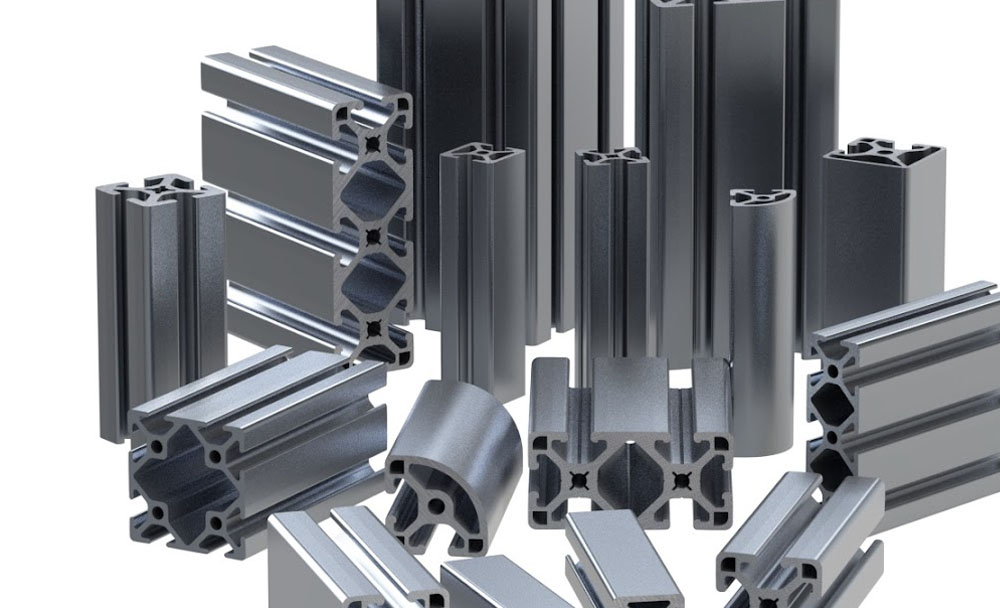
The core advantage of aluminum profiles lies in the extrusion process. Through mold design, complex cross-sections with integrated sealing strip slots, card slots, reinforcing ribs, and drainage channels can be extruded in one go. This native integrated design avoids secondary welding, with dimensional tolerances controllable at the ±0.1mm level. For example, when designing linear diffuser framing detail, aluminum profiles can directly extrude card slots for fixing blades, ensuring blade installation flatness and reducing airflow noise.
In contrast, stainless steel frames usually need to be formed through sheet metal bending and welding. The welding process inevitably produces thermal deformation, leading to frame dimensional deviations. Even if grinding and correction are performed later, the weld area is difficult to achieve perfect flatness. Microscopic weld pits not only increase cleaning difficulty but may also become sources of airflow turbulence, generating noise. For products like linear diffuser which require extremely high straightness, the dimensional stability of aluminum profiles is far superior to stainless steel.
Connection and Sealing
Aluminum profile frames are mostly connected mechanically using angle steel and bolts, and fitted with EPDM or silicone sealing strips. This connection method allows for a certain degree of thermal expansion and contraction, facilitating disassembly and maintenance. The continuous application of the sealing strips ensures consistent airtightness throughout the frame. When installing ventilation dampers, precise pivot hole positions can be pre-drilled in the aluminum profile frame to ensure flexible movement and a tight seal.
Stainless steel frames mostly use welding or glue sealing. Welded connections, although high in strength, are rigid connections that cannot absorb structural deformation stress. After long-term operation, cracks are prone to occur at the connection points. Glue sealing relies on the manual operation of construction personnel, resulting in inconsistent glue line quality. Furthermore, sealant ages and cracks over time, leading to high long-term airtightness maintenance costs. In the installation of hvac grilles, the modular connection advantage of aluminum profiles is particularly obvious, significantly shortening on-site construction time.
Thermal Bridging and Condensation Risk
The thermal conductivity of aluminum is about 237 W/m·K, far higher than stainless steel's 16 W/m·K. This means ordinary aluminum profiles are more prone to transferring heat, forming thermal bridges. In low-temperature air supply environments, if thermal break measures are not taken, the risk of condensation on the aluminum frame surface is relatively high.
However, modern aluminum profile processing technology has maturely applied thermal break insulation processes. By embedding polyamide insulation strips between inner and outer aluminum profiles, heat conduction can be effectively blocked, making the frame surface temperature close to room temperature and thoroughly solving the condensation problem. Although stainless steel has a relatively lower thermal conductivity, if not wrapped with insulation, there is still a risk of condensation. Moreover, stainless steel is difficult to integrate thermal break structures as conveniently as aluminum profiles. For a ceiling diffuser, preventing condensation dripping is a basic requirement, and thermal break aluminum profiles have significant technical advantages in this regard.
Galvanic Corrosion Risk
In cleanroom enclosure structures, frames are often in contact with color steel wall panels and galvanized air ducts. Aluminum, steel, and zinc belong to different potential metals. If directly contacted in a humid environment, galvanic corrosion may occur. Therefore, insulation pads need to be used for isolation during aluminum profile installation. Stainless steel has slightly better compatibility in this aspect but still needs to guard against corrosion caused by contact with carbon steel. This detail must be strictly implemented in construction specifications, regardless of the material chosen.
System Integration: Coordination of Doors, Walls, and Vents
A cleanroom is an overall system. The exhaust vent frame does not exist in isolation; it is closely connected with cleanroom doors, wall panels, and air conditioning systems. Material selection needs to consider system integration compatibility to avoid sealing failures or aesthetic issues caused by material mismatches.
Integration with Cleanroom Doors
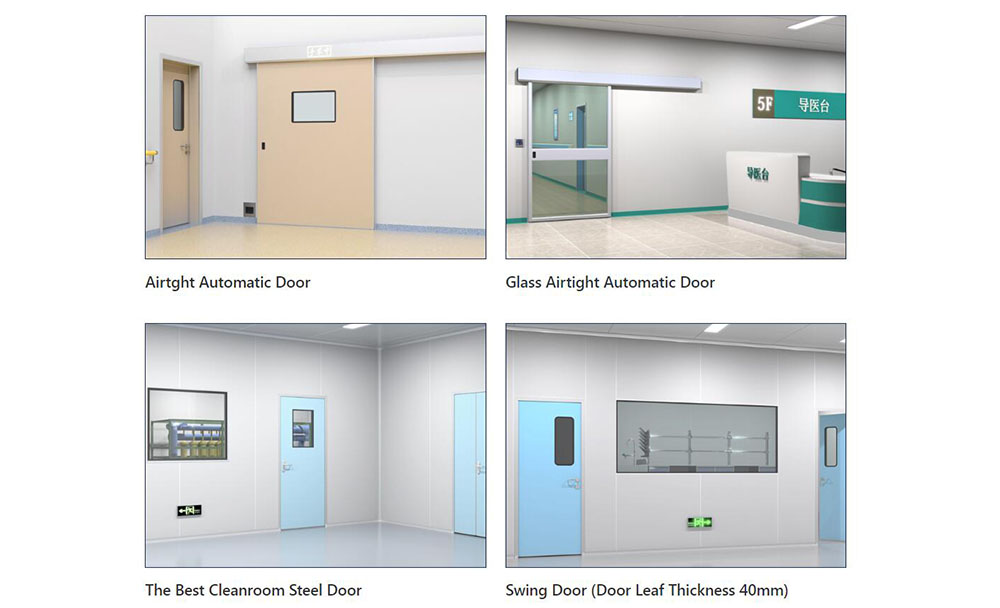
Cleanroom doors are channels for personnel and material entry and exit, and also key nodes for pressure difference control. In modern cleanroom design, the application of automatic door and automatic sliding door is becoming increasingly popular. These door bodies usually adopt aluminum profile frames to ensure lightweight and smooth operation. If the exhaust vent frame uses stainless steel while the door frame uses aluminum, there will not only be a color difference visually but cracks may also occur at the connection points due to different thermal expansion coefficients.
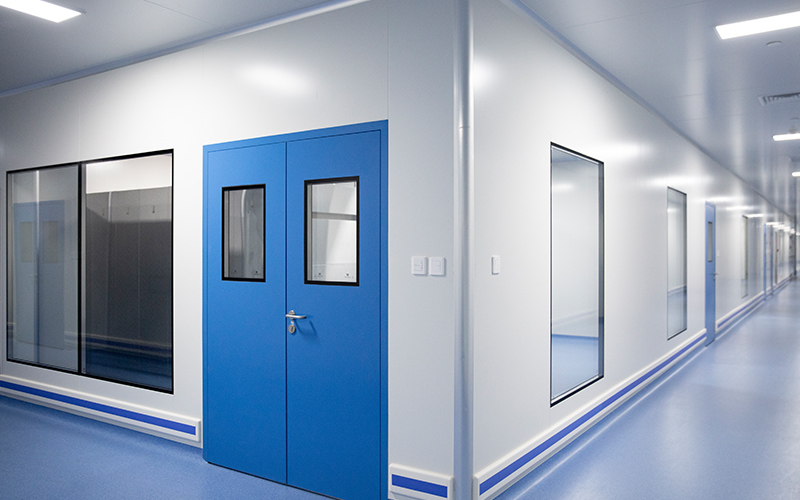
Using aluminum profile frames uniformly can achieve an integrated design of doors, walls, and air vents. For example, the border profiles of a door with frame can be seamlessly spliced with wall aluminum profiles, and the exhaust vent frame can also adopt the same series of profiles, ensuring the continuity of the overall sealing strip system. This systematic design can significantly reduce leakage points and improve the overall airtightness of the cleanroom.
During sliding door installation, the track system is usually embedded in the ceiling or floor. If the surrounding air vent frame is also aluminum profile, support structures can be shared, simplifying construction. Additionally, a fire rated door is essential in cleanroom corridors. Fire door frames are usually steel. If the surrounding air vent frame is also steel, welding operations may damage the fire-resistant coating. Aluminum profile frames use mechanical connections, avoiding the potential impact of on-site welding on fire protection structures.
Dimensional Standardization
In architectural design, standard door size and door dimensions usually follow modular principles. The position of air vents often needs to avoid door frames, lights, and process equipment. The customized extrusion capability of aluminum profiles makes it better adapted to non-standard spaces. For example, when sliding door installation occupies part of the ceiling space, the aluminum air vent frame can flexibly adjust cross-section dimensions to avoid obstacles, whereas stainless steel frames have poor adjustment flexibility due to processing limitations.
For standard door frame dimensions, aluminum profile systems usually have matching adjustment pieces to adapt to civil engineering errors. Changes in typical door width and typical door height require surrounding air vent frames to have corresponding adaptability. The modular characteristics of aluminum profiles make it easy to cope with space changes brought about by door swings, ensuring airflow organization is not interfered with by the door opening status.
Matching with HVAC Terminals
The supply and return air outlets of a terminal air conditioning unit need to maintain airflow balance. The installation precision of an air diffuser and hvac diffuser directly affects airflow distribution. Aluminum profile frames can integrate installation interfaces for adjustment valves, facilitating cooperation with a vent damper. For the coordinated design of a ceiling vent and floor vent, the lightweight characteristic of aluminum profiles is more suitable for the load-bearing limitations of floor air supply systems.
In hvac vents systems, noise control for ac vents is crucial. Aluminum profile frames can reduce noise propagation by designing reinforcing ribs to change resonance frequencies. The matching precision between the vent air cover and the frame also directly affects the final airflow noise level.
Total Cost of Ownership (TCO) Analysis
Decision-makers often focus on initial investment, but Total Cost of Ownership is the key indicator for evaluating material economics. This includes procurement, installation, maintenance, energy consumption, and recycling residual value.
Initial Material Cost
Affected by international market fluctuations, the price of stainless steel raw materials is usually 3-5 times that of aluminum profiles. For large cleanroom projects with numerous air vents, the material price difference is extremely significant. Taking a medium-sized pharmaceutical workshop as an example, if all air vent frames use stainless steel, the material cost alone could be hundreds of thousands of yuan higher than aluminum profiles.
Fabrication Cost
Stainless steel has high hardness, requiring high energy consumption for cutting, drilling, and welding, with fast tool wear and processing man-hours far exceeding aluminum profiles. Aluminum profile mold production has high batch manufacturing efficiency, and scrap has high recycling value. In the manufacturing of complex components like linear diffuser, the cost advantage of aluminum profiles can be as high as 50%. Additionally, the cost of aluminum profile surface treatment (such as anodizing) is also lower than stainless steel polishing and passivation treatment.
Installation and Maintenance
Aluminum is lightweight, reducing high-altitude operation difficulty and lifting costs. Installation speed is usually 2-3 times faster than stainless steel. In terms of maintenance, stainless steel requires special cleaners to prevent surface rust spots, while aluminum profiles can be cleaned routinely. In the long run, the maintenance labor cost of aluminum profiles is lower. For ceiling vents, lightweight means lower risk for maintenance personnel stepping and smaller load on ceiling keels.
Recycling Value
During project demolition or renovation, aluminum profiles have an extremely high recycling rate and residual value, making them suitable for asset recovery. Stainless steel recycling processes are relatively complex and susceptible to impurities. From a sustainability perspective, aluminum profiles have a more favorable carbon footprint in terms of recycling.
Energy Cost
If thermal break aluminum profiles are used, their excellent insulation performance can reduce the cooling and heating load of the HVAC system, thereby reducing operating energy consumption. Although stainless steel has a low thermal conductivity coefficient, it is difficult to achieve an effective thermal break structure, and long-term energy costs may be higher.
Selection Decision Matrix
Based on the above analysis, we propose the following selection decision suggestions to help engineering parties make the optimal choice in different scenarios.
Scenarios Recommended for Aluminum Profiles
- Electronic Semiconductor Cleanrooms: The environment is relatively dry with no strong corrosive media. Requirements for particle control are high, and the easy-to-clean advantage of aluminum profiles is obvious.
- General Pharmaceutical Preparation Workshops: Complies with GMP standards. Routine disinfection is sufficient, and aluminum profiles fully meet compliance requirements.
- Hospital Operating Rooms and ICU Wards: Focus on lightweight and aesthetics, often coordinated with automatic door systems. Aluminum has high integration.
- Budget-Sensitive and Tight Schedule Projects: Aluminum profiles install quickly and cost less, effectively shortening the construction cycle.
- Air Conditioning Unit Frames and Most Supply/Return Vents: Lightweight is needed to reduce vibration and noise. Aluminum profiles are the first choice.
- Scenarios Requiring Complex Cross-Section Designs: Such as cases where linear diffuser framing detail requirements are extremely high.
Scenarios Recommended for Stainless Steel
- Biosafety Laboratories (BSL-3/4): Require high-frequency high-temperature sterilization with extremely harsh environments.
- High Humidity, High Salt Spray, or Strong Acid/Alkali Corrosive Environments: Such as certain chemical cleanroom areas or slaughterhouse processing high-humidity washing areas.
- Areas with Extremely Special Fire Rating Requirements: Although aluminum can meet standards, steel has a psychological advantage under certain specific regulations.
- Heavy industrial exhaust gas: from locations that need to withstand enormous mechanical impact.
- roll up door Surrounding Areas: If heavy industrial doors are used surrounding, stainless steel can be considered to maintain style unity and strength matching.
Hybrid Use Strategy
In some high-end projects, a hybrid strategy can be adopted: use aluminum profiles for the external frame to reduce weight and cost, and use stainless steel liners for the internal airflow contact surface. This scheme balances cost and performance, but attention must be paid to insulation treatment at the connection points of the two metals. For special structures like shutter doors, designs with aluminum frames and stainless steel blades can also be used.
Conclusion
In modern cleanroom engineering, material selection is shifting from traditional "heavy material" to "heavy structure design." With the progress of surface treatment technologies (such as powder coating, electrophoresis, thermal break insulation), aluminum profiles can replace stainless steel in the vast majority of conventional cleanroom scenarios. They demonstrate significant advantages in processing precision, airtightness control, installation efficiency, and cost-effectiveness.
Stainless steel still retains its irreplaceability in extreme corrosion and high-temperature sterilization environments but should not become the default option. Engineering selection should be based on specific environmental parameters (humidity, chemical media, temperature, pressure difference) rather than traditional inertia. For most hvac vents, air diffuser, and cleanroom enclosure systems, high-performance aluminum profiles are a rational choice for achieving the optimal balance of performance and cost. In the future, with the improvement of green building and energy conservation standards, lightweight, recyclable, and easy-to-process aluminum profiles will occupy a more dominant position in the cleanroom construction field.
-
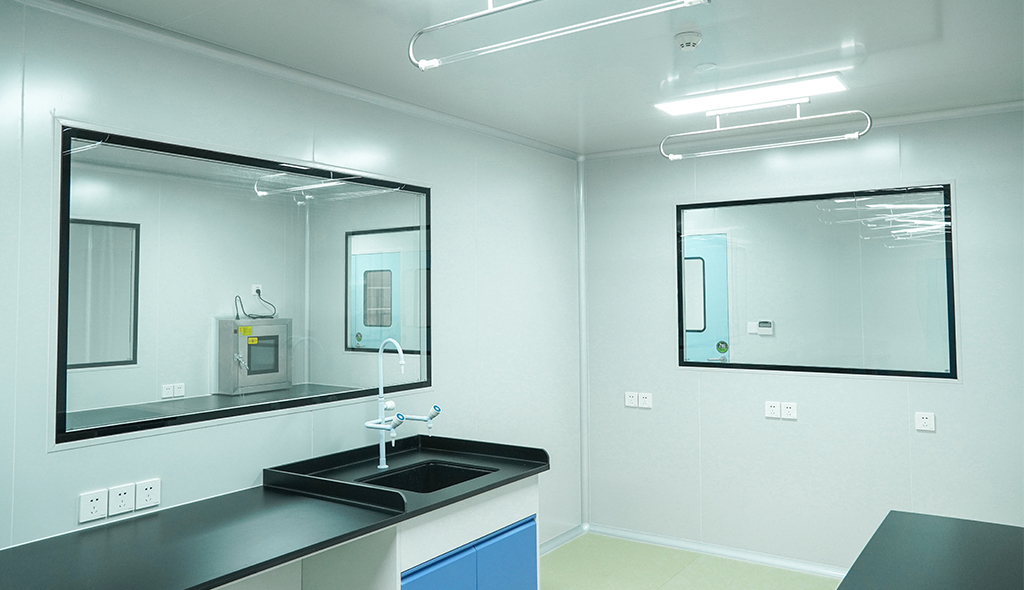 Cleanroom Glass Windows Are The Key to Maintaining a Clean Environment
 -
 Top Aluminium Profile Manufacturers in China: Leading the Global Market
 -
 The Evolution of Air Tight Sliding Doors
 -
 AHU Aluminium Profile: A Comprehensive Guide
 -
 The Importance of Choosing the Right Cleanroom Door in Vietnam
 -
 The Benefits of Hospital Automatic Doors: Enhancing Efficiency and Safety
 -
.jpg) The Best Bathroom Door Manufacturers - Unlocking Endless Possibilities!
The Best Bathroom Door Manufacturers - Unlocking Endless Possibilities! -
 Unlock the Possibilities with AJ Manufacturing Doors
 -
 Make a Statement with Manufactured Home Interior Doors!
 -
 what is aluminum profile? Aluminum Profiles for Your Home is the best option
-
 5 Hermetic Door Mistakes That Break the Seal
 -
 Hospital Room Door Size by Room Type: Width and Clearance
 -
 Retrofit Manual Doors with Electronic Glass Operators
 -
 Hospital Emergency Exit Doors: 90 Minute Fire Rating Meets Infection Control
 -
 ICU and Isolation Door Requirements Hospitals Often Overlook
 -
 Laboratory Door Requirements for BSL-2 and BSL-3 Containment
 -
 Retrofitting Hospital Sliding Doors: Upgrade Wards Without a Rebuild
 -
 Why Airtight Hospital Sliding Doors Are Critical for Infection Control
 -
 Automatic cleanroom door systems: sensor, actuator and access control integration
 -
 Cleanroom Door Materials: Stainless Steel vs HPL vs FRP vs Aluminum Comparison



-

Home
-

Tel
-

Email
-

Contact


Guangzhou Yizhong Aluminum Industry Co., Ltd.
We are always providing our customers with reliable products and considerate services.
We are always providing our customers with reliable products and considerate services.
Speak Your Mind