
Clean Room Airlock Not Holding Pressure? 6 Causes and Fixes
The cleanroom passed particle counts on Monday. By Thursday the airlock between the gowning area and the ISO Class 7 suite was reading zero differential pressure, and the cascade alarm had been silenced so production would not stop. Nobody changed the HVAC setpoint. Nobody opened a wall. The failure came from a place the weekly checklist never looked: the airlock envelope itself.
If your clean room airlock stops holding pressure, the cost is rarely just the alarm. It is the lost shift, the failed media fill, the auditor who notes the pressure relationship was not demonstrable, and the weeks of corrective action that follow. A clean room airlock is the last buffer between a controlled zone and everything outside it. When that buffer leaks, contamination does not need a dramatic breach. It walks in through a gap the size of a credit card.
This article walks through the six failure modes that make a clean room airlock lose its pressure cascade, what each one looks like on site, and the fix that holds. It is written for the engineer standing in front of the panel, the facility manager answering to QA, and the project lead who has to explain the drift to a client.
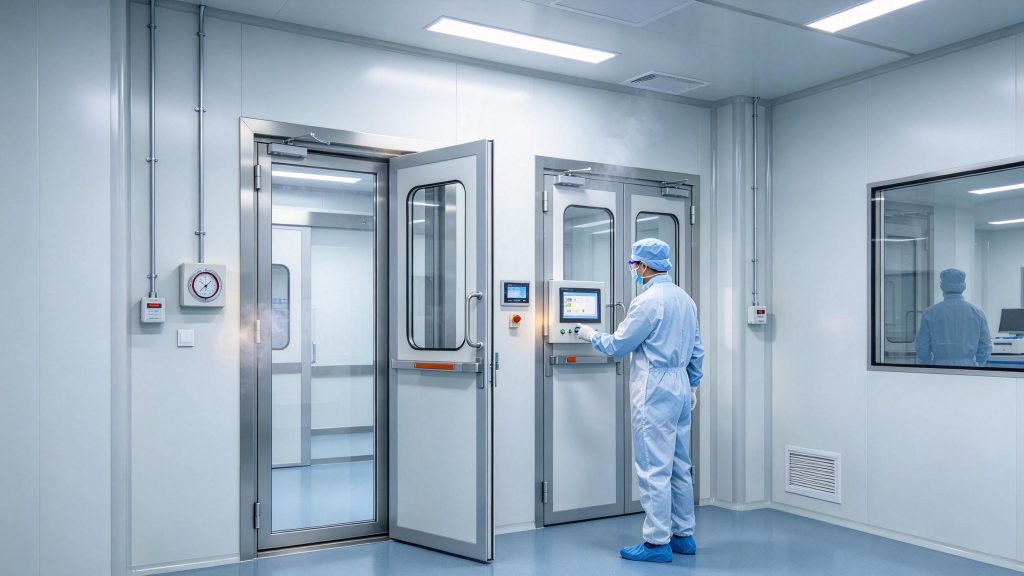
Why the airlock is where pressure dies first
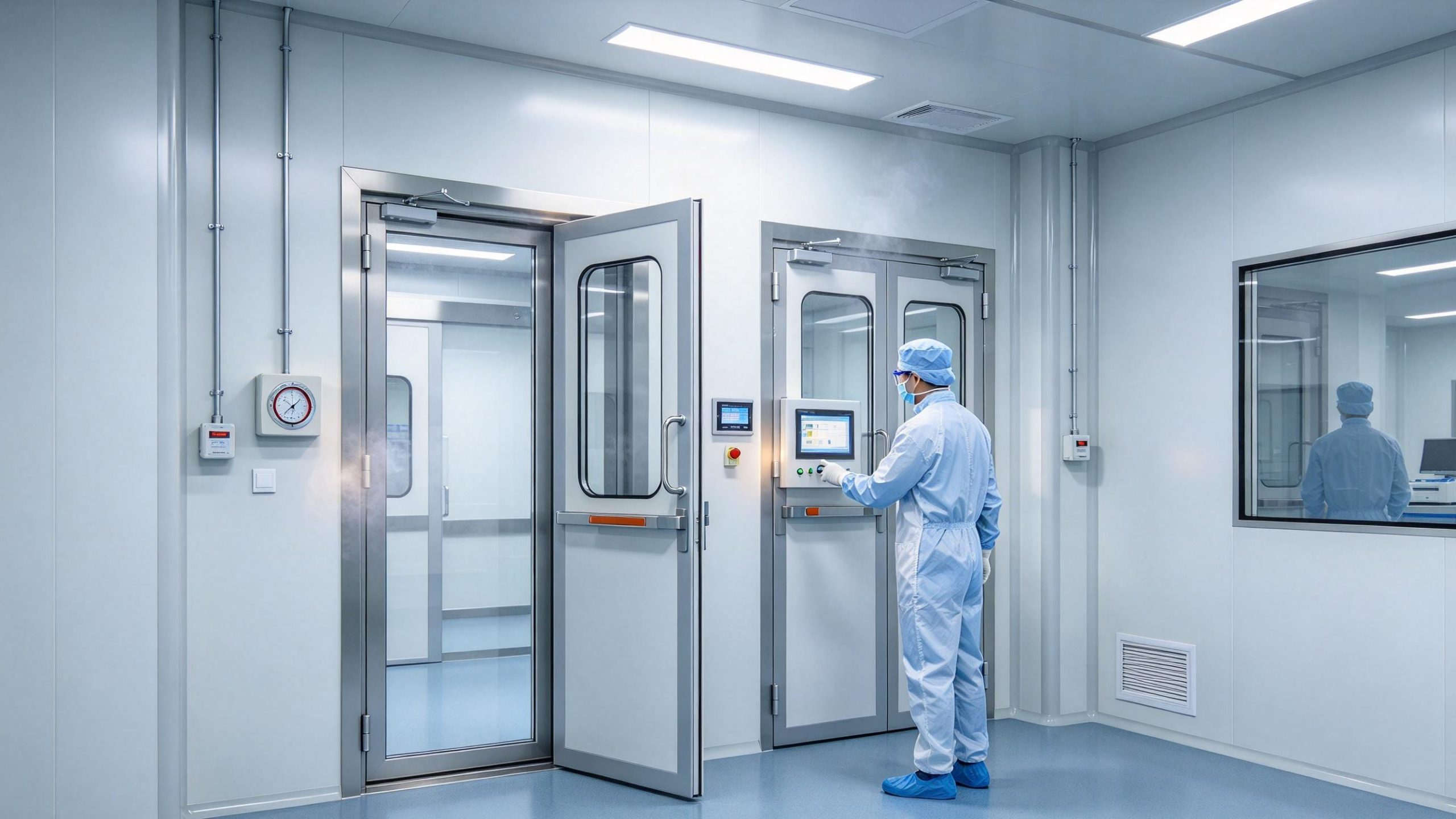
A clean room airlock is not a door. It is a small pressurized room with two doors and a designed pressure gap on each side. Air is supplied and exhausted so the airlock sits at a higher pressure than the dirtier side and a lower pressure than the cleaner side, or the reverse when the clean side must be protected. That gradient is the cascade. The moment one side of the envelope leaks faster than the air handling system can make up, the gradient collapses and the airlock stops doing its only job.
The room itself can be perfectly built and still fail at the airlock, because the airlock has more moving parts and more joints per square meter than any other part of the envelope. Doors move. Gaskets age. Interlocks get bypassed. The rest of this article is the order most technicians should check those parts.
Our guide on why the clean room door matters for contamination control explains the same principle at the single-door level. The airlock multiplies every door problem by two and adds the envelope around them.
Cause 1: Worn, compressed, or missing door gaskets
The most common leak in a clean room airlock is the perimeter gasket on the door leaf. These gaskets do the sealing work that the steel or aluminum panel cannot do on its own. Over time, rubber and silicone harden, take a compression set, and stop springing back to fill the gap. A gasket that looked fine during commissioning can lose contact after a year of daily cycles and daily wiping with aggressive disinfectants.
What you see: the differential pressure holds when the door is closed but the particle count in the adjacent zone creeps up, or the magnehelic gauge drifts without any HVAC change. A smoke test at the leaf perimeter shows a steady stream at one corner or along the latch side.
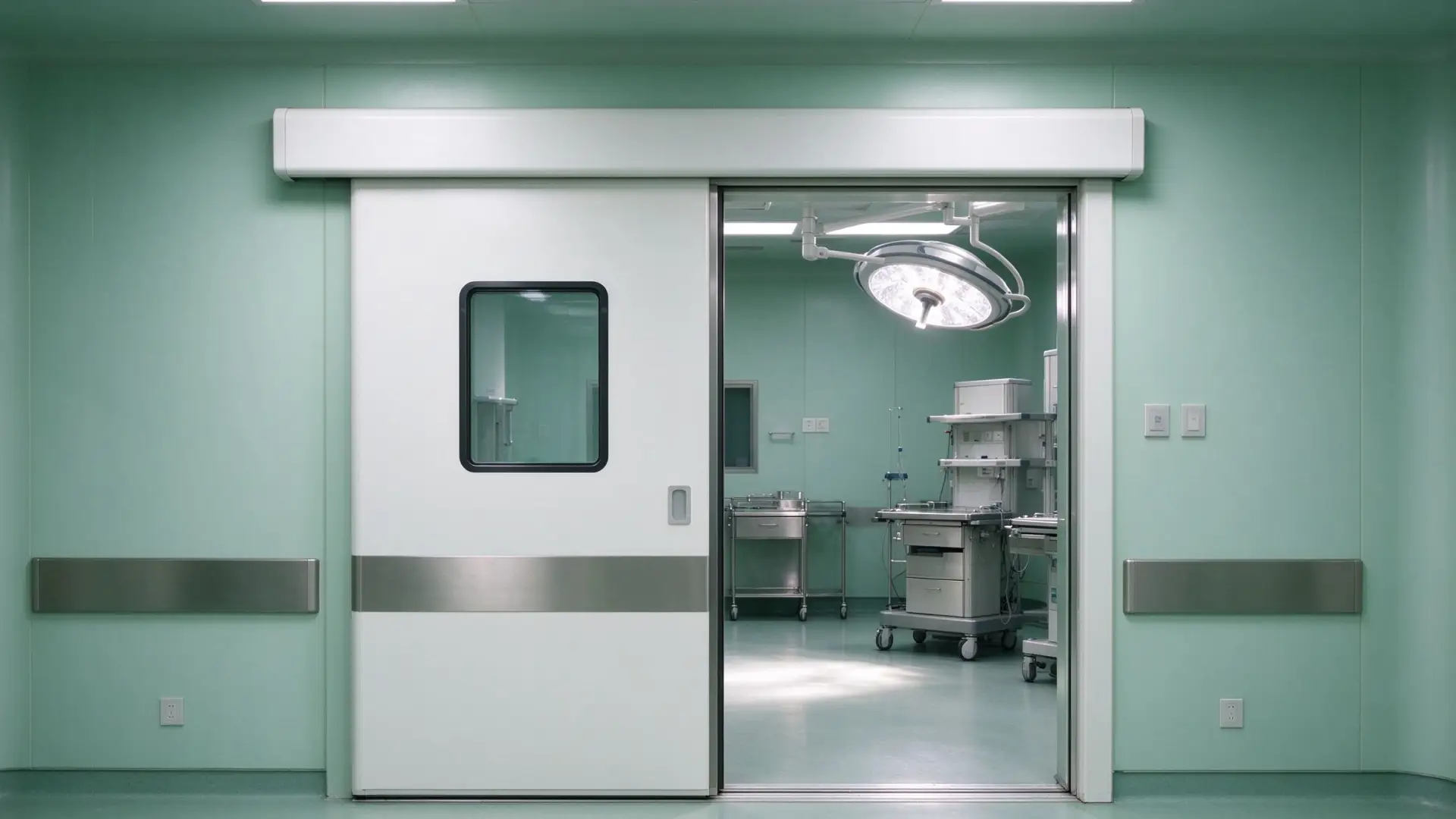
The fix: inspect the full perimeter at every preventive maintenance visit, beyond the visual wipe-down. Replace gaskets before they take a permanent set, and choose the material for the chemistry in the room. A gasket rated for a dry pharma corridor will fail early in a space cleaned with oxidizing agents. Where the airlock sees high cycle counts, a drop-down bottom seal or an automatic threshold seal removes the gap that a fixed sweep seal eventually develops. The airtight sliding door systems used at busy entries show how the same sealing logic applies when the leaf slides instead of swings.
Cause 2: Interlock failure or doors held open
A clean room airlock depends on never having both doors open at once. The electromechanical interlock is what enforces that rule. When the interlock fails, or when staff prop a door open to move a cart faster, the airlock becomes a direct short circuit between two pressure zones. No amount of supply air can hold a gradient across an open path.
What you see: the pressure differential drops only when traffic moves through, then recovers. Or it never recovers because one leaf is being held by a wedge, a cart, or a bypassed mag lock. The interlock status lights may be dark, or the controller may show a fault that nobody routed to the building management system.
The fix: verify the interlock logic on a schedule, well beyond the initial install. Test that the second door physically cannot release while the first is open, confirm the delay and the status indication, and log the test. Train the operators who use the airlock that bypassing the interlock is a contamination event, not a convenience. For airlocks serving infection control areas, an air-tight swing door with a proper closing and latching sequence is part of the same pressure strategy, and the same discipline applies.
Cause 3: Frame-to-wall joint leakage
Even a perfect door leaks if the frame around it is not sealed to the cleanroom panel. The frame-to-wall joint is where most cross-standard projects break down, because the door comes from one supplier, the wall panel from another, and the joint gets filled on site with whatever was on the truck. A hairline gap there is a permanent leak path the cascade can never outrun.
What you see: smoke or a pressure test at the frame perimeter shows leakage even with a brand new leaf and intact gaskets. The leak follows the wall line, not the door. Touching the joint reveals a soft or missing sealant bead.
The fix: treat the frame, the wall panel, and the door as one rated assembly from the start. When the door, frame, and panel are engineered together, the joint is designed once instead of argued over on site. Use the sealant and foam specified for the panel system, verify the joint during installation before the panel is closed out, and include it in the pressure test sign-off. A generic site seal is the difference between an airlock that holds pressure on paper and one that holds it at 2 a.m.
Cause 4: Wrong pressure setpoint or HVAC imbalance
The airlock cannot hold a gradient it was never supplied to hold. The cascade depends on a designed differential, commonly in the range of 10 to 15 pascals between adjacent zones, backed by enough air changes per hour to replace leaked air faster than it escapes. When the setpoint is wrong, or when the supply and exhaust balance drifts, the gradient erodes even with perfect doors.
What you see: the airlock pressure is unstable or slowly trends toward zero, with no visible leak at the doors or frame. HEPA filter loading, a fan speed change, or a new exhaust hood elsewhere in the building can shift the balance enough to flatten the cascade. Rooms specified for a minimum of 12 air changes per hour lose their margin as filters load.
The fix: set the cascade deliberately and monitor it, not assume it. Document the target differential for each side of the airlock, tie the readout to the building management system with alarms that cannot be silenced without a log entry, and rebalance airflow on a maintenance cadence that accounts for filter loading. When a new exhaust or supply point is added anywhere nearby, recheck the airlock gradient before signing off.
Cause 5: Door not closing fully or threshold gap too large
A clean room airlock door that does not latch fully is a door with a built-in leak. A weak closer, a misadjusted latch, a worn threshold sweep, or a floor that was leveled after the door was hung all leave a gap the cascade cannot close. Sliding doors add their own failure: a worn brush seal at the track or a threshold that no longer meets the leaf.
What you see: the gauge recovers when you push the door shut by hand, then drops when you let go. A light under the leaf or a gap you can see at the threshold confirms it. For sliding leaves, the leak shows at the track or the meeting stile rather than the floor.
The fix: adjust or replace the door closer and verify the latch throws fully without slamming. Check the threshold sweep and the floor clearance against the original spec, because a quarter inch of settlement is enough to break the seal. For sliding configurations, service the track seal and the meeting stile gasket on the same schedule as the leaf gasket. Closing force and threshold contact are measurable, so make them part of the sign-off rather than a visual glance.
Cause 6: Unsealed penetrations in the airlock envelope
The doors get all the attention, but a clean room airlock is a room with walls, a ceiling, a floor, and a handful of penetrations. Conduit, data lines, a vision panel, a pass-through window, or a utility chase that was sealed loosely all break the envelope. One unsealed conduit can leak more than a worn gasket, because it is a straight path through the wall that nobody tests.
What you see: pressure holds at the doors and frame but the room still will not build gradient. A pressure test of the envelope as a whole, rather than the doors alone, shows loss at a penetration you walked past a dozen times. The pass-through, if present, may seal poorly at its own gasket or get left cracked open.
The fix: test the airlock envelope as a whole during commissioning, with every penetration included. Seal conduit and data lines with gasketed or potted penetrations rated for the wall system, and confirm the pass-through has an interlock or a gasket that contacts. Build a penetration schedule and check it on the same cadence as the doors, because penetrations are added during the life of the room long after the original pressure test.
Quick diagnostic table
When the cascade alarm sounds and you have fifteen minutes before the next batch, use this order. It follows the path air takes: through the doors first, then the frame, then the balance, then the rest of the envelope.
| Symptom | Most likely cause | First check |
|---|---|---|
| Pressure drops only when doors cycle | Interlock bypass or held-open door | Interlock status, props, mag lock log |
| Drift with intact doors and frame | HVAC imbalance or filter loading | Setpoint, ACH, nearby exhaust changes |
| Leak at leaf corner or latch side | Worn or compressed gasket | Perimeter smoke test, gasket set |
| Leak follows the wall line | Frame-to-wall joint gap | Joint sealant, panel interface |
| Recovers when pushed shut by hand | Closer or threshold gap | Closer force, latch, floor clearance |
| Holds at doors but not as a room | Unsealed penetration | Envelope test, conduit, pass-through |
How to specify an airlock that holds pressure from day one
Most of the six causes are cheaper to prevent in the specification than to chase after commissioning. The practical move is to stop treating the airlock as two doors and start treating it as one rated assembly with a documented pressure target.
Write the cascade into the order. State the differential pressure you need on each side, the air changes per hour, and the leak class you will accept, then require the supplier to confirm it with a test that names the exact model and size. Ask for the frame, the door, and the wall panel to be engineered together so the joints are designed, not discovered. Require the interlock logic, the monitoring alarm, and the penetration schedule as deliverables, not afterthoughts. A clean room airlock specified this way holds its gradient through filter loading, shift traffic, and the years between audits.
E-ZONG builds cleanroom and hospital doors, aluminum profiles, and wall systems as matched assemblies from production bases in Foshan, Dongguan, Zhongshan, and Taishan, with more than 25 years supplying regulated facilities. For an airlock that has to hold pressure under real traffic and real audits, the useful first step is to share the room classification, the opening size, the target differential pressure, and the cleaning chemistry, so the doors, frame, and wall are built and documented as one rated envelope instead of assumed compliant.
FAQs
How much differential pressure should a clean room airlock hold?
The target depends on the zones it separates, but a common design range is 10 to 15 pascals across each interface, supported by enough air changes per hour to replace leaked air. The number that matters is the one written into your specification and verified on site, not a generic value from a brochure.
Can a fire-rated door also be airtight enough for an airlock?
Fire rating and steady-state airtightness are different measurements. A fire door proves survival under flame for a stated period. It does not prove it holds pressure at 12 pascals. Both properties must be specified and verified on the certificate, because a fire-rated leaf can still leak enough to collapse a cascade.
Why does the airlock pass particle counts but fail pressure?
Particle count and pressure are separate checks. A room can read clean at the moment of test while the airlock gradient is already flat, because contamination depends on the direction and rate of air movement, not on the count at a single point. The pressure relationship is what keeps the count honest over time.
What is the cheapest mistake to avoid?
Assuming the interlock and the doors are the whole airlock. The frame-to-wall joint and the unsealed penetrations cause as many failures as the doors, and they are the ones a door-only inspection never finds. Test the envelope as a whole.
Conclusion
A clean room airlock that loses pressure is rarely a mystery once you look in the right order: doors, frame, balance, envelope. The fixes are mostly specification discipline and a maintenance cadence that treats the gasket, the interlock, and the joint as the load-bearing items they are.
If you are specifying a clean room airlock that has to hold its gradient through commissioning, audit, and daily traffic, send the room classification, the door dimensions, the target differential pressure, and the cleaning chemistry. A configuration engineered as one rated assembly, and documented for the audit, is easier to keep compliant than one patched after the cascade fails.
-
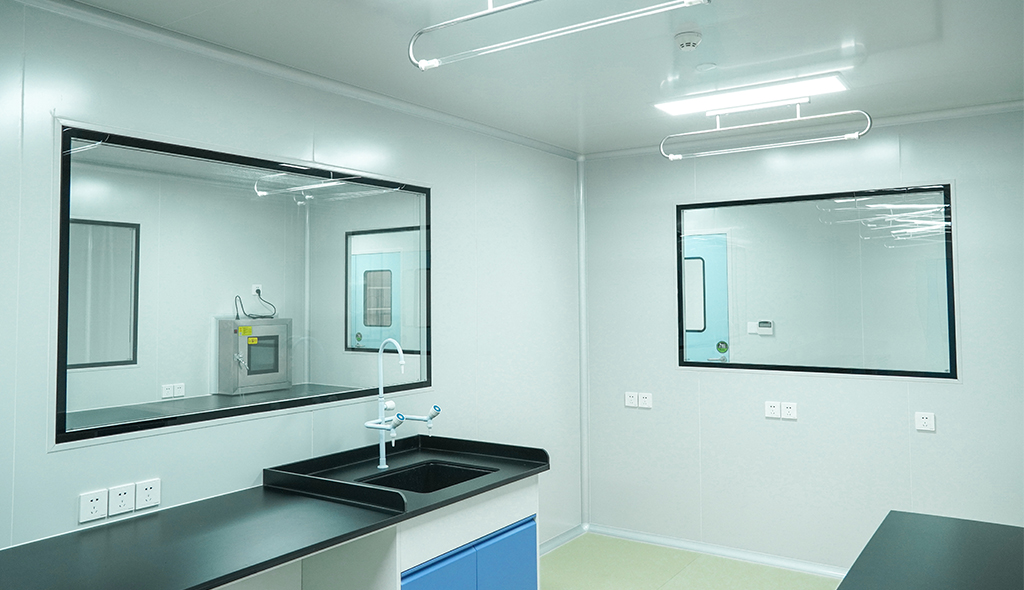 Cleanroom Glass Windows Are The Key to Maintaining a Clean Environment
-
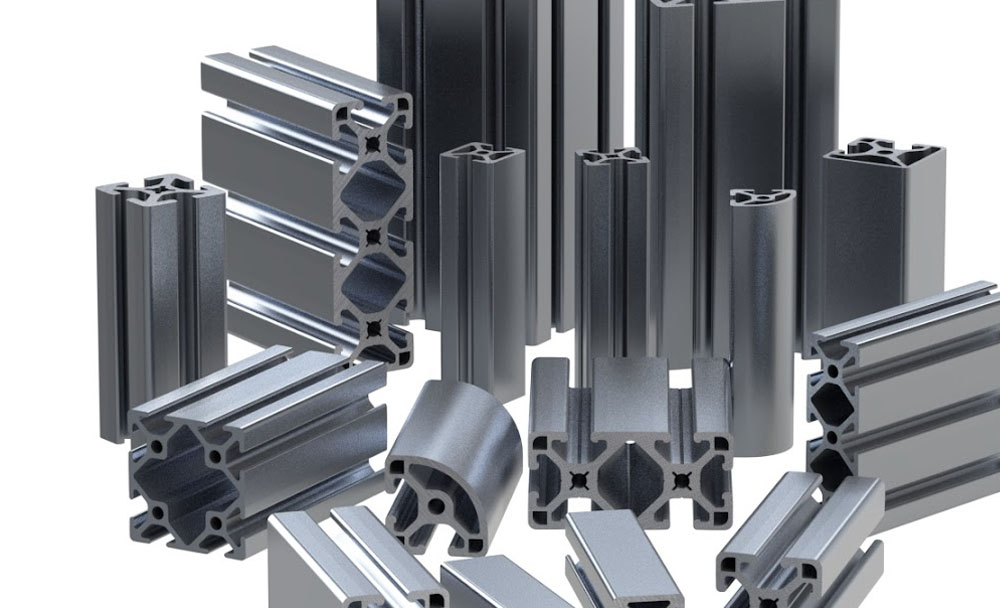 Top Aluminium Profile Manufacturers in China: Leading the Global Market
-
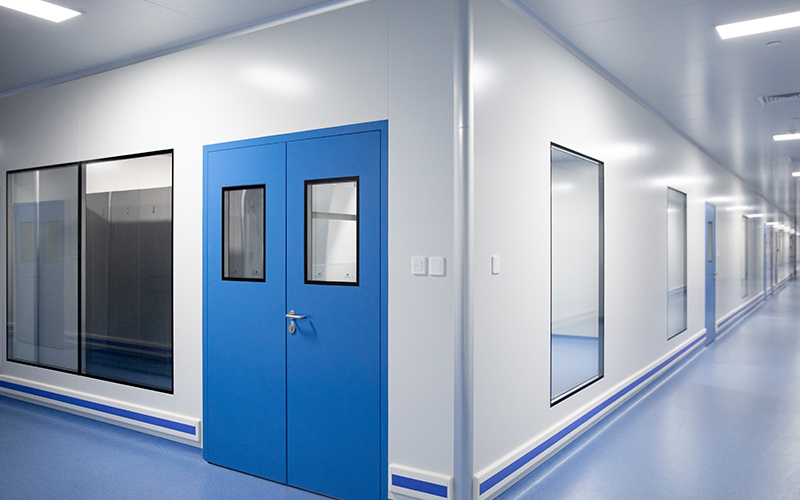 The Evolution of Air Tight Sliding Doors
-
 AHU Aluminium Profile: A Comprehensive Guide
-
 The Importance of Choosing the Right Cleanroom Door in Vietnam
-
 The Benefits of Hospital Automatic Doors: Enhancing Efficiency and Safety
-
 The Best Bathroom Door Manufacturers - Unlocking Endless Possibilities!
-
 Unlock the Possibilities with AJ Manufacturing Doors
-
 Make a Statement with Manufactured Home Interior Doors!
-
 what is aluminum profile? Aluminum Profiles for Your Home is the best option
-
 Clean Room Airlock Not Holding Pressure? 6 Causes and Fixes
-
 Hospital Door Standards: NFPA, IBC, EN, and GB Compared
-
 Cleanroom Doors: Buyer's 15 Specs to Confirm Before PO
-
 Operating Room Door Spec: 7 Requirements Hospitals Must Meet
-
 Laboratory Door Pressure: Positive vs Negative and Drop Seal
-
 Shielding Door Lead Equivalent: Match mmPb to Your Room Type
-
 Cleanroom Automatic Sliding Doors: Belt vs Magnetic Drive
-
 What Leak Rate Must a Hermetic Door Pass to Comply
-
 Hospital Door Costs 2026: What Drives the Price Tag
-
 Why Hospitals Pick Sliding Over Swing Doors in 2026




-

Home
-

Tel
-

Email
-

Contact


Guangzhou Yizhong Aluminum Industry Co., Ltd.
We are always providing our customers with reliable products and considerate services.
We are always providing our customers with reliable products and considerate services.
Speak Your Mind