
How to Balance Air Tightness and Durability in Automatic Doors?
In modern cleanrooms, hospital operating theaters, and biopharmaceutical facilities, the automatic door serves not merely as a passage for personnel and materials, but as a critical barrier for maintaining controlled environmental conditions. Facing stringent ISO 14644 cleanroom standards and GMP regulations, facility managers often encounter a core challenge: how can an automatic door effectively balance air tightness with durability? Insufficient air tightness can lead to loss of pressure differential control and increased risk of cross-contamination; whereas lacking durability translates to frequent maintenance downtime and high total cost of ownership. Achieving this balance requires not only understanding the strict air leakage limits imposed by controlled environments but also mastering wear patterns of mechanical components under long-term, high-frequency operation. Below, we combine industry-general standards with empirical data to explore systematic technical solutions for this challenge.
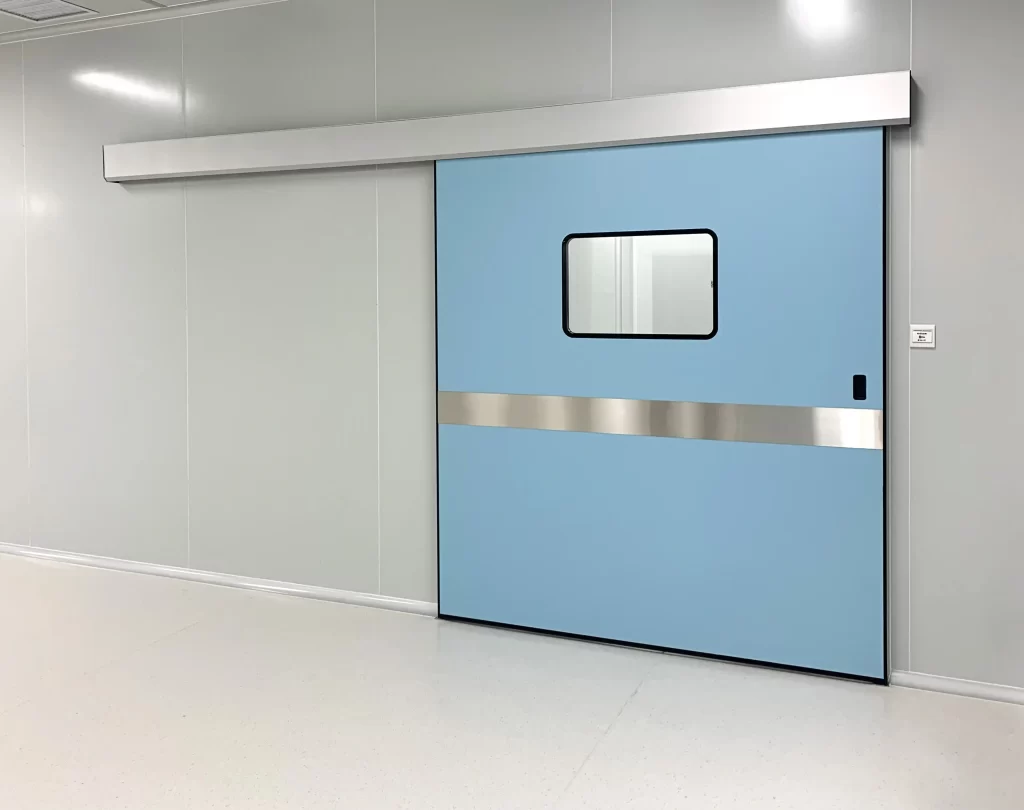
Dual Performance Requirements for Automatic Doors in Clean and Healthcare Environments
In controlled environments, the core value of an automatic door extends far beyond basic passage functionality—its performance directly impacts regulatory compliance and operational efficiency:
- Core Value of Air Tightness: Ensures stable cleanroom classification. When internal pressure differential is maintained at 10-15Pa, the door leaf must effectively block air leakage in the closed position. High-performance hermetic doors should control leakage rate within 3.0 m³/h·m² under 100Pa pressure differential, with even stricter requirements for ISO Class 5 and above zones.
- Practical Significance of Durability: Hospital operating rooms and pharmaceutical production lines typically operate 24/7, where automatic door systems may undergo hundreds of open-close cycles daily. Uncontrolled mechanical wear and seal degradation can lead to improper closure, sensor malfunction, or even jamming.
- Key Selection Considerations: Do not focus solely on initial procurement cost; evaluate compatibility with standard door dimensions, structural strength, and design life of critical components. User pain points commonly center on requalification failures due to seal failure and unexpected breakdowns from mechanical wear.
- Forward-Looking Planning Advice: When planning door dimensions, also account for future equipment access needs to avoid costly retrofits due to insufficient opening clearance.
Core Technical Pathways to Achieve High Air Tightness
Sealing Structure System Design
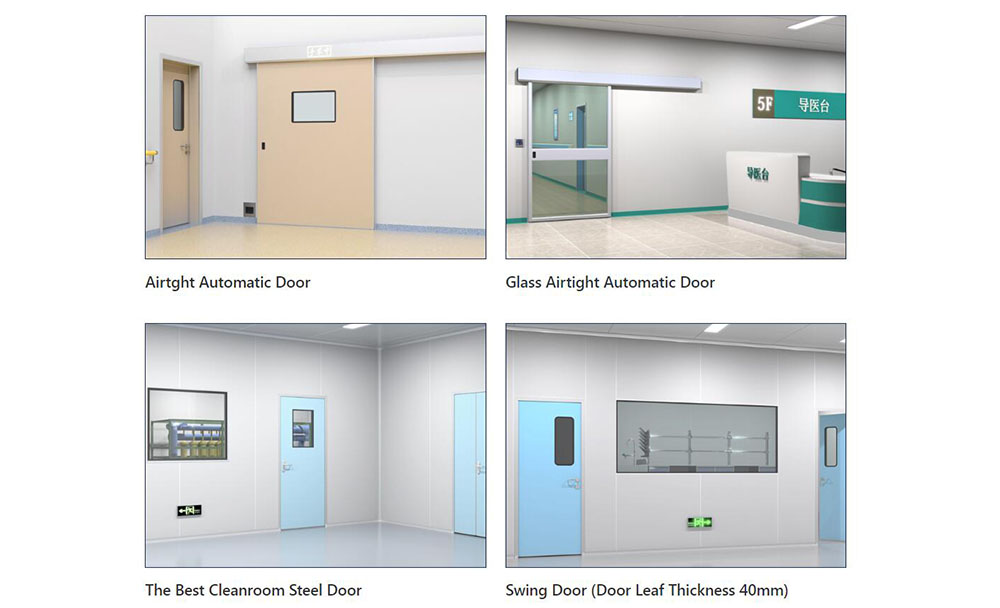
The foundation of high air tightness lies in sealing structure design. Modern high-performance automatic sliding door systems typically adopt the following technical approaches:
- Multi-Layer Composite Sealing: Silicone and EPDM materials are preferred for their excellent aging resistance and rebound performance. Through compression memory technology, sealing strips can recover their original shape even after prolonged compression.
- Inflatable Dynamic Sealing: To address automatic door pressure differential seal requirements, sealing strips inflate to expand and fill gaps upon door closure, then deflate to reduce friction during opening. This adapts automatically to pressure fluctuations, significantly reducing leakage rate.
- Precision Machining Tolerances: Fit tolerances between door leaf and frame must be controlled within 0.5mm, achievable through CNC precision machining.
- Frame Cavity Sealing: For door with frame structures, it is essential to block particle penetration paths through profile cavities. While frameless door designs offer aesthetic appeal, their applicability in high air-tightness scenarios requires careful boundary evaluation.
Framework Structure and Material Selection
The frame serves as the skeleton of the door assembly, directly influencing overall stability and long-term performance:
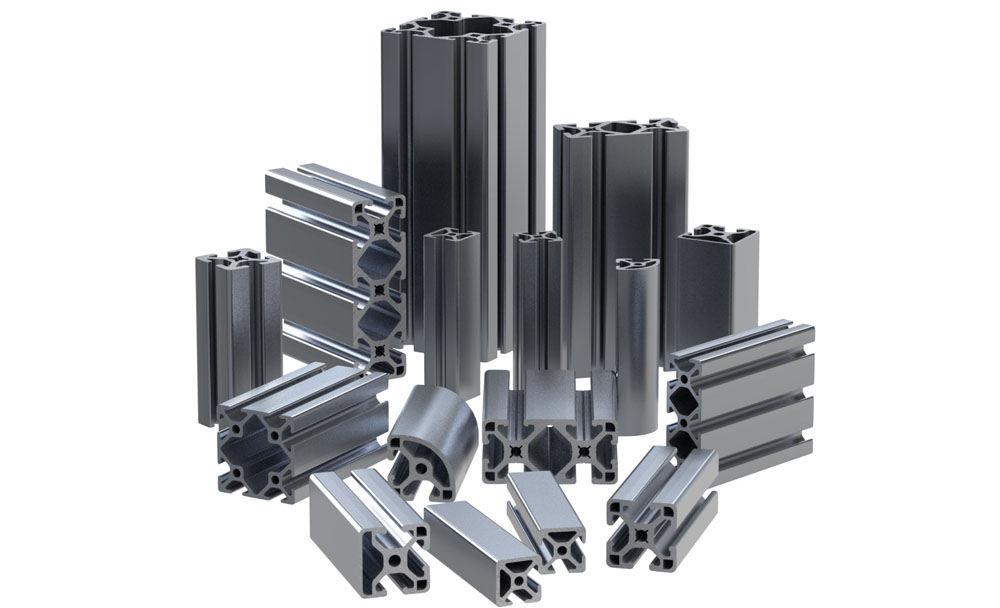
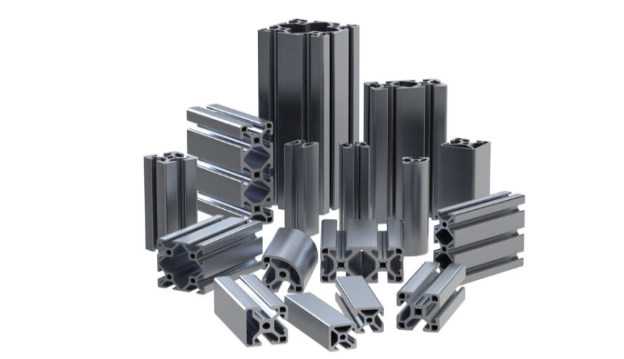
- Material Selection: Cleanroom-specific aluminum profiles typically use 6063-T5 alloy, balancing strength, corrosion resistance, and lightweight properties. Surface treatments such as anodizing or powder coating enhance corrosion resistance.
- Structural Rigidity: Frames must possess sufficient rigidity to prevent deformation over extended use. For openings beyond standard door size, custom frames require reinforced mullions or thicker profiles.
- Airflow Coordination: Coordination between door swings and airflow organization is critical; incorrect opening direction may disrupt cleanroom airflow patterns and compromise local cleanliness.
- Advanced Design: When selecting door frame aluminum profile for cleanrooms, prioritize thermally broken structures or designs with insulated/acoustic filler cavities to enhance air tightness while reducing noise transmission.
Drive and Closing Control Optimization
The drive system is the heart of the automatic door, where intelligent control directly impacts seal longevity and operational safety:
- Motor Selection: Brushless DC motors are the premium choice for high-end applications due to long service life, low noise, and precise control capabilities. Soft start/stop functions significantly reduce impact damage to sealing strips during closure.
- Force Adjustment: Intelligent closing force adjustment systems automatically regulate motor torque based on sealing resistance, ensuring adequate seal compression while preventing pinch hazards.
- Sensor Configuration: Dual-identification mechanisms using microwave and infrared sensors effectively suppress false triggers, avoiding mechanical fatigue from frequent door cycling.
- Emergency Design: For medical automatic door sealing solution, special consideration must be given to antimicrobial material usage, while ensuring mechanical backup sealing and manual operation protocols function cohesively during power failure.
Engineering Assurance Elements for Long-Term Durability
Design Standards for Critical Component Service Life
Durability is a quantifiable engineering metric. Industry-leading systems typically feature:
- Cycle Test Certification: Motors and transmission systems undergo 1+ million cycle testing; at 500 cycles/day, core components can support 5-7 years of fault-free operation.
- Wear-Resistant Component Design: Guide rails and rollers utilize wear-resistant coatings or self-lubricating designs (e.g., POM rollers + anodized rails) to significantly reduce friction coefficients and extend maintenance intervals.
- Seal Aging Management: Material degradation curves vary significantly across temperature, humidity, UV exposure, and chemical environments. Pharmaceutical settings require resistance to disinfectant corrosion; coastal regions require hardware components to pass ASTM B117 salt spray testing (500+ hours without red rust).
- Maintenance Technique Application: Following automatic door lifespan extension tips—such as regular track debris removal and avoiding forced manual operation—can substantially extend system service life.
Impact of Installation Precision on Long-Term Performance
Even premium door assemblies cannot perform optimally if improperly installed. Sliding door installation must address:
- Positioning Tolerance Control: Frame verticality and levelness tolerances must be controlled within ±1mm. Minor misalignment may cause uneven door leaf weight distribution, accelerating roller wear or creating seal gaps.
- Anchoring Process Requirements: Prevent structural micro-displacement. If frame anchor points loosen under wall vibration or thermal variation, seal gaps will gradually expand.
- Commissioning Verification Protocol: Systematically verify closing force, seal compression, and pressure differential interlock functionality. For fire rated door, additionally validate activation mechanisms of intumescent seals under high-temperature conditions.
- Cleanliness Control Details: Avoid introducing dust into tracks or seal channels during installation—a common root cause of excessive operational noise or incomplete closure later.
Environmental Adaptability Enhancement Measures
Different scenarios present unique challenges requiring targeted reinforcement:
- High-Humidity/Corrosive Environments: Employ stainless steel hardware combined with anodized aluminum profiles for synergistic protection.
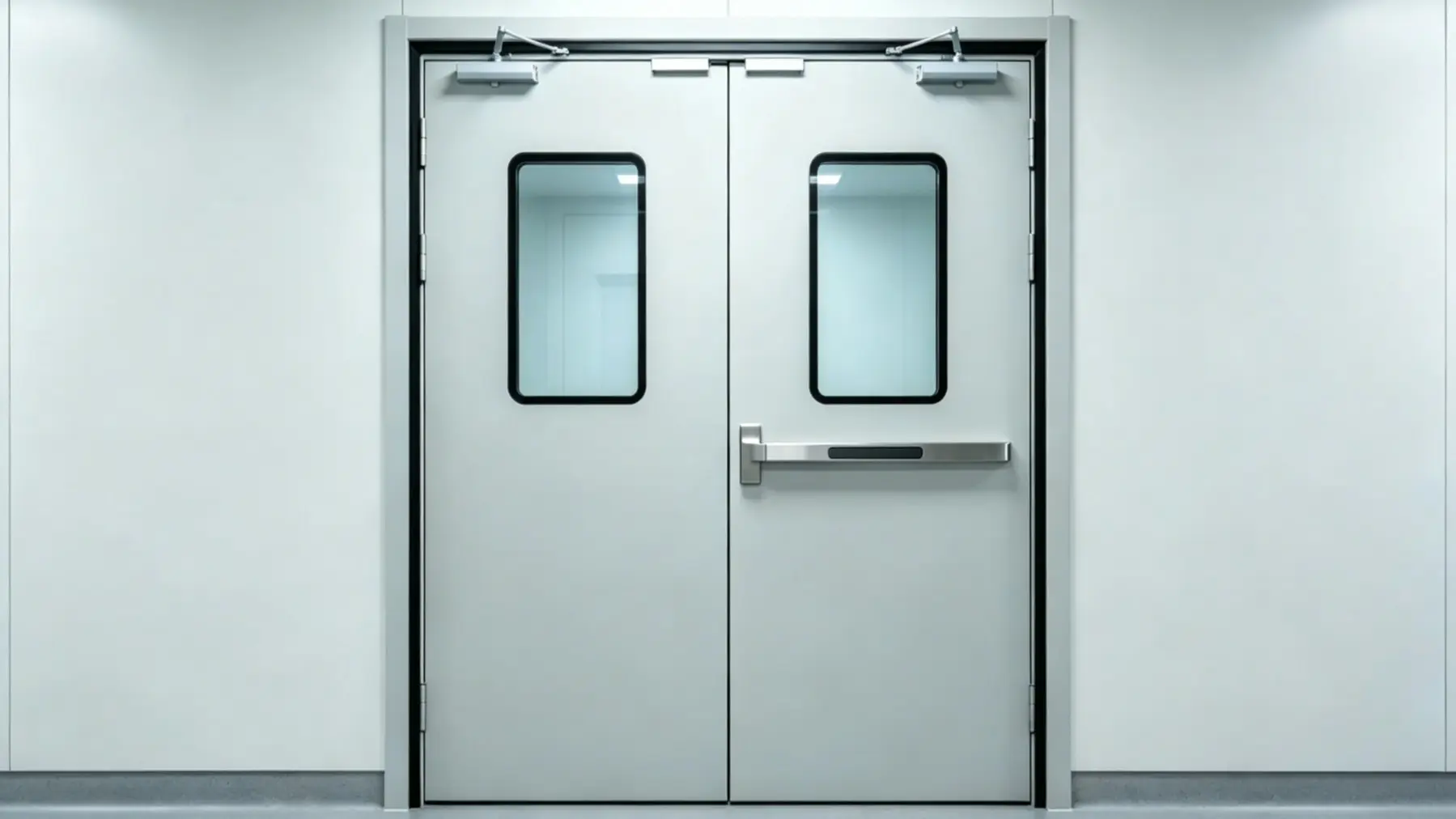
- High-Frequency Traffic Scenarios: Configure impact-absorbing buffers and emergency push bars. Push bar door functionality is critical for emergency egress while ensuring seal integrity is maintained after bar reset.
- Cleanroom-Specific Requirements: Meet low particulate generation, anti-static, and easy-clean criteria. Surfaces should lack dust-trapping crevices; welds must be ground smooth.
- Biosafety Scenarios: Door systems require interlock functionality to prevent simultaneous dual-door opening that could compromise pressure differential. Validation documentation must be complete and traceable for FDA or EU GMP certification.
Performance Verification and Authoritative Testing Standards
Quantitative Air Tightness Testing Methods
Performance must be validated through testing. Industry-standard methodologies include:
- Fan Pressurization Method (ISO 14644-2): Apply ±50Pa pressure differential across the door assembly and measure air leakage per unit time. Qualified hermetic doors should exhibit leakage rates below 3.0 m³/h·m²; high-performance models can achieve 0.1 m³/(m·h) levels.
- Smoke Visualization Testing: Release smoke around door seams to intuitively identify installation deviations or seal defects, rapidly pinpointing weak sealing points.
- Pressure Differential Stability Monitoring: Reflects dynamic impact of door cycling on overall cleanroom pressure stability; superior systems should maintain pressure fluctuations within allowable limits.
- Certification Documentation Management: Retain complete hermetic door testing protocol ISO 14644 test reports as as-built documentation for subsequent audit reference.
Accelerated Durability Validation Framework
Laboratory accelerated testing is key to predicting field service life:
- Environmental Aging Testing: Simulate thermal cycling, humidity variation, and UV exposure to evaluate material performance degradation.
- Mechanical Fatigue Testing: Validate component reliability through continuous cycling, impact loading, and emergency braking scenarios.
- Value of Third-Party Certification: CE, UL, and GMP documentation support not only facilitate project acceptance but also serve as product quality endorsements.
- Data Translation Application: Convert laboratory data into field maintenance references. For example, if seal compression set reaches 20% after 500,000 cycles, schedule replacement before reaching equivalent usage frequency.
Practical Guide for Selection and Operation & Maintenance
Matching Technical Solutions to Application Scenarios
Selection must align with specific use cases. Reference the following configuration recommendations:
- ISO Class 5-7 Cleanrooms: Recommend inflatable sealing paired with aluminum profile frames; prioritize leakage rate and particulate generation parameters.
- Hospital Operating Rooms/ICUs: Balance antimicrobial surfaces, fire certification, and emergency egress functionality. Fire rated door credentials and push bar door configuration are compliance-critical.
- Pharmaceutical Airlocks: Require dual-seal design, CIP-compatible surfaces, and comprehensive GMP documentation support. GMP compliant automatic door selection must emphasize validation workflows.
- Non-Standard Opening Handling: Custom frames and center-seam sealing technology ensure performance integrity. When referencing standard door dimensions, account for actual opening tolerances and reserve adjustment margins.
Preventive Maintenance Strategy
Maintenance is the final defense line for sustaining performance. Recommended schedule:
- Daily Inspection: Visual seal condition check, track cleanliness verification, and sensor sensitivity testing.
- Quarterly Maintenance: Rail lubrication, motor current monitoring, and fastener re-torquing. For automatic door maintenance for cleanroom, use lint-free wipes and specialized cleaners; avoid conventional lubricants that may volatilize and contaminate clean environments.
- Seal Replacement Criteria: Evaluate based on compression set, surface cracking, and elasticity loss. Replace seals promptly if rebound is weak or hardening occurs.
- Intelligent Early-Warning Mechanisms: Leverage smart controllers to monitor abnormal noise, closure delay, or pressure fluctuation; enable automatic alerts for proactive intervention.
Critical Installation Acceptance Milestones
Systematic acceptance ensures long-term performance stability:
- Pre-Construction Preparation: Verify opening dimensions, level benchmarks, and embedded component locations.
- Process Quality Control: Stage-gate verification of frame verticality, door leaf parallelism, and seal compression.
- Commissioning and Handover: Complete closing force testing, pressure differential interlock validation, and operator training.
- Documentation Handover Checklist: Include as-built drawings, test reports, maintenance manuals, and spare parts lists to ensure traceable future O&M. Recommend engaging third-party testing agencies for air tightness re-verification to ensure data authenticity and reliability.
Frequently Asked Questions and Technical Clarifications
In practical applications, users commonly raise questions regarding maintenance cycles and emergency handling:
- Seal Replacement Cycle: With proper maintenance, silicone seals typically last 5-7 years; inflatable seals can exceed 10 years with regular inspection.
- Power Failure Safeguards: Mechanical backup sealing coordinated with manual emergency egress design enables quality systems to maintain ISO-class seal integrity even during power loss.
- Oversized Opening Solutions: Synchronized dual-leaf control, center-seam sealing, and frame reinforcement form a reliable technical combination for achieving consistent air tightness in large openings.
- Balancing High-Frequency Use: Through wear-resistant tracks, cushioned closing mechanisms, and intelligent scheduling optimization, facilities can effectively balance durability with air tightness in high-traffic scenarios.
- Retrofit and Upgrade Considerations: When upgrading door systems, pay attention to opening compatibility, pressure differential re-validation, and phased implementation of system integration to avoid disrupting existing operations. If door swings interfere with airflow patterns, consider adjusting opening angles or installing air curtains for auxiliary compensation.
Summary: Core Logic for Building a Reliable Automatic Door System
Air tightness and durability in automatic doors are not isolated metrics but interconnected elements of a systemic engineering effort spanning material selection, structural optimization, and control logic. A total cost of ownership perspective requires comprehensive evaluation of initial investment, operational expenses, and compliance risks. As ISO, GMP, EN, and other standards continue to evolve, product designs must also iterate accordingly. Professional selection advice should integrate application scenarios, budget constraints, and maintenance capabilities for multidimensional decision-making.
For enterprises pursuing high-standard clean environments, choosing a supplier with deep technical expertise and a robust service ecosystem is essential. Only through systems engineering thinking can an automatic door achieve optimal balance among regulatory compliance, durability, and operational costs. Whether for new construction or retrofit projects, the door system should be regarded as a critical component of environmental control—not merely a building element. By attending to every detail, from standard door size planning to daily maintenance execution, facilities can ensure long-term stable operation and provide solid protection for production and medical safety.
-
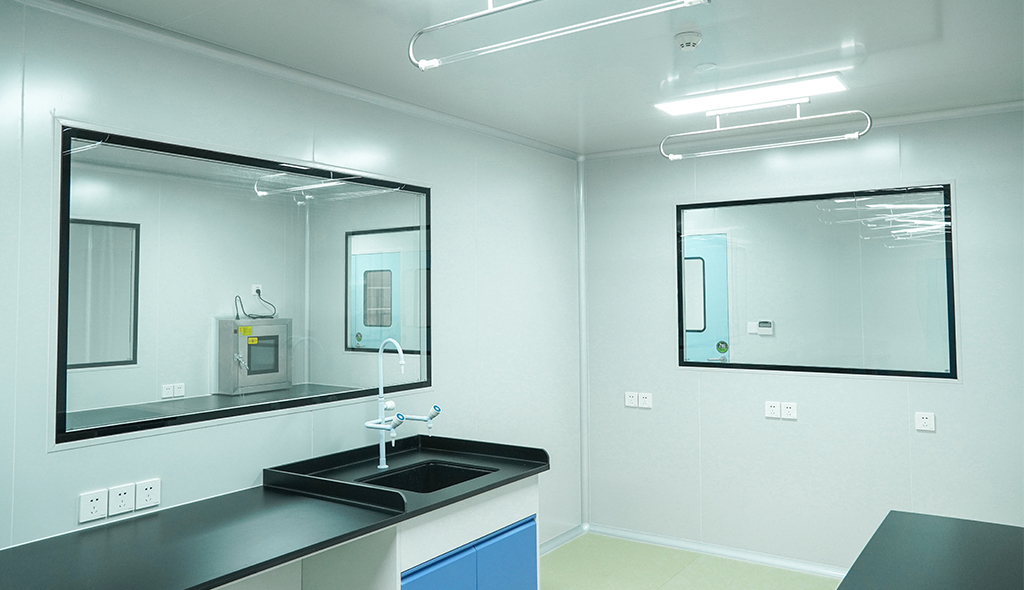 Cleanroom Glass Windows Are The Key to Maintaining a Clean Environment
 -
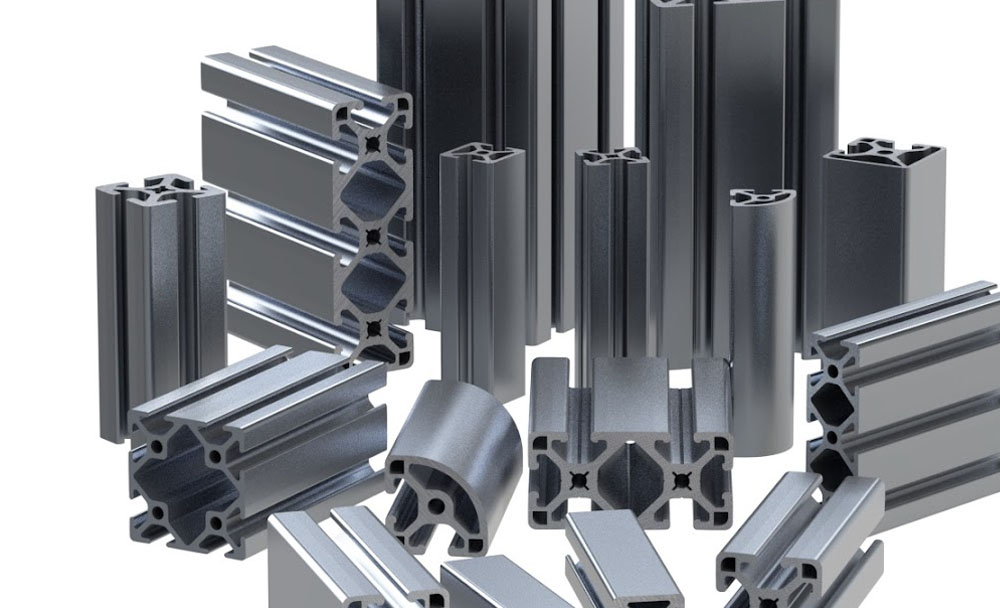 Top Aluminium Profile Manufacturers in China: Leading the Global Market
 -
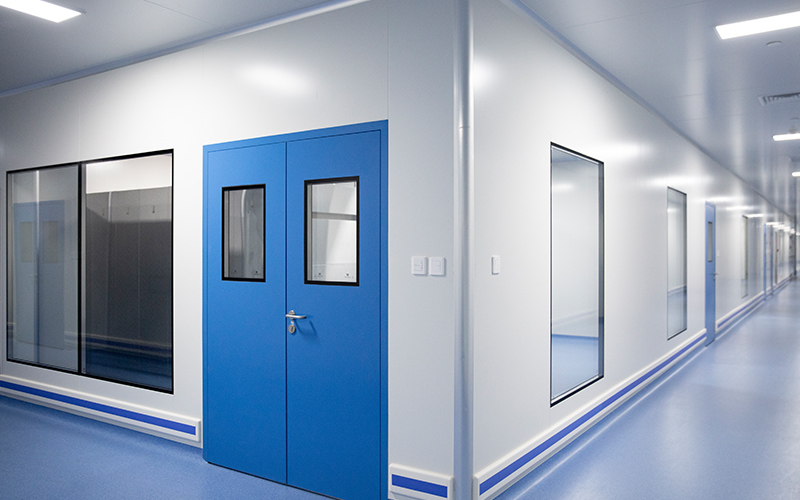 The Evolution of Air Tight Sliding Doors
 -
 AHU Aluminium Profile: A Comprehensive Guide
 -
 The Importance of Choosing the Right Cleanroom Door in Vietnam
 -
 The Benefits of Hospital Automatic Doors: Enhancing Efficiency and Safety
 -
.jpg) The Best Bathroom Door Manufacturers - Unlocking Endless Possibilities!
The Best Bathroom Door Manufacturers - Unlocking Endless Possibilities! -
 Unlock the Possibilities with AJ Manufacturing Doors
 -
 Make a Statement with Manufactured Home Interior Doors!
 -
 what is aluminum profile? Aluminum Profiles for Your Home is the best option
-
 5 Hermetic Door Mistakes That Break the Seal
 -
 Hospital Room Door Size by Room Type: Width and Clearance
 -
 Retrofit Manual Doors with Electronic Glass Operators
 -
 Hospital Emergency Exit Doors: 90 Minute Fire Rating Meets Infection Control
 -
 ICU and Isolation Door Requirements Hospitals Often Overlook
 -
 Laboratory Door Requirements for BSL-2 and BSL-3 Containment
 -
 Retrofitting Hospital Sliding Doors: Upgrade Wards Without a Rebuild
 -
 Why Airtight Hospital Sliding Doors Are Critical for Infection Control
 -
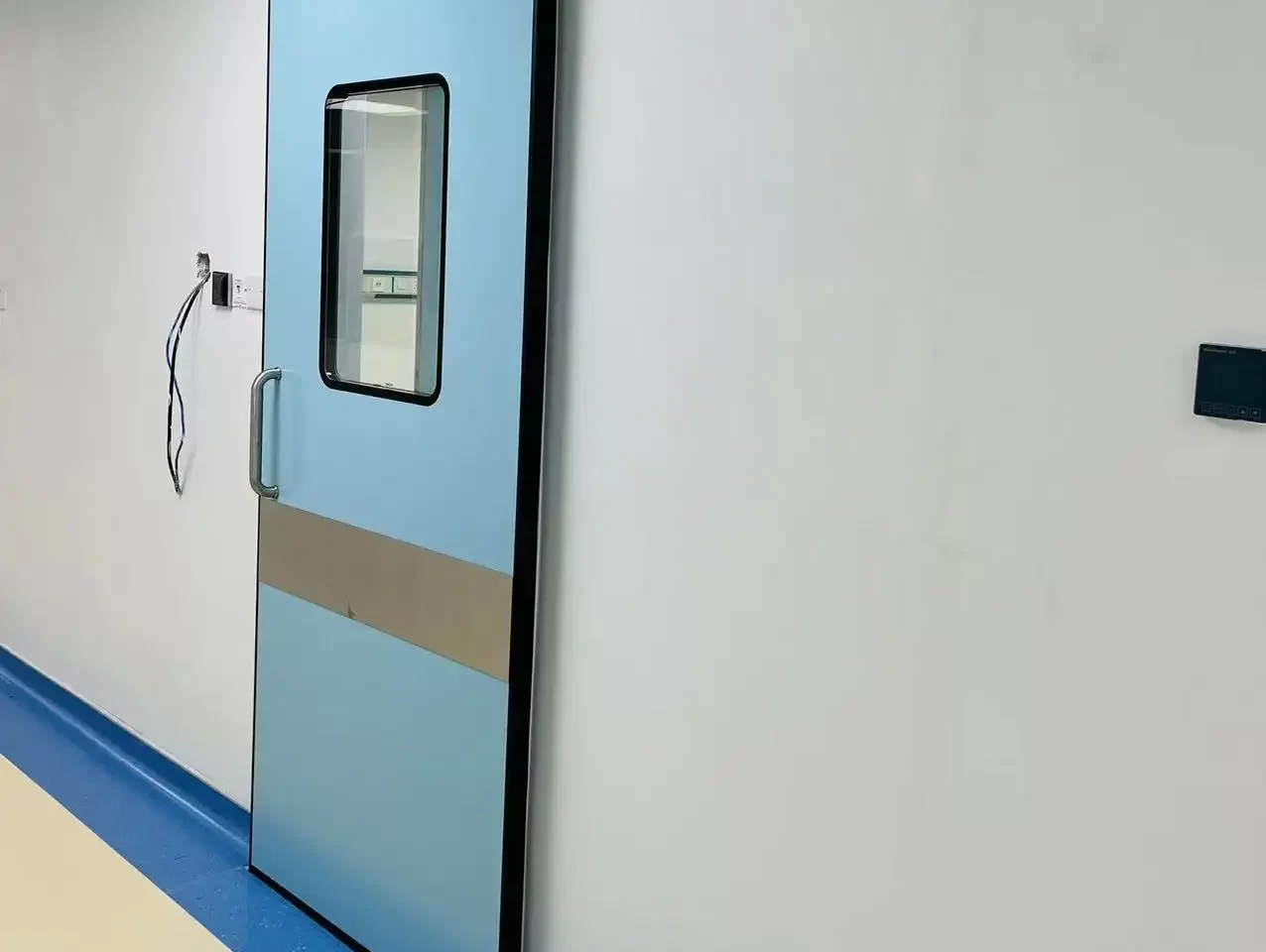 Automatic cleanroom door systems: sensor, actuator and access control integration
 -
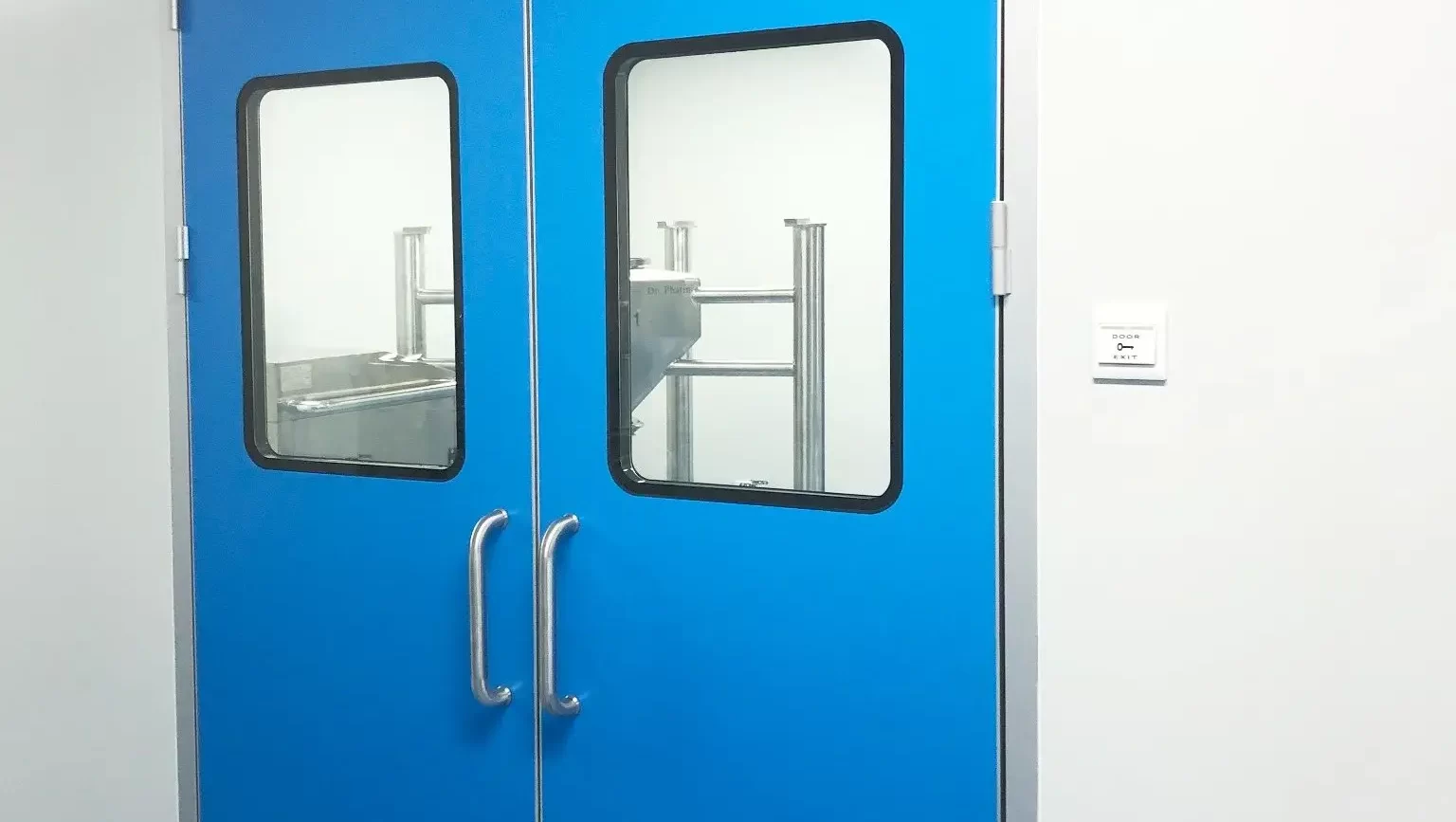 Cleanroom Door Materials: Stainless Steel vs HPL vs FRP vs Aluminum Comparison


-

Home
-

Tel
-

Email
-

Contact


Guangzhou Yizhong Aluminum Industry Co., Ltd.
We are always providing our customers with reliable products and considerate services.
We are always providing our customers with reliable products and considerate services.
Speak Your Mind