
Custom Air Vent Solutions for Diverse Manufacturing Needs
Selecting a custom air vent or air diffuser is a critical technical decision for facilities requiring high-precision environmental control, such as cleanrooms, biopharmaceutical labs, and electronics manufacturing plants. These components serve as the final delivery points for conditioned air, directly impacting airflow velocity, pressure balance, and contaminant control. In modern industrial settings—where air purity is measured against strict ISO standards—standard off-the-shelf vents often fail to provide the necessary distribution patterns required to maintain a sterile and stable environment.
Technical Fundamentals of Air Distribution Systems
Air vents and diffusers are the primary interfaces between an HVAC system’s ductwork and the production floor. While an air vent typically refers to any opening that allows air to pass, an air diffuser is an engineered device designed to distribute air in specific directions to ensure uniform mixing. Their core function is to facilitate air exchange while preventing "dead zones" where heat or contaminants can accumulate.
A well-engineered air vent minimizes static pressure loss, which is the resistance air encounters as it exits the system. Excessive resistance forces the HVAC blowers to work harder, leading to higher energy costs and mechanical fatigue. Custom solutions are designed to optimize the Effective Area (Ak factor), ensuring that air flows at the correct volume (CFM) without generating turbulence or the high-pitched "whistling" sounds often associated with poorly sized grilles.
Supply vs. Return: Managing the Airflow Cycle
The efficiency of a manufacturing facility depends on a perfectly balanced air cycle. This balance is maintained through the strategic placement and sizing of supply and return components:
- Supply Vents and Diffusers: These are the active delivery points. They are often equipped with adjustable louvers or volume control dampers that allow for the precise regulation of air direction and throw. In cleanrooms, these are frequently designed for laminar flow, delivering air in a straight, non-turbulent stream to "sweep" particulates toward the floor.
- Return Vents (Grilles): These serve as the intake points, drawing stale or contaminated air back into the system for reconditioning. Because their primary goal is to provide the path of least resistance, they generally lack adjustable dampers to ensure maximum airflow volume.
| Feature | Supply Vents (Registers/Diffusers) | Return Vents (Grilles) |
|---|---|---|
| Primary Function | Active distribution of conditioned air. | Passive extraction of stale air. |
| Adjustability | High (Includes dampers/valves). | Minimal (Fixed slats for max volume). |
| Key Metric | Velocity, Throw, and Spread. | Static Pressure and Intake Volume. |
| Common Shapes | Square, Round, Linear, Swirl. | Rectangular, Egg-crate, Perforated. |
Design Versatility: Shapes, Sizes, and Aesthetic Integration
Custom air diffusers are available in a wide array of configurations to meet both the structural requirements of the ceiling and the decorative needs of the space. Whether the application is an industrial gym or a sterile laboratory, the shape of the diffuser dictates the air's "throw" and "spread."
- Square and Rectangular Diffusers: These are the industry standard for modular T-bar ceilings. They provide symmetrical airflow in one, two, three, or four directions, making them ideal for large open rooms.
- Circular and Round Diffusers: Frequently used in high-ceiling facilities or open-plenum designs. They offer a 360-degree radial discharge, which provides excellent air mixing and cooling efficiency.
- Linear Slot Diffusers and Grilles: Highly valued in modern architectural designs and cleanroom perimeters. Their long, narrow profile creates a "curtain" of air that is perfect for protecting windows or isolating specific work zones.
- Specialized Geometries: For facilities with unique architectural features, diffusers can be custom-manufactured in arched or curved shapes to follow the contour of the ceiling or walls without sacrificing airflow performance.
Industry-Specific Applications and Performance Standards
Our air vent solutions are engineered for sectors where environmental control is non-negotiable. Each industry requires a specific approach to material selection and airflow physics.
Cleanrooms, Biopharmaceuticals, and Cosmetics
In these sectors, the air vent is a tool for contamination control. Custom diffusers must support high air-change rates without creating turbulence.
- Sterility: Surfaces must be non-porous and resistant to aggressive sanitizing agents.
- Laminar Flow: Delivering air in a unidirectional stream is essential for maintaining ISO Class 5 or higher cleanliness.
- Pressure Control: Custom vents help maintain positive pressure to ensure that no untreated air leaks into the sterile zone.
Healthcare and Medical Facilities
Hospitals require a mix of high-performance air delivery and patient comfort. In operating theaters, swirl diffusers are often used to rapidly mix air and maintain a stable temperature.
- Hygiene: Anti-microbial coatings are frequently applied to prevent the growth of pathogens on the vent grilles.
- Acoustics: In recovery rooms and libraries, vents must be designed to operate silently to ensure a healing environment.
Electronics and Semiconductor Manufacturing
The primary concern here is particulate control and Electrostatic Discharge (ESD).
- Static Dissipation: Materials are selected to ensure that air movement does not generate static electricity that could damage microchips.
- Targeted Cooling: Jet diffusers or nozzle diffusers are used to provide high-velocity cooling to specific high-heat machinery.
Food, Beverage, and Commercial Spaces
For food processing, the vent must be corrosion-resistant and easy to clean. For public spaces like theaters, music halls, and gyms, the focus shifts to aesthetics and high-volume distribution.
- Wash-down Capability: Vents must withstand high-pressure water and cleaning chemicals.
- Versatility: Solutions must accommodate various ceiling types, from acoustic tiles in offices to exposed ductwork in sports arenas.
Material Selection and Manufacturing Excellence
The durability and chemical resistance of an air vent are determined by its base material. We offer solutions in aluminum, steel, and engineered plastics to suit different environmental loads.
| Material | Key Benefits | Best For |
|---|---|---|
| Aluminum | Lightweight, rust-resistant, and high aesthetic finish. | Cleanrooms, Offices, Schools, and Gyms. |
| Stainless Steel | Superior corrosion resistance and high-temperature tolerance. | Food Processing, Biopharma, and Labs. |
| Galvanized Steel | High structural strength and impact resistance. | Industrial Floors and High-Traffic Areas. |
| Engineered Plastic | Cost-effective and 100% moisture-proof. | Bathrooms and Chemically Aggressive Zones. |
Through advanced CNC machining and rigorous R&D, custom air vents are manufactured to precise tolerances. This ensures an airtight seal with the ductwork, which is essential for preventing air leakage—a major source of energy waste in industrial HVAC systems.
Advanced Features for Precision Control
To achieve total environmental control, custom air vents can be equipped with several innovative features designed to simplify maintenance and improve efficiency:
- Volume Control Dampers: Mounted on the back of the diffuser, these allow for the precise balancing of air volume (CFM) across different zones of a facility.
- Removable Cores: Many designs feature a "snap-in" core that allows for easy access to the ductwork for cleaning and inspection without removing the entire frame.
- Integrated Sensors: Smart vents can be equipped with temperature or occupancy sensors that communicate with the Building Management System (BMS) to adjust airflow in real-time.
- Custom Finishes: Vents can be powder-coated in any color to match the interior design, providing a seamless visual transition between the HVAC system and the ceiling.
Conclusion
Custom air vent and air diffuser solutions are the cornerstone of a high-functioning industrial HVAC system. By focusing on the specific needs of industries like biopharmaceuticals, electronics, and food processing, these components ensure that the air distribution is not only efficient but also safe and compliant with global standards. Whether the requirement is a square ceiling diffuser for an office or a stainless steel swirl diffuser for a medical lab, the integration of advanced materials and precision engineering allows for a tailored environment that protects both the product and the personnel.
For expert advice and to see how these solutions can benefit your organization, request a free consultation today.
FAQ
What are the most common types of HVAC air diffusers?
The most common types include square and circular ceiling diffusers, linear slot diffusers, swirl diffusers, jet diffusers, and floor/wall grilles. Each is designed for a specific airflow pattern and installation environment.
How do I choose the right material for my air vent?
The choice depends on the environment. Aluminum is best for general use and humid areas due to its rust resistance. Stainless steel is required for sterile or corrosive environments like food plants, while galvanized steel is used for heavy industrial applications where durability is the priority.
Can air diffusers be used for both supply and return air?
Yes. While supply diffusers are designed to distribute air, return diffusers or grilles are used to pull air back into the system. It is common practice to use matching styles for both supply and return to maintain a consistent aesthetic throughout the facility.
What is the benefit of a volume control damper?
A volume control damper allows you to manually or automatically adjust the amount of air flowing through a specific vent. This is essential for "balancing" the system, ensuring that rooms closer to the main HVAC unit do not receive more air than those further away.
-
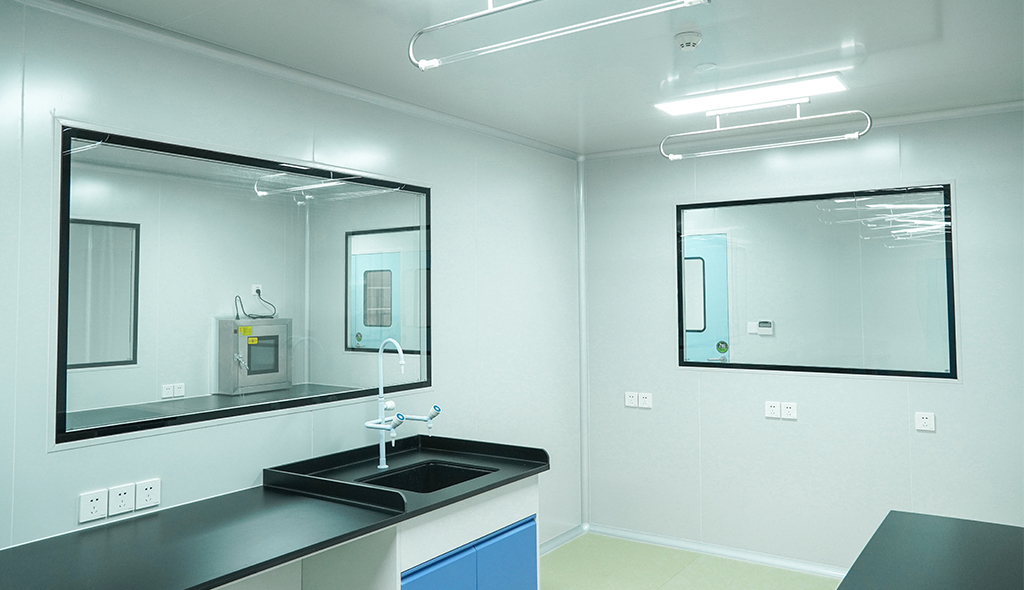 Cleanroom Glass Windows Are The Key to Maintaining a Clean Environment
 -
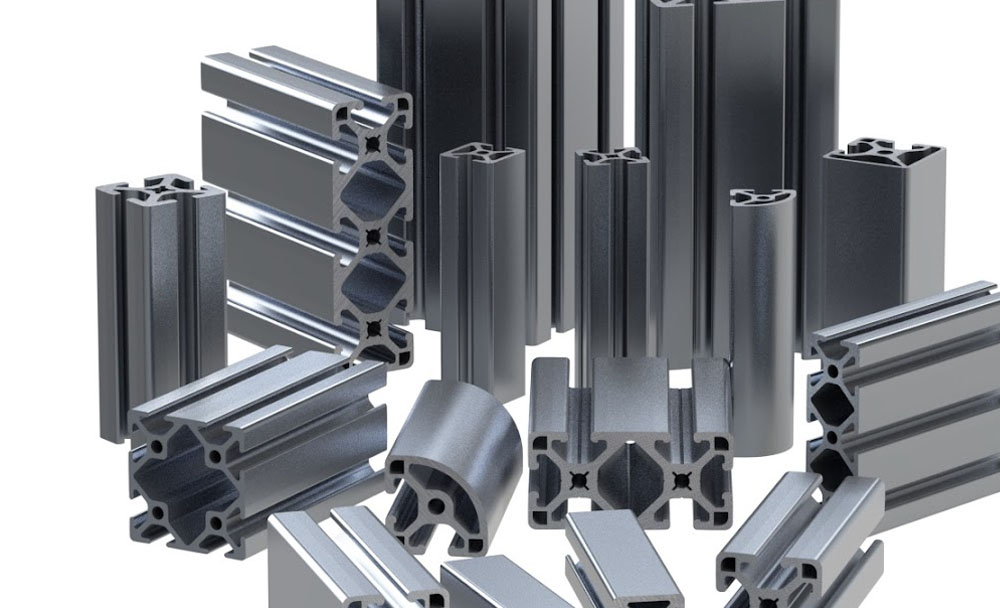 Top Aluminium Profile Manufacturers in China: Leading the Global Market
 -
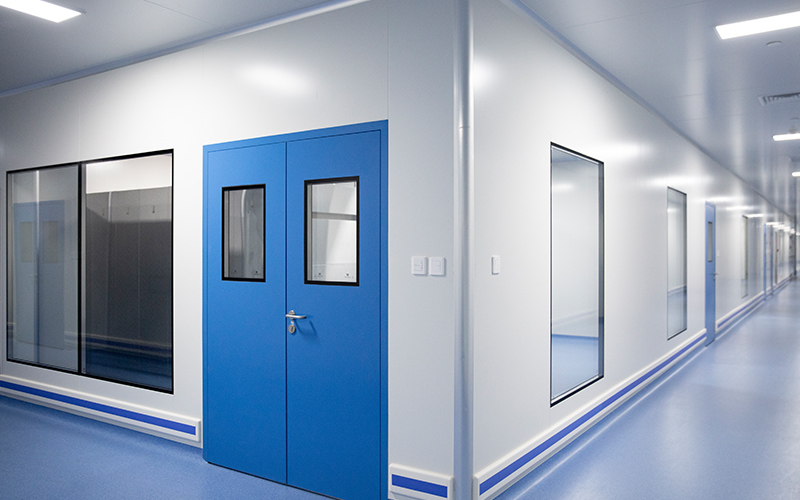 The Evolution of Air Tight Sliding Doors
 -
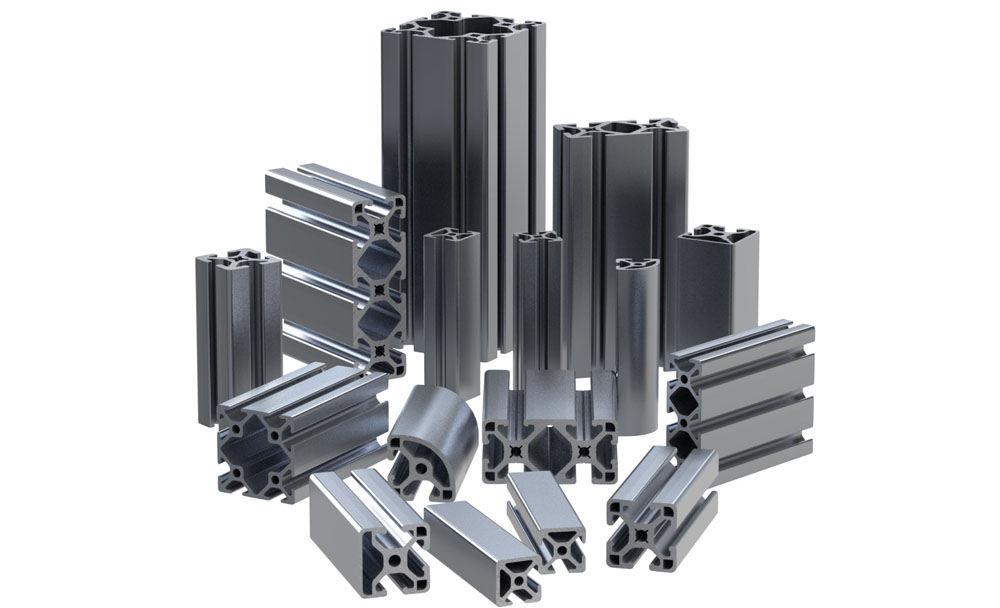 AHU Aluminium Profile: A Comprehensive Guide
 -
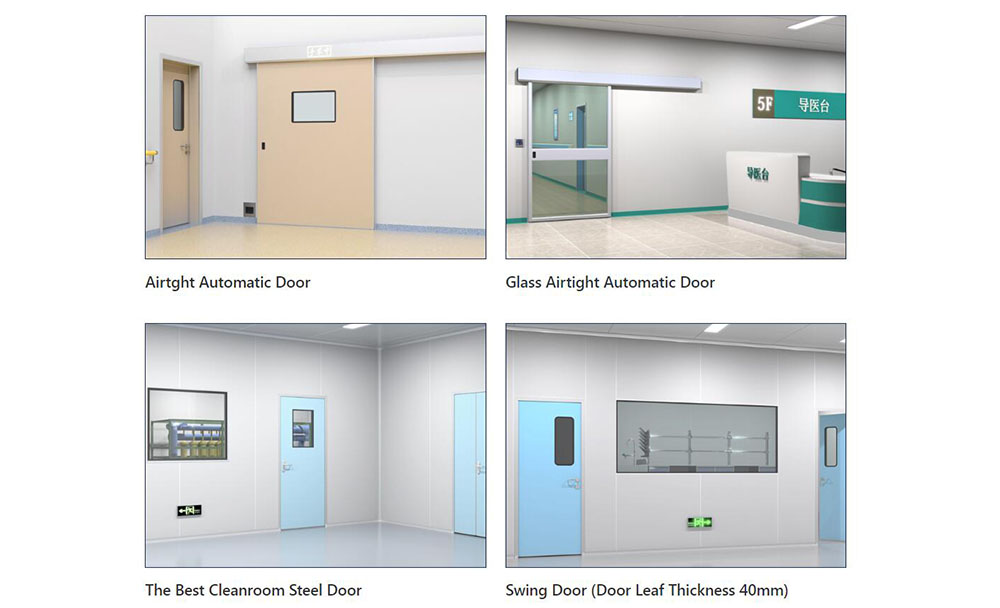 The Importance of Choosing the Right Cleanroom Door in Vietnam
 -
 The Benefits of Hospital Automatic Doors: Enhancing Efficiency and Safety
 -
.jpg) The Best Bathroom Door Manufacturers - Unlocking Endless Possibilities!
The Best Bathroom Door Manufacturers - Unlocking Endless Possibilities! -
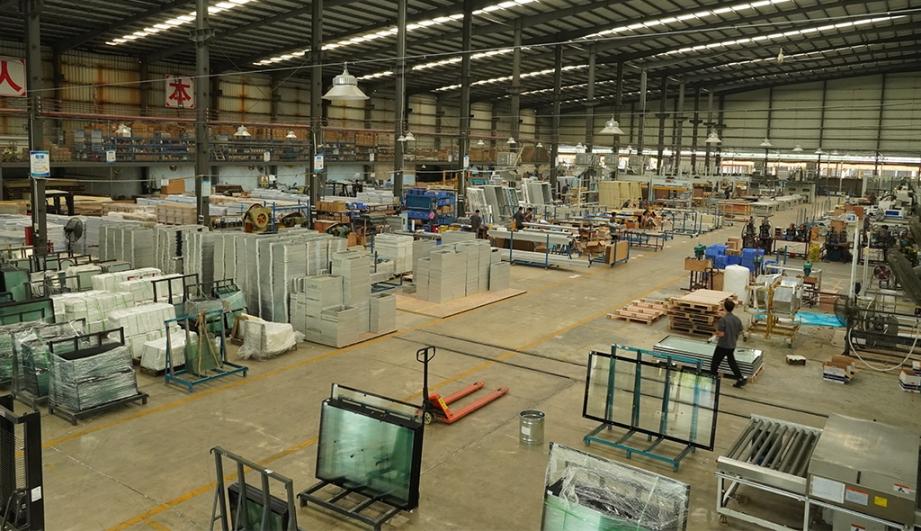 Unlock the Possibilities with AJ Manufacturing Doors
 -
 Make a Statement with Manufactured Home Interior Doors!
 -
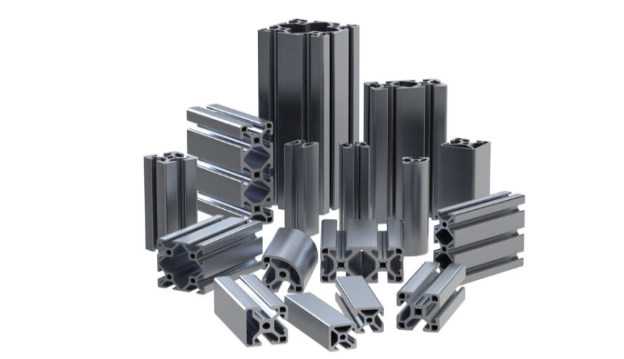 what is aluminum profile? Aluminum Profiles for Your Home is the best option
-
 Hospital Room Door Size by Room Type: Width and Clearance
 -
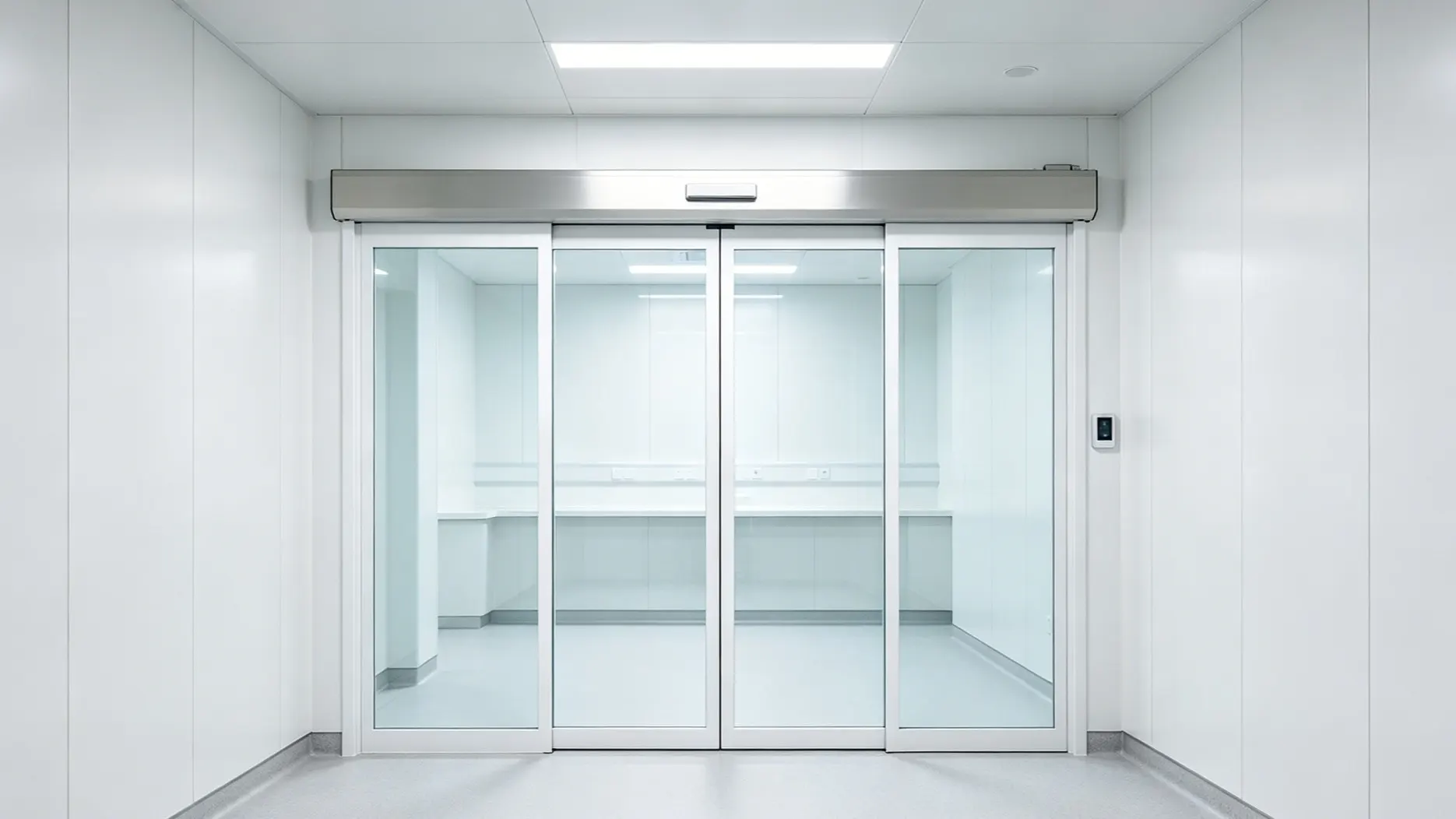 Retrofit Manual Doors with Electronic Glass Operators
 -
 Hospital Emergency Exit Doors: 90 Minute Fire Rating Meets Infection Control
 -
 ICU and Isolation Door Requirements Hospitals Often Overlook
 -
 Laboratory Door Requirements for BSL-2 and BSL-3 Containment
 -
 Retrofitting Hospital Sliding Doors: Upgrade Wards Without a Rebuild
 -
 Why Airtight Hospital Sliding Doors Are Critical for Infection Control
 -
 Automatic cleanroom door systems: sensor, actuator and access control integration
 -
 Cleanroom Door Materials: Stainless Steel vs HPL vs FRP vs Aluminum Comparison
 -
 X-Ray Room Door Buying Guide: Lead Thickness & Compliance





-

Home
-

Tel
-

Email
-

Contact


Guangzhou Yizhong Aluminum Industry Co., Ltd.
We are always providing our customers with reliable products and considerate services.
We are always providing our customers with reliable products and considerate services.
Speak Your Mind