Enhance Your Space: Door with Glass Panel Interior Benefits
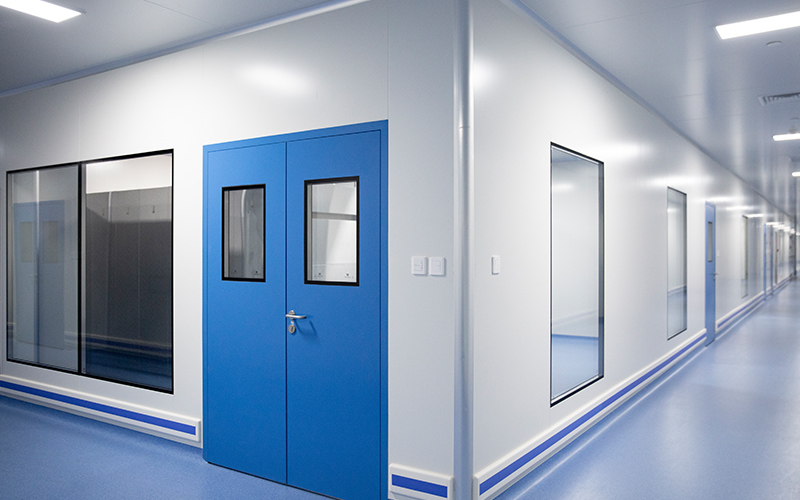
Choosing the right components for a cleanroom is critical. The advantages of a cleanroom door with glass panel interior are becoming increasingly clear. These doors are not just entryways; they serve as integral design elements that enhance functionality, visibility, and the atmosphere of a controlled space, blending practicality with modern aesthetics.
The Role of Glass Panel Doors in Cleanroom Design
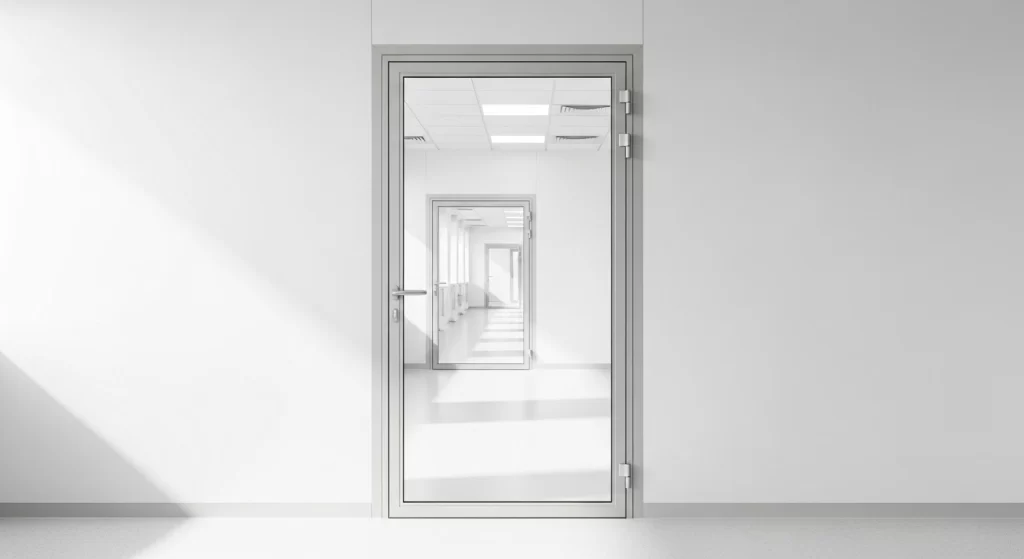
Glass panel doors play a crucial role in modern cleanroom design, moving beyond simple aesthetics to offer significant functional advantages. They help create brighter, more open-feeling environments, which can positively impact staff morale and productivity. The main benefits include improved visibility, enhanced natural light, and a more collaborative atmosphere.
The specific type of glass used allows you to balance transparency with privacy. This strategic use of glass in interior doors transforms them from mere barriers into active components of a well-designed, efficient, and compliant cleanroom.
Distinct Advantages Over Solid Door Alternatives
While solid doors offer maximum privacy, glass doors provide distinct benefits. Their main advantage is allowing natural light to flow in, reducing the need for artificial lighting and making spaces feel larger and more inviting.
Unlike solid doors that fully separate rooms, glass interior doors maintain a visual connection, promoting openness. Modern glass doors also deliver strong performance features.
Key advantages:
- More Light: Glass lets natural light pass between rooms.
- Greater Openness: Creates the illusion of a bigger, more connected space.
- Better Atmosphere: Natural light improves comfort and productivity.
- Sound Control: Some glass types effectively reduce noise between areas.
Importance in Pharmaceutical, Biotech, and Healthcare Facilities
In highly regulated industries like pharmaceuticals, biotech, and healthcare, every design choice serves a purpose. A cleanroom door with a glass panel isn’t just for aesthetics—it enables non-intrusive observation of critical processes, ensuring protocols are followed without risking contamination.
These doors must meet strict requirements: they’re made from non-shedding, easy-to-clean materials and feature seamless integration for an airtight seal. Safety is vital, so impact-resistant or tempered glass is used to prevent breakage and protect the environment’s integrity.
Additionally, well-sealed glass doors help maintain stable pressure and temperature, improving energy efficiency and reducing HVAC demands.
Boosting Visibility and Workflow Efficiency
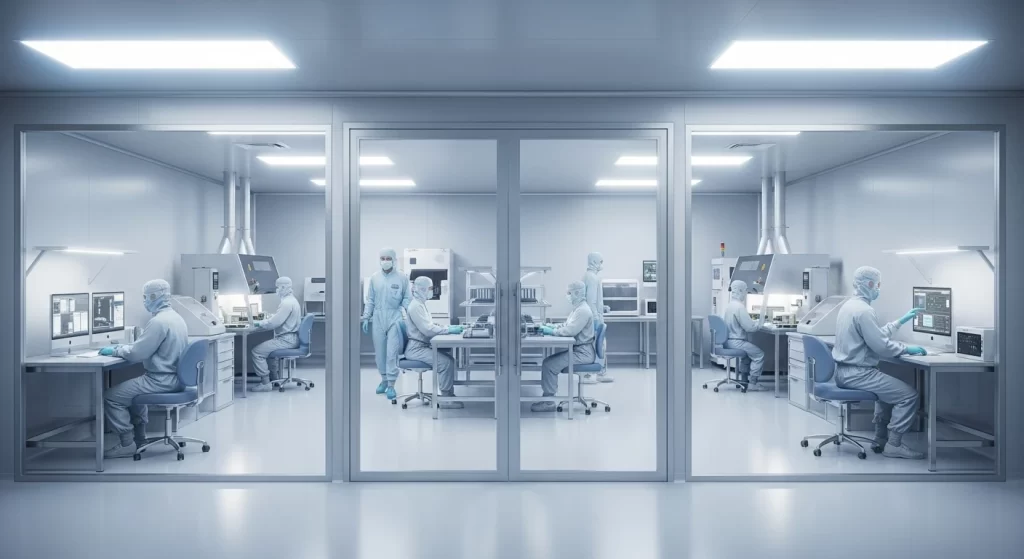
Enhanced visibility is one of the primary functional benefits of using glass doors in a cleanroom setting. This clear line of sight through interior doors creates a powerful visual connection between different zones, which directly impacts workflow efficiency. Teams can coordinate actions and monitor progress without physically moving between sterile areas.
This immediate visual access helps streamline operations and reduce unnecessary foot traffic, a key factor in minimizing contamination risks. From improving communication to supporting process monitoring, the strategic placement of glass panels can significantly optimize daily tasks.
Enhancing Staff Communication and Coordination
Effective staff communication is vital in controlled environments. Glass doors eliminate physical barriers and promote collaboration. When supervisors and team members can see each other, coordination becomes seamless.
Clear panels enable quick, non-verbal cues, keeping everyone aligned without intercoms or opening doors that could compromise sterility. This visibility helps staff anticipate needs, confirm processes, and provide immediate support.
Ultimately, glass interior doors foster a more connected and responsive team, reducing delays and boosting productivity for a safer, more efficient workspace.
Supporting Continuous Process Monitoring
Interior glass doors in cleanrooms enable continuous process monitoring without disruption. Their glass panels allow for real-time quality checks and supervision without entering sterile zones or gowning, supporting protocol adherence and early issue detection.
This non-intrusive observation streamlines workflow by reducing unnecessary entry and exit, minimizing air pressure changes and contamination risks. Whether overseeing automated systems or manual tasks, these doors make monitoring seamless and efficient. The natural light they provide also enhances visibility during inspections.
Aesthetic and Functional Benefits of Glass Panels
Glass panels masterfully blend aesthetic appeal with functional needs, transforming interior glass doors from simple partitions into sophisticated architectural elements. Popular styles right now range from minimalist designs with large, clear glass panes that maximize light, to frosted or textured options that provide privacy while maintaining a bright feel.
These doors contribute to a sleek, modern look that signals a state-of-the-art facility. By balancing the need for visibility, light, and privacy, glass panels allow you to create a space that is not only highly functional but also visually impressive and pleasant to work in.
Allowing Natural Light for Brighter Interiors
One of the most impactful benefits of glass panel doors is their ability to welcome an abundance of natural light into interior spaces. Unlike solid doors that block light and create isolated, darker areas, clear glass doors allow sunlight to flow freely from one room to another, creating brighter interiors.
This influx of natural light significantly reduces the need for artificial lighting during the day, which can lead to energy savings and a reduced carbon footprint. More importantly, it enhances the quality of the working environment, as natural light is known to boost mood and alertness.
Key advantages include:
- Reduced Energy Costs: Less reliance on artificial light lowers electricity bills.
- Improved Well-being: Natural light creates more pleasant and stimulating living spaces and work environments.
Creating an Open, Modern Cleanroom Environment
Glass doors create an open, spacious, and modern environment. In cleanrooms, clear glass supports transparency and a forward-thinking design, moving away from the confined feel of traditional spaces.
Multiple design options allow you to customize for both style and function. Full-panel glass doors maximize openness, while partial glazing offers flexibility—both result in a lighter, more connected workspace.
This openness makes small rooms feel larger and fosters a collaborative atmosphere, aligning your space with modern operational principles.
Maintenance, Safety, and Performance Considerations
When selecting glass doors for a cleanroom, it's essential to consider maintenance, safety, and long-term performance. The materials must withstand rigorous cleaning protocols without degrading, ensuring durability. High-performance cleanroom doors, like those from E-ZONG, are engineered with smooth, non-porous surfaces that are easy to sanitize.
Safety is another critical factor, with options like tempered or laminated glass providing protection against impact and breakage. Performance extends to how well the door seals and insulates, all of which are vital for maintaining a controlled environment.
Cleaning Methods and Long-Term Durability of Glass Doors
Maintaining cleanroom glass doors is essential for compliance and durability. Cleaning methods depend on the glass and frame materials. Most glass panels can be cleaned with a 70/30 isopropyl alcohol and deionized water solution using lint-free wipes to prevent residue and particulates.
Clean frames according to manufacturer guidelines to avoid damage; high-quality aluminum profiles are ideal for their resistance and easy maintenance. Regular cleaning ensures long-term performance.
| Cleaning Task | Recommended Method | Frequency |
|---|---|---|
| Glass Panel Surface | Wipe with 70/30 IPA/DI water using lint-free cloth | Daily or as needed |
| Door Frame & Hardware | Clean with approved disinfectant; prevent residue buildup | Daily or as needed |
| Gaskets & Seals | Inspect, wipe clean; avoid harsh chemicals | Weekly or as needed |
Addressing Safety, Security, and Energy Efficiency Requirements
A modern cleanroom door must do more than just open and close; it must meet a range of safety, security, and energy efficiency requirements. Safety is a top priority, and selecting the right type of glass is a key decision. Tempered or laminated glass is often required as it is designed to shatter into small, blunt pieces or stay intact if broken, minimizing injury risk.
Beyond glass safety, the overall door system contributes to facility performance. A proper seal is critical for maintaining pressure differentials, which is fundamental to both contamination control and energy efficiency. Well-sealed doors prevent air leakage, reducing the workload on HVAC systems.
Key considerations include:
- Impact Resistance: Use tempered or laminated glass to prevent hazardous breakage.
- Airtight Sealing: High-quality gaskets are essential for maintaining pressure and energy efficiency.
- Access Control: Integrating door accessories like automatic locks can enhance security for sensitive areas.
Conclusion
Incorporating door with glass panel interiors in cleanroom designs boosts functionality and aesthetics. They enhance visibility and workflow, especially in pharmaceuticals and healthcare, allowing for better monitoring and communication. These doors also provide durability and safety that meet industry standards. For a cleanroom upgrade, contact us to find the best solution for your facility.
FAQ
Are glass panel cleanroom doors energy efficient compared to traditional doors?
A high-performance glass clean room door can be very energy efficient. Advanced seals and multi-pane glass minimize air leaks. Increased natural light reduces reliance on artificial lighting, lowering overall energy use compared to solid doors.
What kind of doors have glass panels?
Many interior doors feature glass panels, such as French doors with multiple panes and modern single-panel designs. Sliding glass doors are popular for space-saving. Cleanroom doors offer specialized glass options for visibility and compliance.
What are the different types of glass doors available?
Interior glass doors come in various styles: hinged, sliding, and bi-fold. Glass options include clear, frosted for privacy, decorative, and tinted. For advanced needs, tempered or smart electronic glass doors are available.
-
 Cleanroom Glass Windows Are The Key to Maintaining a Clean Environment
 -
 Top Aluminium Profile Manufacturers in China: Leading the Global Market
 -
 The Evolution of Air Tight Sliding Doors
 -
 AHU Aluminium Profile: A Comprehensive Guide
 -
 The Importance of Choosing the Right Cleanroom Door in Vietnam
 -
 The Benefits of Hospital Automatic Doors: Enhancing Efficiency and Safety
 -
.jpg) The Best Bathroom Door Manufacturers - Unlocking Endless Possibilities!
The Best Bathroom Door Manufacturers - Unlocking Endless Possibilities! -
 Unlock the Possibilities with AJ Manufacturing Doors
 -
 Make a Statement with Manufactured Home Interior Doors!
 -
 what is aluminum profile? Aluminum Profiles for Your Home is the best option
-
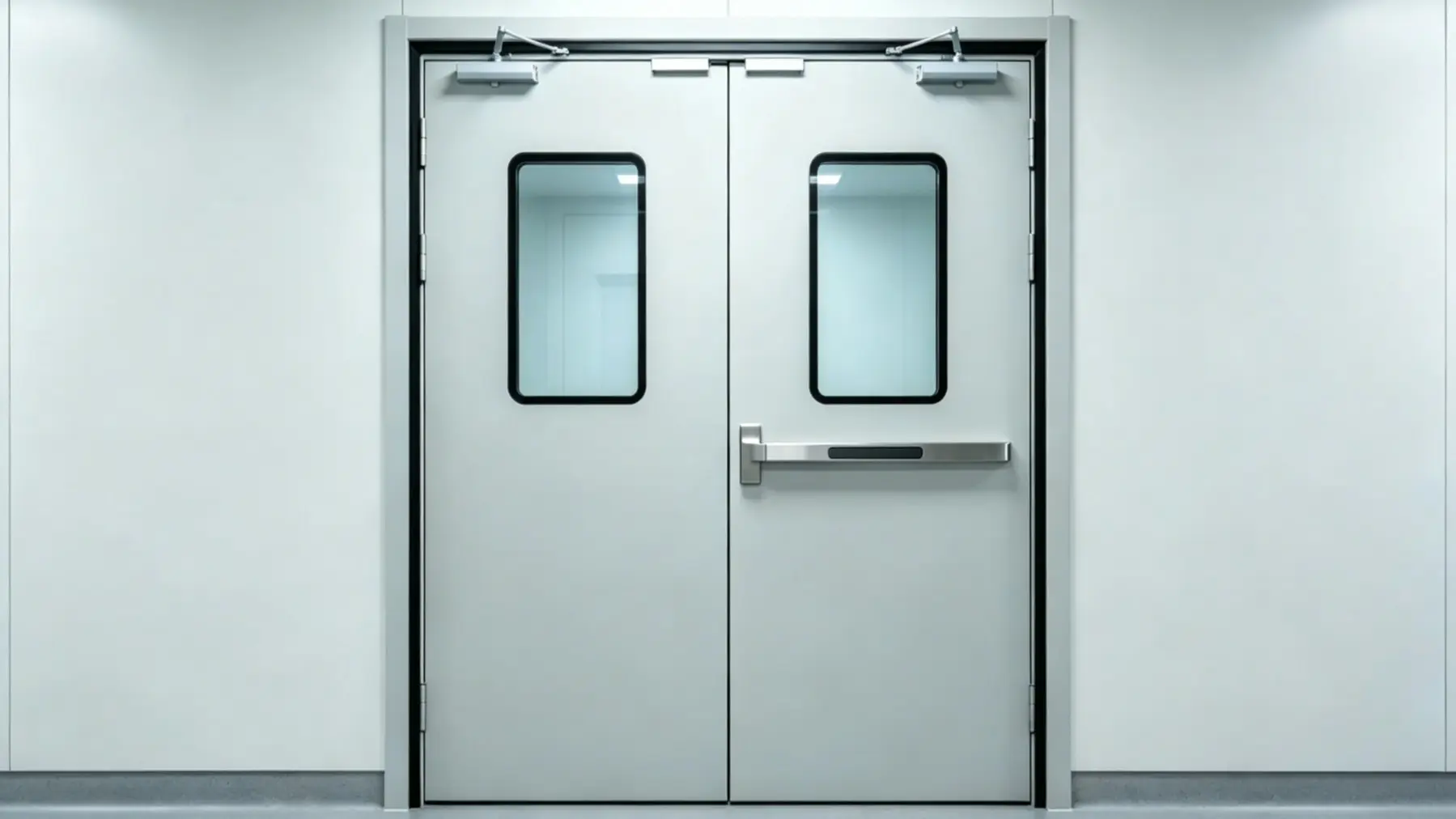 Hospital Emergency Exit Doors: 90 Minute Fire Rating Meets Infection Control
 -
 ICU and Isolation Door Requirements Hospitals Often Overlook
 -
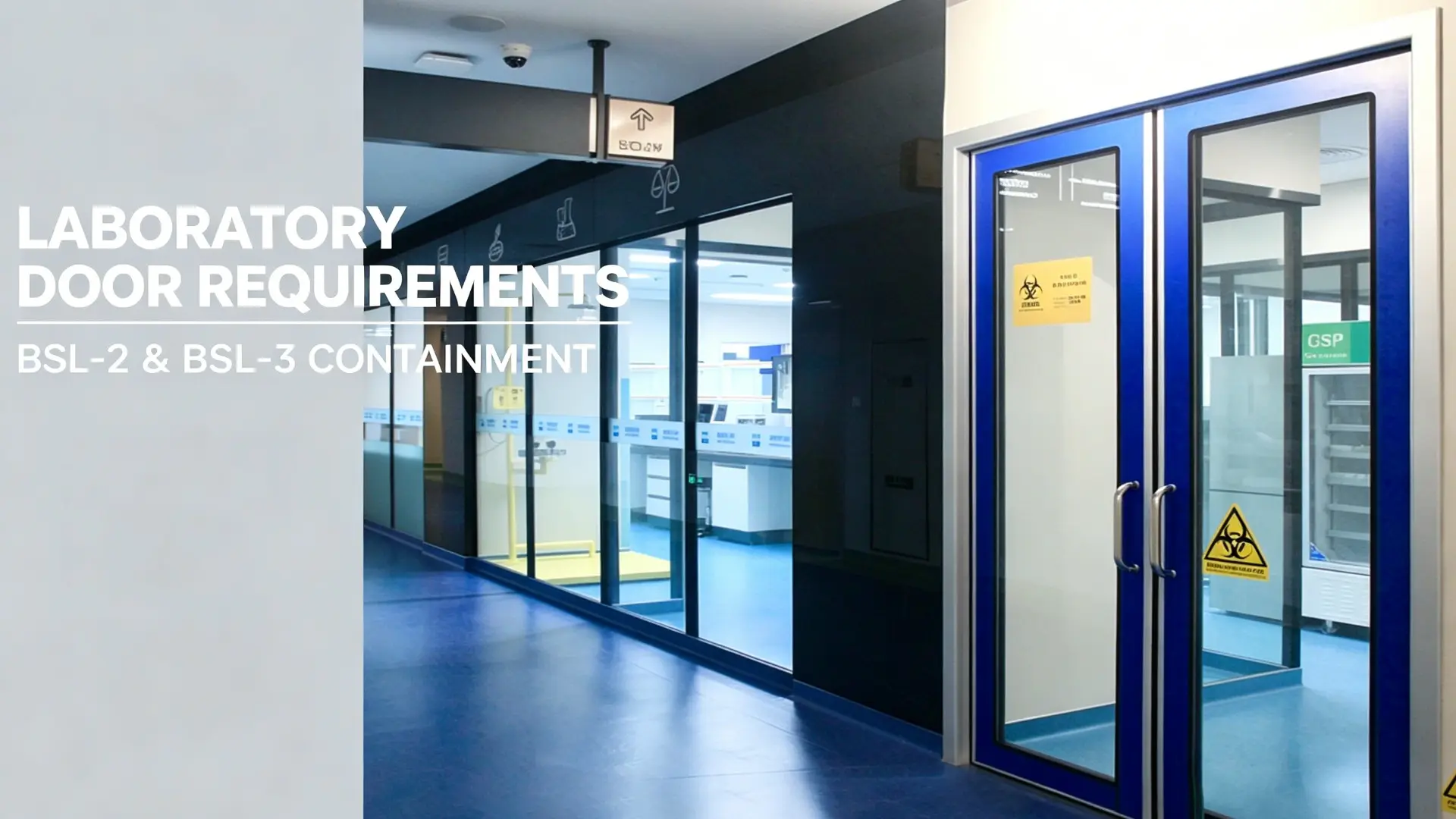 Laboratory Door Requirements for BSL-2 and BSL-3 Containment
 -
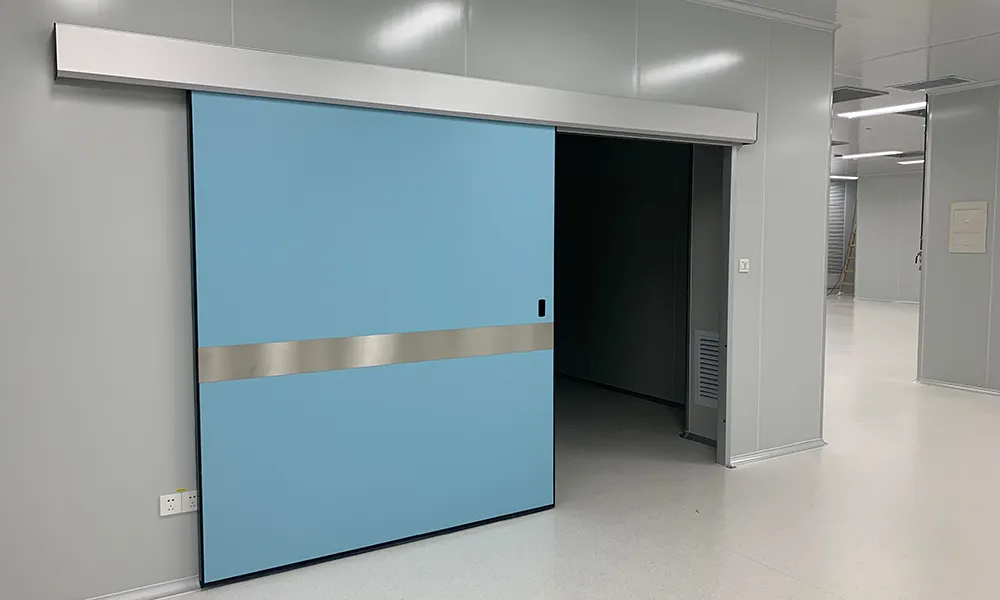 Retrofitting Hospital Sliding Doors: Upgrade Wards Without a Rebuild
 -
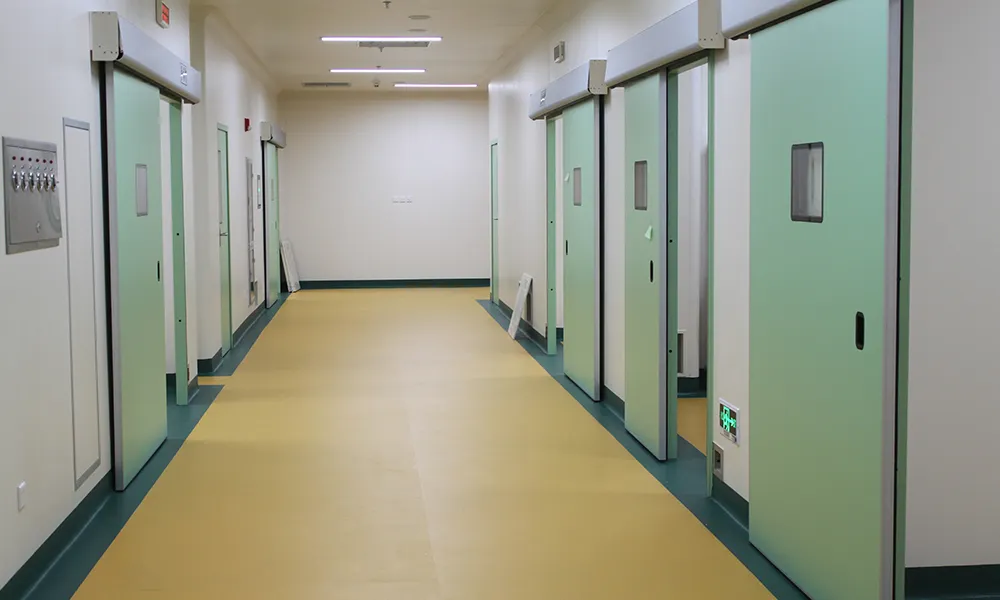 Why Airtight Hospital Sliding Doors Are Critical for Infection Control
 -
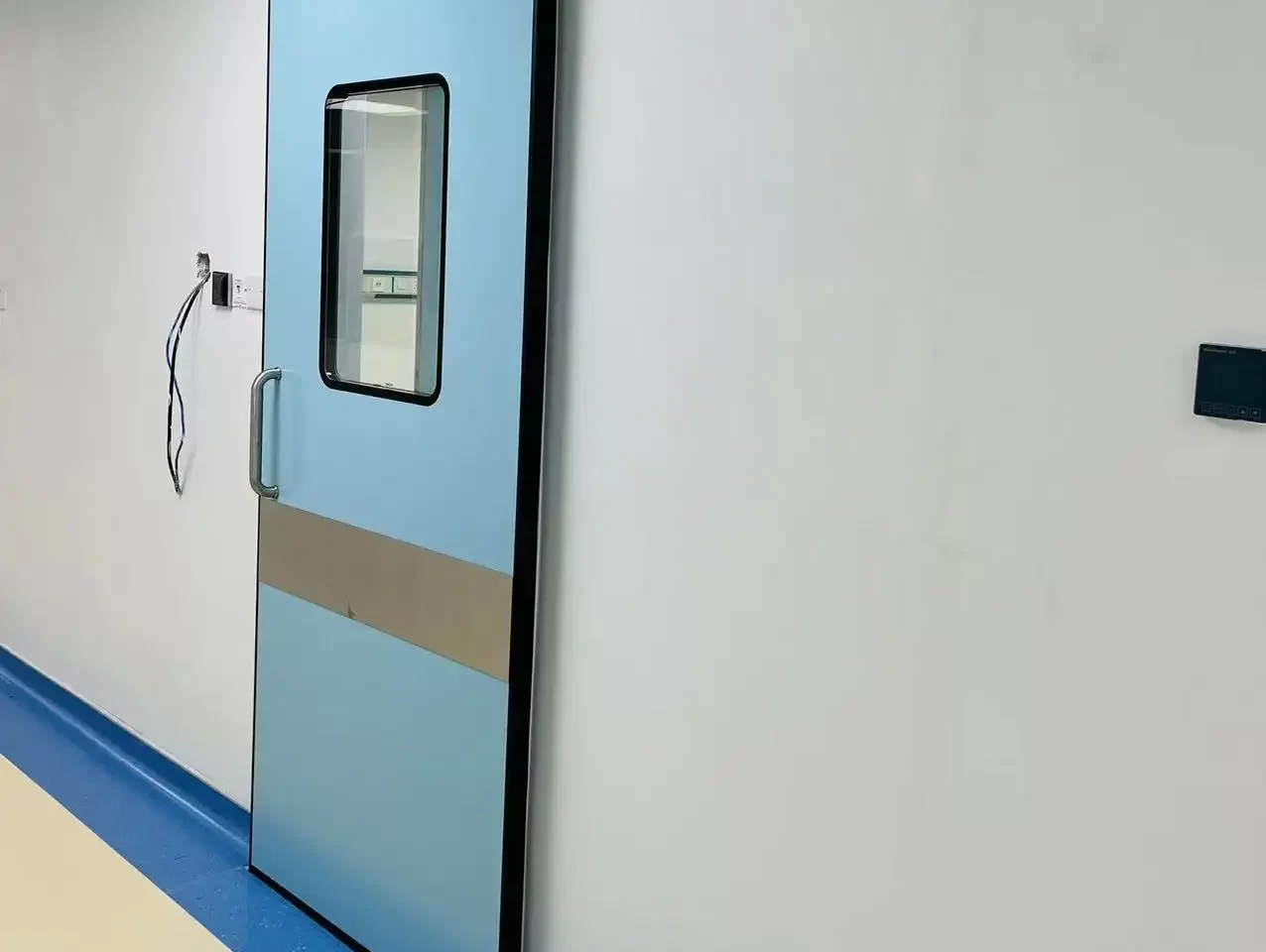 Automatic cleanroom door systems: sensor, actuator and access control integration
 -
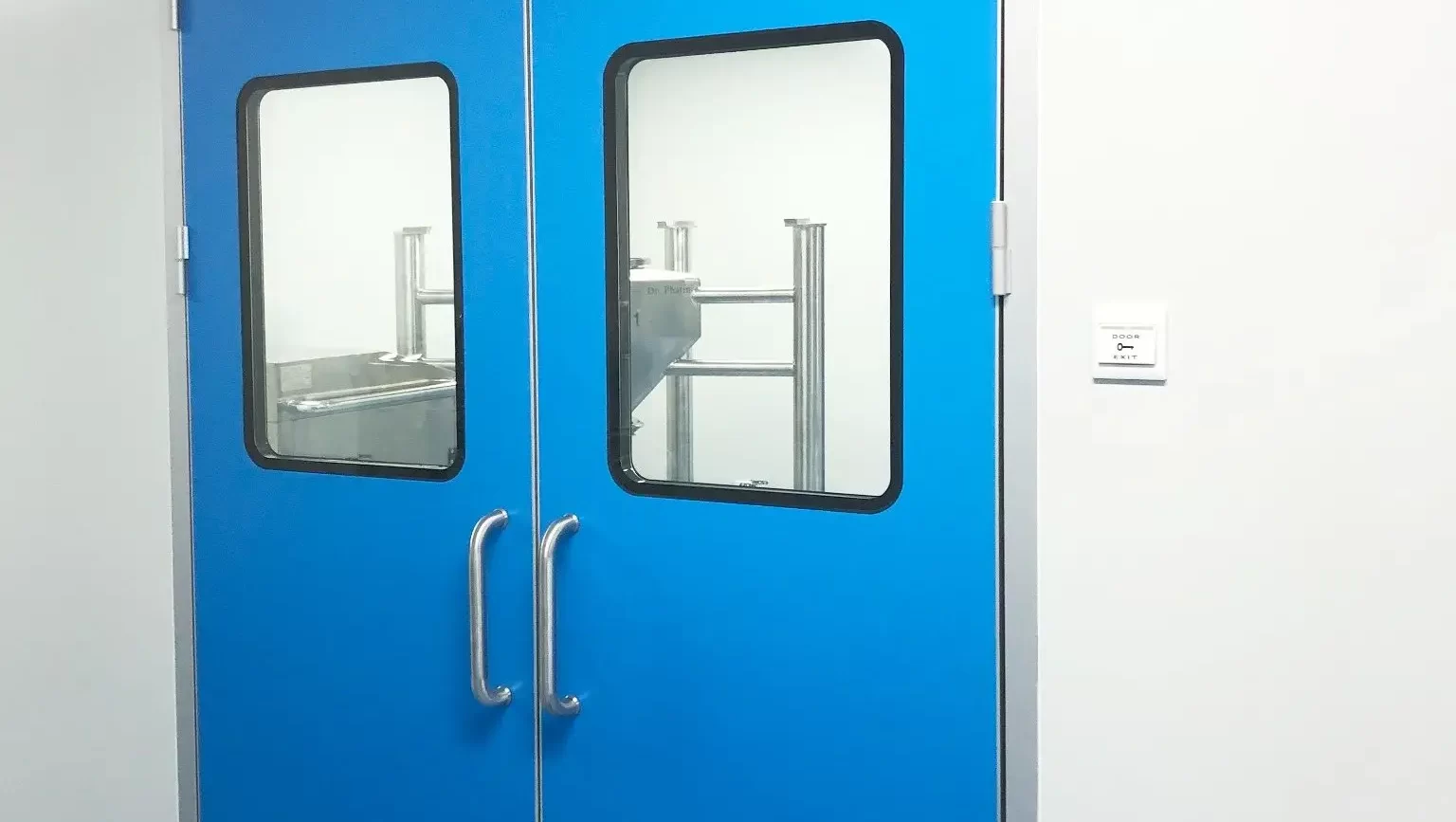 Cleanroom Door Materials: Stainless Steel vs HPL vs FRP vs Aluminum Comparison
 -
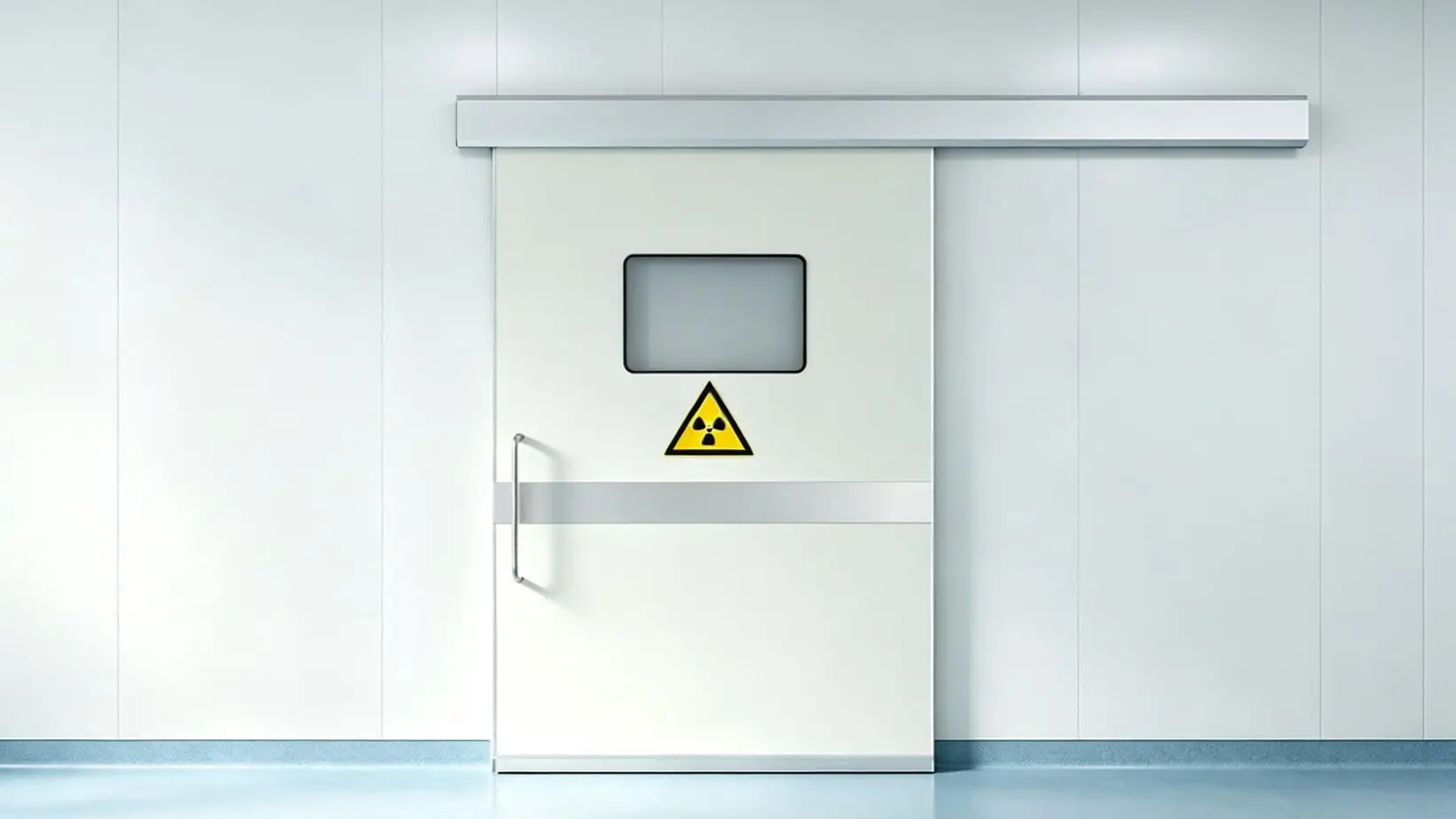 X-Ray Room Door Buying Guide: Lead Thickness & Compliance
 -
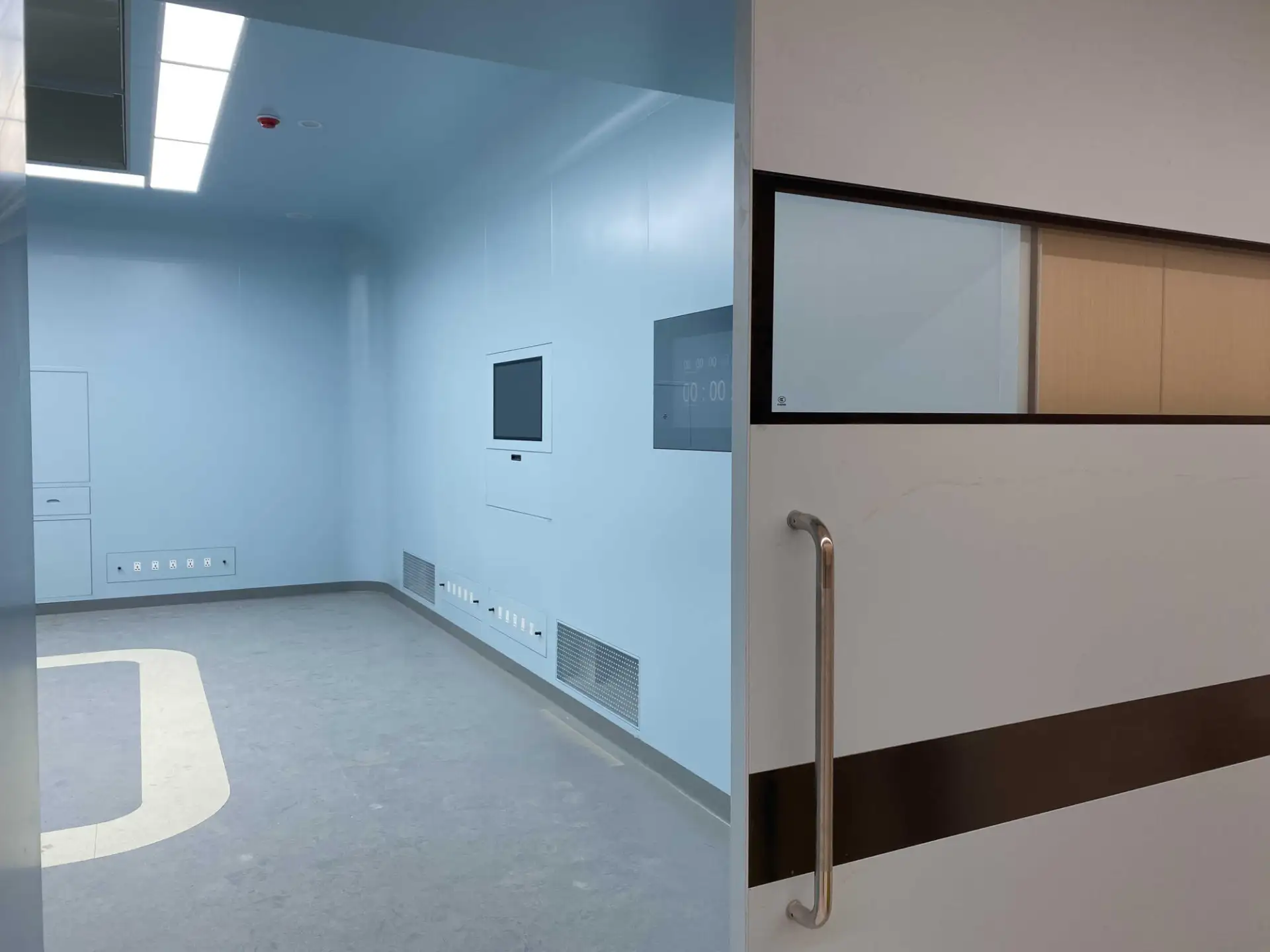 Operating Room Doors: Hermetic & Infection-Control Guide
 -
 Hospital ICU Door Selection: Sealing, Sterility & Workflow



-

Home
-

Tel
-

Email
-

Contact


Guangzhou Yizhong Aluminum Industry Co., Ltd.
We are always providing our customers with reliable products and considerate services.
We are always providing our customers with reliable products and considerate services.
Speak Your Mind