
The Importance of Quality HVAC Vents in Cleanrooms
Every component counts when designing and maintaining a cleanroom. While the main HVAC system gets most of the attention, HVAC vents play a crucial role that should not be overlooked. These vents control air quality, direct airflow, and help prevent contamination. Choosing the right HVAC vent covers and understanding their specific role is essential for maintaining your cleanroom’s efficiency and integrity.
Fundamentals of HVAC Vents in Cleanroom Environments
At its core, an HVAC ventilation system works like a building's respiratory system. It pulls air in, conditions it (heats or cools), filters it, and then distributes it to maintain a specific environment. In a cleanroom, this process is far more rigorous. The vents are the final delivery point for this purified air and the starting point for returning used air.
The quality and design of these vent covers are paramount. They must facilitate proper air supply and ventilation without introducing particles or creating areas where contaminants can settle. A well-designed HVAC system with appropriate vents ensures consistent air conditioning and circulation, which is fundamental to contamination control. Let’s explore the specific components and types of vents used in these critical settings.
Defining Registers, Grilles, and Vent Covers: Functions and Differentiation
Registers, grilles, and vent covers are vital to HVAC systems, especially in cleanrooms where precision matters. Registers deliver conditioned air and allow for airflow control with adjustable louvers. Grilles are used for return vents, promoting efficient air circulation.
Vent covers include both registers and grilles, differing in design and function. They improve room aesthetics and help maintain indoor air quality by blocking pollutants from ductwork. Knowing their differences is key to optimizing airflow and meeting cleanroom standards.

Main Types of HVAC Vents and Their Roles in Contamination Control
HVAC systems use different vent types to create a balanced loop of air circulation. Each type has a specific purpose that is essential for maintaining pressure, temperature, and cleanliness in a cleanroom. Understanding these roles is key to effective environmental control.
The two primary categories are supply vents and return vents. Supply vents deliver conditioned, filtered air into the room, while return air vents pull stale air back into the HVAC system for reconditioning. This continuous cycle is what keeps the environment stable.
Other specialized vents also play a part in contamination control. The main types include:
- Supply Vents: These push clean, temperature-controlled air into the cleanroom. Their placement is engineered to ensure even distribution and prevent dead zones where particles could accumulate.
- Return Air Vents: Also called intake vents, these pull air out of the room. This process removes airborne particles and sends the air back through the air filtration system.
- Exhaust Vents: These are used to remove contaminated air, fumes, or excess moisture directly from the environment to the outdoors, preventing it from recirculating.
Engineering Considerations for Cleanroom HVAC Vent Selection
Choosing the right HVAC vents for a cleanroom goes beyond basic functionality. Engineers and facility managers must consider several critical factors to ensure compliance and performance. The material of the vent covers, the design of the air duct, and the resulting airflow dynamics all have a direct impact on cleanliness and operational efficiency.
Proper selection ensures that the vents themselves do not become a source of contamination. They must be durable, easy to clean, and designed to promote optimal air pressure and airflow patterns. These considerations are vital for maintaining the strict environmental standards required in industries like pharmaceuticals, biotechnology, and electronics manufacturing.
Critical Material Choices for Vent Covers and Components
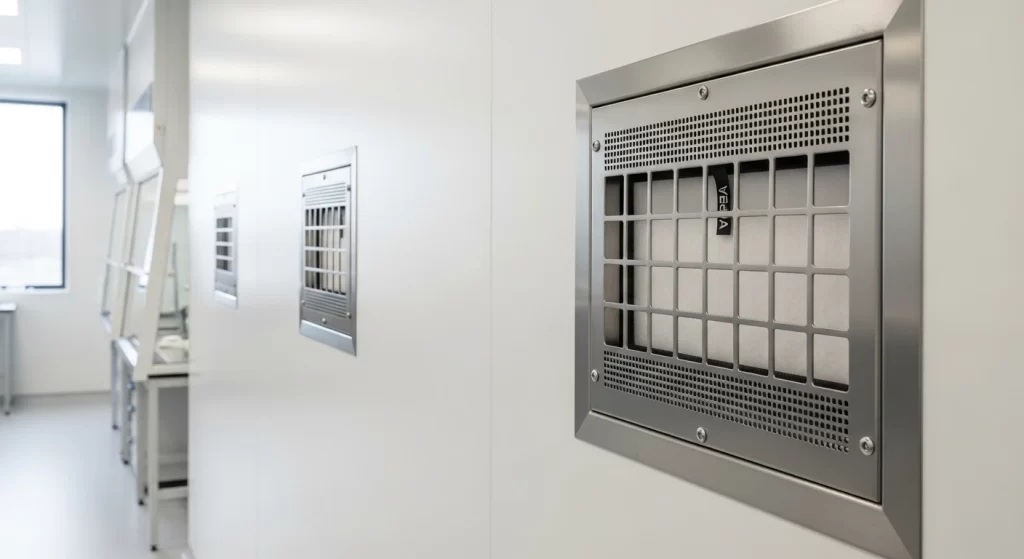
The choice of vent cover material in a cleanroom is crucial. It must be non-shedding, corrosion-resistant, and able to withstand frequent cleaning without degrading. Inferior materials can release contaminants, undermining the cleanroom’s integrity. Stainless steel and aluminum are popular options due to their durability and non-porous surfaces.
For instance, solid cast aluminum return air grilles are durable and easy to sterilize. In contrast, cheap plastics or untreated metals may corrode or shed particles, jeopardizing the ductwork system.
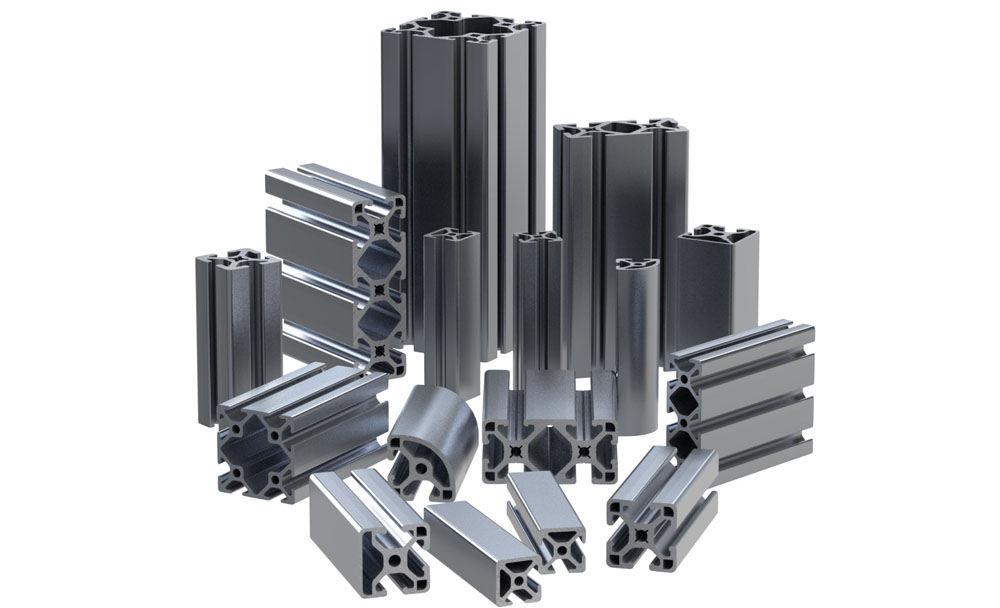
Manufacturers like E-ZONG use advanced CNC technology to produce high-precision aluminum vent covers that meet strict cleanroom standards, ensuring flawless components for a sterile environment.
| Material | Advantages | Best For |
|---|---|---|
| Stainless Steel | Highly durable, corrosion-resistant, withstands chemicals | Pharmaceutical/biotech cleanrooms with strict sterilization |
| Aluminum | Lightweight, corrosion-resistant, cost-effective | General cleanrooms, electronics manufacturing, R&D labs |
| Coated Steel | Strong and affordable; coating must be non-shedding | Less critical areas where budget is key |
Airflow Dynamics and the Impact on Heating, Cooling, and Cleanliness
Airflow in a cleanroom is carefully engineered by the HVAC system to maintain temperature, remove particles, and ensure cleanliness. Supply vents push conditioned air in, creating positive pressure to keep contaminants out. Their placement—ceiling, wall, or floor—is designed for optimal air distribution; ceiling vents work well for cooling since cool air sinks.
Return vents are equally crucial, pulling air back for filtration and completing the circulation loop. If return vents are blocked or improperly sized, airflow suffers, causing hot spots and reduced efficiency. Balanced airflow is essential for a stable, clean environment.
Enhancing Performance with Advanced HVAC Vent Technologies
Technology is constantly evolving, and HVAC systems are no exception. Modern advancements are moving beyond simple manual dampers to offer more intelligent and automated solutions for environmental control. Smart HVAC vents, for instance, are transforming how facilities manage temperature and airflow with unparalleled precision.
These innovations allow for dynamic adjustments based on real-time data, improving energy efficiency and ensuring that conditions remain within tight specifications. For cleanroom applications, where precise control is not just a luxury but a necessity, these technologies can significantly enhance the performance of the air conditioner and overall HVAC system.
Benefits and Applications of Smart HVAC Vents in Cleanrooms
Smart HVAC vents are a significant advancement in environmental control. Unlike traditional vents, smart vents can be programmed and controlled remotely, automatically adjusting airflow based on sensor data—essential for maintaining strict temperature and pressure in cleanrooms.
This technology enables zone-based control, allowing you to fine-tune conditions in specific areas without affecting others. If a sensor detects a temperature rise near equipment, the nearest smart vent increases cool air flow to compensate.
Key benefits of smart vents in cleanrooms include:
- Precise Control: Micro-adjustments keep conditions stable and within regulatory limits.
- Energy Efficiency: Targeted airflow reduces HVAC workload and saves energy.
- Automated Response: Smart systems instantly adapt to changes in occupancy or equipment use, preserving environmental integrity without manual input.
The Significance of Return Air Vents for System Efficiency and Sterility
While supply vents are known for delivering clean air, return air vents are vital for system efficiency and cleanliness. They remove used air from the room and send it back to the HVAC unit, maintaining balanced airflow and a sterile environment.
If return vents fail, room air pressure becomes unbalanced. Supply vents keep pushing in air, forcing the HVAC system to work harder and reducing efficiency. Stagnant air allows particles to settle, compromising cleanroom sterility.
Return vents capture contaminated air and direct it through filters for purification. Properly placed and sized return vents ensure high air exchange rates, continuously removing particles and preserving cleanroom integrity.
Conclusion
Quality HVAC vents are essential for maintaining cleanroom integrity by controlling airflow and reducing contamination. Understanding vent types, engineering factors, and advanced technologies helps you make informed choices for better performance and cleanliness. Choosing high-quality materials and smart vents improves efficiency and safety. For personalized advice or tailored HVAC solutions, contact our experts—your cleanroom’s success starts with the right ventilation.
FAQ
What is the ventilation system in HVAC?
The HVAC ventilation system uses ductwork and air vents to move air throughout a building. It brings in fresh or recirculated air, heats or cools it, filters it, and distributes it to maintain air quality and temperature control.
What are the main types of HVAC vents and their purposes?
The main vent types are supply vents, which deliver conditioned air, and return vents, which pull air back for filtering. Floor vents provide heating, while exhaust vents remove contaminants. Together, they manage air conditioning and circulation.
What is the difference between HVAC registers, grilles, and vent covers?
A vent cover refers to any covering on a duct opening. A grille is a basic, non-adjustable cover, while HVAC registers have dampers for controlling airflow volume and direction. Registers are ideal for supply vents where adjustability is required.
-
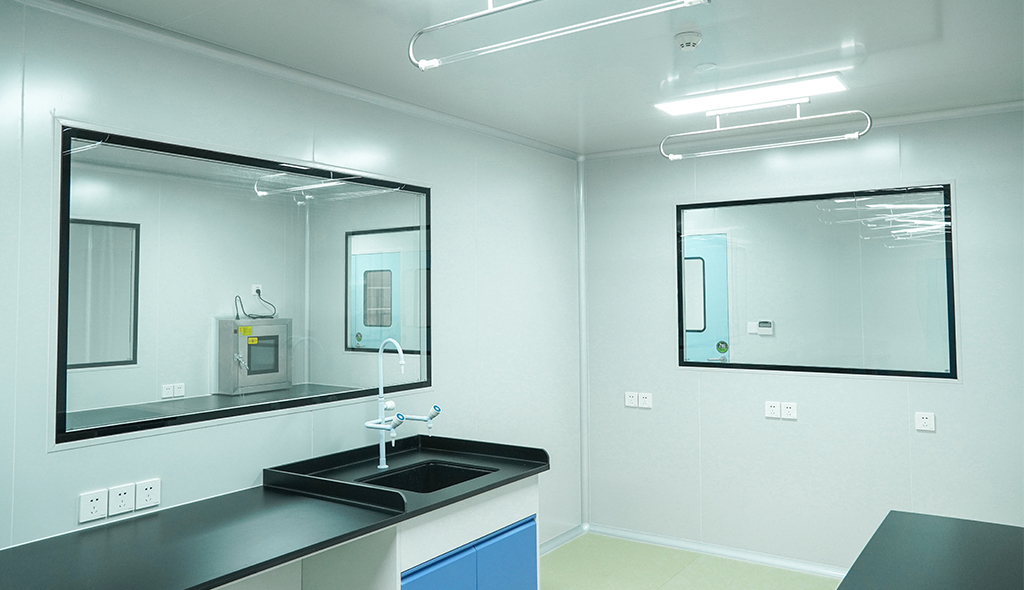 Cleanroom Glass Windows Are The Key to Maintaining a Clean Environment
 -
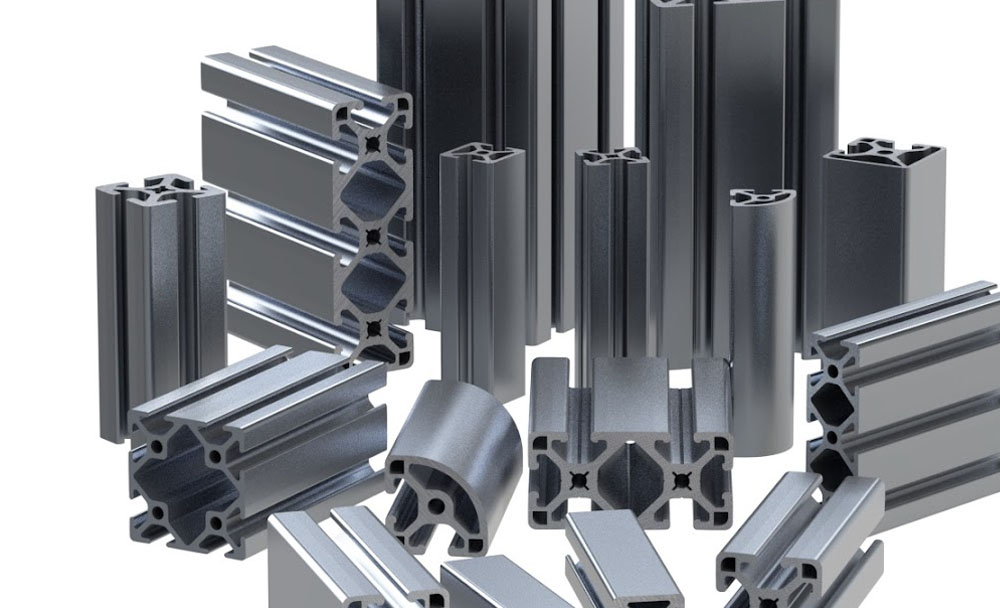 Top Aluminium Profile Manufacturers in China: Leading the Global Market
 -
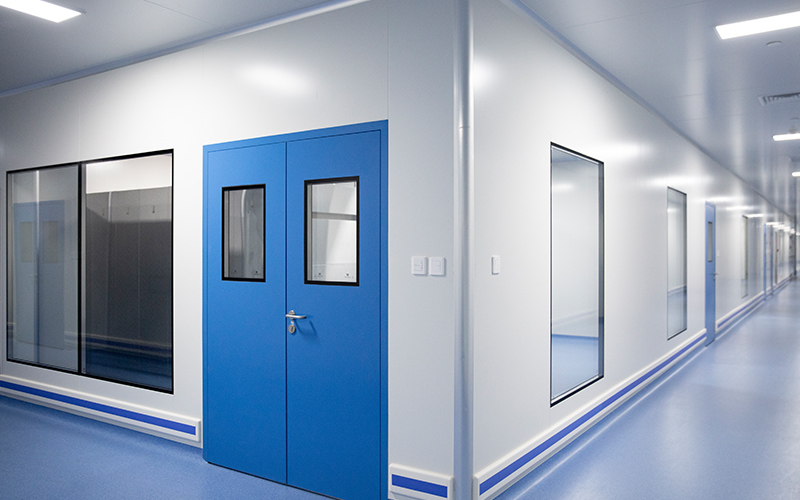 The Evolution of Air Tight Sliding Doors
 -
 AHU Aluminium Profile: A Comprehensive Guide
 -
 The Importance of Choosing the Right Cleanroom Door in Vietnam
 -
 The Benefits of Hospital Automatic Doors: Enhancing Efficiency and Safety
 -
.jpg) The Best Bathroom Door Manufacturers - Unlocking Endless Possibilities!
The Best Bathroom Door Manufacturers - Unlocking Endless Possibilities! -
 Unlock the Possibilities with AJ Manufacturing Doors
 -
 Make a Statement with Manufactured Home Interior Doors!
 -
 what is aluminum profile? Aluminum Profiles for Your Home is the best option
-
 Hospital Room Door Size by Room Type: Width and Clearance
 -
 Retrofit Manual Doors with Electronic Glass Operators
 -
 Hospital Emergency Exit Doors: 90 Minute Fire Rating Meets Infection Control
 -
 ICU and Isolation Door Requirements Hospitals Often Overlook
 -
 Laboratory Door Requirements for BSL-2 and BSL-3 Containment
 -
 Retrofitting Hospital Sliding Doors: Upgrade Wards Without a Rebuild
 -
 Why Airtight Hospital Sliding Doors Are Critical for Infection Control
 -
 Automatic cleanroom door systems: sensor, actuator and access control integration
 -
 Cleanroom Door Materials: Stainless Steel vs HPL vs FRP vs Aluminum Comparison
 -
 X-Ray Room Door Buying Guide: Lead Thickness & Compliance

-

Home
-

Tel
-

Email
-

Contact


Guangzhou Yizhong Aluminum Industry Co., Ltd.
We are always providing our customers with reliable products and considerate services.
We are always providing our customers with reliable products and considerate services.
Speak Your Mind