
What Is a Return Air Vent and Why Does It Matter in HVAC
Ever walked into a room and felt like the air was "heavy" or strangely still, even though you could hear the air conditioner running? Most people blame the cooling unit, but the culprit is often a much simpler, quieter component: the return air vent.
In the complex world of HVAC engineering, the return air vent is the "circulatory heart" of the system. While supply vents are the visible deliverers of comfort, the return system is responsible for the critical task of drawing indoor air back into the system for conditioning, filtration, and redistribution. Without an optimized return path, even the most expensive air handling unit (AHU) becomes an inefficient machine struggling to breathe.
For professionals managing critical environments—like pharmaceutical labs, medical facilities, and high-tech manufacturing—the stakes are significantly higher. In these settings, the return air vent is not just an intake point; it is a precision tool used to maintain pressure cascades and ensure air purity. E-ZONG, a leader in cleanroom solutions since 1996, specializes in this intersection of airflow physics and structural integrity, ensuring that return systems work in perfect harmony with specialized doors and air diffusion products.
1. Return Air Vents Explained
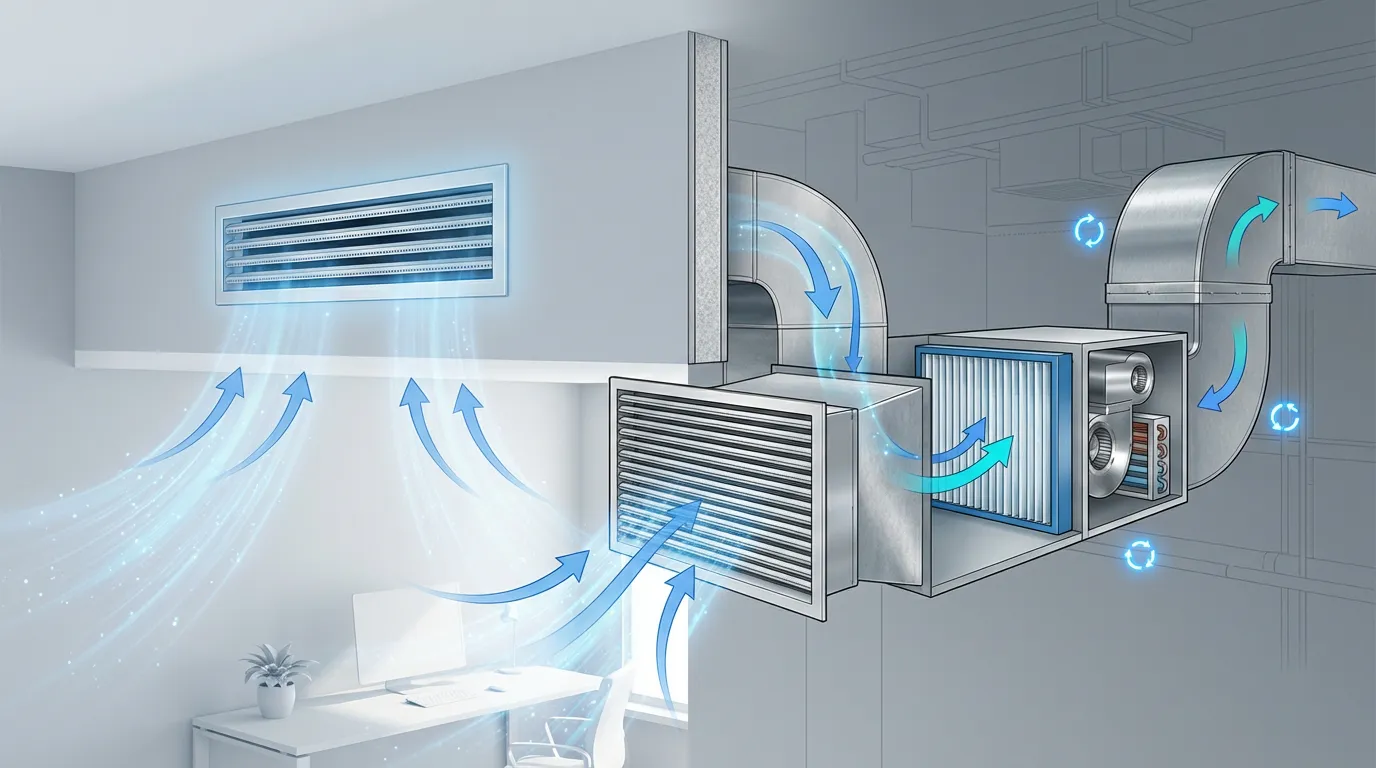
To understand why a return air vent is indispensable, we have to look at the HVAC system as a continuous, pressurized loop. If the supply vents are the "exhale," the return vents are the "inhale."
1.1. More Than Just a Grille
A return air vent is an intake portal typically installed on a wall, floor, or ceiling. It consists of a specialized grille—often housing a filter—connected to a network of return ductwork. This ductwork leads directly back to the furnace or air handler.
The Structural Difference:
Unlike supply vents, which use high-velocity fans to "throw" air into a room, return vents rely on a subtle low-pressure zone created by the system's blower motor. Because they move air at lower speeds, return vents are almost always larger than supply vents. This increased surface area reduces resistance, allowing the system to pull in the necessary volume of air without straining the motor or creating excessive noise.
1.2. How the Airflow Loop Closes
The HVAC cycle follows a specific mechanical journey:
- Extraction: The return air vent draws "spent" air (which may be too warm, too humid, or dusty) from the room.
- Filtration: As air enters the vent, it passes through a filter to remove airborne particulates.
- Conditioning: The air travels through the return ducts to the central unit, where it is heated or cooled.
- Redistribution: The refreshed, conditioned air is pushed back into the space through supply vents.
1.3. Why the "Inhale" Is Indispensable
Without a functional return air vent, your HVAC system faces three major failures:
- Pressure Imbalance: If you pump air into a sealed room without a way to pull it out, the room becomes over-pressurized. This leads to "ghost doors" (doors that won't stay closed) and forces conditioned air out through cracks in the building envelope, wasting energy.
- Stagnation: Without a return path, air simply pools in corners. This creates hot and cold spots and allows humidity to build up, which can lead to mold growth.
- Equipment Strain: A restricted return system is like trying to breathe through a straw while running a marathon. The blower motor has to work twice as hard to overcome the vacuum, leading to premature mechanical failure and massive energy bills.
2. Return Air Vent vs. Supply Air Vent
In professional HVAC design, the relationship between these two vents is a delicate dance. If they aren't positioned correctly, the system "short-circuits"—where the fresh air is sucked back into the return vent before it ever reaches the occupants.
2.1. Key Functional Differences
| Feature | Return Air Vent | Supply Air Vent |
|---|---|---|
| Airflow Direction | Into the ductwork (Intake) | Out of the ductwork (Output) |
| Velocity | Low velocity, passive feel | High velocity, active stream |
| Size | Larger (to reduce static pressure) | Smaller (to increase air "throw") |
| Dampers | Usually absent (needs high volume) | Usually present (to direct or block flow) |
| Filter Presence | Common (entry point for filtration) | Rare |
2.2. Placement Strategy: The Golden Rules
In standard commercial layouts, supply vents are placed near the perimeter of the building (like windows) to combat external heat gain or loss. Return vents are typically placed on interior walls or in central corridors to pull the air back across the room, ensuring a total "wash" of the space.
However, in sterile environments, placement becomes a science of contamination control. If you are designing a high-purity space, understanding cleanroom design mistakes and how to avoid them is vital. For example, in a surgical suite, return vents are often placed low on the walls. This creates a downward airflow pattern that pulls contaminants away from the patient and toward the floor-level extraction points.
2.3. The Consequences of Getting it Wrong
When the ratio of supply to return is off, the building experiences "Sick Building Syndrome."
- Negative Pressure: If the return air vent pulls more than the supply provides, the room sucks in untreated air from the attic, crawlspaces, or even the sewer lines.
- Acoustic Stress: A "whistling" vent is a cry for help. It means the return duct is undersized, forcing air to move at a high, noisy velocity to meet the system's demand.
3. Professional Considerations: Optimizing Return Air Performance
For contractors and procurement officers, the choice of hardware dictates the long-term lifecycle cost of the building.
3.1. Material Selection: Aluminum vs. The Rest
While residential vents are often made of stamped steel or plastic, industrial and medical applications require higher standards. Steel rusts when exposed to humidity or cleaning chemicals, and plastic can off-gas or crack over time.
In professional environments, the industry standard is 6063-T5 aluminum. This material is naturally corrosion-resistant, lightweight, and incredibly durable. For a deep dive into why this matters for your facility, compare the benefits of aluminum vs. plastic return air grilles for cleanrooms to see how material choice impacts airflow hygiene and longevity.
3.2. Sizing: The 200 Square Inch Rule
While every system is unique, a common baseline for professionals is providing roughly 200 square inches of return vent area per ton of air conditioning capacity. However, this is just a starting point. High-efficiency systems are incredibly sensitive to "static pressure." If the return path is even slightly restricted, the evaporator coil may freeze, leading to a total system shutdown.
3.3. Maintenance: The "Healthy Building" Checklist
A return air vent is only as good as its cleanliness. Because it is an intake, it acts as a giant magnet for dust, lint, and microbial growth.
- Filter Rotation: In commercial settings, filters should be checked monthly. A clogged filter is the #1 cause of HVAC failure.
- Grille Vacuuming: Aluminum grilles should be vacuumed to prevent "lint-bridging"—where dust creates a secondary, unintentional filter that chokes the airflow.
- Obstruction Audit: Ensure that filing cabinets, curtains, or new office partitions are at least 18 inches away from the vent face.
For those managing medical or laboratory spaces, knowing how to choose the right HVAC air diffuser for the return side is just as important as the supply side to maintain the required air exchange rates.
4. Advanced Applications: Return Air in Critical Environments
In the world of biopharmaceuticals and electronics, the return air vent is a primary line of defense. These spaces operate under strict ISO standards where even a minor pressure drop can lead to millions of dollars in lost product.
4.1. Pressure Cascades and Cross-Contamination
In a pharmaceutical plant, you might have a "clean" corridor and a "dirty" processing room. The HVAC system uses the return vents to create a pressure differential. By pulling more air out of the processing room through the return vents than the supply vents provide, a "negative pressure" zone is created. This ensures that when a door opens, air flows into the dirty room, preventing contaminants from escaping into the clean corridor.
E-ZONG understands this delicate balance perfectly. Our high-precision aluminum return grilles are designed to work in tandem with airtight automatic doors to ensure these pressure zones remain rock-solid. With over 26 years of manufacturing experience, we focus on the CNC-machined accuracy that these high-stakes environments demand.
4.2. Low-Level Returns vs. Ceiling Returns
- Ceiling Returns: Common in offices. They are efficient for heat removal but can lead to "short-circuiting" if the supply vents are too close.
- Low-Level Returns: Mandatory in many cleanrooms. By placing the return air vent near the floor, you utilize gravity to help remove heavy particulates, ensuring the "breathing zone" of the occupants remains sterile.
5. Troubleshooting: Common Return Vent Problems and Solutions
If you are a facility manager, you will eventually run into these three common complaints. Here is how to handle them like a pro.
5.1. "The Vent Is Making a High-Pitched Whistling Sound"
- The Cause: High-velocity air being forced through a restricted opening.
- The Fix: Check for a clogged filter first. If the filter is clean, the return vent is likely undersized for the system's blower speed. You may need to install a larger grille or add a second return point.
5.2. "One Room Is Always Stuffy and Hot"
- The Cause: The "Dead Room" effect. If a room has a supply vent but no return vent (and the door is kept closed), the air has nowhere to go. It hits a "wall" of pressure and stops moving.
- The Fix: Install a transfer grille in the door or wall, or add a dedicated return air vent to that specific room to allow the air to circulate back to the AHU.
5.3. "There Is Dust All Over the Ceiling Around the Vent"
- The Cause: This is called "smudging." It usually happens when the return air vent isn't sealed properly to the ductwork, causing air to leak from the ceiling plenum and deposit dust on the exterior of the vent.
- The Fix: Remove the grille and seal the gap between the duct and the drywall using HVAC-grade mastic or foil tape.
6. Conclusion
The return air vent may not be the most glamorous part of a building’s infrastructure, but it is undoubtedly one of the most critical. It dictates the efficiency of your machinery, the purity of your air, and the comfort of your occupants.
Whether you are designing a modern office or a sterile laboratory, the integration of high-quality components is key. This is where E-ZONG excels. We don't just see a vent as a piece of metal; we see it as a vital organ in a building’s respiratory system. By combining our expertise in aluminum profiles with advanced manufacturing, we provide the hardware that allows modern HVAC systems to perform at their absolute peak.
Don't let your building's performance be choked by poor return design. By choosing the right materials, calculating the correct sizes, and maintaining a strict cleaning schedule, you can ensure a healthy, energy-efficient environment for years to come.
Are you facing airflow challenges in your current project?
Contact the E-ZONG expert team today for a professional airflow analysis. Whether you need custom-sized aluminum grilles or a complete cleanroom door solution, we have the 26 years of experience required to deliver precision results.
FAQs
What is the main function of a return air vent?
Its primary job is to draw air from the room back to the HVAC unit. This allows the air to be filtered, cooled or heated, and redistributed, maintaining a constant cycle of fresh air and balanced pressure.
How many return air vents do I need?
While a single large return can work for small spaces, most modern HVAC professionals recommend a return air vent in every major room (especially those with doors that are frequently closed) to prevent pressure imbalances and hot spots.
Why is my return vent louder than my supply vent?
Return vents shouldn't be loud. If you hear a "whooshing" or whistling sound, it’s usually because the vent or the ductwork attached to it is too small, forcing the air to move too fast.
Should I keep my return air vents open at all times?
Yes. Unlike supply vents, which can sometimes be closed to save energy in unused rooms (though this is debated), return air vents should never be blocked. Blocking a return can cause the system to overheat or the cooling coils to freeze.
Can E-ZONG provide custom-sized return vents for industrial use?
Absolutely. We specialize in custom CNC-machined aluminum grilles and air diffusion products tailored to specific architectural and technical requirements, particularly for the medical and pharmaceutical sectors.
-
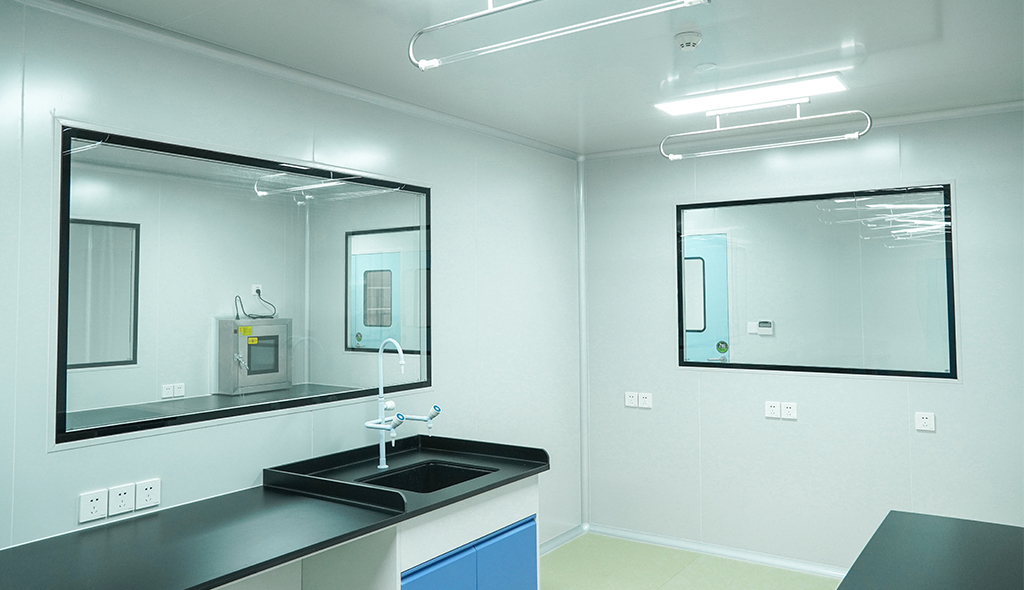 Cleanroom Glass Windows Are The Key to Maintaining a Clean Environment
 -
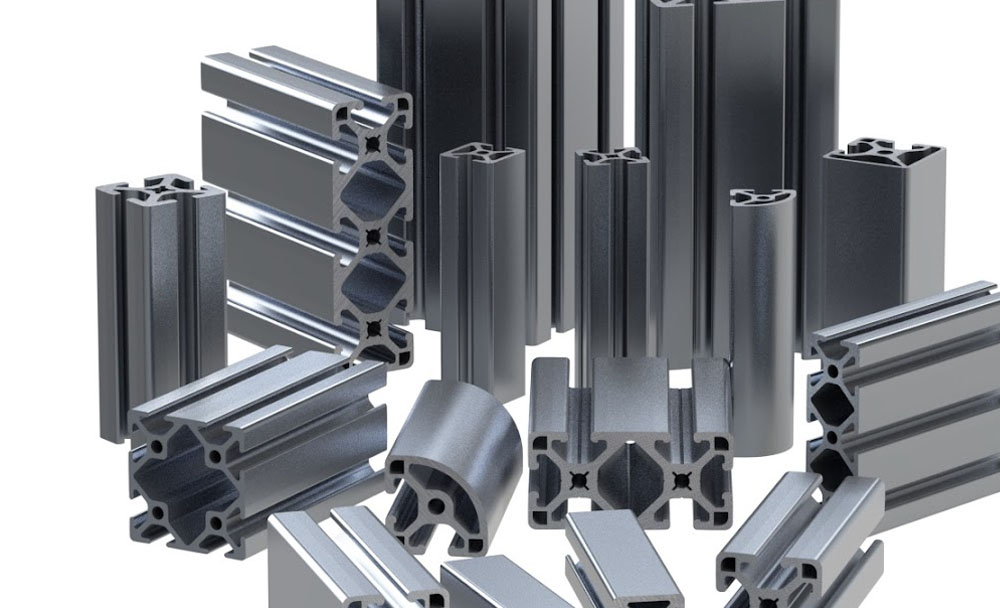 Top Aluminium Profile Manufacturers in China: Leading the Global Market
 -
 The Evolution of Air Tight Sliding Doors
 -
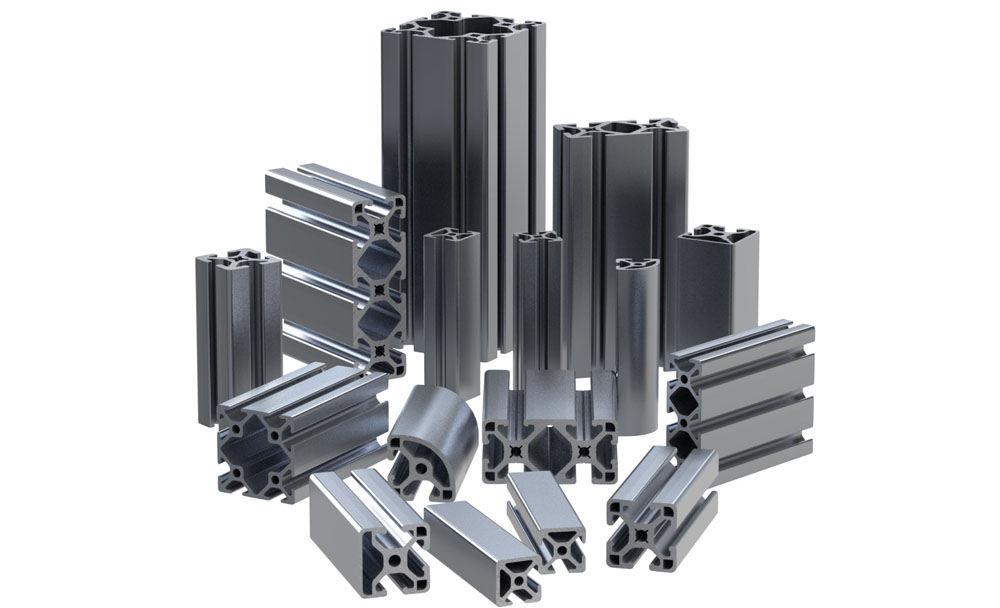 AHU Aluminium Profile: A Comprehensive Guide
 -
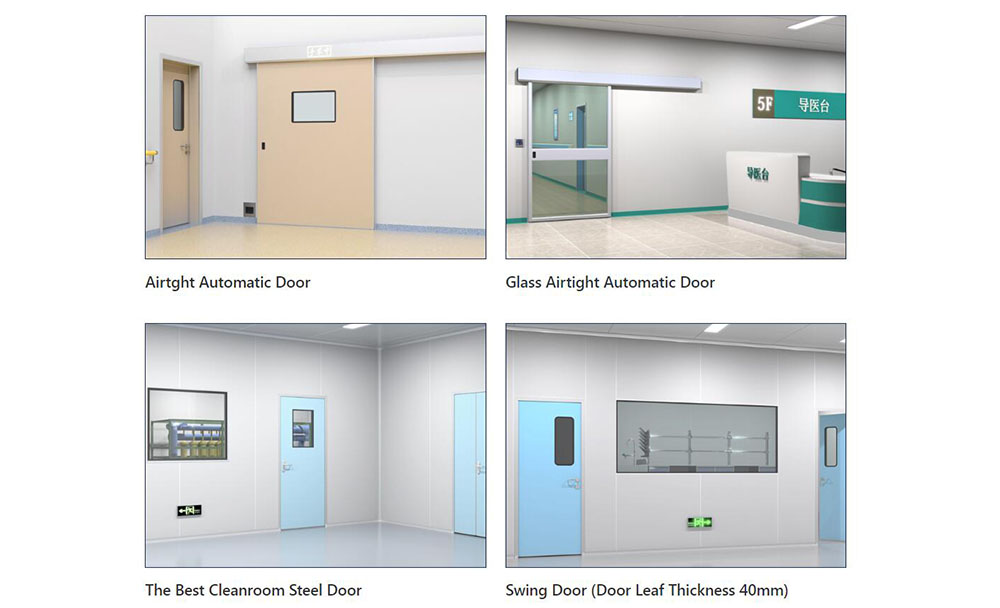 The Importance of Choosing the Right Cleanroom Door in Vietnam
 -
 The Benefits of Hospital Automatic Doors: Enhancing Efficiency and Safety
 -
.jpg) The Best Bathroom Door Manufacturers - Unlocking Endless Possibilities!
The Best Bathroom Door Manufacturers - Unlocking Endless Possibilities! -
 Unlock the Possibilities with AJ Manufacturing Doors
 -
 Make a Statement with Manufactured Home Interior Doors!
 -
 what is aluminum profile? Aluminum Profiles for Your Home is the best option
-
 What Is a Return Air Vent and Why Does It Matter in HVAC
 -
 Top Materials for Durable Pharma Clean Room Doors
 -
 Hospital Cleanroom Door Design Requirements
 -
 Swing Doors vs Standard Doors: Which Is Right for Your Facility
 -
 Cleanroom Door Materials Explained: Key Types and Applications
 -
 How Do Different Vent Grills Impact Medical Cleanrooms
 -
 Controlled Environment vs Air Clean Room Differences Explained
 -
 How to Extend the Life of Your Exterior Steel Door
 -
 What Are the Best Materials for AC Vent Covers
 -
 Ceiling Vent Covers Labeled Fire-Rated? Here’s How to Verify





-

Home
-

Tel
-

Email
-

Contact


Guangzhou Yizhong Aluminum Industry Co., Ltd.
We are always providing our customers with reliable products and considerate services.
We are always providing our customers with reliable products and considerate services.
Speak Your Mind