
Comprehensive Guide to ISO 7 Cleanroom Standards: Design, Applications, And Compliance
1. Introduction to ISO 7 Cleanroom Standards
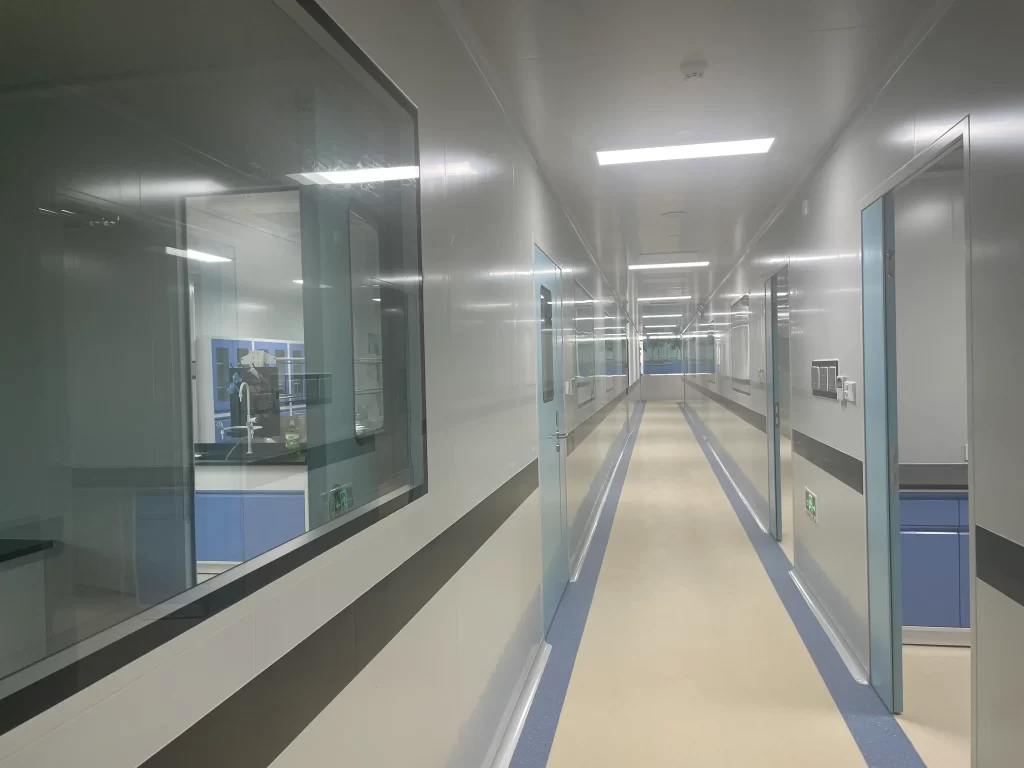
An ISO 7 cleanroom is a controlled environment designed to minimize airborne contaminants, ideal for industries like pharmaceuticals, electronics, and medical devices. As defined by ISO 14644-1 (the international standard for cleanroom classification, available on the ISO website), this environment limits particles of 0.5 microns or larger to 352,000 per cubic meter, equivalent to the outdated Federal Standard 209E “Class 10,000.” Using High-Efficiency Particulate Air (HEPA) filters, 30–60 air changes per hour (ACH), positive pressure systems, and strict personnel protocols, ISO 7 environments ensure effective contamination control. They are widely used for tasks such as pharmaceutical packaging, chip assembly, and biotech experiments. Compared to the stricter ISO 5, this standard balances cleanliness with cost-effectiveness. For instance, a mid-sized pharmaceutical facility (producing 1 million vials annually) implemented an ISO 7 cleanroom for anticancer drug packaging, reducing contamination from 0.1% to 0.01% and saving thousands annually on quality control.
Frequently Asked Questions:
- Which industries benefit from ISO 7 cleanrooms?
Pharmaceuticals, electronics, medical devices, and food processing—perfect for scenarios needing high cleanliness on a budget. - Why choose an ISO 7 environment?
It offers cost-effective contamination control for products sensitive to particles or microbes.
2. ISO 7 Cleanroom Particle Count Requirements
Maximum Allowable Particle Counts
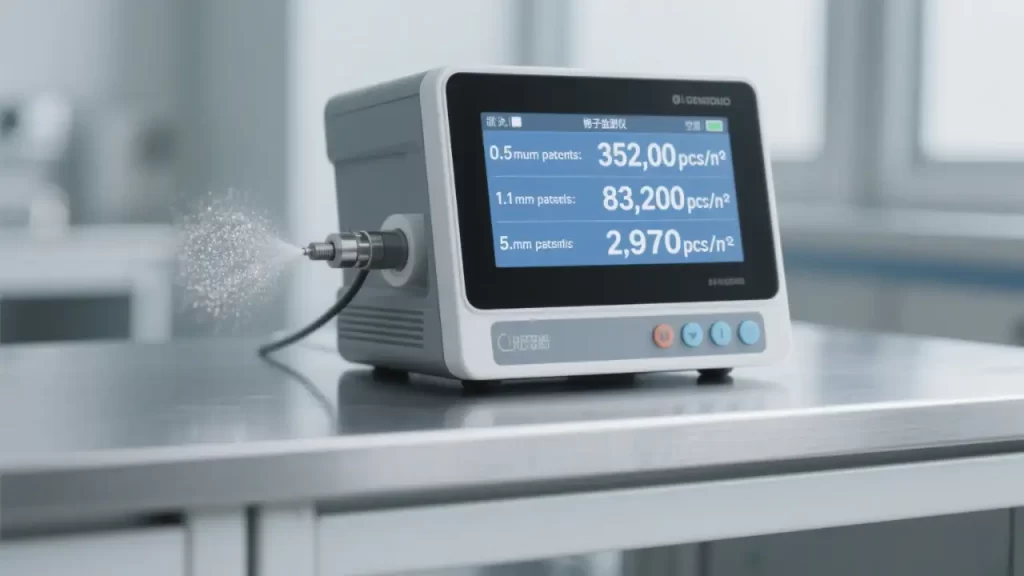
The primary goal of an ISO 7 environment is to control airborne particles, creating a pristine setting akin to an “oasis in a dust storm.” Per ISO 14644-1:2015, the air must contain no more than 352,000 particles of 0.5 microns or larger per cubic meter. This is critical for industries like pharmaceuticals and electronics, where a single dust particle can ruin a chip. Laser particle counters are used for regular multi-point sampling to ensure uniform cleanliness. For example, an electronics factory (producing 100,000 chips daily) faced a two-day shutdown costing thousands due to particle exceedances from neglected filter maintenance. Optimizing their maintenance schedule restored compliance.
Particle Size Requirements
Different particle sizes pose unique risks, so ISO 7 cleanrooms monitor particles at 0.5 microns, 1 micron, and 5 microns or larger. The limits are 83,200 particles per cubic meter for 1-micron particles and 2,930 for 5-micron particles. In pharmaceuticals, 5-micron particles raise concerns due to potential microbial contamination, while in electronics, 0.5-micron particles can cause short circuits. Testing covers room corners to ensure consistent cleanliness. Positive pressure and low-level return air systems efficiently remove particles, maintaining fresh air.
Comparison with Federal Standard 209E
This cleanroom standard modernizes the obsolete Federal Standard 209E “Class 10,000,” with similar particle limits (around 353,000 particles of 0.5 microns per cubic meter). However, ISO 7 involves more rigorous testing across a broader range of particle sizes. Its global applicability makes it preferred, reducing costs by about 30% for medical device assembly compared to older standards.
3. Air Change Rates and Filtration Systems
Air Changes per Hour (ACH)
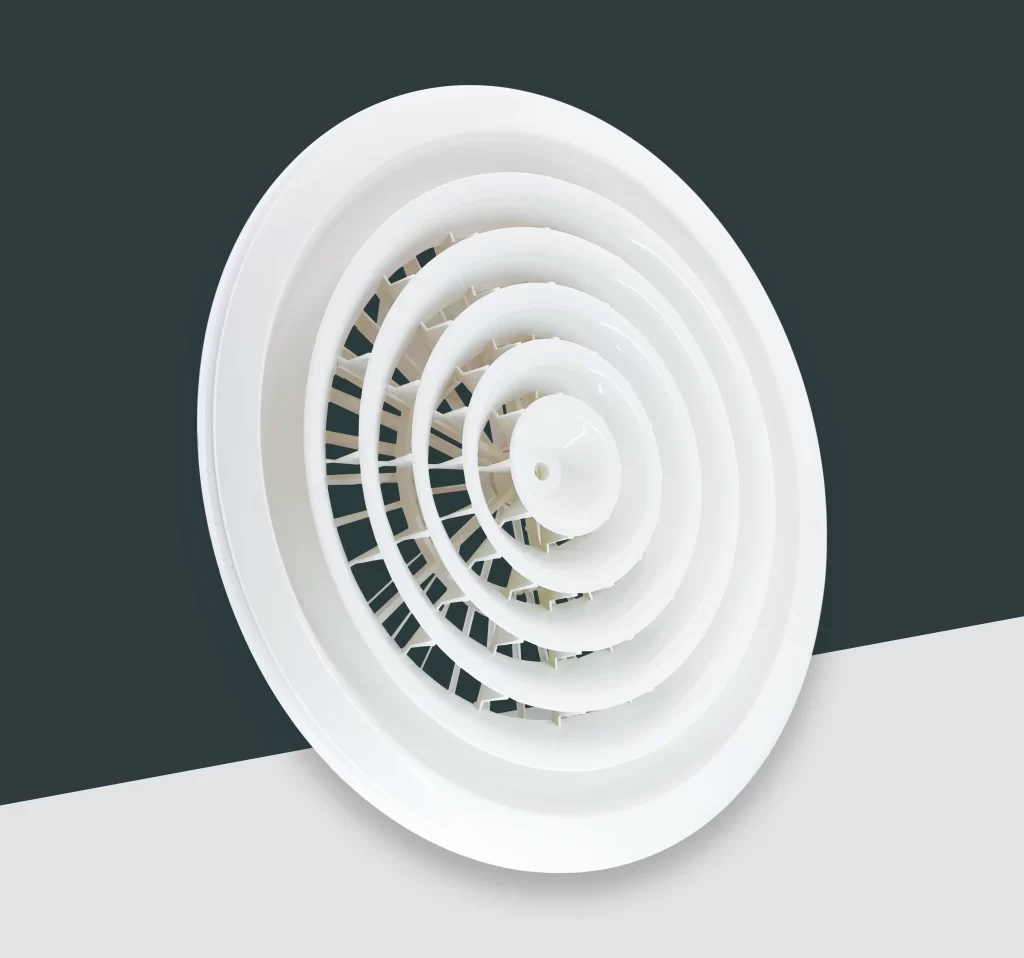
ISO 7 environments maintain air circulation like a “well-oiled machine,” requiring 30–60 air changes per hour (ACH) to remove particles swiftly. Pharmaceutical facilities may opt for 60 ACH to ensure sterility, while electronics plants might choose 30 ACH to save energy. For example, a medical device manufacturer (producing 500,000 units annually) reduced ACH from 60 to 40, saving thousands yearly on electricity while remaining compliant.
Role of HEPA Filters
HEPA filters are the “unsung heroes” of contamination control, capturing 99.99% of 0.3-micron particles. Installed at vents or ceilings, they ensure clean air for pharmaceutical production or chip manufacturing. Maintenance tip: Inspect every 12–18 months, replacing based on usage intensity.
Optional ULPA Filters
Ultra-Low Particulate Air (ULPA) filters, with 99.999% efficiency for 0.12-micron particles, are ideal for high-end semiconductor production but cost 50% more than HEPA. ISO 7 cleanrooms typically use HEPA, reserving ULPA for precision optics manufacturing.
Airflow Pattern Options
Airflow patterns determine how clean air moves. Non-unidirectional flow is cost-effective for drug packaging, while unidirectional flow (ceiling to floor) suits precision electronics. A chip factory (producing 10,000 wafers monthly) adopted unidirectional flow, reducing defect rates by 20%, though initial costs were 30% higher.
4. Design and Construction Features
Modular Cleanroom Design
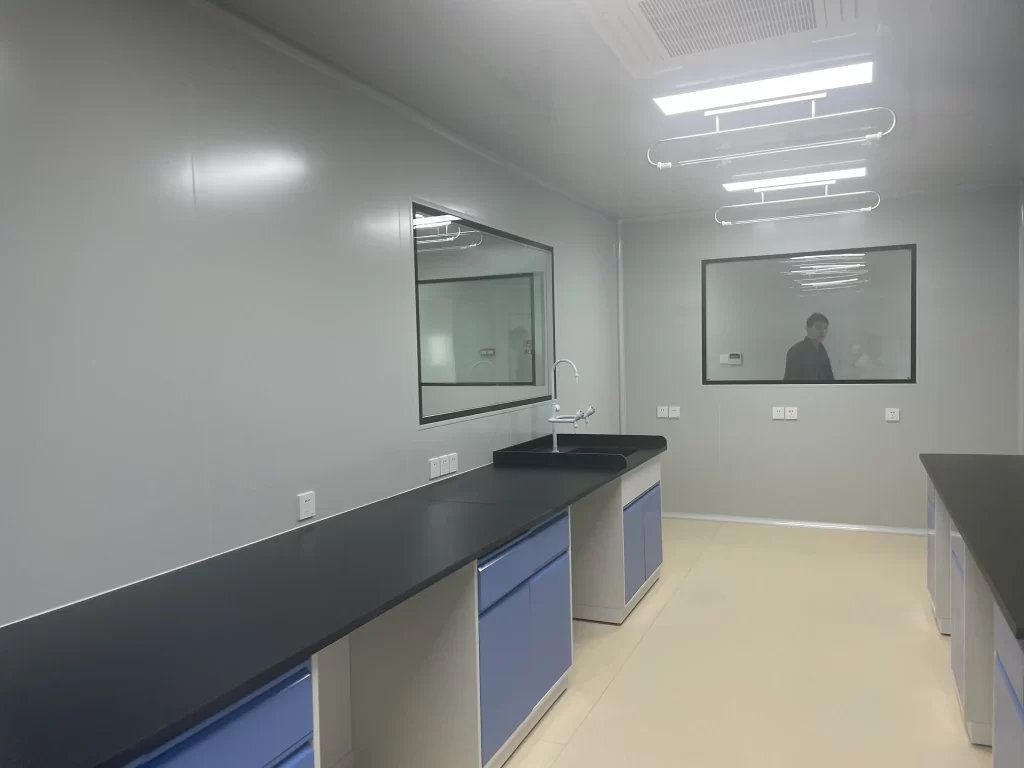
Designing an ISO 7 cleanroom is like “building with LEGO blocks”—modular for flexibility. Hardwall structures (metal or composite panels) suit pharmaceutical plants for durability and easy cleaning, while softwall structures (plastic curtains) are 20% cheaper for temporary labs. A food processing plant switched to PVC panels after porous materials caused contamination, achieving compliance and saving thousands yearly on maintenance.
Material Requirements
Cleanroom walls and floors act as “dust-proof guardians,” using non-porous, non-shedding materials like stainless steel or epoxy-coated floors for corrosion resistance and easy cleaning. Electronics facilities add antistatic materials to prevent particle adhesion. Regular checks for material wear are recommended to maintain contamination control.
Positive Pressure Systems
Positive pressure systems serve as an “air shield,” maintaining a 10–15 Pa pressure differential to block external contaminants. Essential for pharmaceuticals to prevent microbial intrusion, they require monthly pressure checks for stability.
Low-Level Return Air Design
Low-level return air systems function like “vacuum cleaners,” channeling air from ceiling to floor vents to remove particles. An electronics plant optimized return vent placement, improving particle removal efficiency by 25%.
5. Personnel Protocols and Attire
Importance of Changing Rooms
The changing room is the “purification gateway” for ISO 7 environments, typically rated ISO 8 to block external dust and hair. Equipped with positive pressure and smooth surfaces, it minimizes contamination risks. A pharmaceutical plant (producing 100,000 tablets daily) improved changing room seals after contamination issues, boosting pass rates by 10%.
Required Attire
Workers dress like “dust-free astronauts” in full-body cleanroom suits, shoe covers, hoods, and gloves made of polyester or antistatic materials. Pharmaceuticals may add face shields to prevent respiratory contamination.
Particle-Free Clothing
Cleanroom attire must be particle-free, with disposable options for sterile production or reusable ones for cost savings. Specialized washing ensures no residual particles; monthly wear checks are advised.
Entry Procedures
Entering an ISO 7 cleanroom involves:
- Airlock Room: A buffer zone for donning cleanroom attire, isolating outside air.
- Air Shower: High-pressure air blasts remove particles, like a “wind bath.”
- Pass-Through Window: Items enter via UV-disinfected windows to prevent contamination.
6. Environmental Control Parameters
Temperature and Humidity Control
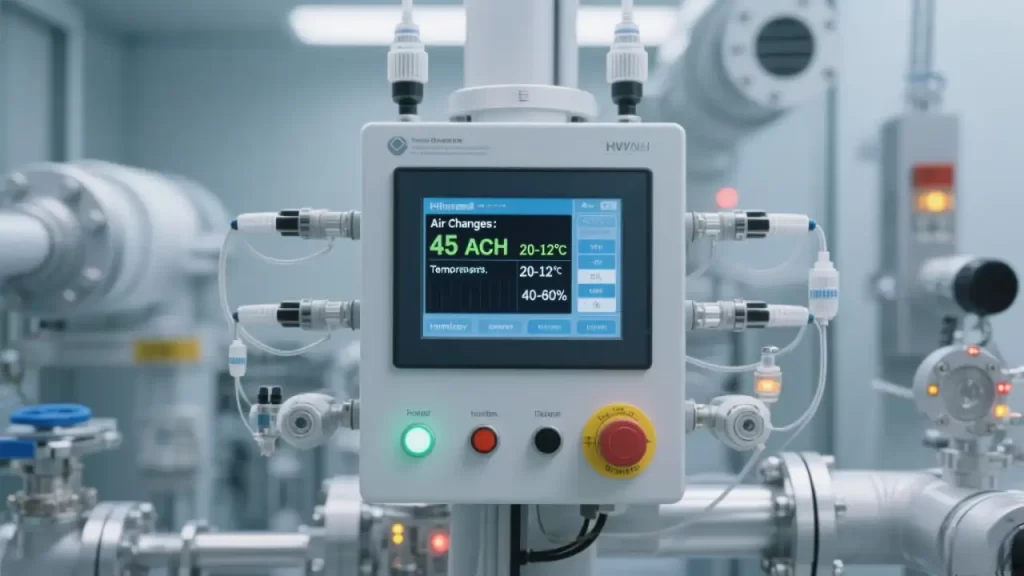
ISO 7 environments maintain temperature and humidity with “surgical precision” at 20–22°C and 40–60% humidity to prevent microbial growth in pharmaceuticals or static in electronics. HVAC systems adjust in real time. A chip factory (producing 5 million chips annually) resolved static issues from high humidity, improving yield by 15%.
Air Quality and Particle Monitoring
Laser particle counters monitor 0.5-micron particles in real time, with a limit of 352,000 per cubic meter. Data feeds to a control center, triggering alarms for anomalies. A medical device plant avoided significant losses by detecting airflow issues through monitoring.
Periodic Testing Schedule
Testing every 6–12 months includes:
- Particle Counts: Multi-point sampling for 0.5, 1, and 5-micron particles.
- Airflow Tests: Verify 30–60 ACH and airflow patterns.
- Pressure Differential Checks: Ensure 10–15 Pa to block contaminants.
7. Applications of ISO 7 Cleanrooms
Pharmaceutical Industry
ISO 7 environments are “sterile sentinels” for drug formulation and packaging, ensuring sterility with strict particle limits and air changes. A pharmaceutical plant (producing 2 million vials annually) used this standard for anticancer drug packaging, cutting contamination to 0.005% and saving thousands yearly on quality checks.
Electronics and Aerospace
These cleanrooms protect chips and satellite components from particle-induced failures. Unidirectional airflow reduces defects. An aerospace company (producing 1,000 sensors annually) used an ISO 7 environment for sensor assembly, lowering failure rates by 15%.
8. Compliance and Certification
ISO 14644-1 Validation Process
Certifying an ISO 7 cleanroom is like a “health checkup,” using light-scattering counters to ensure 0.5-micron particles stay below 352,000 per cubic meter. Multi-point sampling confirms uniformity. A pharmaceutical plant overcame certification delays due to uncalibrated equipment by streamlining calibration processes.
Industry-Specific Standards
Pharmaceuticals must meet USP 797/800 (U.S. Pharmacopeia for sterile compounding, requiring microbial sampling) and EU GMP Grade C (non-final sterilization, needing extra pressure tests). Monthly microbial testing is recommended for compliance.
Maintenance and Cleaning Protocols
Daily or weekly surface wiping with particle-free cleaners and HEPA filter checks every 12–18 months are essential. An electronics plant restored compliance after contamination by strengthening cleaning protocols.
Documentation and Benchmarking
Testing covers three states:
- As-Built: Validates empty room design.
- At-Rest: Checks equipment stability.
- Operational: Confirms cleanliness during production. Particle, airflow, and pressure data are logged for audits.
9. Cost and Operational Considerations
Cost-Influencing Factors
ISO 7 cleanroom costs are a “puzzle” of variables. Air change rates (30–60 ACH) drive energy costs, while HEPA filter installation and replacement account for 20–30% of the budget. Larger rooms increase material and maintenance expenses, with stainless steel walls costing 40% more than PVC. A 100-square-meter lab saved 25% on initial costs by choosing a smaller footprint.
Balancing Cleanliness and Budget
Balancing cleanliness with budget is like “walking a tightrope.” Drug packaging may prioritize high ACH, while electronics can use 30 ACH. Modular designs (hardwall or softwall) cut costs by 20%. Optimizing airflow patterns reduces energy use.
Customized Design for ISO 7 Cleanrooms
Pharmaceuticals require strict temperature and humidity controls, electronics need antistatic materials, and food processing demands corrosion-resistant surfaces. A chip factory added pass-through windows, reducing contamination and boosting efficiency by 10%.
-
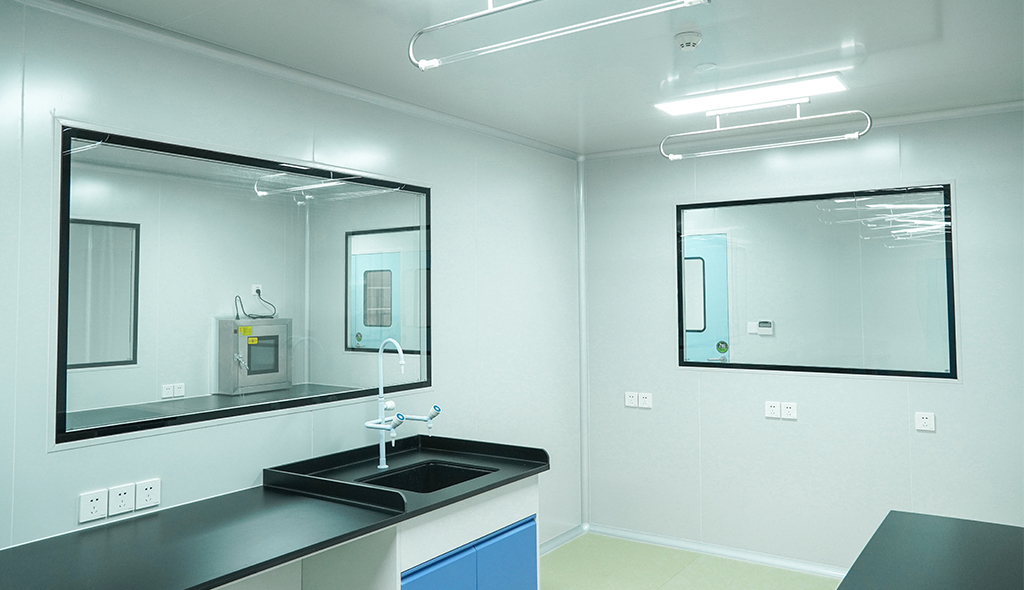 Cleanroom Glass Windows Are The Key to Maintaining a Clean Environment
 -
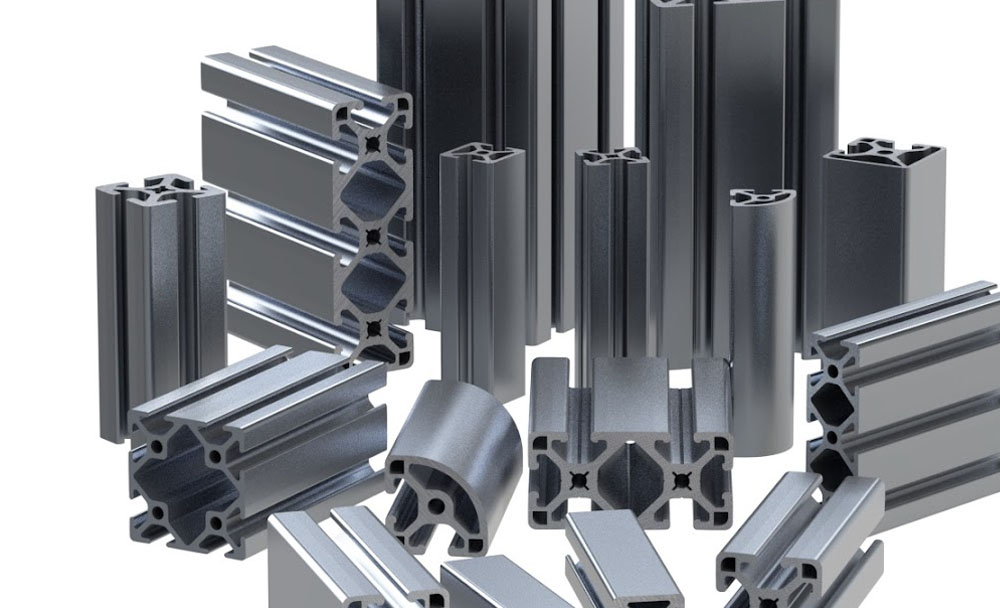 Top Aluminium Profile Manufacturers in China: Leading the Global Market
 -
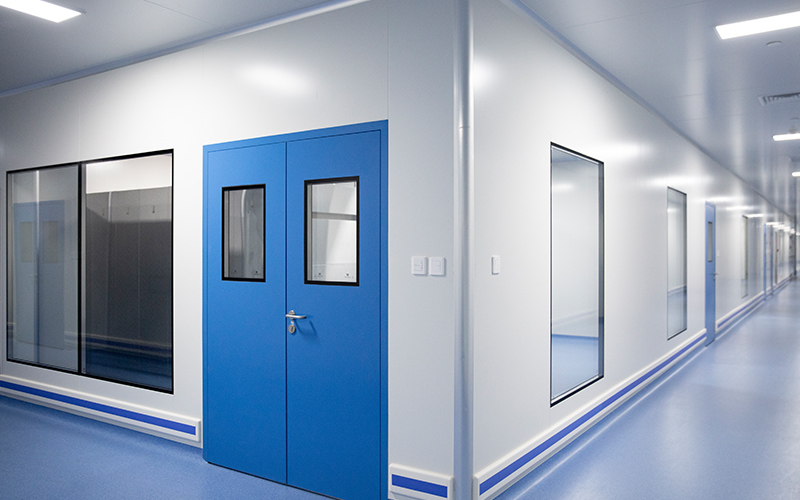 The Evolution of Air Tight Sliding Doors
 -
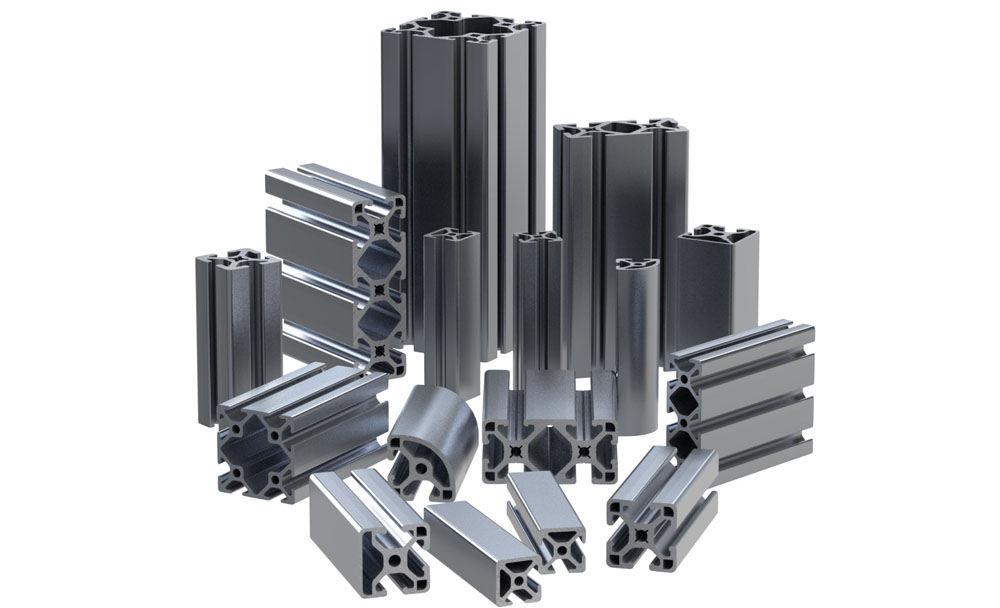 AHU Aluminium Profile: A Comprehensive Guide
 -
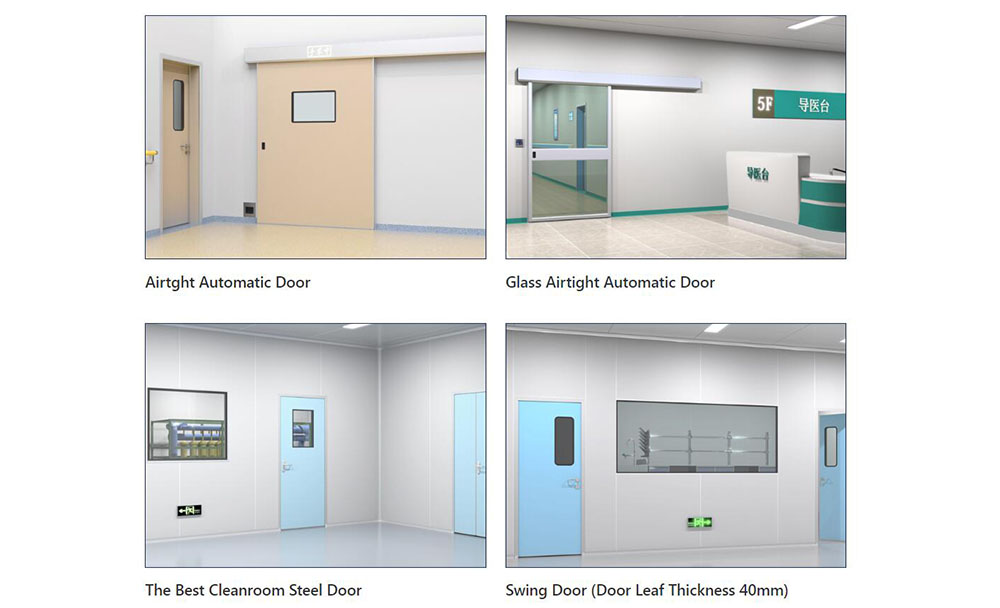 The Importance of Choosing the Right Cleanroom Door in Vietnam
 -
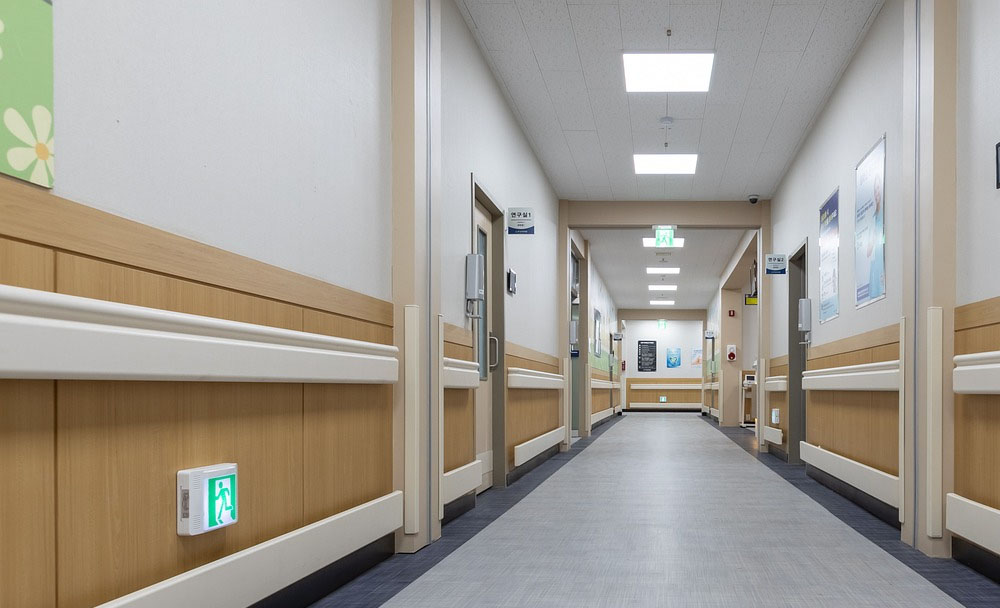 The Benefits of Hospital Automatic Doors: Enhancing Efficiency and Safety
 -
.jpg) The Best Bathroom Door Manufacturers - Unlocking Endless Possibilities!
The Best Bathroom Door Manufacturers - Unlocking Endless Possibilities! -
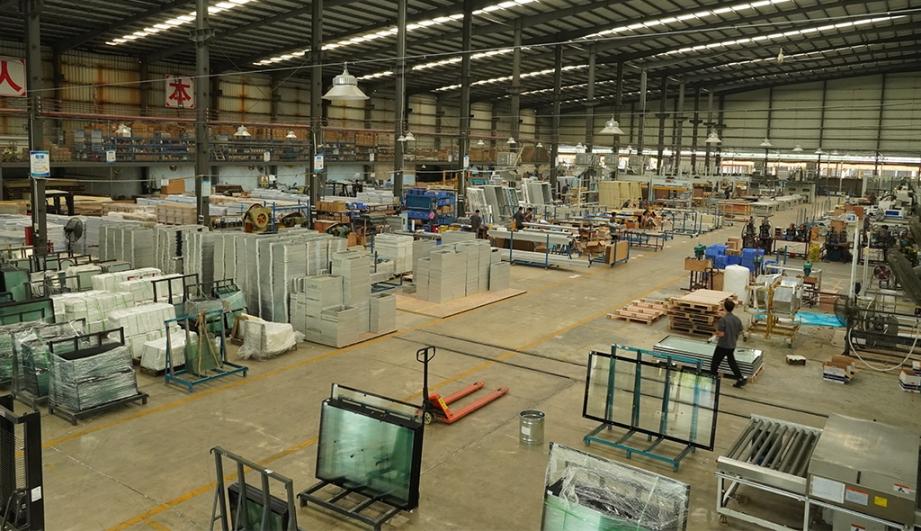 Unlock the Possibilities with AJ Manufacturing Doors
 -
 Make a Statement with Manufactured Home Interior Doors!
 -
 what is aluminum profile? Aluminum Profiles for Your Home is the best option
-
 How to Extend the Life of Your Exterior Steel Door
 -
 What Are the Best Materials for AC Vent Covers
 -
 Ceiling Vent Covers Labeled Fire-Rated? Here’s How to Verify
 -
 Upgrading Lab Doors: When to Replace vs. When to Retrofit?
 -
 Stainless Steel Door vs. Alternatives in Cleanrooms
 -
 Ceiling Vent Care Tips to Boost HVAC Efficiency Year Round
 -
 How Air Dampers Drive Efficiency in High Performance Buildings
 -
 Why Semiconductor Manufacturing Can’t Function Without Cleanrooms
 -
 How to Select the Right Floor Vent for Cleanrooms
 -
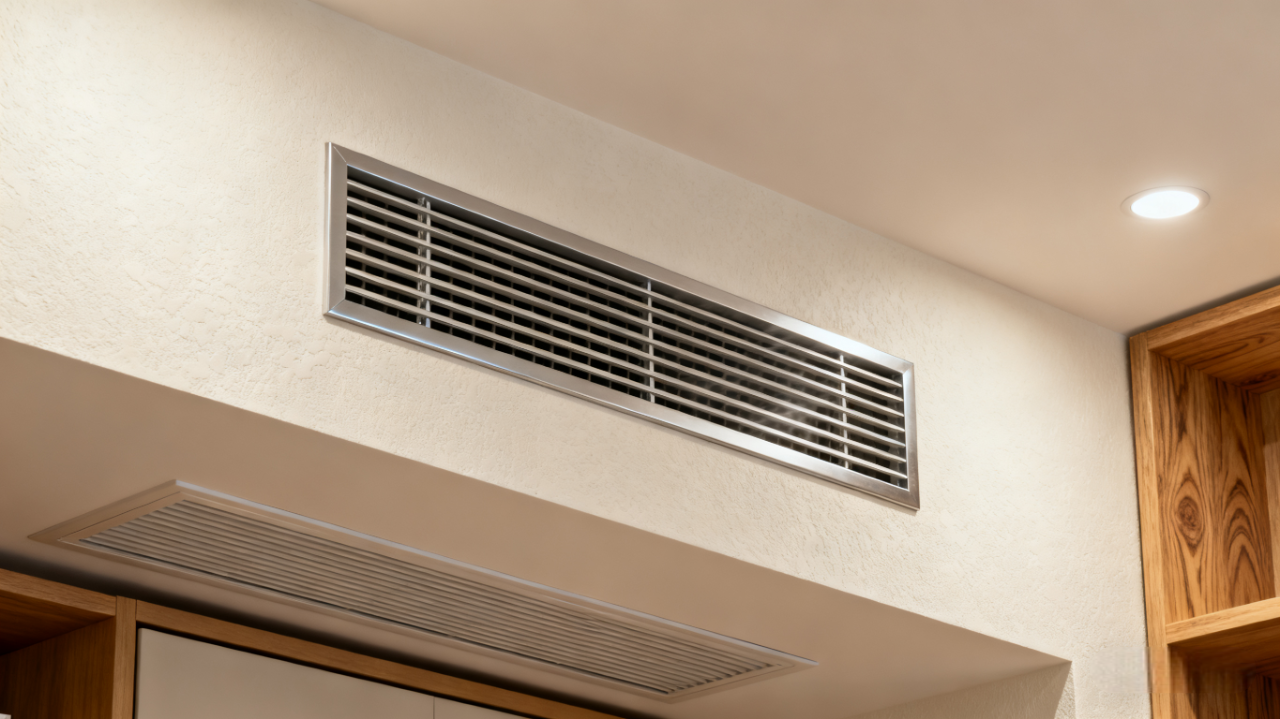 How to Clean and Maintain AC Registers for Peak HVAC Performance

-

Home
-

Tel
-

Email
-

Contact


Guangzhou Yizhong Aluminum Industry Co., Ltd.
We are always providing our customers with reliable products and considerate services.
We are always providing our customers with reliable products and considerate services.
Speak Your Mind