
Ceiling Diffuser: Elevating Indoor Air Quality with HVAC Systems
Indoor air quality (IAQ) significantly impacts health and comfort. Poor ventilation can cause fatigue, respiratory issues, or allergies, with prolonged exposure increasing asthma risks. A ceiling diffuser, a vital component of HVAC systems, optimizes airflow to enhance IAQ. This article explores how this device functions, its real-world applications, and tips for selection and maintenance, supported by technical data, to show how it delivers cleaner, healthier air for homes, offices, and public spaces with a ceiling diffuser for air quality.
Why Indoor Air Quality Matters
Poor IAQ is a pressing concern in modern buildings. The World Health Organization reports that indoor air pollution contributes to approximately 3.8 million premature deaths annually. In enclosed spaces, pollutants such as volatile organic compounds (VOCs) (from paints or furniture), fine particulate matter (PM2.5) (≤2.5 micrometers), and mold spores accumulate. Studies show indoor PM2.5 levels can be 2–5 times higher than outdoor levels without proper ventilation. An air diffuser, paired with air vents and exhaust vents, boosts air change rates (ACH), reducing pollutant concentrations. Using fluid dynamics, a ceiling diffuser ensures uniform air circulation, eliminates stagnation zones, and creates a healthier breathing environment, improving indoor air quality with a ceiling diffuser.
How a Ceiling Diffuser Works
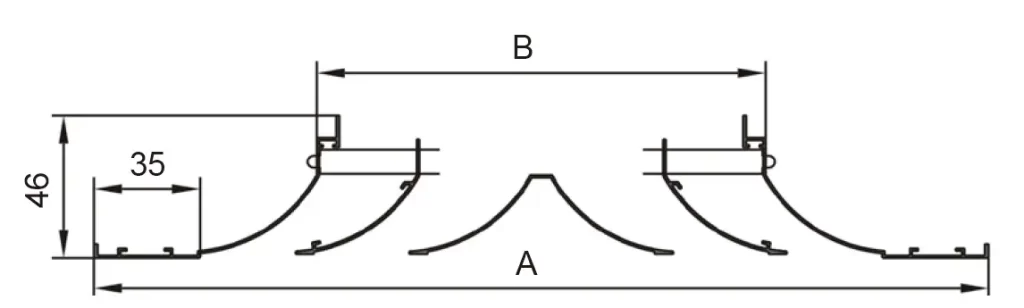
Function and Role
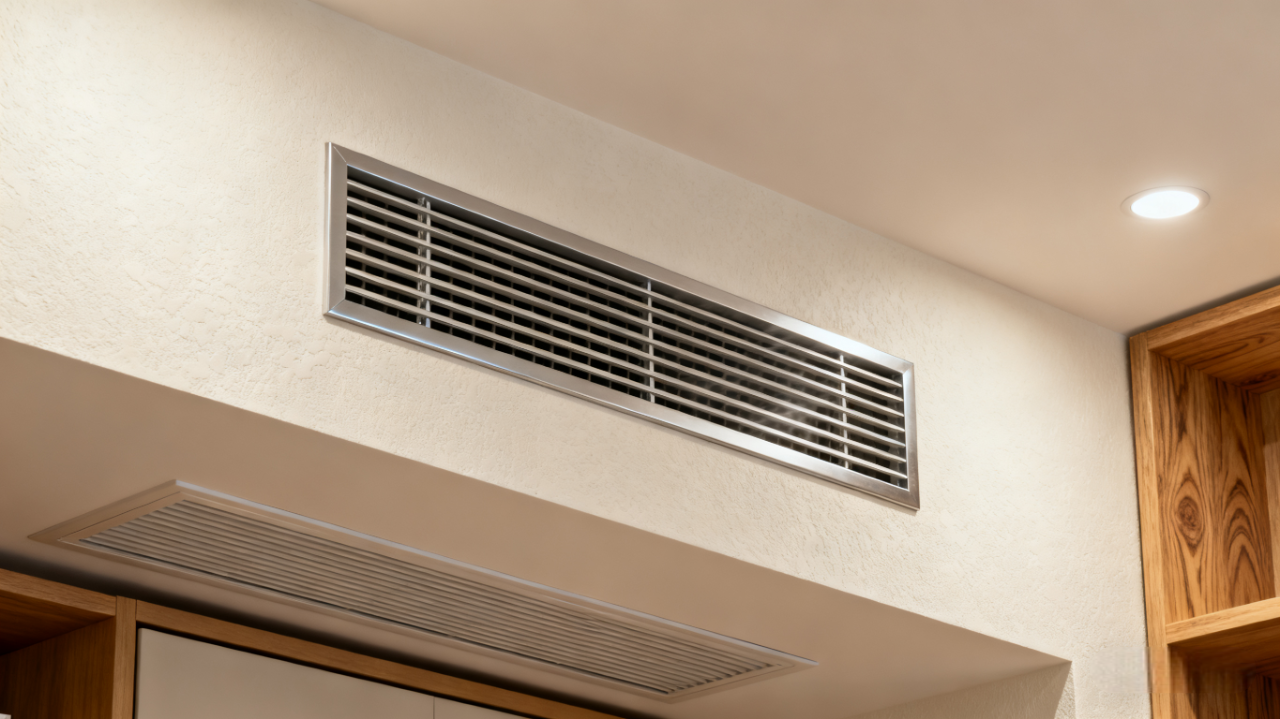
A ceiling diffuser, including specialized ceiling vent designs, distributes filtered, conditioned air from HVAC systems into indoor spaces, often integrated with terminal air conditioning units. It regulates temperature and optimizes air circulation to minimize pollutant buildup. Per ASHRAE standards, an effective diffuser reduces VOC concentrations to safe levels (<0.1 mg/m³), significantly enhancing indoor air quality.
Airflow Distribution Mechanisms
The device leverages aerodynamic principles, such as the Venturi effect and Coanda effect, to guide airflow, minimizing turbulence for occupant comfort. Key airflow patterns include:
- Directional Flow: Fixed vanes in a linear diffuser direct air to specific areas, ideal for meeting rooms, with velocities of 0.5–1.5 m/s for targeted ventilation.
- Swirl Flow: Rotating airflow in a swirl diffuser achieves a high induction ratio, covering large spaces like malls (10–15-meter reach), ideal for HVAC systems.
- Diffuse Flow: Perforated panels in a square diffuser spread air evenly, perfect for homes, achieving >90% airflow uniformity, complementing air handling unit heating for balanced indoor air quality.
Common Types of Diffusers
Different spaces require specific diffuser types:
- Square/Round Diffuser: Delivers uniform airflow for small spaces, with low static pressure loss (20–50 Pa), enhancing air vents for effective ventilation.
- Swirl Diffuser: Suits high-ceiling venues, with induction rates >10:1 and airflow capacities of 2000–5000 m³/h, boosting indoor air quality in large areas.
- Linear Diffuser: Offers sleek designs for narrow spaces like corridors, maintaining stable air velocities (0.2–0.8 m/s), working seamlessly with HVAC vents.
Direct Impacts on Indoor Air Quality
Eliminating Stagnation Zones
Stagnation zones trap pollutants and moisture, degrading indoor air quality. A ceiling diffuser, supported by vent dampers, achieves ACH of 4–8, ensuring >95% fresh air coverage, reducing CO₂ and VOC levels for a fresher environment with a ceiling diffuser for air quality.
Diluting Pollutants
An air diffuser dilutes VOCs (safe threshold <0.1 mg/m³) and PM2.5 (WHO annual mean <10 µg/m³). Uniform airflow through ceiling vents and return air vents disperses pollutants for removal. Studies indicate a well-designed ceiling diffuser cuts PM2.5 levels by 30–50%, with HEPA filters boosting this to 70–80%, optimizing air purification.
Controlling Humidity and Mold
High humidity (>60% relative humidity) fosters mold growth, releasing harmful spores. A ventilation device, paired with floor vents in moisture-prone areas, maintains ASHRAE-recommended humidity (40–60%), reducing mold risk by up to 80% through effective mold prevention with ceiling diffusers.
Synergy with Air Purification Systems
Integration with HEPA Filters and UV-C
A ceiling diffuser integrates seamlessly with HEPA filters, capturing 99.97% of particles ≥0.3 micrometers, and UV-C sterilization, using 254 nm wavelength to eliminate 99.9% of bacteria and viruses. HEPA filters remove dust and allergens, UV-C neutralizes microbes, and the diffuser distributes purified air evenly, ideal for hospitals requiring ISO 5 cleanroom standards, enhancing air purification.
Smart Ventilation Systems
Modern diffuser designs incorporate sensors to monitor CO₂ (<1000 ppm), VOCs, or PM2.5 in real time. When levels spike, variable air volume (VAV) systems adjust airflow via vent grills, reducing CO₂ to <800 ppm. These smart ventilation systems for offices excel in high-traffic environments.
Energy Efficiency and Sustainability
Optimized air circulation reduces HVAC system energy demands, cutting fan power consumption by 20–30%. Well-designed diffusers, paired with vent air covers, prevent overcooling or overheating, supporting LEED certification and balancing indoor air quality with energy savings.
Real-World Applications

Homes
In living rooms or bedrooms, a square diffuser (300–600 m³/h) ensures even air circulation, reducing VOCs (<0.05 mg/m³) with HVAC grilles for improved sleep quality. Paired with compact HVAC systems, it creates low-allergen environments (dust mite levels <2 µg/g) for allergy sufferers.
Commercial Spaces
In offices and malls, a swirl diffuser (10–15-meter reach) dilutes CO₂ (<900 ppm) and PM2.5, maintaining fresh air. A linear diffuser (0.3–0.5 m/s) suits open-plan offices, boosting productivity with strategic air vent placements.
Hospitals and Public Facilities
In operating rooms, a ceiling diffuser with HEPA filters maintains sterility (<10 CFU/m³). Wards use low-velocity airflow (0.1–0.3 m/s) via return air vents for patient comfort. Schools benefit from swirl diffusers, reducing allergens (pollen <10 µg/m³) to enhance focus.
Choosing and Installing a Ceiling Diffuser
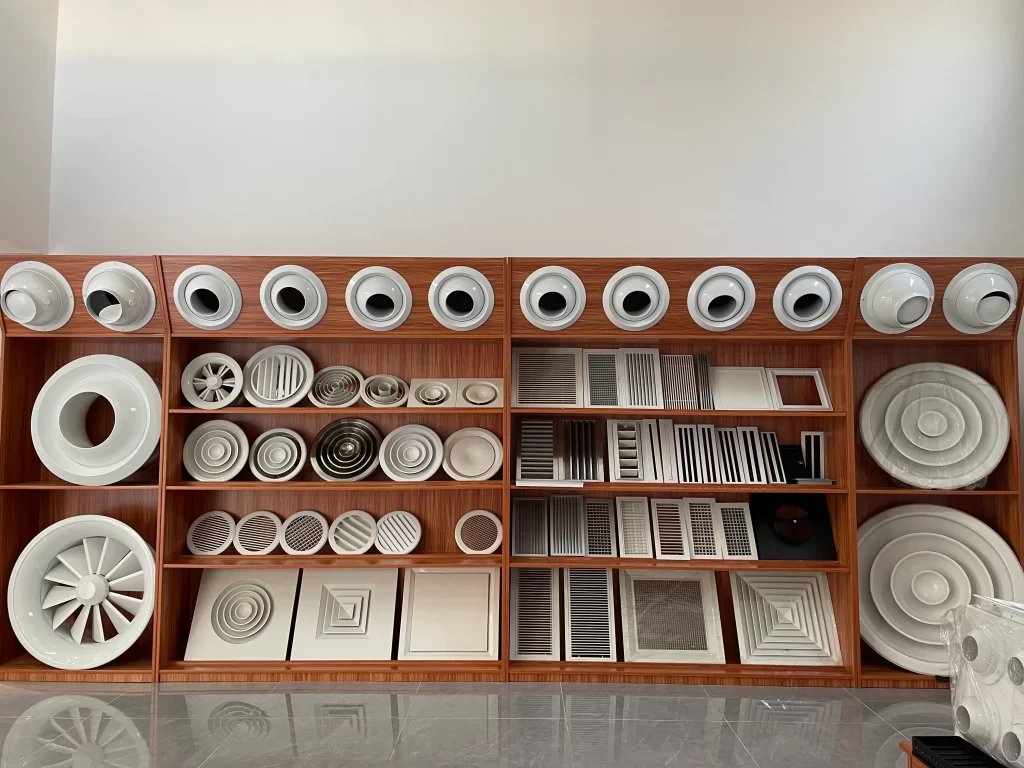
Selecting the Right Diffuser
Choose based on space requirements:
- Square/Round Diffuser: Offers 300–800 m³/h with low pressure loss, enhanced by ac vents for small spaces.
- Swirl Diffuser: Provides 2000–5000 m³/h, ideal for HVAC vents in high-ceiling areas.
- Linear Diffuser: Delivers 0.2–0.8 m/s airflow, paired with vent air covers for narrow spaces.
Installation Tips for HVAC Diffuser Installation
- Position: Place near HVAC system outlets, avoiding obstructions like lights or beams (resistance <50 Pa), to optimize ceiling vent and floor vent performance.
- Height: Set at 2.4–3 meters for homes, 3–6 meters for commercial spaces with HVAC grilles.
- Airflow Balance: Ensure uniform distribution (velocity differences <0.2 m/s) using vent dampers to avoid discomfort.
Maintenance Guidelines
- Regular Cleaning: Every 3–6 months, clean the diffuser and vent grills with a soft cloth or vacuum to prevent airflow reduction (<10% efficiency loss).
- Performance Checks: Monitor air velocity and noise (<35 dB), inspecting air handling unit heating if issues arise.
- Filter Replacement: Replace HEPA filters every 6–12 months to maintain air purification, ensuring return air vents function optimally.
Conclusion
A ceiling diffuser, including specialized ceiling vents, enhances indoor air quality by optimizing air circulation (ACH 4–8), diluting pollutants (VOCs <0.1 mg/m³, PM2.5 <10 µg/m³), and controlling humidity (40–60%). Paired with air vents, exhaust vents, and HEPA filters, it delivers cleaner air for homes, hospitals, and offices. Prioritizing HVAC diffuser installation in HVAC systems boosts health, comfort, and energy savings (20–30%), aligning with green building standards. Improve indoor air quality with a ceiling diffuser for healthier, more livable spaces.
-
 Cleanroom Glass Windows Are The Key to Maintaining a Clean Environment
 -
 Top Aluminium Profile Manufacturers in China: Leading the Global Market
 -
 The Evolution of Air Tight Sliding Doors
 -
 AHU Aluminium Profile: A Comprehensive Guide
 -
 The Importance of Choosing the Right Cleanroom Door in Vietnam
 -
 The Benefits of Hospital Automatic Doors: Enhancing Efficiency and Safety
 -
.jpg) The Best Bathroom Door Manufacturers - Unlocking Endless Possibilities!
The Best Bathroom Door Manufacturers - Unlocking Endless Possibilities! -
 Unlock the Possibilities with AJ Manufacturing Doors
 -
 Make a Statement with Manufactured Home Interior Doors!
 -
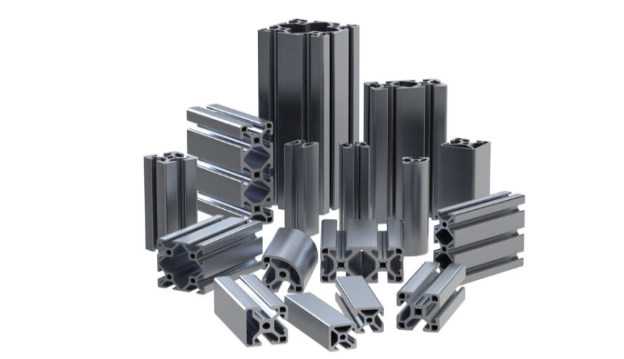 what is aluminum profile? Aluminum Profiles for Your Home is the best option
-
 How to Extend the Life of Your Exterior Steel Door
 -
 What Are the Best Materials for AC Vent Covers
 -
 Ceiling Vent Covers Labeled Fire-Rated? Here’s How to Verify
 -
 Upgrading Lab Doors: When to Replace vs. When to Retrofit?
 -
 Stainless Steel Door vs. Alternatives in Cleanrooms
 -
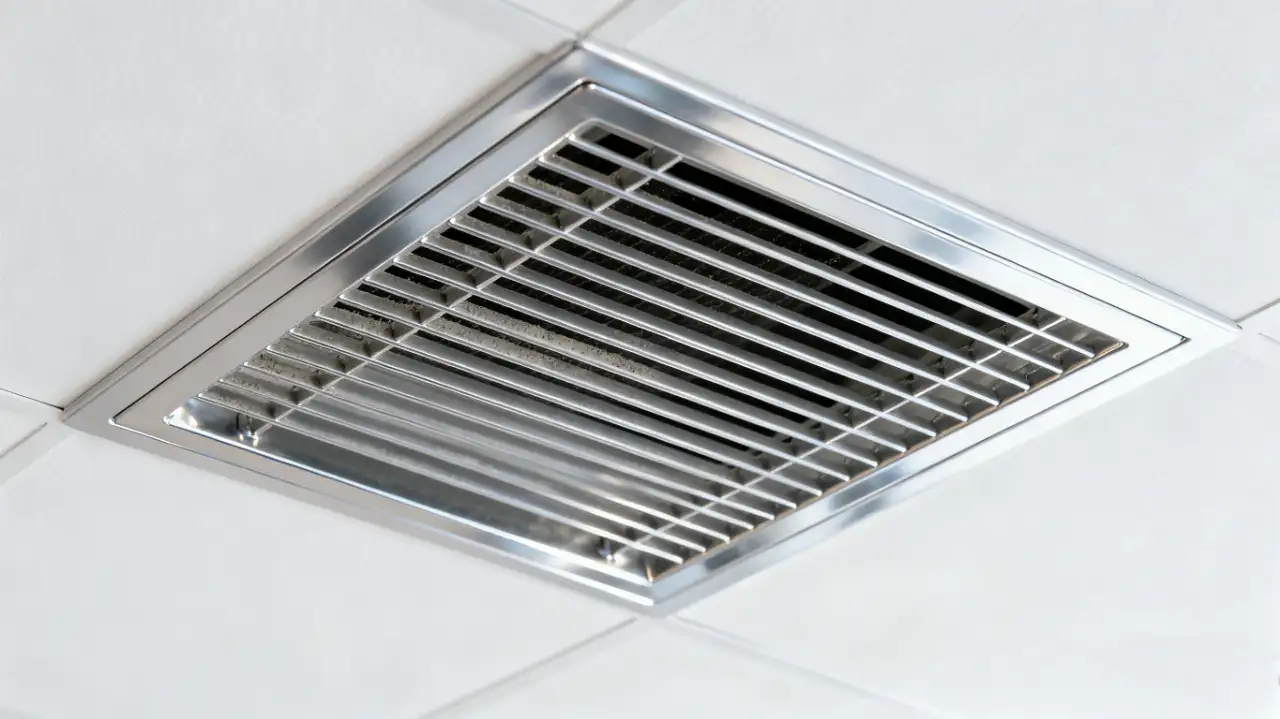 Ceiling Vent Care Tips to Boost HVAC Efficiency Year Round
 -
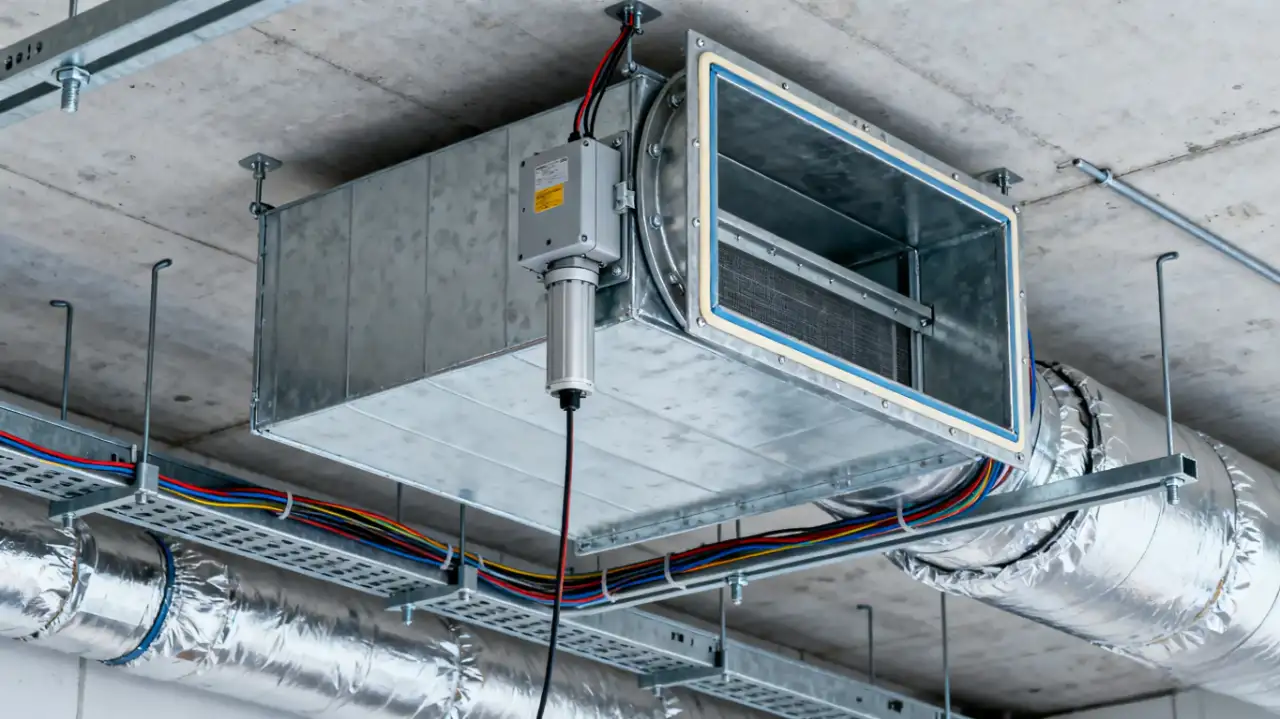 How Air Dampers Drive Efficiency in High Performance Buildings
 -
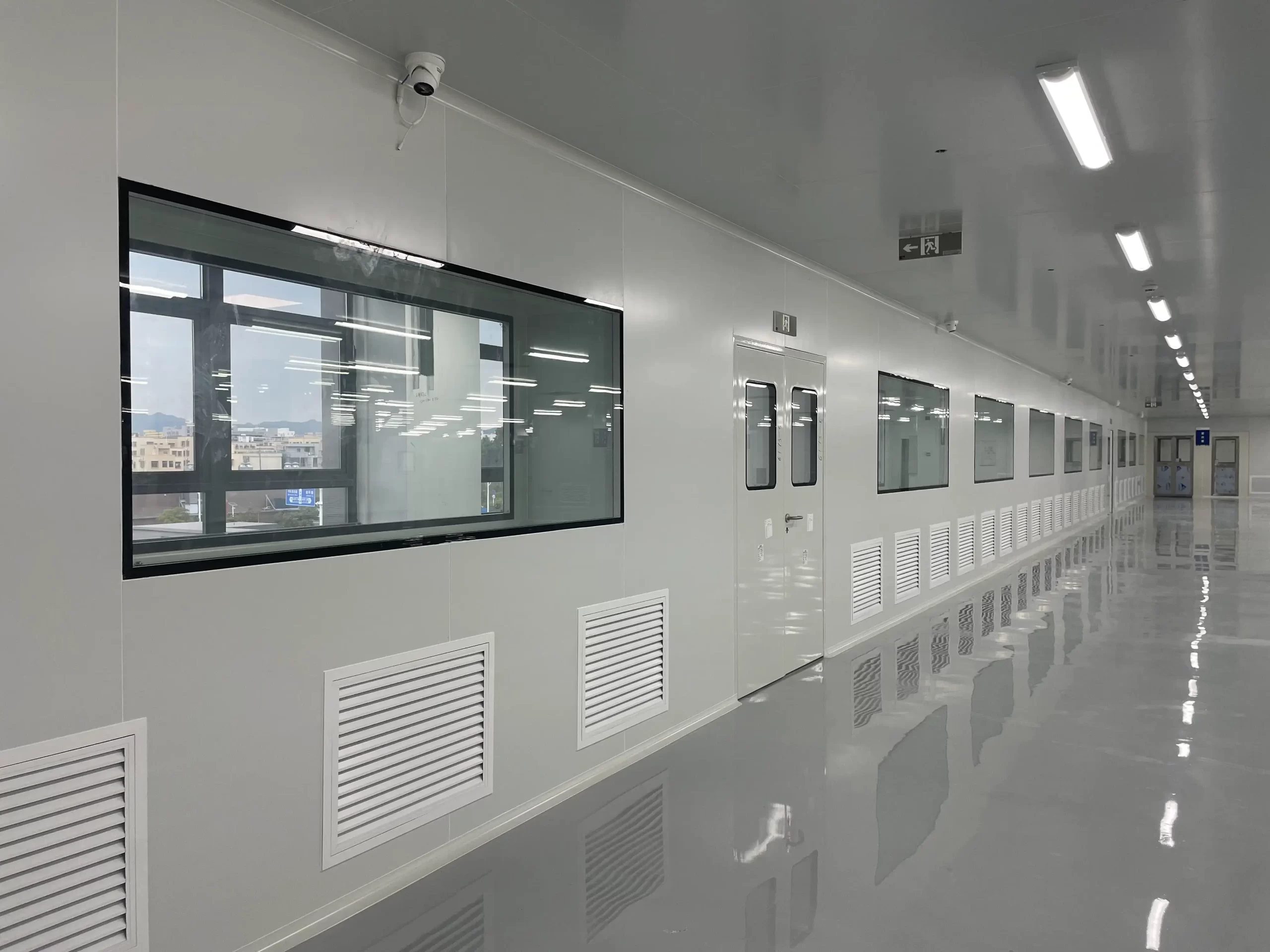 Why Semiconductor Manufacturing Can’t Function Without Cleanrooms
 -
 How to Select the Right Floor Vent for Cleanrooms
 -
 How to Clean and Maintain AC Registers for Peak HVAC Performance





-

Home
-

Tel
-

Email
-

Contact


Guangzhou Yizhong Aluminum Industry Co., Ltd.
We are always providing our customers with reliable products and considerate services.
We are always providing our customers with reliable products and considerate services.
Speak Your Mind